
Inactive· since Aug 21, 2026
- 2
- days it ran
- 0
- relaunches
Ad copy
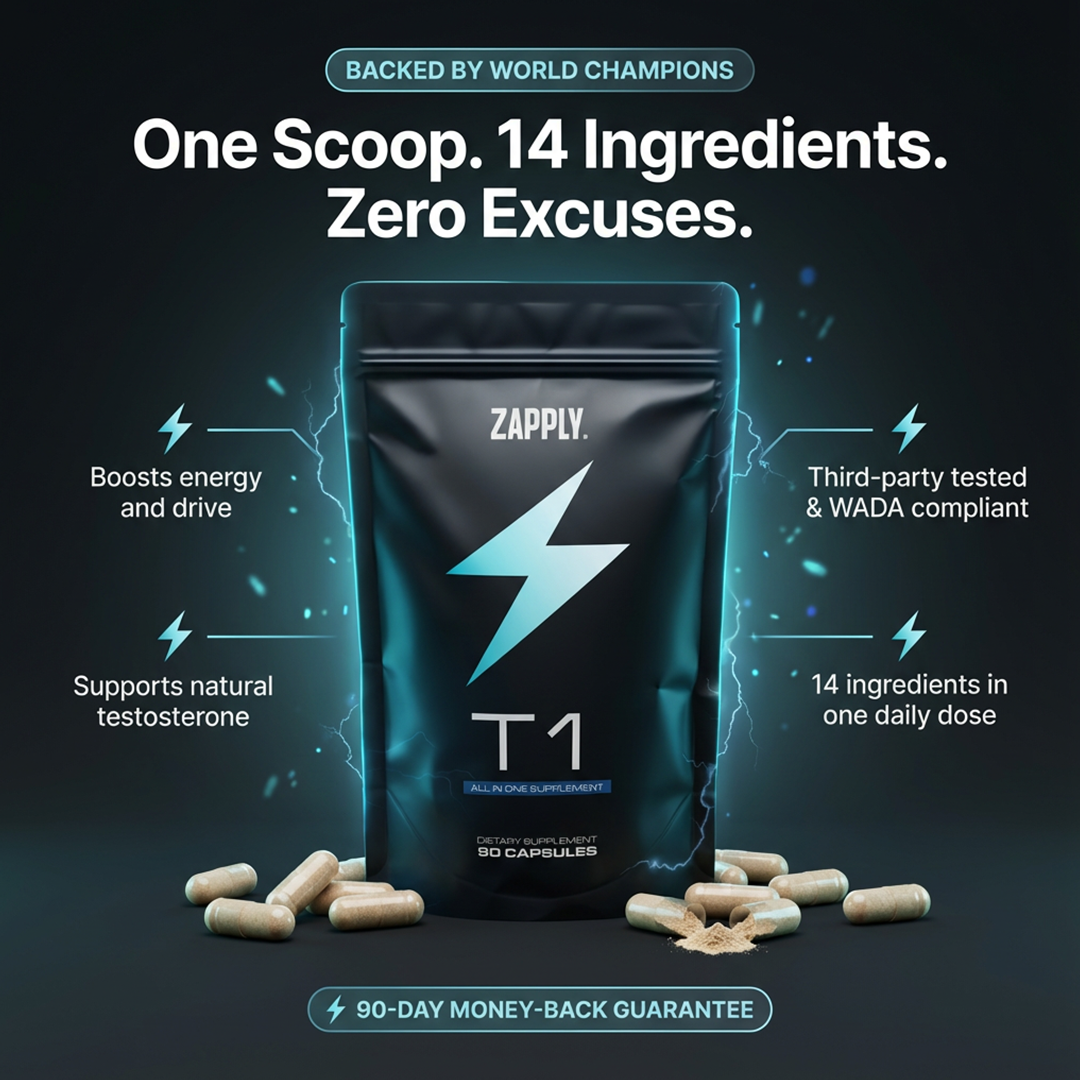
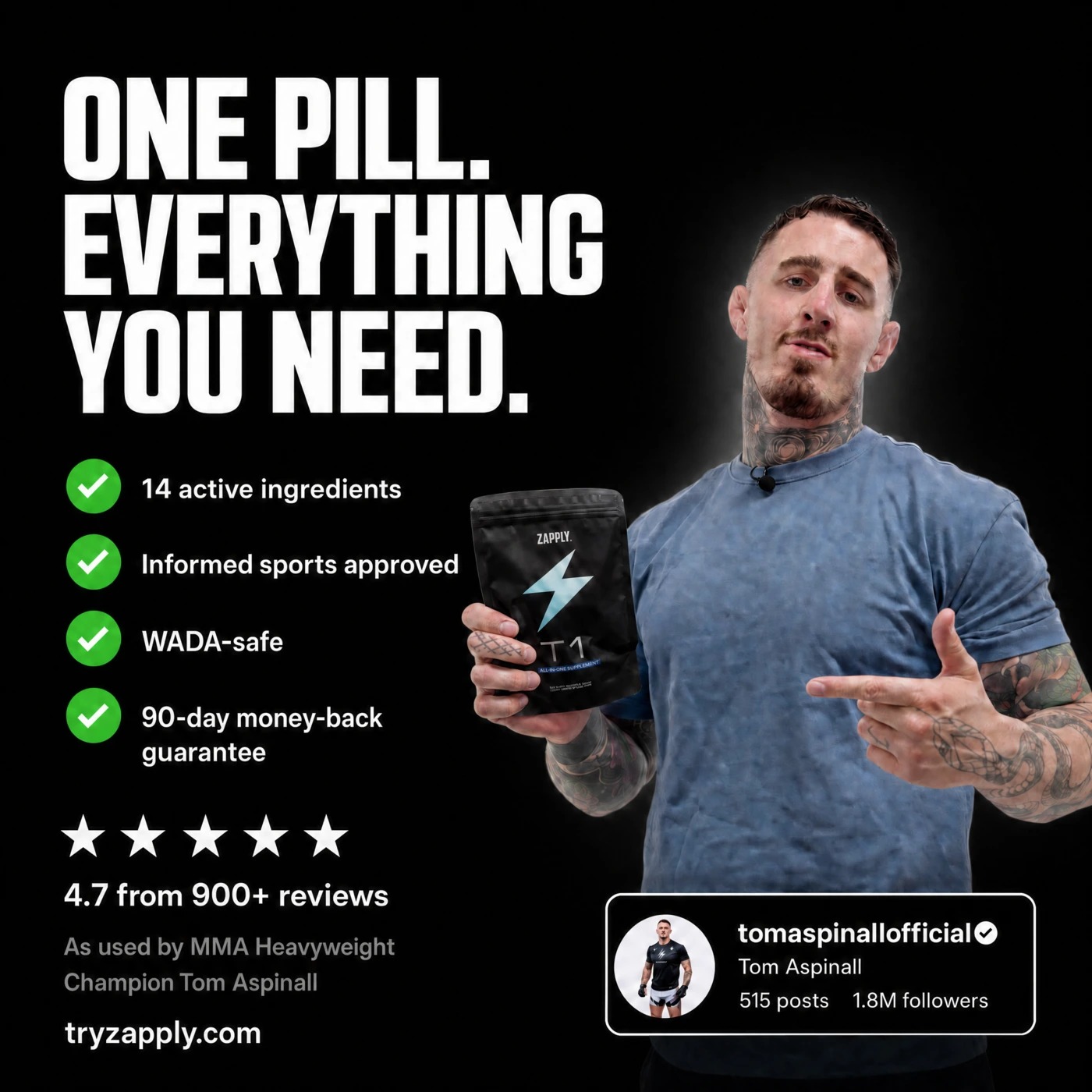
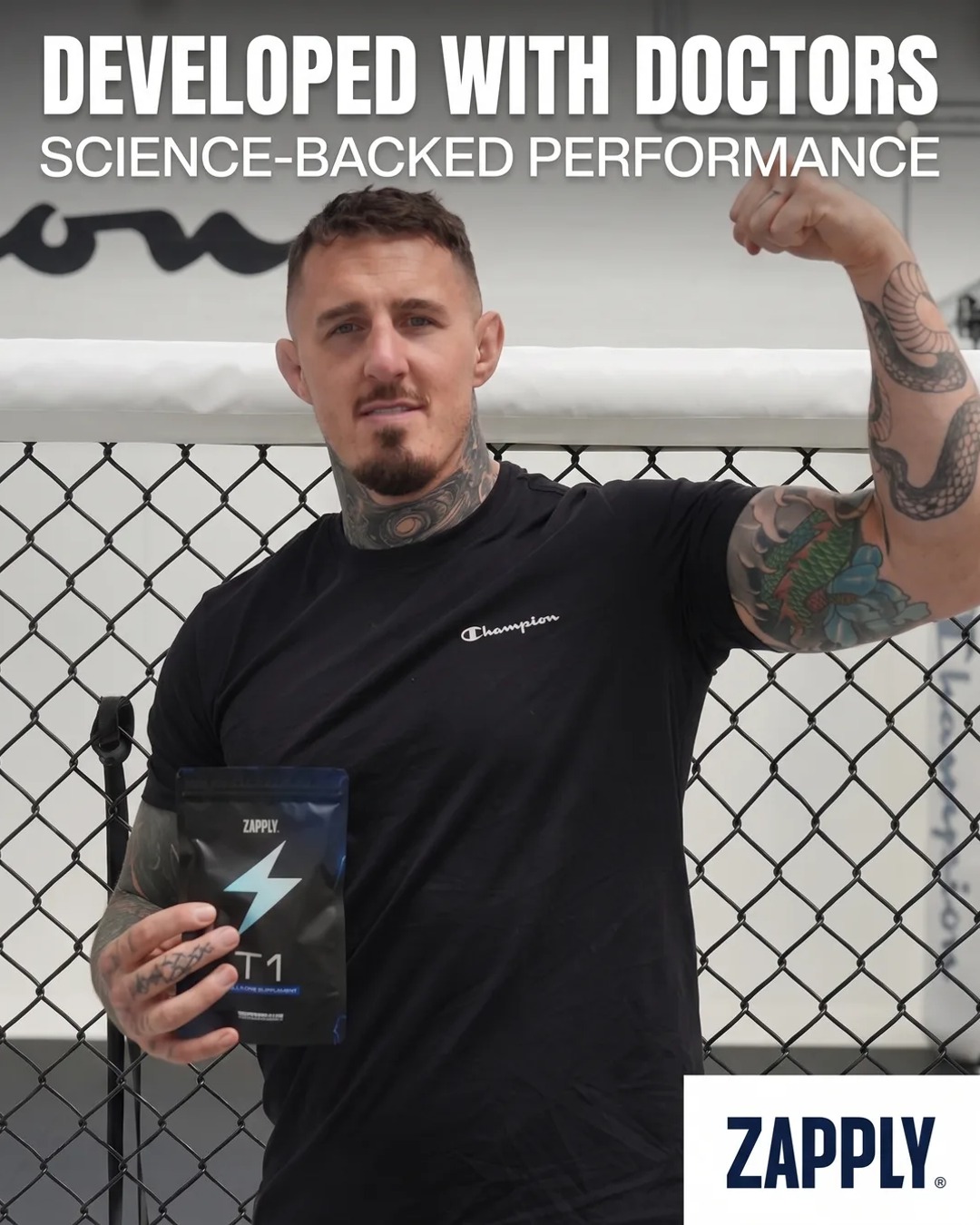
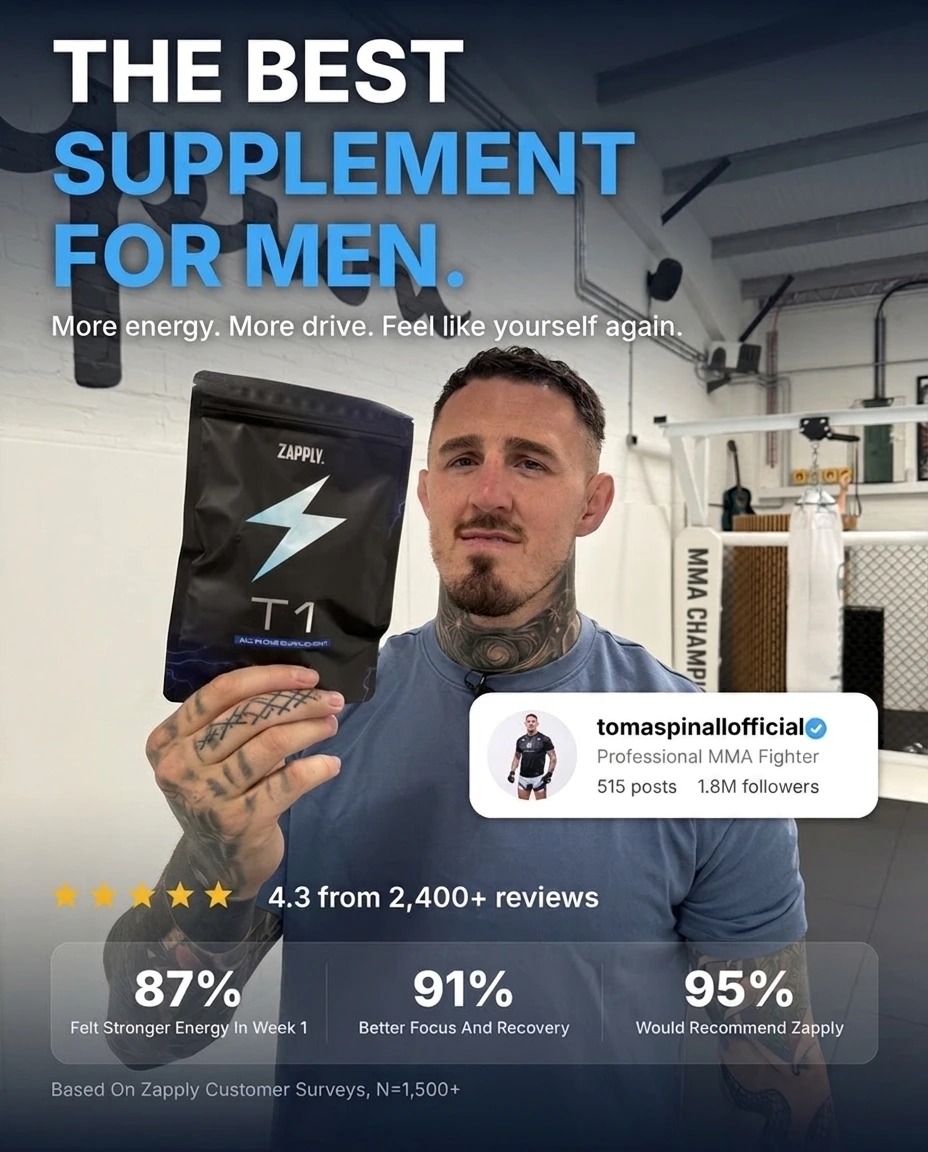
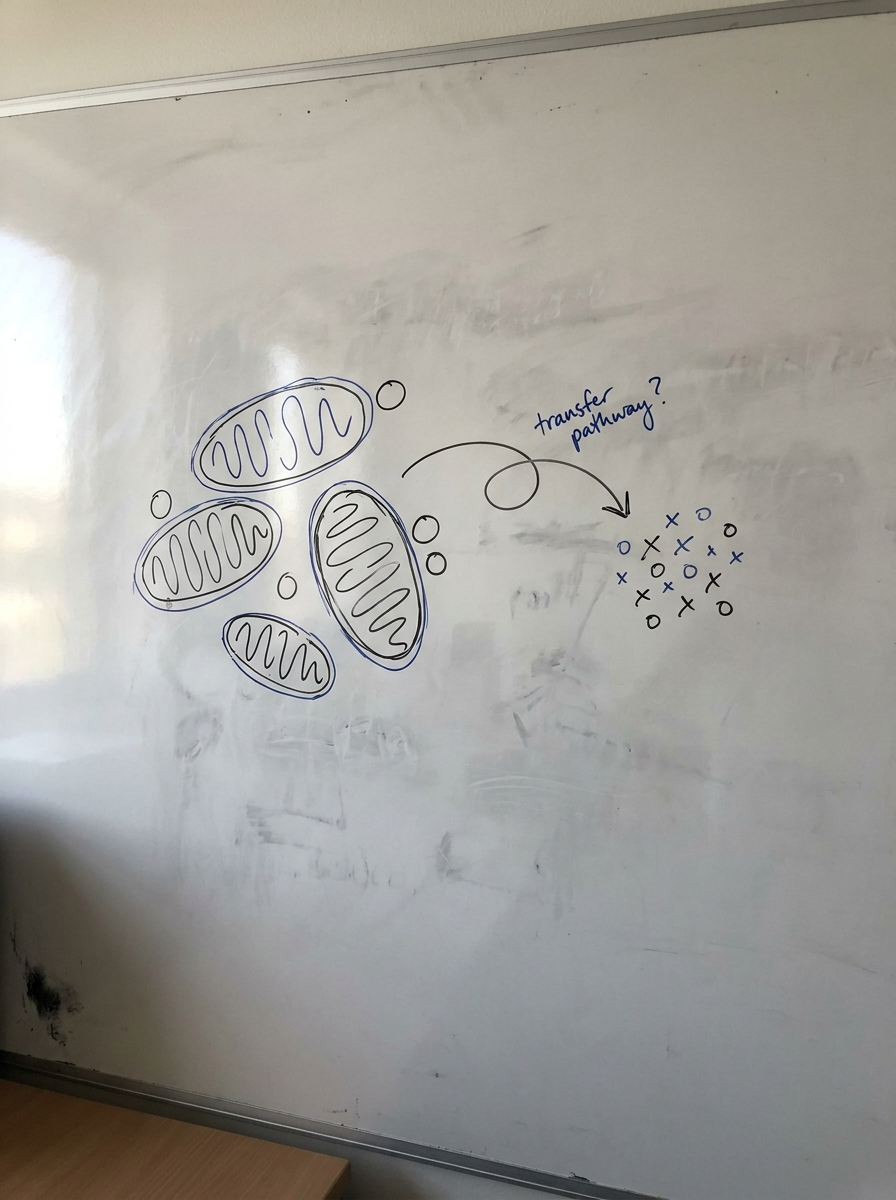
This is why men in their forties are so tired, and it has almost nothing to do with age. I spent eleven years working on cellular energy metabolism. Not clinical work — I was in a lab, measuring how cells produce, store and spend energy. That sounds abstract until you realise it is the mechanism underneath every tired man you have ever met. I left research a while ago and I write about this now, largely because of one question I was asked so many times it became the only thing I wanted to write about. Why is a man of forty-four flatter than a man of sixty-one? Not sicker. Not weaker. Just emptier. Hitting a wall at half past two. Waking up already depleted after eight hours in bed. Present at dinner without really being there. It is close to universal in that age group. It is almost never a disease. Which is exactly why so many men get their bloods done, get told everything is "in range," and leave with nothing at all. I want to explain what is actually going on, because when you understand the mechanism, the reason nobody fixes it becomes obvious. Everything starts with one molecule. Your cells run on ATP. That is the actual currency of everything you do — thinking, lifting, standing on a touchline, holding a conversation at nine at night. It is made inside your mitochondria out of the food you eat and the oxygen you breathe. You make and spend roughly your own body weight in ATP over the course of a day. It is not stored in any meaningful quantity. It is produced continuously, on demand, all day, every day, for your entire life. Which means the thing that determines how you feel is not how much energy you have. It is how well the production line is running right now. And here is the part that almost nobody explains. Producing ATP is not one step. It is a long sequence of reactions, each handled by a specific enzyme. Most of those enzymes cannot function on their own. They require a cofactor — a specific mineral or vitamin that has to be physically present for that reaction to occur. Not as a bonus. As a required component of the machinery. Magnesium. B vitamins, particularly B6. Copper. Iron. Selenium. Remove the cofactor and that step does not run slowly. It does not run. Magnesium is the one I would put in front of every man over forty, because of a detail people find genuinely surprising the first time they hear it. ATP is not biologically usable on its own. For a cell to actually spend it, each ATP molecule has to be bound to a magnesium ion. The functional form is Mg-ATP. That is the version the enzymes recognise. Sit with that for a moment. You can have ATP present in the cell and be unable to use it, because there is not enough magnesium to activate it. You can be running a full tank and still be flat, because the fuel is in a form your body cannot draw on. That is not marketing. It is the basic biochemistry of energy transfer and it has been in textbooks for decades. It is just not in anybody's advertising, because there is no money in a mineral. So why forties, specifically? Because that is the decade where demand rises and supply falls at the same time, and neither movement is large enough to become a diagnosis. On the demand side: this is when you carry more than you ever have. Chronic stress raises cortisol, and sustained cortisol increases magnesium excretion — you lose more of it in urine when you are under pressure for long periods. Alcohol does the same. So does heavy sweating and so does hard training. On the supply side: a large share of UK adults sit below recommended intakes for magnesium. Vitamin D is worse — at this latitude most of us produce almost none between October and March, and it is required for normal muscle function. Zinc matters too, and it contributes to the maintenance of normal testosterone levels, which is a separate line from energy production but tends to show up in the same man. None of this produces a diagnosis. Suboptimal cofactor availability is not a disease. It is just a man who is tired at forty-four with normal bloods and no explanation. And this is where nearly everyone makes the same mistake. They cover the gauge instead of filling the tank. Worth understanding what caffeine actually does here, because most men have it precisely backwards. When you spend ATP it breaks down, and one of the products is a molecule called adenosine. Adenosine accumulates across the day in proportion to how much you have burned, binds to receptors in your brain, and produces the sensation you call tiredness. Adenosine is not the problem. It is the fuel gauge. Caffeine is shaped closely enough to adenosine to fit into those same receptors and block them. It does not remove the adenosine and it does not produce a single unit of ATP. It blocks the gauge. The level is unchanged — you simply stop being able to read it. I am not telling you to stop drinking coffee. I drink it, and caffeine is a genuinely useful tool for alertness and for training. It is just not a fuel, and most men in their forties have been using it as one for about a decade. The same error runs through everything else in the cupboard. The pre-workout. The energy drink. The "high strength" B-complex bought in a panic on a Tuesday. Almost all of it either masks the signal or delivers the right nutrient in a form that barely absorbs. Which brings me to the practical part, and to the disclosure. The formula I take myself, and the one I point men to when they ask, is Zapply T1 — fourteen ingredients in three capsules. R Here is why, in the terms I would apply to anything. The forms are right. This is the first thing I check and where most products fail. Magnesium bisglycinate rather than magnesium oxide — oxide is cheap and poorly absorbed, and it appears in an enormous number of products because it lets a brand print a big number on the front. Zinc picolinate rather than oxide. B6 in its active form rather than the cheap precursor. D3 alongside K2. The doses are stated. Every ingredient, every amount, no proprietary blend. A proprietary blend is a single number covering fourteen ingredients and its only real function is to stop you doing exactly the analysis I would want you to do. It is batch tested. Eurofins, plus Informed Sport certification — the banned-substance standard that exists because contamination in this industry is a real and documented problem. And the claims are the established ones. Magnesium contributes to normal energy-yielding metabolism and helps reduce tiredness and fatigue. B6 contributes to normal energy-yielding metabolism. D3 contributes to normal muscle function. Zinc contributes to the maintenance of normal testosterone levels. Those are permitted claims because that evidence is settled. Now the limits, because this is where writing like this usually goes wrong. This will not fix bad sleep. It will not fix a bad diet, and it will not fix drinking four nights a week. It will not fix a genuine medical cause either. If you are persistently exhausted, get properly investigated first — thyroid dysfunction, iron deficiency and sleep apnoea all present exactly like this and none of them are solved by a capsule. Nutrients are not drugs. They do not push a system above normal. They allow a system that is short to reach normal. That is the whole mechanism, and anyone promising you more than that is lying. And it is not a stimulant. If something makes you feel different within an hour, it contains something acting like caffeine and you have not solved anything — you have bought a more expensive way to cover the gauge. What actually works here is dull. You restore the cofactors, in absorbable forms, every single day, and you wait several weeks. Nothing happens in week one. Nothing should happen in week one — there is no mechanism by which it could. In practice most men notice the afternoon first, and not as a surge. They notice the wall failing to arrive at the time it normally arrives. That tends to land somewhere between weeks three and six. For what it is worth, the company surveyed 1,603 of its own customers who had used it thirty days or more, and 83% reported more energy. That is their data, on their customers, and I am telling you that so you can weight it accordingly. There is a ninety-day guarantee, which is the correct length for a specific reason. Thirty days is genuinely too short to evaluate a nutritional intervention. Any brand offering a thirty-day window on a product like this either does not understand its own mechanism or is relying on you giving up before you could judge it. The whole argument in four lines. Everything you do runs on ATP, produced continuously by a line of reactions. Every one of those reactions requires a specific mineral or vitamin to physically run — and magnesium is required to make ATP usable at all. In your forties demand rises and supply falls, and it never crosses into a diagnosis, which is why nobody tells you. You have spent a decade covering the gauge instead of restoring the supply, and it was never going to work, because covering a gauge has never filled a tank. D. P.S. If you remember one thing: ATP has to be bound to magnesium before your cells can spend it. You can be flat with fuel in the tank. That single fact explains more tired forty-somethings than anything else I know. P.S. Go and look at what is already in your cupboard tonight. If it says magnesium oxide or zinc oxide, or hides everything behind a proprietary blend, you now know something you did not know this morning. That costs nothing and you do not need me for it. P.S. Persistent exhaustion deserves proper investigation before it deserves a supplement. Get checked. Then, if you are like most men who write to me, you will be told you are "in range" — and that is the point at which any of this becomes relevant. P.S. Three capsules, daily, eight weeks minimum before you form a view. Not because it takes that long to work, but because it takes that long to know. If you plan to judge it at day ten, do not start.
This is why men in their forties are so tired
Increase testosterone levels naturally - and maintain them: With Zapply T1: Ideal for natural bodybuilding from the age of 30 ✓
LEARN MORELike this ad? Make it yours.
Crush rebuilds this exact creative around your product — your brand, your colors, your offer — in about a minute.