
Active· since Apr 22, 2026
- 151
- days running
- 0
- relaunches
Ad copy
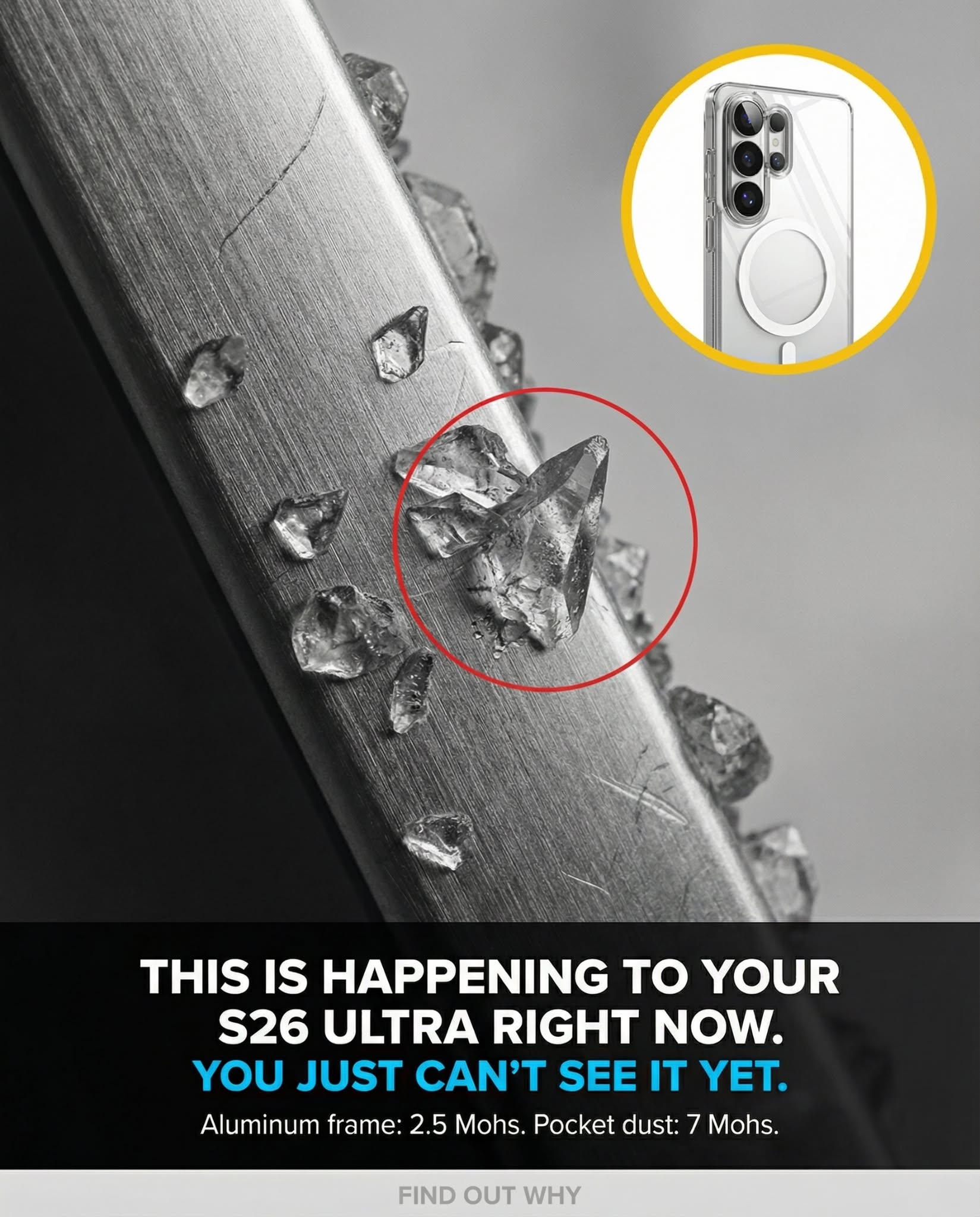
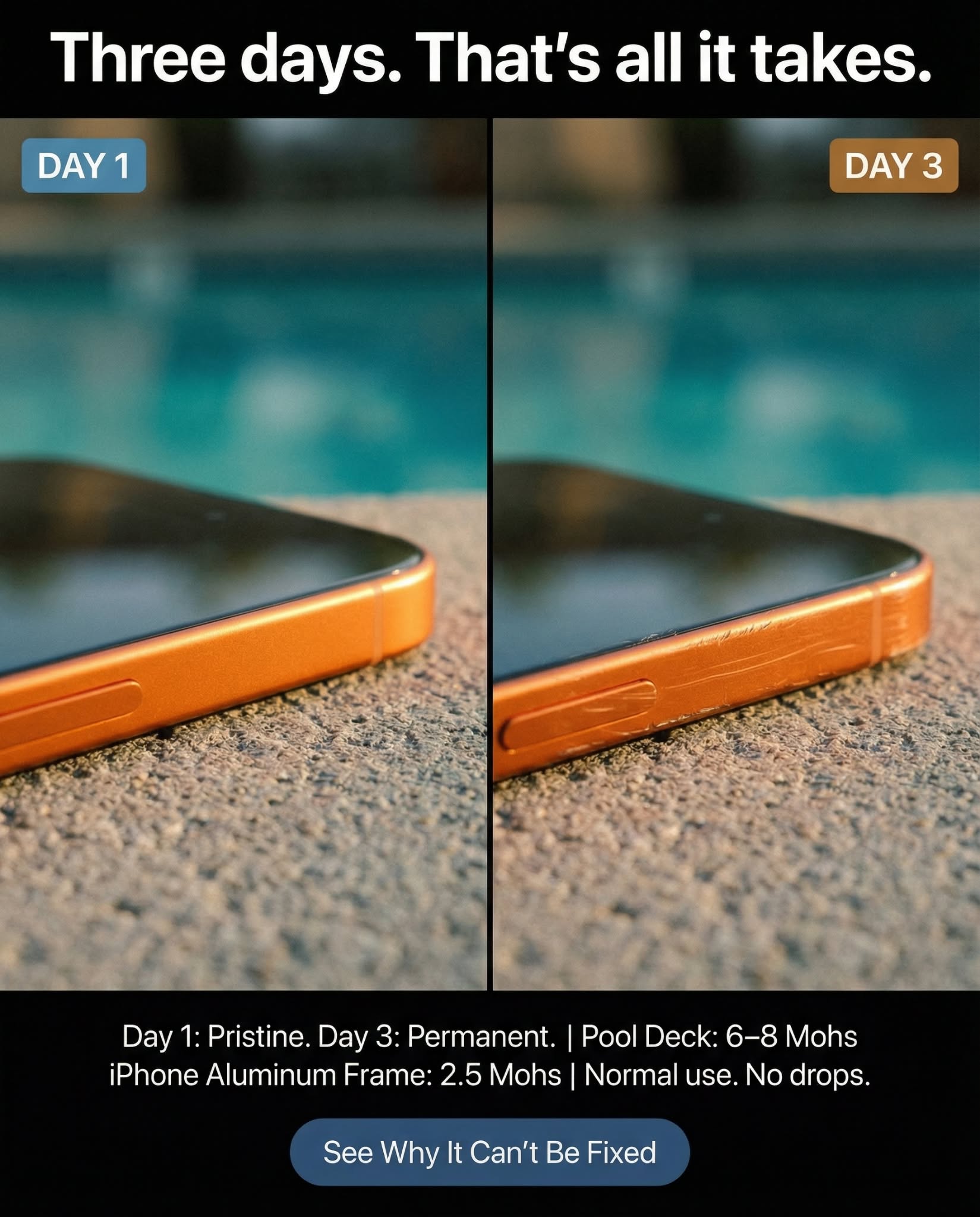
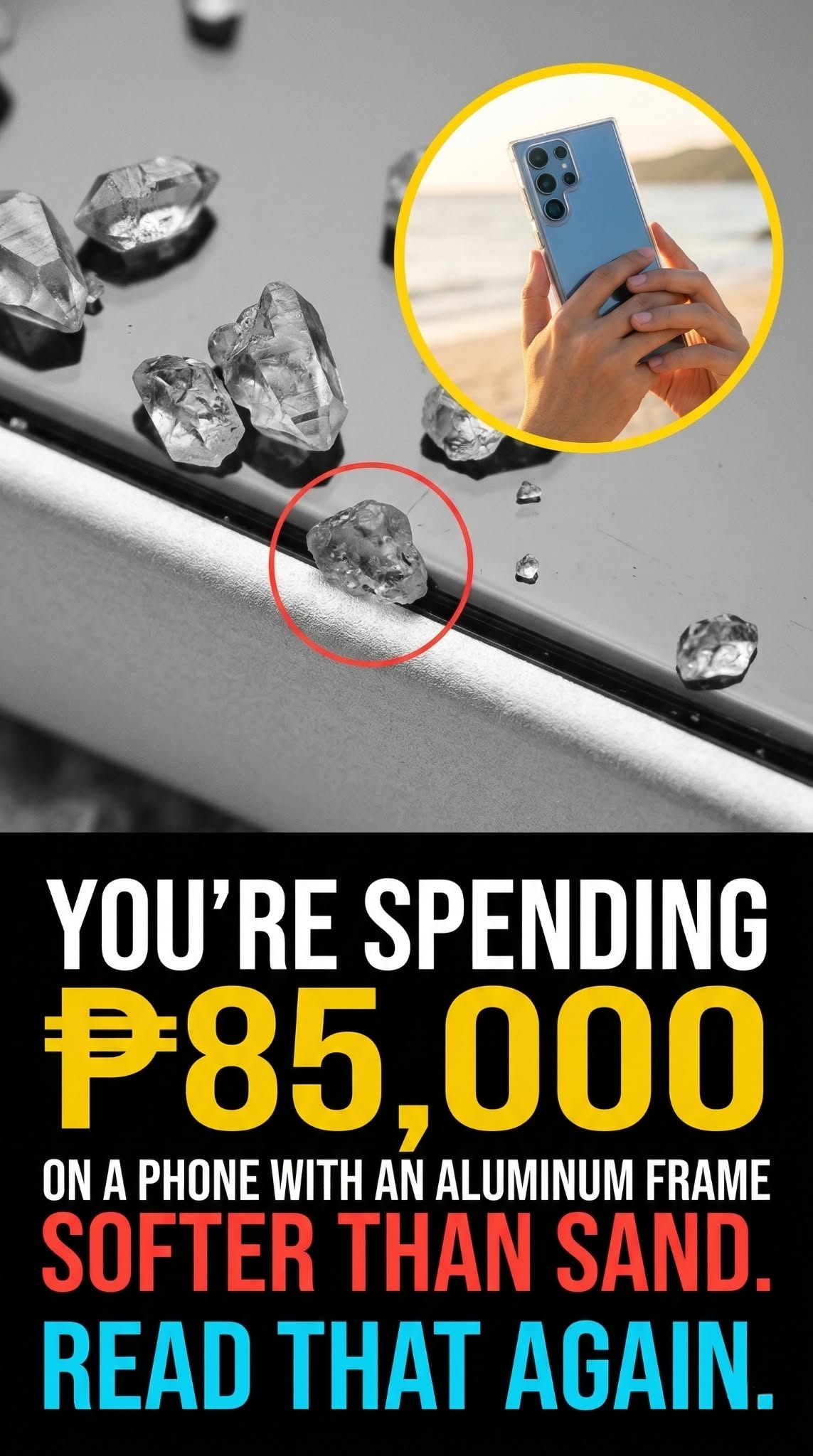
Metro Manila IT managers check their iPhone frame corners more than they check their email. This is not a consumer survey finding. It is a behavioral pattern documented in the 3-to-7-day window following first exposure to our aluminum corrosion research. The conclusion is already formed. The purchase decision has stalled. The behavior it produced has not. The aluminum frame on your iPhone is 2.5 on the Mohs hardness scale. The dust in your pocket is 7.0. It is not a question of being careful. It is physics. We documented this across controlled laboratory conditions. The anodization layer on a flagship iPhone frame — the surface treatment responsible for the finish — measures 5 to 25 microns in thickness. A single human hair is 70 microns thick. This is the only layer between the premium surface of a ₱75,000 device and raw aluminum. Once breached, skin oil begins penetrating within 24 hours. Visible corrosion follows within weeks. There is no consumer repair pathway. Frame damage is irreversible. What normal daily use actually means: every contact cycle between this device and pocket fabric embedded with quartz dust puts a 7.0 Mohs material against a 2.5 Mohs surface. This is not probabilistic. The only variable is timing. The answer is not the most-reviewed option on Shopee. Review volume does not correlate with frame-edge coverage architecture. Our testing evaluated protection geometry at the frame corner — the origin point of 90% of documented anodization damage — under conditions that replicate actual daily contact patterns. The full methodology, failure thresholds, and verified case specification are in the linked research. Full test results ›
90% of frame damage starts at the edge.
SEE DETAILSLike this ad? Make it yours.
Crush rebuilds this exact creative around your product — your brand, your colors, your offer — in about a minute.