
Active· since May 7, 2026
- 134
- days running
- 0
- relaunches
Ad copy
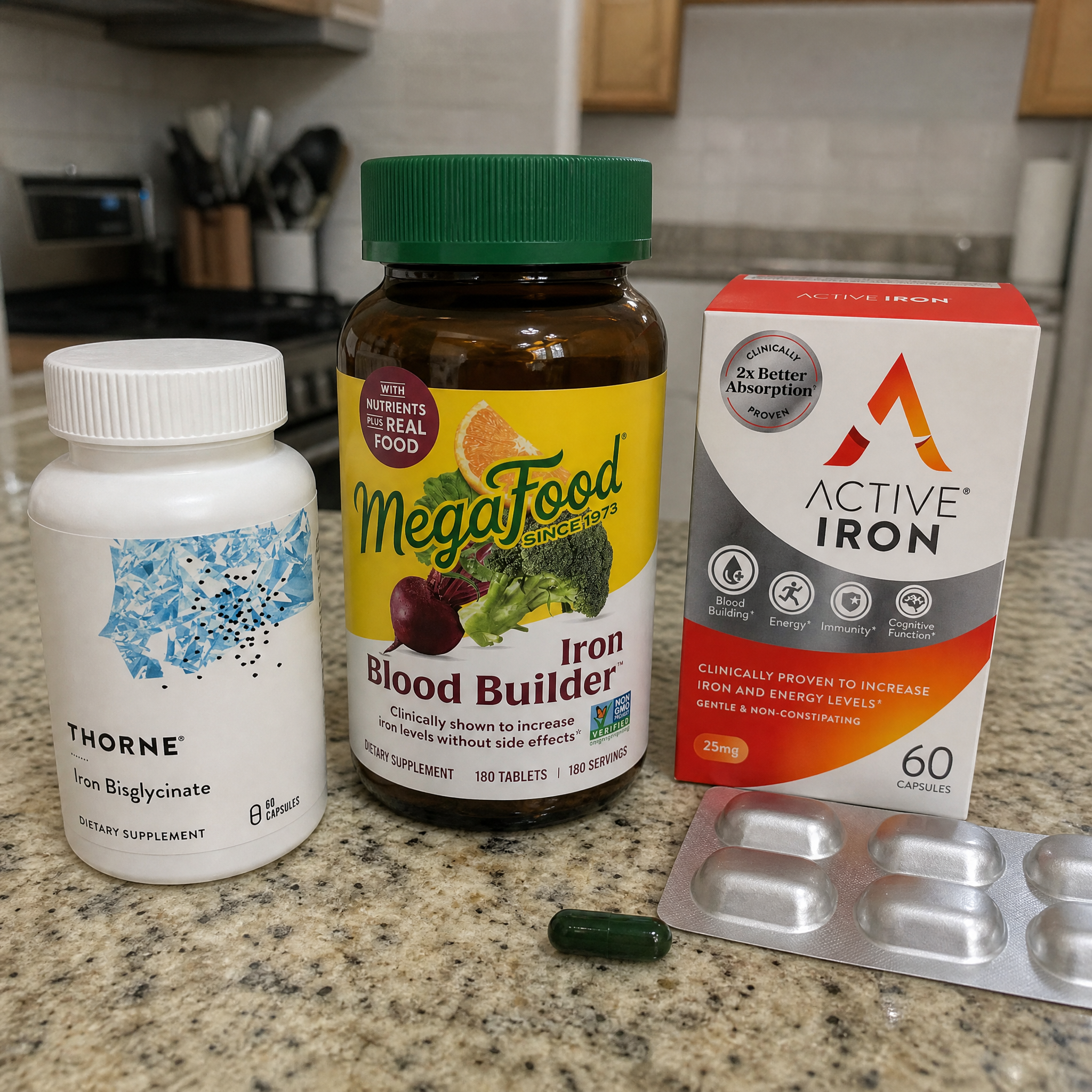
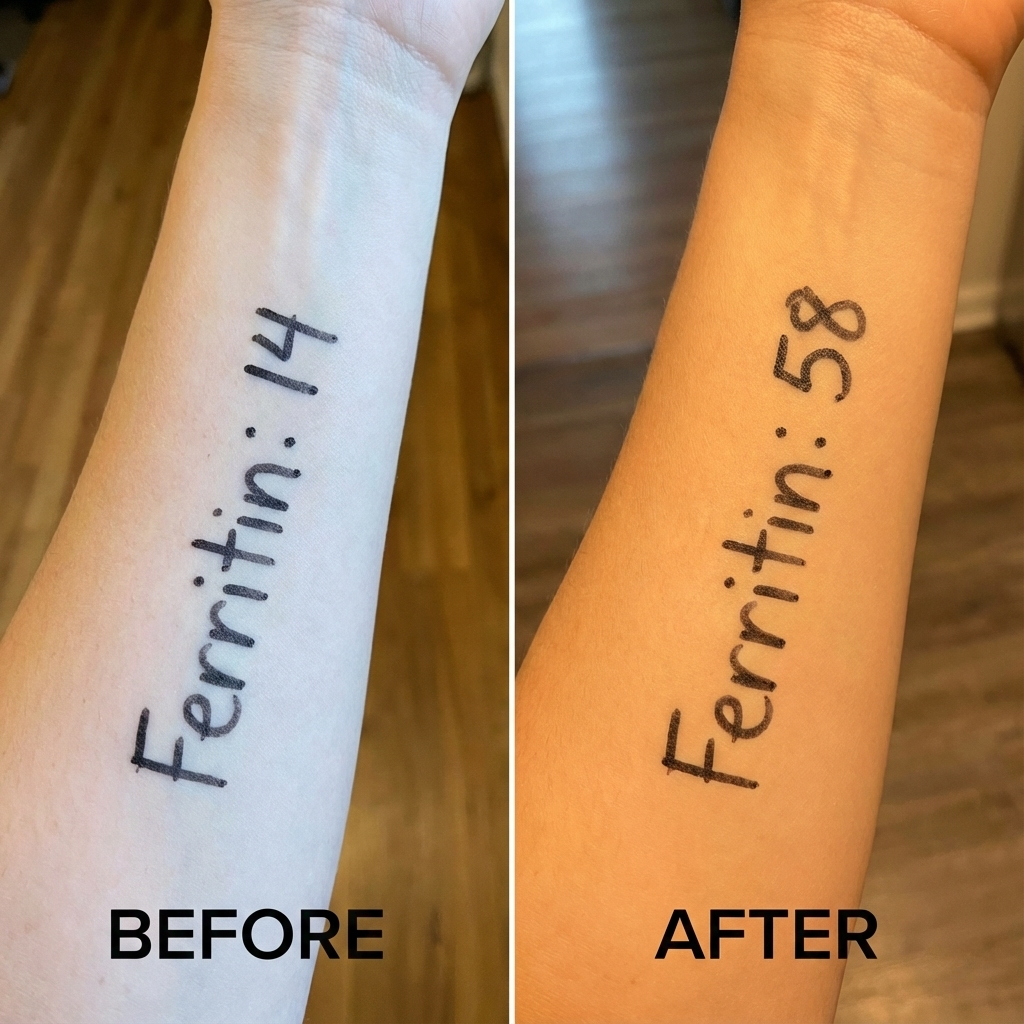
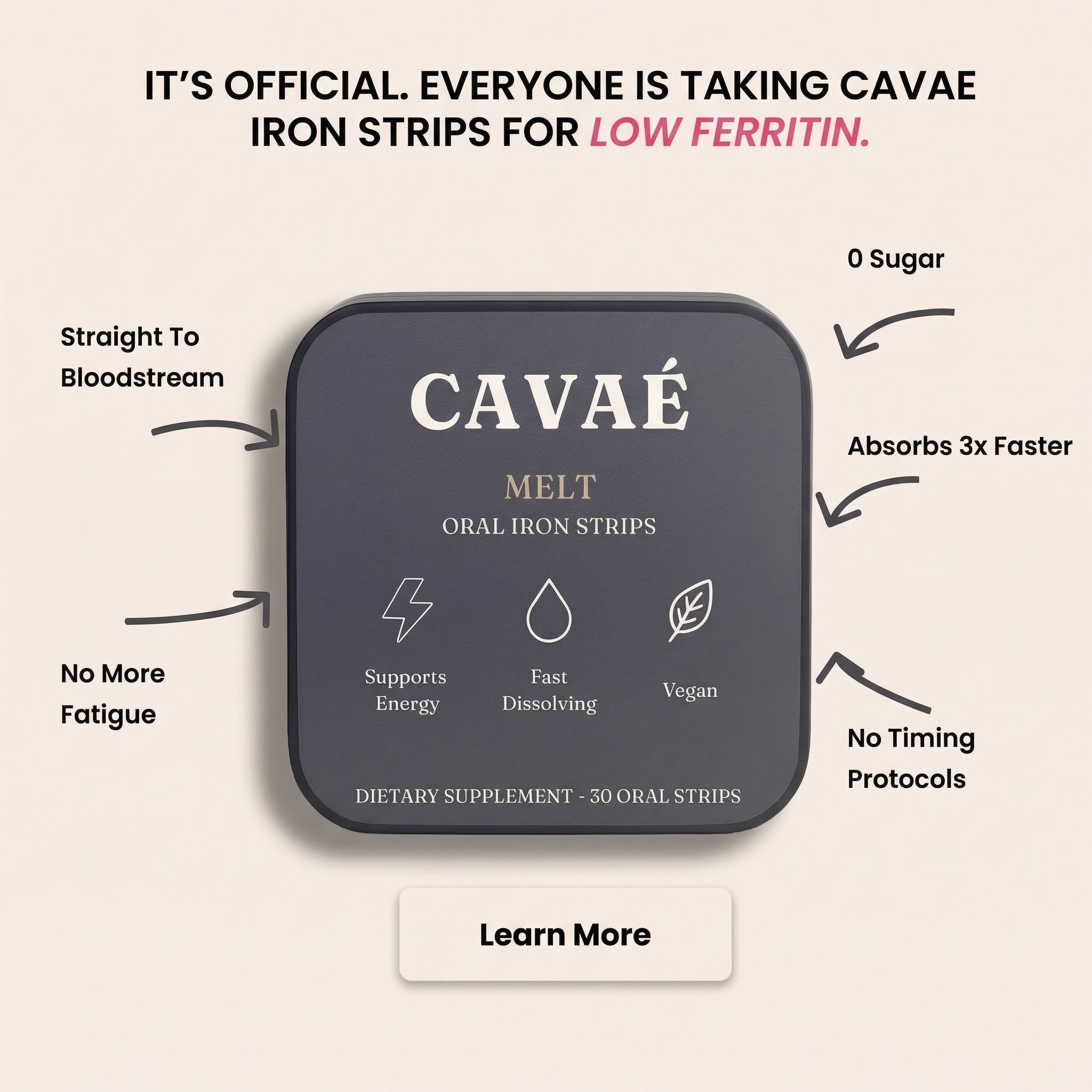
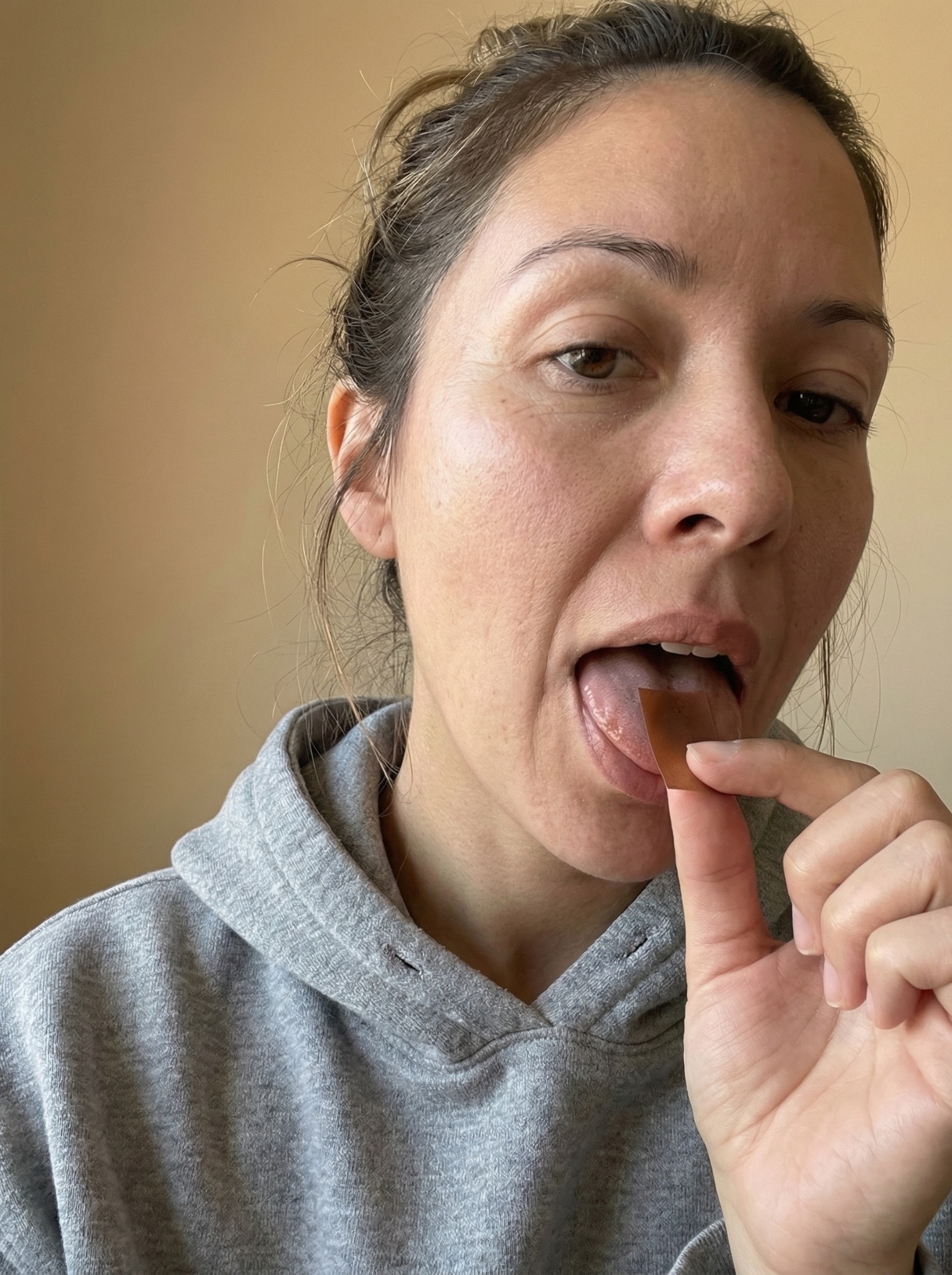
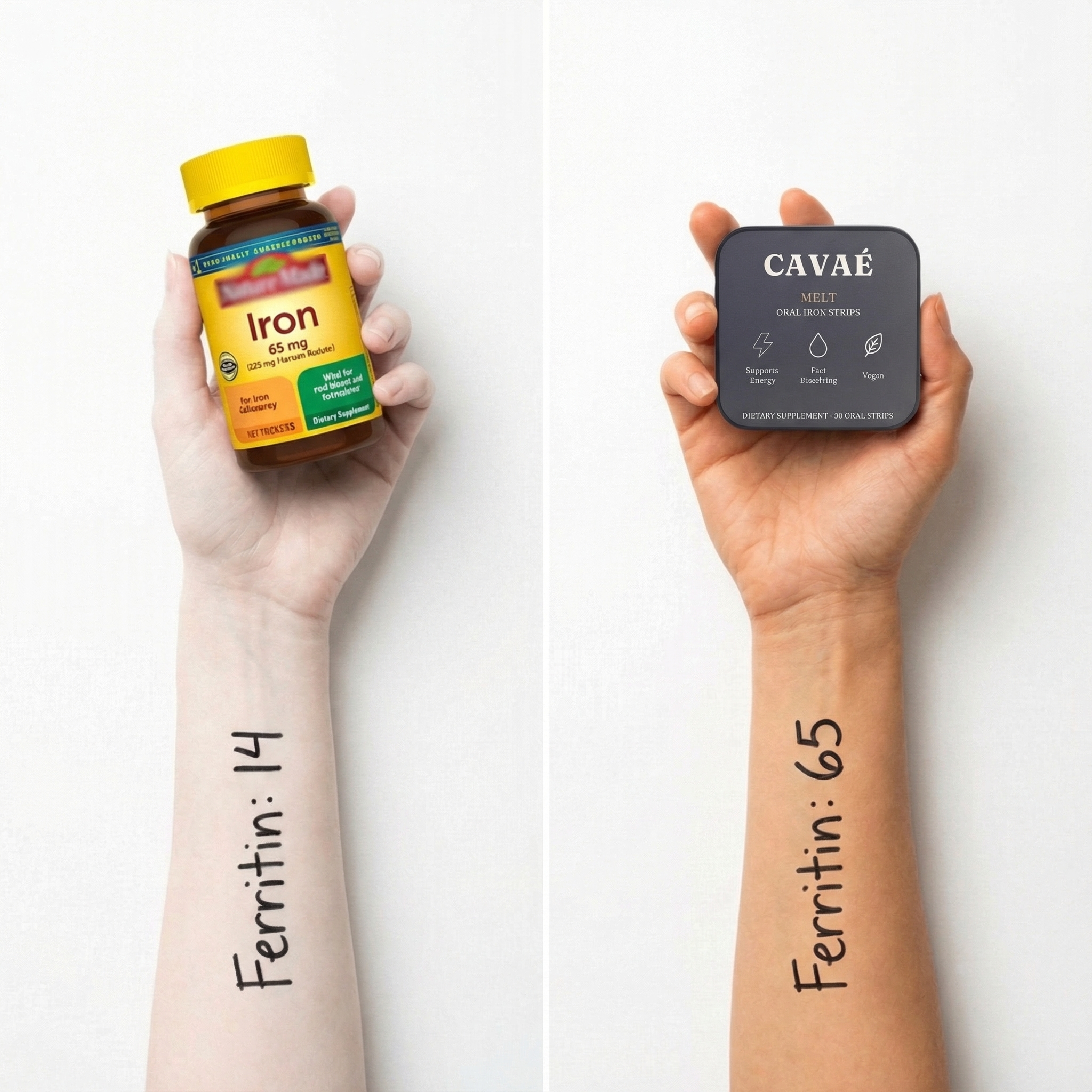
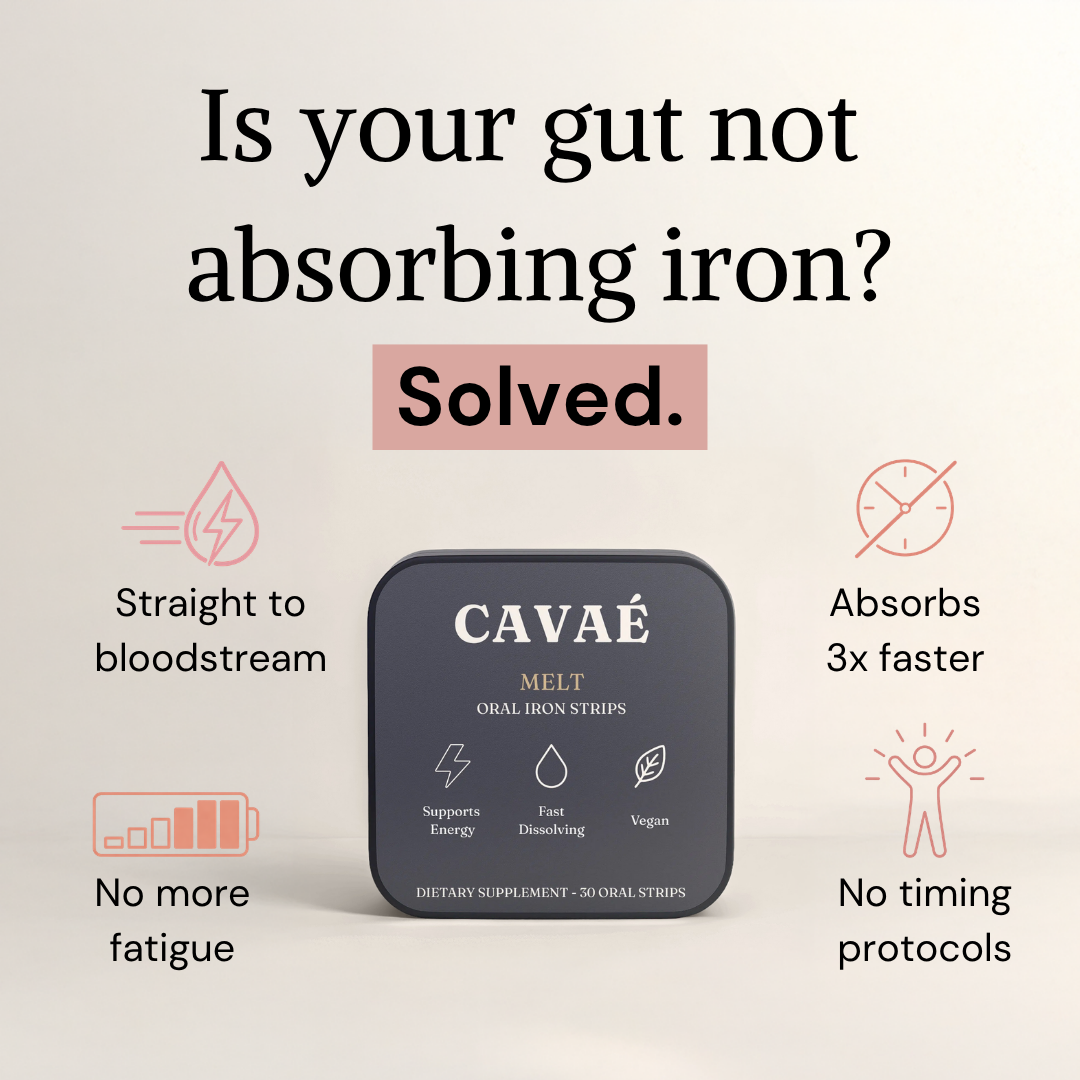
The groups convinced me MTHFR means I can't process folic acid. The CDC shows only 16 percent lower efficiency. Not zero. My ferritin has been stuck between 14 and 19 for three years. I'm not taking just any iron supplement. I'm taking the premium ones. The ones designed for people with MTHFR. Methylfolate. Not folic acid. Never folic acid. The MTHFR community was very clear: our genetics make us different. We can't process folic acid like normal people can. It's toxic for us. So I buy Thorne. Seeking Health. The pharmaceutical-grade brands. Sixty dollars a month. I avoid anything with folic acid. I read every label. I've rejected standard prenatal vitamins. Regular multivitamins. Fortified foods when I can. I'm doing this right. I'm following the protocols for my genetic variant. But my ferritin won't move. Fourteen. Sixteen. Nineteen. Fifteen. Fourteen. I track every number. I have a spreadsheet going back three years. I'm doing everything the community recommends for people like us. People who are genetically different. But the data says I'm failing. I was so proud when I first learned about MTHFR. Finally, an explanation. A reason why I was always tired. A genetic answer. The community made sense. They understood what mainstream doctors didn't. We're not like other people. We need different supplements. I felt validated. Special. Part of a group that understood genetics better than the average person. My doctor suggested regular iron sulfate with folic acid. I refused. I told her I had MTHFR and couldn't take folic acid. I corrected her. I sent her articles from the community. I switched to premium methylfolate immediately. The groups said it's the only form we can process. I researched the best brands. I compared reviews. I joined Facebook groups specifically for MTHFR carriers to learn which supplements worked. After eight weeks, I tested. My ferritin went from 14 to 16. I stayed committed. Different brands. Different doses. Liposomal methylfolate. Sublingual. I tried Thorne's iron bisglycinate with methylfolate. Then Seeking Health's Optimal Iron Plus. In February, my ferritin was 19. Last month, it dropped back to 15. Three years of premium supplements designed specifically for my genetic variant. My numbers have moved five points total. Nothing clinically significant. My doctor kept suggesting I just take regular supplements with folic acid. I kept refusing. The community said folic acid was the problem. But my expensive specialty supplements aren't working either. And I'm spending sixty dollars a month on being genetically special. That was three days before I saw a comment in one of the groups. Someone said something like, "MTHFR is actually really common, not rare." Another member jumped on them. "We're not 'common.' We have a genetic mutation that doctors ignore." But the comment stuck with me. I'd never actually looked up the prevalence data. I just assumed MTHFR was rare. That's why we needed specialty supplements, right? Because we were a small percentage of the population with special needs. I Googled "what percentage of population has MTHFR variant." The CDC page loaded. MTHFR C677T variant prevalence: 40 to 60 percent of the U.S. population. I stared at my screen. Forty to sixty percent. Not five percent. Not ten percent. Not a rare genetic condition. Half the country. I kept reading. The article addressed folic acid directly. MTHFR carriers have approximately 16 percent lower blood folate levels when taking folic acid supplementation compared to non-carriers. Not zero. Not dangerous. Sixteen percent less efficient. Then I found the food fortification data. Since 1998, the U.S. government has mandated that all enriched grain products be fortified with folic acid. Bread. Cereal. Pasta. The goal was to prevent neural tube defects. Neural tube defects dropped 35 percent by the year 2000. This wasn't despite MTHFR carriers. This was including them. Forty to sixty percent of pregnant women have MTHFR variants. They ate fortified bread. They took prenatal vitamins with folic acid. They had healthy babies. For 26 years, folic acid has been working fine for the majority of the population. And I am that majority. I'm not special. I'm not rare. I'm not genetically different in a way that requires sixty dollar specialty supplements. I'm normal. And normal solutions have been working for people like me since 1998. I'd been paying premium prices to avoid something that works. I spent the next hour reading everything I could find about MTHFR and folic acid metabolism. The groups had told me that MTHFR means I can't process folic acid. That my body sees it as toxic. That it builds up and causes problems. The CDC data said something completely different. MTHFR affects one enzyme in the folate metabolism pathway. It makes that enzyme work at about 84 percent efficiency instead of 100 percent efficiency. Not zero percent. Eighty-four percent. That's why the blood folate difference is only 16 percent. Because the enzyme still works. Just slightly less efficiently. But here's what I finally understood: that 16 percent difference happens after folate enters your bloodstream. MTHFR affects liver metabolism. It doesn't affect absorption. That's why my methylfolate supplements failed. That's why switching brands didn't work. That's why all the specialty formulas made no difference. They were all pills. They all went through my gut. They all hit the same absorption ceiling that limits how much iron your intestines can take in at once. My ferritin stayed low because pills max out at 10 to 15 percent absorption in the gut. No matter what form of folate is in them. No matter how premium the brand. The groups convinced me I needed special folate. I actually needed better absorption. And I'd wasted three years and over two thousand dollars on being "genetically special" when I'm literally the majority of Americans. When I searched for iron supplements that actually absorb well, I found CAVAÉ Melt. It's an oral dissolving film strip. Nineteen milligrams of ferric saccharate iron. And four hundred micrograms of folic acid. Regular folic acid. The kind I'd been avoiding for three years. But here's what made me stop: it dissolves on your tongue. The iron absorbs through the mucosa in your mouth directly into your bloodstream. It bypasses your gut completely. Even if my MTHFR variant makes my liver process folate at 84 percent efficiency instead of 100 percent, oral absorption means I'm not hitting a gut absorption ceiling first. Pills max out at 10 to 15 percent absorption in your intestines. Then your liver processes what made it through. With MTHFR, you lose another 16 percent in that processing step. So you're getting 10 to 15 percent absorption, then losing 16 percent of that. You're left with almost nothing. Oral strips bypass the first limitation entirely. Even if you lose 16 percent in liver processing, you're starting from a much higher baseline. The math finally made sense. I didn't need methylfolate. I needed to stop using my gut to absorb iron. And I didn't need to avoid folic acid. The U.S. government has been using it successfully on the majority population, including MTHFR carriers, since 1998. I'm not special. And that's actually good news. Because it means normal solutions work when delivered correctly. I ordered it that night. First strip: raspberry flavor. Dissolves in about thirty seconds. No pills to swallow. No nausea. No metallic taste. I tested at eight weeks. My ferritin was 38. Fifteen to thirty-eight. Twenty-three points. More movement in eight weeks than I got in three years with premium methylfolate. By week twelve, I was at 46. Week sixteen: 52. I'm at optimal now. Fifty-two. The number I chased for three years with specialty supplements designed for my "rare genetic condition." I got there in four months with regular folic acid and better absorption. The fatigue lifted. The brain fog cleared. I sleep through the night. I'm not exhausted at 2pm anymore. My last labs were two weeks ago. Ferritin: 54. Stable. I showed my doctor. She didn't say I told you so. But we both knew. The specialty supplements weren't necessary. The avoided folic acid wasn't dangerous. The genetic specialness wasn't real. I'm not different. I'm the majority. And the solution that works for the majority works for me. I wasted three years and two thousand dollars proving I was special. Turns out being normal is what finally fixed my ferritin. If you've been where I was, convinced that MTHFR makes you genetically special and different, requiring premium supplements that normal people don't need, this is for you. Spending sixty dollars a month on methylfolate. Avoiding folic acid in everything. Rejecting your doctor's basic recommendations because the groups said you're not like other people. This isn't about your genetics being broken. MTHFR is present in 40 to 60 percent of the U.S. population. You're not special. You're the majority. And folic acid has been working fine for this majority since food fortification began in 1998. Your ferritin stays low because pills hit an absorption ceiling in your gut. Sixteen percent lower liver efficiency doesn't matter if you're only absorbing ten percent in the first place. The damage accumulates. Your energy doesn't return. Your hair keeps thinning. You keep spending premium prices on specialty solutions you don't need. And I'm telling you: this is fixable. CAVAÉ Melt offers a 60-day money-back guarantee. That's eight weeks to test your ferritin and see if your numbers finally move. Get your labs drawn now. Order the strips. They use regular folic acid at the standard recommended dose. Take one daily. Test again at eight weeks. Track it the way you've been tracking everything else. You'll see the difference. shopcavae.com You deserve to see your ferritin number finally move. You deserve to stop paying premium prices for being normal. The groups were right that your suffering is real. They were wrong that you're special. Stop buying specialty supplements for a majority condition. Start using better absorption for a normal body.
Like this ad? Make it yours.
Crush rebuilds this exact creative around your product — your brand, your colors, your offer — in about a minute.