Susan Brown
Susan Brown Facebook ad: “Sale Ends Today”
Ran for 2 days, from September 24 to September 26, 2026, the last day Crush saw it.
Run by Susan Brown on Facebook. Crush is not the advertiser and does not verify its claims. See this ad in Meta's Ad Library(opens in a new tab)
Want an ad like this for your product?
Crush makes new ad images for your product from this ad: your logo, your product photo, your offer.
Trials from $19.95 USD, then $79.95 USD a month. Cancel anytime.
About this ad
- Meta Ad Library ID
- 1710836086880112
- Platforms
- Facebook, Instagram, Audience Network, WhatsApp and Threads
- Relaunches
- 0
- Niche
- Pets
Ad text
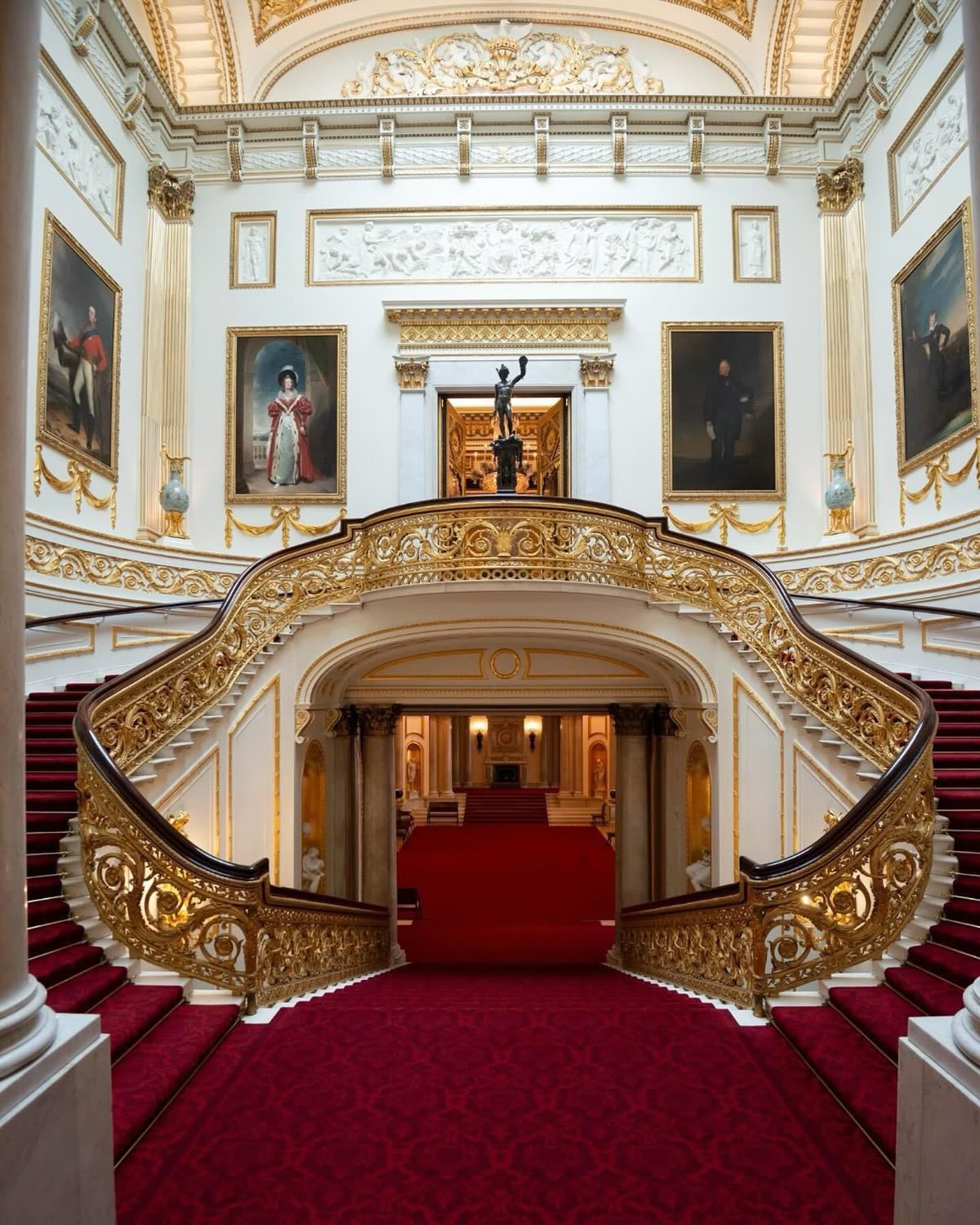
I work for billionaires in America. The things people at this level spend their money on will shock you. But there was one thing at the Rockefeller estate that I never let them replace, something most homeowners throw away every year. I've spent years managing private estates for some of America's wealthiest families. And when you work inside homes like these, you start to notice things most people would never think twice about. I've seen rooms filled with artwork by some of the most important artists of the 20th century. Picasso. Andy Warhol. Alexander Calder. Henry Moore. I've stood beneath ceilings surrounded by antique furnishings, silk draperies, handwoven tapestries, and carpets that were collected generations ago. Some of the Rockefeller family's Picasso tapestries were so large they took months to weave by hand in France. And then there are the things you don't immediately notice. The antique ceramics. The sculptures. The custom furniture. The details in the bathrooms. When you're working around that level of wealth, you start to realize something. These people weren't just spending money on things that looked expensive. They were spending money on things that were made properly. Things that were meant to last. One of the most fascinating properties I've ever worked around was a Rockefeller estate. If you've ever been inside one of these historic properties, you know what I mean. Everything feels deliberate. The materials were chosen carefully. The furniture was built to last. Even the smallest details were treated differently. And after spending so much time in that house, I started noticing something in the bathrooms. The towels. At first, I didn't think much of it. But when you're responsible for an estate like that, you notice when something needs replacing. You notice what wears out. And you notice very quickly when something is made differently. These towels felt different. Heavier. Softer. More substantial. The cotton wasn't just fluffy on the surface. The loops were full and loose. They absorbed water immediately. And somehow, the more they were used and washed, the better they seemed to feel. What surprised me was that these weren't designed to feel luxurious for a few months. They were made to last. And once I started noticing it at the Rockefeller estate, I started paying attention to the towels in every estate I managed. The same thing kept happening. The towels in these homes weren't just beautiful. They felt better than most of the towels I was buying for my own home. At first, I thought it was simply because billionaire families could afford better linens. But one night, I went home and picked up one of my own. It was a $12 Target towel I'd bought less than a year earlier. It was already starting to feel rough. The edges were beginning to curl, and after every wash it seemed to get a little stiffer. And I remember thinking, how is it possible that the towels I'm seeing in the Rockefeller estate can last for years, while the towel I bought at Target less than a year ago already feels worn out? So I started looking into it. I expected the answer to be pretty simple. These families had access to better brands. Better cotton. Better suppliers. But the more I researched, the more I realized that wasn't the whole story. The difference wasn't that they had access to some magical cotton we don't have anymore. It was the construction. Longer cotton fibers. Looser loops. A dense, deliberate weave. The goal wasn't to make a towel look thick and plush on a store shelf. It was to make something that could absorb water, survive years of washing, and actually get softer with use. And that's when it hit me. The towels I'd seen in these historic estates were being made with a completely different standard than the towels most of us buy today. How did we go backwards? The answer is the 1950s. That's when mass manufacturing found the shortcut. Factories learned they could produce towels faster and cheaper by changing how the cotton was processed and woven. The old construction was slow and expensive. The new one was designed for speed, volume, and a lower price. And here's the trick. The new towels could actually feel thicker and softer when you first picked them up in a store. You'd run your hand over one and think, this is nice. You'd take it home, wash it a few times, and slowly the fibers would tighten, break down, and lose that softness. The towel looked luxurious on day one. It just wasn't built to become better with age. And that's when I started wondering something. If these families weren't replacing their towels every year, what were they actually using? So I started looking at luxury hotels. The best hotels in the world have no reason to compromise on something their guests touch every single day. So I started researching what they actually use. I looked at the brands people recommend, the towels people rave about, and the companies that claim to make hotel-quality linens. But I still couldn't find what I was looking for. Then I found Onuia. I looked them up that night. What I found was almost exactly what I'd been looking for. Onuia makes its towels with 600 to 800 GSM premium cotton and a refined terry weave. The cotton fibers are longer, the loops are fuller, and the construction is designed to absorb water and get softer with use instead of becoming rougher. It was the same principle I'd been seeing in those estates. So I ordered a set. They arrived a few days later in a white box. I pulled one out and my hands knew immediately. Heavy. Dense. That deep softness that lives inside the fiber instead of just sitting on the surface. But I didn't really believe it yet. A towel can feel amazing when it's brand new. So I took a shower that night specifically to use it. Stepped out. Wrapped myself up. And I just stood there. It was the first time in years that a towel had actually made me stop and notice how it felt. First week. I kept waiting for the novelty to wear off. Instead, I started reaching for the Onuia towel before the others without even thinking about it. Second week. I wanted to see what would happen after washing it. So I washed it. And when I pulled it out of the dryer, it hadn't become stiffer like my old towels. If anything, it felt even softer. So I kept washing it. Once. Twice. Three times. And the more I used it, the more I understood what I'd been seeing in those estates. This wasn't a towel designed to impress you for five minutes in a store. It was designed to get better with time. Third week. Someone in my family came to visit. They used the bathroom, came back out, and asked, "Where did you get those towels?" I told them about Onuia and the whole story behind it. They laughed and said, "You seriously did all this research because you didn't like your towels?" But then they went back into the bathroom and felt one again. Fourth week. I washed the towels for the fourth time and something finally clicked. They weren't just holding up. They were getting better. Softer. Fuller. Still heavy. Still the same towel I had pulled out of the box a month earlier, except now it felt even better. And I realized something. I'd spent years managing estates where people obsess over the smallest details. The right stone. The right wood. The right fixtures. The right furniture. The right materials. But I'd never thought about applying that same standard to something as ordinary as a towel. Now, whenever I'm managing a new estate, I notice the linens differently. Because the lesson wasn't really about old towels. It was about craftsmanship. The families I've worked for don't expect the things they use every day to be replaced every year. They expect them to be made properly the first time. You don't need a billionaire's estate. You don't need marble bathrooms. And you certainly don't need to be a Rockefeller. You just need to bring that standard into your own bathroom. Onuia is offering up to 60% off right now, with free shipping and a 30-day money-back guarantee. It took generations of America's wealthiest families to understand what real luxury feels like. It took a factory in the 1950s to make everyone forget what went into it. And it takes one shower to remember. onuia.com
Where the ad sends people
onuia.com
Sale Ends Today
The softest, thickest towels you'll ever own. Hotel luxury without the hotel price. This is the biggest discount we'll ever offer, up to 60% off, only for the labor day sale.
Learn more: onuia.com(opens in a new tab)