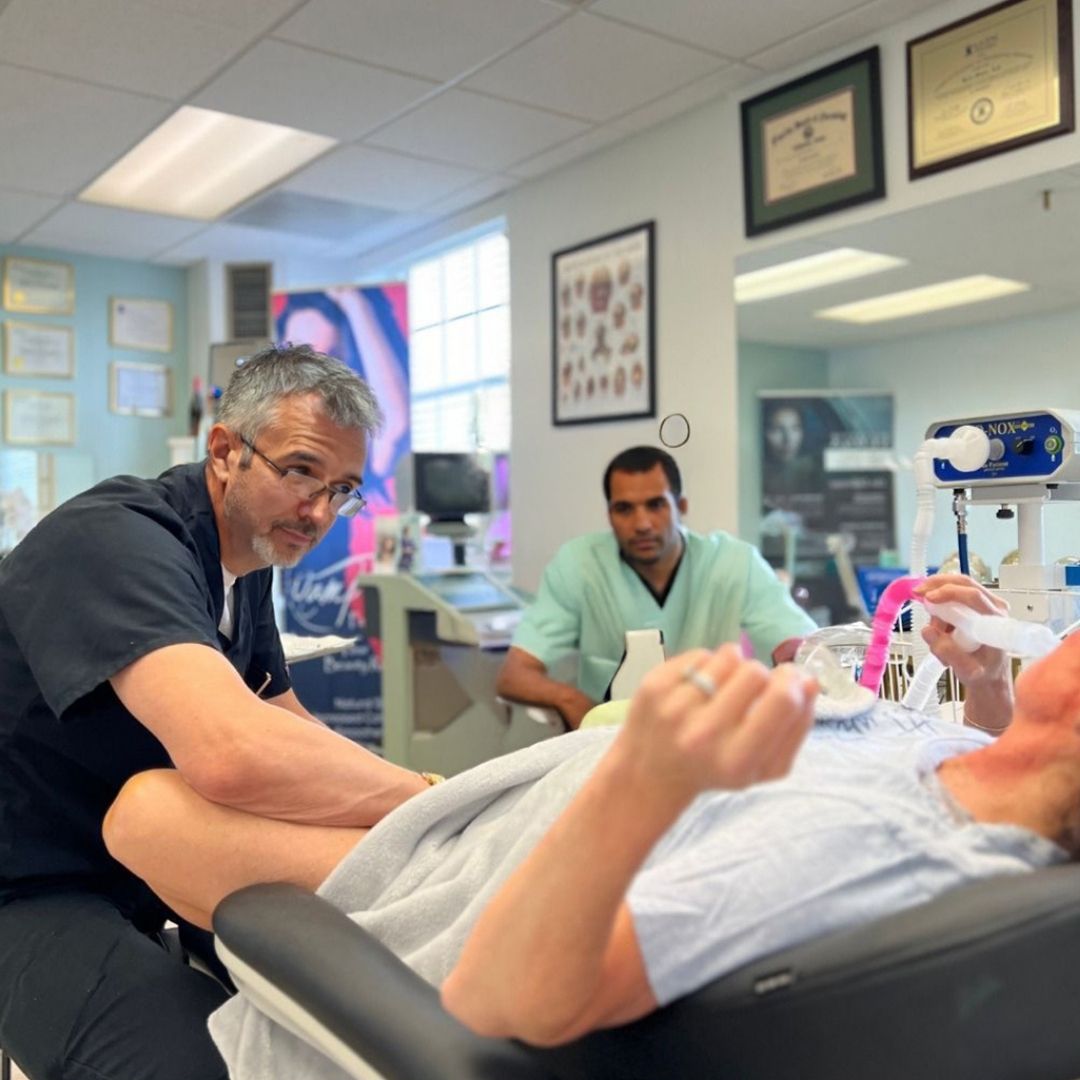
Dr. Maya Reyes
Dr. Maya Reyes Facebook ad: “Why you should never try these solutions for Yeast…”
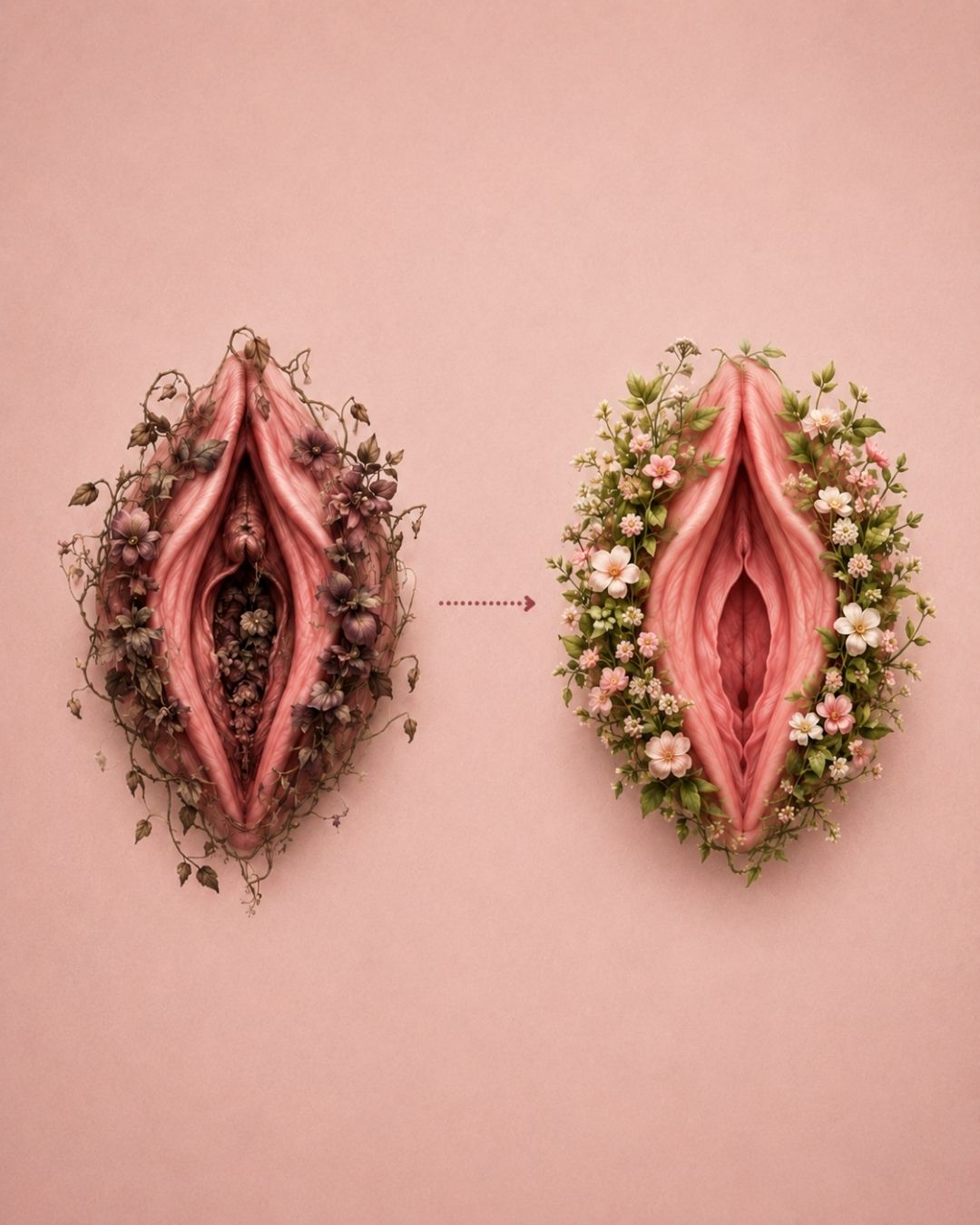
Ran for 4 days, from July 11 to July 15, 2026, the last day Crush saw it.
Run by Dr. Maya Reyes on Facebook. Crush is not the advertiser and does not verify its claims. See this ad in Meta's Ad Library(opens in a new tab)
Want an ad like this for your product?
Crush makes new ad images for your product from this ad: your logo, your product photo, your offer.
Trials from $19.95 USD, then $79.95 USD a month. Cancel anytime.
About this ad
- Meta Ad Library ID
- 1715070213075752
- Platforms
- Facebook, Instagram, Audience Network, Messenger and Threads
- Relaunches
- 0
Ad text
Five things women try for recurring diabetic yeast do not work — and one thing does. I want to walk you through both. This is going to look like a list, it is not just a list, it is a process of elimination. By the time you reach the end of it, everything that does not address the actual problem will be gone. Crossed off. Discarded. What remains will be the only thing that does — not because I am steering you toward it, but because the mechanism your body is failing at responds to only one direction of intervention, and the elimination process is going to show you why nothing else has held. I am Dr. Maya Reyes. Functional gynecologist and women's metabolic health specialist. Seventeen years in clinical practice. Thousands of women have sat across from me having tried some combination of what I am about to walk through. Many of them tried all five. None of the five was wrong to try. All five were incomplete in the same specific way. Let me eliminate everything that cannot break the shield. 1. Fluconazole and Prescription Antifungals Fluconazole kills yeast. That is what it was designed to do and that is what it does. When Candida cells are floating freely in the vaginal environment, the drug reaches them, binds to their cell membrane synthesis pathway, and shuts them down. The part of the fluconazole story that is correct is that a first-episode yeast infection — a normal colony, in a woman with a normal microbiome and normal blood sugar — does respond to a single course, and the women who fall into that category are receiving real medicine doing real work. But fluconazole does not dissolve the shield. When the colony inside your vaginal canal has built a biofilm — a microscopic slime dome glued to the mucosal wall, sealed by a protein scaffolding — fluconazole reaches what is on the outside of that shield and kills it. The billions of yeast cells inside the shield are physically unreachable. The drug never touches them. The weak ones on the surface die. The strong ones inside multiply, pass their resistance on, and rebuild the colony as soon as the prescription ends. Two weeks later the itching returns. Six weeks later you are back in the OB-GYN office asking for another round. Three years later the Candida has shifted species from albicans to glabrata — a species naturally resistant to fluconazole — and now no oral antifungal on the shelf touches it at all. I run vaginal cultures with speciation on almost every woman with recurring yeast. In the majority of women whose flares have been running for more than eighteen months, the cultures come back showing either a mixed population or an outright species shift. The fluconazole was never the problem. The shield was the problem. Fluconazole does not touch the shield. Eliminated. 2. Monistat, Boric Acid, and Over-the-Counter Rotations I am not going to tell you these do not work. They work. For a window. Miconazole disrupts the same fungal membrane pathway as fluconazole, just topically. Boric acid drops the vaginal pH and creates a physically hostile environment for Candida — it comes closer to touching biofilm than fluconazole does, which is why it feels like it works when nothing else does. For a while. Then the flare comes back. The pH drifts back toward the range the colony prefers. The shield rebuilds. The boric acid regimen gets longer — from a week, to two, to a maintenance suppository twice weekly for six months. The over-the-counter rotation gets more elaborate. Monistat 1 becomes Monistat 3 becomes Monistat 7 becomes prescription terconazole becomes compounded boric acid from a specialty pharmacy. The window each product covers gets shorter as the shield behind it thickens. The over-the-counter rotation is a mop. Every time you use it, the shield is exactly as intact as it was before you used it — plus whatever additional layers the colony has added while you were mopping up the flare on the surface. The woman on the Monistat-and-boric-acid rotation for five years has a thicker shield than the woman with a similar history who used it once. The rotation masked the recurring cycle while the shield kept building. The rotation does not dissolve the biofilm. Does not clear the shielded colony. Does not repair the vulvar tissue. Does not calm the inflammation feeding the metabolic loop underneath. It manages the flare while the mechanism progresses. Eliminated. 3. Cutting Sugar and Cleaning Up the Diet I want to be careful here because dietary intervention matters and I do not want to tell you it does not. It does. Reducing dietary sugar reduces the glucose leaking into your vaginal mucus that has been feeding the colony. Reducing refined carbs reduces the insulin spikes driving the metabolic loop. Adding fermented foods and Lactobacillus-friendly fiber gives your microbiome the substrate it needs to rebuild. All of that is true and all of it belongs in any serious approach to recurring yeast, mine included. But here is what dietary intervention does not do. It does not dissolve the biofilm that has already formed on your vaginal wall. It does not clear the shielded colony hiding inside it. It does not restore the Lactobacillus crispatus population that has already been suppressed by years of antifungal exposure. It does not repair the vulvar tissue that has already been inflamed by chronic colonization. Dietary changes slow the fuel. They do not dissolve the shield that fuel built. The women in my practice who have done everything right — cut all added sugar, gone strict Mediterranean or keto for a year, eliminated alcohol, added the probiotics, added the kefir — and still have a flare every eight to ten weeks are not failing because they did not try hard enough. They are failing because the shielded colony that is already glued to their vaginal wall does not respond to dietary changes alone. The biofilm is not dissolving because of the fermented vegetables. The microbiome is not rebuilding because the Candida is still there, still shielded, still crowding the space. This is the most demoralizing position a woman can be in — the woman who did the work and is still flaring. And it is the position dietary-only thinking puts her in. Because the framework promises that if she just keeps going harder at the sugar cutting, the shield will eventually give up. It does not. The framework was never going to deliver that result. The woman kept her end of the bargain. The framework was not built to keep its end. Dietary intervention does not touch what is already glued to the wall. Eliminated as a standalone fix. 4. Probiotics, Douching, and Cotton Underwear I include this because it appears with surprising frequency in women's health content as a solution for recurring yeast, and I want to address it directly rather than let it sit unaddressed in the corner of the conversation. Probiotics repopulate the microbiome. Douching alters the vaginal environment. Cotton underwear reduces trapped moisture and heat. There is a kernel of useful biology in each recommendation. Women with weakened Lactobacillus populations can benefit from oral or vaginal probiotics, and the benefit shows up in the resilience of the microbiome they are otherwise capable of maintaining. But the shield has to come down first. If the shielded colony is glued to your vaginal wall and the probiotic Lactobacillus cannot displace it, you are seeding a healthy microbiome into a space that is already colonized by an entrenched biofilm. The structural problem is upstream of where the probiotic is working. You can pour perfect Lactobacillus crispatus into your vaginal canal and it still cannot displace a colony that is physically shielded from competition. And the douching does not help. It disrupts the Lactobacillus you have while leaving the shielded Candida underneath completely untouched — which is why almost every gynecologist tells you to stop doing it, correctly. The cotton underwear is genuinely useful for daily comfort. It is not clearing anything. I have patients who have taken oral and vaginal probiotics religiously for a year and have seen marginal improvement at best. They were not failing at the protocol. They were doing the protocol perfectly. The protocol was addressing the wrong layer of the problem. Probiotics and hygiene changes do not touch the shield. Eliminated. 5. Waiting It Out The most common thing women do with recurring yeast is nothing. They attribute it to stress. To hormones. To a bad month that became a bad quarter. To perimenopause. To the season of life. To the natural changes they have been reading about in women's health articles their algorithm has started serving them. They construct an explanation, they wait for the explanation to resolve, and when the resolution does not produce a fully cleared microbiome they lower their expectations and wait some more. I understand this. The subject is private and the shame is real and the hope that it will resolve on its own is easier to maintain than the investigation into why it is not resolving. Almost every woman I treat went through some version of this waiting period — usually two to four years long — before she finally made a functional-medicine appointment. I am not criticizing the waiting. I am telling you what was happening inside the shield during it. The biofilm was thickening. The Candida was evolving toward resistance. The Lactobacillus was losing more of its territory to the entrenched colony. The vulvar tissue was accumulating chronic inflammatory damage. The A1C — because the systemic inflammation was quietly worsening insulin resistance — was drifting the wrong direction. The flare that was every eight weeks at forty-one became every six weeks at forty-three and is genuinely constant at forty-five. The colposcopy finding that would have been normal at forty-one is showing early inflammatory changes at forty-five. The window for full reversal — for getting back to the microbiome and the tissue she had at thirty-five — closes a little more every year that the waiting continues. Waiting does not slow the shield. It accelerates the consequence. The woman who waits it out is not pausing the disease. She is letting it progress in the only direction it knows how to progress. Waiting does not touch the shield. Eliminated. What Remains Five things eliminated. One thing remains. Addressing the biofilm directly. Dissolving the protein scaffolding that holds the shield together. Reaching the shielded colony that fluconazole cannot touch. Calming the vulvar tissue that has been inflamed by years of colonization the standard protocol never actually cleared. Three sides of the same mechanism — dissolve, clear, calm — addressed at once, in one three-step protocol, from three targeted botanicals. Wild Turkish mountain oregano. Origanum minutiflorum. A species that grows above three thousand feet in the Taurus Mountains along Turkey's Mediterranean coast, whose dense phenolic core contains carvacrol — the biofilm-penetrating compound documented to do exactly what the eliminated five could not. Combined with bromelain, the proteolytic enzyme from pineapple that dissolves the protein scaffolding of the shield, and cold-pressed black seed oil, whose thymoquinone content calms the vulvar tissue as the colony clears. Step one, the shield dissolves. Bromelain breaks down the protein scaffolding, and the biofilm structure begins to collapse. Step two, the colony clears. Carvacrol from wild Turkish oregano slips through the weakened matrix and reaches the Candida that has been shielded from every fluconazole prescription. In one landmark study in the Journal of Medical Microbiology, carvacrol at clinically relevant doses reduced biofilm mass by up to 80.9% — the kind of disruption fluconazole never approached in the same trial. Step three, the tissue calms. Thymoquinone from black seed oil reduces the chronic inflammation that has been remodeling your vulvar tissue for years, and the vaginal environment finally becomes hospitable to the Lactobacillus your microbiome needs to rebalance. The systemic inflammation eases. The metabolic loop feeding your insulin resistance loosens. The A1C, in many women, begins to drift the right direction for the first time in years. I want to tell you about one patient, because the elimination has been intellectual to this point and the patient is where the elimination becomes a result. She was forty-six. She had tried four of the five items on the list. Maintenance fluconazole for two years. Monistat-and-boric-acid rotation for three. Aggressive dietary intervention — cut all added sugar, went strict Mediterranean, added kefir, dropped fifteen pounds. She had not tried vaginal probiotics but she had spent the last eight months waiting it out to see if the dietary changes alone would close the remaining gap. They had not. She came to me frustrated, having done everything correctly within the frameworks she had been given. Her A1C was 6.9. Her vaginal culture showed a mixed albicans/glabrata population — the species shift already underway. Her colposcopy showed early inflammatory changes. The shield was the problem the four-item stack had been managing around for three years. She started Oreganic. 500mg bromelain, a 6,000mg equivalent of wild Turkish mountain oregano standardized to deliver 165mg of carvacrol, and cold-pressed black seed oil, two softgels every morning. She kept her dietary changes. She kept the boric acid in the drawer for the first month, then stopped needing it. She cut the maintenance fluconazole voluntarily under her prescribing OB-GYN's supervision to see what the botanical protocol would do without the pharmaceutical assistance. Week three, her recurring flare cycle stopped for the first time in nearly four years. Week eight, she had not used any antifungal in over a month. At month three, her repeat culture showed Candida undetectable and Lactobacillus crispatus dominant again. At month six, her A1C had moved to 6.4 and her follow-up colposcopy showed the earlier inflammatory changes had resolved. She looked at me at the six-month follow-up and said: "I tried everything for three years. The thing that worked I had never heard of." Most women have never heard of it. That is the problem the list above describes. The five items on the list are everything a woman is offered by the standard care pathway and everything she is likely to find on her own. The thing that remains after the elimination is the thing the system was not built to surface. Oreganic. 500mg bromelain. 6,000mg equivalent of wild Turkish mountain oregano standardized to 165mg carvacrol. Cold-pressed black seed oil. Sourced from the Taurus Mountains along Turkey's Mediterranean coast, where the altitude and thin soil force the plant to concentrate the phenolic compounds. Cold-processed to preserve them through manufacturing. Third-party tested. Species-verified at the source with a Certificate of Analysis. The exact three-step sequence the biofilm research supports. Here is what I am asking you to do. Try Oreganic for sixty days. Two softgels every morning. That is the entire protocol. You do not have to stop anything on the list above. You can keep the maintenance fluconazole if you are on it and your prescribing doctor agrees. You can keep the boric acid in the drawer for the nights you want it there. You can keep the dietary work. You can keep doing whatever you are already doing that helps. If the itching does not soften, if the discharge does not clear, if the recurring cycle does not break, if the shield does not respond, every dollar you spent comes back to you. The full sixty days. The full price. No interrogation about whether you took it consistently. No restocking fee. No questions you do not want to answer. The 60-day money-back guarantee is not a marketing line. It is how I am asking you to test whether the elimination above is correct in your specific body. You cannot lose money trying this. The only thing you can lose is another sixty days of the same five-item rotation while the shield continues thickening in the direction it has been thickening for the last decade. Everything that cannot break the shield has been eliminated. What remains is what breaks the shield. That is the list. — Dr. Maya Reyes, MD Functional Gynecologist & Women's Metabolic Health Specialist P.S. — The women who have tried everything on this list before arriving at the biofilm intervention describe the same experience when the shield finally comes down: relief. Not just at the physical result. Relief at finally addressing the thing that was actually wrong instead of the things that were easier to address. The shield is the thing that is actually wrong in your body. The shield is what the three-step protocol addresses. The understanding alone is worth something. The result is what makes it worth everything. Start. P.P.S. — Number five on the list — waiting it out — is the one that costs the most. Not financially. In tissue. Every month of waiting is a month of vulvar remodeling that could have been reversing. The guarantee covers your risk. The waiting costs you tissue. Stop waiting. Address the shield today.
Where the ad sends people
tryoreganic.store
Why you should never try these solutions for Yeast Infections
Oreganic
Learn more: tryoreganic.store(opens in a new tab)