

Inactive· since Jun 10, 2026
- 7
- days it ran
- 0
- relaunches
- 36
- EU reach
Ad copy
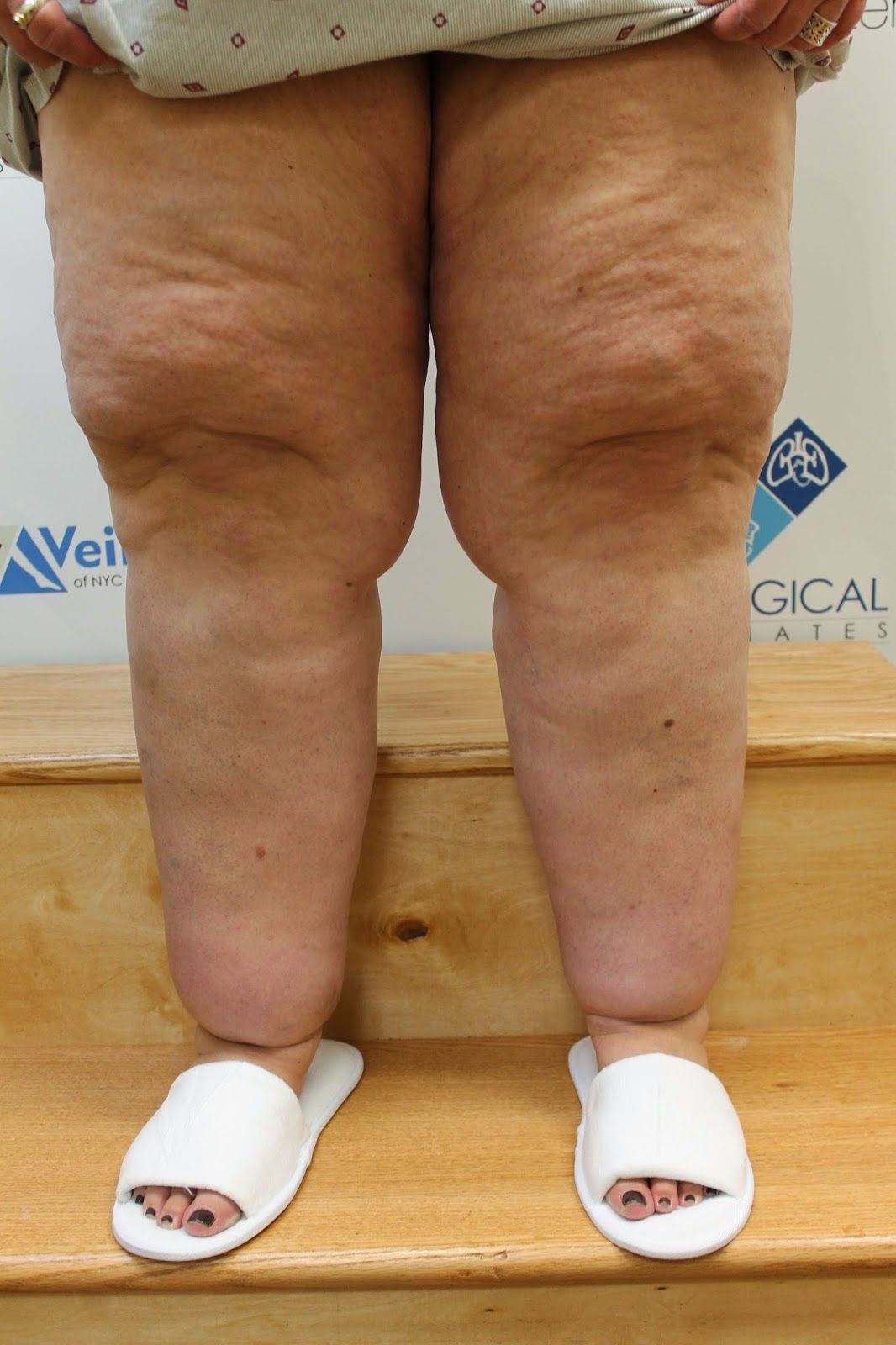
If amlodipine makes your ankles swell up by mid-afternoon, you can't get your work boots on by 4 PM, you're hiding socks pressing into the puffy ring above your shoe line, your wedding ring isn't coming off, and you're elevating your feet at night just to feel like your legs are yours again... I'm about to tell you exactly why the most popular medication is quietly failing you. And why it was always going to fail. And by the end of this, you're going to be furious. Because there are three things happening right now: One — Every treatment you've tried either forced your blood pressure reading down chemically or tried to reduce the inputs feeding it. Not one of them touched the cellular mechanism actually producing the dysfunction. Which means not one of them could have fixed the underlying problem. Not because you did anything wrong. Because they were aimed at the output — the number on the cuff — while the real cause has been collapsing silently inside your vessel walls since your 40s. And not one person in your care team has mentioned it once. Two — The medical system has a protocol for hypertension. First drug. Adjust the dose. Add a second drug. Adjust. Add a third. Each step more aggressive than the last. None of them ask why your vessels keep losing their flexibility. None of them look at what's happening at the cellular level inside the walls themselves. None of them ask why the mechanism keeps deteriorating regardless of how compliant you are. And none of them ever explain why the swelling doesn't go away — because the drug didn't fix the system. It just suppressed a number while leaking fluid into the lowest tissue your gravity could find. Three — There's a multi-billion-dollar industry built around keeping you cycling through that protocol. Because the day someone tells you the real answer — what's actually collapsing inside your vessel walls and how to reverse it — you stop needing the lifetime of prescriptions. And that day is not in their financial interest. So let me tell you what happened with my brother-in-law Mark, because his story is going to open your eyes to how broken this really is. For FOUR YEARS, my brother-in-law Mark watched his health disappear while every doctor he saw managed his blood pressure number. He was 51 when his primary care doctor caught it at a routine physical. He walked in feeling completely fine. No chest pain. No symptoms. No warning. Just his annual checkup. Systolic 152. Diastolic 94. "Pre-hypertensive to stage one. Let's watch it." Six months later: 157/96. "Let's start a medication." He was put on lisinopril 10mg. The number came down. 136/84. "Good." Then the dry cough started and didn't stop for nine weeks. Switched to losartan. Cough resolved. Number crept back up over the next year — 142, 146, 150 on home readings. At the fourteen-month mark his doctor added amlodipine 5mg. "Let's get more aggressive about the numbers." The number dropped quickly. Within three weeks his home readings were averaging 134/82. His doctor was pleased. And then his feet started to disappear. It began subtly. Within the second week on amlodipine, he noticed his work boots felt a little tight by the time he got home. He chalked it up to a long day on his feet. Took the boots off. Felt fine. By week four, the boots weren't going back on by 4 PM. He'd take them off at lunch and not be able to lace them back up. He started keeping a pair of slip-ons at his desk. His socks were leaving deep grooves in his skin that didn't fade for an hour after he took them off — a perfect ring around his ankle, pressed into puffy flesh that looked like dough. By week six, he'd come home, sit on the edge of the bed, and pull his socks off — and his ankles would look like they belonged to a different person. The tendons that used to be visible were buried under a layer of fluid. His feet didn't look like feet anymore. They looked like swollen attachments to legs that had stopped being his. Linda noticed first. She came up behind him while he was changing socks one evening and just stopped in the doorway. "Mark. Your legs." He looked down. The swelling came up to mid-calf. There was a depression where the elastic of his sock had been — a deep, unmistakable indent that took ten minutes to fill back in. Pitting edema. He'd seen it in his father in the last years of his life and had never expected to see it on his own body at fifty-two. He told his doctor. "Amlodipine-related edema is well-documented. Affects about ten to thirty percent of patients. Try elevating your feet at night. Wear compression socks. Reduce sodium further. Your blood pressure reading is excellent. We don't want to disrupt that." Compression socks. Elevation. While he watched his ankles balloon every afternoon for the rest of his life. He bought the compression socks. Wore them every day. They left red lines from his arch to his calf that hurt for hours after he took them off. The swelling was marginally better in the morning. By 2 PM it was back. By 5 PM his feet didn't fit in normal shoes. By 8 PM he was lying on the couch with his feet propped up on three pillows, watching his ankles slowly drain. The morning ritual changed. He used to put on socks and boots without thinking about it. Now he timed his shower so he had ten minutes for the night's elevation to fully drain before he attempted to put boots on. He kept slip-ons in his truck for the inevitable point in the afternoon when the leather boots stopped going around his ankles. He bought boots a size larger than his feet to accommodate the swelling. They flopped in the morning when his feet were normal-sized. He stopped wearing his wedding ring. It wouldn't come off in the afternoons. He took it off one morning before the swelling started and never put it back on, because he was afraid he wouldn't be able to remove it later if he needed to. He told his doctor again, two months in. "I can't put boots on after lunch. My wedding ring won't fit. My socks are leaving permanent grooves. This isn't compression-sock manageable." "Your blood pressure is well-controlled at 134/82. That's where we want it. The edema is cosmetic, not dangerous. Continue the protocol. Some patients find that adding a diuretic helps with the fluid retention if it becomes really bothersome." A diuretic. A third medication. To deal with the side effect of the second medication. Which had been added because the first medication had given him a cough that drove him out of his bedroom. He started counting his medications by the side effects they'd produced rather than what they were treating. He was 52 years old, and he hadn't worn his wedding ring in eleven weeks because his ankles wouldn't let him be the person he'd been six months earlier. He went to a cardiologist. Full workup. Echocardiogram, stress test, comprehensive metabolic panel. "Mild left ventricular hypertrophy — the heart has adapted to the sustained elevated pressure. Expected given the history. The protocol you're on is appropriate. The amlodipine edema is a known side effect — most patients tolerate it. If it becomes intolerable we can switch you to a different calcium channel blocker, though most produce similar effects, or we can add a low-dose diuretic. Stay compliant, continue lifestyle modifications, reduce cardiovascular risk factors." He went to a functional medicine doctor. "Lymphatic stagnation. Adrenal dysregulation contributing to fluid retention." Adaptogen protocol. Lymphatic drainage massage twice a week. $210 a month plus the massage cost. Five months. His swelling didn't move. His blood pressure didn't move. He went back to his cardiologist at the twenty-month mark. The mild left ventricular hypertrophy had progressed slightly. "Still mild. But the trend is something to watch. If we can't get the home readings consistently under 135, we should discuss adding a diuretic. Which would also help with the swelling — two benefits, one drug." Three blood pressure medications was where this was heading. For a man who walked into a physical at 51 feeling completely fine. Between the prescriptions, the specialist co-pays, the cardiology workups, the functional medicine protocol, the compression socks, and the larger boots he had to keep buying as his feet expanded — he'd spent over $7,200 across two years. His blood pressure was "managed" to around 140 systolic on two drugs. His ankles were swollen every afternoon. His wedding ring sat in the dish on his dresser. His wife had stopped commenting on it. And every doctor told him the same thing. "Your number looks good." "Amlodipine edema is cosmetic. It doesn't cause harm." "Keep doing what you're doing." One of them suggested he sleep with his feet above his heart. I wish I was making that up. Not one of them ever asked the question that turned out to be the only question that mattered. What if the swelling wasn't a side effect to be tolerated or routed around with another drug? What if it was a symptom of the same cellular collapse the medication was failing to address — and the fact that amlodipine produced it was telling us something specific about what the drug was doing to a vascular system that already couldn't regulate itself properly? What if the real question wasn't "which drug doesn't cause swelling" but "why are the vessel walls failing to maintain the fluid balance the drug is now overwhelming — and what would happen if we restored that capacity directly?" Twenty months of cardiology workups. Twenty months of medication adjustments. Two drugs, two years, a functional medicine protocol, lymphatic massages, compression socks, larger boots, and a wedding ring in a dish. And not one doctor in that entire chain ever looked at what was happening at the cellular level inside Mark's blood vessels and said: Mark, your vessel wall cells are running out of the energy they need to regulate pressure on their own. The enzyme that's supposed to produce the molecule telling those vessels to relax has been running in reverse for years. And there's a cortisol mechanism constricting your vessels independently — in a channel that losartan and amlodipine are both completely blind to. The swelling you're getting every afternoon isn't just a quirk of the drug. It's what happens when amlodipine forcibly dilates small arteries — pulling fluid into tissue capillary beds — while the endothelial cells that should be regulating that fluid movement at the cellular level have been energy-starved for years and can't do their job. The drug is widening the pipes from outside the cell while the cells lining those pipes have lost the cellular capacity to manage what's moving through them. The fluid leaks out. The ankles fill up. And no amount of compression socks fixes the cellular collapse underneath. Not one of them said it. Because not one of them was testing for it. So here's what they kept telling him to try. And I need you to pay attention because you've probably been through this exact same sequence. Lisinopril 10mg — standard ACE inhibitor. Controlled the number. Produced a chronic dry cough that drove him out of his bedroom for nine weeks. Switched off it. Losartan 50mg — different drug, same protocol logic. Cough resolved. Number controlled marginally. Did not restore NAD+ to the endothelial cells running on empty since his early 40s. Did not reverse the enzyme producing oxidative stress instead of nitric oxide. Did not touch the cortisol mechanism constricting his vessels in a channel neither drug could reach. The vessel walls were still failing. Amlodipine 5mg — added to the stack when losartan alone wasn't sufficient. Number controlled more aggressively. And produced the swelling that ended his ability to wear his wedding ring, his work boots, and most of his normal shoes by mid-afternoon. A calcium channel blocker forcibly dilating vessels that still lacked the cellular energy to regulate their own tone — and the fluid balance that goes with it. Did not restore cellular energy to the vessel walls. Did not recouple the nitric oxide enzyme. Did not reduce the cortisol-mediated constriction running independently of the renin-angiotensin system the first two drugs were targeting. Just dilated the pipes mechanically while the cellular system responsible for managing fluid flux failed silently underneath. Three drugs. Two years. Over $7,200. A wedding ring in a dish. His blood pressure was chemically managed at a marginal number. His ankles disappeared every afternoon. And every specialist in his care chain was treating the output while the actual cellular mechanisms producing the dysfunction — and the swelling — kept collapsing, unaddressed, every single day. I'm not frustrated anymore. I'm angry. Because I'm watching my brother-in-law — a man who built a company with seventy employees, who coached his son's baseball team until last spring, who used to walk into any room and own it inside ninety seconds — take his boots off at 1 PM because his feet are already too swollen, hide his bare ring finger when he meets new clients, sit through dinner with his feet propped on a chair across from him. While cardiologists and internists throw drugs at the number. While the cellular mechanisms producing the dysfunction keep failing without anyone testing them, addressing them, or even acknowledging they exist as separate targets. Managing the number. Not asking what's happening at the cell level inside the vessel walls producing it. Not asking why the cells lining those walls are running out of the energy they need to regulate pressure and fluid balance on their own. Not asking why the enzyme that's supposed to produce nitric oxide — the molecule that tells vessels to relax and stay open in a controlled way, with intact fluid regulation — has been running in reverse for years. Not asking about the cortisol cascade that has been independently constricting Mark's vessels since before his diagnosis and will keep constricting them regardless of how many drugs he takes. And that's when I started asking the questions nobody in the medical system wants you to ask. Why do cardiologists treat amlodipine edema as a cosmetic side effect to be tolerated, while never asking what the swelling reveals about the cellular mechanism the drug is overwhelming? Why does every blood pressure protocol consist entirely of interventions that force a pressure reading down chemically — while the vessel wall cells responsible for regulating that pressure and the fluid balance that goes with it keep losing the cellular energy required to do their job? Why does nobody ever explain to a man in his 50s that the swelling isn't just a quirk of calcium channel blockers — it's a window into the same cellular collapse that's been driving the pressure climb itself, and the drug is just exposing it by dilating vessels the system can't regulate? So I went down a rabbit hole. A deep one. I started researching what actually happens inside the endothelium — the single-cell layer lining every blood vessel in the human body — as men age. What those cells need to produce nitric oxide. What powers their ability to regulate vascular tone. What happens to that energy source after 40. What happens to the nitric oxide enzyme when that energy source collapses. What the cortisol cascade is doing to vascular tone independently of every drug in the protocol. And how the same cellular collapse that causes the pressure to climb also degrades the endothelium's ability to maintain fluid balance — which is exactly what fails when amlodipine pulls extra fluid into tissue beds that can no longer hold it where it belongs. Every mainstream medical site gave me the same recycled answer. "Edema from calcium channel blockers is common. Elevate your feet. Wear compression socks. Add a diuretic if it becomes severe. Most patients tolerate it." Take your medications. Tolerate the swelling. While the published research was screaming something else entirely. Then I found a paper that changed everything. Not a blog. Not a supplement brand's white paper. A peer-reviewed paper in Circulation cross-referenced with parallel research in Nature Aging and the Journal of Clinical Hypertension. And it laid out — in language so clear I couldn't believe nobody in four years of Mark's appointments had said it to his face — exactly why blood vessels lose their ability to self-regulate pressure as men age. And why every drug in the standard hypertension protocol manages the consequence while the root mechanism goes entirely untreated. The vascular-NAD-cortisol axis. Now pause for a second. You know what's insane? Every conversation about blood pressure focuses on the output. The number. The inputs feeding it. The heart rate. The blood volume. The vascular resistance. That's the model. That's why every blood pressure drug either slows the heart, dilates the vessels, or reduces fluid volume. That's why every supplement promises "more nitric oxide" or "better mineral balance" — still aimed at the pipe level, still aimed at the output. But nobody — and I mean nobody — in standard hypertension care asks what's happening inside the cells that line those pipes. What those cells need to produce nitric oxide on their own. What energy source powers their ability to regulate vascular tone — including the precise control of fluid flux across capillary beds that determines whether the fluid stays in the vessels where it belongs or leaks into the tissue where it pools in your ankles. What happens to that energy source after 40. What happens to the nitric oxide enzyme when that energy source runs low. What the cortisol cascade is doing to vascular tone invisibly, in a channel that no ACE inhibitor or calcium channel blocker can reach. And that's not an accident. Here's what I learned. Your vascular endothelium is not passive plumbing. It's a living cellular system — and like every living cellular system, it requires energy to function. Specifically, it requires NAD+ — nicotinamide adenine dinucleotide — the molecule that powers the mitochondria inside every endothelial cell lining every blood vessel in your body. At 35, your body produces NAD+ at a rate that keeps those cells fully energized. They produce nitric oxide on demand. They relax when they're supposed to relax. They regulate vascular tone with millisecond-level precision. They maintain the capillary-level fluid balance that keeps blood in the vessels and out of your tissues. Your blood pressure stays where it belongs without any chemical intervention. Your ankles look like ankles at the end of the day. But between 40 and 60, NAD+ production falls by more than 50%. The mitochondria inside your vessel wall cells start running on a fraction of the energy they need. Their capacity to produce nitric oxide degrades. Their flexibility degrades. Their precision in regulating vascular tone — including the fluid balance across capillary beds — degrades. The vessel walls begin stiffening from the inside out. The endothelial integrity that normally keeps fluid contained starts loosening at the cellular level. You don't see it yet. You can't feel it yet. But the system is no longer regulating itself the way it used to. And here's the part nobody told Mark. When amlodipine forcibly dilates the small arterioles — the precapillary vessels — it pulls more blood into capillary beds whose endothelial cells no longer have the cellular energy or the eNOS-mediated control to manage the fluid flux properly. Fluid leaks out into the tissue. Gravity pulls it to the lowest point — your ankles. The swelling isn't a quirk. It's the visible manifestation of a cellular system that lost the precision to handle what the drug just demanded of it. A 35-year-old man with intact endothelial function and abundant NAD+ doesn't get amlodipine edema in the same way. His cells can compensate. Yours can't. The drug is exposing a cellular collapse that was already in progress. It's not just an energy deficit. It's worse. The enzyme responsible for producing nitric oxide — eNOS, endothelial nitric oxide synthase — requires a specific cofactor to function correctly. When NAD+ drops and oxidative stress rises, that cofactor depletes. And when it depletes, eNOS doesn't just produce less nitric oxide. It uncouples. It flips. It starts producing superoxide — a reactive oxygen species that directly damages the vessel walls it was designed to protect. The vessels stiffen faster. The endothelial barrier function — the precise control that keeps fluid where it belongs — degrades faster. And the drug forcing the pressure reading down by dilating the pipes doesn't restore the enzyme producing the cellular control. It just manages the output while the mechanism keeps running. Now add the cortisol layer. Chronic cortisol elevation — the sustained background stress load that's normal for most men running companies, careers, families, and financial obligations in their 40s and 50s — activates alpha-adrenergic receptors in the vascular smooth muscle, producing vasoconstriction that operates entirely outside the renin-angiotensin system your ACE inhibitor is targeting. Your losartan blocks angiotensin II receptors. It does nothing to the cortisol-mediated constriction running in parallel. Your blood pressure stays elevated because one of the mechanisms producing it is completely invisible to the drugs managing the other two. And cortisol independently contributes to fluid retention and endothelial dysfunction through its own pathways — pathways nobody is testing, addressing, or acknowledging. Your cardiologist has never once mentioned the cortisol mechanism. Not because it's new — the literature on HPA axis activation and vascular resistance has existed for decades. But because there's no pharmaceutical drug for it. There's no billing code for "treat the cortisol contribution to vascular tone." There's nothing to prescribe. So it goes unmentioned. Every appointment. While you watch your feet swell. This is the vascular-NAD-cortisol axis. Three separate mechanisms collapsing simultaneously inside your vessel walls: NAD+ depletion → cellular energy failure in the endothelium → vessel walls can't self-regulate pressure, and the precision required to maintain fluid balance is lost. Amlodipine exposes that loss by demanding more of the system than the cells can deliver. eNOS uncoupling → the nitric oxide enzyme has flipped — producing oxidative stress and vessel damage instead of vascular protection and barrier function. Cortisol constriction → operating in parallel to the renin-angiotensin system, invisible to every drug in your protocol, compounding the dysregulation. Every blood pressure medication manages one of these imperfectly while the other two continue unopposed. Your systolic reads 140 on the drugs. "Managed." But your NAD+ levels are still collapsed. Your eNOS is still uncoupled and producing oxidative stress. Your cortisol is still constricting vessels that no ACE inhibitor can touch. Your endothelial barrier function is still degraded — which is why your ankles fill up every afternoon, why your wedding ring won't go on, why you're elevating your feet at 7 PM trying to drain the day's accumulation. The swelling isn't a side effect of the drug. The swelling is what happens when you chemically dilate vessels in a system that has lost the cellular capacity to manage what you just did to it. The drug forced the dilation. The cells couldn't compensate. The fluid leaked. And the protocol's answer is to add another drug — a diuretic — to chase the fluid out of your tissues, while leaving the cellular collapse that made you reactive in the first place completely untreated. And here is the critical part. The part that explains exactly why lisinopril failed. Why losartan failed. Why amlodipine flooded your ankles. Lisinopril doesn't restore NAD+ to endothelial cells. Losartan doesn't recouple the eNOS enzyme. Amlodipine doesn't reduce cortisol-mediated vascular constriction or restore endothelial barrier function — it dilates vessels mechanically and exposes the cellular dysfunction underneath. None of them address the upstream cellular mechanisms producing the dysfunction. You can suppress the pressure reading chemically and those three mechanisms keep collapsing inside your vessel walls every day, every year, regardless of how many compression socks you wear or how high you prop up your feet. Managing the number. Untreated mechanism. And here is what enraged me most. The medical system knows this. The vascular biology and cellular aging research has documented the NAD+ collapse in the vascular endothelium for twenty years. eNOS uncoupling from oxidative stress is documented as a primary driver of age-related hypertension, endothelial barrier dysfunction, and the fluid leak that produces medication-related edema in peer-reviewed literature. The cortisol-vascular resistance connection has been in the cardiology research for decades. But the clinical protocol for hypertension doesn't include NAD+ testing. Doesn't include eNOS function assessment. Doesn't include a cortisol workup in the context of vascular tone. It never will. Because there's no pharmaceutical drug for NAD+ restoration in the vascular endothelium. You can't patent it. There's no money in telling a 52-year-old man that his vessel wall cells are energy-depleted and there are specific compounds in the research that address the cellular mechanism — because that conversation ends with him not needing a lifetime of prescriptions, or a wedding ring in a dish. There IS money in lisinopril, forever. Losartan when lisinopril gives you a cough. Amlodipine added to the stack. A diuretic when amlodipine swells your feet — solving one drug's side effect with another drug. Compression socks. Larger boots. Annual cardiology workups. Echocardiograms every two years. "Mild left ventricular hypertrophy — let's watch it." And another decade of managed-but-not-fixed numbers while the cellular mechanisms keep deteriorating and your ankles never look like ankles again. See how that works? First drug. Side effect. Switch the drug. Adjust the dose. Add a second when it escapes. Side effect. Add a third to manage the side effect. Measure the output. Never test the mechanism. Never restore the cellular energy. Never address the enzyme running in reverse. Never touch the cortisol constriction nobody mentions. And never, ever ask why your endothelium can't handle what the drug just did to it. Because the second you restore NAD+ to the vascular endothelium, recouple the eNOS enzyme, and reduce the cortisol-mediated constriction — the vessel walls start doing the work they were designed to do. They produce nitric oxide on their own. They regulate tone on their own. They maintain barrier function. They keep fluid where it belongs. The pressure normalizes from inside the system, not through chemical suppression from outside it. And the swelling that was the visible signal of cellular collapse resolves — because the cellular collapse is what's actually being addressed. That's what happened with Mark. But before I tell you that, I need to tell you what I found in the research. I kept digging. Vascular biology journals. Cellular aging research. Clinical trials on NAD+ precursors and endothelial function. Studies on the L-citrulline and L-arginine combination for nitric oxide recycling. Research on KSM-66 ashwagandha and cortisol-mediated vascular resistance. Evidence on CoQ10 and mitochondrial function specifically in vessel wall cells. And I found compounds that kept appearing — not in supplement marketing, in peer-reviewed research — as specific interventions for the three-pathway cellular collapse driving age-related hypertension. NMN — nicotinamide mononucleotide, a direct NAD+ precursor. Not the standard form most supplements use. Not generic niacin claiming to raise NAD+ through a five-step conversion pathway that's already compromised in aging cells. The direct precursor that raises NAD+ in blood and tissue — with a documented 43% increase in blood NAD+ levels and significant reduction in diastolic blood pressure in middle-aged adults. Studied in peer-reviewed clinical trials. Not on wellness blogs. But here's what the research also showed. Standard NMN capsules — even with the right compound — lose up to 80% of their active concentration in gastric acid before a single molecule reaches the bloodstream. The stomach destroys it. What survives is degraded further in the small intestine. What ultimately arrives at the vascular endothelium is a fraction of the labeled dose. Most "NAD+ support" supplements on the market are delivering an impressive label and negligible cellular delivery. The research used a specific delivery system that bypasses gastric destruction. Liposomal technology — a phospholipid carrier that wraps the NAD+ precursor in a fat-soluble shell, survives stomach acid, enters circulation intact, and delivers the active compound to target cells at 13.6 times the concentration of a standard capsule. Without liposomal delivery, you're not restoring NAD+ to your endothelium. You're buying a label. Simultaneously — as the L-citrulline and L-arginine combination restores the nitric oxide recycling pathway (not L-arginine alone — the combination that creates the recycling loop, shown to reduce systolic blood pressure by up to 7.54 mmHg through a mechanism standalone arginine cannot replicate), as KSM-66 ashwagandha reduces cortisol by up to 32%, and as CoQ10 stabilizes the mitochondrial energy in vessel wall cells — the three mechanisms producing the dysfunction are finally addressed at the source, simultaneously, for the first time. And as the cellular mechanisms recover, the vascular environment changes. Endothelial NAD+ rises. eNOS recouples. Nitric oxide production normalizes. The endothelial barrier function that was failing — the cellular precision that determines whether fluid stays in your vessels or leaks into your tissues — recovers. Cortisol constriction reduces. Vessel walls regain the flexibility and the regulatory precision they were designed to have. Blood pressure normalizes from inside the system. And the swelling that was the visible symptom of the cellular collapse stops, because the collapse itself is being reversed. Mark tried to find a formula that matched what the research actually described. First: the highest-rated blood pressure supplement on Amazon. Over 3,400 reviews. 4.6 stars. Eight weeks. Nothing changed. Looked at the label: hawthorn berry, olive leaf extract, magnesium, standard CoQ10 at 100mg, L-arginine at 500mg alone. No NMN. No liposomal delivery. No citrulline-arginine combination. Standard capsule construction — meaning most of what was on the label was destroyed in digestion before reaching anything. Everything about the marketing was compelling. Nothing about it addressed the cellular mechanism the research described. Second: a "cardiovascular and vitality" formula at $85 a month from a functional nutrition brand. "Clinically validated ingredients for healthy blood pressure." Ten weeks. Readings moved two or three points in either direction — within normal daily variation. Looked at the label: beet root powder, L-arginine at 600mg alone — no citrulline, standard CoQ10 without enhanced bioavailability, resveratrol at 50mg without a delivery system. Right category of ingredients. Wrong forms. Wrong delivery. The compounds the research used weren't what was in the bottle. He went back to the studies. Read the methodology carefully. The clinical trials showing endothelial NAD+ restoration used liposomal delivery specifically — not standard encapsulation. The studies showing nitric oxide recycling pathway restoration used the citrulline-arginine combination at specific ratios, not arginine alone. The ashwagandha research showing 32% cortisol reduction used KSM-66 — a root-only extract standardized to 5% withanolides — not generic ashwagandha powder. He flipped over both bottles. No liposomal delivery on either. Standalone arginine without citrulline. Generic ashwagandha without KSM-66 standardization. He'd been taking the wrong forms, the wrong delivery systems, and the fundamental citrulline-arginine recycling mechanism missing entirely. Not because the research was wrong. Because what was on the supplement shelf wasn't what the research used. Then I found a thread in a men's health forum that stopped me completely. A guy wrote: "I had stage 1 hypertension at 52. Lisinopril gave me a cough. Switched to losartan — fine. Added amlodipine fourteen months later. My ankles started swelling within three weeks and never stopped. I couldn't wear my wedding ring after the first month. My doctor told me to wear compression socks and elevate my feet. For two years. I was 53 years old and timing my showers around how long it took for my feet to drain back to normal so I could put on shoes. Nobody ever looked at the cellular mechanism. Then I started researching the vascular-NAD axis. The swelling wasn't the drug being mean. It was my endothelium failing to handle what the drug was demanding of it. I found a formula that addressed all three pathways simultaneously. Six weeks in: the swelling started going down. Eight weeks in: my wedding ring went back on for the first time in two years. My cardiologist wanted to know what I'd changed." I froze. He continued: "The standard protocol treats the number. Nobody treats the endothelial cells producing it. When I finally addressed the cellular mechanism — NAD+ restoration through liposomal delivery, the citrulline-arginine recycling combination, cortisol reduction through KSM-66 — the endothelial barrier function recovered. The fluid stayed where it belonged. My ankles came back. My wedding ring came back. My body came back." The replies: "Eighteen months of amlodipine. Compression socks every day. Ankles bigger than my calves by 5 PM. Cardiologist suggested adding a diuretic to chase the fluid out of my legs. Started this formula instead: week four, the afternoon swelling was noticeably lighter. Week six, my socks stopped leaving permanent grooves. Week ten, my regular shoes fit through the entire day. Doctor lowered my amlodipine dose. First time anyone reduced a medication since the protocol started." "Systolic was 159 at my physical. Got put through lisinopril cough, then losartan, then amlodipine added on top. The swelling on amlodipine was so bad I stopped wearing my wedding ring for almost a year. Twelve weeks after starting the cellular formula: systolic 122, ankles back to ankles, wedding ring back on, on a reduced medication protocol. Cardiologist said it was the cleanest reversal she'd seen without a major weight event." "Three years of managed hypertension. Two drugs. The amlodipine swelling was the part that destroyed me — couldn't wear normal shoes, couldn't put my ring on, felt like my body had stopped being mine. Wife said I looked like a different person, and not in a good way. Started addressing NAD+ collapse and eNOS dysfunction directly. Two months in: I came downstairs one morning, put on my normal boots, and they fit. I sat there in the kitchen for a minute. My wife saw my face and just put her hand on my shoulder. She knew." My hands were shaking. Someone listed the formula: NMN (NAD+ precursor) via liposomal delivery — 13.6x the cellular absorption of standard capsules. Bypasses gastric destruction entirely. Raises blood NAD+ levels by 43%. Restores cellular energy to endothelial cells that have been running on empty since the collapse began — including the barrier function that determines whether fluid stays in your vessels or leaks into your tissues. Without liposomal delivery, you are not delivering NAD+. L-Citrulline + L-Arginine combination — the specific pairing that creates the nitric oxide recycling pathway. Not L-arginine alone, which arginase breaks down before it reaches the endothelium. The combination shown to reduce systolic blood pressure by up to 7.54 mmHg through an enzymatic recycling loop that standalone arginine is biochemically incapable of creating. The difference between "I tried arginine and nothing happened" and the mechanism that actually works. CoQ10 via liposomal delivery — stabilizes mitochondrial energy in vessel wall cells. Keeps those cells functional and able to maintain barrier integrity instead of progressively leaky. In standard capsule form, most never reaches the mitochondria that need it. In liposomal form, arrives at target cells at therapeutic concentration. KSM-66 Ashwagandha — root-only extract standardized to 5% withanolides. The specific form used in the clinical research showing up to 32% cortisol reduction. Directly addresses the cortisol-mediated vascular constriction and fluid dysregulation that operates in parallel to every blood pressure drug your doctor has ever prescribed — and that every blood pressure drug is blind to. Resveratrol — documented vascular endothelial benefits; supports the cellular environment that eNOS requires to function correctly. Turmeric Extract standardized to 95% curcuminoids — reduces the systemic inflammatory load that accelerates endothelial dysfunction and compounds the barrier breakdown that allows fluid to leak into tissue beds. Liposomal delivery throughout. Third-party tested in the USA. Every ingredient listed with exact amounts. No proprietary blends hiding doses. No synthetic hormones. No stimulants. No fillers. None of the side effects you're already dealing with from the prescription alternative. "How do you know it's working before the readings fully change?" "Week two: energy lifts. NAD+ rising in the cells powering every system. Week three: brain fog clears. Week four: the afternoon swelling starts going down — your socks stop leaving the deep grooves. Week six: you put your wedding ring on one morning and it fits all day. Week eight: home readings consistently at numbers you haven't seen in years, and your ankles look like ankles again. Week twelve: the readings you show your cardiologist, who asks what you changed." The brand was Liposomal NAD+ Complex. I ordered it for Mark that night. After two weeks? He texted me on a Tuesday morning. "Energy's back. Actually back." He hadn't felt that without bracing himself for the afternoon in two years. After four weeks? Home readings were averaging 129/81. He'd been averaging 142/88 on his full two-drug protocol. And his ankles at 5 PM looked different. Still puffy, but no longer the unmistakable mass of fluid that had defined his afternoons for fourteen months. His socks left a faint line instead of a deep groove. He called me from the kitchen before work. "Something's changing. I don't know what. But something's different. My boots went on this morning." After six weeks? The swelling was 75% reduced. He could wear his normal boots all day. He could wear normal shoes to dinner. His wedding ring went back on one Saturday morning and stayed on. Linda saw it from across the kitchen. She didn't say anything. She just walked over and held his hand. After eight weeks? Morning readings averaging 123/79. Ankles back to ankles. The compression socks were in a drawer he hadn't opened in three weeks. His cardiologist removed the amlodipine — reduced his medication protocol — for the first time since it had started. He'd been adding drugs. He was removing one. After twelve weeks? Full panel. Systolic average at home: 121. On a reduced medication protocol — down from two drugs to one. Compared to 142 on the full two-drug protocol before. NAD+ blood levels up 43%. His functional medicine doctor, genuinely curious, had ordered the panel. No swelling. Not reduced — gone. He hadn't worn compression socks in two months. His wedding ring lived on his hand. His normal boots went on every morning and came off every evening like the question of whether they would fit had stopped existing. His cardiologist looked at the twelve-week results. "This is... unusual. A reversal of this quality, with the edema resolved on a reduced protocol — I want to understand what changed." "I addressed the cellular mechanism," Mark said. "NAD+ restoration via liposomal delivery. The citrulline-arginine recycling combination for nitric oxide. KSM-66 for the cortisol constriction. The three pathways that were failing inside my vessel walls. Every medication I was on was managing the output. Nothing in my protocol was touching the mechanism. The swelling wasn't a quirk of amlodipine — it was my endothelium failing to handle what the drug was demanding of it." "What are you taking specifically?" He gave her the name. She looked it up. Read for a moment. Said: "The NMN research is legitimate. The citrulline-arginine combination data is real. The KSM-66 cortisol data is documented. I'll be honest with you: this isn't in the clinical guidelines, which is why I've never prescribed it. But what I'm looking at suggests the cellular mechanism argument has significant merit. Continue what you're doing. If this holds at the six-month mark I'd like to discuss reducing the remaining medication." Continue. Not three more years of escalating medications and compression socks while the cellular mechanisms kept failing. Not another evening with his feet on three pillows watching his ankles slowly drain. Continue — because the actual mechanism was finally being treated. Now here's what I need you to understand. Cellular energy collapse in the vascular endothelium doesn't wait for you to figure this out. Every month those cells keep running on depleted NAD+, with eNOS uncoupled and producing oxidative stress instead of nitric oxide, with cortisol constricting vessels that no drug in your protocol can reach — the vessel walls get stiffer. The endothelial barrier function gets weaker. The fluid leaks worse. The pressure climbs. The dose needs adjusting. A second drug gets added. A third drug gets added to manage the side effect of the second drug. And your wedding ring keeps sitting in the dish. And here's the cardiovascular reality that should stop every man reading this cold. The vascular endothelium doesn't fail selectively in your blood pressure readings. It fails systemically. The same cellular energy collapse stiffening the vessels your cardiologist manages with drugs is affecting every artery in your body — coronary arteries included. The penile arteries fail first because they're the smallest, 1-2mm — which is why declining energy, declining drive, and rising blood pressure often arrive together in the same window of a man's 40s and 50s. The coronaries, at 3-4mm, follow the same failure curve two to five years later. Men who spend a decade on managed-but-untreated blood pressure aren't just heading toward a third drug. They're ignoring the earliest systemic signal their cardiovascular system can give them. Your swelling is telling you the truth. The medical system is selling you a drug that manages the number while the cellular mechanism producing the dysfunction — and the swelling — keeps collapsing. So if you're dealing with ANY of this — the swelling that amlodipine produced and that compression socks never solved, the wedding ring that won't go back on, the boots that stopped fitting by mid-afternoon, the evenings spent with your feet propped up watching fluid drain that shouldn't have been there in the first place — or blood pressure that keeps climbing no matter how compliant you are, or a number that's "controlled" on paper while you feel nothing like yourself... This is the time. Not next year when the third medication isn't enough and a fourth gets added. Not when the cardiologist starts talking about progression. Not when the same endothelial failure that's been in your vessels for five years shows up somewhere more consequential than your ankles. Right now. The product is Liposomal NAD+ Complex. NMN and NAD+ via liposomal delivery — 13.6x the cellular absorption of standard capsules. The citrulline-arginine combination for the nitric oxide recycling pathway. CoQ10 for mitochondrial vessel wall stability and barrier function. KSM-66 ashwagandha for the cortisol constriction your doctor has never mentioned. Resveratrol. Turmeric at 95% curcuminoids. 14 active ingredients. Two capsules, every morning. Every ingredient listed with exact amounts. Third-party tested in the USA. No proprietary blends. No synthetic hormones. No stimulants. No fillers. None of the side effects you're already living with. 60-day money-back guarantee. Run your home readings. Track your ankles. If the NAD+ restoration, the nitric oxide recycling, and the cortisol reduction don't bring your readings down and bring your feet back — you pay nothing. Mark spent over $7,200 on lisinopril, losartan, amlodipine, cardiology visits, specialist protocols, compression socks, and larger boots across two years while his cellular mechanisms kept failing and his wedding ring sat in a dish. Then he addressed the three pathways actually producing the dysfunction — and in twelve weeks his readings normalized, his swelling resolved, his ring went back on, and his cardiologist reduced his medication for the first time. His vessel walls were never irreversibly broken. They were energy-depleted, enzyme-dysregulated, and cortisol-constricted — in three ways no blood pressure drug has ever been designed to address. Restore the cellular energy. Recouple the enzyme. Release the cortisol constriction. And the vessel walls start doing what they were built to do. 👉 https://tryboostiva.shop/products/liposomal-nad-for-men-1
The Most Potent Formula Ever Created
🔥 Boostiva Liposomal NAD+ for Men — Revive Your Energy, Focus & Vitality Unlock your peak performance with Boostiva Liposomal NAD+ for Men — the advanced men’s wellness formula engineered to support real energy, strong circulation, hormonal balance, stamina, and overall vitality as you ...
LEARN MORELike this ad? Make it yours.
Crush rebuilds this exact creative around your product — your brand, your colors, your offer — in about a minute.


