
Stopped· since Apr 26, 2026
- 16
- days it ran
- 0
- relaunches
Ad copy
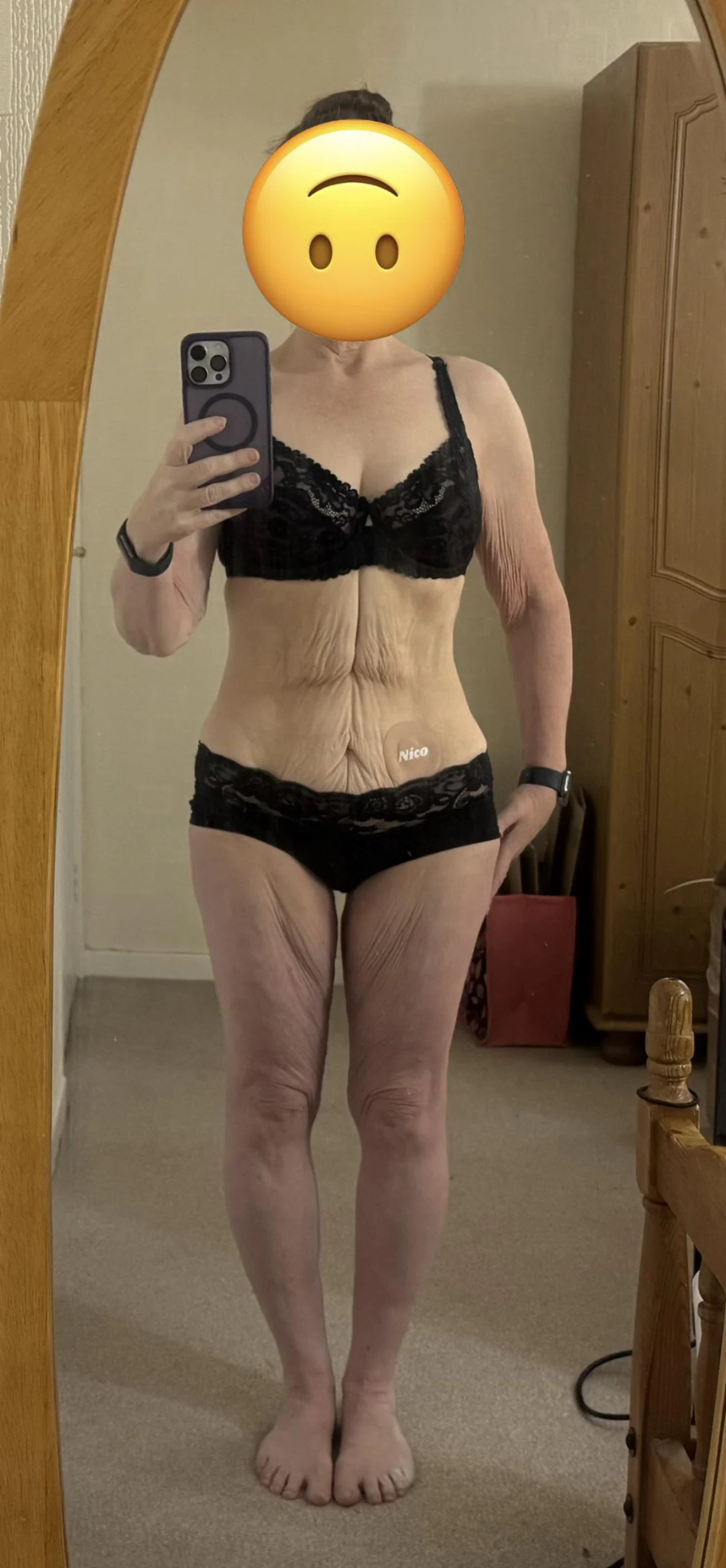
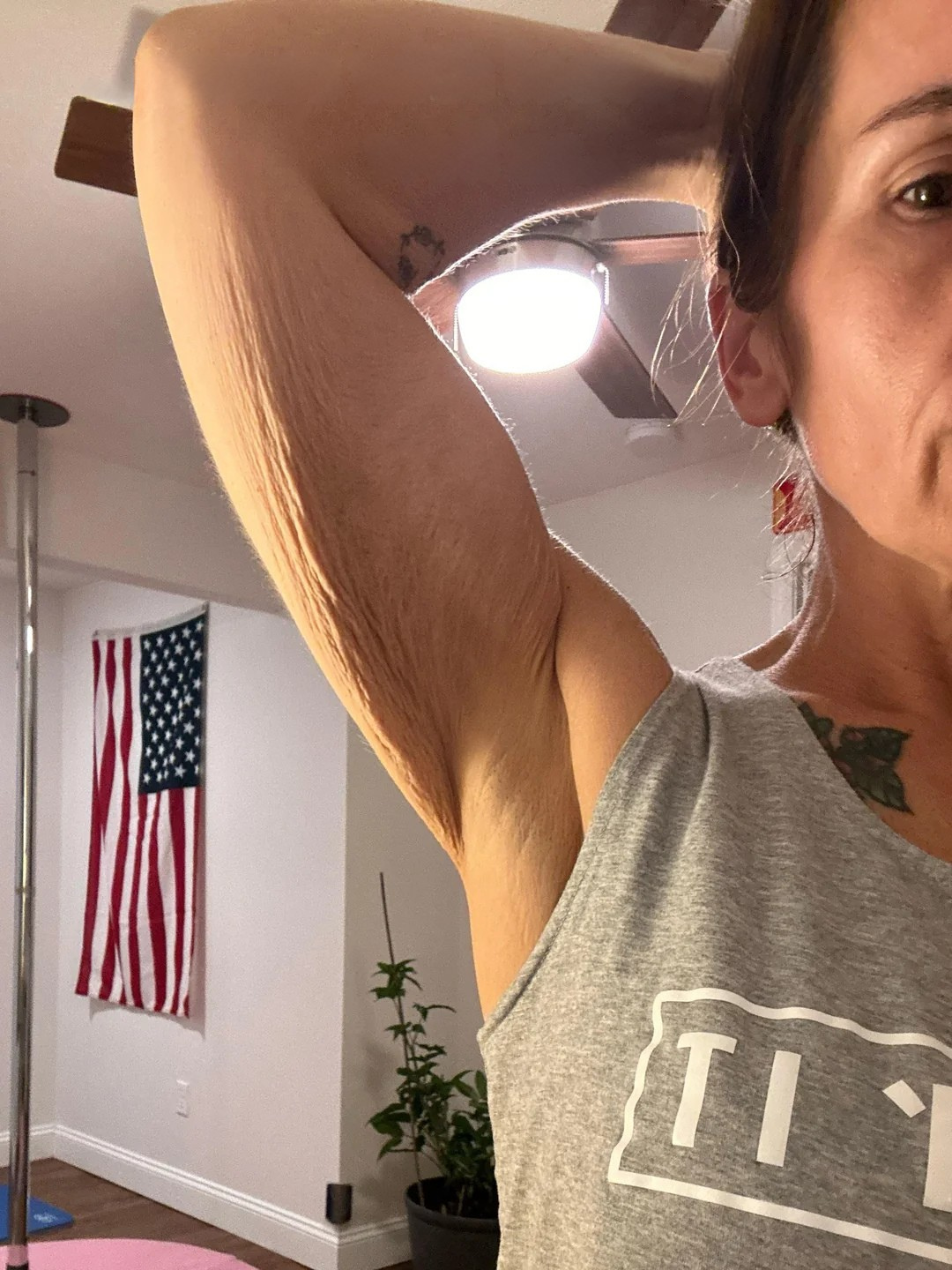
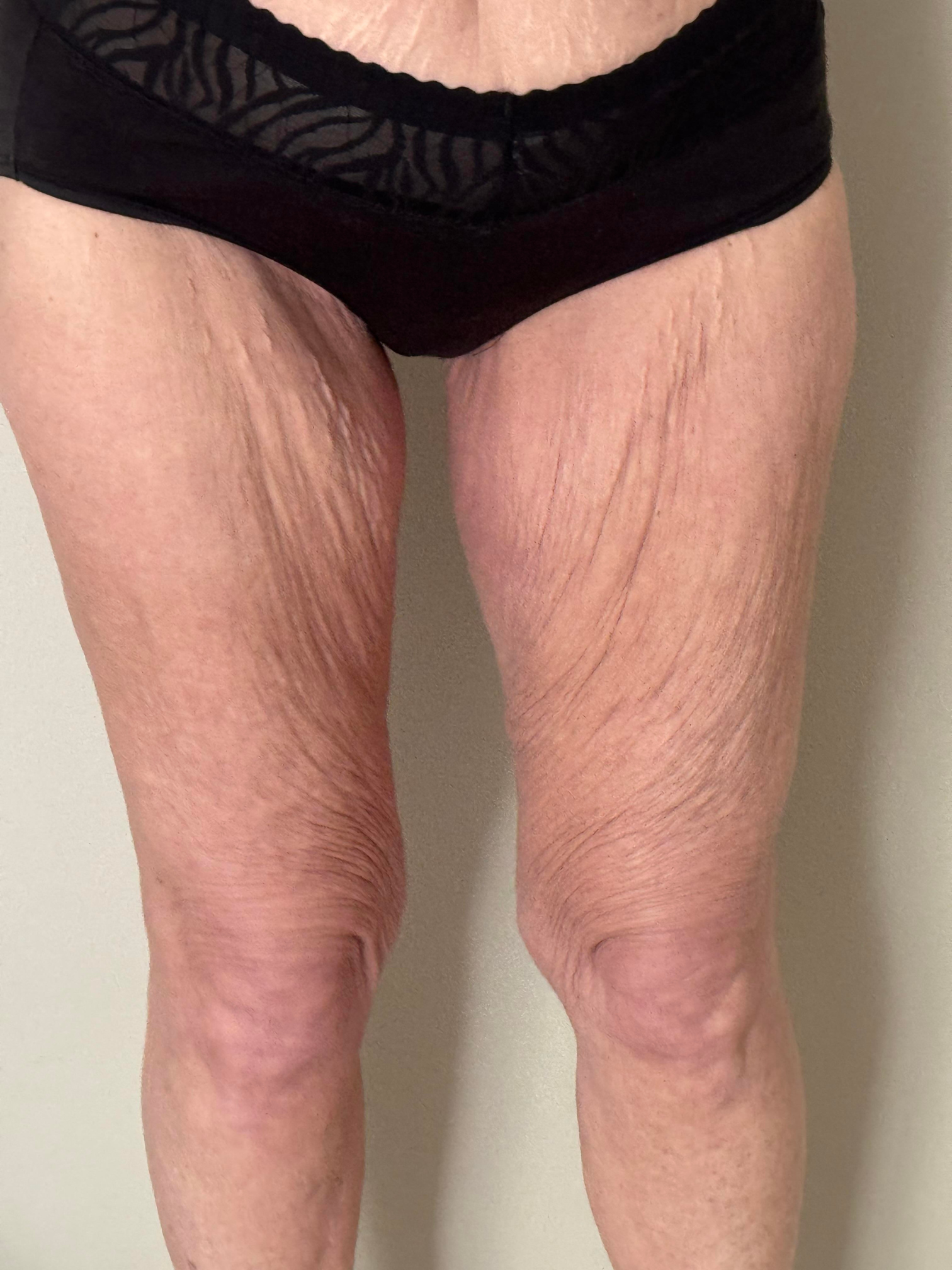
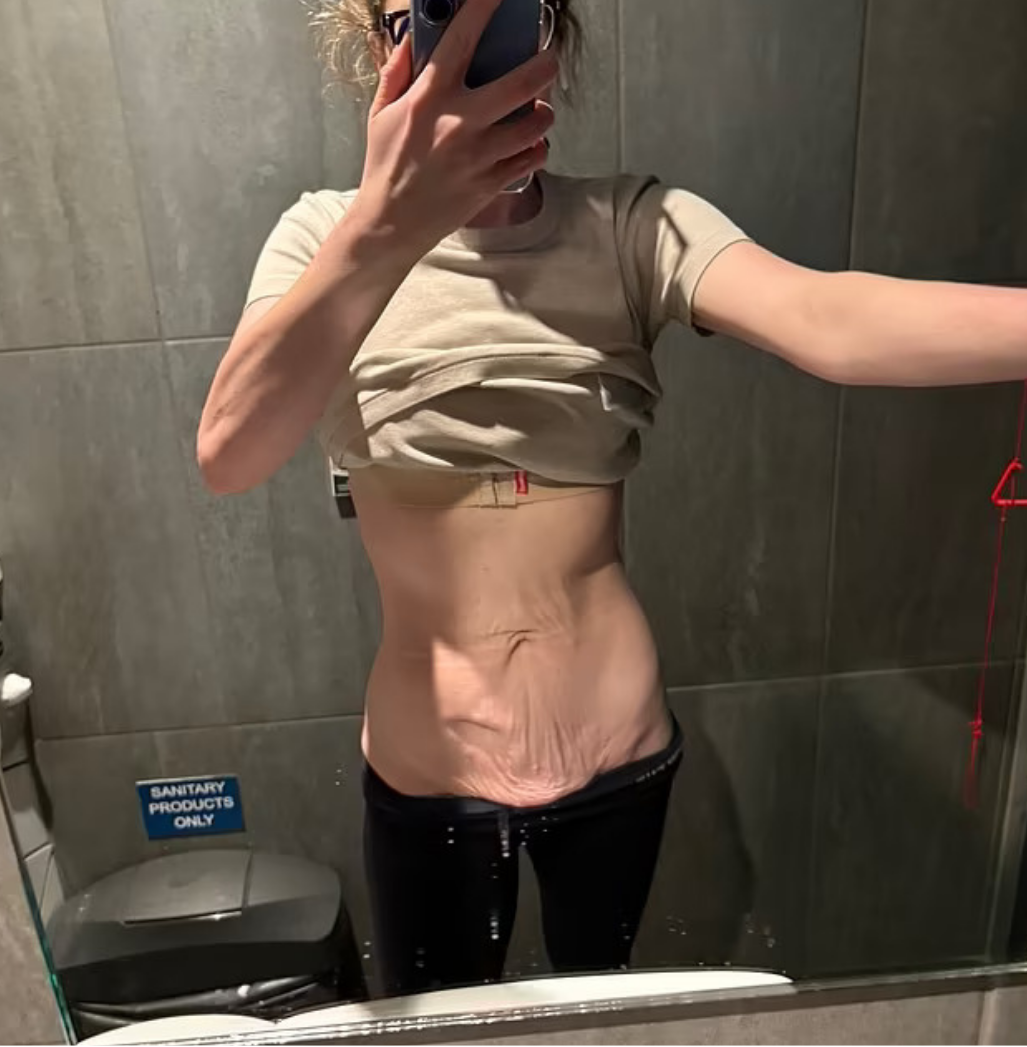
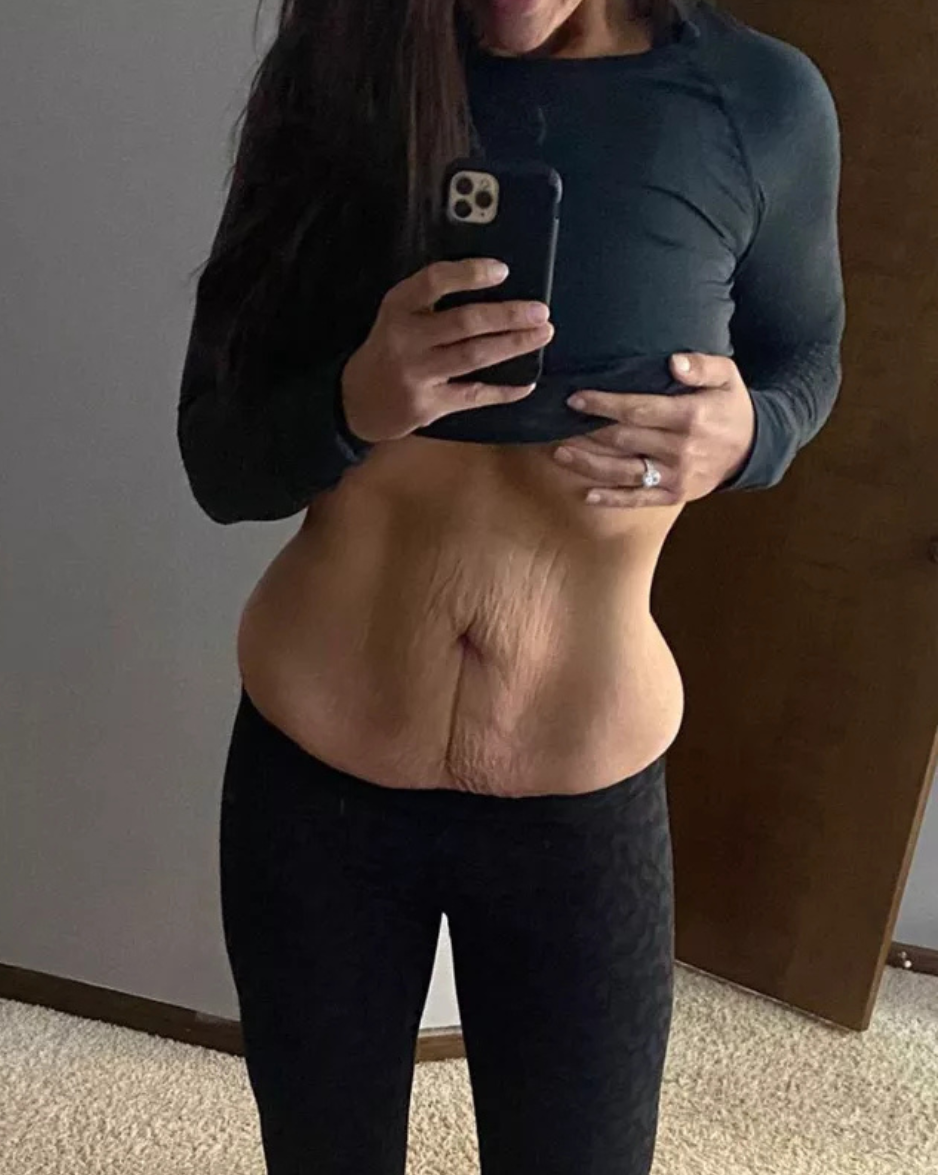
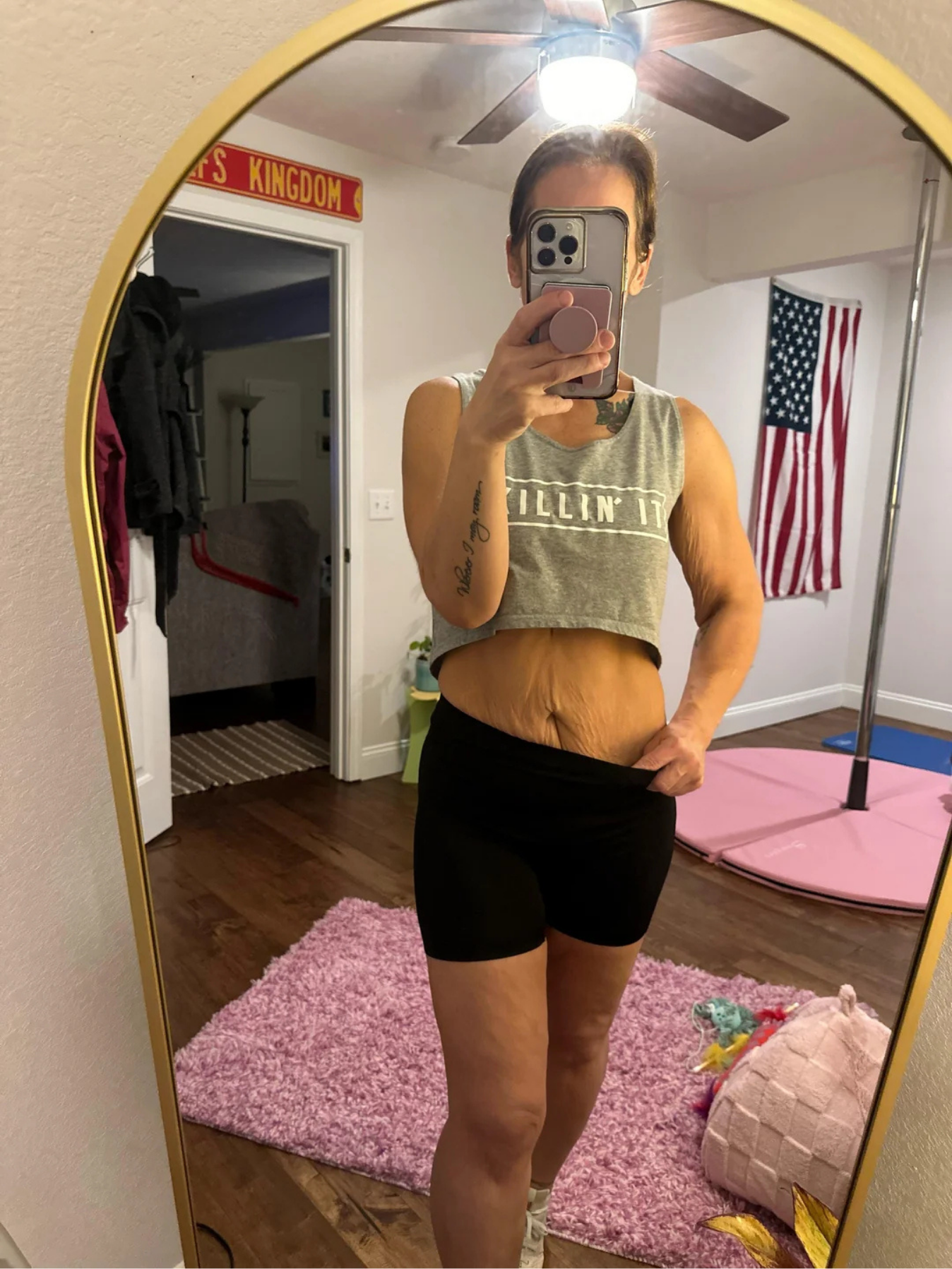
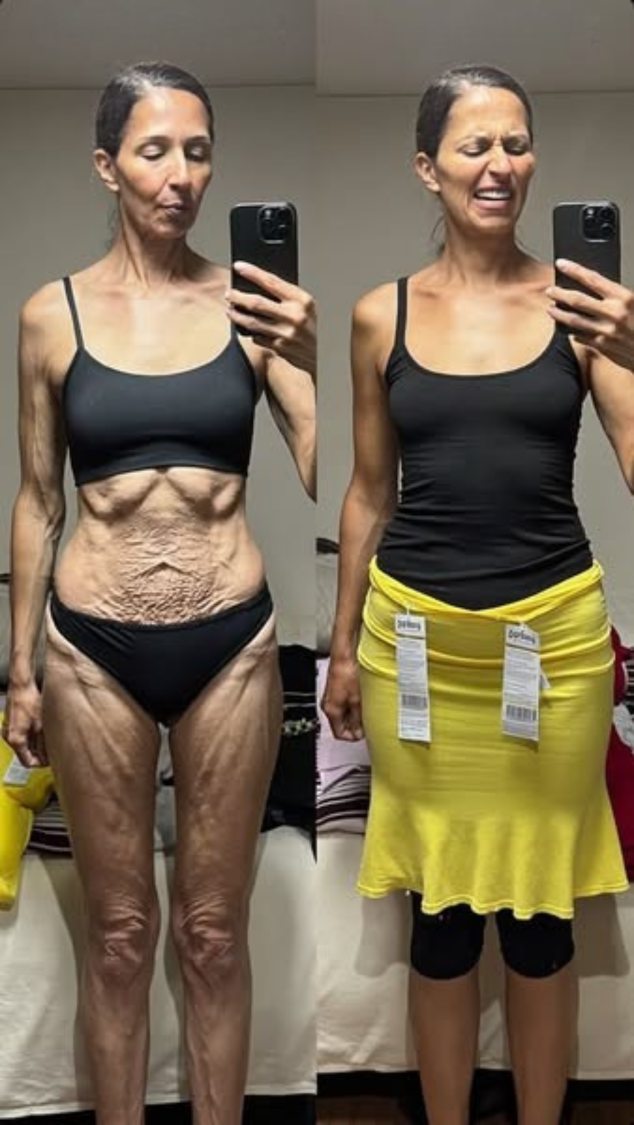
I reached my goal weight on Zepbound last month. I thought it would be the best day of my life. Instead I stood in the mirror wearing skin that doesn't fit anymore — like a deflated version of my old body. I look older and feel disgusting. My doctor told me "the skin will tighten with time." She was wrong. She was celebrating with me while my skin was collapsing. I'm 54. I started Zepbound thirteen months ago at 237 pounds. By month nine I was at 158. Seventy-nine pounds gone. I'd been heavy since my late thirties. Fifteen years of diet starts, gym memberships I stopped using in February, Weight Watchers points I counted for three months then forgot. Fifteen years of my body winning every argument. Zepbound was different. The weight came off like someone unplugged a drain. Eight, ten, twelve pounds a month. My doctor weighed me every four weeks and smiled wider each time. "This is working beautifully," she'd say. "Your bloodwork is phenomenal." I believed her. I was watching numbers I'd never thought I'd see again. I bought new jeans in a size 10. I threw away my stretchy pants. I planned a beach vacation for the first time in nine years. Then last month I hit 158. Goal weight. The number I'd written on a Post-it and stuck to my bathroom mirror thirteen months ago. I peeled off the Post-it. Took off my clothes. Stood in front of the mirror I'd been avoiding naked for a decade. And I saw someone I'd never seen before. Not the heavy woman. Not the woman I'd imagined at goal weight. Something in between that nobody had warned me existed. My face looked hollowed out — cheeks sunken, jawline gaunt, the skin under my chin hanging loose. I looked ten years older than my driver's license photo from two years ago. My friends had stopped saying "you look great" and started saying "are you okay?" My arms hung deflated at my sides — not fat, not firm, just empty. The skin draped from the muscle like a sleeve that was two sizes too big for the arm inside it. My stomach. The part I'd hated most at 237. The part I'd dreamed about being flat. It wasn't flat. The fat was gone but the skin remained — a loose apron folding over my waistband, bunching when I sat down, pulling when I stood up. My thighs touched in a different way now. Not full, not pressing together with weight — they brushed together with loose skin. Papery. Crepey. The texture of a woman twenty years older than me. I stood there naked at goal weight and wanted to put the 79 pounds back on. Because at least at 237, my skin fit my body. At least at 237, I looked my age. I put on a bathrobe. Canceled the beach vacation that night. ======== My doctor called the next week to congratulate me. "You did it! 158! How does it feel?" I didn't tell her the truth. I said "amazing." I said "I can't believe it." I said "thank you for everything." What I wanted to say was: why didn't you tell me this would happen? You watched me lose 79 pounds in nine months. You weighed me every four weeks. You saw my face change. You saw my arms change. And you said nothing. You celebrated while my body was falling apart underneath the shrinking numbers. But I didn't say that. Because she's a good doctor. She changed my metabolic health. My A1C is normal. My blood pressure is perfect. My cholesterol dropped forty points. She fixed everything she was trained to fix. She just wasn't trained to see what was happening to my skin while she was fixing everything else. Nobody is. ======== I did what every woman does after weight loss. I went shopping for solutions. A "body sculpting" cream — $92 from a brand my dermatologist recommended for "post-weight-loss skin." Applied it morning and night for eleven weeks. It made the surface feel temporarily tighter — like shrink wrap on a deflated balloon. By morning the tightness was gone. Eleven weeks. The skin underneath: unchanged. Professional body radiofrequency — $400 per session. Five sessions over ten weeks. The technician said "RF stimulates deep collagen production." It stimulated my bank account. My arms looked the same after session five as they did before session one. $2,000 for heat that couldn't reach where the damage was. A red light panel — $319. Every night for twelve weeks, standing in my bathroom in my underwear, arms out, stomach exposed, bathed in red light like some kind of medical experiment. The manufacturer promised "cellular renewal." Nothing renewed. Nothing changed. Just me standing half-naked in red light feeling like an idiot. Collagen supplements — $64 a month for five months. I mixed them into my morning coffee. My nails grew faster. My skin? I couldn't measure any difference. Not on my arms. Not on my stomach. Not on my face. Dry brushing. Gua sha. Body wraps from a spa downtown — $150 each, four sessions. The aesthetician told me I was "moving lymph." I was moving money from my account to hers. Eleven months since goal weight. Fourteen products and treatments. $4,400. Every single one promised to tighten, firm, restore, rebuild. Every single one addressed the outside of skin that collapsed from the inside. Like trying to reinflate a balloon by polishing the rubber. And every month I spent polishing, the structure underneath was continuing to drop. I didn't know that then. I didn't know there was a clock. Nobody told me about the clock. ======== Two weeks ago I was at my niece's baby shower. Sitting at a table in a long-sleeve wrap dress and a cardigan over it — in June — sweating through small talk and pretending I wasn't. A woman at my table noticed me tugging at my sleeves. She leaned over. "Hot in here, isn't it?" "I'm fine," I said. The automatic response. She looked at me for a second longer than normal. Then she said: "I lost 110 pounds three years ago. I know why you're wearing that cardigan." I almost started crying at a baby shower. Her name was Rachel. She'd lost the weight on Mounjaro. Same collapse. Same dermatologist shrug. Same fourteen months of products that didn't work. She said she'd found someone who actually explained what was happening — not a doctor, not a dermatologist. A French esthetician at a skincare event. "Her name is Anne," Rachel said. "She changed everything for me. She'll be at the wellness expo downtown next Saturday." I wrote the name on my napkin. Anne. Next Saturday. ======== I almost didn't go. I'd been to wellness expos before. Crystal healers and turmeric lattes and women selling essential oils for conditions they can't spell. I expected the same. Anne was in a small booth in the back corner. French. Mid-70s. Silver hair. No banner. No samples displayed. Just a small device on the table and a stack of napkins. There were three women ahead of me. I watched her test each one. She pressed her thumb into their upper arms. She measured something with the device. She drew diagrams on napkins. She spoke quietly. Each woman left looking like she'd just been told something nobody had ever told her before. My turn. "May I see your arms?" I took off the cardigan. The wrap dress had three-quarter sleeves. I pushed one up. She pressed her thumb into my upper arm. Held it for a second. Released. The indent sat there. Five full seconds. The skin crept back like it was exhausted. "When did you lose the weight?" "Seventy-nine pounds. Zepbound. Over nine months." "When did you reach your goal?" "Eleven months ago." She nodded. She'd heard this before. Many times. "May I see your face?" Nobody had ever asked that at a skincare booth. I turned toward her. She looked at my jawline, my cheeks, the skin under my chin. "This isn't loose skin," she said. "And it's not aging. This is cushion collapse." ======== Anne had been a clinical esthetician in Paris for nearly 40 years — specializing in what happens to skin after hormonal disruption. She pulled a pen toward a fresh napkin. "Your skin has a structural layer — a cushion — between the muscle and the surface. This cushion is what gives skin its thickness, its bounce, its hold. It's maintained by cells called fibroblasts." She drew three layers. Tapped the middle one. "When you lose weight gradually, the cushion adapts. The fibroblasts downsize the structure slowly. The skin contracts to match." Gentle line down. "When you lose 79 pounds in nine months on a GLP-1 medication, two things happen simultaneously." Steep line. Almost vertical. "The fat that was physically supporting the cushion from underneath disappears faster than the structure can adapt. And the medication disrupts the hormonal signals that tell fibroblasts to maintain the cushion. The fibroblasts don't weaken. They go dormant. They shut off. And the cushion collapses." She pressed my arm again. Five seconds. "Your dermatologist said 'give it time.' She's thinking about elastic recoil — the surface layer bouncing back. That's a real phenomenon. In your twenties. After losing fifteen pounds." She pointed to the middle layer of her diagram. "Your collapse happened HERE. Four to five millimeters deep. Every product you've used stops above this line. Your doctor is treating the ceiling. The foundation is what fell." Then she looked at my face. "The hollowing in your cheeks — that's the same collapse. The cushion under your facial skin dropped when the fat support vanished. That's why you look older despite being healthier. The structure that held your face taut disappeared along with the weight." I'd spent eleven months thinking my face aged because I got thinner. It didn't age. The cushion collapsed. Same mechanism. Same dormant fibroblasts. Face, arms, stomach, thighs — all the same structural failure. ======== "How long do I have?" I asked. I already knew there was going to be a number. Something about the way she spoke — precise, clinical, urgent underneath the calm. "From the onset of cushion collapse — which started during the rapid weight loss phase, around month four or five for you — there's a window of 18 to 24 months where the fibroblasts can be fully reactivated. The cushion can be rebuilt." She calculated. "You're at approximately 16 to 17 months. You may have 5 to 8 months left." Eleven months at goal weight doing nothing useful. Five months of window left. "After the window closes?" "The fibroblasts adapt permanently to the dormant state. Reactivation becomes exponentially harder. The surgical options your dermatologist mentioned — the $20,000 to $80,000 procedures insurance calls 'cosmetic' — that's what's left after the window." $4,400 on surface treatments. Eleven months of "give it time." And nobody — not my prescribing doctor, not my dermatologist, not a single product I bought — mentioned there was a biological deadline running in the background. "What reverses it?" I asked. My hands were shaking. ======== "Women who reversed cushion collapse after rapid weight loss," she said, writing on the napkin, "did three things simultaneously." Deep penetration — pure plant oils with molecular weight low enough to pass the surface barrier and reach the dermis, where the collapse lives. Passionfruit seed oil. Rice Bran oil. They reach the structural layer that creams physically cannot cross. Fibroblast reactivation — botanicals that wake up dormant collagen-producing cells that shut down when the support structure vanished. Wakame Seaweed. White Lupin. They send the biochemical signals that tell dormant cells to start producing again. Structural protection — antioxidants that protect fragile new collagen as it forms, because tissue rebuilding after structural shock is extremely vulnerable. Passionfruit. Vitamin E. Açaí. Babassu. New collagen without protection breaks down within hours. You rebuild and lose it the same day. "All three. Simultaneously." She circled where they overlapped on the napkin. "Firming creams sit on the surface. RF heats the upper dermis. Red light addresses inflammation. Collagen supplements go to your stomach and distribute everywhere. None of them reach the collapse zone. You need direct structural intervention at the depth where the cushion dropped." I looked at the napkin. Three requirements. Fourteen products that met zero of them. "How do you know about this and my dermatologist doesn't?" I asked. "Because she was trained in gradual aging. Not acute structural collapse. American dermatology has one category for your condition: 'skin laxity.' One category for two completely different biological events. She's applying a gradual protocol to an acute emergency. It's not incompetence. It's a training gap." ======== I drove home gripping the napkin on my steering wheel. Rachel — the woman from the baby shower — had texted me while I was at the expo: "Did you go? Did you see Anne?" I texted back: "I went. I have 5-8 months left in my window. I've wasted 11." She replied: "I was at month 19 when I found Anne. I almost didn't make it. Look up Lumié Queen Oil. Check it against the three requirements." I sat in my kitchen and searched. Patricia, 50, Mounjaro: "Lost 88 pounds. My face aged ten years. My arms looked like they belonged to my mother. Tried everything for thirteen months. Six weeks with this oil and my cheek volume started coming back — not filler, not contour, the actual structure rebuilding. Pinch test on my arm went from 5.1 to 2.6. My husband said I look like myself again. Not younger. MYSELF." Sandra, 56, Ozempic: "I canceled a cruise because I couldn't face the pool deck. Eleven months of firming creams did nothing. Eight weeks on this, skin fold on my thighs went from 17mm to 10mm. My stomach fold went from visible to almost flat. I rebooked the cruise." Diane, 53, Zepbound: "I wanted to put the weight back on. That's how bad the skin was. My doctor said 'that's just what happens.' She was wrong. Three months in, the texture on my arms, my thighs, my stomach — all changing. Not moisturized. Changing. Like the scaffolding was going back up from underneath." They all mentioned Lumié Queen Oil. ======== I checked it against Anne's three requirements. ✓ Deep penetration: Passionfruit seed oil and Rice Bran oil — low molecular weight, absorb past the surface into the dermal layer where the cushion collapsed. Not sitting on top. ✓ Fibroblast reactivation: Wakame Seaweed and White Lupin — target the dormant cells that shut down when the structural support vanished during rapid loss. Wake them up. ✓ Structural protection: Passionfruit, Vitamin E, Açaí, Babassu — protect fragile new collagen forming in structurally-shocked tissue. Shield it while it rebuilds. All three. Working together. An oil formulated for structural collapse — the exact condition Anne described. The reviews were full of GLP-1 women. Women who lost 60, 80, 100 pounds and got a body they were more ashamed of than the one they started with. Women whose doctors told them to wait. Women who almost ran out of window. 60-day guarantee. Full refund. No questions. I ordered that night. Sitting in my kitchen with Anne's napkin smoothed flat on the table in front of me. Five to eight months left. No more wasting time on products that can't reach where the problem is. ======== The bottle arrived the next afternoon. Heavy glass. The oil smelled botanical — clean, specific, nothing like the department store creams filling my bathroom drawer. First application: it absorbed in about thirty seconds. I watched it disappear into the skin on my forearm. No film. No residue. Every cream I'd used in eleven months left a coating. This went IN. Day three: I pressed my thumb into my upper arm the way Anne did. The indent lasted 4.2 seconds. Down from 5. The first time in eleven months ANYTHING had moved that number. Day eight: I was getting out of the shower and reached for a towel. Caught my stomach in the mirror. The loose fold — the apron I'd been covering with waistbands and wrap dresses — looked less pronounced. Not tighter on the surface. Less empty underneath. Like something was building back. Day twelve: I looked at my face in the bathroom mirror — not for makeup, not to check my hair — just to look. My cheeks. The hollows were still there but less deep. The gaunt quality was softening. I wasn't imagining it. The structure under the skin was returning. Week two: Skin fold measurement on my upper arm — 13mm. Down from 17mm. On my outer thigh — 14mm. Down from 18mm. I measured my stomach fold with a fabric tape pulled taut — the drape from my navel down had decreased by almost an inch. The cushion was rebuilding. Across my entire body. Not moisturized. Not temporarily plumped. Structurally rebuilding. ======== Week four. I was packing for a weekend trip to visit my sister. I pulled out my suitcase and started doing what I've done for eleven months: long-sleeve shirts, structured blazers, high-waisted everything, a cardigan for every outfit. Then I stopped. I stared into my closet. Reached past the cardigans. Pulled out a short-sleeve blouse I hadn't worn since before goal weight. Held it up. Put it in the suitcase. Then I reached further back. Found a pair of shorts. Not long shorts — actual above-the-knee shorts. I'd bought them the same month I bought the beach vacation I canceled. They still had the tag on. I cut the tag. Put them in the suitcase. I packed for a weekend trip with no cardigans. No long sleeves. No strategic layering. I packed the way I used to pack when I was heavy — except at 237 I was hiding volume, and now I'm not hiding anything. My sister saw me walk in wearing the short-sleeve blouse. She hugged me and said: "You look like you again." Not thin. Not different. Me. ======== Nine weeks in, I found Anne at another expo. She did the pinch test. "2.5 seconds. Down from 5." Calipers on my upper arm. "9 millimeters. Down from 17." She measured my outer thigh. "11 millimeters. Down from 18." She looked at my face. Ran her thumb along my jawline. "Your facial cushion is rebuilding. The hollowing has decreased by approximately 40%. That's consistent with fibroblast reactivation in the malar and buccal fat pads." She smiled. The quiet smile of someone who has seen this recovery before and still finds it worth smiling about. "50% average structural improvement across all sites in nine weeks. You responded. The window held." She asked for the website. Said she had clients in Paris on Saxenda and Wegovy with the same multi-site collapse. ======== Rachel — the woman from the baby shower — is four months in now. Her collapse was further along than mine. Month 19 when she started. She wasn't sure she'd made it in time. Last week she sent me a photo. Sleeveless dress. Arms out. At a restaurant, mid-laugh, someone else took the photo. She wasn't posing. The text said: "I wore this to dinner with my husband last night. He held my hand across the table and put his other hand on my arm. I didn't move it. First time in two years I let someone touch my arm without flinching. Pinch test 2.4 seconds down from 4.8. But that's not the number that matters. The number that matters is that I was at month 19 and I STILL made it inside the window." Then: "Tell every woman you know. The window is real. And nobody's doctor is going to tell them about it." Because doctors are trained in weight management. Not structural collapse. They see deflated skin after weight loss and call it inevitable. They call it cosmetic. They say "give it time" or "consider surgery" — $20,000 to $80,000 that insurance won't cover for a condition they call "elective." They prescribe the medication that changes your weight. They celebrate the numbers. They don't know the cushion is collapsing while the scale goes down. And they don't know the window is closing while they're telling you to wait. ======== If you're reading this because you hit your goal weight and your reward is a body you're more ashamed of than the one you started with. If you look older at 158 than you did at 237. If you canceled the vacation, if you're wearing long sleeves in June, if you feel disgusting at the weight you dreamed about. You're not ungrateful. You're not crazy. You're not broken. You have cushion collapse. Gradual weight loss = skin contracts slowly, surface recoil handles the transition Rapid weight loss = structural cushion collapses, fat support vanishes, hormonal signals disrupted, fibroblasts go dormant They look similar. They are completely different biological events. They require completely different treatments. Every firming cream, RF treatment, and red light panel on the market addresses gradual aging at the surface. You need structural reactivation at the dermal level. ======== You have a window. After rapid cushion collapse, that window is 18 to 24 months from when the major weight loss began. Your fibroblasts haven't died. They've gone dormant. They can still be woken up. The collapsed cushion — on your arms, your stomach, your thighs, your face — can still be rebuilt. But only while the cells are still responsive. Every month you spend on surface treatments is another month closer to permanent dormancy. Every month of "give it time" is another month of the window closing while your doctor celebrates numbers on a chart. I wasted eleven months. I almost missed my window completely. You did the impossible. You lost the weight. Don't lose the window. ======== Lumié Queen Oil does what Anne said was necessary for cushion collapse: ✓ Penetrate the dermis — Passionfruit, Rice Bran — low molecular weight, absorb past the surface where creams can't reach ✓ Reactivate dormant fibroblasts — Wakame Seaweed, White Lupin — wake up the collagen-producing cells that shut down during rapid loss ✓ Protect new structure — Passionfruit, Vitamin E, Açaí, Babassu — shield fragile new collagen as it rebuilds All three. Simultaneously. Every application. Arms, stomach, thighs, face — all sites of collapse, all reached by the same formulation. 60-day guarantee. Full refund. No forms. No questions. ======== Every day you wait is another day your window shrinks. Every week is another week closer to permanent dormancy. Every month is another month inside a body you earned but can't stand to look at. Anne was clear: after 24 months from onset, the odds drop dramatically. Rachel made it at month 19. Barely. Not everyone is that lucky. I wasted eleven months. I almost lost my window. Now you know. The window is still open. But it won't stay open forever. ======== P.S. Three months in. Second bottle. Total: $118. Compared to $4,400 on creams, RF, red light, supplements, body wraps, and gua sha stones that couldn't reach past the epidermis? I could scream. Last weekend I rebooked the beach vacation I canceled eleven months ago. Same resort. Same dates. Same beach. Different suitcase. This time I packed a swimsuit. One piece, but no cover-up. No sarong. No oversized beach shirt. I didn't lose 79 pounds to sit in a hotel room. And neither did you. P.P.S. I saw my prescribing physician last week for my quarterly Zepbound check. She weighed me. Checked my bloodwork. Then she paused and looked at me. "Your skin looks significantly better. The hollowing in your face has improved. Your arms look different. What changed?" I told her everything. About Anne. About cushion collapse. About the window. About fibroblast reactivation. About why every surface treatment she might recommend stops at the epidermis while the problem lives in the dermis. She wrote it all down. Asked me to email her the information. Said she has over sixty patients on GLP-1 medications. Most of them have asked about their skin. She's been saying "give it time" and "consider a consultation with a plastic surgeon." She stopped saying that during our conversation. She prescribed the Zepbound that changed my life. She just didn't know there was a second chapter. Now she does.
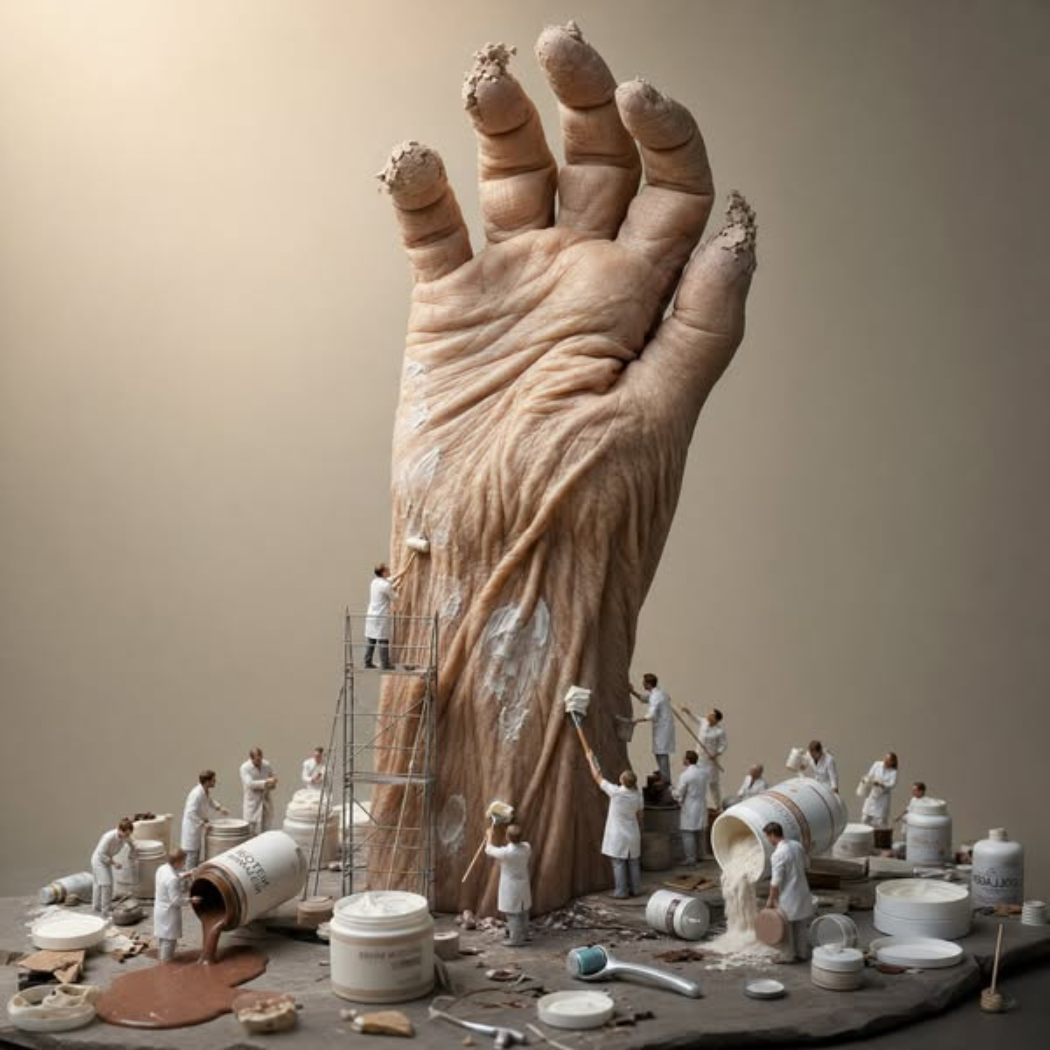
$3400 worth of failed products in the trash
The secret to naked, flawless radiant skin. Deeply hydrating and reparative oil, nourishing all seven layers of skin.
LEARN MORELike this ad? Make it yours.
Crush rebuilds this exact creative around your product — your brand, your colors, your offer — in about a minute.