Denise Walker
Denise Walker Facebook ad: “Fix Yourself at the Cellular Level”
Running for 23 days since September 15, 2026. Crush last saw it on October 8, 2026.
Run by Denise Walker on Facebook. Crush is not the advertiser and does not verify its claims. See this ad in Meta's Ad Library(opens in a new tab)
Make your own version of this ad
Crush makes it, launches it in your own Meta ad account, scales the winners and pauses the losers.
About this ad
- Meta Ad Library ID
- 1727439501874028
- Platforms
- Facebook, Instagram, Audience Network, WhatsApp and Threads
- Relaunches
- 0
- EU reach
- 2,644
- Niche
- Home & Garden
Ad text
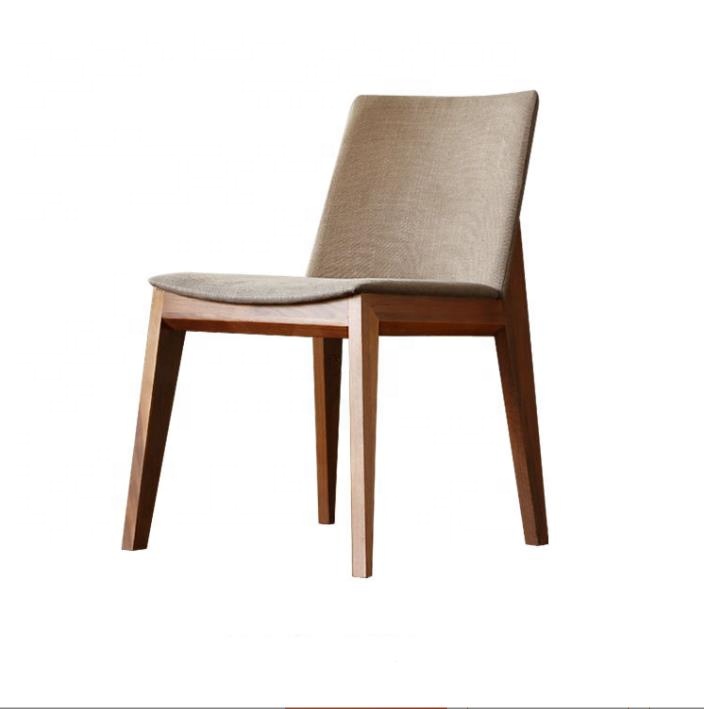
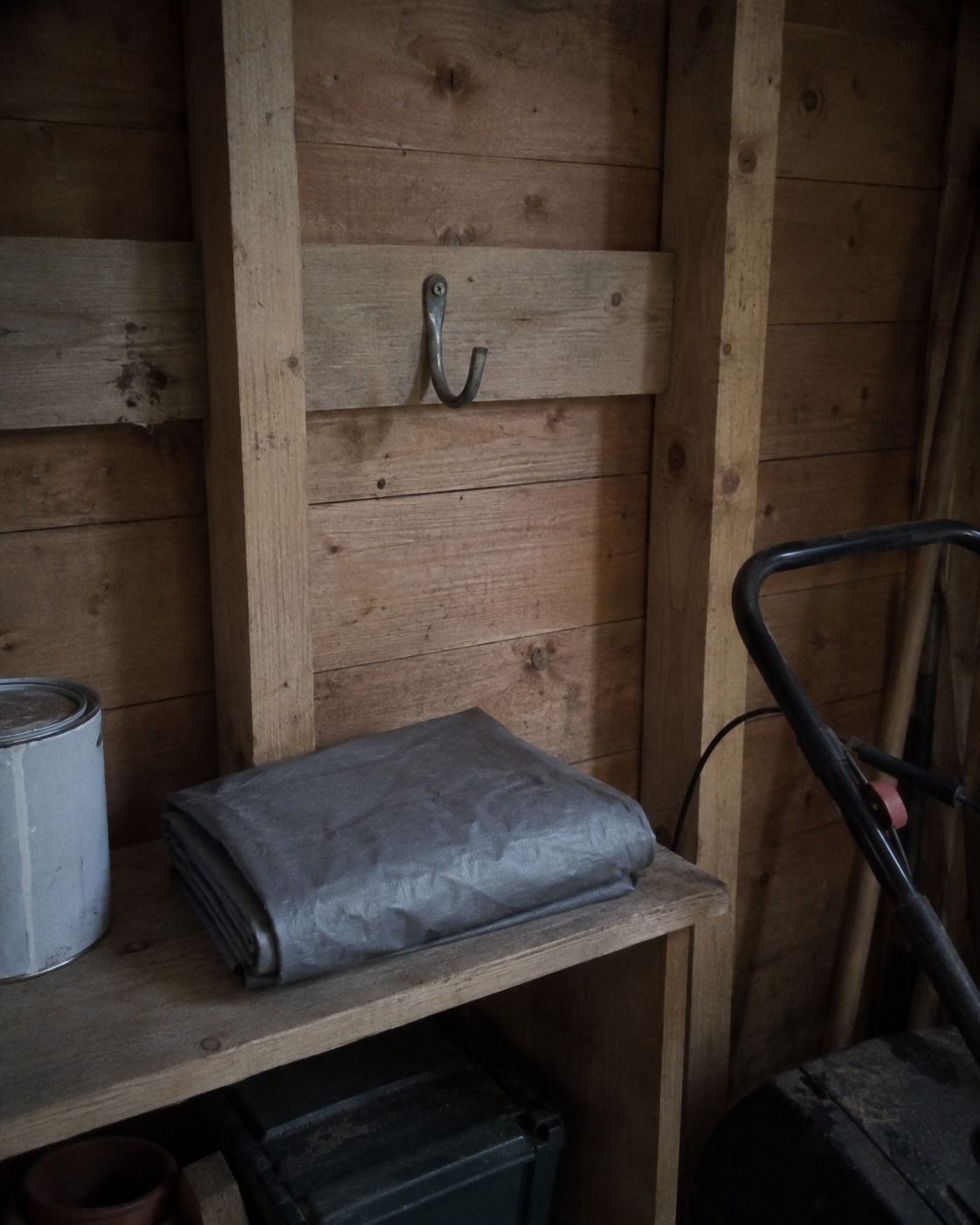
THE BICYCLE IN THE HALL I have met the woman with the bicycle in the hall under a dozen names, and every one of them was invented, including this one. Call her Ilse. What follows is hers, and so is the visitor. It is a picture, not a record. — This is the hall, and that is the bicycle. The hall is the width of a hall in a terrace, which is to say the width of a person and a coat. The bicycle stands against the wall between the front door and the foot of the stairs, front wheel turned in so the handlebar does not catch anybody coming down. The handlebar has taken a strip of paint off the wall at exactly its own height. That strip is the only decoration in the hall, and nobody has repainted it, because it would only come off again. Everybody in the house turns sideways to get past it. Everybody who visits does the same, after the first time. My husband says the hall was built for one person to pass through at a time, and we have made it a hall for one person and a bicycle. That is true. He turns sideways like everybody else. It is not a good bicycle. It has a basket that was bought separately and does not quite match, and a bell that works when it wants to. The coat that goes with it hangs on the newel post, so the hall is the whole of the getting ready: coat, thumb on the tyre, door. There is a shed. That is the thing to say early, because it is the first thing anybody asks. There is a perfectly good shed at the end of the yard with a hook in it at bicycle height, and the hook is empty. The shed has a lawnmower that works, a lawnmower that does not, three tins of the same paint, a deckchair, and the grey cover, folded, on the hook where the bicycle used to be. The woman who came to read the meter asked about it. She had the card in her hand already, the kind with the boxes on it, and she looked at the hall the way meter readers look at halls, which is for the cupboard and nothing else. She had turned sideways to get past, the way everybody does, and found the meter cupboard behind the bicycle's back wheel, and read it with the torch on her phone, and on the way out she stopped by the front door and looked at the bicycle and said, is there not a shed? There is a shed, I said. She waited, in the way people wait when they have asked a small question and are not sure they want the large answer. I told her the bicycle used to live in the shed. It had the hook. It had a cover over it, a grey one, that had to be lifted off and folded and put somewhere. In the shed it was a bicycle I owned. I own a great many things in the shed. In the hall it is a bicycle I use. That is the whole difference, and it is the reason for the strip of paint. She asked what it was used for, which was a fair question, because a bicycle in a hall looks like an intention. I said errands. The kind that fit in a basket. The bread, when the bread is the only thing. The parcel that has to go back. The thing that was forgotten and is needed before the shop shuts. Anything bigger than the basket goes in the car, and anything the size of the basket goes on the bike, and that rule has held longer than most rules in this house. I did not say anything about how far, or how it goes, or what it is like, because she had not asked, and because those are not the point of a bicycle in a hall. The point is that it is in the hall. She asked whether it got in the way. I said it is in the way. That is the arrangement. The things of mine that are out of the way get left. I have the shed to prove it. The thing that is in the way has to be used or moved, and nobody in this house has moved it. She laughed at that, and then she looked at the hook on the wall by the door, where the pump hangs, and the small bottle beside it, and the cloth. Those live by the door too. The pump because the tyres get checked at the door, with a thumb, on the way out, and pumped there if they need it. The bottle because the chain gets a drop when it starts to sound dry, and the sound is heard in the hall, not in a shed. The cloth because the hall floor is not the yard. None of that is maintenance, exactly. It is what happens to a thing that lives where it gets passed. It gets looked at. My shed does not get looked at, and that is most of what it is for. She said her own bicycle was in her shed. I said I did not doubt it, and that there was nothing wrong with a shed, and that some bicycles are shed bicycles and stay that way, and the shed keeps them very well. But I said she should notice where hers was the next time she went out without it, which is to say, notice whether she went out without it. She said she would, in the voice of a person who probably would not, and that is fine, because it is her shed and her hall. She wrote down the meter reading on the card and went, sideways, past the bicycle, and pulled the door to behind her. That is the visit, and it took about as long as reading a meter takes, and I have thought about it since more than it deserves. I have not moved the bicycle since, and I have not repainted the wall, and the hook in the shed still has the cover on it, folded, in case the bicycle ever goes back. It has not gone back. Because the thing she was really asking, standing by the door, was why anybody would keep something so plainly in the way. And the answer, for me, is that in the way is where it gets used, and everywhere else is where it gets kept. I have a shed full of kept things. I have one bicycle in a hall. That is the hall, and that is the bicycle, and the strip of paint is still there. — That is where Ilse's part ends. So — before any description of the product, the part we refuse. We are not going to tell you how PrimeCell H2 feels to take. We are not going to name a day, a week, or a season for anything. And we are not going to suggest that a tablet is anybody's bicycle in the hall. Where a thing lives is decided by the person who passes it, and not by anything in a box. What we can describe is a box, a label, and a procedure. That is the whole of it. Two standing notes while we are here. This goes alongside the rest of a routine — the meals, the walks, the sleep — not in place of any of it. And talk to your doctor or pharmacist before adding any supplement, especially if you take any medication. Now the product facts and directions, plainly. PrimeCell H2 is an effervescent tablet. One tablet, one glass of water, once a day. Dissolve one tablet in 12–16 oz cool water — not hot. Full dissolution in 60–90 seconds. Drink within 10 minutes. The box holds 30 tablets, a 30-day supply. On the label: no artificial additives. No added sugar. Non-GMO and vegan-friendly. Third-party tested for purity, and tested for heavy metals and contaminants. Manufactured in the USA from globally sourced ingredients. Those are verified product facts. The usage directions and the "no artificial additives" wording are stated on the package. The testing and origin statements are verified product facts rather than package wording. That is the box in plain terms. It is a procedure the size of a basket. A tablet, a glass, a quantity of water the label states, once daily. Those are the steps the box can describe. Where the box lives — a hall, a shed, a cupboard, a counter — is not something a box can arrange. That is decided by the person who passes it. The science, in one place. Molecular hydrogen is one of the smallest molecules in nature. Oxidative stress is a natural part of how the body responds to daily life; the body maintains its own antioxidant defenses to keep things in balance. Its small size allows it to be quickly absorbed. Which returns this to the hall. Ilse's bicycle was the same bicycle in the shed and in the hall. Nothing about it changed. What changed was where it stood, and who had to turn sideways. That is her arrangement with her hall, and it is not a rule for anybody else's. PrimeCell H2 supports steady, sustained daily energy.* So, the arrangement, plainly. One tablet, a glass, 12–16 oz of cool water, once daily. If there is something you own that lives in a shed, the question is not whether to use it more. It is where it lives, and that part is entirely yours. It lives where it gets used. Ilse is invented, and so is the hall, and so is the woman who came to read the meter. The first line said so, and this one says it again. — Amala Health P.S. The guarantee, plainly: If you're not satisfied with PrimeCell H2, return your order within 90 days of delivery for a full refund. P.P.S. For the label-readers: each box is 30 tablets, a 30-day supply. No added sugar. Non-GMO and vegan-friendly. Free of soy, dairy and gluten. Third-party tested for purity, and tested for heavy metals and contaminants. https://track.getamalahealth.com/5548c06d-d9c3-4785-b466-fec64a6fdb28 Individual experiences vary. These statements have not been evaluated by the Food and Drug Administration. This product is not intended to diagnose, treat, cure, or prevent any disease.
Where the ad sends people
shop.getamalahealth.com
Fix Yourself at the Cellular Level
PrimeCell H2 is a next-generation molecular hydrogen tablet formulated to support your body's natural antioxidant defenses — helping you feel sharper, more energized, and more like yourself.
Learn more: track.getamalahealth.com(opens in a new tab)