
Active· since Jun 25, 2026
- 89
- days running
- 0
- relaunches
Ad copy
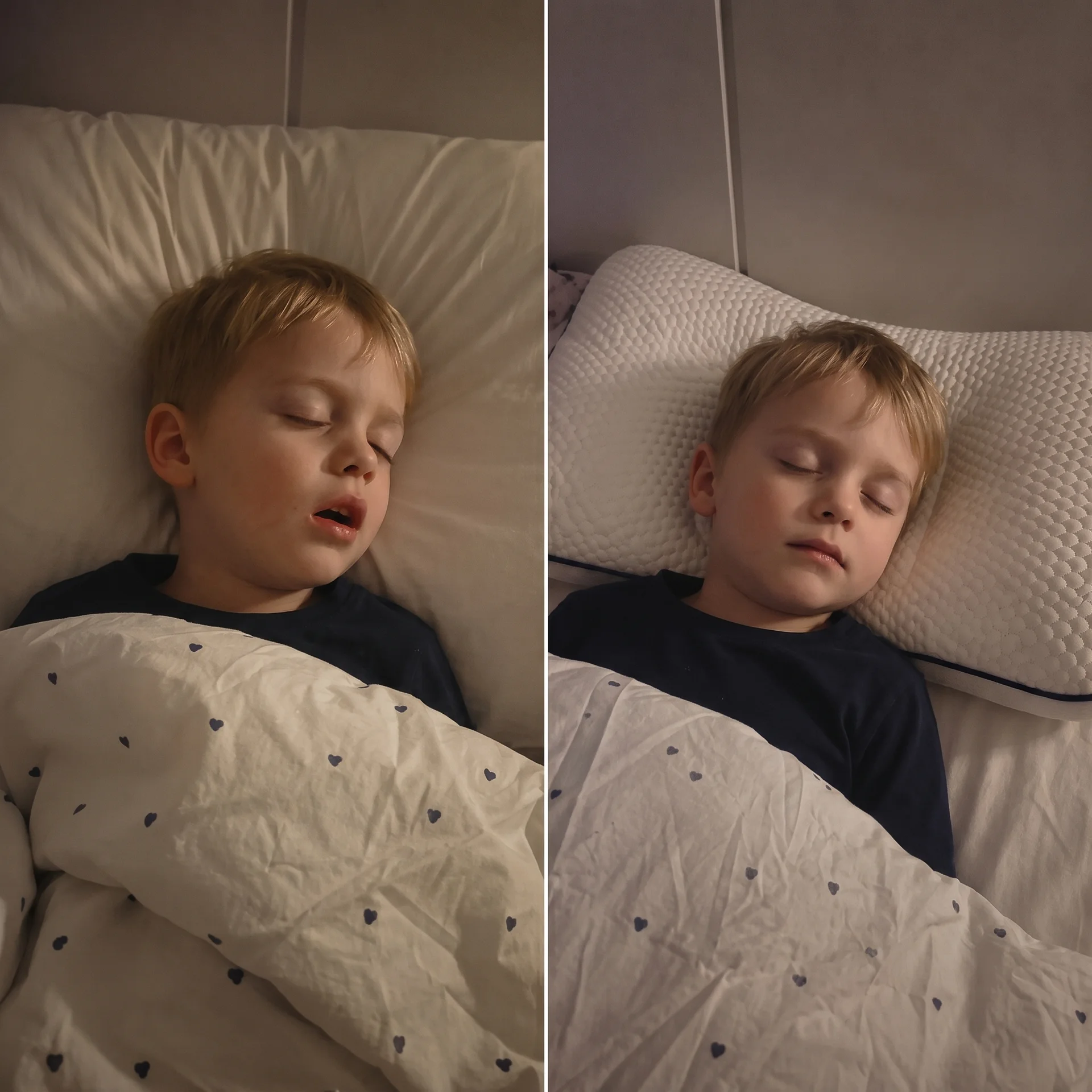
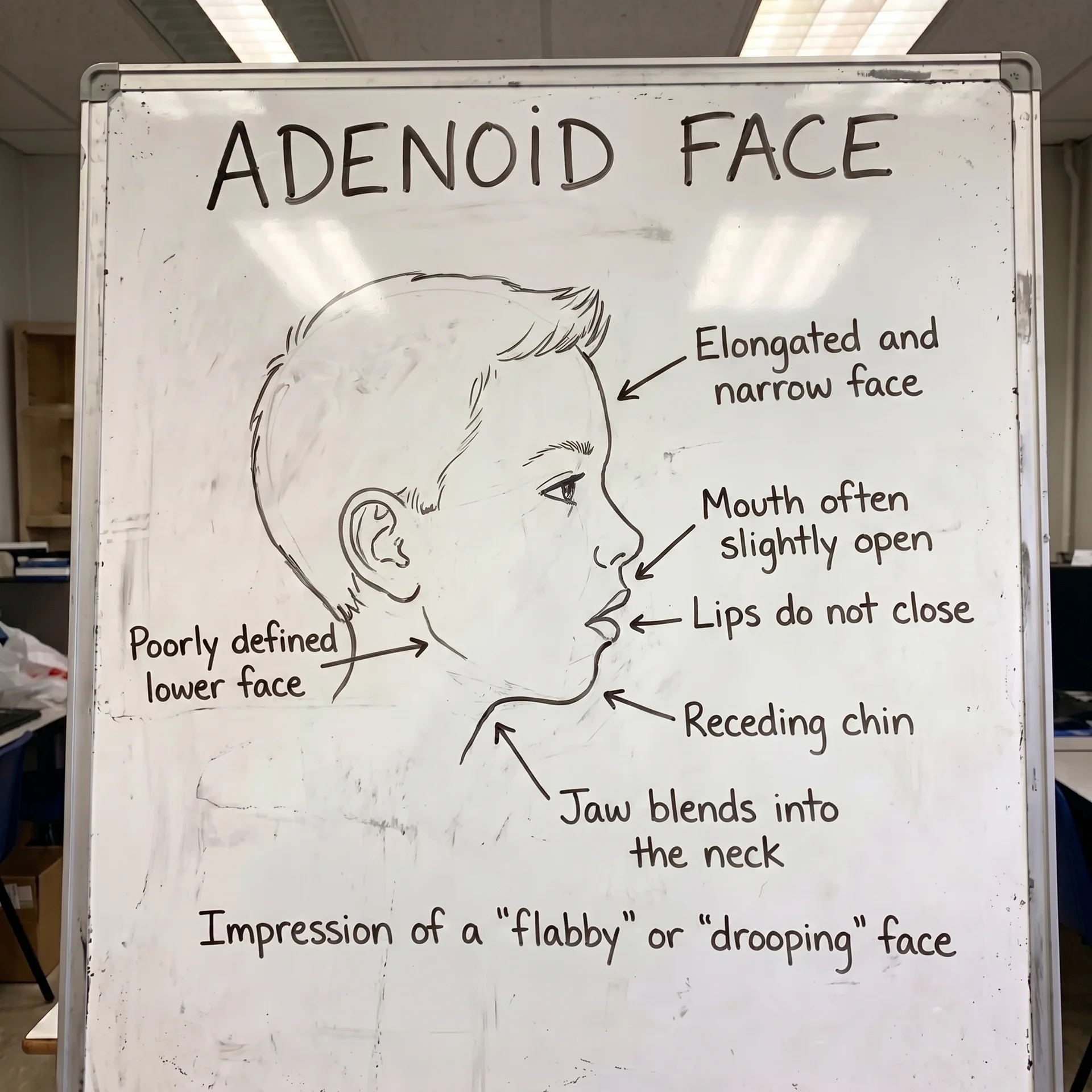
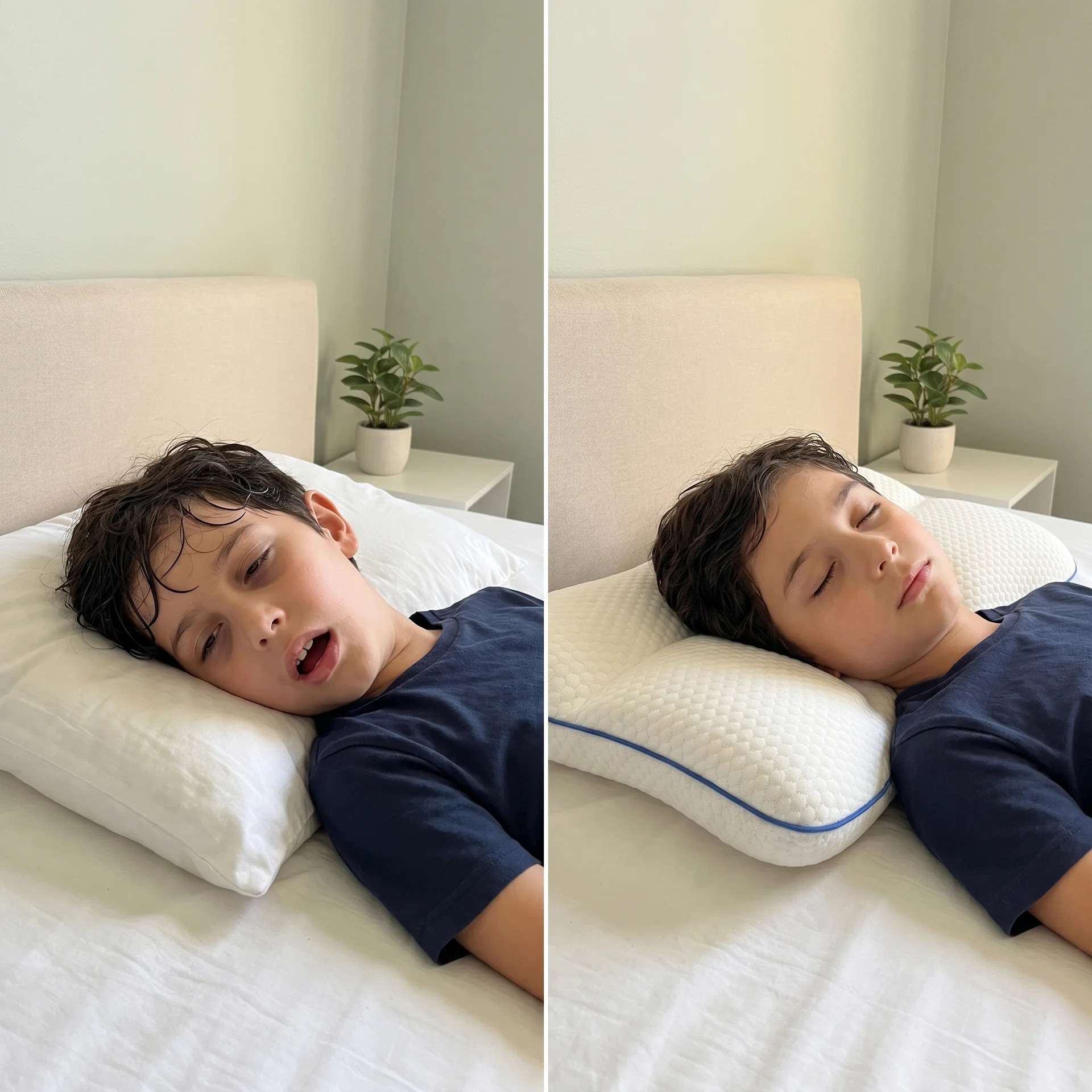
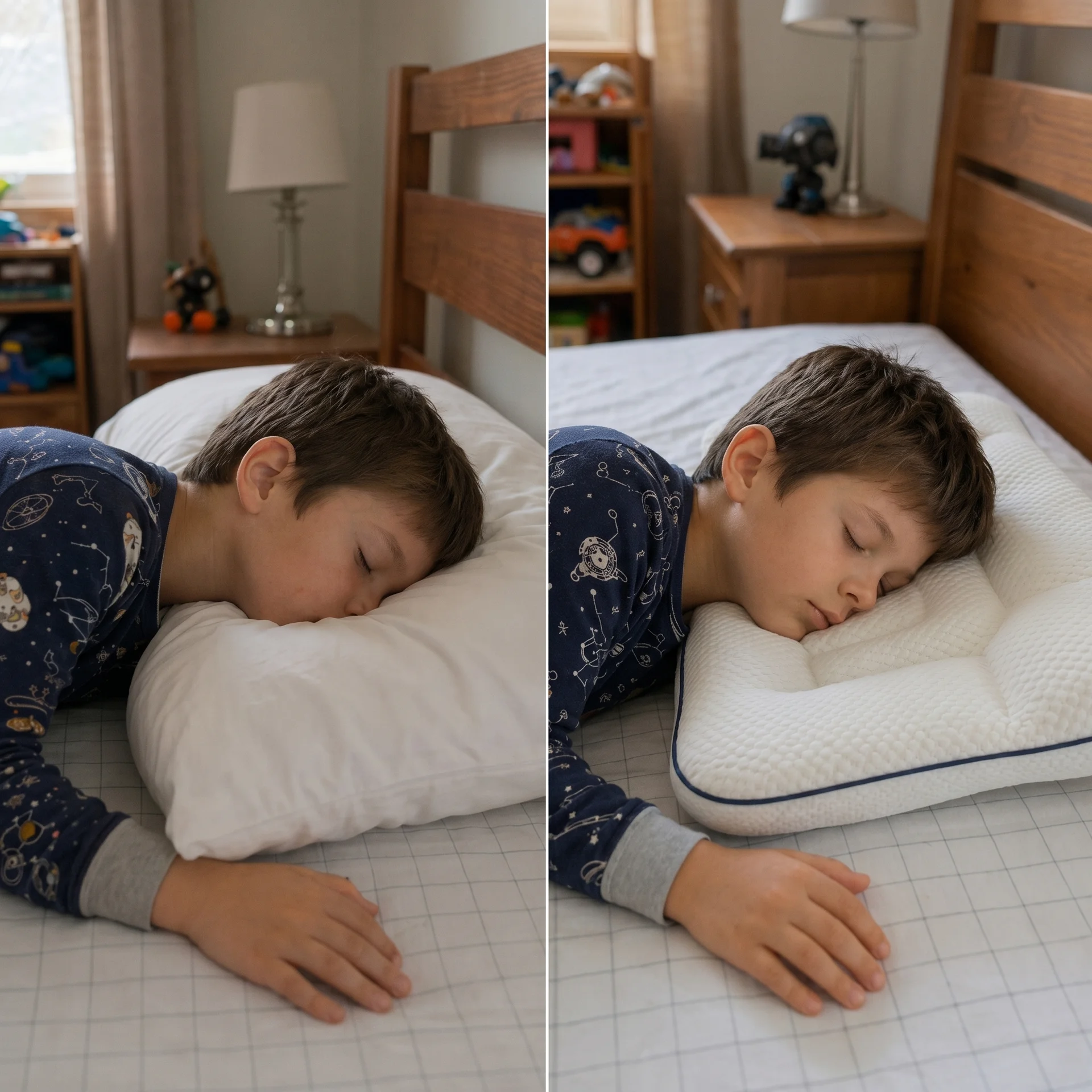
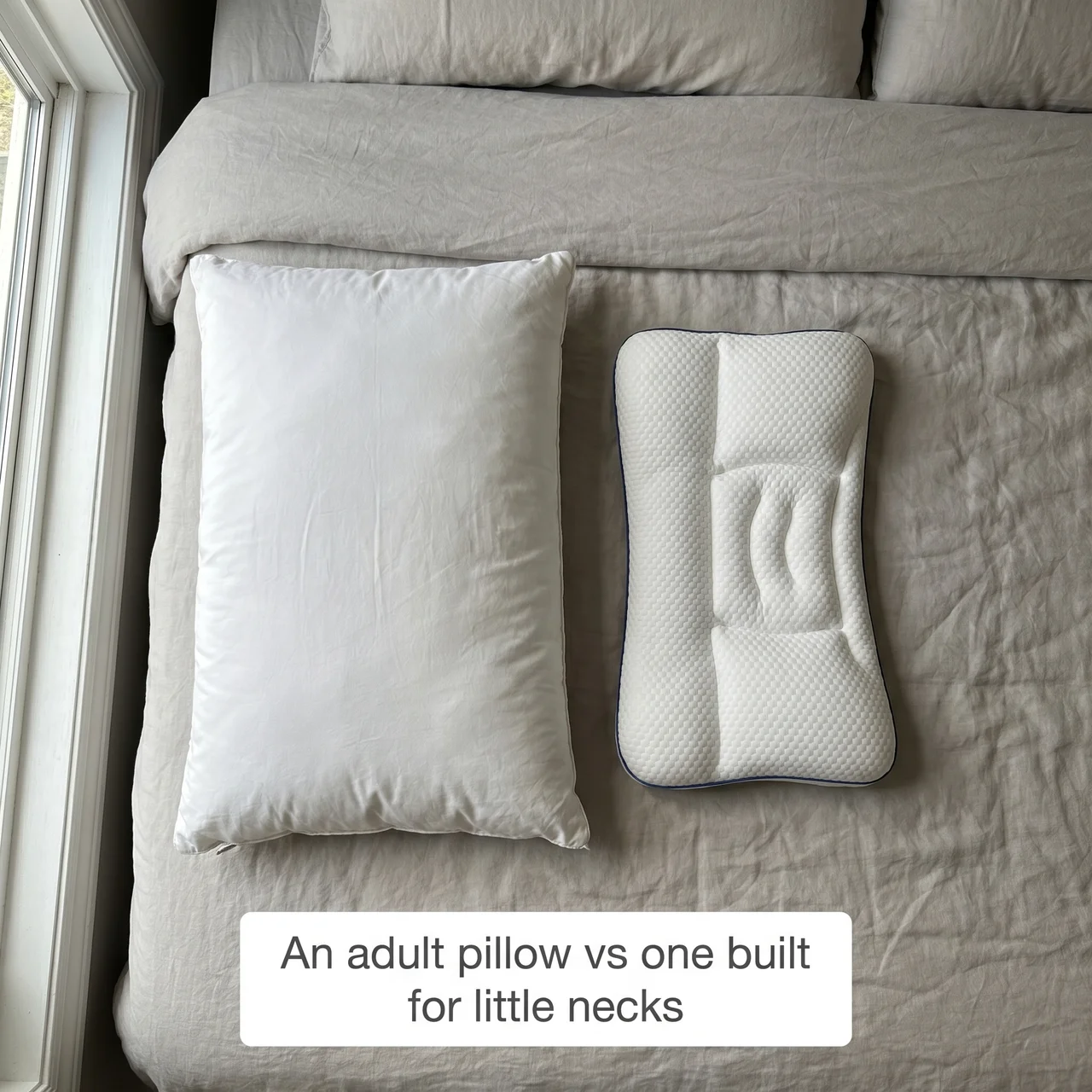
A speech therapist asked me to bring in the pillow my son slept on. When she placed it next to the one she recommended, everything suddenly made sense. And the strange part is… I had not even gone there for his pillow. I had taken my son to a speech therapist because he had a small lisp, and his teacher suggested we get it checked. I thought it would be a simple, routine appointment. But during the session, she noticed something I had never paid enough attention to. The way he was breathing. His mouth resting slightly open. His tongue sitting low, pressed near his bottom teeth, instead of naturally resting up against the roof of his mouth. Then she started asking questions. Did he snore at night? Yes. Did he sleep with his mouth open? Yes. Did he wake up tired, moody, or irritable? Constantly. Then she asked me something I was not expecting: “Next time, could you bring the pillow he sleeps on?” I thought it sounded unusual, but I agreed. At the next session, I brought his pillow with me. It was just a normal pillow — actually, one of our adult pillows that we had moved into his room when he switched to a bigger bed. It was thick, soft, and comfortable. At least, I thought it was. Then she took out a child-sized pillow from a cupboard. It was completely different. Thin. Contoured. Firm enough to support the head. Designed specifically for a child’s smaller neck and developing posture. She placed both pillows side by side in front of me. Just like in this photo. On one side was my son’s pillow: big, fluffy, and almost twice as high. On the other side was hers: lower, firmer, and shaped with a gentle cradle in the centre. “Look at this,” she said. “This is what your son’s head is resting on every night. Now imagine a small child’s neck on top of that.” And in that moment, before she even explained it, I understood. On a pillow that thick and soft, a child’s head cannot stay properly aligned. Either the head sinks too deeply and the neck folds, or the pillow pushes the head too high and the chin drops toward the chest. In both cases, the airway can become restricted. So the child opens their mouth to breathe. Then she explained why this mattered so much in her work. “When a child breathes through their mouth night after night, the tongue does not naturally rise to the palate. But between ages 4 and 8, the tongue plays an important role in helping guide the widening of the jaw. Without that natural tongue posture, the jaw can develop downward and backward. The face may appear longer, the chin may sit further back, and it can also affect swallowing, articulation, and speech patterns. That is why children like your son often end up in my office.” Suddenly, everything connected. The lisp. The tired mornings. The open-mouth sleeping. The snoring. The face that seemed to be changing slowly over time. It was all linked to his nighttime breathing. And that breathing was linked to the position of his head. And the position of his head was being affected by the oversized adult pillow I had been putting under him every single night, thinking I was helping him sleep comfortably. Then she told me something I have never forgotten. “A large part of facial development happens early,” she said. “You are still in the window where changing the sleep setup can make a difference. But the first thing I would change is this.” And she tapped the smaller, contoured pillow. That same night, I replaced his big pillow. Not with another soft adult pillow. Not with something randomly labelled “kids”. But with a pillow designed for a child’s actual build. A centre cradle to help hold the head in a better position. A supportive neck contour at the right height for a smaller body. A firmness that prevents the head from sinking too far. A shape designed to help keep the neck aligned, the airway more open, and the mouth naturally closed during sleep. That is exactly what NAVEA ARIA™ was created for. Within a few nights, the snoring became less noticeable. His sleep seemed calmer. The dark circles under his eyes started to fade. He woke up with more energy. And during the following speech therapy sessions, the therapist noticed something encouraging: his tongue was beginning to lift more naturally toward the palate. When I think back to that day, the image that stays with me is still those two pillows side by side. The difference was so obvious once someone showed it to me. How had I let my child sleep for years on a pillow made for an adult body? Because no one had ever explained it to me. That was all. The pillow is called NAVEA ARIA™. It is designed for children aged 4 to 8 — not as a smaller version of an adult pillow, but as a pillow made around the needs of a growing child. The height, shape, firmness, and centre support are designed to help keep the neck better aligned, support clearer breathing, and encourage a closed-mouth sleeping position during the years when the face, jaw, and posture are still developing. Do the test yourself tonight. Place your child’s pillow next to yours. If they look similar — same thickness, same softness, same adult-style shape — your child may be sleeping on a pillow that was never truly designed for them. And while they are still young, you may still have time to change that. Try NAVEA ARIA™ for 30 days. If you are not satisfied, you get your money back.
NAVEA ARIA Kids Pillow
The kids' posture pillow built for little necks. Supports healthy alignment, easy breathing and calmer sleep. Three age-based heights. 30-night trial.
SHOP NOWLike this ad? Make it yours.
Crush rebuilds this exact creative around your product — your brand, your colors, your offer — in about a minute.