
Active· since Jun 16, 2026
- 100
- days running
- 3
- relaunches
- 73
- EU reach
Ad copy
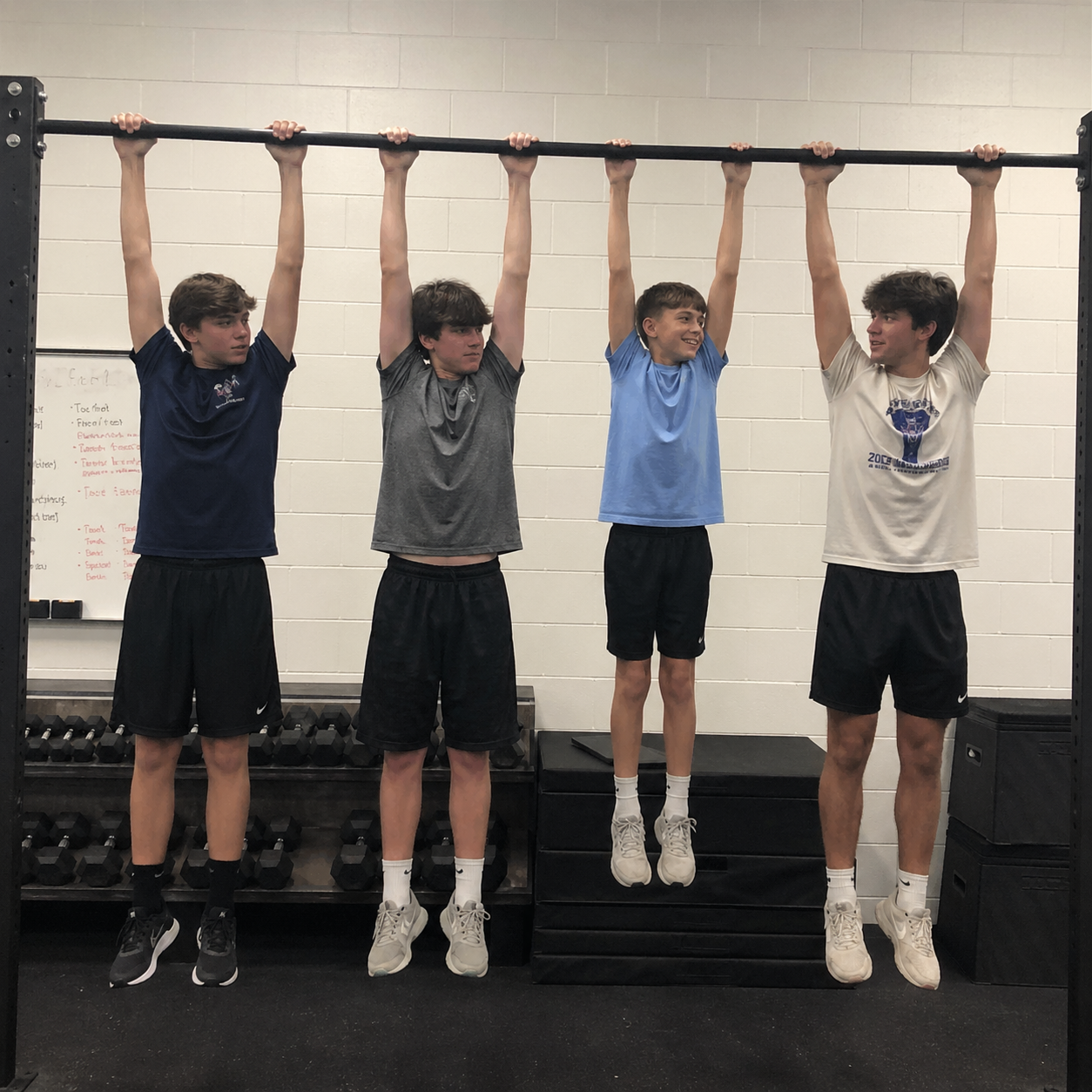
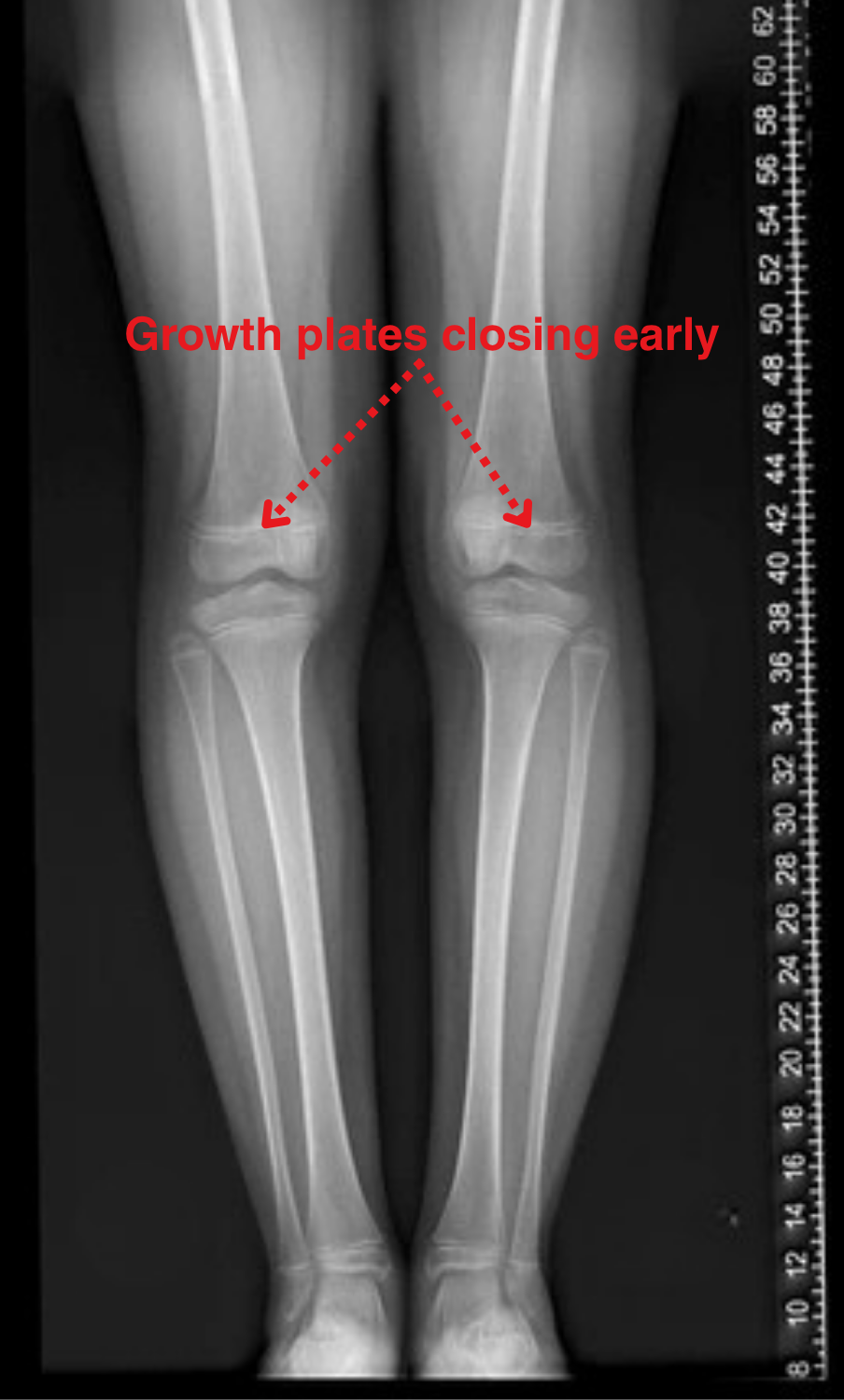
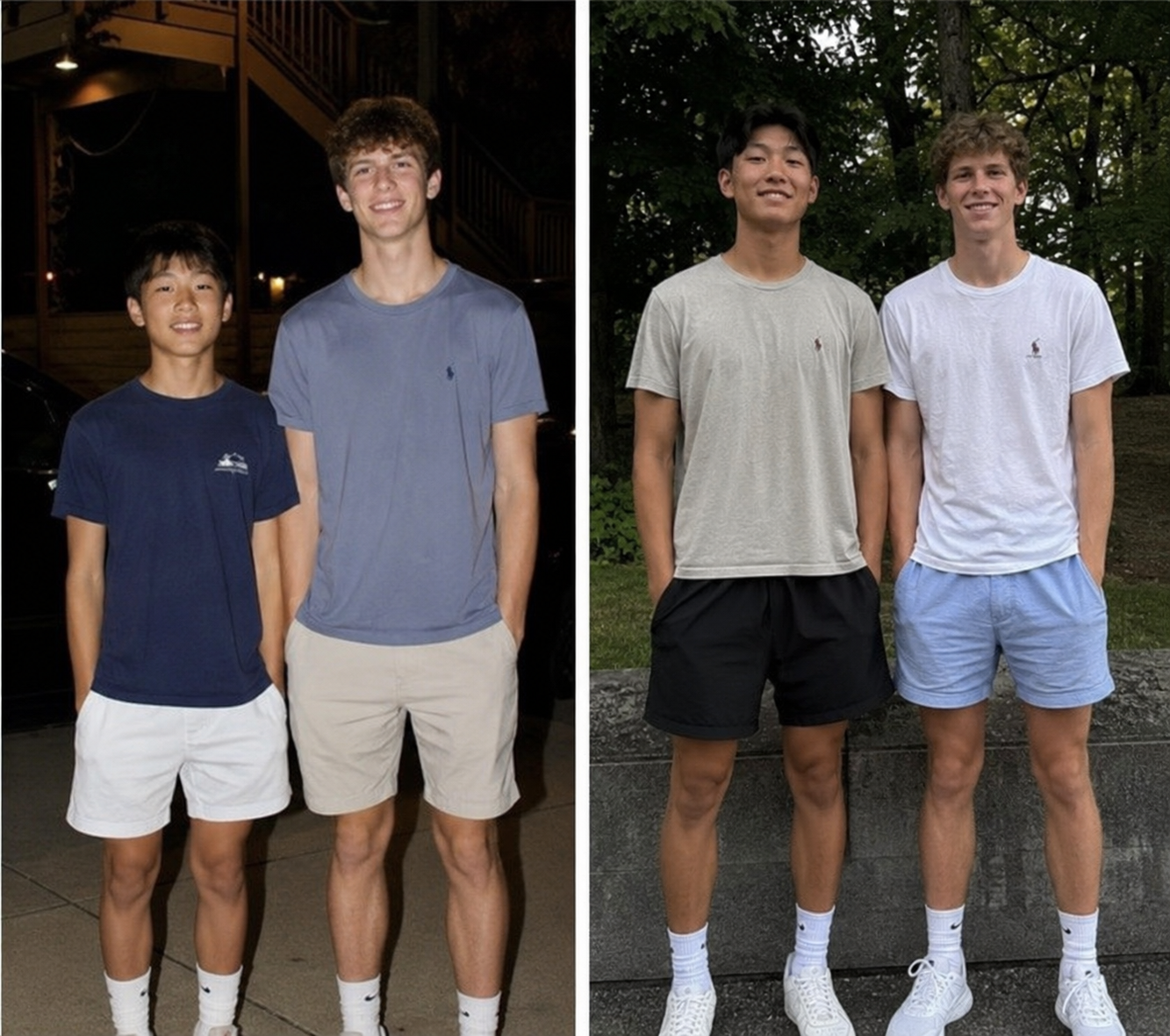
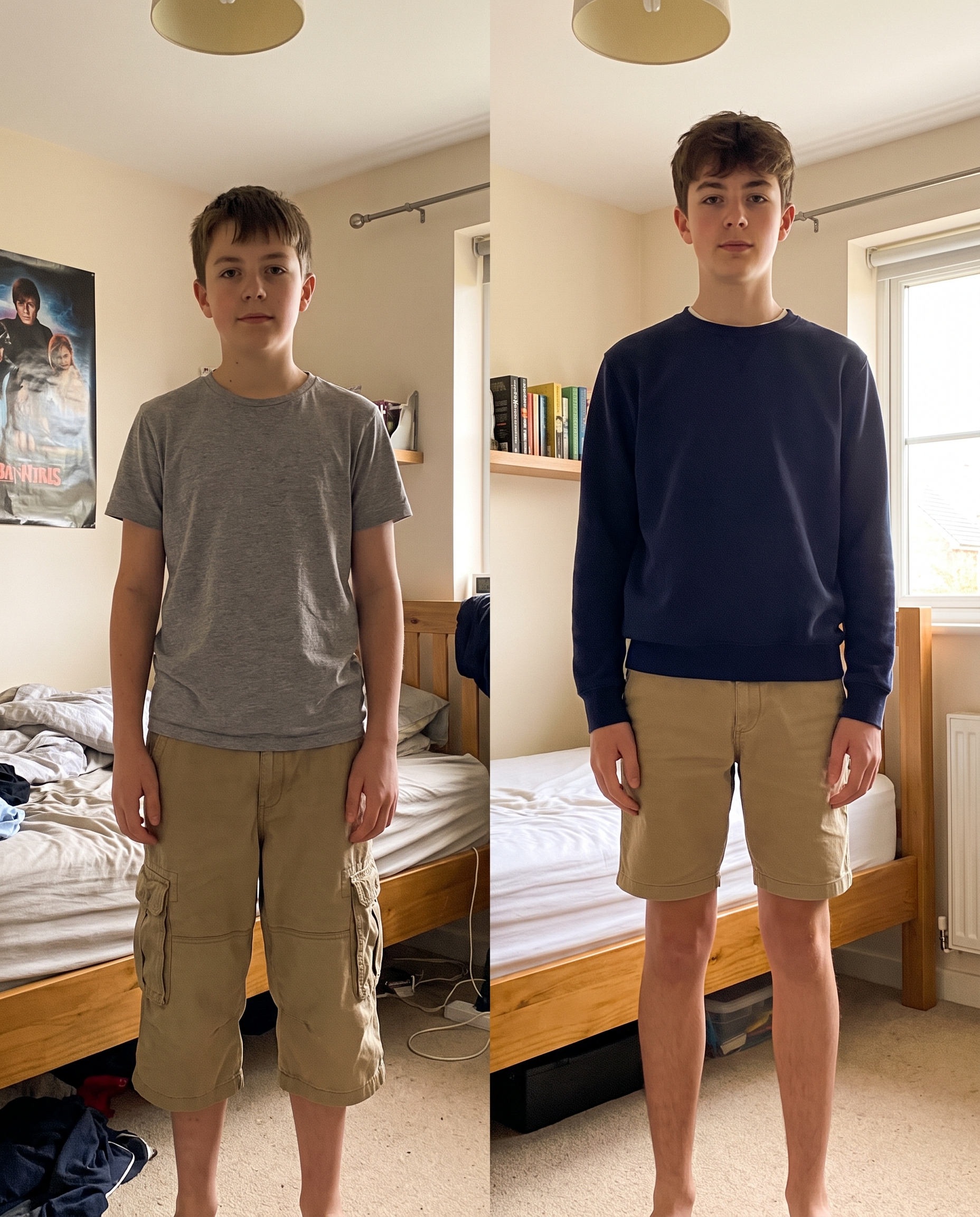
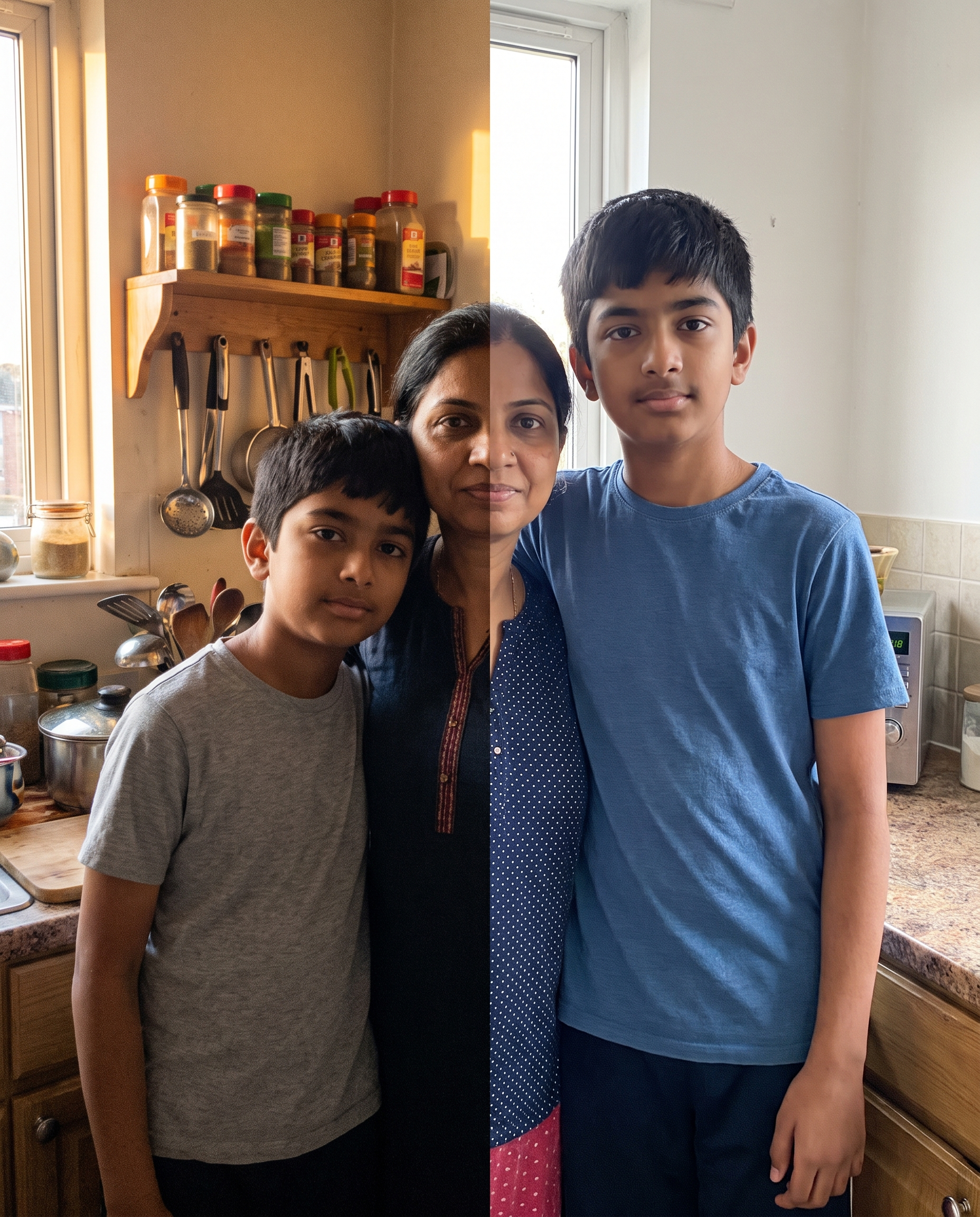
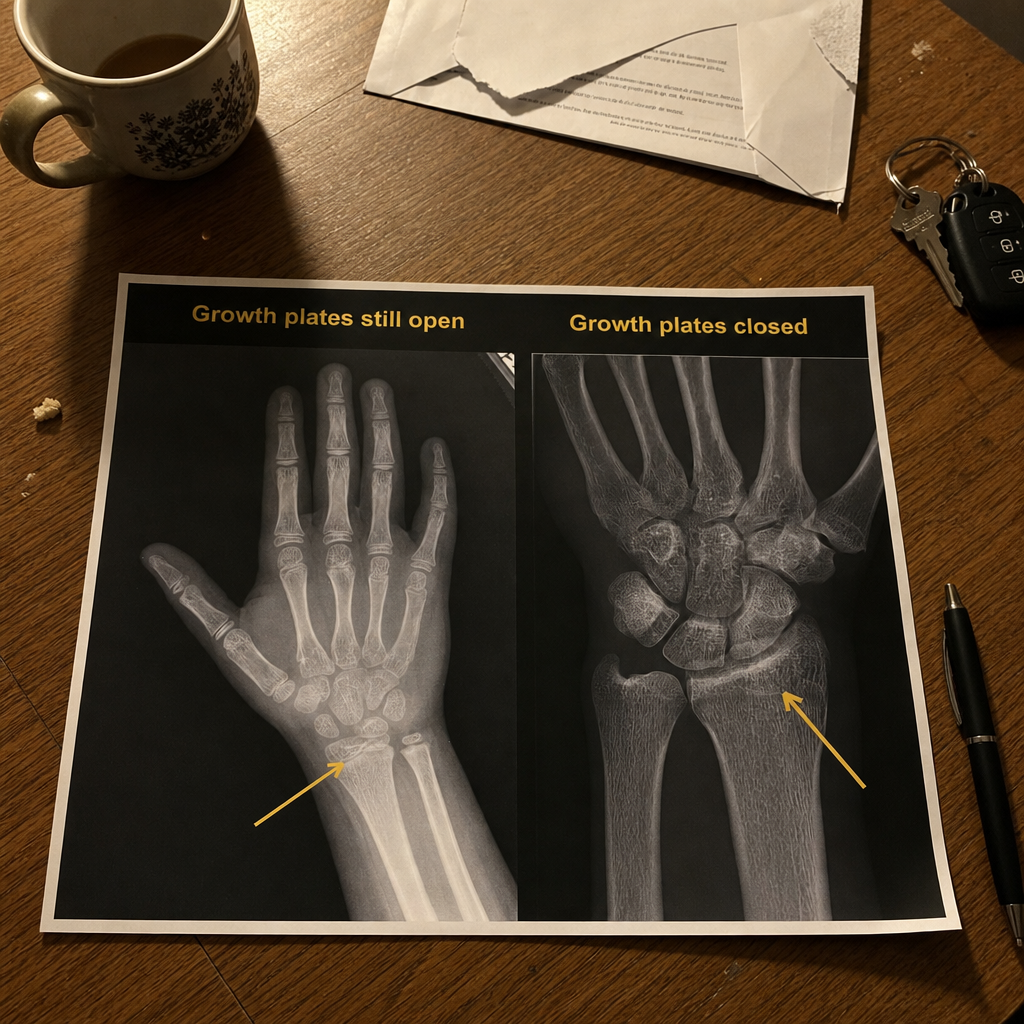
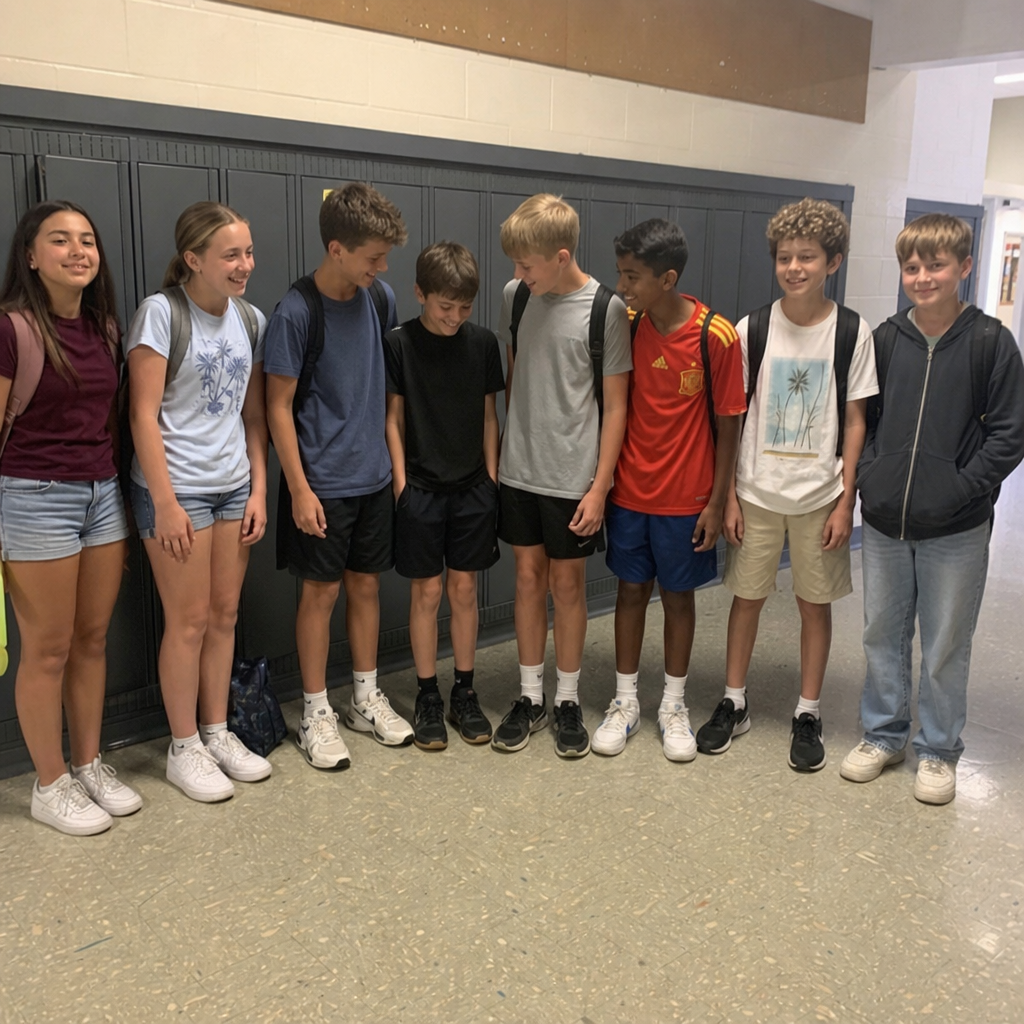
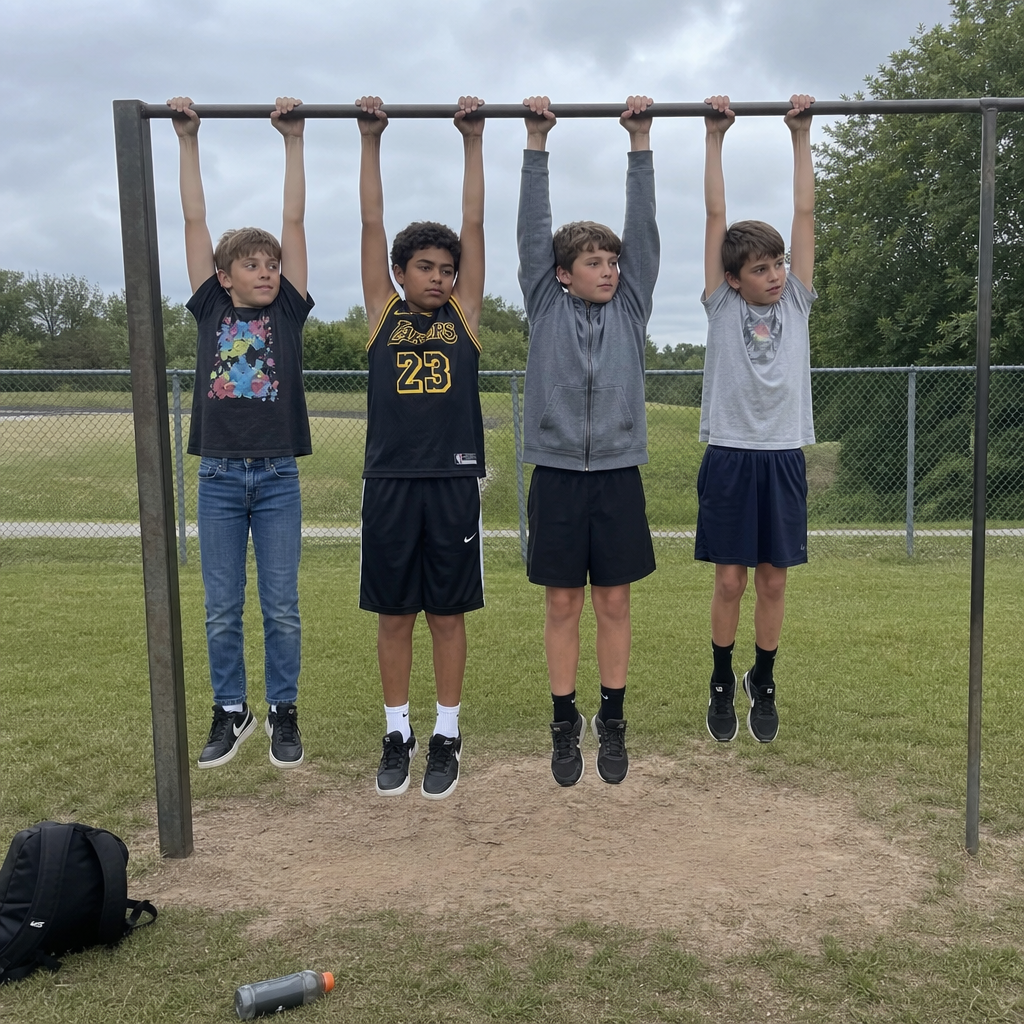
Japanese children gained nearly 5 inches of average height in a single generation. Not through genetic engineering. Not through growth hormone injections. Not through some secret Asian superfood. Through a national nutrition program that was designed around one thing Western medicine still refuses to talk about. Meanwhile, here in the West, parents are told their child's height is "just genetics." That there's nothing to do. That you should "be patient" and hope for a growth spurt. And our children are falling behind where their own genetics would allow them to be. That never sat right with me. My son is 12. About a year ago, I started noticing something I couldn't ignore anymore. He'd been one of the shorter kids for a while. But I'd accepted the pediatrician's explanation. "He's on his curve. You and your wife aren't tall. It's genetic. Give it time." I'm 5'7". My wife is 5'2". So I accepted it. Short parents, short kid. Makes sense. Except it was doing something to him that I couldn't accept. He'd stopped wanting to go to things. Birthday parties. Sleepovers. Even just kicking a ball around in the park with the neighborhood kids. He used to be the first one out the door. Now I had to practically drag him. He was coming home from school quiet. Going straight to his room. When I asked about his day, I got one word. "Fine." Every day. In a voice that meant anything but fine. His friend's mom mentioned casually at pickup one day that some boys had been calling my son "shrimp" at school. He'd never told me. That night I sat on his bed and asked him about it. He stared at the ceiling for a long time. Then he said: "It doesn't matter, Dad. I'm just small. That's how it is." He's 12. And he's already given up. That's when I stopped accepting the genetics answer. Not because I knew it was wrong yet. But because watching my son's personality disappear while I did nothing except repeat "be patient" felt like watching a house burn down while holding an empty bucket. And I kept thinking about something I'd read years ago about Japan. A throwaway line in an article I'd bookmarked and forgotten about. That after World War II, Japanese children got dramatically taller. Not over centuries. Over decades. So one night, after my son went to bed, I went looking for the actual data. Not a blog. Not a Reddit thread. I pulled research papers. What I found kept me up until 4am. And by the time I was done, I understood exactly why my son wasn't growing. And exactly why "it's genetic" was never the full answer. Here's what actually happened in Japan. After 1945, Japan was devastated. Food was scarce. Malnutrition was widespread, especially in children. Japanese children at that time were among the shortest in the developed world. In 1954, the Japanese government implemented the School Lunch Program. Not a vague "eat healthy" campaign. A meticulously designed national nutrition program built around specific nutrients for childhood bone development. The results were staggering. In the decades that followed, the average height of Japanese children increased by nearly 5 inches. Boys and girls. Across the entire population. Their genetics didn't change. The same families. The same DNA. The same ethnic background. The only thing that changed was what their bodies received during the years their growth plates were open. 5 inches. From nutrition alone. When I read that number, I sat back in my chair and thought about my pediatrician telling me "it's genetic, you and your wife aren't tall." If an entire country can gain 5 inches through nutrition, then "it's genetic" is, at best, half an answer. I kept digging. Because I wanted to know WHAT specifically changed. Not just "better nutrition." What compounds. What mechanisms. What was actually happening inside the bones of Japanese children that wasn't happening before. And here's where it got interesting. A key component of the traditional Japanese diet (which the school lunch program drew heavily from) is fermented foods. Specifically natto, a fermented soybean dish that's been a staple in Japan for centuries. Natto is one of the richest natural sources on earth of a specific nutrient called Vitamin K2, in the MK-7 form. I'd never heard of K2 in the context of growth. I'd heard of calcium. I'd heard of Vitamin D. Every parent has. But K2? Never. Not from a single doctor. Not from a single article aimed at parents. So I looked up what K2 actually does. And everything I thought I understood about my son's growth fell apart. When your child drinks milk or takes a calcium supplement, the calcium enters the bloodstream. But here's what nobody tells you: calcium has no way to find the bones on its own. It just floats. No direction. No delivery mechanism. It needs K2 to activate a protein called osteocalcin. Osteocalcin is what physically grabs calcium from the blood and deposits it into growing bone tissue. It's the delivery driver. Without it, the packages float around the system and never arrive. Without K2, up to 80% of dietary calcium passes straight through the body. Never touches the bones. Gets flushed out. I thought about three years of making sure my son drank his milk. Three glasses some days. All that calcium. And up to 80% of it potentially going nowhere. Because his body had no K2 to direct it. Japanese children eating natto regularly were getting K2 naturally. Their calcium had a delivery system. It was reaching their bones. Western children eating a modern diet get almost zero K2. Our calcium has nowhere to go. Same mineral. Completely different outcome. Based entirely on whether the delivery system is present. But that was only half of what I found. Because even if calcium reaches the bones, the growth plates (the zones where new bone is actually produced) need a specific signal to activate. A signal called IGF-1. Without IGF-1, the growth plates stay dormant. Raw materials arrive but nobody starts building. Like a construction site where the bricks get delivered but the foreman never shows up. A botanical extract blend (Astragalus membranaceus, Eleutherococcus senticosus, Phlomis umbrosa) has been studied in clinical research for supporting IGF-1 signaling specifically in children below the growth curve. And bone growth needs supporting minerals in forms that actually absorb. Zinc as picolinate for growth plate function (not the zinc oxide in most kids' vitamins that absorbs at roughly 4%). Magnesium as bisglycinate for bone formation. D3 paired with K2 so the delivery system actually works. Two mechanisms. Calcium direction through K2. Growth plate activation through IGF-1. Japanese children after 1954 were getting the first one naturally through their diet. Their traditional fermented foods provided the K2 that directed calcium into bones. Combined with the structured nutrition program providing adequate raw materials, their growth plates had what they needed. Western children get neither. We give them calcium and hope it finds the bones. It doesn't. We give them multivitamins with no K2 and no growth signaling support and wonder why nothing changes. And then we tell their parents "it's genetic." Here's the part that made me angry. This research isn't hidden. The role of K2 in bone health is published in peer-reviewed journals. The 40% environmental contribution to height is documented. The IGF-1 signaling research exists. Western researchers contributed to much of this data. But Western pediatricians still tell parents "it's genetic, be patient." Because the medical system is built around disease intervention, not optimization. Your child is "healthy." Bloodwork is "normal." Growth plates are "still open." As long as those boxes get checked, the fact that your son is being bullied every day, losing confidence, withdrawing from everything, asking "why am I so small?" doesn't register as a medical problem. Because it isn't one. It's a growth optimization problem. And the Western medical system doesn't do optimization. Meanwhile, the supplement industry sells parents NuBest and TruHeight and growth gummies with no K2, no growth signaling support, and cheap mineral forms that absorb at 4%. And they profit every month nothing changes. An entire country gained 5 inches by addressing what their children's bones actually needed. And we're still being told to pour more milk and be patient. After I understood all of this, I started looking for a way to address both mechanisms for my son. The obvious thought was: just eat natto. Get the K2 naturally. I bought some. My son took one look at it and said "I'm not eating that." If you've ever seen or smelled natto, you understand. It's an acquired taste that most Western kids (and adults) will never acquire. I looked into K2 supplements. But most of what I found at the pharmacy was the MK-4 form, which breaks down too quickly in the body to direct calcium over a sustained period. The research all pointed to MK-7, the form naturally occurring in natto, which stays active in the bloodstream significantly longer. And nothing I found addressed the IGF-1 signaling side at all. The botanical extract blend wasn't in any product at my local pharmacy or on the mainstream supplement shelves. I spent weeks searching. Most growth supplements were the same thing: calcium, maybe vitamin D, maybe some cheap zinc oxide. No K2 in any form. No growth plate signaling support. Multivitamins with "height support" on the label and nothing inside that would actually do what the research says needs to happen. Then I found Grow Spark. K2 as MK-7. The exact form found naturally in natto. The form that stays active long enough to direct calcium into bone tissue over a sustained period. The botanical extract blend for IGF-1 support. Astragalus membranaceus, Eleutherococcus senticosus, Phlomis umbrosa. The specific combination from the published research. Zinc as Picolinate. Magnesium as Bisglycinate. D3 paired with K2. Bovine colostrum for natural growth factors. Alpha-GPC for growth hormone support. Both mechanisms. The right forms. Proper doses. One formula. I ordered it that night. Two capsules with breakfast. Thirty seconds. My son didn't fight it. Didn't ask questions. At this point he'd stopped expecting anything to change. He was 12 and he'd already accepted being the short kid. That fact alone made my chest tight every morning I handed him the capsules. I marked his height on the garage wall and didn't say anything about why. First two weeks, not much. Maybe sleeping a little deeper. Hard to tell. Month one, I measured him. Slight movement above the mark. Not enough to be sure. I told myself to be patient (the irony of that word was not lost on me). Month two, just over half an inch above the starting mark. More than the entire previous year. I measured three times. Same result every time. The mark moved. After three years of "it's genetic," the mark moved. Month three, his jeans were too short. First time in over a year. And that same week, he came home from school and didn't go straight to his room. He came into the kitchen, grabbed a snack, and told me about something that happened in PE. He just stood there and talked to me. Like it was normal. Like he'd been doing it all along. He hadn't talked to me like that in months. Month four, just over an inch total. He asked if his friend Wes could come over. Wes, who he'd been avoiding because Wes had shot up over the summer and standing next to him made my son feel worse. They spent two hours being idiots in the backyard. I could hear them laughing through the window. Month five, nearly two inches. He went to a party on Saturday without any convincing. Came home and told me about it at dinner. Hands waving. Talking fast. The way he used to talk before he went quiet. My wife looked at me across the table with an expression I hadn't seen in a long time. Not relief exactly. More like recognition. Like she was seeing someone she'd been missing. Month six, we were at my brother's house for a barbecue. My son was standing in the yard with his cousins. My brother walked up next to me and said "is he taller? He looks different." I said "yeah. He is." But it wasn't really the height my brother was noticing. It was the way my son was standing. In the middle of the group instead of the edges. Head up instead of down. Talking instead of silent. It's been eight months now. He's not the tallest kid in his class. Probably won't be. But he's not the shortest anymore. The gap that had been widening for three years is finally closing. And the kid who told me "I'm just small, that's how it is" is making plans with friends on weekends. Cracking jokes at dinner. Walking into school in the morning without the hunch. His confidence isn't something I have to prop up with nightly speeches anymore. It's growing on its own. Because the thing that was destroying it is finally changing. I think about Japan sometimes. An entire country gained nearly 5 inches of average height in one generation. Not through different genes. Through giving children's bones what they actually needed during the window when growth plates were open. And I think about Western parents being told every day that their child's height is "just genetics." That there's nothing to do. That they should "be patient." While their children get bullied. While their children's confidence collapses. While the growth window quietly closes. While 80% of the calcium in every glass of milk goes nowhere because nobody mentioned K2. The research exists. The mechanisms are published. A whole country proved it works at a population level. The system just doesn't tell you about it. If Japanese children can gain 5 inches in one generation through nutrition, the problem was never your child's genetics. It was that nobody told you what was missing. Now you know. The question is what you do with it before the window closes. Growth plates don't wait. For boys, they can close as early as 16. For girls, 14. Every month without the right support is a month of that window gone forever. And every month of that window gone is another month of bullying. Another month of confidence eroding. Another month of your child becoming someone they're not. 👉 https://mortaine.co/pages/5-reasons-grow-spark 60-day money-back guarantee. Measure when you start. Measure at 60 days. If the mark doesn't move, full refund. No questions. It works out to less than a dollar a day. I'd pay that any day for my son's confidence. And for the three years I wish I hadn't spent believing there was nothing I could do. EDIT: A lot of parents keep asking me what I give him. It's Grow Spark. Two capsules with breakfast. K2 as MK-7 (the same form found naturally in natto) for calcium direction. The botanical extract blend for growth plate signaling. Bioavailable mineral forms that actually absorb. Everything the research says needs to happen, in one formula. 👉 https://mortaine.co/pages/5-reasons-grow-spark
Like this ad? Make it yours.
Crush rebuilds this exact creative around your product — your brand, your colors, your offer — in about a minute.