
Inactive· since Jun 1, 2026
- 16
- days it ran
- 0
- relaunches
- 19,444
- EU reach
Ad copy
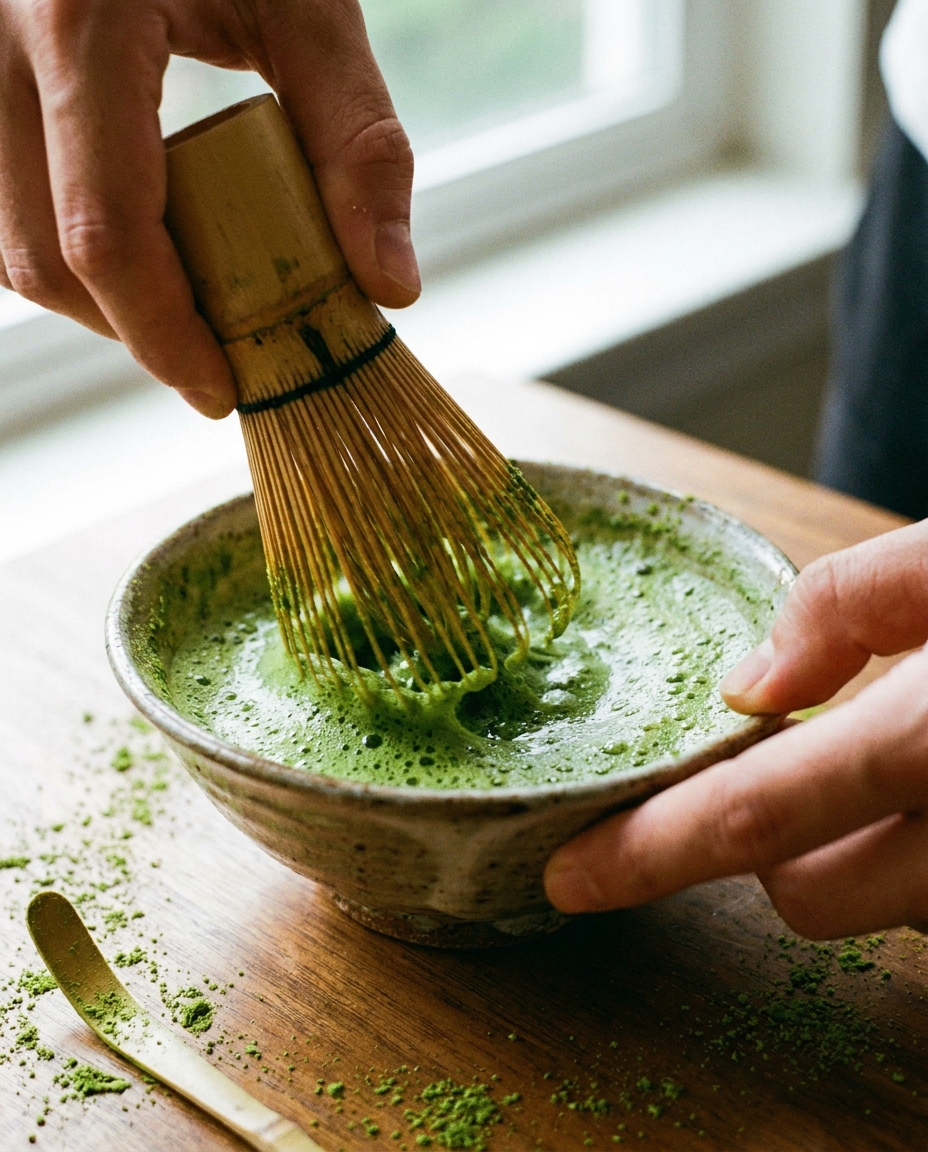
My son Marcus got his flu shot in October. Worked out at the gym three mornings a week. Annual physical every birthday. Married 24 years. Two kids in college. He did everything right. He died from the flu on March 3rd at 2:38 AM. He was 51 years old. I am 78. I am not supposed to be the one writing this. Got his flu shot in October. Gym three mornings a week. Annual physical every birthday. Two kids in college. The hospital bill was $52,000. The funeral was $9,800. His childhood baseball glove is still on the shelf by my front door. The one his father gave him for his eighth birthday. He used to drop his keys in it every Sunday after church when he came over for lunch. I can't move it. If I move it, he is really gone. I need to tell you what happened to Marcus. Because I am seeing the same posts on Facebook that my daughter-in-law Theresa was making the week before he died — "anybody have a home remedy for a bad cold?" — and it makes me physically sick. If you are over 50, or someone you love is, please read this whole thing. I know it is long. I know you are scrolling. I know you have things to do. Three weeks ago I would have given anything — everything — for someone to tell me what I am about to tell you. Marcus came home from a sales conference in Indianapolis on Saturday, February 14th, with a sore throat. "Probably picked something up at the airport, Mom," he said. "I'll be fine by Monday." I didn't think twice about it. Marcus never got sick. In 30 years of Sunday phone calls, I could count on one hand the number of times he stayed home from work with anything. He was the kind of man who showed up. It was part of who he was. By Monday he wasn't fine. Fever of 102.6. Coughing. But still answering work emails from the couch, still telling Theresa "Honey, stop fussing, it's just a cold, I've had worse." Theresa called their family doctor. Tylenol. Fluids. Rest. "If it's not better in a few days, bring him in." So they waited. By Wednesday his fever was 103.4. He was drenched in sweat. Shaking under two blankets. Coughing so hard he pulled a muscle in his ribs. Theresa told me on the phone she could hear this wet, crackling sound every time he breathed. Like cellophane crinkling inside his chest. She said she'd never heard anything like it. That Sunday — the Sunday before he was admitted — I called him at our usual time. 1:30 in the afternoon. After his service let out. "Marcus, you sound terrible. Go to the doctor." "Mom. I'm fine." "You are not fine. I can hear you wheezing through the phone." "Mom, you worry about me too much. You always have. I'll go if it gets worse, I promise." Theresa told me later she had been telling him the same thing for two days. "Marcus, please go." He told her what he told me. "I'm fine." 30 years of Sunday phone calls. I knew every version of that boy. The stubborn version. The scared version pretending to be the stubborn version. This was the second one. Thursday morning Theresa called me crying. Marcus couldn't get out of bed. Not wouldn't. Couldn't. He had spilled a glass of water down his chest and didn't even react — just lay there staring at the ceiling, breathing in these short, shallow gasps that sounded like the air was being squeezed through a straw. She held the phone up to his face so I could hear it. I told her to take him in. She said he wouldn't go. I told her he didn't have a choice. She said "Mom, I can't physically lift him into the car. He weighs 200 pounds." I told her I was coming. I drove up Friday morning. Two hours. Got there before noon. The blinds in their bedroom were drawn. Marcus tried to sit up when I walked in and his face went white from the effort. He gave me the sheepish quick smile he had given me his whole life when he was caught at something — that smile that had not changed since he was eight years old — and said "Hi, Ma. Didn't mean to drag you up here." I told him to lie back down. I sat in the chair beside the bed and watched him breathe. Friday night his fever was 102. Saturday morning it was 103. Saturday afternoon Theresa and I both sat with him and made him sip water from a coffee cup because he could not hold a glass. He kept telling us he was fine. He said it through chattering teeth. Saturday night I slept in the guest room across the hall. Theresa lay down on the couch in the living room because she said she did not want to wake him climbing into bed. Sunday morning at 6:50 I woke up because the house was too quiet. I went to check on him. Theresa was asleep on the couch. The pillow had a wet spot under her cheek. I walked into their bedroom. The blinds were still drawn. He was lying on his back with one arm out of the covers. I sat on the edge of the bed — the bed he had bought 24 years ago when he and Theresa got married — and I looked at his face. His lips were gray. Not blue like they show in the movies. Gray. Like the color had drained out of him. That's when I knew. I called 911 at 7:14 AM on Sunday morning. Then I went to the living room and shook Theresa awake. The paramedics were there in 8 minutes. Two of them. A young guy — couldn't have been older than 28 — and a woman about Theresa's age. They clipped something to Marcus's finger. Oxygen saturation: 79%. Normal is 95-100%. The young paramedic looked at the woman. She looked back at him. Neither of them said anything, but Theresa told me she saw it. She saw the look. "Ma'am, we need to transport him now." They lifted Marcus onto a stretcher. He was so weak he couldn't help them. Just lay there. As they wheeled him through the front room — past the family photos, past the Christmas cards still on the mantel from December, past 24 years of his marriage — he looked at me and said: "Sorry I missed our Sunday, Ma. I'll call you this afternoon." That was the last thing my son said in his own home. He missed our Sunday. Theresa rode in the back of the ambulance with him. I locked up the house and followed in my car. My Bible was on the passenger seat from the drive up the day before. It stayed there the whole way to the hospital. At the ER, they wouldn't let us back. "We're stabilizing him, someone will update you." Theresa and I sat in that waiting room for two hours and thirteen minutes. I counted every single minute. The chairs were hard plastic. A television was playing some Sunday morning sports show with the sound too low to hear. An old man across from us was coughing into his elbow. A young couple was crying together quietly. And we sat there. Two women. In the fluorescent light. Smelling that hospital smell — bleach and recycled air and fear — and I prayed. I have prayed my whole life. I prayed harder than I've ever prayed. When the doctor came out — a woman about 40, dark hair pulled back, tired eyes — I knew before she opened her mouth. I knew from the way she was walking. "Mrs. Bremer, your son has Influenza A. The H3N2 strain. His lungs are severely compromised. We're moving him to the ICU." "But he got his flu shot," Theresa said. "In October. He never misses." The doctor looked at us. And then she said something that will be burned into my brain until the day I die: "This year's vaccine wasn't designed for the strain your husband has. H3N2 mutated into what's called subclade K — and it happened after the vaccine was already manufactured. The shot he got in October was built for a virus that doesn't exist anymore." "So the shot didn't protect him?" "It may have slowed things down. But it didn't prevent infection. And he waited six days before coming in. By now, the virus has done significant damage. We're going to do everything we can." We're going to do everything we can. That's what they say when they don't know if they can save him. Marcus spent 10 days in the ICU. Theresa was there at 7 every morning when they opened the doors. I drove up from Terre Haute every other day and stayed as long as they would let me. The kids — Caleb and Emma, our grandchildren — flew home from college. Caleb sat in the chair by the window. Emma held her father's hand for hours and didn't say a word. I learned things about the ICU that I never wanted to know. The machines don't just beep — they have different beeps. A steady beep means things are okay. A fast beep means something changed. A long, sustained beep means you need to leave the room because people are about to rush in. I learned that sound. I heard it four times. Day 2, they put him on high-flow oxygen. A mask strapped to his face pushing air into his lungs because they couldn't do it alone anymore. He couldn't talk with it on. He just looked at me with these eyes that were Marcus but also weren't Marcus. Day 4, they talked about the ventilator. A doctor I hadn't seen before came in with a clipboard and started explaining what it meant. Tube down the throat. Sedation. The machine breathes for him. He handed Theresa a consent form. She signed it with a hand so shaky her signature didn't look like hers. They didn't end up intubating him that day. His oxygen stabilized just enough. But the form sat on the table next to his bed for the rest of the time. Every day I came in I saw it. A reminder of how close we were. Day 6, his kidneys started struggling. They said the virus put so much strain on his body that his organs were starting to feel it. His hands and feet swelled. His face puffed up. He didn't look like Marcus anymore. I held his hand anyway. Even though it was swollen and hot and didn't feel like the hand I had held when he was three years old crossing the parking lot at Kroger. I held it because it was still my boy in there somewhere. Day 8. He opened his eyes. Looked right at me. Clear. Present. Like the Marcus I raised. "I should have called you sooner, Mom." "Hush now, baby." "You told me. You told me on Sunday. I should have listened. I tell my own kids to listen to you." I squeezed his hand and said "Don't you dare apologize to me, Marcus Bremer. You just focus on getting better. Sunday is coming up. We can talk about all of this on Sunday." But my face was doing something I couldn't control. And he saw it. He saw it. Day 10. March 3rd. I was in the family waiting area. They had asked us to step out while they repositioned him. Theresa was getting coffee for the kids. At 1:15 AM I heard the long beep. I heard running in the hallway. I stood up. A nurse came to the door. "Mrs. Bremer, please stay here. The team is with him." I stood in that room for an hour and twenty-three minutes. At 2:38 AM, a doctor I had never seen before walked in. I knew. "I'm so sorry. We did everything we could." Theresa drove me home at 4 AM. She wouldn't let me drive. She said her husband would never forgive her if she let his mother drive home alone at four in the morning. She used the present tense. Neither of us corrected it. I went home to Terre Haute the next afternoon. His baseball glove on the shelf by my front door. Right where he had dropped his keys the last Sunday he came for lunch, two weeks before the conference. I sat in the rocking chair by the window. The chair Walter and I had bought when we moved into this house in 1971. I didn't move for six hours. The house was so quiet I could hear the refrigerator hum. I am 78 years old. Walter has been gone almost 30 years — he died when Marcus was finishing college and I raised the rest of my boy alone. I have buried my parents. I have buried my brother. I buried my best friend Mary in 2019. And now I have buried my only son. There is a wrongness to it that does not go away. The funeral was March 8th. The biggest crowd I have ever seen at our church. Marcus had a lot of friends. People I didn't know came up to me one after another and said "Your son was the best man I knew." I nodded. I shook their hands. I don't remember most of it. After the service, my granddaughter Emma — Marcus's 19-year-old, home from her sophomore year of college — came up to me in the church basement holding a paper cup of coffee. Her face was puffy from crying. "Grammy, what should I do with Dad's truck?" I just looked at her. She is 19 years old. She is supposed to be worrying about midterms. I said "Honey, ask your mother." She said "Mom is in the bathroom. She has been in there for an hour. I don't want to bother her." I had to walk out of the room. After the funeral, I tried to go back to normal. I don't know what "normal" is anymore at 78, but I tried. I couldn't. Because every time I opened my phone, I saw people — people my age, people Marcus's age, people younger than Marcus — posting about being sick. Coughing. Fevers. "This flu is brutal." "Worst week of my life." And I knew. I KNEW. Some of them were going to end up where Marcus ended up. And some of their mothers were going to end up where I am now. I couldn't just sit in this rocking chair and watch it happen. So I started researching. Not because I wanted to. Because I had to. Because if Marcus died for nothing — if I cannot save even one mother from getting the call I got — then I cannot live with that. And the Lord knows I have to figure out how to live with something now. I spent weeks reading. CDC data. Medical journals I barely understood. News articles about H3N2 subclade K. My grandson Caleb sat with me at the kitchen table on his spring break and translated the medical words for me. I read an article that said 22 million Americans have been sick this season. 280,000 hospitalized. 12,000 dead. That 70 to 85% of flu deaths are people over 65. Marcus was 51. He shouldn't have been one of them. But this season, this strain, has been taking healthy adults under 60 in numbers the CDC said it didn't predict. The doctors are saying it on the news. Marcus was on the wrong side of a number nobody saw coming. I read that the flu shot this year is maybe 30 to 40% effective for adults against H3N2 subclade K. Thirty to forty percent. That is a coin flip. Less than a coin flip. Marcus was on the wrong side of the coin. I read that Tamiflu — the antiviral drug — only works within the first 48 hours of infection. Marcus didn't get to the hospital until day 6. By then Tamiflu was useless. And I kept reading one thing over and over, in study after study, article after article: It's not the virus that kills you. It's your immune system's failure to fight it. Every person who gets exposed to H3N2 — every single one — has a window. About 72 hours. In that window, your body either mounts a response strong enough to contain the virus, or it doesn't. If it does, you get a bad cold. Maybe a fever for a day. You recover. If it doesn't — if your immune system is too slow, too weak, too tired — the virus replicates unchecked. It floods your lungs. Your organs start failing. And by the time you are in the ER, your body has already lost the war it was supposed to fight days ago. That's what happened to Marcus. His immune system was supposed to protect him. It didn't. Not because he was unhealthy. Because his immune defenses weren't armed for the fight. And the flu shot was supposed to arm them. But it was loaded with the wrong ammunition. So I started asking a different question. Not "how do you treat the flu?" "How do you make sure your body can actually fight it?" The first thing I tried was what I already knew. I drove to the CVS in town and bought everything on the shelf. Emergen-C. Airborne. Elderberry gummies. Echinacea capsules. A bottle of zinc. A $40 immune support multivitamin with a picture of a smiling woman my age on the front. I started taking the Emergen-C every morning. It was fine. Some fizzy vitamin C. But I had been taking vitamin C for 50 years. Marcus had been taking vitamin C every morning of his adult life. He had a bottle of 500mg tablets on his bathroom counter right next to his toothbrush. It didn't save him. Vitamin C supports your immune system the way a garden hose supports a firefighter — it's doing something, but it's not the thing that matters. Then I tried the elderberry. I took it for a week. Tasted like cough syrup. Felt nothing. I looked it up — the research on elderberry is weak. A few small studies. Nothing that showed it actually prevented infection. Most of it was about reducing the duration of symptoms by a day or two. A day or two. Marcus went from fine to dead in 17 days and I'm supposed to be grateful for shaving 48 hours off the sniffles? The Airborne tablets — I read the back of the box. Vitamin C, vitamin E, zinc, echinacea. The same ingredients I was already taking, repackaged with a cartoon airplane on the label and a $12 markup. The echinacea — conflicting studies. Some say it helps. Some say it doesn't. None say it prevents H3N2 infection. I threw it out after a week. The zinc — I already had zinc in my multivitamin, in the Airborne, and in the Emergen-C. I was taking zinc three different ways. Marcus had been taking zinc every day of his life and he died with zinc in his bloodstream. After a week and $83 worth of CVS products, I was exactly where I started. Nothing was actually arming my immune system. Nothing was activating the cells that fight viruses. And I was angry. Lord, I was angry. Because why is there an entire AISLE of immune support products and not a single one of them actually prepares your body to fight a virus when it arrives? They all just sprinkle vitamins at a problem that requires an army. It's like handing somebody a flashlight and telling them they're ready for a hurricane. That is when I found something different. I was reading a thread on Facebook — one of those health groups for women over 60 — and a woman posted something that stopped me cold. She said she worked at a pediatric urgent care. Kids coming in all day, every day, with H3N2. Coughing in her face. Sneezing on her. She shared a space the size of my living room with the sickest children in her county. She had not been sick once all season. Someone asked how. She said: "I drink ceremonial matcha every morning. Started two years ago. Haven't had a cold, flu, anything since. Three of the other nurses at our clinic do the same thing." I almost scrolled past it. Matcha? Tea? For the flu? That sounded like one of those things my granddaughter Emma posts on her Instagram next to a picture of a smoothie. Because I know green tea. I have had green tea. I had it at the Chinese buffet in town for years. I have had it from the boxes at Kroger that taste like grass clippings and warm water. It's fine. It's tea. It's not medicine. In what world does TEA stop H3N2 subclade K? But I couldn't stop thinking about it. Because that woman was surrounded by H3N2 every single day. Children coughing directly in her face. And she was not getting sick. Marcus walked through an airport and was dead 17 days later. What was the difference? So I kept reading. And what I found made me so angry I had to put my phone down and walk out into the yard. There is a compound in green tea called EGCG — epigallocatechin gallate. That's the scientific name. I couldn't even pronounce it the first time I read it. But what it does is something I understood immediately. EGCG does two things. First, it binds to the surface of virus particles and physically blocks them from attaching to your cells. The virus can't get in. It's like changing the locks before a burglar arrives. The virus is floating around looking for a cell to infect and it can't latch on. Second — and this is the part that made me walk out into the yard — EGCG activates your natural killer cells. NK cells. These are the immune cells whose entire job is to find cells that have been infected by a virus and destroy them. They're your body's first responders. They're supposed to show up in that 72-hour window and kill the infected cells before the virus can spread. But here is the thing I didn't know. Here is the thing that made me feel like the floor dropped out from under me: As you get older, your NK cells decline. Dramatically. By the time you are 60, your natural killer cell activity can be less than half of what it was at 30. Your body still HAS the cells. But they are sluggish. Dormant. Like firefighters asleep at the station when the alarm goes off. And NK cell decline does not start at 60. It starts in your 40s. It picks up speed the moment you cross 50. Marcus was 51. He had crossed it the year before. His NK cells were already starting to slow down. The virus walked right past them. And nobody told us. I put my phone down when I read that. I walked out into the yard and I walked the perimeter of my property three times. I was shaking. Not from cold. From anger. From grief. From the realization that my son's own immune system was supposed to save him and it was already starting to slip the year before he died and nobody — no doctor, no pamphlet, no annual physical — thought to mention it. But here is why I am telling you about matcha and not just green tea. Because I also learned that the green tea I had been drinking my whole life was basically useless. Regular green tea bags — the kind at the grocery store — have almost no EGCG. The leaves are chopped up, dried, oxidized. The processing destroys most of the catechins. You would have to drink 15 cups a day to get a meaningful amount. Nobody does that. Matcha is different. It's the whole tea leaf, ground into a powder. You're consuming the entire leaf, not steeping it and throwing it away. A single cup of ceremonial-grade matcha has 137 times the EGCG of a standard cup of green tea. 137 times. I read that number three times because I didn't believe it. And the research isn't new. Japanese universities have been studying EGCG for decades. There is a reason Japan has one of the lowest flu mortality rates in the developed world. There is a reason Japanese adults over 65 get hospitalized from the flu at a fraction of the rate Americans do. They have been drinking matcha every day for centuries. We have been taking Emergen-C. I was furious. I'm still furious. But I was not going to just buy matcha off Amazon and hope for the best. I'm 78, not naive. So I kept researching. And I found out that most matcha sold in the United States is not ceremonial grade. It's culinary grade — meant for baking, for smoothies, for those green lattes my granddaughter drinks. The EGCG content varies wildly. Some of it is grown in China with pesticides. Some of it sits in warehouses for months and the catechins degrade. The matcha that shows up in the research — the kind that actually activates NK cells in clinical studies — is ceremonial grade. Shade-grown for three weeks before harvest to force the leaves to produce more EGCG. Stone-ground. Sealed immediately. From Japanese growing regions at high altitude. I found a company. PiPi Tea. And I was skeptical. Lord, was I skeptical. After Emergen-C did nothing. After elderberry did nothing measurable. After Airborne turned out to be repackaged vitamins. After every immune product I have ever tried was either underdosed, unstudied, or designed to make me feel like I was doing something while I was doing nothing. I was not about to trust something new just because the internet said so. So I called Marcus's pulmonologist. The doctor who was there. In the ICU. Trying to save my son. He had given me his card after the funeral and said "If you have any questions in the coming weeks, call me." I do not think he meant this kind of question. But I called anyway. I told him what I had found. I asked him straight: "Doctor, is this real? Is it safe? Or am I grasping at straws because I cannot accept that my son is gone?" He was quiet for a long time. Then he said: "Mrs. Bremer, the data on EGCG and immune function is some of the most promising research in the last decade. The NK cell activation studies are real. The receptor-blocking mechanism is documented. Ceremonial-grade matcha is one of the highest natural sources of these catechins. There are no contraindications for daily use. No drug interactions at normal consumption." Then he paused. "If your son's immune system had been in a different state when he was exposed — if his NK cells had been primed and active — there is a real possibility his body could have contained the virus before it reached his lungs." I had to hang up the phone. I sat in the rocking chair Walter bought me 53 years ago and I cried harder than I cried at the funeral. Because a doctor — THE doctor — just told me that my son might still be alive if his immune system had been ready. If anyone had told us. If we had just known. I ordered PiPi Tea that night. When it arrived two days later, I stood in the kitchen holding the tin, staring at it, terrified to open it. Not because I thought it would hurt me. Because if it worked — if this was real — then Marcus's death was preventable. And I do not know how to live with that. But I couldn't NOT try it. Because I have a daughter, Karen, with two little ones who need their grandmother. I have my granddaughter Emma calling me twice a week from college because she is afraid to be in the world without her father in it. I have my sister Patricia. I have my neighbors. I have my church. I'll be damned if I let what happened to Marcus happen to one more person I can reach. First cup: I whisked the powder with hot water the way the instructions said. The color was a vivid green — not the brownish-yellow of the tea bags from Kroger. An earthy warmth. Not bitter like I expected — smooth, almost creamy. A slight sweetness at the end. Nothing like the green tea I had been drinking for 60 years. I have been drinking it every morning — one cup, first thing, before I even put the kettle on for my regular tea — for five weeks now. One scoop. Hot water. Whisk for 30 seconds. Less time than it takes me to put my reading glasses on. Three weeks after I started, my daughter Karen drove down from Indianapolis with her two little ones. Both of them. Ages 5 and 7. Runny noses. Coughing. Their school had been devastated by H3N2. Half the kids in their classes were out sick. They climbed up on my lap. They hugged me. They breathed right in my face because that is what children do. Karen looked at me, nervous. "Mom, are you sure? Maybe we should—" "They're here. I'm holding them. I am not missing one more minute with anybody I love." Because I had already missed enough. Marcus missed everything. He'll never sit at this kitchen table again. He'll never call me on Sunday again. He'll never hold his own grandbabies, when Caleb and Emma have them. I was NOT going to let fear keep me from holding these two while they're still small enough to climb on me. The babies went home Sunday night. Monday — nothing. Tuesday — nothing. Wednesday, Thursday, Friday — nothing. A week later — nothing. I didn't get sick. Both of them tested positive for H3N2 at their pediatrician the following Monday. I had it on my face. On my hands. Breathed it in for an entire weekend. And I didn't get sick. I called Karen that night and I didn't say anything for about 30 seconds because I couldn't talk. She said: "Mom? Are you there?" I said: "I think it works." And then we both just cried. Because we were both thinking the same thing. If Marcus had this. If we had known. I have told everyone I know. My older sister Patricia — she's 81, on blood pressure medication, takes a statin, can't take most supplements because they interact with her prescriptions — she asked her pharmacist about matcha and he said it was fine, no interactions with her medications. She has been drinking PiPi Tea every morning for three weeks. She called me last Thursday and said: "Doris, the whole choir at my church has the flu. I sat right next to Marlene at rehearsal and she could not stop coughing. I am fine. I'm completely fine." My neighbor Helen — she lost her son Tony to H3N2 six weeks before I lost Marcus. Two mothers in the same congregation in the same season. She started drinking it the day I told her. She grabbed my hand last week at the grocery store and said: "It's the first time since January I am not afraid to leave the house." My daughter Karen and her husband Steve. Both drinking it. Both work in schools. Both were sick four times last winter between them. Neither of them has been sick this season. Marcus's best friend Tom — 52, diabetic, high risk — he ordered it the day of the funeral. He emailed me last week: "Mrs. Bremer, I just spent two weeks with my whole family who all had the flu. Two of them were down hard. I am fine. I think Marcus would want me to tell you this is real." I had to close my laptop when I read that. I'm not a doctor. I'm not a scientist. I'm not selling anything. I am a 78-year-old mother sitting at her kitchen table at 3 in the morning because I cannot sleep and I cannot stop thinking about whether anyone will read this in time. Here is what I know because I lived it: The flu shot doesn't match this year's strain. Marcus got his. It didn't save him. 22 million Americans have been sick this season. 280,000 hospitalized. 12,000 dead. And March is not even over. 70 to 85% of flu deaths are people over 65. But this strain is taking adults under 60 too. Marcus was 51. The doctors said he should not have been one of them. He was. Tamiflu only works in the first 48 hours. Marcus didn't get to the hospital until day 6. Once the virus overwhelms your immune system, you are not preventing anything. You are surviving. Marcus did not survive. Your immune system's ability to fight this virus is the difference between a bad week and an ICU bed. And there is a compound — studied for decades, consumed daily by millions of people in the country with the lowest flu death rate on earth — that activates the exact cells your body needs to win that fight. I wish someone had told me this before February 14th. Before the airport. Before the sore throat. Before "I'll be fine by Monday." Before 2:38 AM on March 3rd. I cannot go back. Marcus cannot come back. His baseball glove is on the shelf and it's going to stay there. But you can still go forward. The article that explains what I just told you — the research, the science, what ceremonial matcha actually does to your immune system and why it is not the same as the green tea you have been drinking — it's the reason I found PiPi Tea. It's the reason my granddaughter Emma still has one grandparent left. I want you to read it. Not for me. For whoever you would leave behind. For whoever would have to write the version of this letter you would never want them to write. 👇 https://shop.pipitea.com/mca/gr/sp Marcus used to say: "Mom, you don't wait for the wolf to be at the door." The wolf is at the door. — Doris Bremer, age 78 Terre Haute, IN P.S. His baseball glove is still on the shelf. 35 days now. I can't move it. I am 78 years old. Some days I forget he's gone and I set out a third place at the table — Walter on one side, Marcus on the other, the way it was when my boy was still little and his father was still here. Some Sundays I pick up the phone at 1:30 in the afternoon and start to dial his number before I remember. $52,000 in hospital bills. $9,800 for the funeral. And a daily cup of tea that costs less than a dollar — a tea his own doctor said could have changed everything. Please. Don't end up here. Don't let someone you love end up here. And if you are someone's child, do not let your mother end up where I am. 👇 https://shop.pipitea.com/mca/gr/sp P.P.S. I don't work for PiPi Tea. I don't get a penny from this. I'm writing this at 3:17 AM because I can't sleep and the house is too quiet and if putting this on the internet saves one mother from getting the call I got — just one — then at least something good came from the worst thing that has ever happened to me. Share this with anyone you love over 50. Especially the ones who think they're too healthy to need to read it. Marcus thought he was too healthy. Please.
Natural Relief in Weeks
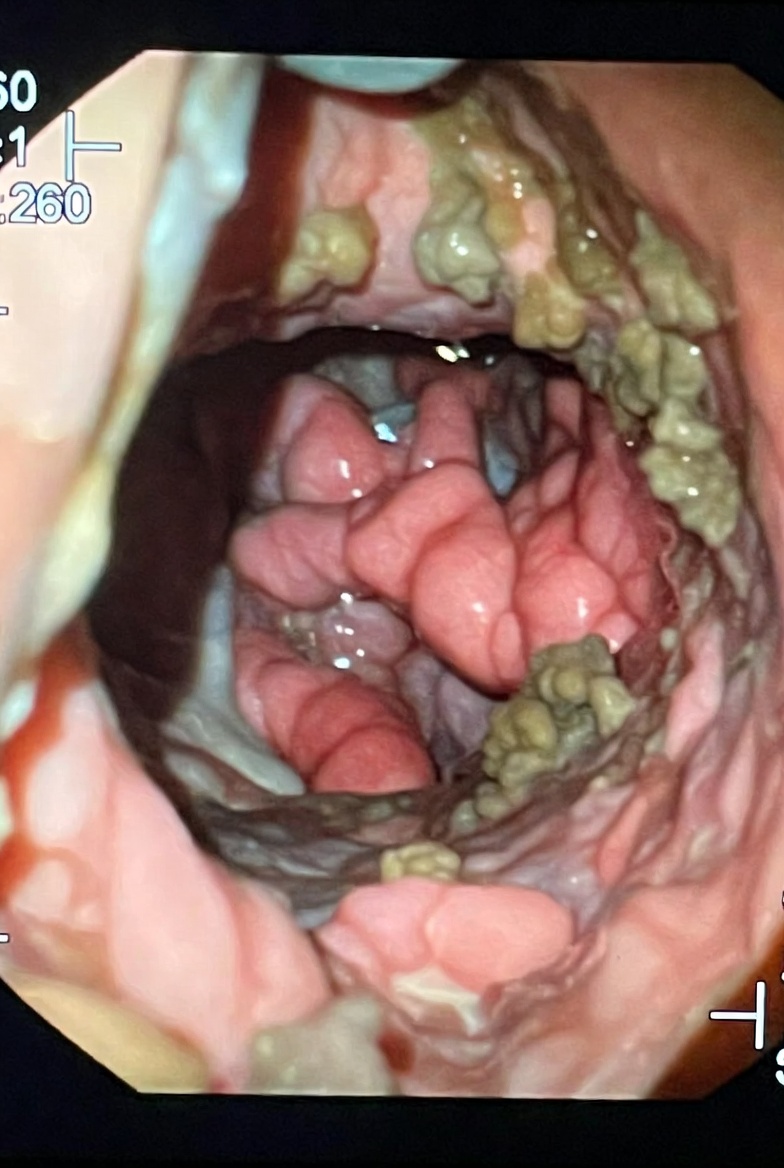
"I've been dealing with constant bloating and digestive issues for years. I tried probiotics, digestive enzymes, even cut out half the foods I love. Nothing worked long-term. Since starting Ceremonial Matcha, my gut feels so much better. I can actually eat a normal meal without looking six months pr...
LEARN MORELike this ad? Make it yours.
Crush rebuilds this exact creative around your product — your brand, your colors, your offer — in about a minute.