Emma Wilson
Emma Wilson Facebook ad: “If your washing still smells off after cleaning your…”
Ran for 42 days, from April 15 to May 27, 2026, the last day Crush saw it.
Run by Emma Wilson on Facebook. Crush is not the advertiser and does not verify its claims. See this ad in Meta's Ad Library(opens in a new tab)
Want an ad like this for your product?
Crush makes new ad images for your product from this ad: your logo, your product photo, your offer.
Trials from $19.95 USD, then $79.95 USD a month. Cancel anytime.
About this ad
- Meta Ad Library ID
- 1740618706908321
- Platforms
- Facebook, Instagram, Audience Network, Messenger and Threads
- Relaunches
- 4
- Niche
- Pets
Ad text
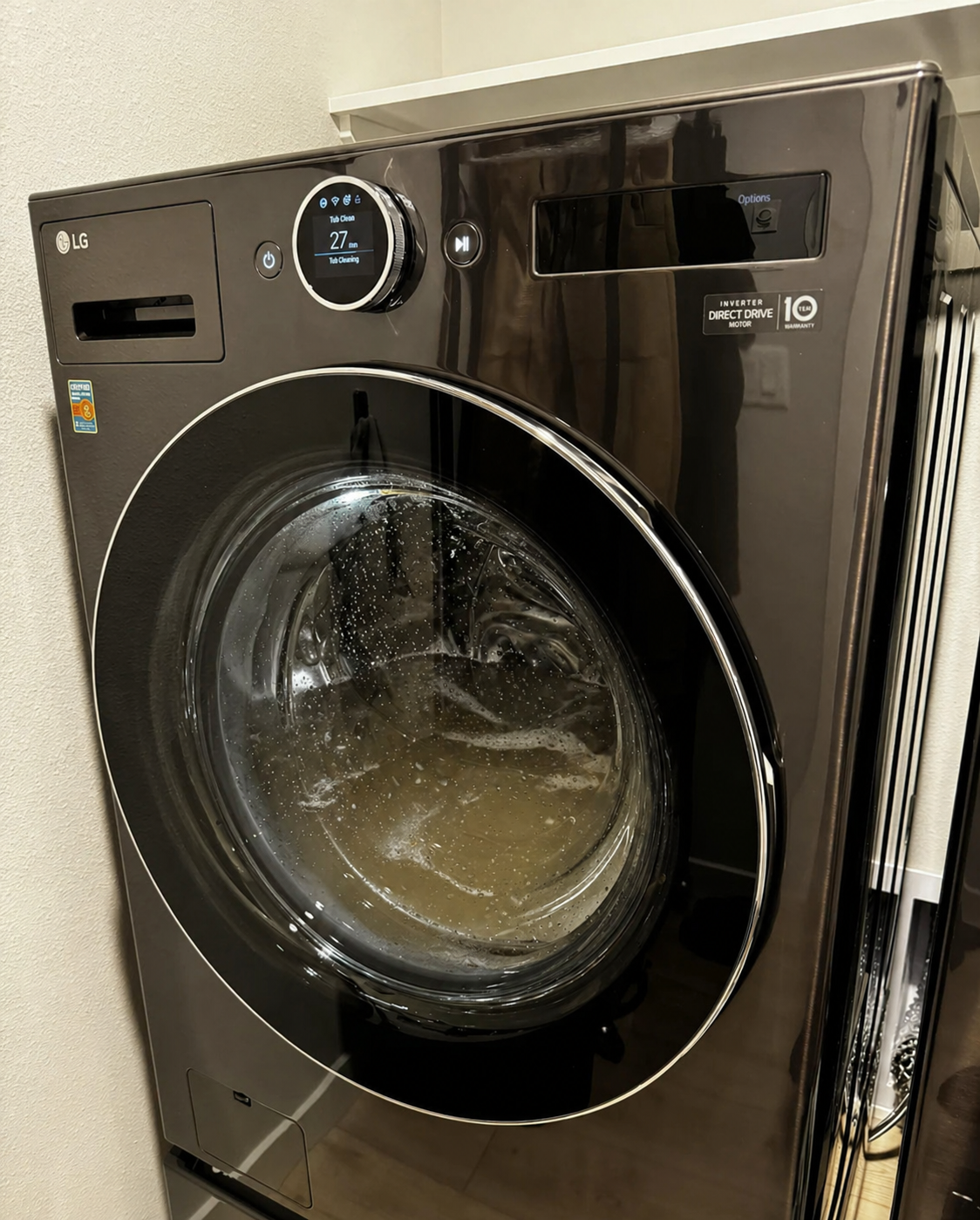
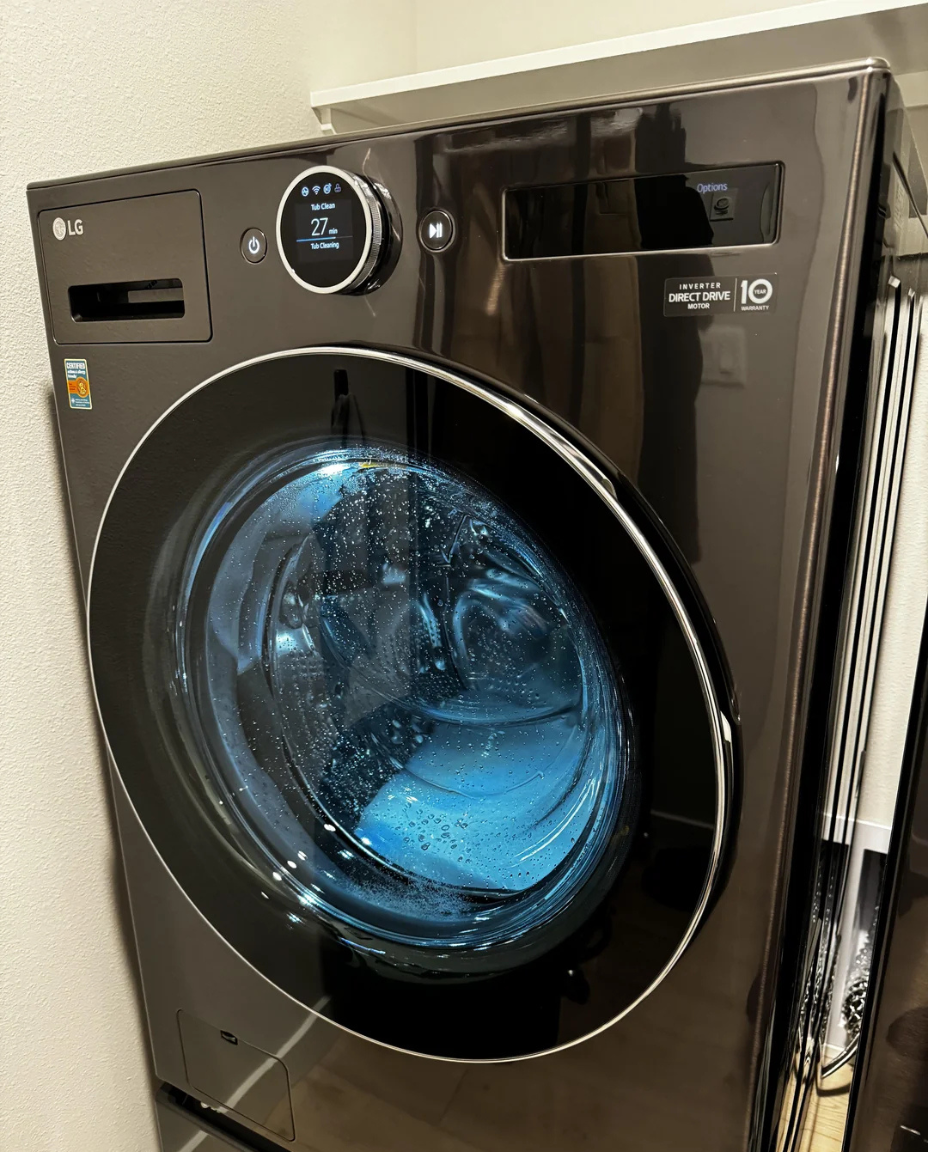
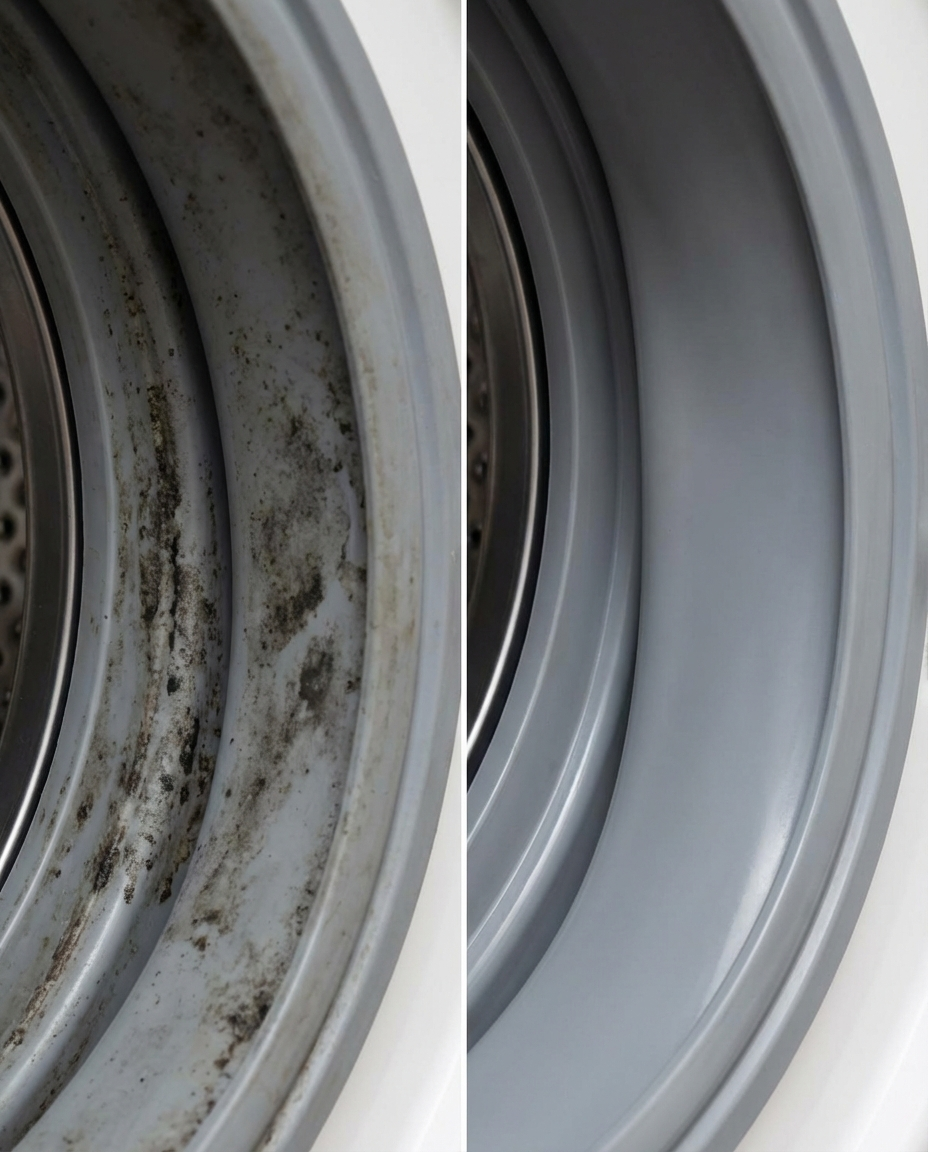
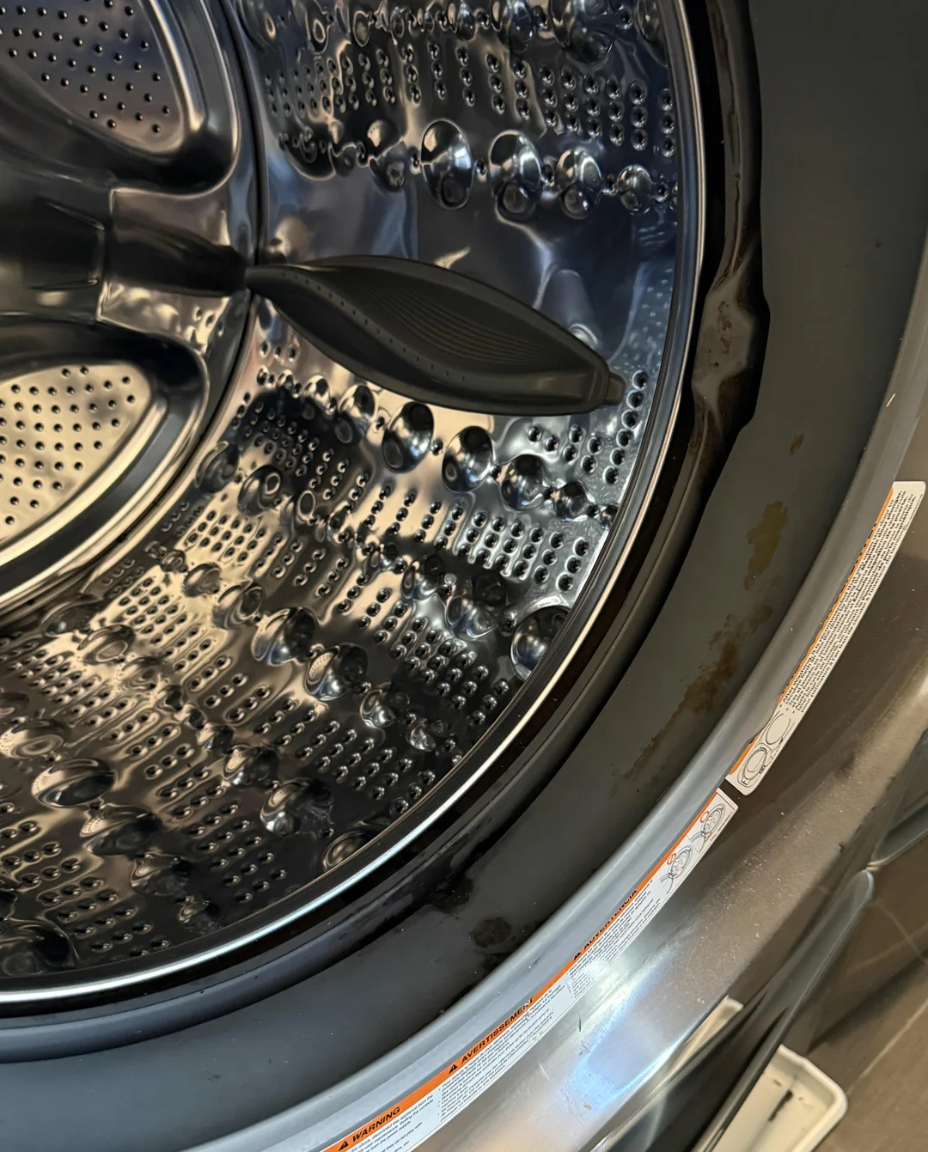
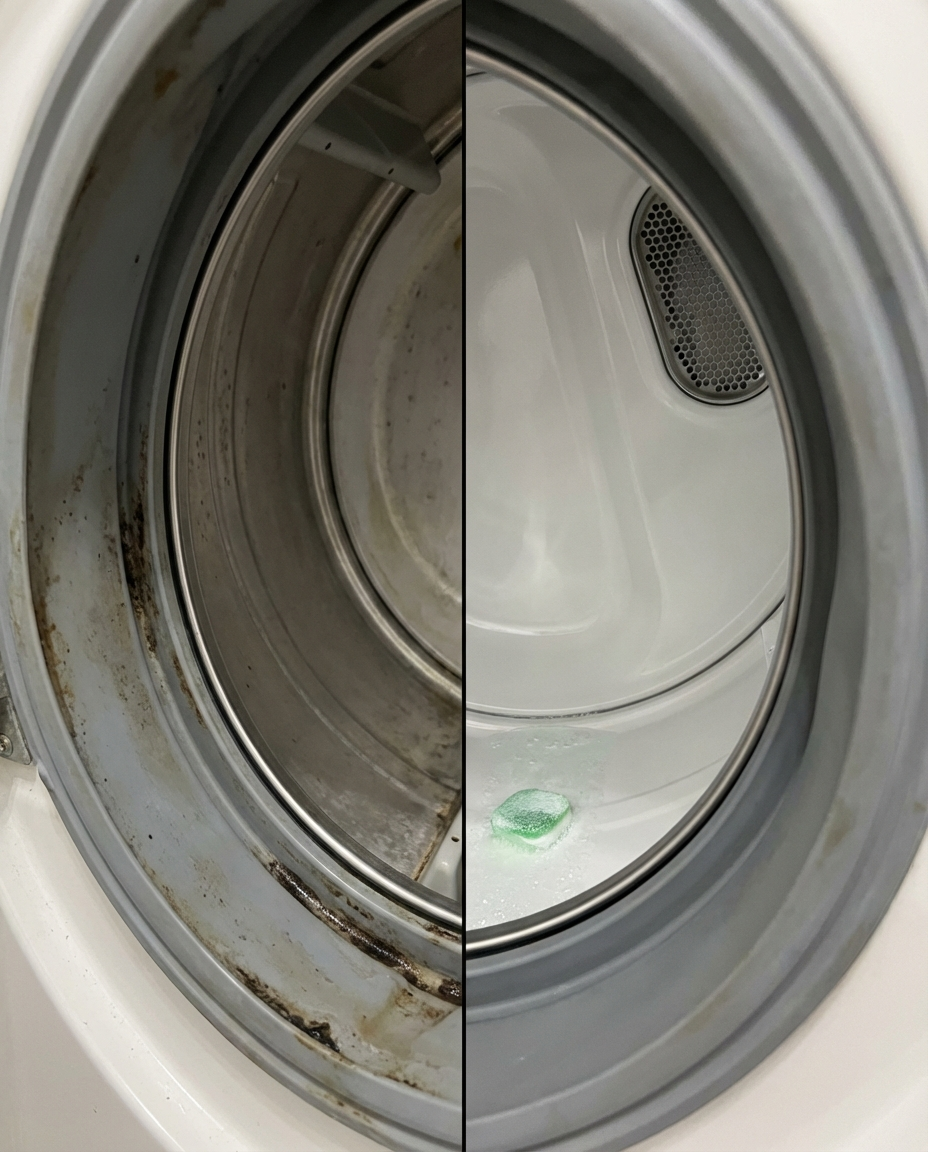
I tested every washing machine cleaner I could find in the UK. Here's the one thing none of them list on the label, and why it's the only thing that actually matters. I want to be clear about something before I start. I'm not an engineer. I'm not a chemist. I'm not a lifestyle blogger who gets sent products to review. I'm someone with two dogs (a Labrador and a Springer Spaniel) who spent the better part of four months buying every washing machine cleaner on the UK market, reading the technical data sheets instead of the packaging, and slowly realising that most of what's sold in Tesco, Sainsbury's, and Boots is more or less the same product in a different box. That realisation changed how I buy. And it might change how you buy too. It started with the smell. If you have dogs, you know the one. It's not quite wet dog. It's not quite mildew. It's somewhere in between, a warm, faintly sour smell that clings to clean laundry, turns up on towels, and makes you quietly relieved when guests don't stay too long near the airing cupboard. I'd been washing their blankets, their bedding, my clothes, everything together. I assumed the smell was just what life with two large dogs looked like. Part of the deal. Then one day I pulled a freshly washed jumper straight from the drum, still warm, and it smelled. Not like dog exactly. Like the machine itself. That's when I stopped blaming the dogs. I tried Calgon first. Hot cycle, empty drum, the whole routine. Three days later, the smell was back. I switched to Dr. Beckmann. Same result. I ran the machine's self-clean programme at 90°C. I read somewhere that high temperature kills bacteria. It does. Temporarily. The smell returned within ten days. I tried the Mrs Hinch method, soda crystals, white vinegar, a cloth and forty-five minutes of my Saturday. The drum smelled fine for about a week. Then it didn't. At some point I stopped blaming myself for doing it wrong and started wondering whether the products were wrong. So I did something slightly unhinged. I printed out the ingredient lists of five different washing machine cleaners and put them next to each other on the kitchen table. They were almost identical. Sodium percarbonate. Sodium carbonate. Fragrances. Sometimes citric acid. Sometimes a surfactant. Not one of them listed enzymes. Not a single one. I've spent six hours reading detergent labels. I'm not entirely sure what my life has become. But here's why that matters, because it took me a while to understand it myself. The reason your washing machine smells isn't limescale. Limescale is what Calgon targets. It's a mineral deposit. Anti-scale agents dissolve it reasonably well. The reason your washing machine smells is biofilm. Biofilm is different. It's not dirt in the conventional sense. It's a structure — a physical architecture that bacteria build around themselves using proteins, fats, and polysaccharides. Essentially a fortress. If limescale is a stain, biofilm is a wall. Sodium percarbonate, the active ingredient in almost every mainstream cleaner, releases oxygen when it dissolves. That oxygen kills bacteria on exposed surfaces reasonably well. It's not good at penetrating a structure. It flattens the top layer. The wall stays standing. Two weeks later, the bacteria have rebuilt. This is why the smell keeps coming back. It's not your fault. It's not your detergent. It's not your water hardness. The product you're using was never designed to address the actual problem. The only thing that demolishes biofilm at the molecular level is enzymes. Specifically, three of them, and this is where dog ownership changes the equation completely. Protease breaks down proteins. That means the structural scaffolding of the biofilm, yes, but also dog hair, dander, and skin cells. Hair is made of keratin, a fibrous structural protein. When it enters the drum, it doesn't float around and drain out. It binds to the biofilm. The biofilm's protein matrix locks the hair in place. Over time you end up with a compound structure: keratin-reinforced biofilm, sitting behind the drum, inside the door seal, in places no cycle can reach. Without protease, you're not addressing dog hair at all. You're cleaning around it. Lipase dissolves fats and oils, the residue from skin, sebum, detergent buildup, and the particular kind of grease that comes off a dog who's spent an afternoon doing whatever Labradors do in the garden. Amylase targets the polysaccharides and starches that hold the entire biofilm structure together. It's the last piece. Without it, the other two enzymes are doing partial work. These three, working together, don't suppress the biofilm. They digest it. They break down the physical structure itself, not just the surface. The reason mainstream products don't include them isn't a conspiracy. It's economics. Enzyme blends cost significantly more to formulate than percarbonate-based powders. Most consumers don't know to ask for them. So most manufacturers don't bother. I found PrimeDrum the way I find most things, not through an ad, not through a recommendation, but through a slightly desperate late-night search after reading a paper on biofilm accumulation in high-efficiency washing machines. The search was 'enzyme washing machine cleaner UK.' PrimeDrum came up. Small London-based company. I looked at the ingredient list before I looked at the price. Protease. Lipase. Amylase. All three. Listed by name, not hidden under 'cleaning agents' or 'biological actives.' They also include sodium percarbonate, which handles bacterial kill on exposed surfaces, citric acid for limescale, sodium silicate to protect the internal metal components during the process, and tea polyphenols, which chemically neutralise odour molecules rather than covering them with fragrance. It's not a simple formula. It's doing several things at once, in a specific sequence. I ran the first cycle. The water that drained out was brown. Not slightly discoloured. Brown. After eighteen months of monthly cleaning with mainstream products. Second cycle: pale grey. Third cycle: clear. I opened the drum afterwards and stood there for a moment waiting for the smell. There wasn't one. No fragrance either, no lemon, no fresh linen, no synthetic 'clean' scent. Just nothing. Neutral air. That took me a second to process. Because I'd become so accustomed to 'clean smell' meaning 'fragrance added' that the absence of any smell at all felt wrong. It isn't wrong. That's what a clean machine actually smells like. The dogs' blankets came out of the next wash smelling of nothing in particular. Not dog. Not machine. Just fabric. I didn't realise how much I'd stopped expecting that until it happened. I want to be honest about what this product is and isn't. It isn't magic. The first cycle will probably produce dark water if your machine has significant buildup, that's not alarming, that's evidence it's working. If the water runs clear on the first cycle, your machine was likely in better condition than you thought. It isn't cheap compared to a single Calgon tablet. It sits between the DIY methods, which don't work on biofilm, and the cost of a callout from an appliance engineer, which starts at around £119 and doesn't include parts. What it is: the only washing machine cleaner I've found in the UK that lists all three relevant enzymes by name, explains the mechanism, and offers a 60-day money-back guarantee, which is double what UK consumer law requires. The ingredient list is on their website. I'd look at that before you look at the price. That's the part that tells you whether the product can actually do what it claims. If you want to test it, the link is below. If the water doesn't run dark on the first cycle, give it two or three cycles before you decide. That's what the 60-day window is for. And if you've got dogs and you've been using anything without protease in the formula, you've been cleaning around the actual problem this whole time. The smell isn't coming from them. It never was. Worth knowing. P.S. — I meant to include this earlier and then completely forgot: if you want to check the ingredient list yourself before deciding anything, it's here: https://www.primedrum.com/pages/advertorial-page-feb
Where the ad sends people
primedrum.com
⚠️ If your washing still smells "off" after cleaning your machine... this explains why ☝️
PrimeDrum Naturally removes hidden dirt from your washing machine
Learn more: primedrum.com(opens in a new tab)