Brian Foster
 Facebook ad: “Read this if you have acid reflux”
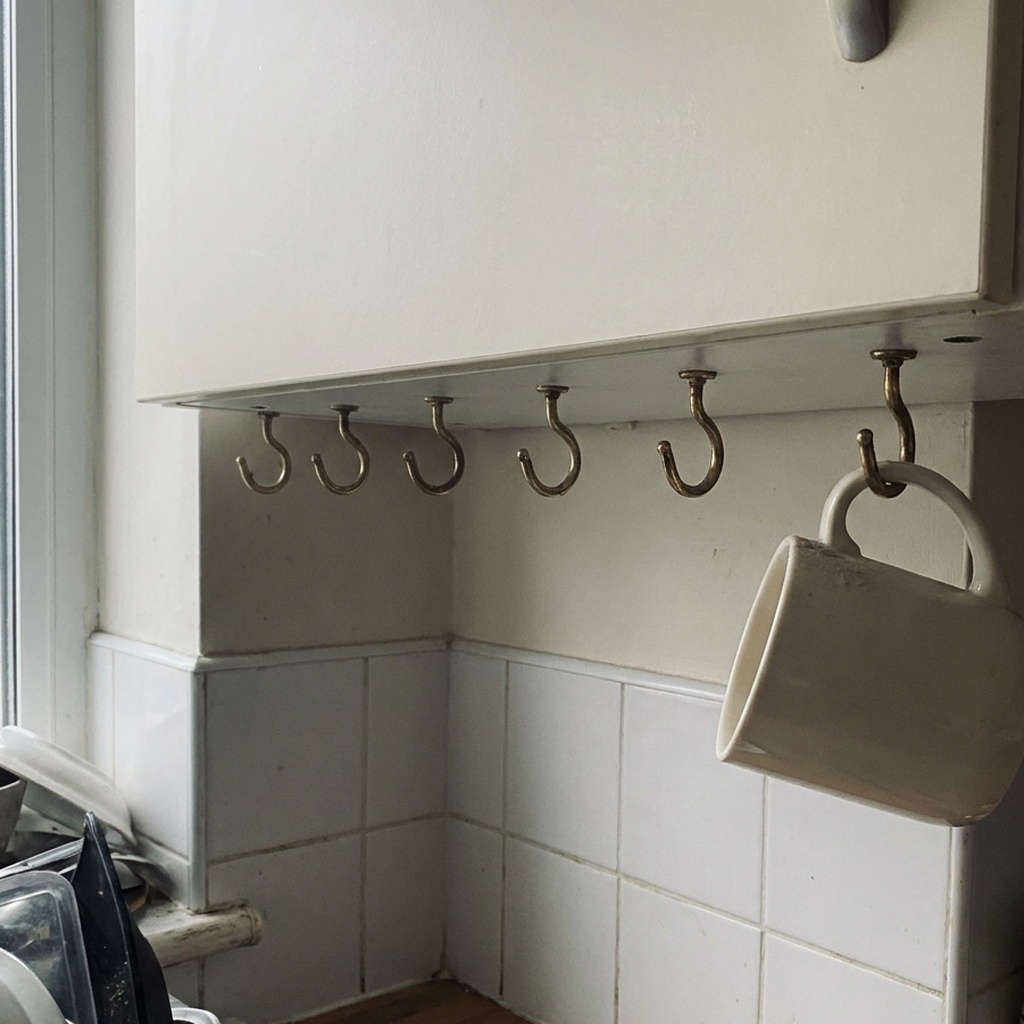
Running for 4 days since November 24, 2026. Crush last saw it on November 28, 2026.
Run by Brian Foster on Facebook. Crush is not the advertiser and does not verify its claims. See this ad in Meta's Ad Library(opens in a new tab)
Make your own version of this ad
Crush makes it, launches it in your own Meta ad account, scales the winners and pauses the losers.
About this ad
- Meta Ad Library ID
- 1744779274094175
- Platforms
- Facebook, Instagram, Audience Network, WhatsApp and Threads
- Relaunches
- 0
Ad text
My wife was treated for too much stomach acid for seven years and ten months, by every doctor who ever saw her. Omeprazole every morning to switch it off. A diet sheet with every acid food crossed out. Gaviscon in her handbag to mop up whatever was left. Pauline never had too much acid. She had too little. She died of oesophageal cancer on 23 January 2025 at 4:12 AM. She was 69 years old. Every letter from the hospital said "well controlled". In a terrible way they were right. The acid was controlled. It was switched almost all the way off, and the acid was the one thing keeping her food from coming back up. The NHS never sent a bill. The hospital car park did. £318 over eleven weeks. The funeral was £5,960. Her last box of lansoprazole is still on the windowsill above the sink, next to the Gaviscon. Nine tablets left in the strip. I can't bin it. Binning it means admitting what it was doing to her. I need to tell you what happened to my Pauline. Because every week I see women like her posting on Facebook, "I will try anything to get off Omeprozole which I’ve been on for 10 years and have tried four times to get off", and it makes me physically ill. If you're a woman over 50 on omeprazole, lansoprazole or pantoprazole, or you love someone who is, please read this entire thing. Especially if a doctor has told you that you make too much acid. It's long, and you've got things to do. Stay with me anyway. The part that would have saved her is near the end, and in seven years nobody told us a word of it. Two years ago I'd have given anything.. everything.. for someone to tell me what I'm about to tell you.. Pauline went to see the GP on 14 March 2017 about a cough that wouldn't clear. She felt fine otherwise. She'd just turned 61. She still sang alto in the church choir every Wednesday and kept the tidiest allotment on the Bramley Road site. She'd never smoked, she cooked everything from scratch, and her mum was 91 and still doing the Telegraph crossword in pen. There was one other thing, and she only mentioned it because I made her. After a meal, the food just sat there. A heavy feeling high up under her ribs, like a stone, for hours. She burped through every evening and blamed it on eating too fast. The GP listened to her chest for about a minute. "It's your stomach, not your chest. You're making too much acid." She sent Pauline for a camera at the Royal. Two weeks later the letter came. Mild inflammation at the bottom of the gullet. Grade A oesophagitis. A small hiatus hernia. The GP rang with the plan. "Too much acid, Pauline. Very common in women your age. Omeprazole, 20 milligrams, half an hour before breakfast, to turn it down. Cut out the acid foods: coffee, wine, tomatoes, chocolate. Nothing after six. Raise the head of the bed. We'll review you in six months." Pauline asked about the heavy feeling after meals. "That's the acid too." Nobody tested her acid. Not that day and not in the seven years after. Every person who looked at Pauline started from the same idea and never once checked it. The pharmacist at Boots, handing over the first box: "Too much acid, love. Half the women on my list have it." The leaflet in the box, with a little cartoon of a stomach on fire. The diet sheet the practice nurse printed off, two columns headed "Acid foods to avoid" and "Safe foods", with coffee at the top of the wrong column. So Pauline did what every one of them said. The cafetière she'd had since we were married went in the cupboard over the fridge. The Colombian beans from the farm shop went to our neighbour. The Rioja we'd brought back from Logroño went to Maureen. The tinned tomatoes, the passata and the Bournville she kept behind the porridge oats all went in a bag for the church food bank. At Sheila's 70th in the garden at the Swan, everyone had a flat white and Pauline sat with a cup of hot water. At our 40th anniversary dinner she sent her glass of fizz back. Then the Sunday roasts at Maureen's stopped, to Maureen's for Sunday roast because the gravy had red wine in it and she wouldn't risk the acid. The bed went up on two bricks and she slept on a foam wedge. Tea was at quarter past five, summer and winter. She chewed Rennies like Polo mints, to neutralise the acid, and kept Gaviscon in her handbag, in the glovebox and on the bedside table, to hold the acid down. Every morning, the tablet, to switch the acid off. Three products and a diet sheet, all pointed at the same enemy. And the stone under her ribs never moved. The first review letter came on 19 September 2017. "Symptoms well controlled on PPI." The cough was still there. Six months of doing everything right and the cough hadn't moved. Most nights she woke at three with a sour taste and sat on the edge of the bed until it went. The GP said, "Reflux settles slowly. Give it time. Keep taking the omeprazole. Keep doing what you're doing." So she did. June 2019: omeprazole doubled to 40 milligrams. "Well controlled." May 2021: switched to lansoprazole, 30 milligrams twice a day. "Well controlled." 2022: B12 injections every twelve weeks. A bone scan that came back osteopenia. Three courses of antibiotics for a chest infection that wouldn't shift. Nobody connected any of it. November 2023: a camera for the swallowing. Barrett's oesophagus. Four centimetres of salmon-pink lining where it should have been pale. She had progressed. October 2024, the surveillance camera: low-grade dysplasia. Pauline came home that afternoon and sat at the kitchen table. The same table she'd sat at after the first phone call. She didn't say anything for a long time. Then she said: "Brian, I gave up everything. The coffee. The wine. The Sunday roasts. Seven years of plain fish and hot water and sleeping propped up like a hospital patient. And it's getting worse." I told her to give it more time. I told her the consultant said Barrett's moves slowly. I told her to trust the tablets. She nodded. Pauline kept taking the lansoprazole. She kept eating at quarter past five. She kept sleeping on the wedge. Five days later. five days.. she woke up at 2 AM unable to swallow her own spit. I drove her to A&E. By the time they saw her at 4:30 AM, she'd brought up blood twice into a cardboard bowl. Not "a bit pink." Blood. Dark. Like the dregs of a coffee pot. Like the one thing she'd given up had come back to mock her. The registrar, a young lad, couldn't have been 35, sent her straight for a camera, and when he came back his face did this thing. "Mrs Foster, there's a tumour at the bottom of your oesophagus. It's where the Barrett's was. We need to get you to the surgeons." "But I've taken the tablet every morning for seven years," Pauline said. The registrar just looked at her. "I know, Mrs Foster. I'm so sorry." They operated on 14 January. An oesophagectomy. Eight hours on the table. Then Pauline spent 9 days in critical care. I learned things about the oesophagus I never wanted to know. I learned that to take the cancer out, they remove most of your food pipe and pull your stomach up into your chest to replace it. There's no valve left after that. If you come through it, you eat six tiny meals a day sitting bolt upright and you never lie flat again. On day 4, in the haze of the morphine, Pauline asked me three times in twenty minutes if I'd made her coffee yet. She hadn't had a coffee in seven years. She didn't know that. She didn't know where she was. I learned something else from the night nurse, a Scottish woman called Fiona, who sat with me at 3 AM on day 5. She said the tablets turn the acid down. They don't stop anything coming up. She said what had been coming up into Pauline's gullet all those years was too weak to burn, so nobody felt it. She said half the people she'd nursed through that operation had letters at home that said "well controlled". Nobody had ever told us. Day 6, the join between her stomach and what was left of her gullet started leaking. They took her back to theatre. Then they talked about her not being strong enough for another operation. Then they stopped talking about operations altogether. Day 7, her lungs filled with fluid. They put a drain in her side and took off a litre and a half. One and a half litres. The nurse called it a pleural effusion. I rang our daughter. Day 9.. 23 January, I was in the relatives' room down the corridor. They'd asked me to step out. At 4:03 AM I heard the long tone down the corridor. 4:12 AM. A doctor I'd never seen walked into the relatives' room. I knew. "Mr Foster. I'm so sorry. We did everything we could." I drove home at 6:30 AM. The wedge was still on the bed. Her slippers by the back door. The box of lansoprazole on the windowsill above the sink, right next to the Gaviscon and the tin of slippery elm tea she made every night at nine. Her coffee cup, the blue one with the chip on the handle, the one she'd had since before we were married, the one she stopped reaching for in March 2017, was still on the hook above the kettle. Where it hangs today. I sat in her chair. I didn't move for seven hours. The house was so quiet I could hear the fridge hum. 46 years. And the loudest thing in my house was a fridge. The funeral was 6 February. Maureen came down from Aberdeen. Our daughter came up from Bristol with the girls. Our son drove down from Leeds. The girls wore black tights that were too big for them. My five-year-old granddaughter asked me: "Grandad, when is Nanna coming home?" I told her Nanna was in heaven now. She said: "Can we ring her there?" I had to walk out of the room. After the funeral, I tried to go back to normal. I couldn't. Because every time I opened Facebook I saw women Pauline's age posting things like "Omeprozole not working despite doubling the dose." or "I'm not getting relief any more and feeling acid in my throat". And I knew.. I KNEW some of them were being treated exactly the way Pauline was. Told it was too much acid. Put on a higher dose, then a stricter diet sheet, chewing Rennies like sweets in between, with a letter in the bureau that says well controlled. Heading for the same corridor I sat in. I wasn't going to sit there and watch it happen. So I started researching. Not because I wanted to. Because Pauline spent seven years and ten months being treated for the wrong thing, and if I don't save even one woman from the same mistake, I can't live with that. I read for weeks. PubMed papers I had to read three times to understand. Reflux forums where women described Pauline's exact path. And what Fiona told me at 3 AM on day 5 kept turning up, paper after paper, in plainer words than any doctor ever used with us. Pauline's acid was never too high. That was the mistake underneath every other mistake. At the bottom of your food pipe there's a ring of muscle. The lower oesophageal sphincter. Forget the name. Think of it as a door. It swings open to let food down and pulls shut so nothing comes back up. Here's what shuts it. Acid. After 50, the stomach makes less acid every year, and it falls faster in women. Pauline was 61 the day the GP told her she had too much. She'd been running low for years by then. Acid is the signal that tells the door to close. Strong acid, tight door. Weak acid, and the door drifts open. And when the acid runs low, food that should leave the stomach in an hour sits there for three, fermenting. That was the stone under her ribs. Fermenting makes gas, which is why she burped through every evening. Gas makes pressure, and pressure pushes everything in there up through the open door. Doctors have a name for it. Low acid reflux. Almost nobody over 50 has ever been tested for it. Pauline never was. Read that again. Now look at what seven years of treatment did to a woman with too little acid. The tablet switched off most of what she had left. Less acid meant even less signal reaching the door, so it hung wider open than ever. Dinner still sat there fermenting and pushing up, only now what came up was too weak to burn. Taking the battery out of the smoke alarm. The fire's still burning. You just can't smell it. That's why the letters said well controlled. It's also why the dose kept climbing. In 2009 the journal Gastroenterology published a study by Reimer and colleagues. 120 healthy volunteers who had never had reflux in their lives took a PPI for 8 weeks, then stopped. 44 per cent of them got reflux symptoms they'd never had before. The body builds extra acid machinery to fight the tablet, so every attempt to come off it feels like proof she needed it. And the acid it switched off had other jobs. It's how you pull B12, magnesium and calcium out of your food. It's the barrier that kills the bugs you swallow. There were the B12 injections, the bone scan and the chest infection that took three courses of antibiotics. Every one of them was what a stomach short of acid looks like. The Rennies neutralised acid she didn't have, the Gaviscon held down acid that wasn't there, and the diet sheet kept acid foods out while her own stomach was the thing running dry. Every camera she ever had examined the wall. Nobody examined the door. Seven years and ten months of treatment for too much acid, given to a woman who had too little. I sat with that for three days. And then I started looking at what I'd been doing. I'd thrown out Pauline's slippery elm tea the week after the funeral. But I'd bought a big bottle of Gaviscon Advance for myself. Because I'm 71. Because I've been on lansoprazole since 2019 and my last review said "well controlled" too. Because I was terrified. I took it every night for a month. My GP, a different one to Pauline's, a woman I'd trusted since she sorted my knee, was blunt when I told her. "Gaviscon sits on top of the stomach like a raft. It holds things down for an hour or two. It does nothing for the door." Then she said something I'll never forget. "If Pauline had been on something that gave that muscle its signal back, her story would have been very different. It's still a muscle, Brian. Even after years. It's missing its signal, that's all." I stopped breathing for a second. "Why didn't her GP prescribe that?" She was quiet for a long time. "Because we don't prescribe supplements. Nobody can patent fermented tea, so nobody pays for the trials that would put it on my desk. And the version that works isn't a prescription." "The version that works." I didn't understand what she meant by that until I'd wasted most of a summer finding out. I went to Boots the next day. I stood in that aisle for forty-five minutes, and once you know what I knew by then, the aisle looks different. Gaviscon Advance. Rennie. Peptac. Three shelves of products built to neutralise, block or hold down acid. For a woman like Pauline, every one of them treats a problem she never had. At the far end, one small shelf for a stomach running short. Apple cider vinegar gummies. Probiotic capsules from the chiller. Slippery elm tea. A purple tub of chewable "digestive comfort" tablets, £7.49, no amounts on the label. I bought the probiotic capsules. Took them for three weeks. Still woke at three with the taste. Nothing. I started digging again, and this time I learned the word that explains every failure on that shelf. Form. A chemist probiotic is a live culture that dies in the first inch of your stomach. The acid kills it long before it reaches the food that's fermenting. And it needs the fridge, so half of it is dead before you've opened the box. Right idea, wrong form, and it never arrives. The vinegar gives a flicker of signal with nothing to release the pressure building underneath. The slippery elm tea, drunk on its own at nine at night, coats a lining that's still being scraped every time the door swings open. They're selling you a third of the job, in a form that never gets there. I was furious. I'm still furious. I also found that closing the door is three jobs, and all three have to happen at once. Restore. Release. Repair. Restore the acid signal, so the door gets the message to shut. Release the pressure, by finishing the digestion that was fermenting. Repair the lining, so it heals while the door relearns its job. None of it is new. Fermented tea has been taken for the stomach for 2,000 years. Slippery elm bark was listed as an official medicine in the pharmacopoeia from 1820 to 1960. The ingredients were never the secret. Fermented kombucha already carries the acids that give the door its signal: acetic, lactic and gluconic. The question nobody in the chemist asks is what form those acids arrive in, and whether the probiotic beside them is alive when it reaches the food. About two weeks later I was up at 1 AM on a reflux forum, the same one I'd been reading since Pauline died, and a woman posted something that stopped me cold. She said her husband had been on omeprazole for twelve years. Barrett's at 63. Every letter said well controlled. His dose had doubled twice, sound familiar? And then he found a gummy that did all three jobs in one mouthful: fermented kombucha powder for the signal, a spore probiotic that survives the acid for the pressure, slippery elm for the lining. His GP halved his omeprazole at week ten. At his next scope the inflammation had gone and the Barrett's hadn't moved a millimetre. Without changing anything else. I read that post four times. A gummy. Powder, a spore, the elm bark, one mouthful. The same three things I'd been reading about, in a form built to get there. I went back to the shops the next day to see what else was out there. I found three things on the shelves and bought all of them. The first was a bottle of kombucha from the Tesco chiller. The right acids, in the worst form for a stomach like Pauline's. Pasteurised for a twelve-month use-by, so the cultures were dead. Nine grams of sugar, feeding the very fermenting that makes the gas. And fizzy, which means pouring more gas into a stomach whose whole problem is gas pushing up through an open door. I lasted four days. The bloating woke me at 3 AM on the third night. I stopped. The second was a probiotic from the health food shop that had to live in the fridge. Billions of bacteria the acid would kill in the first inch. Into the bin. The third was a "reflux support" gummy with a "proprietary blend" on the label, which I now knew meant they can put anything in there at any dose and I'd never know. That one went in the bin too. So I wrote down what the right form had to be. The kombucha acids dried to a powder at a proper dose, with no fizz and barely any sugar. A spore strain, because a spore carries its own shell through the acid that kills a fridge culture. The elm bark in the same mouthful, so the lining heals while the door relearns. And all of it in something that sits in a cupboard, because anything that needs a fridge is already dying. I went through every brand I found online. Most brands sold them separately, kombucha here, a probiotic there, slippery elm somewhere else, every one in the wrong form. The few that combined anything hid the amounts. I was running out of options. I typed one last search into Google at 11pm. "probiotic for reflux that actually works over 50" The first result was a Reddit thread. The title stopped me. "Eleven years on omeprazole, three failed probiotics, and the thing that finally let me sleep flat. Here's exactly what I was doing wrong." 1,870 upvotes. 412 comments. I had never been on Reddit in my life. I read every single comment. Women in their fifties and sixties posting their GP letters. Doses halved. Wedges up in the loft. A woman whose consultant had used the word Barrett's a year earlier posting her surveillance report with the word "settled" on it. The thread kept coming back to the same three things. The kombucha had to be fermented powder at a real dose. Not the fizzy drink, which was why everyone had given up on it, the bloating, the burping, the sugar. It had to be a spore strain, because the fridge probiotics died in the first inch. And the slippery elm had to be in the same mouthful. Not separate. Together. Because all three jobs were failing and doing one without the others was a third of a fix. One commenter had posted a direct link to what she was using. That's when I found Aviron Probiotic Kombucha Gummies. Restore: fermented kombucha powder, 100 milligrams, with dandelion root, 25 milligrams. Release: Bacillus coagulans, 16 milligrams, a spore strain at 1.6 billion CFU, with a Lactobacillus plantarum postbiotic, 50 milligrams. Repair: slippery elm, 25 milligrams. Two grams of sugar. Two grams of fibre. One gummy with breakfast. Lives in a pouch in the cupboard. No proprietary blends. Every amount printed on the label. That's two grams of sugar against the Tesco bottle's nine, and a spore that survives the acid that killed the chemist capsules in the first inch. Nothing fizzy and nothing in the fridge. Every mistake on those shelves, fixed by the form. I almost didn't order it. After the Boots aisle. After the probiotics. After Pauline. After everything. But Pauline's sister Maureen was on omeprazole 20 milligrams twice a day, with a hiatus hernia and a consultant who'd told her she'd be "on those pills for life". She still had her two cups of coffee every morning. She wasn't ready to give up her mornings the way Pauline had. My daughter had just been told her throat clearing was "probably hay fever". And I had my own letter saying well controlled sitting in the bureau. I ordered it. Maureen first. Nine years of being told she made too much acid. Twenty milligrams twice a day. Waking at three anyway. I posted her a pouch and a note that said "If you don't take this every day I will never speak to you again, Maureen, I mean it." She took it. One gummy every morning with her breakfast, her two cups of coffee alongside, and her omeprazole as usual. The first thing she noticed was her breakfast. By the second week it went down and stayed down. The heavy lump she'd carried under her ribs every morning for nine years, the same stone Pauline used to describe, was gone by ten o'clock. Five weeks in, she'd stopped burping through Coronation Street. Last month she went back to her GP for her review. Omeprazole: halved. Down from 40 milligrams a day to 20. In ten weeks. She hadn't given up her coffee. She hadn't moved her tea time. She hadn't put the bed up on bricks. The only thing she'd changed was what she took with breakfast. Then the phone rang. Maureen. 67 years old. Crying down the phone like a little girl. She said: "Brian. Nine years they've told me I make too much acid. Nine years of tablets to get rid of the one thing I was short of. I slept flat on Saturday, right through to seven. I think Pauline died because nobody ever asked her the right question." I had to put the phone down. Then there was me. I started mine the same week I posted Maureen's. I'm 71, I've been on lansoprazole since 2019, and I'd been waking with the same sour taste at three in the morning that Pauline used to get. The first change was my tea. I'd eat at seven and by the time I went up at half ten it was gone. No stone under the ribs and no belt to loosen. For the first time in years I woke up hungry for breakfast. By week three the taste at three in the morning had stopped. I slept through to six and woke up confused about why. At week six I took Pauline's foam wedge off our bed and carried it up to the loft. That was the hardest thing I've done since February last year. I slept flat that night. Nothing came up. I'm still taking my lansoprazole, the way the guarantee says to. My GP has me down to look at the dose in January. And for the first time, I believe my own body agrees with the letter that says well controlled. My daughter started in September. The throat clearing on the school run is gone. I told Pauline's friends from choir. I told her sister. I told every woman I know who mentioned her omeprazole in passing the way Pauline used to before she knew what it meant. I'm not a doctor. I'm not a scientist. I'm not selling anything and I don't get one penny from any of this. Just a 71-year-old widower sitting in my dead wife's chair at 2 in the morning because I can't sleep and I can't stop thinking about Maureen and my daughter and the women on Facebook asking what else they can try. Here's what I know because I lived it. Pauline was treated for too much acid for seven years and ten months. She had too little. Every tablet, every diet sheet and every Rennie pointed the wrong way. Switching off a signal that's already fading leaves the door hanging wider open. The letters call that well controlled. Gaviscon and Rennie neutralise acid you're short of. Fizzy kombucha brings the right acids with sugar and gas. A chemist probiotic dies in the first inch. The right idea in the wrong form does nothing. I wish one person had asked one question on 14 March 2017. Is her acid too high, or too low? In seven years and ten months, nobody asked it. I can't go back. Pauline can't come back. Her coffee cup is still on the hook and it's going to stay there. But you can still go forward. It isn't too late. The door is still a muscle, and a muscle that's only missing its signal can get it back. That goes for your wife, your sister and you. Aviron Probiotic Kombucha Gummies. Fermented kombucha and dandelion to restore the signal. A spore probiotic and a postbiotic to release the pressure. Slippery elm to repair the lining. One gummy with breakfast. Every amount printed. No proprietary blends. 90-day money-back guarantee. Take one every morning for the full 90 days and keep taking your tablet, the way Maureen did. If your mornings and your nights aren't different, every penny back. No questions asked. Pauline used to say: "You can't change what's already happened. But you can change what happens next." You can change what happens next. https://www.theaviron.com/products/kombucha Brian Foster, 71 P.S. Her coffee cup is still on the hook. I still can't move it. Every morning I walk past it and for one second I forget. For one second I think she's about to come downstairs and ask me what we're having for tea tonight. She's not. £318 in hospital car parking. £5,960 for the funeral. Seven years and ten months of her giving up the one cup of coffee in the morning that was entirely hers. And a gummy that costs less a day than a cup of coffee at the Swan, a gummy that gives the door exactly what Fiona told me the tablets had been taking away. Please. Don't end up here. Don't let someone you love end up here. https://www.theaviron.com/products/kombucha P.P.S. I don't work for Aviron. I don't get a penny from this. I'm writing this at 2:41 AM because I can't sleep and Pauline's side of the bed is cold and Maureen is 67 and I ring her every Sunday because I'm terrified every time my phone goes. Share this with any woman you love who takes omeprazole or lansoprazole. Even if it's only the one tablet. Even if her letters say well controlled. Especially then. Please.
Where the ad sends people
theaviron.com
Read this if you have acid reflux
AVIRON
Learn more: theaviron.com(opens in a new tab)