The Blessed Bee
The Blessed Bee Facebook ad: “**Four ways to celebrate Lughnasadh**”
Ran for 11 days, from July 18 to July 28, 2026, the last day Crush saw it.
Run by The Blessed Bee on Facebook. Crush is not the advertiser and does not verify its claims. See this ad in Meta's Ad Library(opens in a new tab)
Want an ad like this for your product?
Crush makes new ad images for your product from this ad: your logo, your product photo, your offer.
Trials from $19.95 USD, then $79.95 USD a month. Cancel anytime.
About this ad
- Meta Ad Library ID
- 1746539226589049
- Platforms
- Relaunches
- 1
Ad text
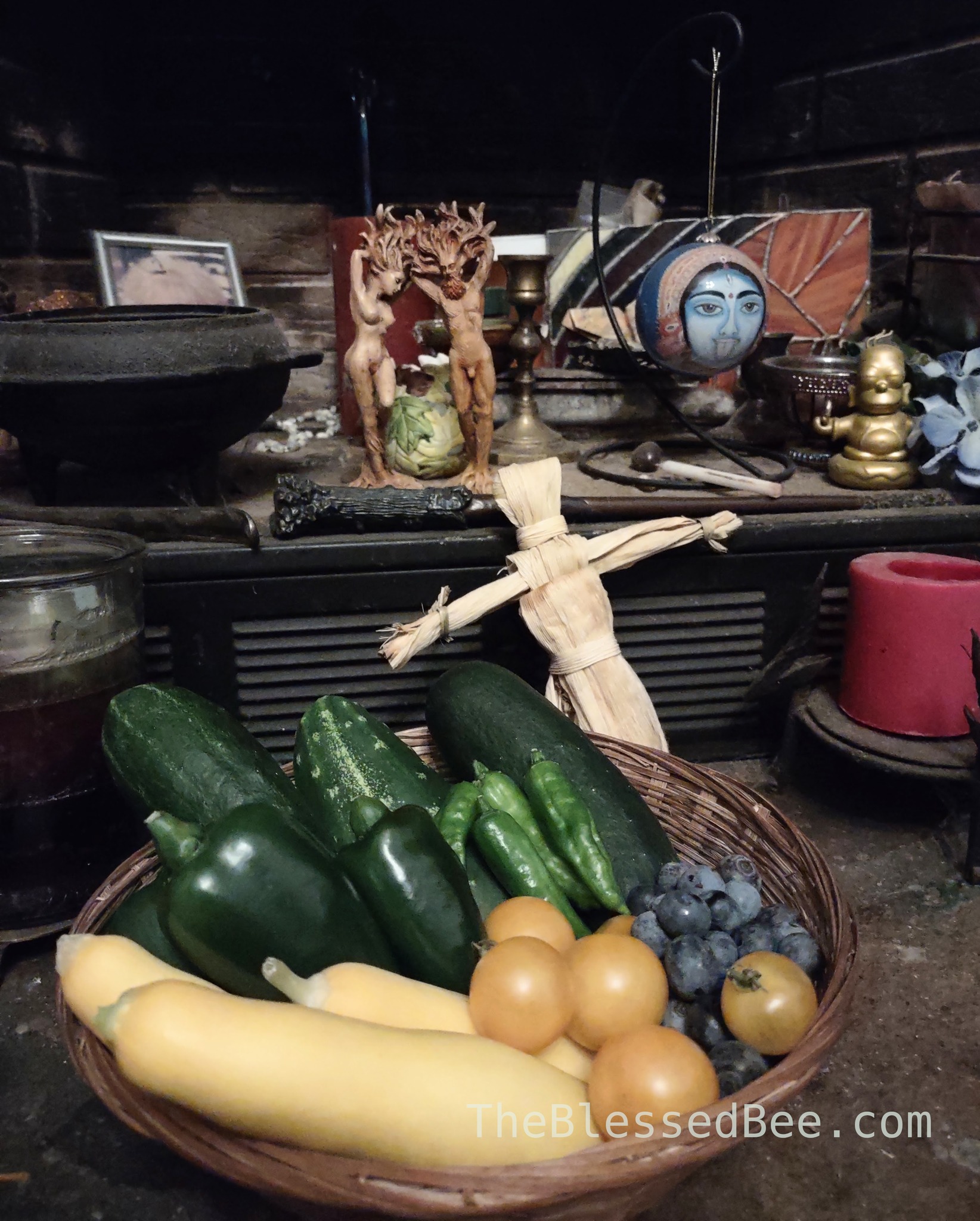
**Four ways to celebrate Lughnasadh** Lughnasadh marks the end of the growing season and the start of the harvest season. Lughnasadh, sometimes called Lammas, is the first of the three harvest sabbats. It is usually celebrated sometime between July 31 and August 6, depending upon your tradition. It’s a time to reflect on plans and goals you planted at spring and assess your harvest. It’s time for gratitude and appreciation for the positive things in your life like: success, prosperity, people, health, literal harvests from your garden, accomplishments, the new sofa, or whatever it is that fills you with joy and happiness. As our harvest season begins, may your harvest be rich and plentiful, may your bounty increase with each day, and may you be surrounded by the people and things you love. Blessed be. -Lady A TheBlessedBee.com Scroll down for four ways to celebrate the sabbat. To dive down deeper, Google: John Barleycorn folklore lughnasadh traditions amazing corn dollies If you find this useful, please like this post and follow us: https://www.facebook.com/theblessedbeepaganstore/ I encourage you to altar these to suit your practice, needs, and aesthetics. The more you customize them, the more impactful they become. **Create a Harvest Altar** Decorate your altar with meaningful items and symbols of the season, such as: • Fresh bread or homemade rolls • Wheat, oats, or barley • Sunflowers or golden flowers • Seasonal fruits and vegetables • Items in gold, yellow, orange, or deep green • A small sickle, athame, or harvest representation • Honey, mead, or apple cider • or anything else that represents the First Harvest for you. **Gratitude and Harvest Blessing** Ground and Center. Light a candle if you care to. Good colors to use are yellow, orange, dark green, brown, gold, or white. Light some incense if you care to. Good scents to use are apple, cinnamon, or earthly scents. On a small piece of paper or parchment: Write down 3 accomplishments you made this year; the names of 3 people, or beings who have been instrumental to you in some way; and 3 ways or things that you have been blessed with. Meditate on what you have written down. How are they intertwined. Say silently or out loud: As the first harvest is gathered, So too do I gather the blessings of my labor. May what I have planted continue to grow. May what I have harvested nourish body, mind, and spirit. With gratitude to the Earth, to the Sun, to the Turning Wheel, and to Divinity whom ties it together. So mote it be. **Bread Ritual** Lughnasadh celebrates First Harvest, which marks the first grain harvest of the year; historically a necessity for survival through the winter. The baking of bread can be used as a meditation of the season. Sharing bread represents gratitude, friends and community, and nature providing our daily nourishment. Bake some bread. If you’re creative and care to, mold it into a wheat or corn design, or shape it into a Harvest King. Use the bread as a centerpiece on your altar or for Cakes & Ale. Light candles and incense as desired. Ground and Center. Pick up the bread and contemplate: What seeds did I plant this year? Which efforts have begun to bear fruit? What have I learned through those efforts? Break off two small pieces of the bread. Eat one piece while silently giving thanks for those things and people you are grateful for. Take the other piece and place it outside on the ground as an offering. Use the remainder of the bread for your sabbat feast. **Make a Corn Dolly** The Corn Dolly is a token of gratitude to the earth and a symbol of fertility and rebirth. Historically it was made from the last stalks of corn and and grain and kept inside throughout the winter. In spring it was ploughed into the first furrows of the new season in the hopes for prosperous new crop. There are many ways to do this. You are limited only by your creativity. This is just one simple way to make your Corn Dolly Use corn husks, wheat stalks, grasses, or anything similar and pliable. Soak them in warm water for an hour or so to soften them up and make them easier to work with. Take a length of your material and gently fold it in half. Tie it with string a bit down from the fold to make the head. Take another bit of your material, shorter than the length from the top of the head to the bottom of the material. Roll it up or gather it and tie each end with string. This will make the arms. Slide the arms between the layers beneath the head and tie it off at the bottom. Fluff out the bottom to make a skirt, or separate the remaining material under the arms into two legs tying each one at the bottom. Put it on your altar as a talisman for health and prosperity. If you care to, symbolically return it to the earth in spring to complete the cycle. #witchylife #wheeloftheyear #witchesoffacebook #sacredspace #witchlife #PaganLife #spellwork #witchcraftsupplies #witchcraftjewelry #paganjewelry #witchyways #witchyjewelry #witchyshop #witchsupplies #wiccanrituals #TheBlessedBee