
Active· since May 18, 2026
- 120
- days running
- 1
- relaunches
Ad copy
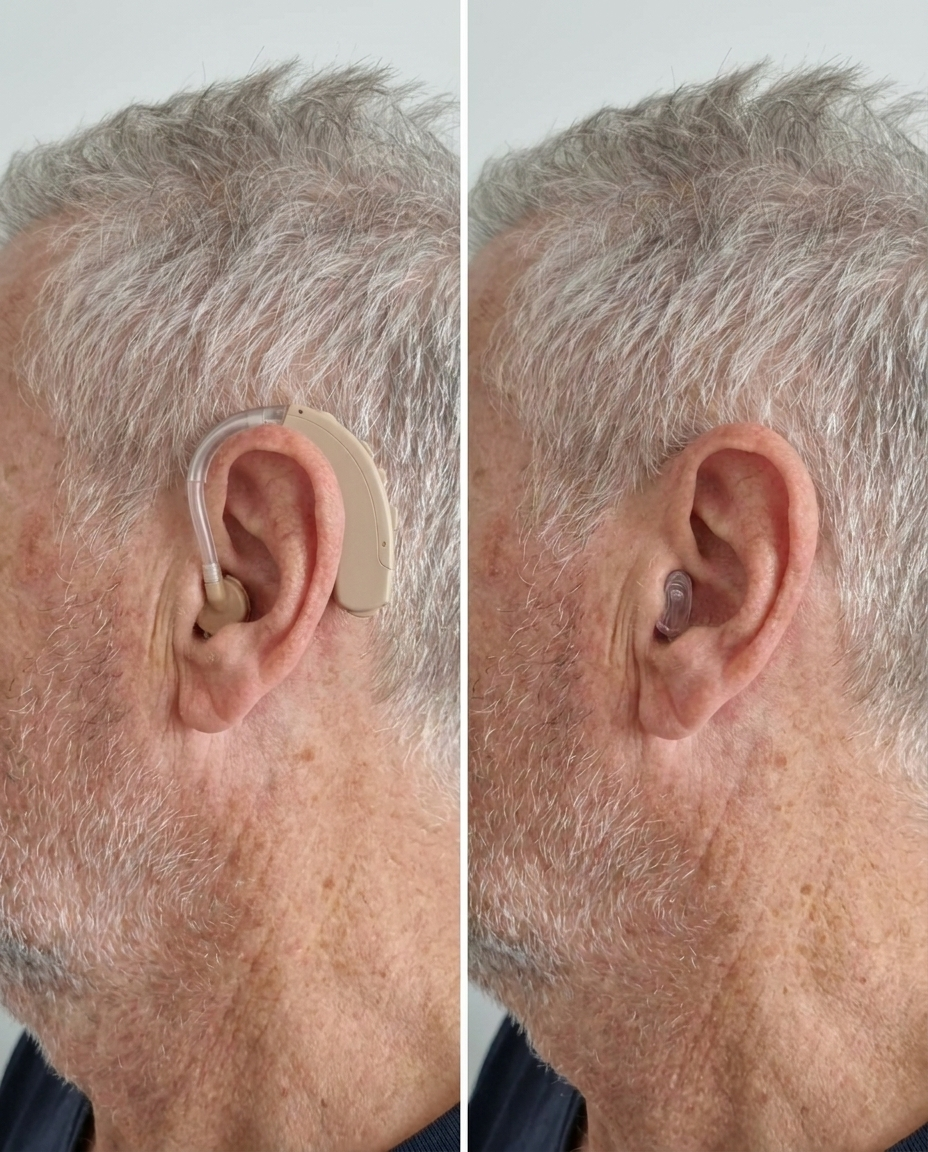
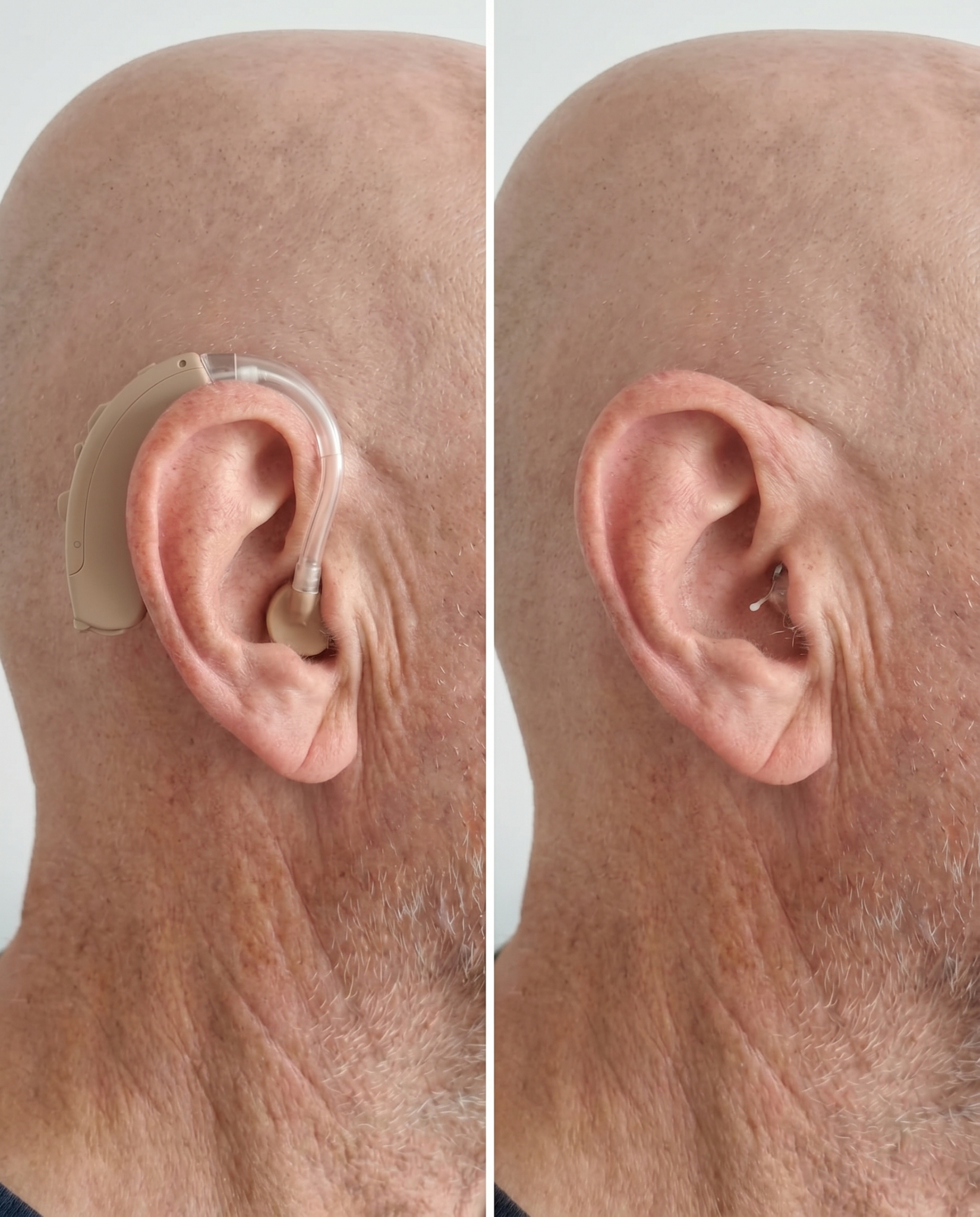
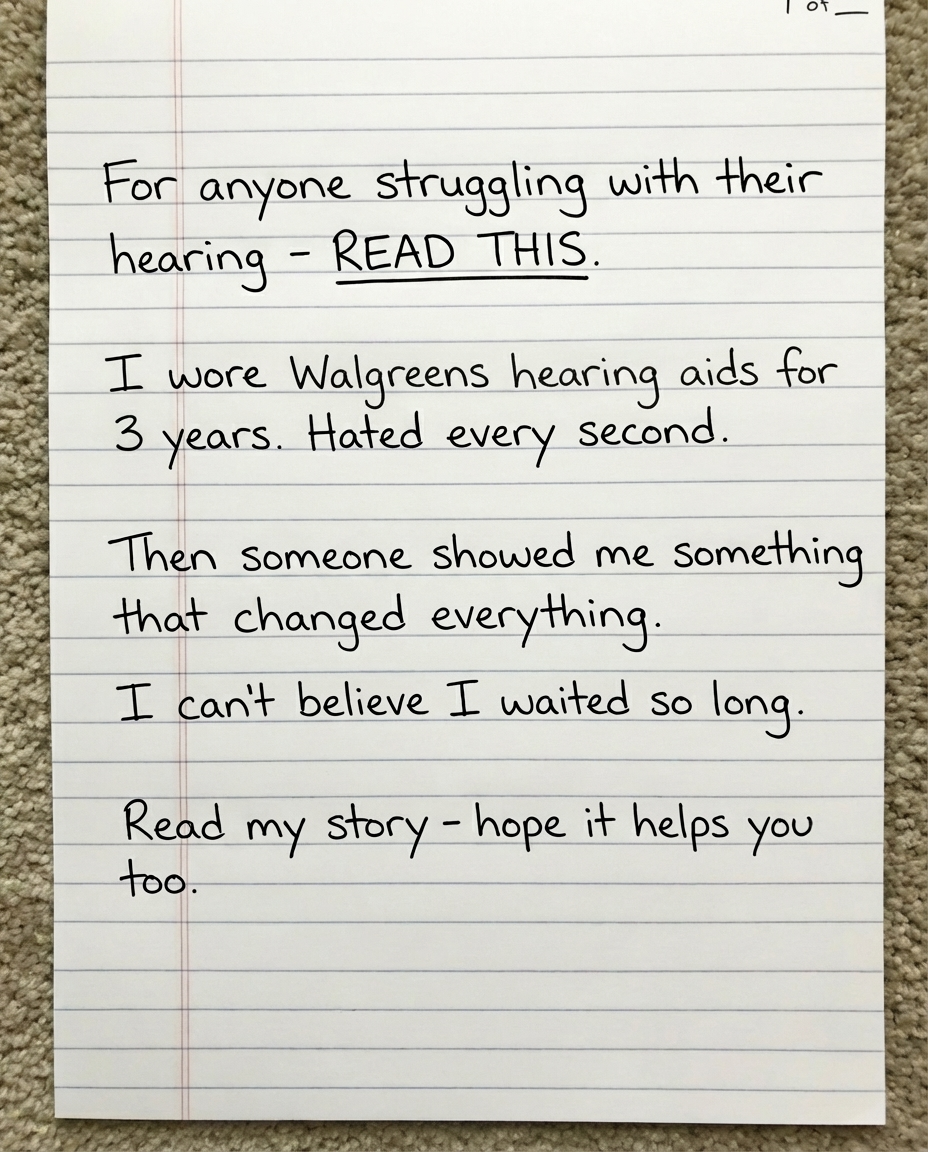
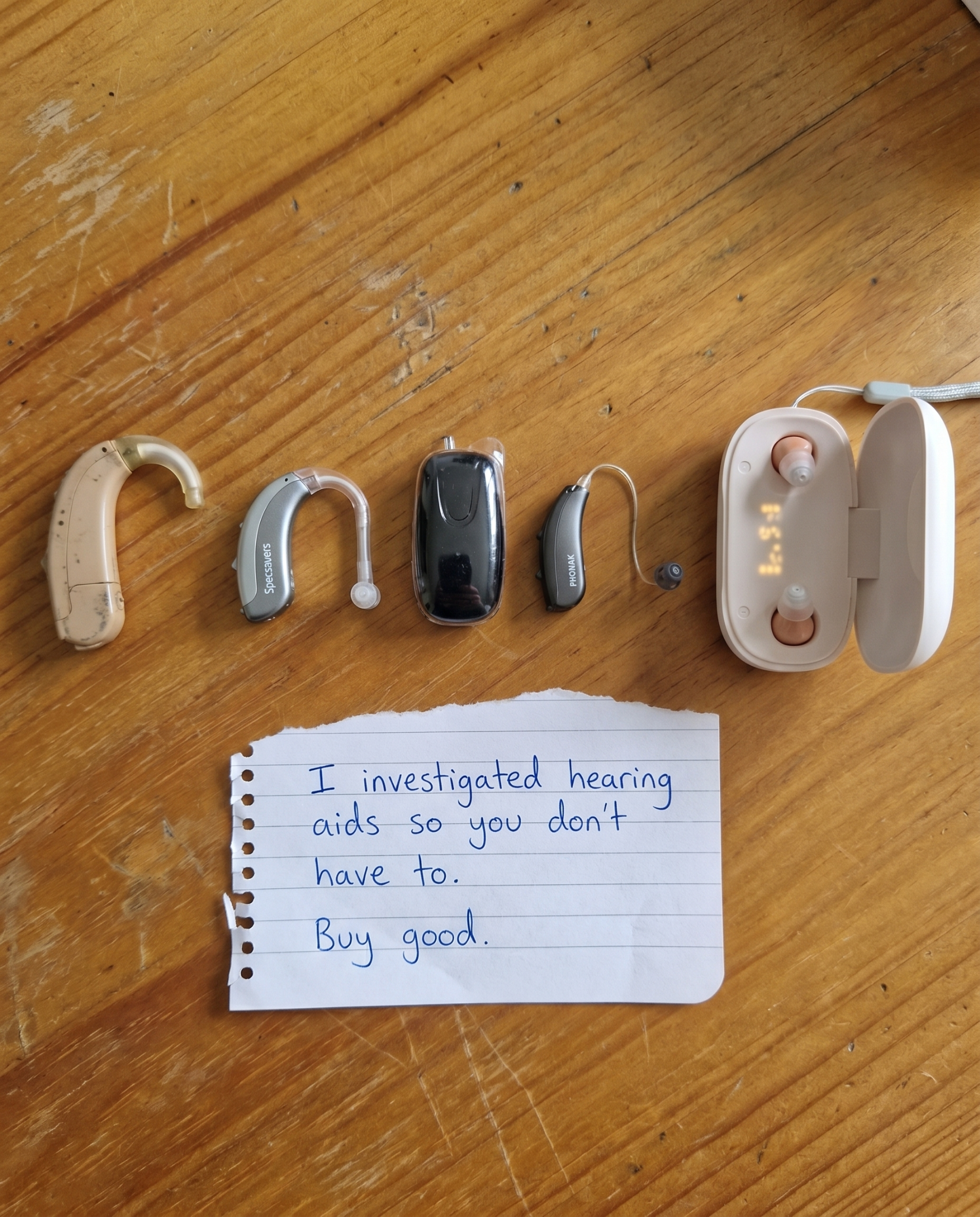
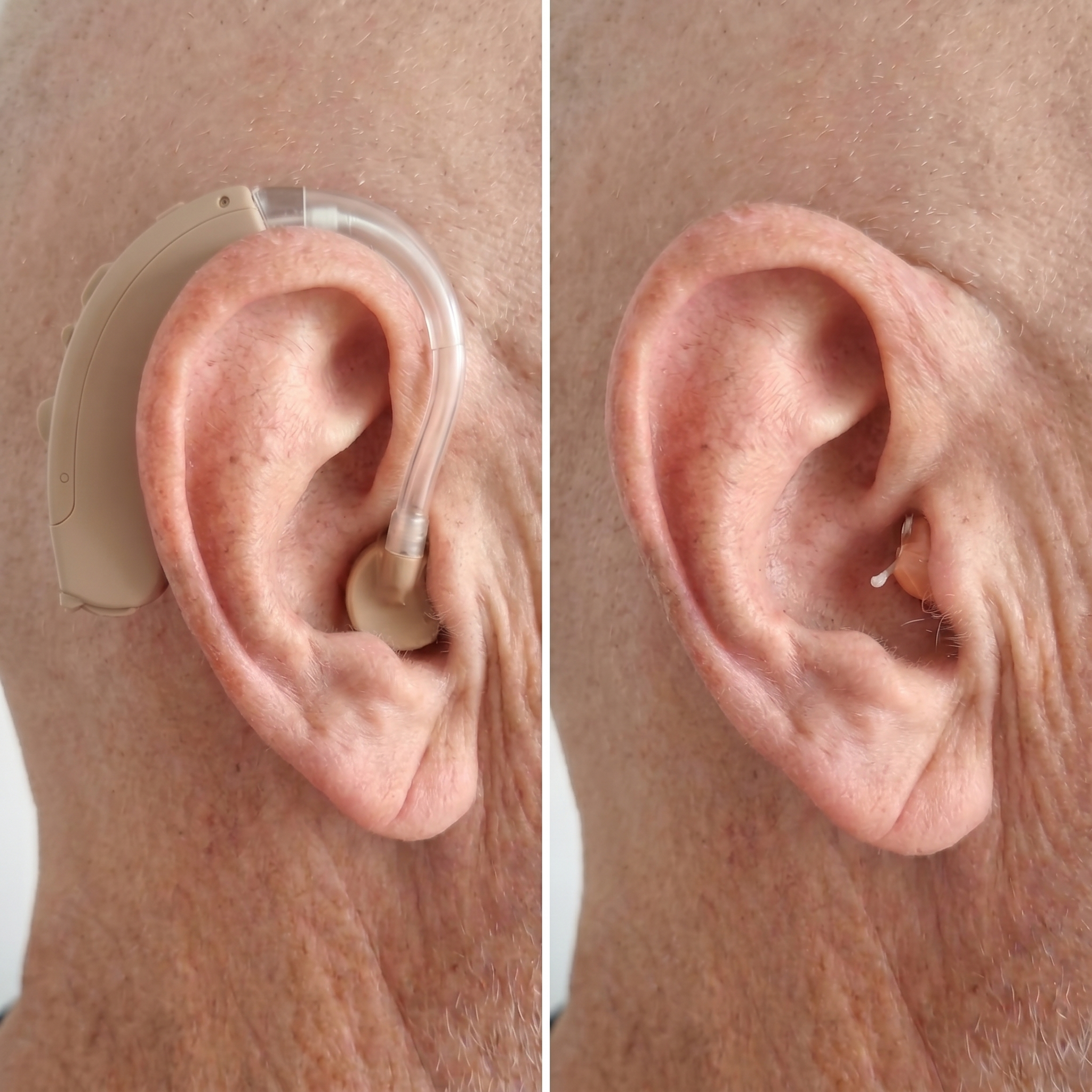
In Britain there is no law stopping hearing aid companies charging whatever they want. Boots knows this. Specsavers knows this. They've been doing it to pensioners for decades. I found out last Tuesday. I am genuinely in shock. I am 72 years old and I have just discovered something the hearing aid industry has been hiding in plain sight for decades. I want to be clear about what I mean when I say hiding. Hidden by silence. Hidden by the simple fact that everyone who profits from you not knowing has no incentive to tell you. Let me show you what I found. Then you can decide what to do with it. I'm Norman. Retired civil servant from Yorkshire. Thirty-eight years working for a government department. I know how institutions work. I know how information moves — and doesn't move — when money is involved. I know the difference between something being secret and something simply never being said. What I found about the hearing aid industry is the second kind. Not a conspiracy in the dramatic sense. Just a set of facts that nobody in the supply chain is motivated to share with the person sitting in the clinic chair. The hearing had been going for about three years before I did anything about it. The pattern everyone describes. Television creeping up. People seeming to mumble. Family dinners where I was following the shape of conversations rather than the conversations themselves. GP. Referral. NHS waiting list. Fourteen months. Fourteen months. I'm 72. That is not a waiting period. That is most of another year of Sunday lunches where I smile and nod, Christmas dinners where I miss half the table, phone calls from my grandchildren that I manage rather than enjoy. I went private. Specsavers first. Professional audiologist. Thorough hearing test. Mild to moderate loss. Standard age-related pattern. Completely treatable. Then she walked me to the display cabinet. £1,995 for her recommendation. The following week I visited two more clinics independently. Hidden Hearing quoted £3,200. An independent audiologist quoted £2,800. Three different prices for what was, as far as I could tell, the same general category of device. I sat at my kitchen table with three quotations in front of me and one question I couldn't answer. Why are these so expensive? And why are they all different? I investigated for three weeks. Here is what I found. First. The component. The digital signal processing chip that does the actual work inside a hearing aid — the part that separates voices from background noise, that makes speech clear rather than just loud — is manufactured by a small number of specialist companies. The dominant supplier is a company called Knowles Corporation. They have been making hearing aid chips for over seventeen years. They supply the same components to manufacturers across the entire price spectrum. The same chip specification sits inside a £3,000 Boots hearing aid and a £149 direct-to-consumer device. I want you to read that sentence again. The same chip. The same factory. The same specification. Inside a device that costs £3,000 and a device that costs £149. I verified this by cross-referencing component specifications against published device documentation. I confirmed it by speaking directly to a former NHS audiologist during my research who had spent thirty years watching this from the inside. Second. The law. In the United Kingdom there is no legislation — not a single law, not a single regulation — that controls what a private hearing aid company can charge. None. If you visit an NHS dentist, the charges are set by a national framework. If you buy a financial product, there are conduct rules and oversight bodies. If you go to a pharmacy the prices are regulated. But if you sit in a Specsavers or Boots hearing aid consultation and are handed a quote for £2,495 or £3,995, there is no authority in this country with the power to say that number is too high. No price cap. No mandatory disclosure of what the chip inside actually costs to manufacture. No requirement to inform you that a £149 alternative exists with the same component inside. They know this. They have always known this. And they know exactly who is sitting in those chairs. People in their late sixties and seventies. People who have been on a waiting list for over a year. People who cannot follow their grandchildren's conversations anymore and are frightened enough to pay whatever it costs. People sitting in rooms that have been carefully designed — the framed certificates, the professional lighting, the authoritative manner — to make that invoice feel like a medical necessity rather than a retail transaction. Third. The audiologist who told the truth. She spent thirty years inside the industry. NHS fitting. Private practice. She watched the commission structures operate — and yes, the audiologist recommending the £3,000 device earns more commission than the one recommending the £1,200 device, which is why the expensive range always comes out of the cabinet first. She watched customers leave clinics with devices they'd paid thousands for because nobody told them about the gap between what was inside the box and what was on the invoice. When she retired, she did something the industry did not expect. She tested five hearing aid options side by side. NHS devices. Boots. Specsavers. Amazon. And a direct-to-consumer brand called Smart Hearing. Real patients. Clinical conditions. Every specification documented. Every price listed. She published the full results publicly. No brand paid for its position. The £149 device matched the £3,000 clinic devices for mild to moderate hearing loss. Same Knowles chip. Same 16-channel digital processing. Same separation of speech from background noise in the environments people find most difficult — restaurants, family dinners, phone calls, crowded rooms. She was asked why more people didn't know that a £149 device performed comparably to one costing twenty times as much. Her answer: "Because no one in the distribution chain has any incentive to tell them." There is no dramatic secret. There is just an £80 chip inside a £3,000 box and an industry built on the reasonable certainty that the pensioner sitting in the consultation chair will never find out what's inside it. You are finding out now. Fourth. The contract they don't always mention. Before I tell you about Smart Hearing I want you to look up Specsavers Hearingcare on Trustpilot. 2.3 stars. 58% one-star reviews. Read them. The pattern across the negative reviews is consistent. A three-year servicing contract not disclosed clearly at point of sale. Specsavers' own-brand Advance devices are locked to their programming equipment. No other audiologist in the country can adjust or service them. If your local branch closes — and branches do close — you are left with hearing aids that cannot be helped by anyone else. I found 47 reviews describing the same experience. Paid thousands. Device stopped working. Cannot get an appointment. Cannot go elsewhere. Locked in. This is legal. There is no law that makes them disclose it more clearly. The entire model depends on the person in the chair not reading the contract carefully enough. Now let me tell you what Smart Hearing actually is. Smart Hearing was built on a single observation. The technology inside hearing aids is not expensive. The buildings they're sold in are expensive. Remove the high street shop. Remove the commissioned sales staff. Remove the area managers, the head offices, the television advertising campaigns, the three-year lock-in contracts. Ship the device directly from a British warehouse to the customer's door. The price becomes £149. Same Knowles components as the Boots and Specsavers premium devices. 16-channel digital processing — voices forward, background noise back, speech clear rather than just loud. Rechargeable. Charges overnight in a compact case. No size 312 batteries. No Monday morning fumbling over the bathroom sink. No dead hearing aid at your grandchild's school play. Sits completely inside the ear. Smaller than a 1p coin. Skin-tone. Nobody knows you're wearing it. No beige hooks. No visible tubes. No doctor visit required. No hearing test. No smartphone app. No complicated programming. If you can put in earbuds, you can use Smart Hearing. And there is a UK-based support team available daily who answer the phone and actually know what they are talking about. No three-year lock-in. No contract. No single branch you are dependent on. No clause buried in the small print. 45-day trial. Send them back if your hearing doesn't improve. Full refund. I ordered Smart Hearing after I finished the three weeks of investigation. Three days. Proper packaging. UKCA certified. Charging case. Five ear tip sizes. Put them in on a Thursday morning at the kitchen table. My wife Margaret was in the garden. "Any good?" she called through the double glazing. I heard every word. Not louder. Clearer. Her voice separated from the garden noise behind it. The Knowles chip doing what the Knowles chip does regardless of which company's name is on the box. "Say something else." "You stubborn old fool. About time." Crystal clear. Six weeks now. Television down from 31 to 13. Phone calls I'd been avoiding, answered. Family dinner last Sunday — eight of us — I was part of all of it. Not performing being part of it. Actually in it. My grandson asked me after dinner if I could hear better. I said yes. He said good. He had a lot to tell me. I told him I was listening. Here is what I want you to take from this. There is no law protecting you from being charged £3,000 for an £80 chip. There is no regulator watching the invoices. There is no one in that consultation room whose job is to tell you the truth about what's inside the device. But now you know. The audiologist's report is here: www.healthylivingdigest.news/pages/healthy-living-digest-we-tested-the-actual-cost-of-5-top-hearing-aids Thirty years in audiology. Five brands tested. Every price listed. No brand paid for it. Read it yourself before you ever sit in a clinic chair again. And if you want to go straight to Smart Hearing: trysmarthearing.com/products/smart-hearing-comfort £149. 45-day trial. Send them back if they're not right. Norman Davies, 72 Retired Civil Servant Yorkshire Three weeks investigating. One conclusion. No law stopped them. But now you know. P.S. I showed the report to my neighbour Frank last week. He had been booked in for a Specsavers consultation the following Tuesday. He read the Trustpilot page. Read the component breakdown. Cancelled the appointment and ordered Smart Hearing that evening. He rang me four days later. Said it was the clearest his hearing had been in two years. He also said he wanted to know why nobody had told him this sooner. I told him that's the whole point. Nobody in that consultation room had any reason to.
Like this ad? Make it yours.
Crush rebuilds this exact creative around your product — your brand, your colors, your offer — in about a minute.