
Inactive· since Jul 14, 2026
- 15
- days it ran
- 1
- relaunches
Ad copy
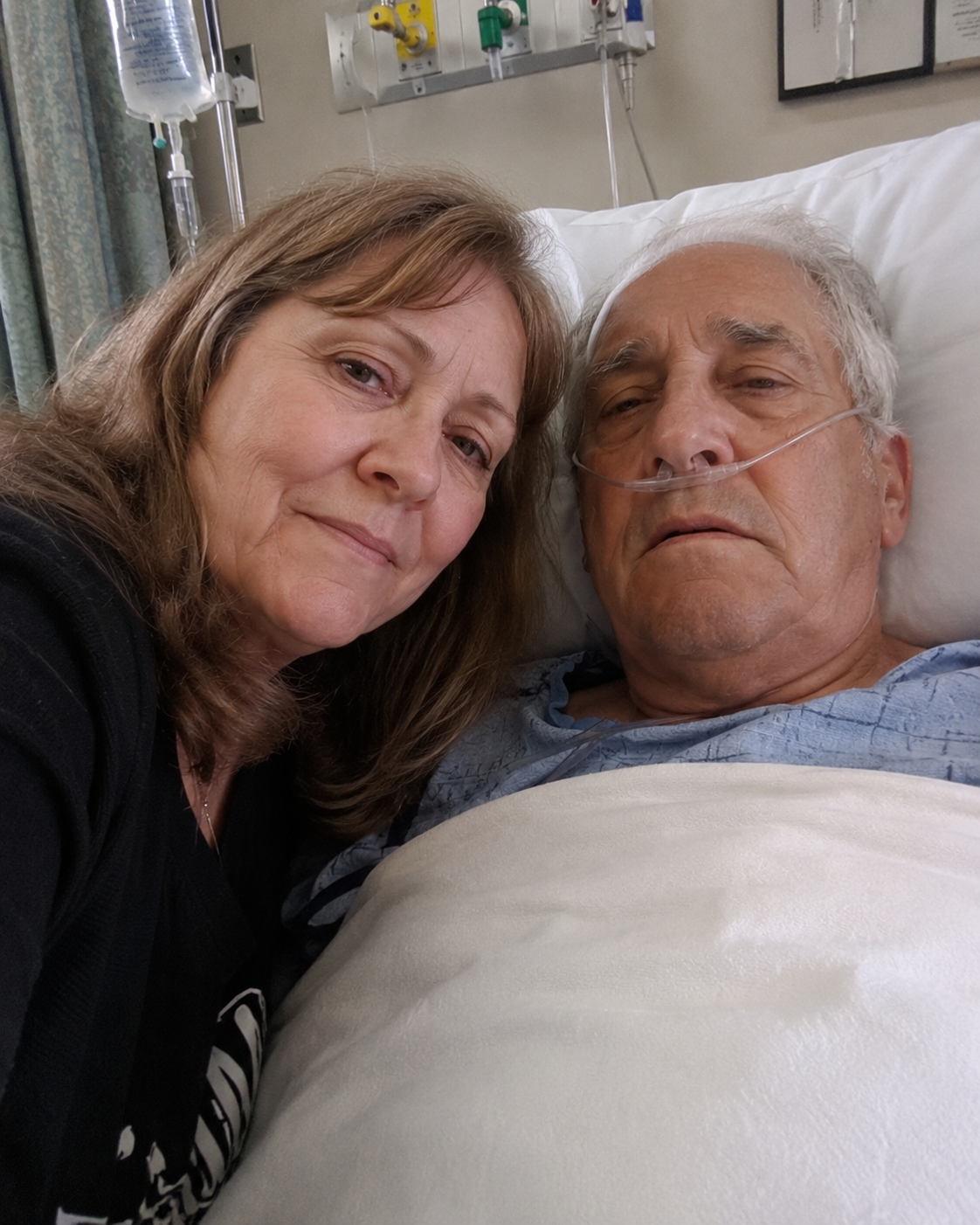
My husband started taking blood pressure medication in June, 2024. Took his 20mg lisinopril every morning at 7 AM without fail. Took the fish oil pills he ordered off Amazon. Stopped salting his eggs. Threw out the chips. Bought the low-sodium soup that tasted like wet cardboard. Walked three miles a day. Carried a water bottle everywhere like it was a second job. He did everything the doctor told him. He died of a massive stroke on October 25th at 5:23 AM. He was 61 years old. Started his blood pressure pill on June 11th. Cut salt the same day. Ate nothing that wasn’t approved. Lost 17 pounds. Walked three miles a day, rain or shine. The hospital bill was $74,000. The funeral was $12,400. His blood pressure monitor is still sitting on the kitchen counter. I can’t move it. If I move it, he’s really gone. His pill organizer is still on the windowsill above the sink. I can’t empty it. The Saturday slot is still full. He died at 5:23 AM — before the 7 AM pill that was supposed to save him. Sunday through Friday are empty — six doses of the lisinopril that didn’t. If I empty it, he’s really gone. I need to tell you what happened to Richard. Because I’m seeing the same posts on Facebook that I was making just months before he died — “my husband’s doctor put him on blood pressure meds, any tips to bring it down naturally?” — and it makes me physically ill. If you’re over 50 and your blood pressure numbers are elevated, or someone you love’s are, please read this entire thing. I know it’s long. I know you’re scrolling. I know you have things to do. Fifteen months ago I would have given anything — everything — for someone to tell me what I’m about to tell you. Richard went in for routine bloodwork and a checkup on June 28th, 2024. He felt fine. Better than fine. He’d just turned 60. He still hunted deer every November. He still rebuilt the engine in his ’72 Chevy on Saturdays. He thought he was indestructible and honestly so did I. The nurse wrapped the cuff around his arm. The machine beeped. 168 over 96. She waited five minutes and took it again. 166 over 94. Richard laughed and said, “Must be that coffee I had.” The doctor did not laugh. “Your blood pressure is too high, Richard. We need to get this under control. How much salt do you eat?” Richard looked at me. “I don’t know. Normal, I guess. Eggs in the morning. Chips with lunch. Steak a couple nights a week. Soup sometimes.” “That’s enough to do this. You need to cut the salt. Completely. No exceptions. I’m prescribing 20mg of lisinopril. One pill every morning. We’ll retest in three months.” Richard was quiet on the drive home. He didn’t touch the radio. He didn’t make the joke he always made when we passed the old Wendy’s where we had our first date. He just sat there staring through the windshield like someone had told him the house was on fire. When we got home, he walked straight into the kitchen and opened the pantry. I watched him throw away two bags of chips. A jar of pickles. Three cans of chicken noodle soup. The barbecue rub his brother mailed him from Phoenix. The pretzels he kept for the Browns games. The smoked almonds he ate in the garage while working on the Chevy. Then he reached for the salt shaker on the table. The same glass salt shaker his mother gave us when we got married. He held it for a second. Then he dropped it in the trash. “That’s it,” he said. “I’m done.” And he was. He picked up the lisinopril from the CVS on Reynolds Road that afternoon. Took the first pill at 7 AM the next morning with a glass of water. Set the bottle on the kitchen windowsill where he’d see it every day. I bought him a Sunday-through-Saturday pill organizer and started filling it every weekend. I also bought one of those home blood pressure cuffs. The kind that tightens around your arm until your fingers tingle. Every morning, Richard would sit at the kitchen table with his feet flat on the floor, like the instruction booklet said. He’d rest his arm on the table. He’d press the blue button. The cuff would squeeze. The machine would beep. 164 over 95. 162 over 93. 165 over 94. Some mornings it was lower. Some mornings it was higher. But it never looked “fixed.” Two weeks in, Dale told him over the fence that his cardiologist had him on fish oil and baby aspirin for his own pressure. Richard ordered a bottle off Amazon that night. Added it to the pill organizer the next Sunday. For 103 days, he didn’t miss a single pill. No chips. No canned soup. No bacon. No sausage. No salted nuts. Not at his nephew’s wedding in August. Not at the Browns game in September. Not at his own 61st birthday dinner in October where his brother ordered the prime rib right in front of him and Richard ate the plain grilled chicken breast with steamed broccoli and no butter. I threw out 38 years of recipes. I learned to cook things I’d never made in my life — low-sodium lentil stew, baked tilapia with lemon, quinoa bowls with kale, turkey lettuce wraps, chicken so dry I had to apologize before serving it. I bought Mrs. Dash in every flavor they sold. Garlic herb. Table blend. Lemon pepper. Fiesta lime. Every one of them tasted like punishment. I’d stand at the stove at 6 PM watching him push the food around his plate and pretend it was fine. I ate the same dinners he did. If he had to give up everything he loved, I wasn’t going to sit across from him with salted fries on my plate. He stopped going to Dale’s Wednesday night cookouts because he couldn’t sit there eating plain chicken while everyone else ate ribs and potato chips. I stopped going too. I lost my Thursday night dinners with the girls at the country club because I couldn’t stand the look on Richard’s face when I came home full and he’d been eating low-sodium soup. He lost his buddy Mike, who told him “you’re no fun anymore” and stopped inviting him to the Browns games. He skipped his annual deer hunting trip to the cabin with his brother for the first time in 30 years because he didn’t want to be “the guy checking labels in the woods.” He lost a piece of himself he’d been carrying for 35 years. And he did it anyway. Because the doctor said to. He’d started complaining about headaches behind his eyes. Not a migraine. Not sharp. Just this dull pressure that sat there like a hand pressing on his forehead. He’d rub the bridge of his nose with his thumb and finger while watching TV. “Pressure again?” I’d ask. “Just tired,” he’d say. He was tired in a way sleep didn’t touch. Asleep in his chair before the news was over. Taking the stairs one at a time. I’d watch him grip the banister and pull himself up step by step, and I’d remember the man who used to take them two at a time. His ankles started swelling by the end of the day. Not huge. Not dramatic. Just enough that his socks left deep red rings around his calves. I noticed because I was the one doing the laundry. I noticed everything. His face looked puffier in the mornings. His hands looked tight around his wedding ring. He’d sit on the edge of the bed and blink a few times before standing, like the room had to settle before he could move. Twice he got dizzy in the garage and grabbed the side of the Chevy to steady himself. Both times he said he stood up too fast. Both times I pretended to believe him. The doctor said it was probably just his body adjusting. From the medication. From the lifestyle changes. From getting older. The follow-up appointment came on October 9th. The nurse wrapped the cuff around his arm. The machine beeped. 161 over 94. She waited five minutes and took it again. 160 over 92. I stared at the screen. I thought I was misreading it. Richard had been on the medication AND cut out salt entirely for 90 days and the numbers had barely moved. Richard’s blood pressure was 168 over 96 when this started. After 103 days of obedience, it was 161 over 94. Seven points. That’s all. One hundred and three days of food that tasted like wet cardboard. Seventeen pounds lost. Three miles a day. Twenty milligrams of lisinopril every morning. No chips. No bacon. No soup. No salt shaker. No restaurant fries. No Browns game pretzels. No ribs at Dale’s cookout. And the top number moved seven points. The doctor said, “Some patients don’t respond well enough at this dose. We’ll increase you to 40mg and retest in six months. Keep doing what you’re doing.” Six months. Richard got five days. Richard came home that night and sat at the kitchen table again. The same table he’d sat at after the first appointment. The blood pressure cuff was still sitting there next to the fruit bowl. He didn’t say anything for a long time. Then he said: “I gave up the salt. I’m taking the pills. I’m walking. The numbers won’t budge.” I told him to give it time. I told him the doctor said six months. I told him to trust the process. He nodded. He kept walking. He kept eating the bland food. He kept taking the lisinopril. Five days later — five days — he woke up at 2 AM and said his head felt like it was splitting open. Not a headache. Not pressure. Splitting. He tried to stand and his left leg folded under him. I still hear the sound of his body hitting the kitchen floor. I ran to him. His mouth was moving but the words weren’t words. The left side of his face had dropped. His right hand was grabbing at the tile like he was trying to pull himself back into his own body. I called 911 with one hand and held his face with the other. “Richard, look at me. Look at me. Stay with me.” The blood pressure cuff was still on the kitchen table. I don’t know why I did it. Panic makes you do stupid things. I wrapped it around his arm while we waited for the ambulance. The machine beeped. 204 over 112. I read it three times. 204 over 112. After 103 days of doing everything right. By the time they admitted him at 3:47 AM, his lips were gray. Not “a little pale.” Gray. Like wet cement. Like the blood had stopped reaching them. I sat in the waiting room for an hour and forty minutes. I called our daughter at 4:12 AM and couldn’t get the words out. I just kept saying “something’s wrong, something’s wrong.” The vinyl chair stuck to the back of my legs. The ER doctor — a young guy, couldn’t have been 35 — looked at Richard’s scan and his face did this thing. “Mrs. Baker, your husband has had a hemorrhagic stroke. A blood vessel in his brain ruptured. His blood pressure was dangerously high when he came in. We’re doing everything we can.” “But he’s been doing everything,” I said. The doctor just looked at me. “I know. I’m sorry.” Richard spent 11 days in the neuro ICU. I learned things about the brain I never wanted to know. I learned that when blood spills into the brain, it has nowhere to go. The skull doesn’t stretch. The pressure builds. Tissue gets squeezed. The person you love starts disappearing while their body is still warm in the bed. They call it intracranial pressure. I called it watching my husband leave one inch at a time. He looked at me like he was trying to remember who I was. He said things that didn’t connect. On day 5, Richard asked me three times in twenty minutes if he was going to be late for his shift at the plant. He retired from the plant in 2018. By day 4, they had to put soft white mitts on his hands. He kept reaching for the feeding tube in his sleep — pulling at it, fighting it, unconscious but determined to get it out. The nurses tied the mitts to the bed rails with cloth straps. I sat next to him for hours watching his fingers work inside them, trying to grip something that wasn’t there. Those hands had rebuilt a ’72 Chevy engine from scratch. Now they were tied to a hospital bed. I learned that they were trying to keep his blood pressure down around the clock. IV drips. Monitors. Alarms. Nurses adjusting lines every hour. The same number that had been “we’ll retest in six months” five days earlier was now the number everyone in the room was terrified of. Day 8, his brain swelling got worse. The doctors talked about surgery. Then they talked about him not being stable enough. Then they stopped talking about surgery altogether. Day 10, his lungs filled up with fluid. They had to drain nearly 2 liters out of his chest with a needle. Two liters. The nurse called it pulmonary edema. I called our daughter. By day 10 I hadn’t slept in my own bed in eight nights. I was eating crackers from the vending machine and drinking the coffee from the family room urn that tasted like it had been sitting since the day before. I stopped looking at myself in the bathroom mirror. I’d lost eleven pounds in nine days. My sister flew in from Cincinnati and tried to make me go home for an hour. I wouldn’t go. If I left and something happened, I’d never forgive myself. Day 11 — October 25th — I was in the family room down the hall. They’d asked me to step out while they changed one of the lines. The chair I’d been sleeping in was still warm. There was a cardigan I’d left over the arm of it. I remember thinking I should fold it. At 5:14 AM I heard the long beep. I didn’t move. I sat there listening to it not stop. Nine minutes. I counted them on the wall clock. I knew before anyone came. I knew the second the beep didn’t end. At 5:23 AM, a doctor I’d never seen walked into the family room. “I’m so sorry. We did everything we could.” I drove home at 7 AM. The low-sodium soup was still in the pantry. His walking shoes were by the back door. The pill bottles were lined up on the windowsill above the sink — the lisinopril, the fish oil, the multivitamin. The salt shaker was gone. His blood pressure monitor was still on the kitchen table. His pill organizer was still on the windowsill. Saturday full. Sunday through Friday empty. Where it sits today. I sat in his recliner. I didn’t move for six hours. The house was so quiet I could hear the refrigerator hum. 38 years. And now the only sound in my house was the refrigerator. The funeral was November 1st. Richard’s brother flew in from Phoenix. Our daughter drove up from Columbus. The grandkids wore suits that were too big for them. My five-year-old granddaughter asked me: “Grammy, when is Pop-Pop coming home?” I told her Pop-Pop was in heaven now. She said: “Can we call him there?” I had to walk out of the room. After the funeral, I tried to go back to normal. I couldn’t. Because every time I opened my phone I saw people my age, men Richard’s age, posting things like “doctor put my husband on lisinopril, anyone tried bringing blood pressure down naturally?” or “annual checkup, 150 over 90, no big deal” or “cutting salt starting tomorrow.” And I knew — I KNEW — some of them were doing exactly what Richard did. Taking the pill. Cutting salt. Walking. Drinking water. Eating bland food. Checking the cuff every morning. And still missing the one thing nobody was talking about. I couldn’t just sit there and watch it happen. So I started researching. Not because I wanted to. Because I had to. Because if Richard gave up everything for nothing — if I can’t save even one person from what happened to him — then I can’t live with that. I read for weeks. Medical papers I barely understood. Hypertension forums. Studies on vascular tone, endothelial function, nitric oxide, calcium channels, artery stiffness, and something called smooth muscle contraction. And one thing kept coming up, over and over, that no doctor ever told us: Everybody talks about salt. The doctor talks about it. The pamphlet talks about it. The pharmacy handout talks about it. Every article I read sounded the same. Less salt. More water. Walk more. Take the pill. Get the number down and they tell you you’re “doing better.” But nobody told us what actually controls the pressure. That was the part that made me sick. Because Richard had already stopped eating salt. No chips. No soup. No bacon. No sausage. No pickles. No fries. No salted nuts. No salt shaker. No restaurant food. He had cut out the exact thing they blamed. And his numbers barely moved. So what was still keeping the pressure high? His arteries. Blood pressure is not just about salt. It’s about whether your arteries can open. A healthy artery gets a tiny signal from its inner lining telling it to relax. Open. Let the blood move. That signal is called nitric oxide. It is the “open up” message your blood vessels are supposed to hear all day long. When that signal is strong, the vessel relaxes. The pipe opens. The heart doesn’t have to fight as hard. But when that signal starts going quiet, the artery doesn’t open the way it should. Then calcium keeps the muscle in the artery wall clamped down. The pipe gets narrower. The heart pushes harder. The number climbs. That’s the pressure clamp. Not the salt. The clamp. Read that again. Not the salt. The clamp. The doctor took away Richard’s salt. But nobody restored the signal. Nobody released the clamp. Every morning at 7 AM, Richard took a pill that tried to force the pressure down after the fact. But every hour of every day, his arteries were still clamped shut. That was the part nobody explained. The salt was not nothing. But it was not the whole thing. Salt can add load. But the clamp controls the opening. And if the opening stays narrow, the heart still has to force blood through it. That was Richard. His food got blander. His life got smaller. His pressure barely moved. Because nobody loosened the clamp. I read that sentence in my own notes and had to close the laptop. Because I had made that food. Every morning. Every night. I stood in my kitchen and made the low-sodium meals I thought were saving him. And all that time, nobody told us his arteries had forgotten how to open. That was the part that broke me. Not the salt. The clamp. Read that again. Not the salt. The clamp. Your arteries are supposed to relax. Open. Let the blood move. But when the relaxation signal goes quiet and the calcium clamp stays locked, the vessel stays tight. The heart keeps pushing. More force. More strain. More pressure. And then we call salt the villain. We blame the chips. We blame the soup. We blame the man who did everything he was told. Here’s the part that mattered to me and I never heard once in a doctor’s office. If you can help the artery relax, the whole thing changes. If the vessel gets the signal to open again, the heart doesn’t have to fight the same tight pipe every beat. The pressure can come down naturally because the resistance comes down. Not because you scared the number down. Not because you made every meal taste like cardboard. Because you helped release the clamp that was forcing the pressure up in the first place. The pill tried to push the number down after the pressure was already there. The clamp was still there. The signal was still quiet. Every morning at 7 AM Richard took a pill that fought the number after the fact, while every hour of every day his arteries stayed tight. That’s the loop nobody closed for him. Restore the signal. Release the clamp. The artery opens. The heart stops fighting every beat. The number follows. I started noticing something else too. The men in those blood pressure groups all started sounding like Richard. Morning headaches. Dizziness. Ankle swelling. Tired all the time. Puffy faces. Heavy legs. Wives saying, “He’s not himself anymore.” Over and over again. Different names. Same story. The number was being managed. But the man was disappearing. I’m not saying what anyone should or shouldn’t take. I’m not a doctor. I’m saying I watched my husband give up everything he loved, take the pill every morning, eat the approved food, and still end up in a neuro ICU with his hands tied to a hospital bed. And nobody ever asked the question that mattered: Why were his arteries still clamped shut? I sat with that for three days. I didn’t know what to do with what I’d just learned. So I did what every scared widow does. I went to CVS. I stood in that supplement aisle for forty minutes. Magnesium. Potassium. Garlic pills. Hawthorn berry. Fish oil. CoQ10. Beetroot gummies. “Blood pressure support” blends. Green powders. Cheap moringa capsules. $14.99. $18.99. 500mg. “Superfood.” The cheap stuff. I bought the magnesium first. Took it for two weeks. Nothing except loose stools and the same pressure behind my eyes. I bought the garlic pills. Burped garlic for ten days. Nothing. I bought the beetroot gummies because the bottle said “circulation.” They tasted like candy and did about as much. Then I bought the cheap moringa because I had read that moringa was supposed to help with blood pressure and blood sugar and circulation. I took it for two weeks. Nothing. No difference. No energy change. No lighter feeling in my legs. No numbers to speak of. Just green dust in a capsule. I started Googling again. And what I found made me throw the bottle in the trash. Most moringa on the shelf isn’t the moringa people used traditionally. It’s old leaf. Picked late. Heat-dried. Stored too long. Ground into powder months after the active compounds have already faded. Some companies don’t even use just the leaf. They blend seed. Root. Stem. Whatever is cheapest. Then they put “whole plant” on the bottle like that’s a good thing. But the part used in the blood pressure and blood sugar research is the leaf. Not the root. Not the seed. The leaf. And the delicate compounds in that leaf — the ones that matter for the relaxation signal, the calcium clamp, and post-meal glucose response — are fragile. Heat damages them. Time weakens them. Bad sourcing ruins them. By the time most moringa is sitting in a plastic bottle on a CVS shelf, it’s not a pressure-clamp solution. It’s dead green dust. I had been doing the right thing in the wrong form. Worse than the wrong form. The wrong everything. I was furious. I’m still furious. Because once you understand the pressure clamp, you can’t unsee it. Every low-sodium soup can starts looking different. Every man proudly eating cardboard chicken while his cuff still reads 160 starts looking like Richard. Every wife posting “his doctor says the pressure is still high, what else can we do?” starts feeling like a warning siren. About a week later I was scrolling a Facebook group for women whose husbands are on blood pressure medication, or who are trying to avoid adding a second one — full of people like I was. “Just got the bad reading” people. “Doctor wants to double his lisinopril” people. “Has anyone lowered blood pressure naturally?” people. A woman posted something that stopped me cold. She said her husband had been put on medication at 58. He cut salt. Started walking. Bought the home cuff. Ate the low-sodium meals. His blood pressure barely moved. His morning headaches got worse. His ankles were swollen by dinner. His doctor wanted to add a second medication — sound familiar? — and then she found a moringa formula that wasn’t the cheap green dust kind. Not root. Not seed. Not “whole plant.” Leaf only. Cold-extracted. USDA Organic. Third-party tested. Certificate of Analysis posted publicly. Built for the pressure clamp problem, not just slapped with a “superfood” label. She added it to what he was already doing. Ten weeks later, his numbers came back different. Blood pressure: 158 over 94 down to 124 over 78. Resting pulse: 86 down to 72. Fasting glucose: 109 down to 94. Morning headaches gone by day 12. Ankle swelling gone by week three. His doctor took the cuff off, looked at the screen, then took it again on the other arm because he thought the machine was wrong. Same reading. 124 over 78. Her husband laughed and said, “That thing broken?” The doctor didn’t laugh. He pulled up the chart, scrolled through the last three visits, and said, “This is the best pressure you’ve had in eight years. What did you change?” Two capsules. Every morning. That’s it. He hadn’t become a runner. He hadn’t cut out every steak. He hadn’t started eating unsalted almonds out of a Ziploc bag. He hadn’t changed anything except the two capsules he took every morning. I read that post six times. 158 over 94 to 124 over 78. 86 pulse to 72. 109 glucose to 94. Headaches gone. Swelling gone. Not from starving himself. Not from another prescription. Not from living on cardboard. From finally going upstream. From finally touching the pressure clamp before his heart had to keep fighting it. That’s when I messaged her. She sent me the name. I started looking into the formula she mentioned. And what I learned is that a serious moringa formula has to hit five things on the label, or it’s a waste of your money: One. Leaf only. Not seed. Not root. Not “whole plant.” Moringa has three parts and companies sell all three. The research that matters for blood pressure, blood sugar, and the pressure-clamp problem is on the leaf. Cheap products blend all three because seed, stem, and root are cheaper. If the label doesn’t say “leaf only,” put it back. Two. Cold-extracted. Not spray-dried. Not heat-processed. The delicate leaf compounds are fragile. Heat destroys them. Most commercial moringa is spray-dried at high temperatures because it’s fast and cheap. Cold extraction preserves the compounds the plant is worth taking for. If the label doesn’t say “cold-extracted,” you’re buying green dust. Three. USDA Organic. Non-negotiable. Most of the world’s moringa is grown in regions with heavy pesticide use. If it’s not USDA Organic, you’re not just getting weak moringa. You’re getting whatever the soil had in it. Four. Certificate of Analysis. Posted publicly. A real third-party lab test. Real numbers on the label. If they won’t show you what’s in the bottle, they’re hiding what isn’t. Five. Built for the pressure clamp. Not generic “superfood” powder. A serious formula has to support the relaxation signal, circulation, and the post-meal glucose response that keeps irritating the vessel lining in the first place. If it’s just a green powder with a wellness label, it’s not built for the problem. Five things. All five. On the label. From one bottle. I went through every product I’d looked at in CVS. Not one of them said “leaf only.” Not one of them said “cold-extracted.” Most weren’t organic. Almost none had a Certificate of Analysis. None of them were built for the pressure clamp. They were the same commodity moringa, spray-dried into green dust, packaged in a wellness label. So I went back to the Facebook post and messaged the woman again. That’s when I found Rosabella Moringa. It was the only formula I could find that made sense with everything I had just learned. Leaf only. Not seed. Not root. Not whole plant. Cold-extracted. Not spray-dried. Not heat-processed. USDA Organic. Certificate of Analysis posted publicly. Third-party lab tested. Built to support the vessel relaxation signal and help release the pressure clamp. Not a blood pressure drug. Not a salt blocker. Not a fake “heart support” capsule. Not dead green dust. A real upstream support formula for the problem nobody had explained to us. Two capsules in the morning with a glass of water. Made in an FDA-registered facility. 90-day money-back guarantee. I almost didn’t order it. After the CVS aisle. After the magnesium. After the garlic burps. After the beetroot gummies. After the cheap moringa. After Richard. After everything. But I had a brother in Phoenix who was being told the same thing Richard had been told. I had a son-in-law in Columbus with “borderline” blood pressure. I had myself. I ordered it. My brother Tom came back from a routine appointment with a blood pressure reading of 158 over 94. Doctor wanted to add a second medication. He refused — said he’d watched Richard cut salt for four months and end up in a casket, and he wasn’t going down that road. Didn’t know what else to do. I sent him a bottle. I didn’t ask. I just sent it. Wrote a note that said “If you don’t take this every day I will never speak to you again, Tom, I mean it.” He took it. He kept eating steak because he’s stubborn the way Richard was stubborn. He still salted his eggs sometimes because Tom has never listened to anyone fully in his life. But he took the capsules every morning. He went back to his doctor ten weeks later. Blood pressure: 124 over 78. Down from 158 over 94. His morning headaches were gone by day 12. The ankle swelling that used to leave sock marks around his calves was gone by week three. Resting pulse: 72. Down from 86. Fasting glucose: 94. Down from 109. His doctor took the cuff off, looked at the screen, then took it again on the other arm because he thought the machine was wrong. Same reading. 124 over 78. Tom laughed and said, “That thing broken?” The doctor didn’t laugh. He pulled up the chart, scrolled through the last three visits, and said, “Tom, this is the best pressure you’ve had in eight years. What did you change?” Tom told him. Two capsules. Every morning. That’s it. He hadn’t cut a single steak out of his week. He hadn’t started jogging. He hadn’t become one of those men who eats unsalted almonds out of a Ziploc bag. The only thing he changed was the two capsules he took every morning. His doctor said, “Whatever you’re doing, keep doing it.” And this is the part I want you to hear. The pressure didn’t just drop. His whole body looked like it had stopped fighting. The headaches stopped. The swelling stopped. The pulse came down. The glucose came down. That’s not a number being forced down by fear. That’s the clamp finally letting go. He called me crying. My brother. 57 years old. Crying on the phone like a kid. He said: “Margaret, I think Richard died because nobody told him about the clamp.” I had to hang up. Then there’s my son-in-law. 44, two kids, borderline blood pressure at his last physical. Started taking it six weeks ago. He says the afternoon pounding in his temples is gone. He says he doesn’t feel that tight pressure behind his eyes after lunch anymore. He says he doesn’t have to sit on the edge of the bed for thirty seconds before standing up in the morning. My neighbor Diane. Her husband died of a stroke four months before Richard. Two widows on the same street. She started taking it two days after I told her. She says it’s the first time since he died that she doesn’t feel like she’s waiting for a phone call. I told my sister in Cincinnati. I told my daughter in Columbus. I told the girls in my Thursday night dinner group at the country club. I told Dale and the guys at his Wednesday cookouts when I went over to drop off a casserole. I’m not a doctor. I’m not a scientist. I’m not telling anyone to stop their medication. I’m not selling anything and I don’t get a penny from any of this. I’m a 59-year-old widow sitting in my dead husband’s chair at 2 in the morning because I can’t sleep and I can’t stop thinking about my brother Tom — 57 years old, in Phoenix, stubborn as a mule — and whether he’s going to end up where Richard ended up. Here’s what I know because I lived it: Cutting salt didn’t release the clamp. The pill tried to push the number down after the pressure was already there. Walking helped around the edges. Water helped around the edges. Fish oil helped around the edges. Magnesium did nothing but send me to the bathroom. Garlic made me burp for ten days. Beetroot gummies were candy in a health bottle. Cheap moringa was dead green dust. Richard gave up everything he loved for 103 days and it didn’t save him because nobody told him what was actually broken. It wasn’t just the chips. It wasn’t just the soup. It wasn’t just the salt shaker. It was the pressure clamp. His arteries had lost the signal to open. And nobody released it. I wish someone had told us before June 28th, 2024. Before the routine checkup. Before the salt shaker in the trash. Before the 103 days of low-sodium soup. Before the cuff read 204 over 112 on my kitchen floor. Before October 25th at 5:23 AM. I can’t go back. Richard can’t come back. His pill organizer is still on the windowsill and it’s going to stay there. But you can still go forward. Your husband can. Your brother can. You can. Here’s where I got it. Not the salt. The clamp. That’s the line that finally made it click for me. I want you to go order a bottle. Not for me. For whoever you’d leave behind. https://tryrosabella.com/products/rosabella-moringa-powder-capsules-a?variant=48728189731071 Richard used to say: “You can’t fix a stuck door by yelling at the handle.” You have to loosen the hinge. The pressure clamp is the hinge. Rosabella Moringa is where I would start. — Margaret Baker, age 59 Toledo, OH P.S. The pill organizer is still on the windowsill. Saturday full. Sunday through Friday empty. Every morning I walk past it and for one second I forget. For one second I think he’s about to head out to the garage to work on the Chevy. He’s not. $74,000 in hospital bills. $12,400 for the funeral. 103 days of him giving up everything he loved. And a bottle that costs less than what he used to spend on one night of ribs and beer at Dale’s cookout — a bottle I wish we had known about when his doctor first said “168 over 96.” Please. Don’t end up here. Don’t let someone you love end up here. https://tryrosabella.com/products/rosabella-moringa-powder-capsules-a?variant=48728189731071 P.P.S. I don’t work for Rosabella. I don’t get a penny from this. I’m writing this at 2:14 AM because I can’t sleep and Richard’s side of the bed is cold and my brother Tom is 57 and stubborn and I’m scared every time the phone rings. Share this with anyone you love whose blood pressure is elevated. Even a little. Even if their doctor says “borderline.” Even if they’re already doing everything right. Especially if they’re already doing everything right. P.P.P.S. If your husband is already on blood pressure medication and his numbers look “fine,” please don’t close this page. I’m not telling you to stop anything. That’s between him and his doctor. I’m telling you the number may not be the whole story. Richard’s doctor watched the cuff. Nobody watched the clamp. Nobody asked why his arteries still weren’t opening. That’s the part I wish I had known. P.P.P.P.S. If you’re reading this and thinking “he’d never go for it” — I want you to hear me. I didn’t argue with Tom. I sent him a bottle with a note that said if he didn’t take it I’d never speak to him again. And he took it because he loved me. He didn’t believe a word of it on day one. He believed it ten weeks later when the cuff read 124 over 78. You don’t have to win the argument before you ask him to start. You just have to get the bottle in the house. P.P.P.P.P.S. One last thing, because I know what it is to be afraid to hope again. There’s a 90-day money-back guarantee. Three months is one round of readings. You can know in one round whether his body is responding. That’s all I’m asking. One round. Don’t let three months go by without it being in the house. https://tryrosabella.com/products/rosabella-moringa-powder-capsules-a?variant=48728189731071 P.P.P.P.P.P.S. One more thing. It’s not the cheap moringa on Amazon. It’s not the green dust in the CVS aisle. That was the mistake I made first. The version matters. Leaf only matters. Cold extraction matters. Organic matters. Lab testing matters. If the active compounds are dead before the capsule is sealed, you’re not supporting anything. Order it from the link below or you’re right back in the green dust aisle. https://tryrosabella.com/products/rosabella-moringa-powder-capsules-a?variant=48728189731071
Unlock Your Body's Full Potential
Rosabella Beetroot & Moringa are leading the way in the world of wellness supplements. The highest quality ingredients, responsibly sourced and proudly made in the USA.
LEARN MORELike this ad? Make it yours.
Crush rebuilds this exact creative around your product — your brand, your colors, your offer — in about a minute.