
Inactive· since Apr 24, 2026
- 29
- days it ran
- 0
- relaunches
Ad copy
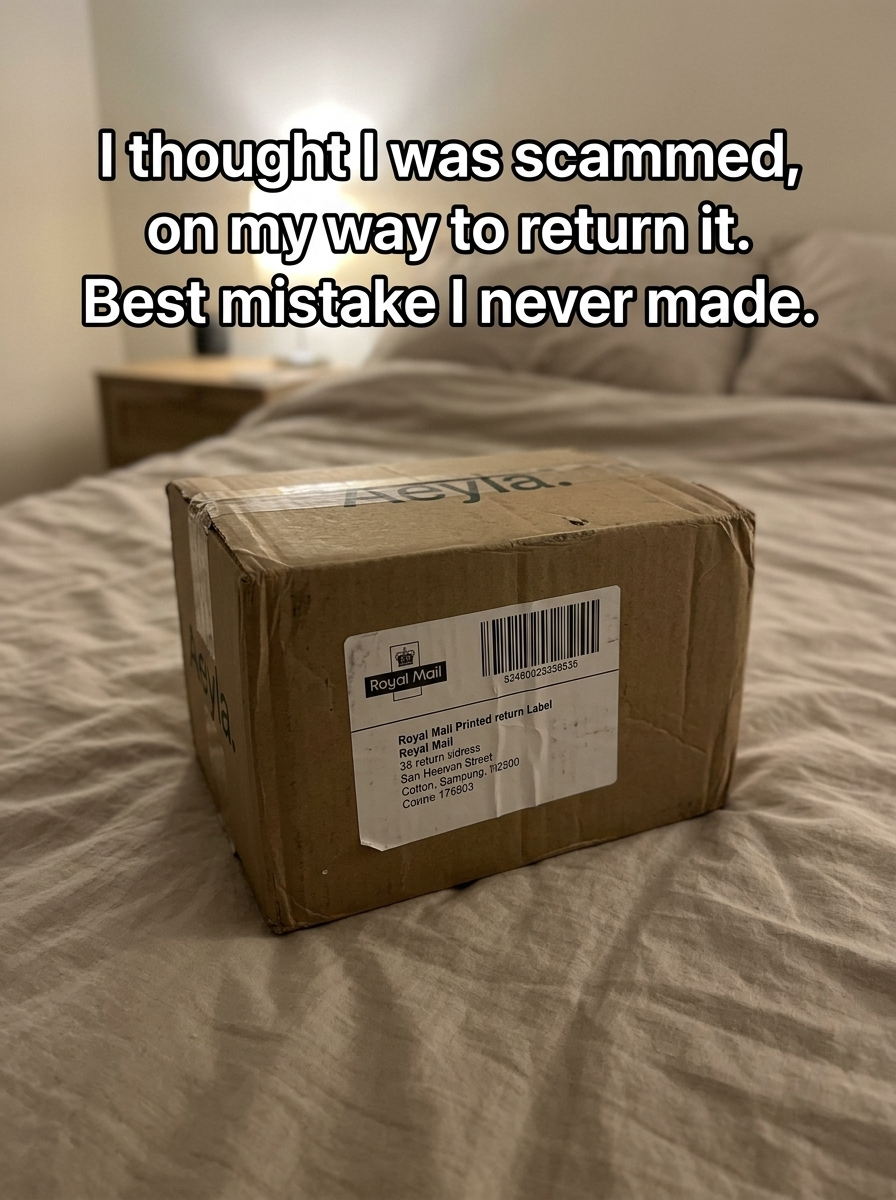
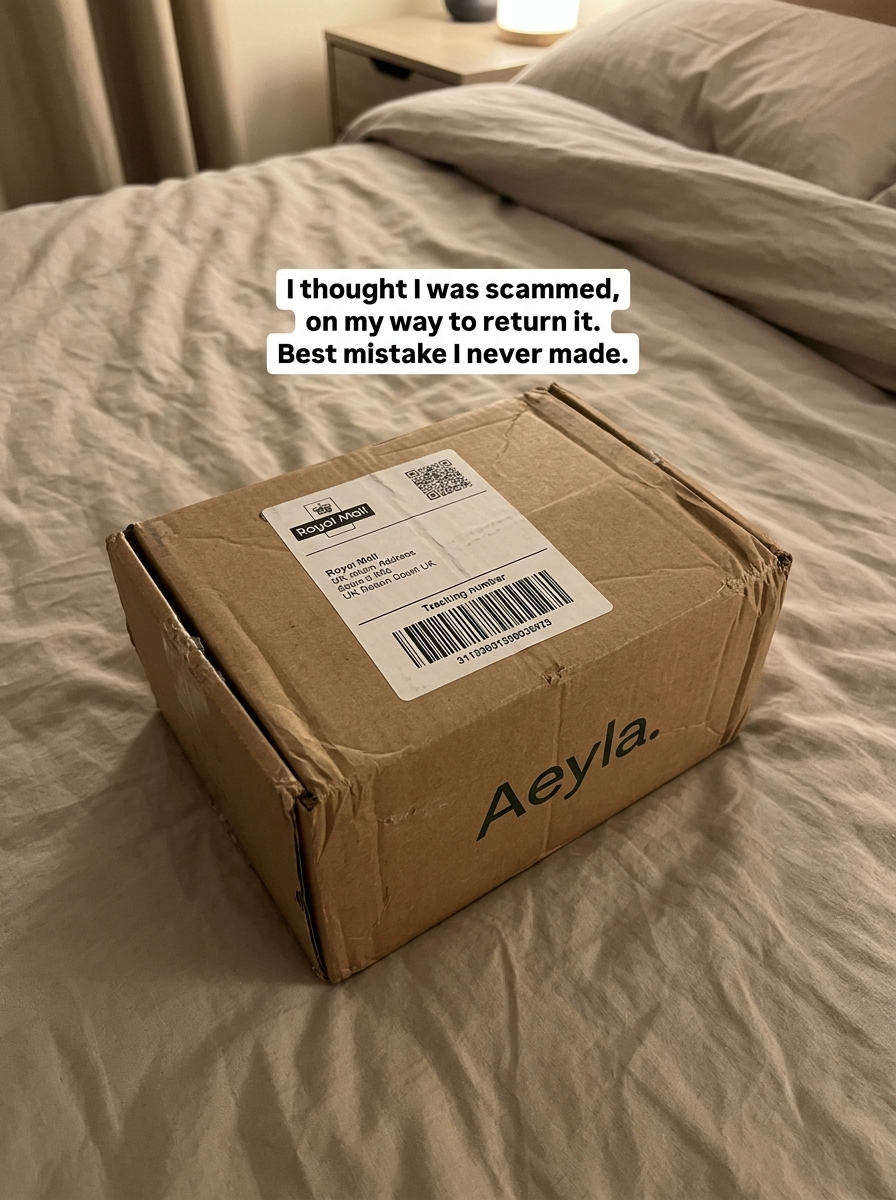
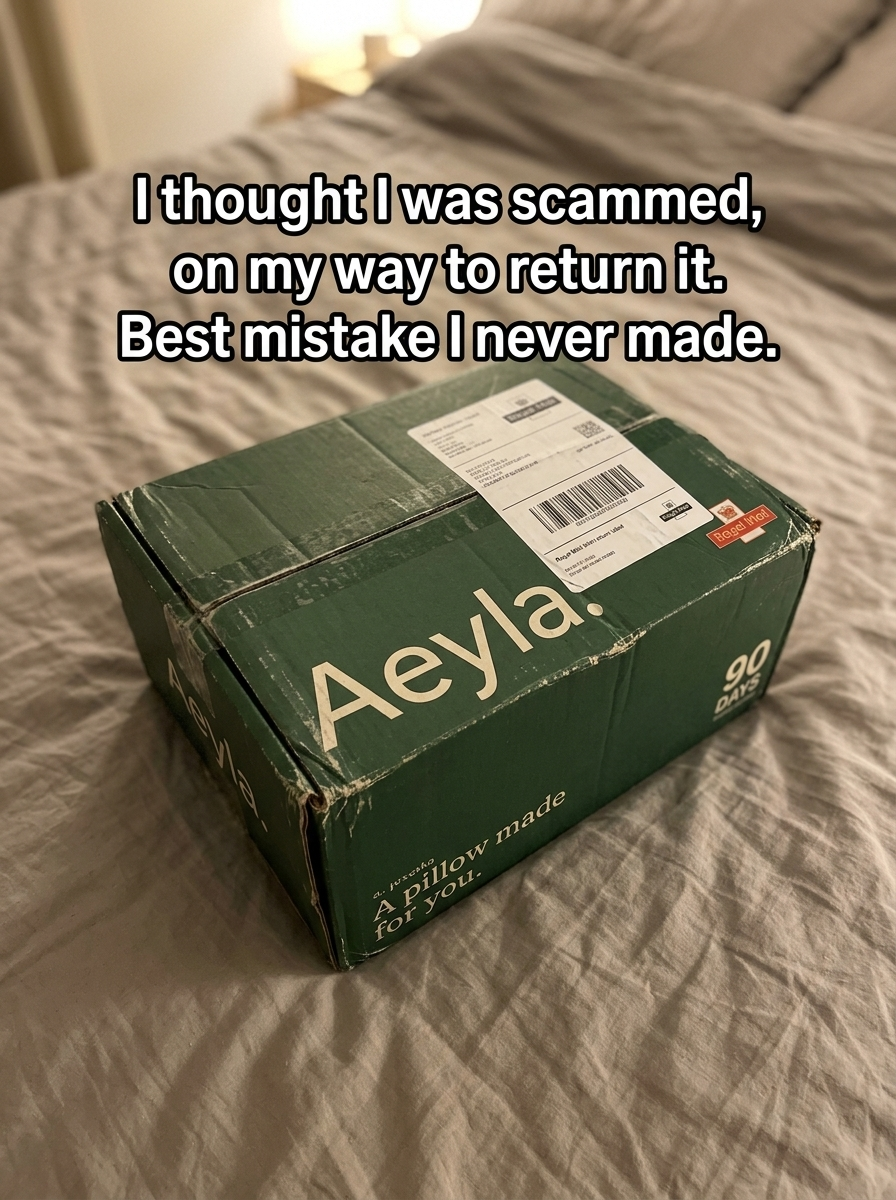
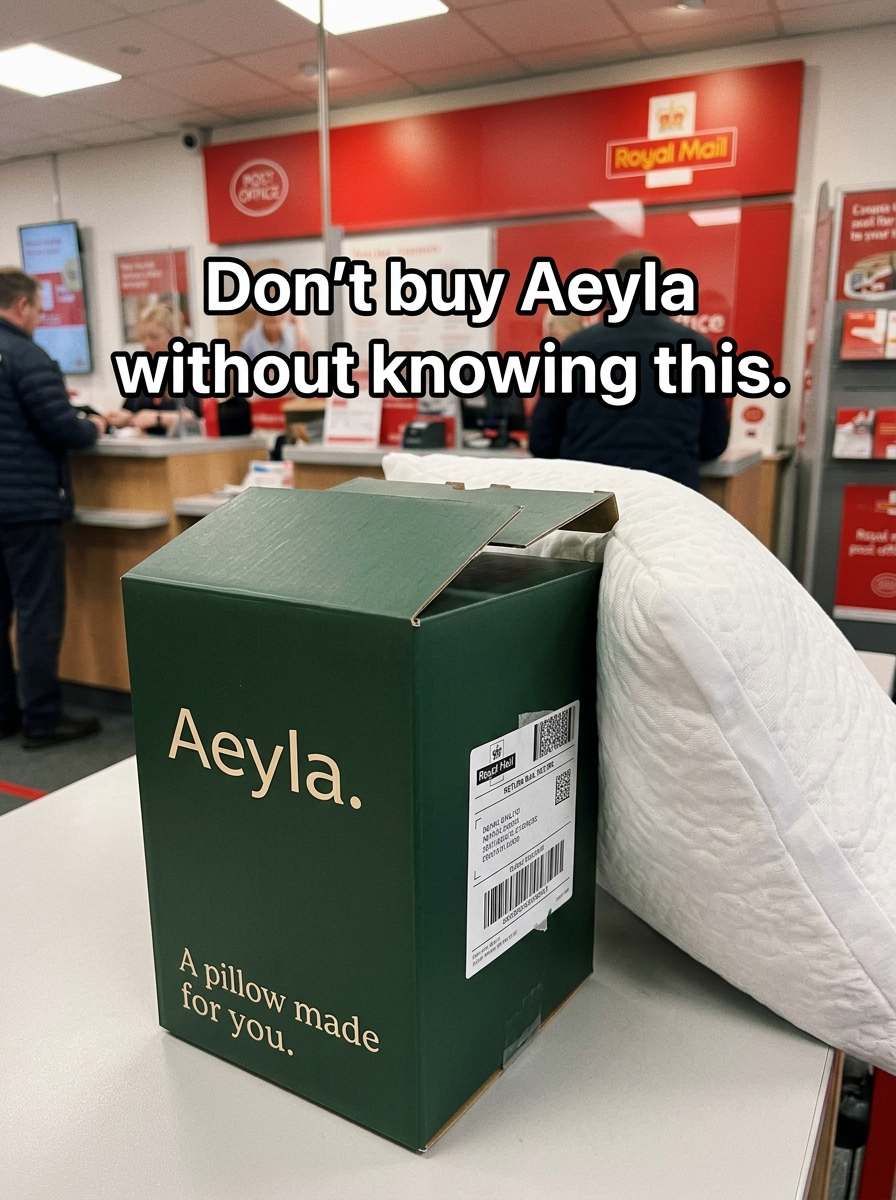
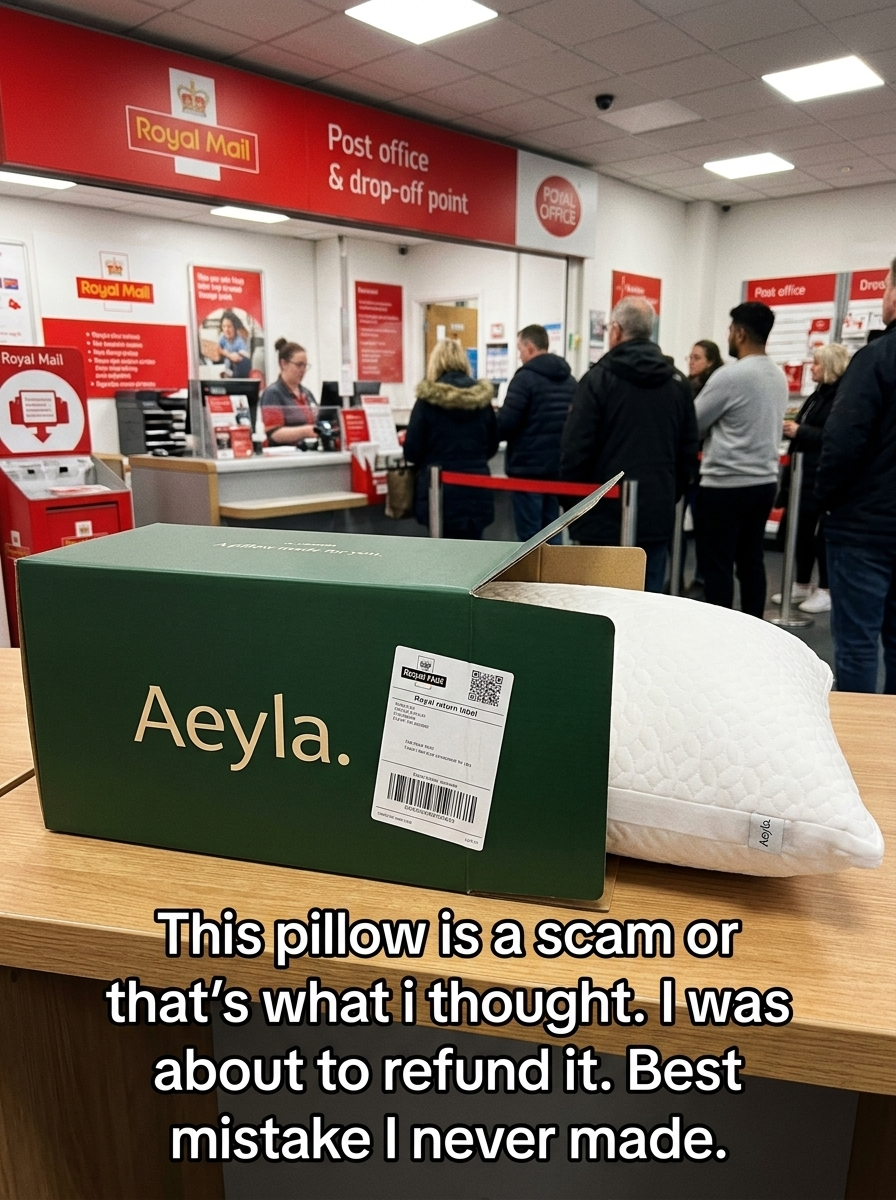
I was about to send this pillow back. Three nights in. £69. Sitting on the bedroom floor, back in its box. Or so I thought. But I'm getting ahead of myself. Let me start from the beginning. I'm 54. Retired teacher. Thirty-one years in secondary schools across the North West. On my feet all day. Chalk dust and bad chairs and the kind of stress that follows you home at night. The sleep problems crept up slowly. You don't notice at first. You just start waking up tired. The neck ache you put down to posture. The shoulder tension you blame on stress. The mornings where you feel like you've been in a fight — that's just getting older, isn't it? That's what I told myself for four years. My husband David noticed before I did. Course he did. "You're up three times a night, Janet." "I'm fine." "You haven't slept past five in over a year." But it wasn't fine. I knew it wasn't fine. The mornings were the worst of it. I'd wake up and lie there doing a kind of damage assessment. Neck: stiff. Right shoulder: tight. Lower back: aching. Energy: gone before the day had even started. I'd shuffle downstairs and stand at the kettle and think: this is just what life is now. I was 54. Not 84. My GP said it was tension. Recommended stretches. Physio said it was my pillow. Recommended anything firm. So I tried firm. Firm gave me headaches. Back to soft. Soft collapsed by 3am. I tried a memory foam pillow from Argos. £35. Solid as a brick. Woke up with a stiff neck for three days. Tried a Simba pillow at £130. Too hot. Woke up sweating. Tried a Tempur for £169. Firm in the wrong places. Felt like my head was sinking into a hole. Tried a shredded foam "adjustable" one from Amazon for £28. The filling migrated to both ends by midnight. Head in the middle. No support. Sent it back. Four years. Seven pillows. Somewhere around £380 spent. And every morning: the same stiff neck. The same tired eyes. The same quiet resignation that this was just how sleep felt now. The lowest point was a weekend away in a nice hotel in Edinburgh. I slept brilliantly. Both nights. Woke up refreshed. No neck ache. No shoulder tightness. Came home. Back to my pillow. Back to the stiffness by morning two. I actually rang the hotel and asked what pillows they used. They couldn't tell me. "Our own blend." Very helpful. Then my sister Karen sent me an article. "Read this before you buy another pillow," she said. A UK osteopath who had spent twenty-two years treating patients with chronic neck and shoulder pain had done something unusual. She'd taken apart six of the most popular pillows on the market. Not just felt them. Taken them apart. Measured them. Examined the actual structure inside. What she found made me understand why I'd wasted four years and £380 on the wrong thing entirely. Here is what almost nobody explains when they sell you a pillow. Your neck has a natural curve. While you sleep, that curve needs to be maintained — or the muscles work all night trying to compensate. The problem isn't softness versus firmness. That's the question every pillow company wants you to ask. It keeps you trapped in a loop of buying one, finding it wrong, throwing it out, trying another. The real problem is what the osteopath called The Alignment Gap. Here is how it works. When you sleep on a standard pillow — foam, down, memory, polyester, doesn't matter — one of two things happens. Either the pillow is too soft and your head sinks through it, dropping your neck below your spine. The muscles in your neck and upper back tighten to compensate. They stay tight all night. Or the pillow is too firm and your head sits too high, pushing your neck into an upward curve. Same result. Different direction. Same damage. Your body is trying to protect your spine while you sleep. It does this by holding tension in the neck, shoulder, and upper back muscles. You fall asleep exhausted. You wake up exhausted and in pain. And here's why the pain gets worse over time. That muscular tension, night after night, creates micro-inflammation in the joint tissue of the cervical spine. The medical term is cumulative cervical strain. Plain English: every bad night compounds the last one. You're not just sleeping badly. You're slowly building up a structural problem that gets harder to reverse with each passing year. Think of it this way. Imagine holding a two-kilogram weight in your outstretched hand for thirty seconds. Uncomfortable but manageable. Now hold it for eight hours. That is what your neck muscles are doing every night on the wrong pillow. Now here's the part the pillow industry does not want you to understand. The reason standard solutions fail isn't because you chose the wrong firmness. It's because they only have one layer. One layer of material cannot do two jobs at once. It cannot be soft enough to feel comfortable against your skin while also being firm enough to support your skull and maintain your cervical curve. You get one or the other. Soft collapses. Firm bruises. The pillow companies know this. They split the difference and sell you "medium firm." Medium firm fails at both jobs moderately well. Which is why every pillow feels fine in the shop and wrong by 3am. I didn't know any of this when I was buying pillows. Nobody told me. The physio said "try firmer." The GP said "try stretches." The pillow reviews said "very comfortable" — which tells you nothing about what happens to your neck while you're unconscious for eight hours. The osteopath's article explained something else I didn't know. The sleep position you fall asleep in is rarely the position you're in at 3am. Side sleepers roll onto their back. Back sleepers drift onto their side. Front sleepers do all three. A pillow that works for one position fails for the others. So even if you found the perfect pillow for how you fall asleep, you'd still be unprotected for the other half of the night. The Alignment Gap doesn't just apply when you're awake to notice it. It applies for every minute you're unconscious. Here's what that means in practice. → You wake up with a neck that feels stiff before you've moved → Your upper shoulders hold tension that doesn't release until midday → You fall asleep quickly but wake up between 3am and 5am for no obvious reason → Mornings feel worse than the night before → Headaches that start at the base of the skull and work forward → You feel rested some mornings and destroyed others — same bed, same routine, no explanation → You've tried multiple pillows and none felt right for more than a few weeks → The nights you slept well — a hotel, a spare room, someone else's bed — felt dramatically different for no reason you could identify This isn't bad luck. This isn't getting older. This is The Alignment Gap. And it's structural. Now here is the part of the article that made me furious. The osteopath went through the six pillows she'd pulled apart. All six were pillows that real people with neck pain had been recommended. By physios. By chiropractors. By well-meaning friends. Simba Hybrid Pillow (sold at £120–£180, frequently recommended for support): The adjustable fill layer shifts to the edges under sustained pressure. By mid-sleep, 60–70% of the central fill has migrated. The area directly beneath the skull has effectively no adaptive support. Tempur Original Pillow (sold at £120–£170, positioned as clinical-grade): Dense single-layer memory foam maintains shape but creates a fixed-depth impression. Works for one sleeping position only. Any lateral movement outside that impression puts the neck into immediate misalignment. Runs hot. Eve Sleep Premium Foam Pillow (sold at £60–£90, widely stocked in UK retailers): Single-density foam. No adaptive layer. Firmness consistent across the whole pillow — meaning support doesn't vary by where you place your head. Fine for brief use. Fails to maintain cervical curve through full sleep cycles. John Lewis Specialist Synthetic Pillow (sold at £50–£80, branded as "orthopaedic comfort"): Polyester fill compresses under sustained pressure. After 90 minutes, measurable height loss creates the same alignment gap as a soft pillow. "Orthopaedic" refers to the firmness at point of sale. Not to what it does while you sleep. Silentnight Impress Memory Foam (sold at £40–£70, one of the UK's best-selling pillows): Standard single-layer memory foam. Warmth-activated softening means the pillow gradually becomes softer as your body heat increases through the night. Starts firm. Ends soft. The alignment gap compounds over the sleep cycle. Dunlopillo Latex Pillow (sold at £60–£100, latex marketed as "naturally supportive"): Natural latex is resilient but uniform. No differentiated firmness layers. Slight bounce-back. Fails the position-change problem — optimised for one position, misaligned for the others. I went through that list and felt sick. The Simba. The memory foam one. I'd tried nearly all of them. Spent over £380 across four years on pillows that had a structural failure built into them. The osteopath closed that section with one line. "These are not bad pillows. They are single-layer pillows. And the human spine does not sleep in a single position." I read that three times. Then she explained what actually solved The Alignment Gap. And here is where I nearly dismissed the whole thing. Because her answer sounded almost too simple. What she described was a pillow with two distinct layers — not two fillings of the same material, but two structurally different layers doing two different jobs at the same time. A firm inner core to maintain the cervical curve and hold the skull at the correct height for alignment. And a soft outer layer to cushion the pressure points — the ear, the temple, the jaw — so comfort doesn't require you to sink through to the firm part. Two layers. Two jobs. One pillow. She called it the dual-layer architecture. I was sceptical. It sounded like marketing language. "Dual layer" is written on half the pillows on Amazon. But the ones on Amazon aren't structured differently. They're just two of the same thing sandwiched together. What she was describing was a pillow where the inner and outer layers have genuinely different densities, different materials, and serve genuinely different functions. She mentioned a UK brand called Aeyla. Not in a promotional way. Just as the brand she'd found that actually engineered the structure she was describing. A pillow-within-a-pillow, with an adaptive inner that holds position through the night regardless of how you move. Osteopath-endorsed. Oeko-Tex certified. No chemical smell. No toxins. The Dual Pillow. £69. 30-night trial. Full refund if it doesn't work. "I don't recommend products," she wrote. "But I've been sending patients to their GP for neck pain for twenty-two years. The number who come back and say a pillow fixed it is not zero." I ordered it that night. I am telling you: the first three nights were strange. Not bad strange. Just different. My head was higher than it had been in years. The neck muscles that had been compensating for The Alignment Gap were suddenly not needed. My body didn't know what to do with that. Night one: slept through to 4am. Better than usual but still woke. Night two: the same. Slept well, woke at 4. I nearly sent it back on night three. David said: "You've got 30 nights. Give it the week." Night four. I woke up at 6:47am. David was already downstairs. I lay there for a moment and did the damage assessment. Neck: nothing. Right shoulder: nothing. Lower back: nothing. I got up and came downstairs and David said: "You look different." I said: "I slept." "How long?" "Six hours straight." Night five. Six hours forty. No stiffness. Night six. Woke up at 6:55. Got out of bed without wincing. Made tea without standing at the kettle waiting for my neck to unknot. Night seven. David asked how I'd slept. I had to think about it. I couldn't remember waking up. That was the first time in four years I had to think about whether I'd slept well. By week two, the shoulder tension that had been part of my mornings since I couldn't remember when was simply absent. Week three, I caught myself looking in the mirror without immediately registering the tired eyes. Week four. I went back to my sister Karen and said: "The article was right." The mornings are different now. Not dramatic. Not miraculous. Just — normal. The way mornings used to feel before the stiffness became the default. Karen had ordered her own after sending me the article. Her results: "Janet, first night I slept five hours straight. I haven't done that in two years. By the end of week two I'd stopped taking ibuprofen before bed. I'm 57. I thought this was just how sleep felt now." Karen M., 57, Leeds. Former NHS nurse with chronic neck tension. Previously on Simba Hybrid. Her husband Colin tried it on night two because he couldn't understand why she wasn't complaining in the morning. "Colin's exact words were: 'I don't know what's in it but my shoulder stopped clicking.' He's 61. He's been waking up with a clicking shoulder for six years. Gone in two weeks." Colin M., 61, Leeds. Six years of morning shoulder stiffness. No pillow had helped previously. David ordered one for himself after watching me for two weeks. "I'd written off sleep. I thought everyone my age felt like this. First week in, I stopped needing paracetamol for the morning headaches. I can't explain it. But I'm not questioning it." David T., 56, Manchester. Chronic morning headaches attributed to tension. Seven weeks of use. My colleague Margaret from school had been on an NHS waiting list for neck pain physio for eight months. I told her about the pillow at Christmas. "I almost didn't bother. I've tried so many things. But I thought: £69, 30 nights, worst case I send it back. Week two, I cancelled the physio appointment. The pain that had been there every morning for two years was gone. I kept waiting for it to come back. It hasn't." Margaret B., 58, Cheshire. Two years of chronic morning neck pain. Eight months on NHS physio waitlist. My neighbour Ros, who I'd spoken to about sleep probably a dozen times over the years, saw the Aeyla bag outside my door when the second one arrived for David. "I was curious, not convinced. But Janet genuinely looked better — less tired — and I'd known her for eight years. Ordered one that night. The first week was the first week in three years I didn't wake up with a stiff neck. I've ordered a second one for my daughter." Ros K., 52, Manchester. Three years of sleep disruption and morning stiffness. These aren't miracles. This is simply what happens when your neck finally gets what it actually needs — in a structure that holds its position through the night — and it's actually in the pillow. You don't need a physio referral before you try it. You don't need a diagnosis. You don't need to wait until the neck pain is bad enough to justify doing something about it. You have 30 nights. If you wake up the same way you woke up before, send it back. But if you wake up on day seven and have to think about whether you slept well — if that's new — give it the rest of the 30 nights. The link is here: [[aeyla.co.uk/products/the-dual-pillow](http://aeyla.co.uk/products/the-dual-pillow)] Currently £69. 30-night trial. Free returns. I don't know how long the current offer holds. Janet T. Retired Teacher, Manchester Nearly sent it back on night three. Glad I didn't. P.S. Every night you spend on the wrong pillow, the muscular compensation compounds. The cervical strain the osteopath described doesn't pause while you try to decide. It accumulates. Four years of it showed me that. You're not going to wake up one morning and find the problem resolved on its own. P.P.S. I do not receive payment from Aeyla or any affiliate for writing this. I am a retired teacher who found an article through her sister and spent thirty days testing whether it was real. After four years and seven failed pillows and somewhere over £380 spent, this is the only one I'm still sleeping on. Your neck deserves that.
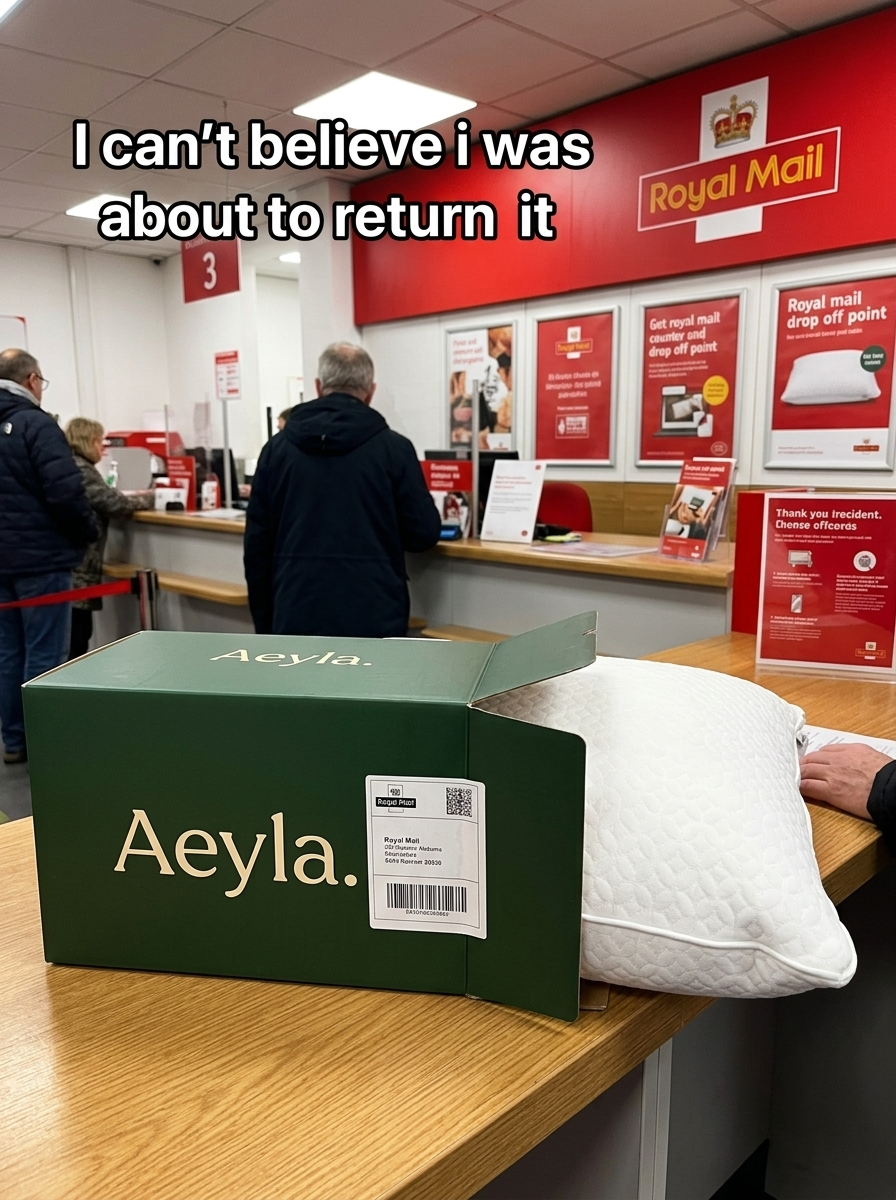
I can't believe I nearly return it.
Sink into cloud-like comfort with Aeyla's Dual Pillow, designed to provide effective neck relief with its unique 2-in-1 design for the perfect balance of support and comfort.
LEARN MORELike this ad? Make it yours.
Crush rebuilds this exact creative around your product — your brand, your colors, your offer — in about a minute.