
Stopped· since Jul 16, 2026
- 13
- days it ran
- 4
- relaunches
Ad copy
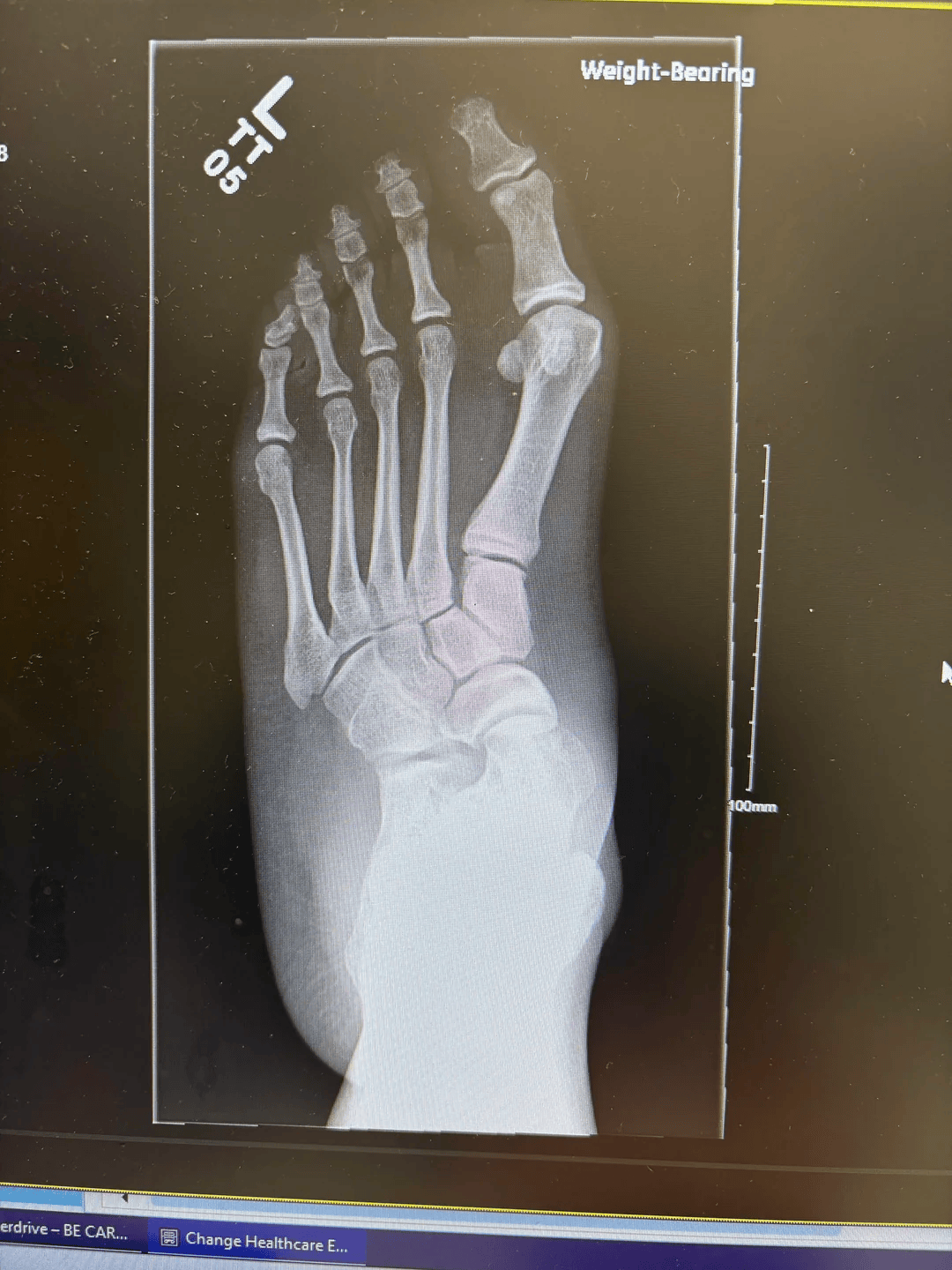
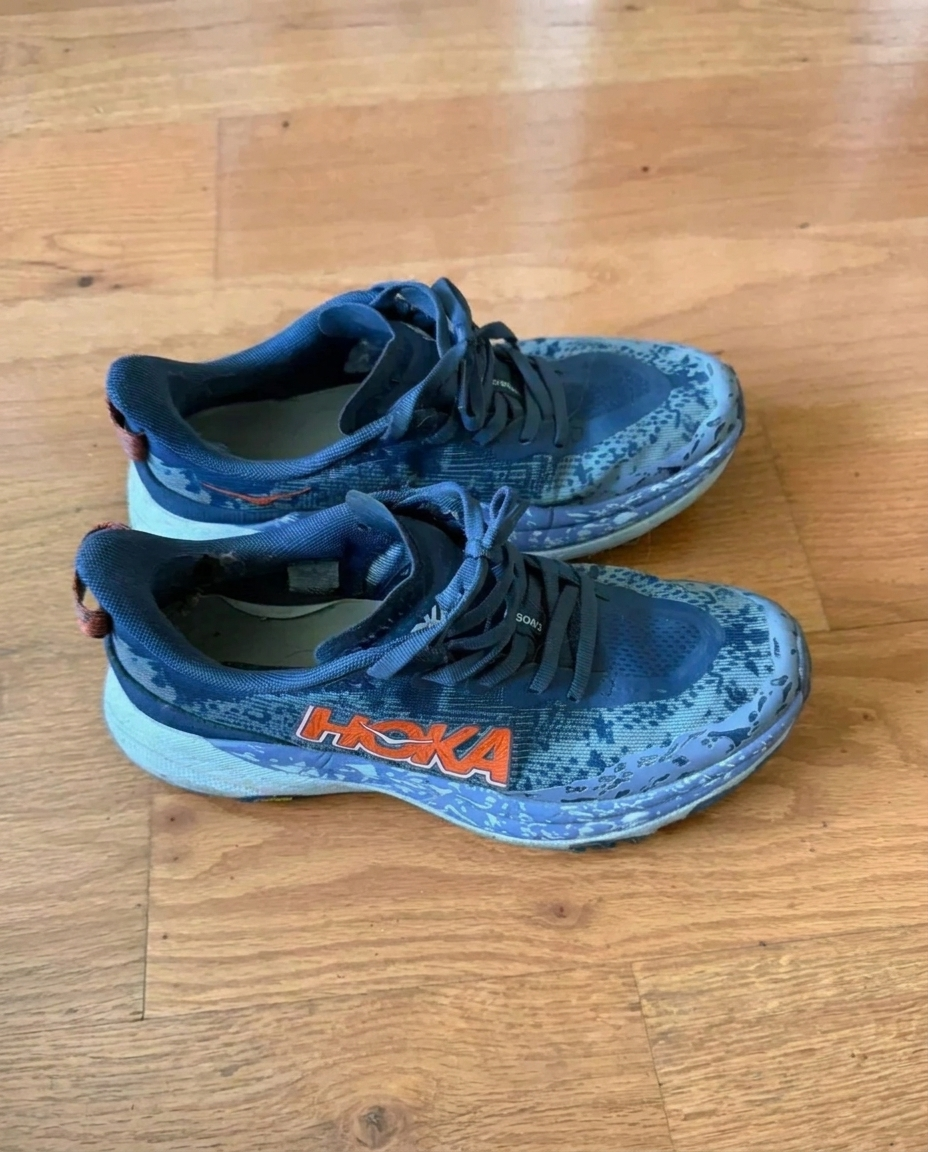
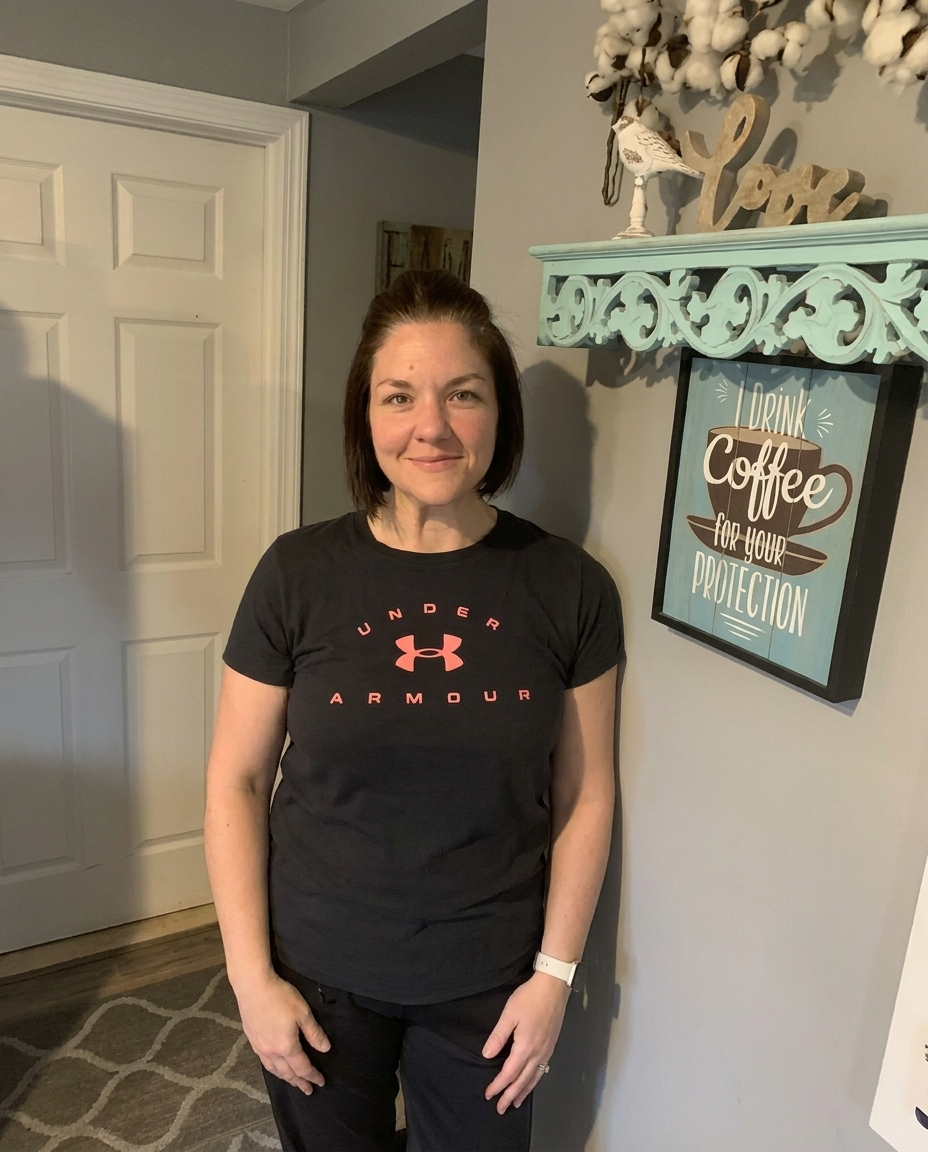
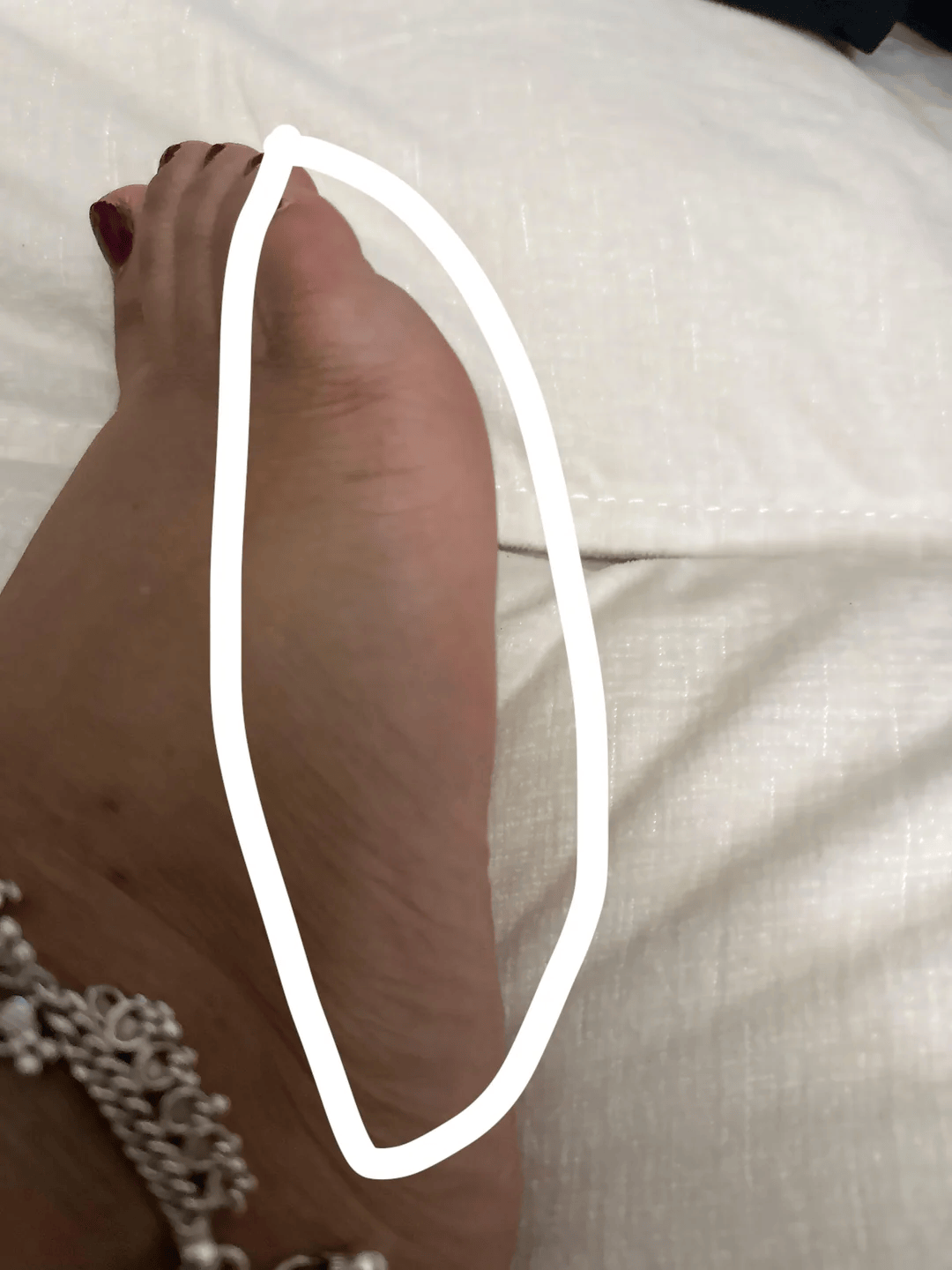
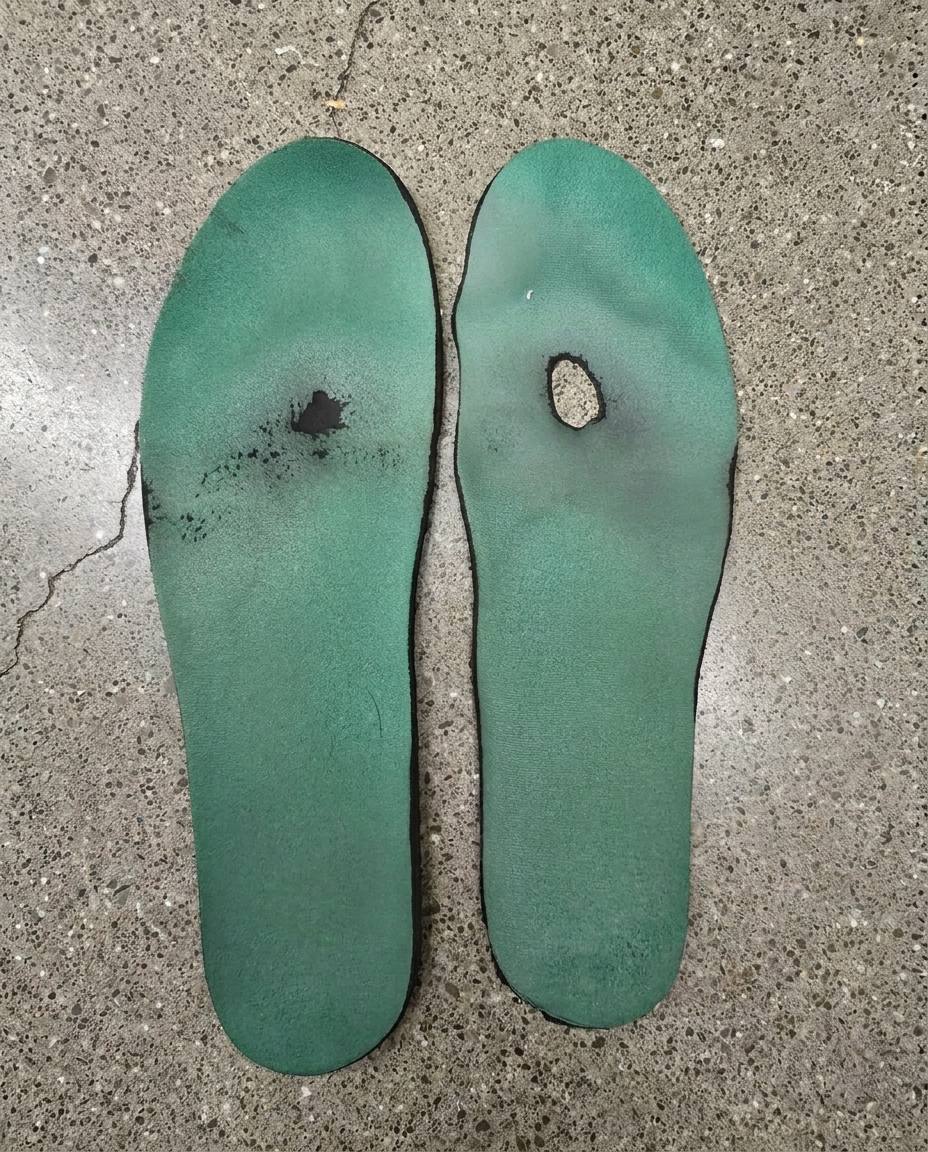
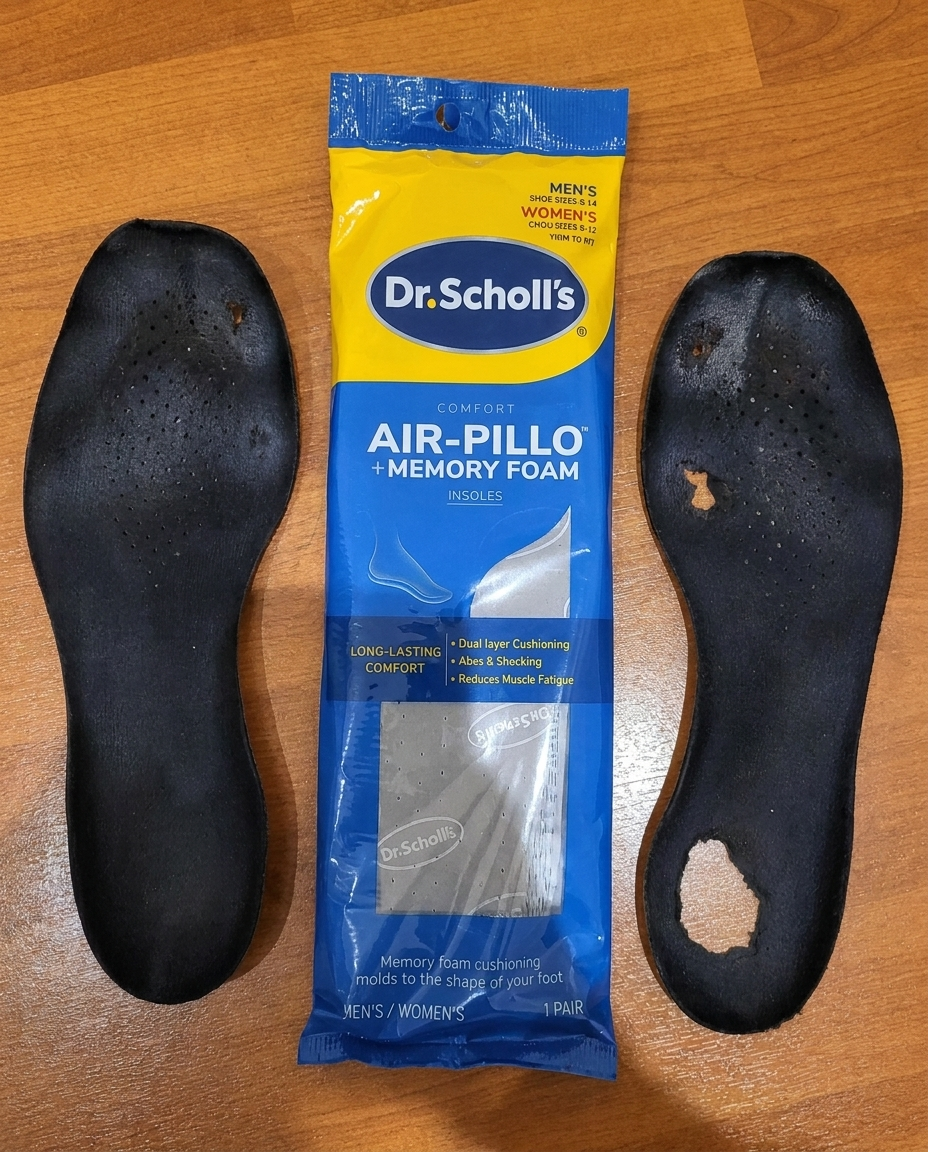
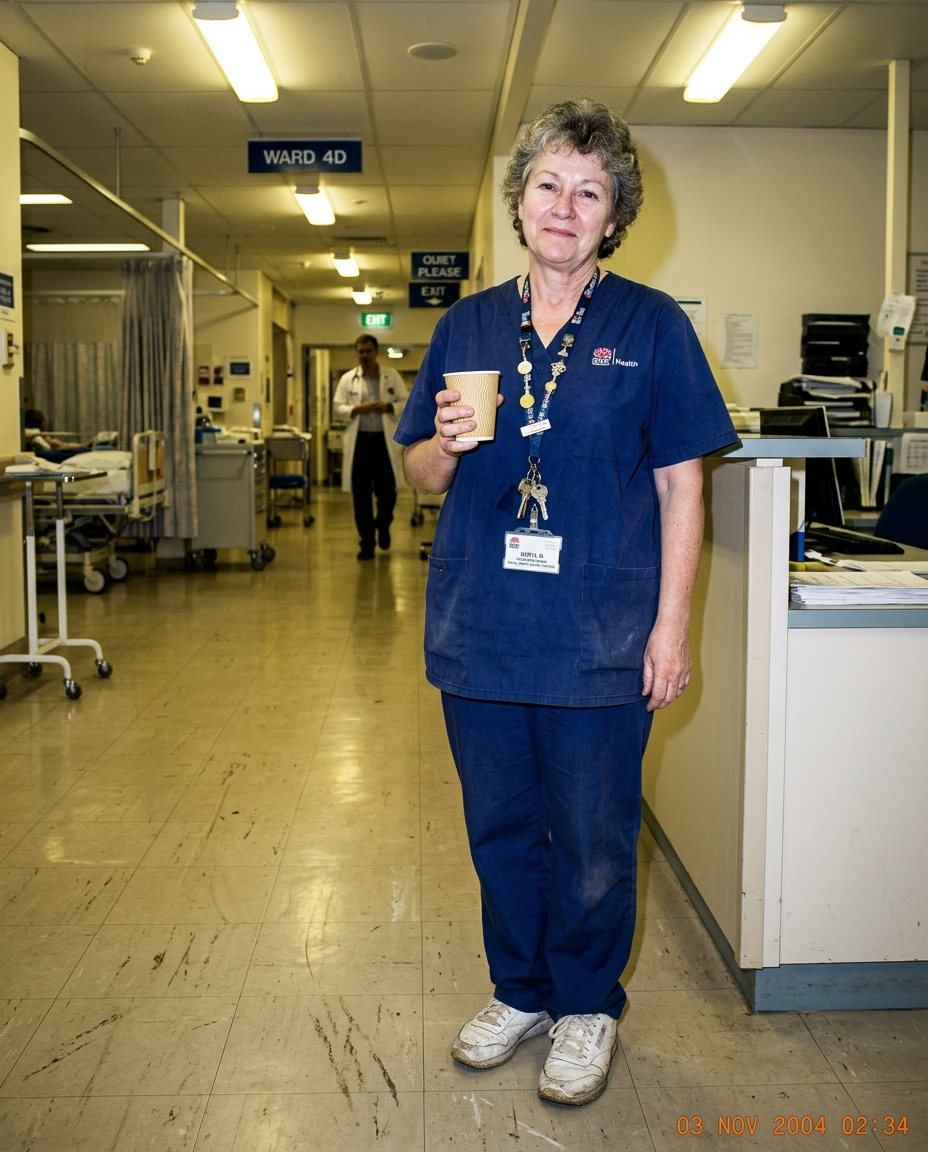
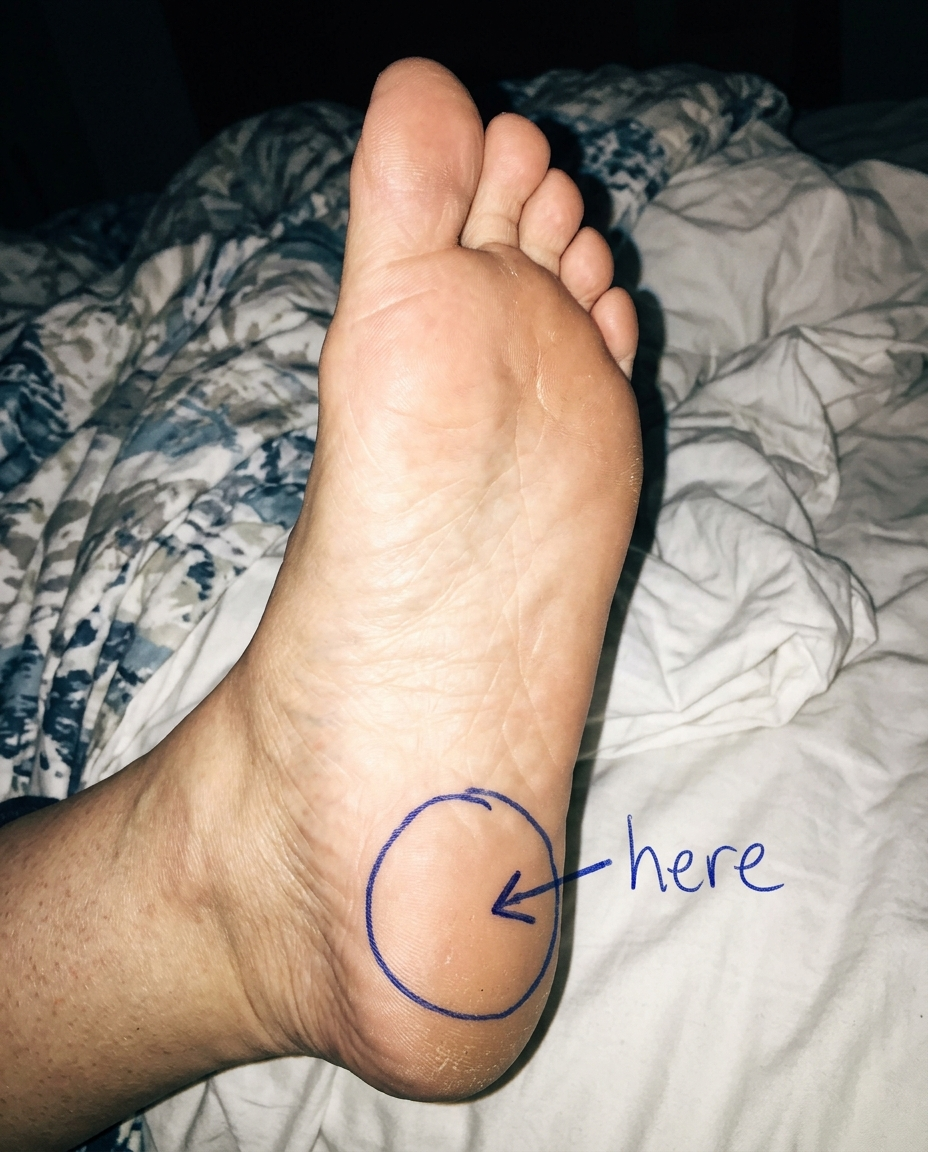
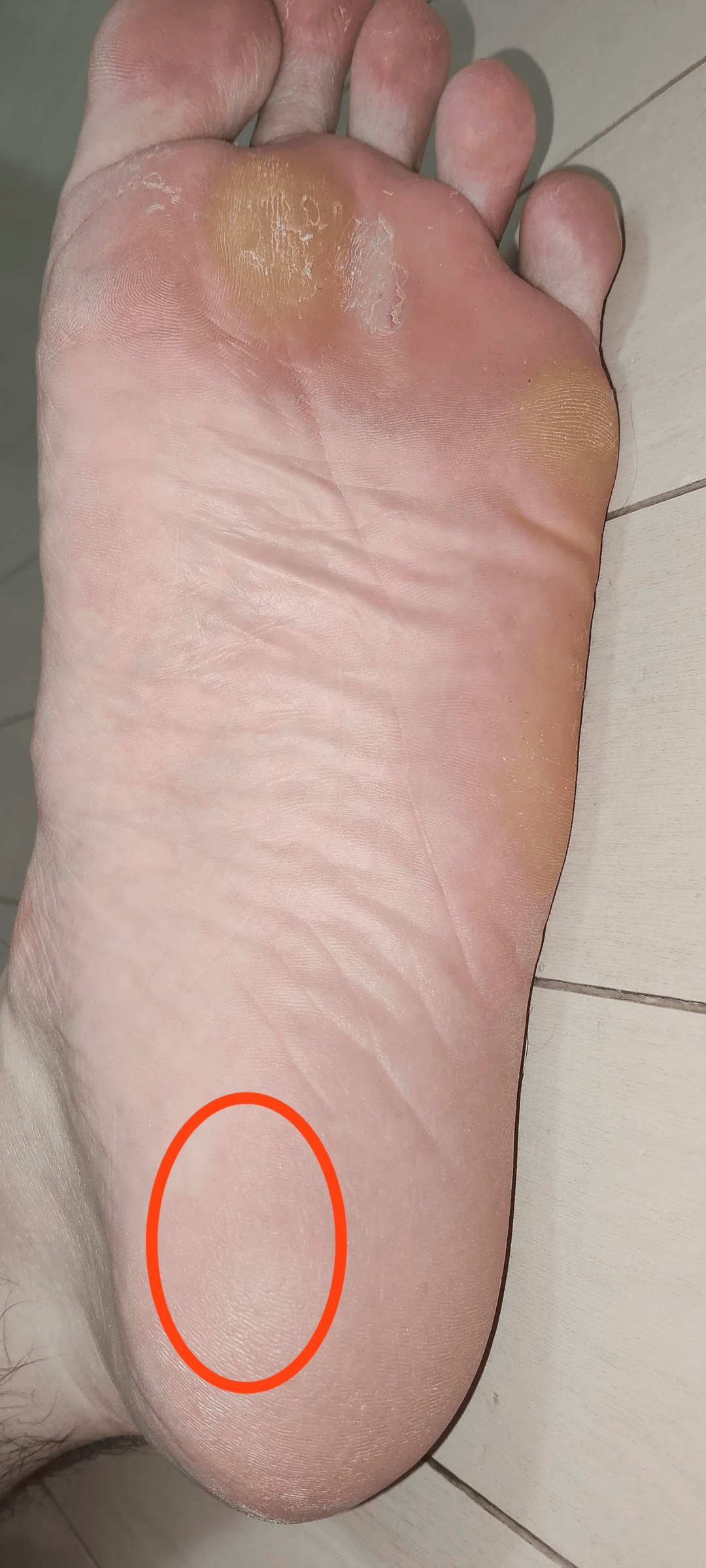
After 11 years of what 3 different doctors called plantar fasciitis, a woman sitting in my hospital's waiting room asked me a question none of them ever had. Her question, and what she explained after I answered it, changed everything I believed about why my heel pain kept coming back. I'm sharing this because I spent 11 years doing everything right and still woke up every single morning in pain. If you've been wearing the orthotics, rolling the frozen water bottle, doing the stretches off YouTube, getting the cortisone shots, and that first step out of bed still feels like broken glass, this might be the most important thing you read all year. I'm 54. I've been a nurse for 30 years. Twelve-hour shifts. Hard hospital floors. Ten thousand steps before lunch most days. My feet earned every ache they carry. I was diagnosed at 43. The doctor pressed on my heel, watched me wince, and said "wear and tear, consistent with your age and your job." Then he handed me a prescription and a printout of stretches. That was 11 years ago. And from that day on, I tried everything they put in front of me. Every insole. Every gadget. Every piece of advice. I never gave up. I just kept believing the next thing would finally be the one that worked. It never was. It started with the stretches. Calf raises against the wall. Rolling my arch on a frozen water bottle every night while I made dinner. It helped for an hour, maybe. By morning my heel was locked up again. Then the orthotics. Four hundred dollars for the custom pair. When those didn't hold, drugstore insoles in every shoe I owned. My heel didn't care. A night splint next. That hard plastic Strassburg sock that held my foot flexed all night. I lasted about four hours before my foot felt like it was on fire and I tore it off in my sleep. Then the tennis ball. The lacrosse ball, because someone said it was firmer. Compression socks I wore to bed. Better shoes, the good ones, Hokas and clogs that cost me a small fortune. Two rounds of physical therapy at a hundred and fifty dollars a visit. And when all of that failed, cortisone shots in both heels. The relief lasted about six weeks. Then the pain came back harder than before, like my feet were angry I'd tried to trick them. Every time I went back, I told him the same thing. "I'm doing everything you told me. I don't understand why it keeps getting worse." And every time, he gave me the same answer. "Plantar fasciitis is stubborn. We'll manage it." Manage. That word started to feel like a life sentence. Like I was supposed to accept that every year would be a little worse than the last, and there was nothing anyone could do but hand me another insole. And for a long time, I did accept it. Because that's exactly what started happening. At first it was small. Needing a few minutes before my feet would cooperate in the morning. Gripping the bathroom counter on the way to the sink. Running my heels under hot water before I could take a real step. Then it was the standing. I started planning my shifts around it. Taking the rolling stool into rooms so I could sit while I charted. Taking the long way around the ward to cut down on steps. Then it crept into my evenings. I stopped cooking standing up. I stopped going barefoot anywhere. By the afternoon I was limping, and by the end of a shift I was counting the steps to my car. But the thing that broke me was a Saturday at the zoo with my grandkids. They were five and seven. They wanted to see the elephants, which were at the far end, up a hill. We made it about halfway before my heels were screaming. I found a bench, and I sat down, and I told them, "Go on ahead, Nana will wait right here." I watched my daughter take their hands and walk them up the hill without me. I watched them get smaller. And I sat on that bench and understood that this was the shape my life was taking. Everyone else moving forward, me on a bench, waving them on. That night I cried in the shower where no one could hear me. Not because of the pain. Because I could see exactly where this was going, and it was smaller every year. I decided this was just the price of 30 years on my feet. My body was used up. This was what getting older looked like for a woman who stood for a living. Every nurse I worked with seemed to prove it. Bad feet. Bad knees. Bad backs. We all just pushed through. It was normal. It was expected. And I'd probably still believe that today, if it wasn't for a conversation I never expected to have. About 4 months ago, a woman named Ruth started coming in twice a week to sit with her husband, one of our long-term patients. Early sixties. Warm, and sharp in a way that made you sit up a little straighter. We'd say hello at the desk. Small talk in the hall. That was it. One afternoon she was waiting while we got her husband ready, and I came around the corner limping worse than usual. She looked right at my feet, then up at me. "How long has that been going on?" I laughed it off. "Oh, years. Just plantar fasciitis. Comes with the job." She didn't laugh. "I was a physiotherapist for 31 years," she said. "I watched hundreds of women get told exactly that. And I watched almost every one of them get worse, because nobody ever explained what was actually happening inside their foot. Sit with me a second." I sat. "How many things have you tried?" she asked. I almost laughed again. "Everything. Orthotics. Night splints. The frozen bottle. Cortisone. Physio twice. Better shoes. You name it, I've done it." She nodded slowly. Like she'd heard that exact list a hundred times. "And none of it lasted." "No." "Has anyone ever explained to you why? Not that it didn't work. Why it didn't work." Nobody had. Not in 11 years. Every doctor just moved me to the next thing on the list. "Your plantar fascia is a band of tissue that runs along the bottom of your foot," she said. "When it's healthy, it glides and flexes with every step, like a good rubber band. But after years of standing, that tissue stops moving the way it's meant to. It stiffens. Tiny adhesions form inside it, like knots in a rope. The glide is gone." "And here's the part almost no one tells you. Your fascia barely gets any blood flow, even when it's healthy. It's one of the most blood-starved tissues in your entire body. Once it stiffens, that flow drops even further. No blood means no oxygen, no repair. So every step just adds another small tear, the tissue gets tighter and more brittle, and your heel ends up absorbing a load it was never built to carry alone." I was listening. Really listening. "So what about the inflammation?" I asked. "The stabbing?" "That's downstream," she said. "That's what it looks like after the tissue has already lost its movement. Plantar fasciitis is just the name they give it when your heel hurts. But the reason it hurts, and the reason it keeps coming back, is that the fascia has stopped moving and stopped getting blood. Until you fix that, nothing else holds. Not the orthotics. Not the splints. Not the shots." I stared at her. "So you're telling me it isn't really an inflammation problem." "I'm telling you inflammation is the smoke," she said. "The stiff, starved fascia is the fire." "Then why can some people stand all day and never get this?" I asked. She smiled. "Let me tell you what changed how I think about feet. Years ago I studied how people in rural Japan care for theirs. You've got farmers in their eighties and nineties working the fields all day, climbing steep temple steps, and no heel pain. It isn't their genes. Every single day they press and work the soles of their feet. It's a practice that goes back centuries. They never let the fascia seize up in the first place. We stopped doing that. We cushion our feet, we sit, and the tissue quietly locks up on us." "And here's where that old practice meets the new science. When you combine that kind of targeted pressure with vibration, you get something stretching and cushioning simply cannot do. The vibration makes stiff fascia pliable again. It drives blood back into the starved tissue. And it quiets the pain signal at the same time, what researchers call the gate control effect. A tennis ball gives you pressure, but it never gets deep enough or consistent enough to matter. Pressure and vibration together do." "Think of your fascia like a hinge that's rusted shut," she said. "Orthotics are a cushion under the door so it stops slamming. A splint props it open overnight. Neither one frees the hinge. You have to actually work it, a little every day, until it moves again. That's the piece every single thing you tried was missing." "I know, because I had it too. 31 years of physio, on my feet the whole time. My own heels were finished by my late fifties. I tried everything I used to hand my patients. Nothing held. Not until I started doing this." That night I couldn't stop thinking about what she said. Everything matched. The stiffness that was worse in the morning. The pain that always came back. The way every treatment worked for a little while and then quit. I had been treating the smoke for eleven years and nobody had ever once pointed at the fire. The next time she came in, I pulled her aside. "Okay. Say you're right. What do I actually do?" "Most tools only give you one thing," she said. "A ball gives you pressure with no vibration. A splint gives you a stretch with no movement. You need pressure and vibration together, a few minutes every day, plus a way to keep the tissue loose between sessions." "The one I use is called the Vibit ROLL. 90 pressure points that press into the fascia, and it vibrates the moment you lean on it, so the pressure reaches deeper than a foam roller or a ball ever could. Ten minutes a day. That's the whole routine." "It comes as a starter pack. The roll to release the tissue. A magnesium spray and toe spacers to keep the relief going between sessions. And a masterclass from a chiropractor named Dr. Kyle Richmond that shows you exactly where to work and how, so you're not guessing. Most people stop at the roll. The other two steps are why the relief actually lasts." I looked it up that night. There were studies on vibration therapy for the foot. One trial found that adding vibration to standard treatment reduced pain, and even reduced the thickness of the damaged fascia, more than the standard treatment on its own. Not masking the pain. Working on the tissue itself. Over two hundred thousand people had bought it. Seven thousand reviews, rated four point nine out of five, and more than half of them mentioned plantar fasciitis by name. After 11 years of things that didn't work, what was one more try. And this one came with 30 days to send it back if nothing changed. I ordered it that night. When it arrived, I sat on the edge of my bed, put my foot on it, and turned it on. I told myself to expect nothing. I'd been let down too many times for that. By the second minute, the deep ache in my heel started to let go. Just eased off, while I was sitting there doing nothing. First time in years the stabbing had quieted on its own. I didn't let myself believe it. I just kept using it. Ten minutes in the morning, ten at night. Day 3. I got out of bed and walked to the bathroom. And halfway there I stopped, because I realized I hadn't gripped the counter. I hadn't run my feet under hot water. I'd just walked. By the end of week one, I finished a twelve-hour shift and walked across the entire parking lot to my car without stopping once. Week two, I did the grocery store without leaning on the cart. I got home and realized I hadn't thought about my feet in days. Then came the Saturday I took the grandkids back to the zoo. We went to see the elephants. Up the hill, all the way to the far end. And I walked the whole thing. I didn't sit on a single bench. When they ran ahead and yelled "Nana, keep up," I kept up. My daughter noticed. She didn't say anything at first. She just watched me climb that hill next to her instead of waving from the bottom, and her eyes went wet. "When's the last time you did that?" she asked. I couldn't remember. By the end of the first month, my mornings were just mornings. No hot water. No dread. I went a full day without ibuprofen, then a week, then I stopped reaching for it at all. Three months later, my morning doesn't start with pain and a plan to get around it. It starts with ten minutes on the roll and a glass of water. I go on walks with my husband on the weekend, real trails, uneven ground, and I don't think about my heels once. I finish my shifts without the afternoon limp. The woman who sat on that bench and waved her family up the hill is just gone. I still see Ruth every week when she visits her husband. Last Tuesday she watched me kneel to help a patient and stand back up without bracing on anything. She just smiled. She knew. I need to be clear about something. This isn't a miracle, and it isn't a cure, and it's not a replacement for your doctor. But it does the one thing 11 years of treatments never touched. It puts the movement and the blood flow back into fascia that had lost both. That is the reason nothing else ever lasted. The Vibit ROLL Foot Relief Starter Pack is the whole routine in one box. The roll with its ninety pressure points and four vibration settings for the ten minutes a day. The magnesium spray and the toe spacers to hold the relief between sessions. The Dr. Richmond masterclass so you know exactly what to do. A 30-day money-back guarantee, and a twelve-month warranty on the device. Right now they're running a sale, fifty-four percent off, a hundred and twenty-five dollars for the pack instead of two hundred and seventy-three. But it's a small company and they make the rolls in batches to keep quality up. Every time this offer runs, they sell out, and then it's weeks before the next batch is ready. Thirty days to try it. If nothing changes, send it back for a full refund. No questions asked. But if it works? If the very first night, the ache lets go while you're just sitting there? If by next week that first step out of bed doesn't stop you anymore? If a month from now you walk the whole zoo, the whole hill, and never once look for a bench? If your evenings come back, your shifts stop ending in a limp, and your weekends stop shrinking? You'll wish you'd started years ago. I know I do. 👉 https://vibit.com.au/products/the-vibit You don't have to keep managing a foot that just needs to move again.
Fix
UPDATE: GroundingWell Mat is SELLING OUT faster than expected! Lock in your order NOW to get 50% OFF + FREE SHIPPING to Singapore.
SHOP NOWLike this ad? Make it yours.
Crush rebuilds this exact creative around your product — your brand, your colors, your offer — in about a minute.