Total Relief Today
 Facebook ad: “The Real Reason Your Sciatica Keeps Coming Back”

Running for 42 days since October 9, 2026. Crush last saw it on November 20, 2026.
Run by Total Relief Today on Facebook. Crush is not the advertiser and does not verify its claims. See this ad in Meta's Ad Library(opens in a new tab)
Make your own version of this ad
Crush makes it, launches it in your own Meta ad account, scales the winners and pauses the losers.
About this ad
- Meta Ad Library ID
- 1770178537568472
- Platforms
- Facebook, Instagram and Threads
- Relaunches
- 0
Ad text
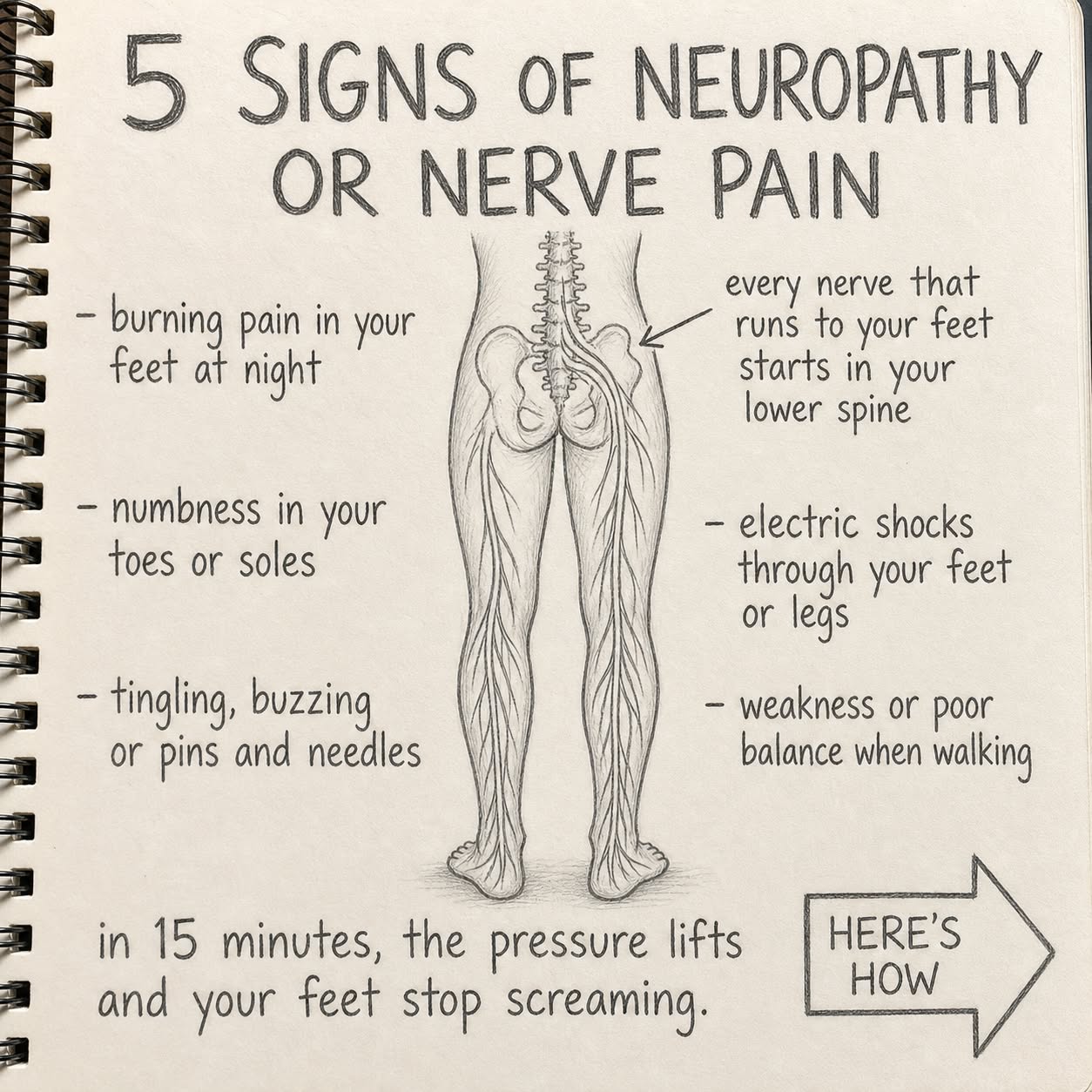
I treated sciatica in South Africa for 20 years without putting a single patient on a lifetime of gabapentin or epidural injections. When I moved to America, I couldn't believe what doctors here were telling their patients. I've been a spine and nerve specialist for 23 years. The first 21, I practiced in South Africa. I moved to the United States a little over two years ago, when my wife's hospital recruited her to Georgia. I joined a good practice here. Good doctors. Good people. And in my first three months, I saw something that kept me up at night. Men and women in their 60s and 70s with pain burning through the hip and down one leg like an electric wire. People who could walk but could not sit through dinner, a car ride, or Sunday service. Every one said the same thing. "My doctor says it's sciatica. He's been managing it for years." In South Africa, we do not manage this. We find what is crushing the nerve, and take the pressure off. By the time someone is on a third medication and being told to "learn to live with it," something has been missed. No pill fixes what was missed. It only quiets the alarm. Here's what your doctor probably hasn't told you about what sciatica actually is. Your leg does not burn because there is something wrong with your leg. The nerve carrying that pain does not even start in your leg. It starts in your lower back. At three points on your spine called L4, L5, and S1. Those nerve roots join to form the sciatic nerve. It runs through your hip and all the way down your leg into your foot. When it has room, the signal is clean. Your leg feels and moves the way it should. But here is what happens after 40. The discs between the bones of your spine are cushions full of fluid. Year after year, they dry out. They flatten. And as they flatten, the bones settle closer together and the small openings your nerves pass through begin to close. Millimeter by millimeter, one of those nerve roots gets squeezed. Not damaged. Not dying. Squeezed. A squeezed nerve does not send a clean signal. It misfires. It creates burning when nothing is hot, an electric shock when nothing touched you, and a knife-like pain from the buttock to the foot. Every symptom of sciatica. From a nerve that is compressed, not ruined. And that one word changes everything. Because a damaged nerve may never come back. A compressed nerve can. You only have to take the pressure off. Your leg isn't the problem here. The protocol that treats the pain while ignoring the pressure in your spine is. Which raises the obvious question. If pressure is causing the nerve to scream, why is the entire treatment plan built around making you hear it less? The goal is to take the load off the nerve and give it room again. A nerve that is misfiring under pressure can calm down when that pressure is released. I want to be honest about gabapentin, epidural injections, and microdiscectomy. Because most of my American patients had already tried one, and many had tried all three. Gabapentin turns down how loudly your brain feels the signal. An epidural quiets the inflammation around the nerve. A microdiscectomy cuts away the piece of disc pressing against it. For some people that buys real relief, and I have referred patients for surgery when it was right. What none of them does is restore the fluid and height the disc lost in the first place. So the opening stays narrow. The nerve stays vulnerable. And months or years later, a great many of those patients are sitting in the same chair with the same fire running down the same leg. Cutting away one piece of disc in a spine that is still collapsing is like widening a doorway in a sinking house. The doorway is bigger for a while. The house is still sinking. I have seen patients who came to me after 2 and 3 injections and a procedure. Every one of them done correctly. And every year, the amount of life they could still live had gotten smaller. Because nothing had changed about why the nerve lost its room in the first place. As one woman told me, they kept treating my leg and I kept losing more of my life. This is what nobody tells you about where sciatica leads if the cause goes unaddressed. It does not stay a bad leg. It becomes a smaller life. And that life keeps shrinking. First it is putting on your socks. Then dinner. Then the car ride to see your grandchildren. You stand at the back of church because the pew is unbearable. You stop sleeping beside your spouse because only the recliner lets your leg rest. You start saying you're fine right here when everyone else gets up to go. And when that nerve has been squeezed long enough, pain is not the only thing you lose. Your foot catches. Your leg gives way. The muscles weaken. A fall at 70 can mean a broken hip, and a broken hip can end a life of independence in a single afternoon. I have had that conversation more times than I should have. With people who did everything their doctor asked. Who kept pushing because everyone depended on them. And who lost their sleep, their strength, and their freedom while the cause kept advancing underneath, untouched. When I arrived in the US, I assumed this research had simply crossed the ocean already. In South Africa, spine specialists had been decompressing these nerve roots for over a decade. The work grew out of South African rehabilitation medicine, from specialists asking why two patients with nearly identical scans could end up with completely different lives. What they found was that the patients who got their lives back were the ones whose nerves regained room. Not the ones who learned to tolerate the most pain. It was never a willpower problem. It was a pressure problem. A spinal rehabilitation institute in South Africa followed 540 patients with lumbar radiculopathy over 14 weeks. Two groups. Same guidance. One group also spent 15 minutes a day taking the pressure off those nerve roots at home. At 12 weeks, the first group was no better than the day they started. In the second group, 91% had measurable improvement in their symptoms. And 46% regained measurable nerve function on follow-up testing. Independent of age. Independent of how frightening the pain had become. It came down to the pressure. Since then, more than 121,500 people have used the at-home version of this. 91% reported significant relief within the first weeks. 87% reduced or eliminated their pain medication. 74% avoided a surgery they'd been told they needed. I want to tell you about one patient, because her results are what I see when someone finally treats the right problem. She was 66. Five years of burning pain from her right hip to her foot. Three epidural injections. Gabapentin every night. Two surgeons told her the nerve would only get worse, and that surgery was the next step. She almost didn't try. Five years of doing everything she was told had taught her not to hope. She had always been the strong one—the one who prayed, pushed through, and did not make her pain everyone else's problem. She said 15 minutes a day could not undo what five years of treatment hadn't. I explained it simply. The medication and injections were turning down the alarm. Surgery would cut away one piece touching the nerve. None were designed to give a dry, flattened disc its height back. Her leg was not broken. The nerve feeding it was pinched at the root, in her lower back, where no one had looked. She agreed to try. Week 2: the burning dropped from an 8 to about a 4. First time in five years it had gone down instead of up. Week 3: she slept a full night in her own bed without moving to the recliner. Week 6: she sat through an entire Sunday service without standing in the aisle once. Afterwards she knelt beside her grandson in the fellowship hall, then stood up by herself. She called her husband over and could not explain why she was crying. Week 12: she called the surgeon's office and asked to be taken off the schedule. She had not taken a gabapentin in three weeks. She had simply stopped needing one. Her husband told me quietly that he felt he had gotten his wife back. He had lost his companion to this too. Most spouses do, and no one ever asks how they are. In South Africa, this is where we begin. Not with another injection. With the pressure itself. I share this because I spent two years quietly frustrated by what I saw here. People who came to me after years of being told to stay strong and keep managing their sciatica, while their world slowly shrank to a recliner. People who felt like they were failing. Like their own body was betraying them despite everything they did right. They were not failing. The protocol was failing them. American sciatica care is built around the pain signal and the scan. Medication quiets the signal. Injections calm inflammation. Surgeons correct what they see. Restoring space around a compressed nerve is a rehabilitation question, in a different department here. Most doctors graduated before this research was published. They practice what they were taught. That is not a criticism. It is just where the knowledge gap sits. But the research exists. And you do not have to wait for your doctor to find it. If the pain burns from your hip into your leg. If sitting through dinner, church, or a car ride has become a private endurance test. If you have been stacking medications and injections while the pain always comes back. The answer is not a higher dose or another date on a surgery calendar. It is to take the pressure off the nerve, and give it the one thing it has been missing. Room to breathe. I'll leave a link below to the article that explains it, and the device I recommend to my own patients. I have no financial relationship with the company. I recommend it because the mechanism is sound, the research supports it, and I have watched it work in people who had already been given a surgery date. You've spent years managing what you were told to accept. It's time to treat what was never given room. https://try.smoothspine.com/tfbm-coc-bdlead-mt
Where the ad sends people
try.smoothspine.com
👆 The Real Reason Your Sciatica Keeps Coming Back
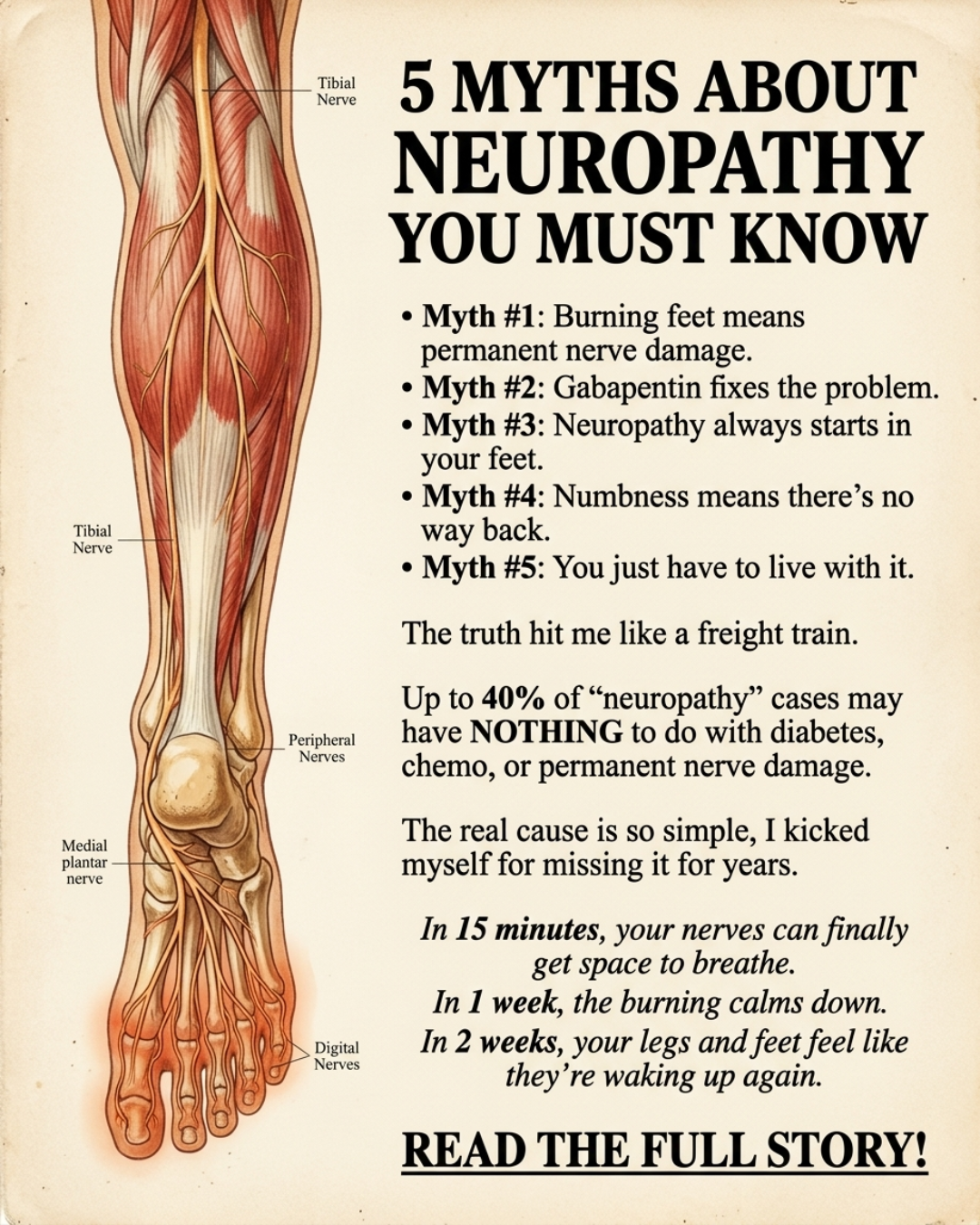
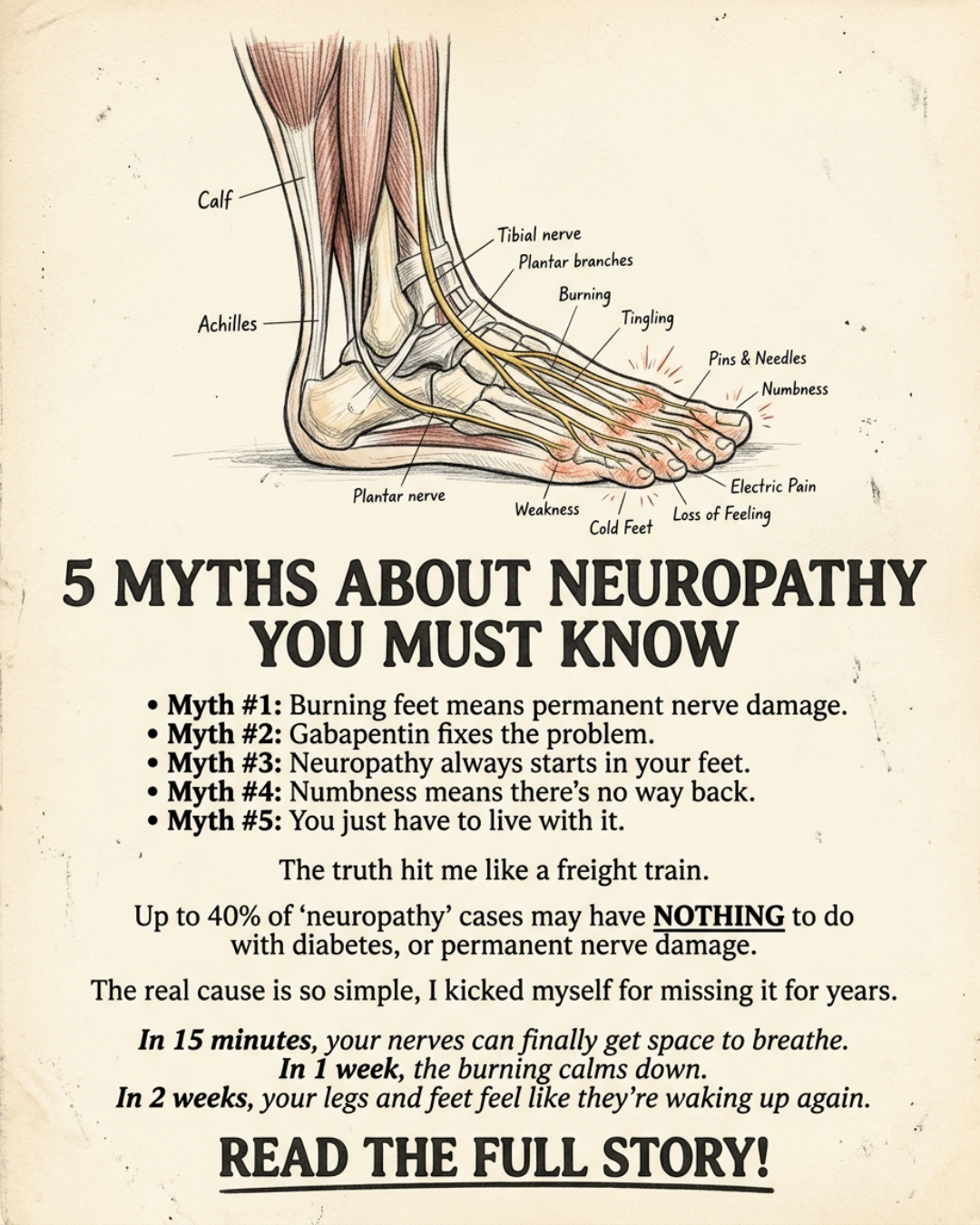
That demon shooting from your lower back, through your hip, down into your leg... the burning, the numbness, the way it can stop you mid-step in your own kitchen... that isn't in your head. And it isn't from "just getting older."
Learn more: try.smoothspine.com(opens in a new tab)