Canine Health Australia
Canine Health Australia Facebook ad: “Read If You Own a Dog in Australia”
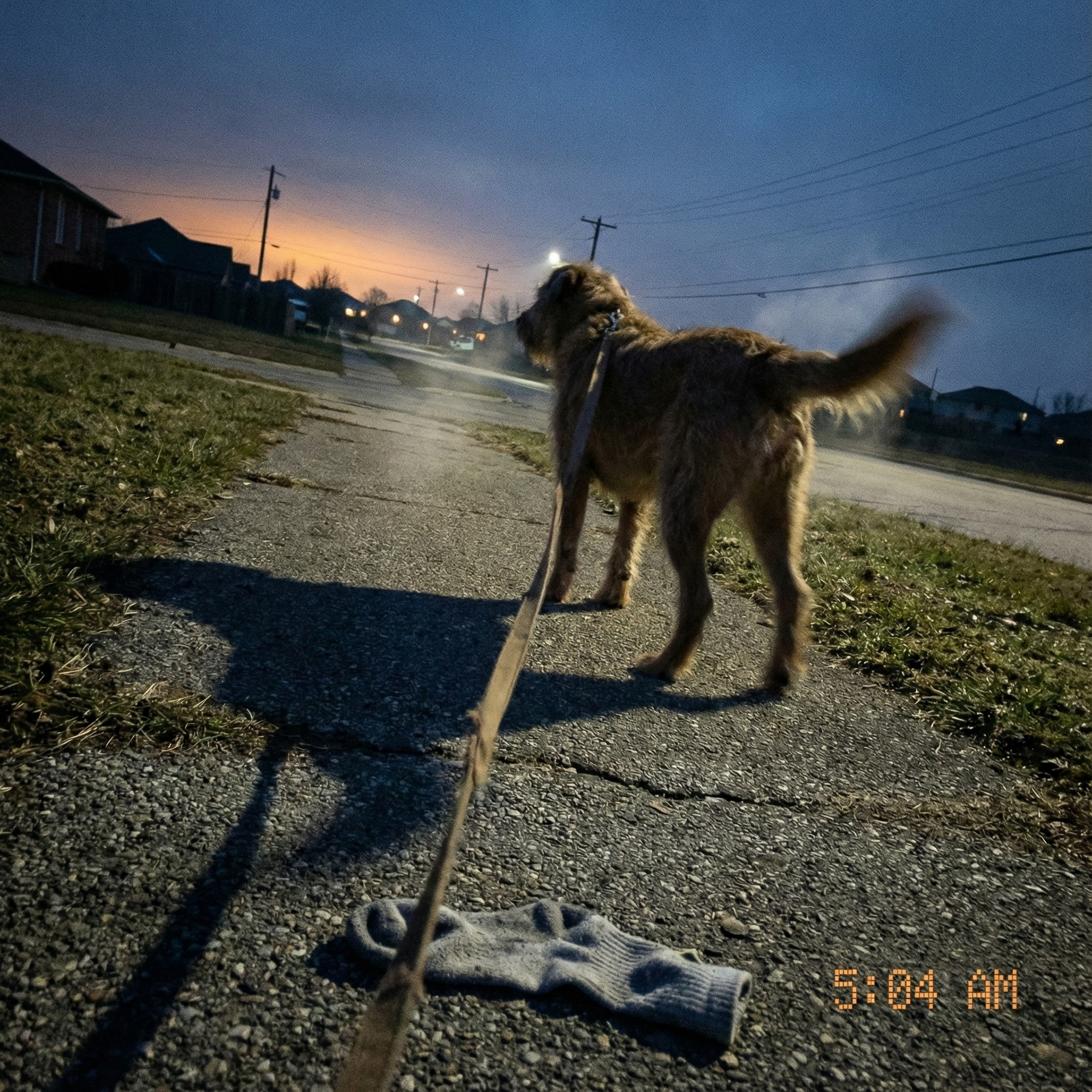
Ran for 61 days, from December 23, 2025 to February 22, 2026, the last day Crush saw it.
Run by Canine Health Australia on Facebook. Crush is not the advertiser and does not verify its claims. See this ad in Meta's Ad Library(opens in a new tab)
Want an ad like this for your product?
Crush makes new ad images for your product from this ad: your logo, your product photo, your offer.
Trials from $19.95 USD, then $79.95 USD a month. Cancel anytime.
About this ad
- Meta Ad Library ID
- 1774545853261087
- Platforms
- Facebook, Instagram, Audience Network, Messenger and Threads
- Relaunches
- 0
- Niche
- Pets
Ad text
Your aircon is working overtime. Your dog is still panting. Here's the part nobody tells you: he's not overheating from the air. I learned this the hard way. Last January, we copped a brutal heatwave. Four days of 38°C+ forecast. I did everything right. Cancelled the beach trip. Closed all the blinds. Set the aircon to 22 and left it running around the clock. I even stayed home from work that Friday just to keep an eye on Cooper. Water bowl filled twice a day. Frozen treats in the afternoon. I was doing everything I'd ever been told to do. And still... he panted. Not the dramatic, emergency-level panting. Just this constant, low-grade heaviness to his breathing that never quite stopped. He'd lie on the tiles for ten minutes. Then get up and move to the carpet. Then back to his bed. Then back to the tiles. I counted once. Six times in an hour. I told myself it was just the heat. That he was coping. That the aircon was doing its job. By day three, I couldn't shake the worry anymore. I called the vet and they squeezed us in that afternoon. She checked his gums. Pressed on his skin. Listened to his heart rate. Then she looked at me and said the words I wasn't expecting: "He's showing early signs of heat stress." I just stared at her. I explained the aircon. The water. The cancelled plans. The fact that I'd been home watching him for three days straight. How was that possible? She nodded like she'd heard this before. Then she asked me a question that changed everything: "What surfaces is he lying on at home?" I didn't understand at first. Surfaces? What did that have to do with anything? The house was cool. The air was cool. Wasn't that the whole point? She explained it simply. Dogs don't cool down the way we do. They can't sweat through their skin. They pant to release heat from their airways, yes—but they also rely heavily on contact cooling. Their belly, their paws, their chest pressed against a cool surface. When that surface absorbs their body heat and warms up, they have to move. Find a new spot. Start again. "Your aircon is cooling the air," she said. "But Cooper isn't overheating from the air. He's overheating from the surfaces." It hit me like a slap. The tiles that felt cool when he first lay down? They absorb his body heat within minutes. Then they're just... holding it. Reflecting it back into him. The carpet? Even worse. It insulates. His dog bed? A heat trap. The gel cooling mat I bought two summers ago? I went home and tested it. Eleven minutes before it was the same temperature as his body. The gel had absorbed all it could. After that, he was just lying on a warm surface that used to be cold. He wasn't restless because he was anxious. He was restless because every surface in my house was filling up with his body heat and stopping working. I was cooling the air three feet above him. Nothing was addressing what was happening underneath. That night I went down the rabbit hole. 2 AM. Reading everything I could find. I learned that brachycephalic breeds—Frenchies, Pugs, Bulldogs—are at the highest risk because they can't pant efficiently. But it's not just them. Senior dogs. Thick-coated breeds. Even healthy dogs in their prime during bad heatwaves. I read horror stories. Dogs who'd collapsed indoors with the aircon running. Emergency vet bills in the thousands. Organ damage that happened faster than anyone expected. I read about dogs who died at home, in houses that felt perfectly cool to their owners. The guilt was suffocating. I'd been right there. Three days straight. Watching him struggle. And I didn't know what I was looking at. The wet towel thing? I tried it. He avoided it because it was damp and uncomfortable. And it dried out within an hour anyway. Frozen water bottles? The condensation made puddles everywhere. And he wouldn't lie near them. The gel mat I already had? Useless after ten minutes. It absorbs heat like a sponge. Once it's full, it's just a warm mat. Ice cubes in his water? Gone in minutes. He was still panting. I was throwing solutions at the wrong problem. I found the answer buried in a Facebook comment at 1:30 in the morning. Someone in a Husky owners group—a woman in Brisbane of all places, with two senior Huskies—mentioned something that made me stop scrolling. She said her dogs had stopped the constant repositioning. Stopped the panting that never quite went away. She said they'd lie in one spot for hours now, even on 40-degree days. Someone asked what changed. Her reply: "I stopped trying to cool them down. I got something that pulls the heat away instead. There's a difference." I didn't fully understand that at first. But I was desperate. So I kept reading. The thing she was describing wasn't a gel mat. It didn't absorb heat until it was full. It used some kind of ice silk fabric that works through continuous thermal conductivity. Instead of soaking up heat like a sponge, it moves heat away from the body. Continuously. The surface never saturates because the heat isn't being stored—it's being dissipated. I ordered one that night. Didn't even compare prices. Just needed it to arrive before the next hot stretch. The first real test was a 40-degree Saturday three weeks later. I put the mat on Cooper's usual spot in the lounge. Didn't make a big deal of it. Just waited. He lay down around 10 AM. By noon, I realised he hadn't moved. I kept checking on him. Waiting for the pacing to start. The repositioning. The panting that never stops. It didn't come. At 2 PM, I put my hand on the mat right next to where he was lying. After four hours of a 30-kilo dog pressed against it... it was still cool. Noticeably cooler than the tiles two feet away. The heat was going somewhere. It wasn't trapped underneath him anymore. His panting had slowed. Not stopped—slowed. And honestly, that's when I realised how constant it had been before. I'd gotten so used to the sound that I'd stopped hearing it. Six weeks later, I brought him back to the same vet for a follow-up. She did the same checks. Gums. Skin. Heart rate. Then she looked up and said: "Whatever you changed, keep doing it. He's a different dog." I didn't tell her it was a mat. I didn't need to. Here's what I wish someone had told me three summers ago. The aircon helps. The water helps. The shade and the cancelled plans and the vigilance—it all helps. But if your dog is still panting, still restless, still moving from spot to spot searching for relief that never lasts... It's not the air. It's the surfaces. Every surface in your house absorbs heat until it's full. Then it reflects that heat right back. Your dog isn't being dramatic. He's not just "hot." He's lying in a pool of his own warmth with nowhere to put it. The tiles. The carpet. The dog bed. The gel mat. They all fill up and stop working. What changed everything for Cooper was a surface that doesn't fill up. That continuously pulls heat away instead of absorbing it. The restlessness stopped. The panting slowed. The guilt I carried every summer finally lifted. I keep one in the lounge, one in his crate, one in the car for after walks. No freezing. No water. No setup. If your dog is doing that thing—the pacing, the tile-seeking, the repositioning every fifteen minutes—you're not imagining it. You're watching him tell you something. I just didn't know how to listen until my vet made me see it. Now I do. And now he doesn't have to tell me he's struggling anymore. Because he's not.
Where the ad sends people
aussietailz.com
Read If You Own a Dog in Australia 👆
AussieTailz
Learn more: aussietailz.com(opens in a new tab)