Amy Christine Delgado
Amy Christine Delgado Facebook ad: “Your hair might not grow back”
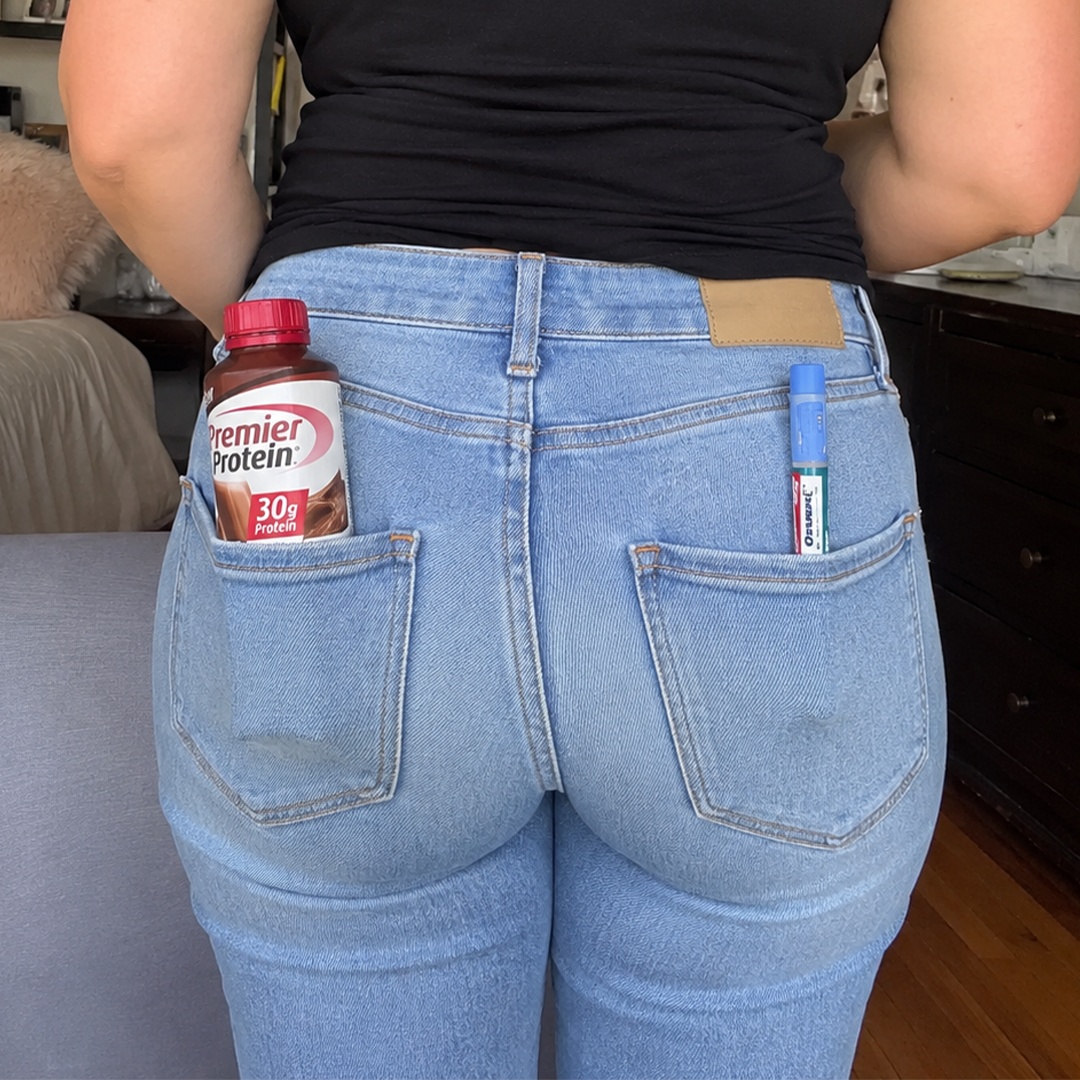
Ran for 44 days, from July 27 to September 9, 2026, the last day Crush saw it.
Run by Amy Christine Delgado on Facebook. Crush is not the advertiser and does not verify its claims. See this ad in Meta's Ad Library(opens in a new tab)
Make your own version of this ad
Crush makes it, launches it in your own Meta ad account, scales the winners and pauses the losers.
About this ad
- Meta Ad Library ID
- 1775663303630256
- Platforms
- Facebook, Instagram and Threads
- Relaunches
- 0
- Niche
- Hair Care
Ad text
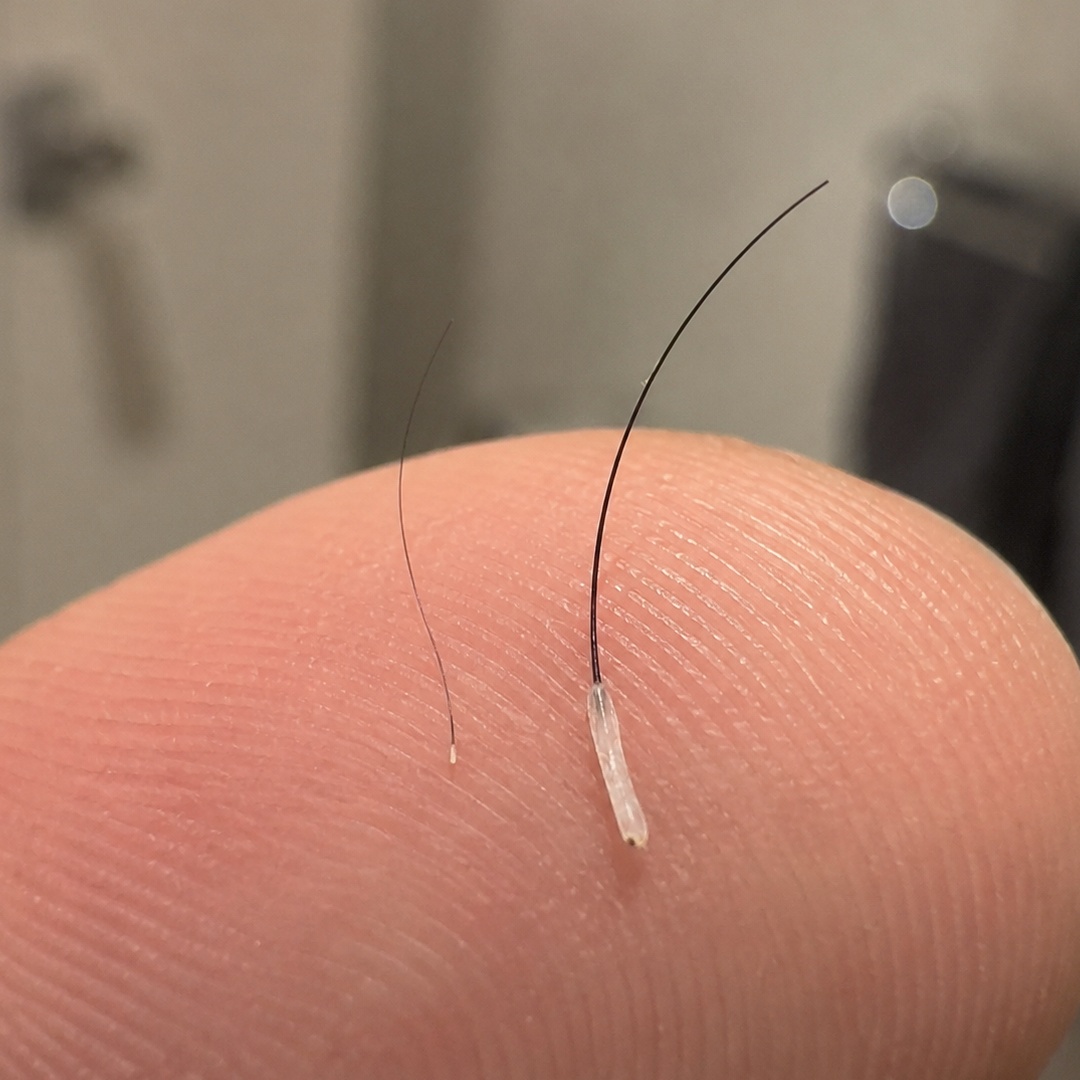
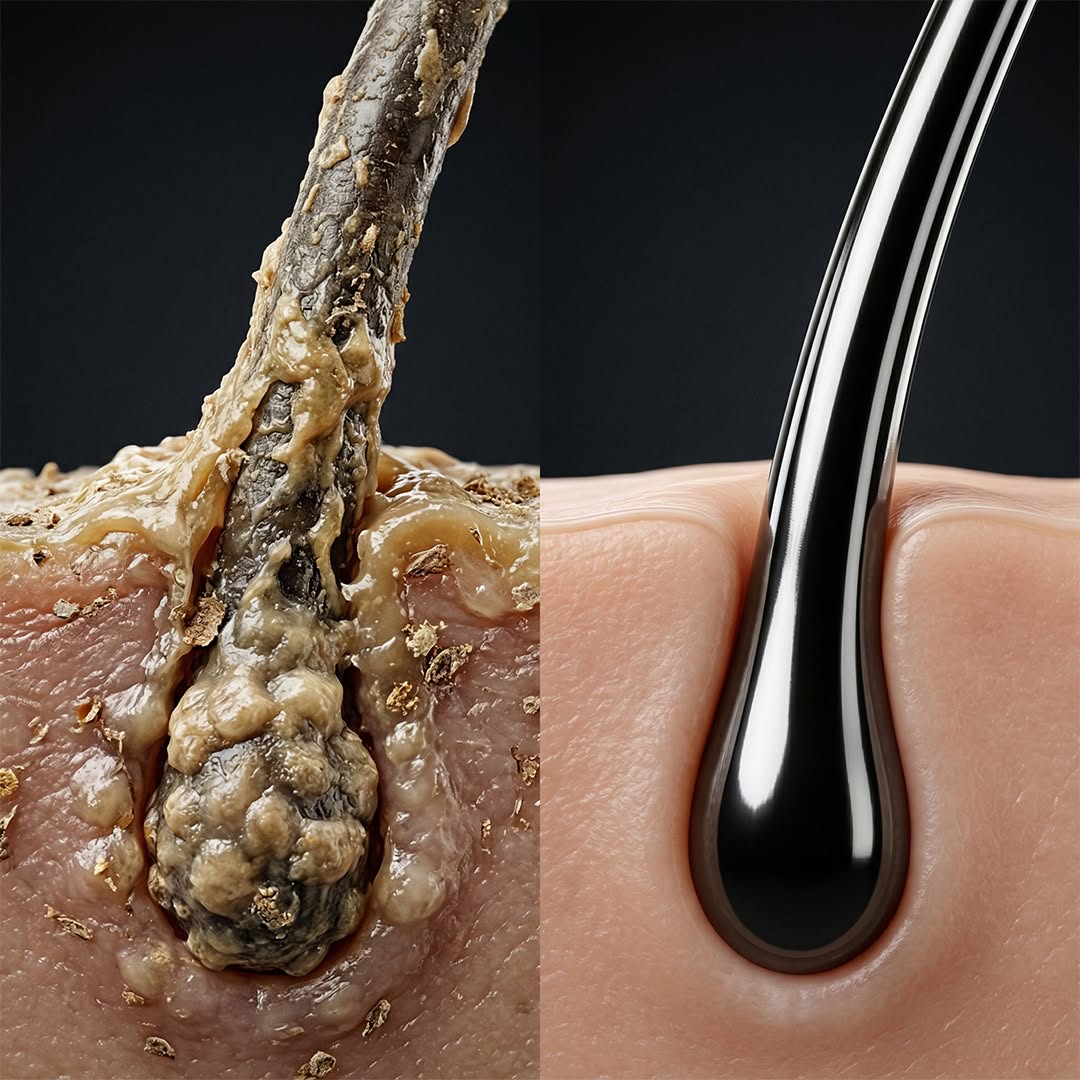
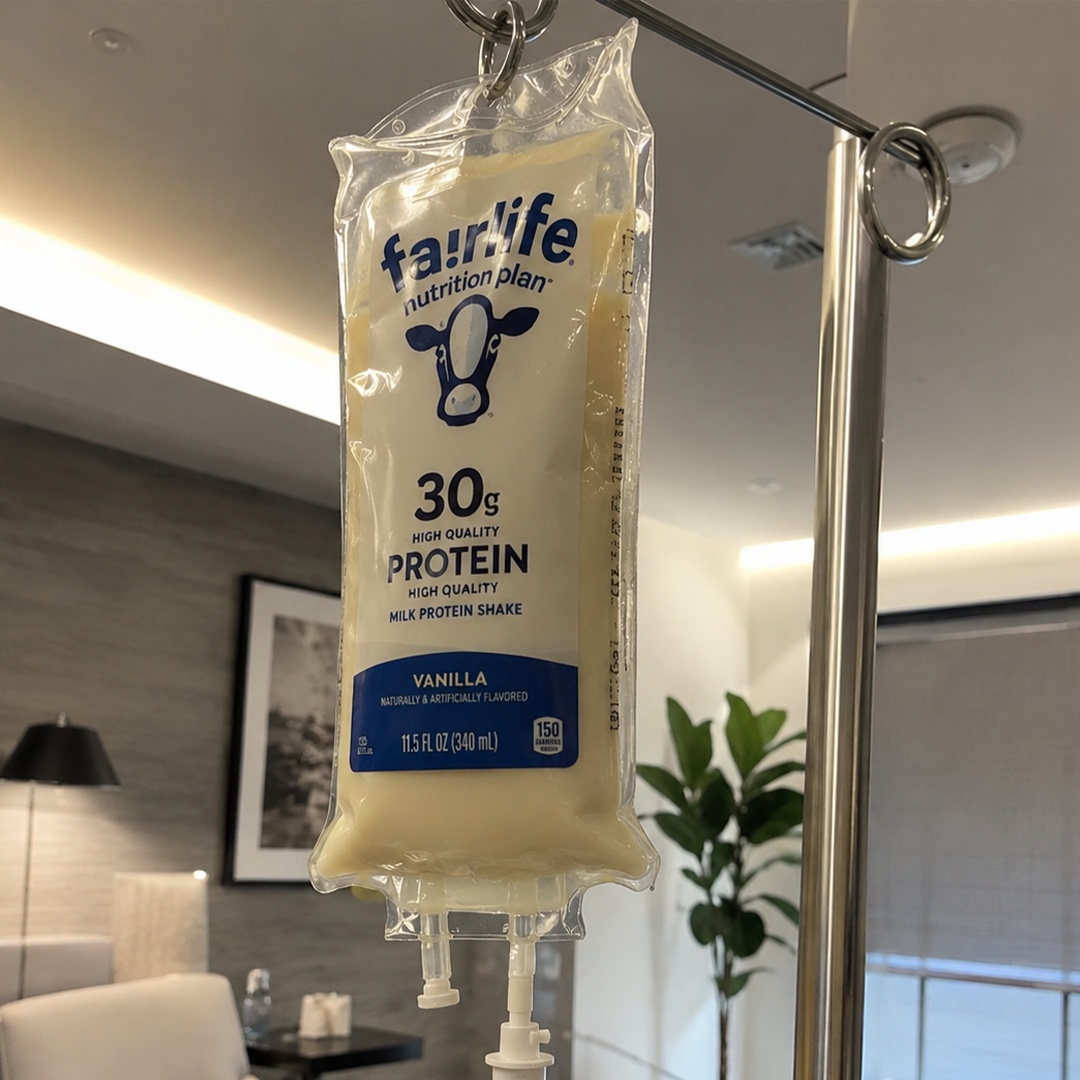
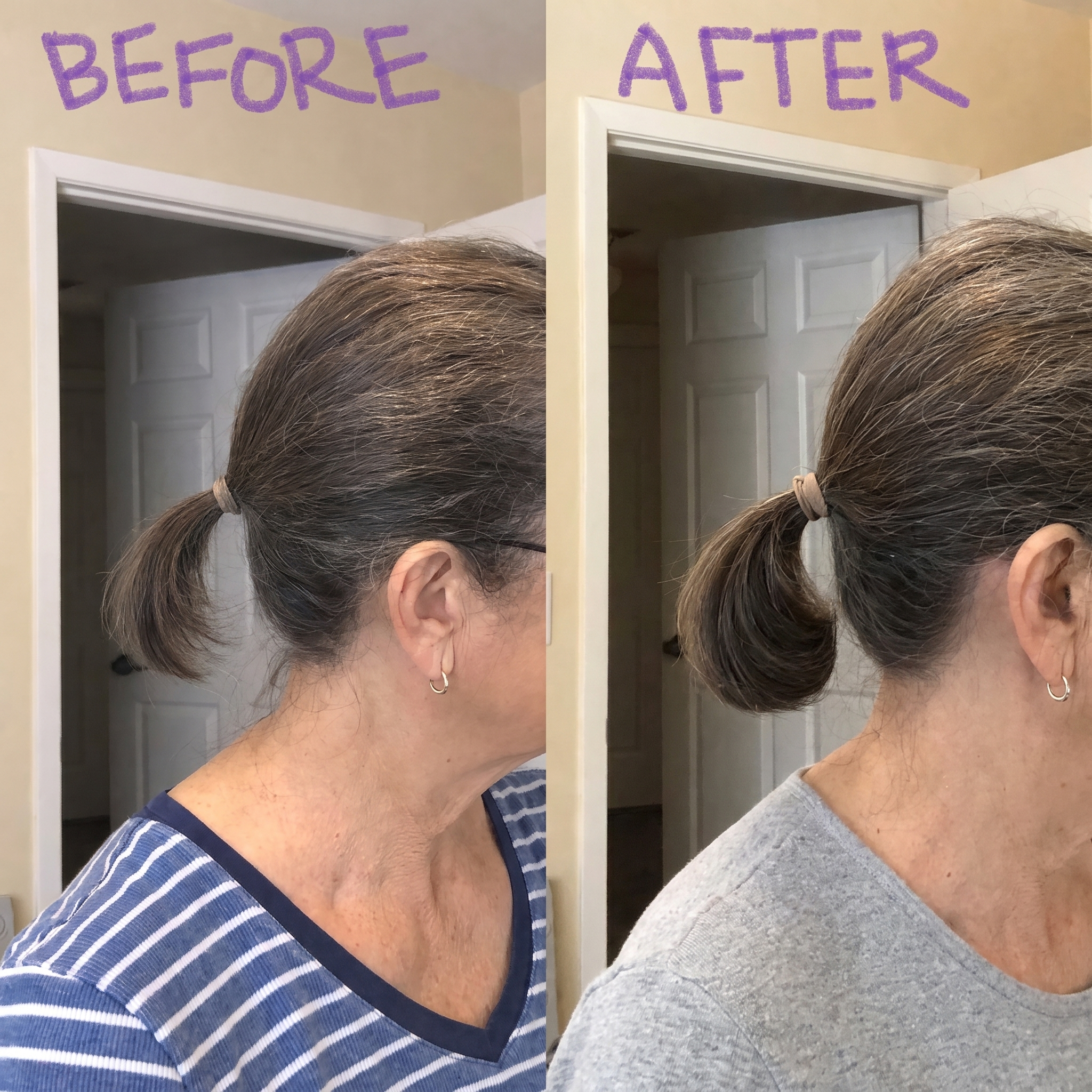
If you're losing hair on a weight loss medication and you've been told to eat more protein — please read this before you choke down another shake. I was eating 130 grams a day. Drinking the collagen. Taking the biotin. I'd been on Nutrafol for fourteen months. Hair kept falling out anyway. Here is the fact that should have ended the "just eat more protein" conversation years ago. In the drugmaker's own trials, women lost hair on these medications at roughly fourteen times the rate men did. Same drug. Same dose. Fourteen to one. And women lose weight slower on these drugs than men do. Not faster. Slower. So if it was the calorie deficit, men should be losing more hair, not less. The number should be reversed. It isn't. It's fourteen to one, against us. Which means it was never the food. Something happens to women specifically on these medications — and almost nobody is treating it that way. I know, because I lived the whole thing first. Standing in the supplement aisle at Target, reading every biotin label, hoping the 10,000 mcg ones would be different from the 5,000 I'd already tried. Ordering the $47 collagen off Amazon, mixing it into everything even though it made me gag. Forcing 130 grams of protein a day with zero appetite, because every weight loss group swore that was the fix. Spending $89 a month on Nutrafol because surely something that expensive had to work. And it got worse. Not better. The drain clogs got bigger. My part got wider. The ponytail got lighter in my hand every single week. I lost 72 pounds on the medication. For the first time in twenty years I wasn't fighting the same fifty pounds over and over. I loved what I saw in the mirror again. And none of it mattered when I looked at the top of my head and could see my scalp through my hair. It wasn't vanity. It was grief. I was watching a piece of myself disappear and I couldn't stop it. And everyone had the same answer. It's the rapid weight loss. You're not eating enough protein. Be patient. So I did the obvious thing. Three months in, I quit the medication entirely to see if the shedding would stop. Six weeks. Not a single dose. The hair loss didn't slow down. Not even a little. But I gained back 15 pounds and the food noise came roaring back. So I went back on it. What choice did I have? My doctor ran everything. Thyroid, iron, vitamin D, B12, protein. All normal. "Your labs look great," he said. "Whatever you're doing is working." I wanted to scream. Then one night, 2:34 AM, I went looking for actual research instead of blog posts. The first thing I found was Bruce Ames. A biochemist who won the National Medal of Science for proving something called the triage theory. When your body has to allocate nutrients, it triages. Heart first. Brain first. Liver first. Hair is the patient in the ER waiting room with the paper cut. She's not getting seen. You can eat 130 grams of protein a day and take every vitamin in CVS. If your body has dramatically less to allocate — and on these meds, it does — your scalp still gets nothing. That explained why the shakes were pointless. It didn't explain the fourteen to one. For that I had to understand what my hair was actually doing, which nobody had ever bothered to tell me. Your hair is only ever doing one of two things. It's growing, or it's shedding out. Dermatologists call those anagen and telogen. Forget the words. Growing, or shedding. There is no third thing. And normally the maths is heavily in your favour. On a healthy scalp, about 90% of your hair is in the growing phase at any given moment. Quietly getting longer, for years at a time. Only a small handful are resting and about to let go. That's why you never notice. A few fall out each day, and there's a whole army still growing to cover for them. The medication shifts that balance. Hair that should have stayed in the growing phase gets moved over into shedding instead. And the deep calorie deficit pushes more across at the same time. On one of these medications, that 90% can fall to 40 or 50. So it stops being a few strands a day. It's a clump in the shower. A brush you don't recognise. A ponytail that's lost its weight. And what finally made sense of the fourteen to one is what estrogen had been doing all along. It's what keeps hair in the growing phase longer. Men don't rely on it. We do. So take a woman's scalp — already running on a thinner margin — and shift the balance the same way you shift his. Hers tips first. That's the fourteen to one. Not the weight loss speed. The balance was already closer to the edge on the scalp that had less holding it there. Then I found the study that made my hands go cold. Researchers at George Washington University, published in JAAD International — the peer-reviewed journal of the American Academy of Dermatology. They tracked over a million people. Half a million on the medication, half a million not. By month six, the people on the medication had a 62% higher chance of developing the permanent kind of hair loss. The kind that doesn't come back. Because here's the part that had never once been explained to me. Every hair the medication pushes into shedding is still sitting there. And while you're still on it, nothing is moving it back. You're not just losing more. You're growing less at the same time. That's why the thin spots never fill back in on their own. There's barely anything left on the growing side to cover them. A follicle can sit like that for a while and still come back. Past a certain point, it stops re-entering the growing phase at all. Not dead. Just past the point where anything reaches it. That's not resting anymore. That's gone. That's what the 62% was counting. It wasn't a scare number. It was a clock. And suddenly every dead end I'd hit made sense. Biotin did nothing because my strands weren't breaking. They were coming out intact, full bulb attached. Healthy hair, released early. Collagen did nothing because it gets digested and routed to joints and bones long before any of it reaches a follicle. Protein did nothing because protein feeds a strand. It does not move a follicle from one phase to the other. That is a completely different job. And quitting the drug for six weeks did nothing, because coming off only stops new hair shifting over. It never moved back a single one of the follicles already sitting there. Then I looked up every supplement I'd been buying. Nutrafol, biotin, collagen, the gummies. Not one of them has ever put its shedding numbers through an independent lab and a peer-reviewed journal. They sell hundreds of millions a year on hope, not counted strands. I was funding it. That's when I found Dr. James Kilgour. A Stanford-trained, board-certified dermatologist who'd built something specifically for what these meds do to a woman's hair cycle. He built it for his own mother. She was on one of these medications for her health, couldn't come off it, and it was taking her hair. And he didn't run a survey. He commissioned an independent lab called Dermaclaim to count the shedding by hand. Every strand off a clinical brush. Every strand off a clinical wash. Before and after. Wash count dropped 68%. Brush count dropped 60%. And 95% of the women were shedding less within six weeks. Peer-reviewed and published in the Journal of Drugs in Dermatology. Counted hairs. An outside lab. In print. Not a survey. Inside it are the two things that actually move the balance back. One is a peptide called AnaGain. It nearly doubles the amount of hair sitting in the growing phase. The exact thing the medication was pulling in the other direction. The other is Capixyl, which is the density one. In its studies it increased hair density by 79% against untreated, and outperformed the leading alternative by 81%. That's why what grows back comes in thick, instead of the see-through wispy stuff. One bottle. Thirty seconds before bed. Topical. Nothing swallowed, nothing that interacts with the medication. First two weeks: nothing. And I want you to expect that. Week three: the drain had less in it. Week four: smaller clumps on the brush. Week six: my husband, watching TV, asked if my hair looked thicker. It did. Like someone had pressed pause. Week eight: tiny baby hairs along my hairline, standing up when I pulled it back. The photo against the one from three months earlier was undeniable. Month three, my stylist stopped mid-cut and said "whatever you're doing, keep doing it." It's been five months now. The shedding is normal. The thinning at my crown is filling in. My part looks like a part again, not a highway. And the ponytail has weight in my hand again — the way it did before any of this started. I'm still on my medication. I never gave back a pound. I don't have to choose between my health and my hair anymore. If you're a woman losing hair on one of these medications and someone tells you to eat more protein — ask them one question. Ask them why it happens to women fourteen times more than men on the same dose, when women lose the weight slower. They won't have an answer. Because there isn't one that involves the protein. One thing before you go, and please read this part. Only buy it from the real KilgourMD site. There are copycats all over Amazon riding on the name. Cheap knockoffs in near-identical bottles, hoping you won't look twice. One of them literally spelled it "Kiligour." Another "Kilgore." Those are not the tested formula, and you're putting them on your scalp every single night. That's not something to gamble on. He wrote the whole thing up himself — the study, the mechanism, what the trial actually measured, and how much of it is still recoverable depending on how long you've been shedding. That last part is what I needed fourteen months ago and didn't have. Read it before you buy anything, from anyone. https://kilgourmd.com/pages/adv-glp1-flip-3 Men would have had this handed to them at the prescription pad. We had to go find ours. This is what I found. P.S. Keep eating your protein. I mean that. On these meds it protects your muscle and your strength while you lose the weight, and that matters. It's just not hair advice. It never was. P.P.S. Yes, you keep the weight. This is topical. It has nothing to do with your medication and it won't touch your results. Quitting a medication that fixed your health to save your hair is the single biggest mistake a woman in your position can make. The weight comes back. The hair doesn't. You don't have to choose. P.P.P.S. Read the write-up before you buy anything, from anyone. That's the link above. It explains the timing better than I can — when it started, where you are now, and what's ahead if nothing changes. Mine was further along than I'd have guessed. Which is exactly what I needed to see, fourteen months too late. P.P.P.P.S. If you've already come off yours hoping that would fix it, his write-up covers that too. Coming off stops new hair shifting over. It doesn't move back what's already sitting there. That's a different problem, and it needs a different answer. P.P.P.P.P.S. Don't sit on this the way I did. A follicle that's only been on the shedding side a few months moves back fast. One that's been sitting for two years may not move back at all. Resting is fixable. Gone isn't. P.P.P.P.P.P.S. For anyone who wants to read it themselves: the big study is out of George Washington University in JAAD International, and the shedding results were published in the Journal of Drugs in Dermatology. Look them up. That's what changed my mind.
Where the ad sends people
kilgourmd.com
Your hair might not grow back
Dermatologist-developed, the best hair growth products for thinning hair. Reduce hair fall by 30% in two months, and stimulate hair follicle growth by 200%. No known side effects.
Learn more: kilgourmd.com(opens in a new tab)