
Inactive· since Aug 14, 2026
- 11
- days it ran
- 0
- relaunches
Ad copy
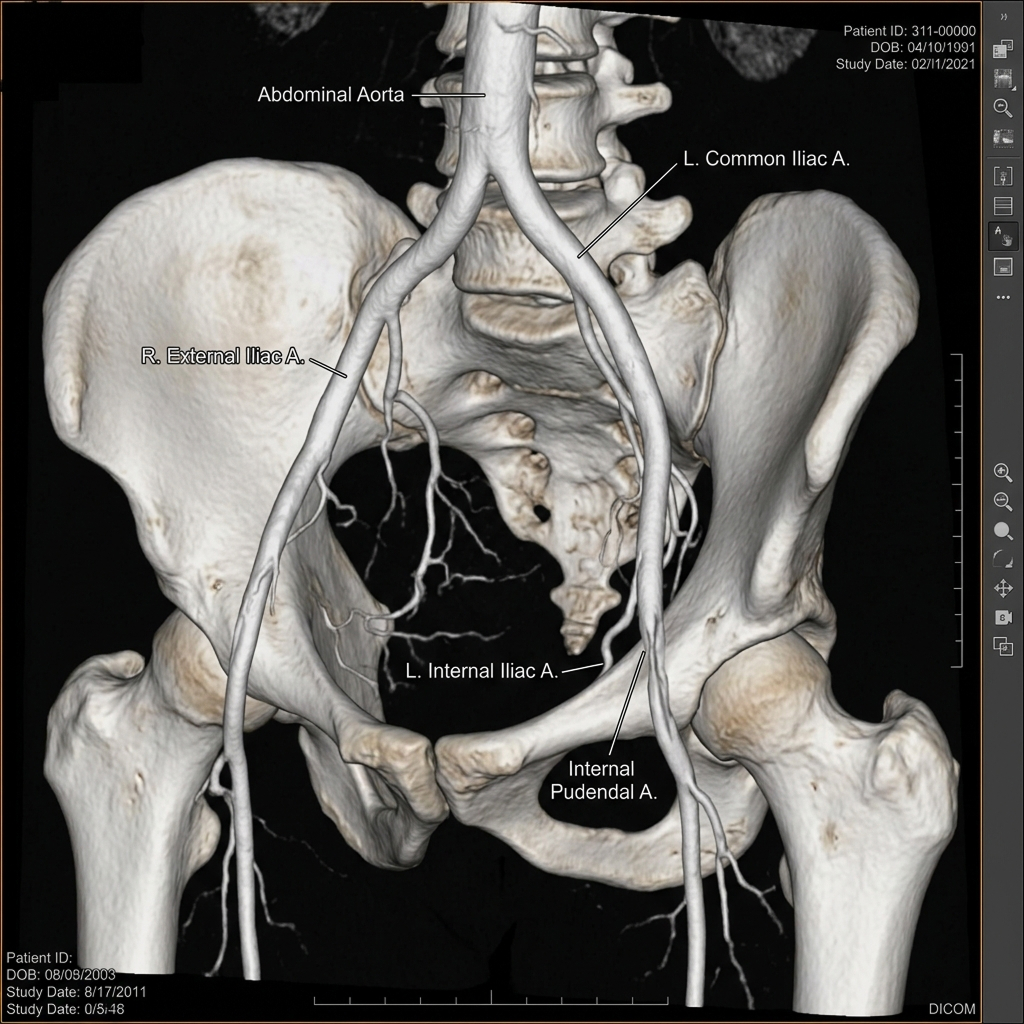
What does erectile dysfunction have in common with a canary? More than you think, and doctors have known this for decades. This sounds like the kind of claim that belongs in a wellness blog, not a medical journal. So it's worth actually looking into before dismissing it. It turns out this one is real, documented, and has a straightforward explanation once you understand where it comes from. To understand it, you have to go back about 150 years, to the coal mines of the industrial era. Miners worked hundreds of feet underground, in tunnels with no windows and no reliable way to smell certain gases building up in the air around them. Carbon monoxide and methane are both odorless and colorless. By the time a miner felt dizzy, nauseous, or short of breath, the gas concentration in the tunnel was often already high enough to be lethal within minutes. There was no early warning system built into human senses for this particular danger. So miners started bringing canaries down into the tunnels with them, in small cages carried alongside their equipment. Canaries have a much faster metabolism and a much smaller body than a human does. Pound for pound, they need far more oxygen just to stay alive, and their lungs are built to process air more efficiently with every breath. That efficiency is exactly what made them vulnerable. A concentration of gas that a miner wouldn't notice for another hour would make a canary sick, or kill it, within minutes. If the canary stopped singing and dropped off its perch, the miners knew immediately what that meant. Get out of the tunnel now, before the gas reaches a dangerous level for a human. The canary wasn't the danger itself. It was the earliest possible warning of a danger that was already present but not yet detectable. That practice continued in coal mines well into the 20th century, until electronic gas detectors finally replaced the birds in the 1980s. Here's the part that doesn't get talked about. The human body has its own version of this exact warning system, and it's been sitting there the whole time. It's erectile dysfunction. Here's why. Arterial plaque, the hardened buildup of cholesterol and other debris that narrows blood vessels, doesn't form evenly throughout the body. It forms first in whichever arteries are smallest and most sensitive to blood flow changes, the same way gas concentrates faster in a small space than a large one. The artery that feeds the heart is roughly 3 to 4 millimeters wide. The artery that supplies blood flow below the waist is closer to 1 to 2 millimeters, less than half the diameter. Because that artery is so much narrower to begin with, the same amount of plaque buildup that would barely register in the wider artery feeding the heart is enough to meaningfully affect it. It's the first place in the whole system where the buildup becomes noticeable, sometimes years before anything shows up in the heart itself. In practice, that means the earliest physical sign of arterial narrowing in men is very often erectile difficulty, not chest pain. Not a stress test result. Not a cardiologist's warning. The smaller artery goes quiet first, the same way the canary did. This isn't just theory. Men who noticed early erectile dysfunction and later went on to have a cardiovascular event often say, looking back, that the two were connected all along. A change they brushed off as stress or getting older turned out to be the same underlying problem showing up first in the smaller artery, years before it reached the heart. The mechanism behind both problems is the same. It starts with inflammation. Chronic inflammation, driven by stress, diet, poor sleep, and ordinary aging, causes microscopic damage to the inner lining of artery walls throughout the body. Think of it like small scrapes forming along the inside of a pipe, invisible from the outside but real damage nonetheless. Cholesterol and cellular debris stick to that damaged lining, piling up the way dirt clings to a wet surface. The body then tries to patch the damage using fibrin, a sticky protein it normally deploys to form scabs and stop bleeding after an injury. Instead of healing the artery the way it's supposed to, that fibrin hardens into plaque, cementing the trapped cholesterol permanently in place rather than allowing it to be cleared. As plaque accumulates year after year, it physically narrows the artery from the inside. Blood has to push harder through less available space to keep flowing at the same rate. In the smaller artery, that narrowing becomes noticeable early, sometimes years before anything shows up elsewhere. In the larger one feeding the heart, the same process takes longer to become noticeable, right up until it doesn't. This is why the canary comparison holds up under scrutiny instead of falling apart. It isn't a metaphor stretched to fit a marketing angle. It's the same underlying physics, applied to two different systems. Smaller vessel, faster warning. The obvious next question is whether anything actually addresses the plaque itself, rather than just treating the symptom downstream of it. This is where nattokinase enters the picture. Nattokinase is an enzyme derived from natto, a fermented soybean dish that has been part of the traditional Japanese diet for centuries, long before anyone understood the biochemistry behind why it seemed to correlate with better cardiovascular outcomes. Researchers have since studied its effect on fibrin specifically, since fibrin is the substance holding hardened plaque together in the first place. A study following over 29,000 Japanese adults for 16 years found that those with higher natto intake had a 25% lower rate of cardiovascular mortality and a 33% lower rate of death from stroke, compared to those with lower intake. Separate research on higher-dose nattokinase supplementation found LDL cholesterol reductions of 15 to 18% over the course of the study period. The dissolving effect on fibrin is the key mechanism at work here. Rather than just managing symptoms around the edges the way many interventions do, nattokinase targets the substance actually cementing the plaque together, allowing the cholesterol trapped inside to be gradually cleared rather than staying locked in place indefinitely. But dose turns out to matter enormously, and this is exactly where most commercial nattokinase products fall short of what the research actually used. The majority of nattokinase supplements sold at retail are dosed somewhere between 2,000 and 4,000 FU. That range is generally considered adequate for a healthy person doing basic maintenance, someone with no existing plaque buildup to speak of. It is nowhere near the dose used in the clinical research behind the findings above. For someone already dealing with narrowed arteries, whether that shows up as reduced blood flow, rising blood pressure, or early circulatory symptoms, a 2,000 to 4,000 FU dose is unlikely to meaningfully affect existing plaque. It simply isn't enough of the active enzyme to do the job the research demonstrated. Healthletic's Ultimate Nattokinase is formulated at 10,800 FU per serving, matching the higher end of the dosing range used in the clinical literature rather than the diluted amounts typical of most store shelf products. There is no proprietary blend padding out the label with other ingredients at token doses. It is a single ingredient, dosed at a level intended to actually address the fibrin buildup the research is describing. Coming back to the canary. The lesson from those coal mines was never that the bird's collapse was the actual danger. The bird's collapse was information. It told the miners something was already happening in the air around them, something they couldn't yet feel themselves, and gave them a chance to act before the situation became irreversible for everyone else in the tunnel. The same logic applies to the body's smaller artery. An early circulatory symptom is not a separate, embarrassing inconvenience disconnected from the rest of a man's cardiovascular health. It is very often the same underlying process, the same fibrin, the same hardening plaque, just showing up first in the smallest, most sensitive part of the system, well before it becomes visible anywhere else. Ignoring the canary was never a viable strategy in a coal mine, no matter how inconvenient the timing of its collapse might have been. Treating the earliest circulatory warning sign as unrelated background noise runs the exact same risk, just on a much longer timeline. Healthletic is currently offering a buy-two-get-one-free deal on Ultimate Nattokinase, along with a 60-day money-back guarantee for anyone who wants to try it. Anyone considering nattokinase should check the FU dose on the label before buying. Products under 10,800 FU are unlikely to reflect the doses actually used in the research described here, regardless of what the marketing on the front of the bottle claims. https://healthletic.io/products/nattokinase?variant=56635772141916
What erectile dysfunction has in common with a dead canary
Clinical-grade 10,800 FU nattokinase formula proven in studies on 30,000+ people
LEARN MORELike this ad? Make it yours.
Crush rebuilds this exact creative around your product — your brand, your colors, your offer — in about a minute.