
Inactive· since Dec 18, 2025
- 65
- days it ran
- 0
- relaunches
Ad copy
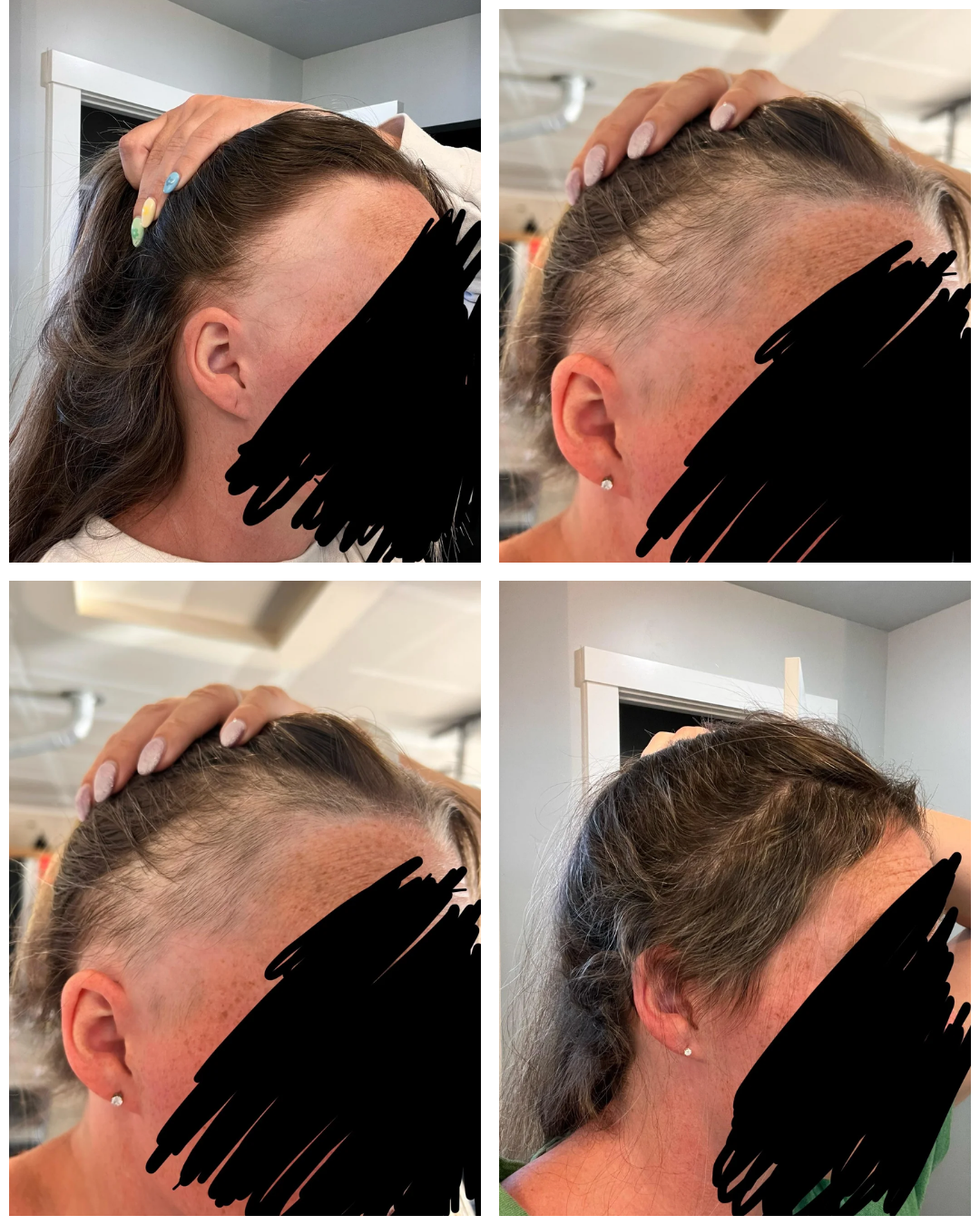
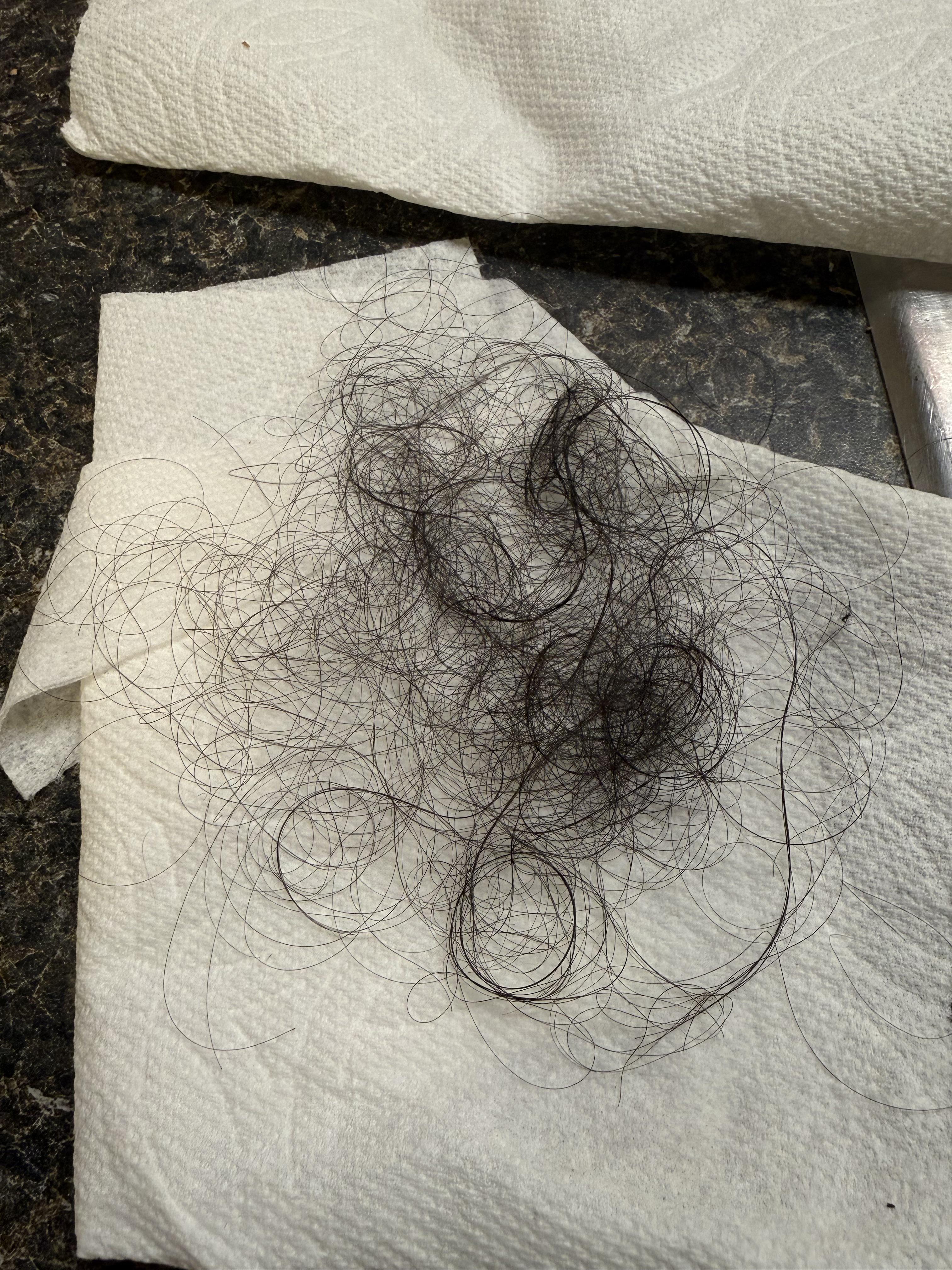
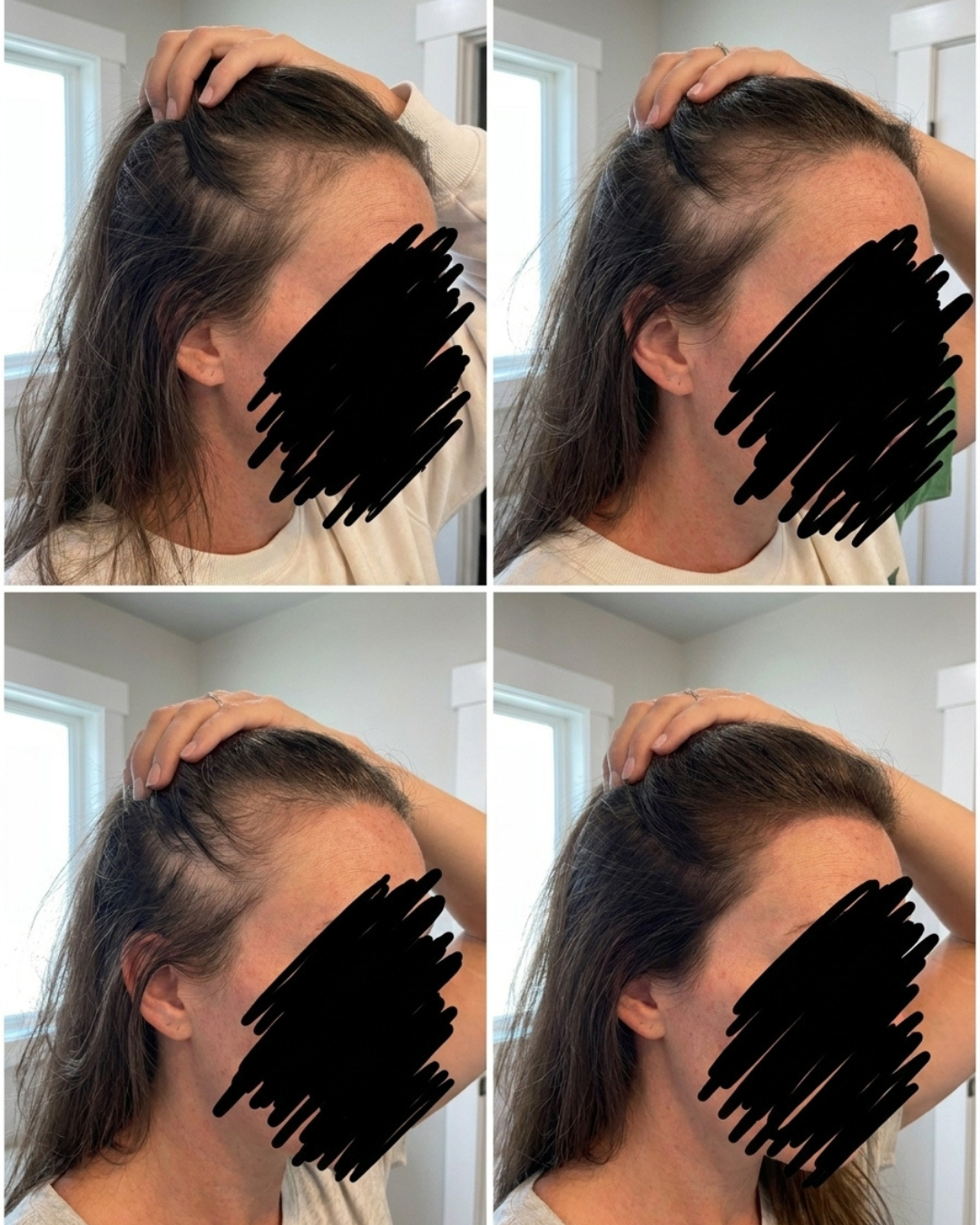
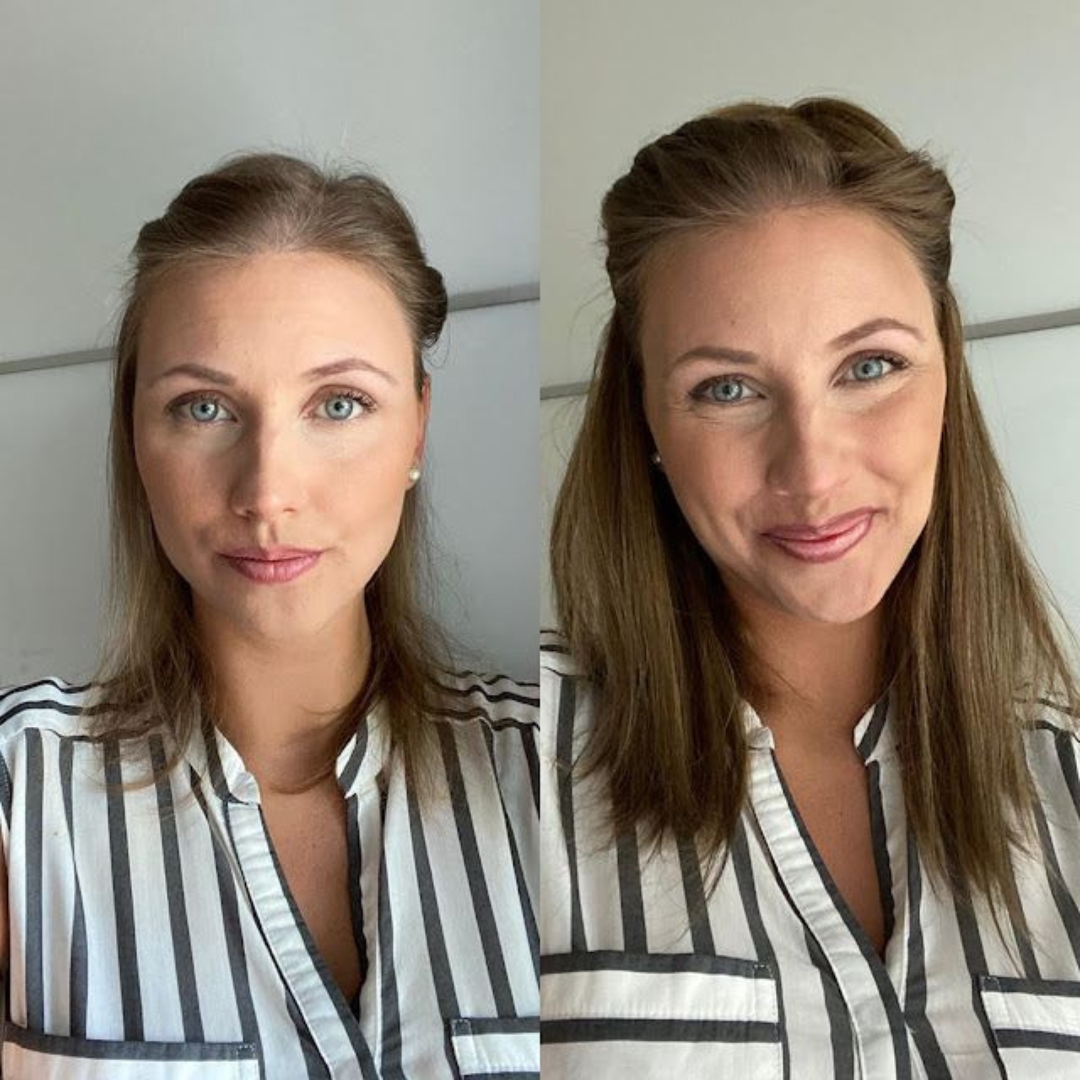
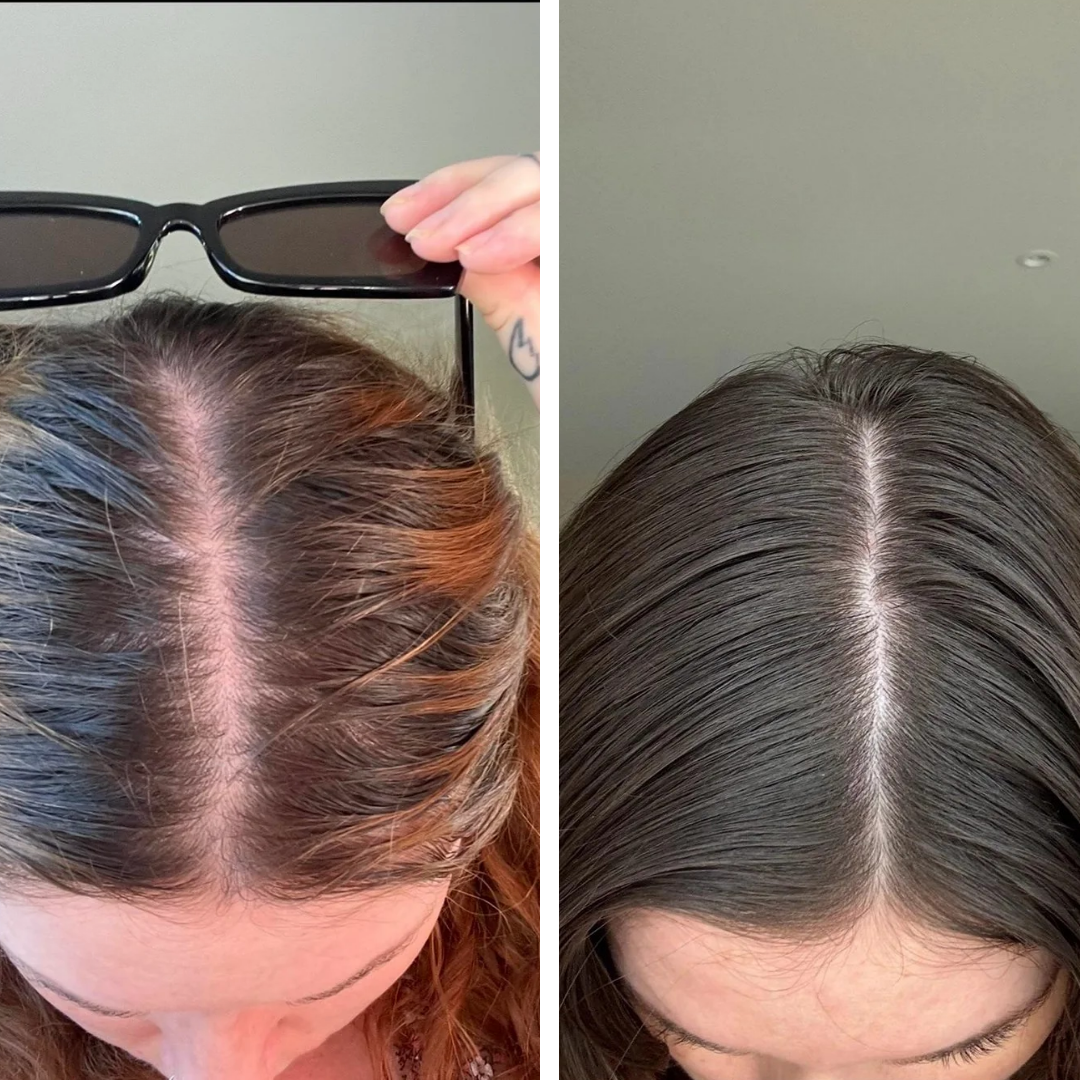
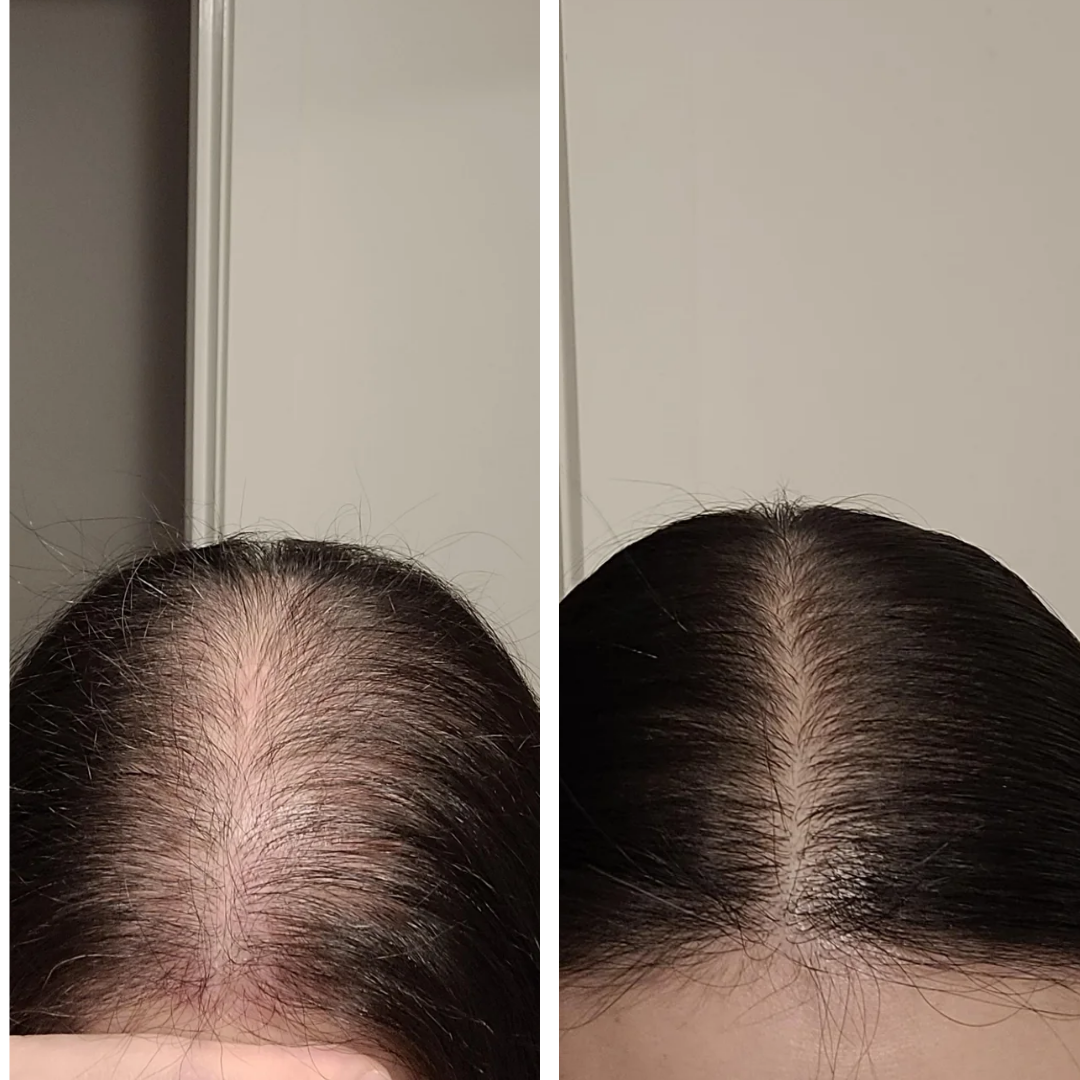
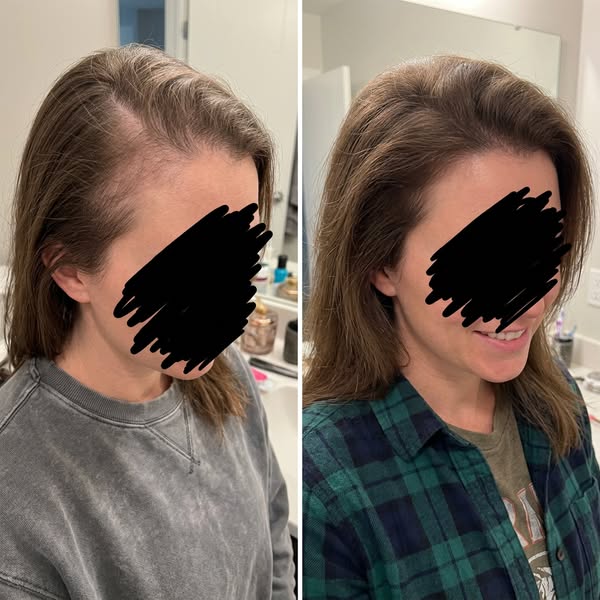
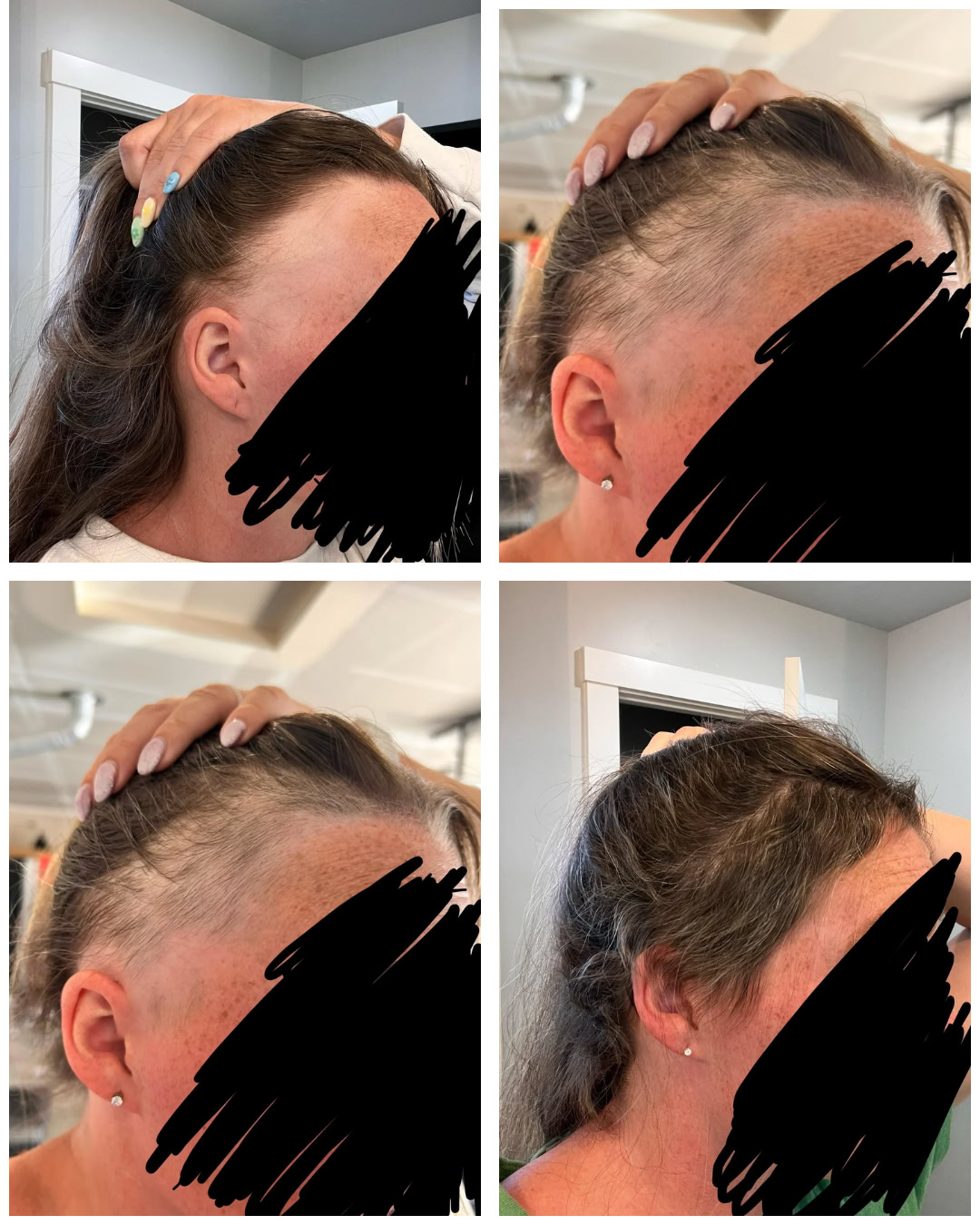
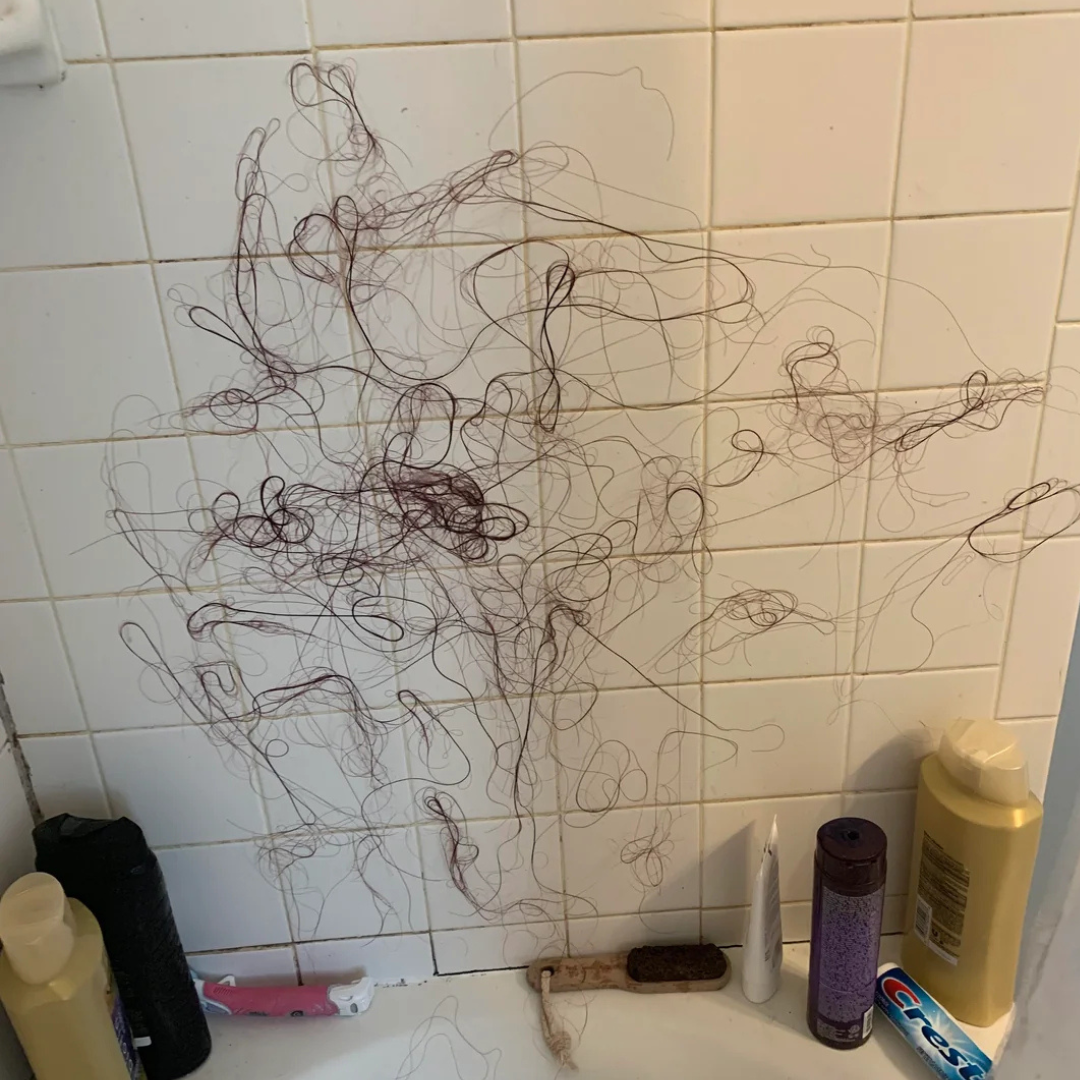
Please STOP accepting that looking ten years older is just the price you pay for losing weight on a GLP-1. I used to think the same thing, that I had to choose between being thin and looking aged, until I discovered why I was losing my hair and found something that actually fixed it. I lost 72 pounds on Mounjaro. My blood pressure went from pre-hypertensive to normal. My cholesterol levels improved dramatically. I went off two medications. My doctor was thrilled with my progress. But when I looked in the mirror, I looked older than I did before I started. Not just a little older. Not "oh, maybe she's tired." Ten years older. Easily. My hair had thinned so much that my scalp was visible under certain lighting. The texture had changed—it looked dull, brittle, lifeless. The kind of hair you see on women in their 60s, not someone in their early 40s. My face looked gaunt. My cheekbones were more prominent, but not in a good way—in a "is she sick?" way. The weight loss had revealed bone structure, but the hair loss made me look exhausted and aged. The cruel irony was suffocating. I'd spent years trying to lose weight because I wanted to look better. Feel better. Be healthier. And I was healthier. Objectively, medically healthier than I'd been in a decade. But I looked worse. I looked sick. Tired. Older. Like someone who'd been through something traumatic. The first time someone said it out loud was at my niece's birthday party in August. I'd lost about 60 pounds at that point. I walked in feeling good—wearing a dress that actually fit, feeling lighter, more mobile. My aunt hugged me and then pulled back, looking at my face with concern. "Honey, are you okay? You look so tired. Are you sleeping?" Not "you look great." Not "wow, you've lost weight." "Are you okay?" I forced a smile. "I'm fine. Just been busy with work." But she kept looking at me with that worried expression. And throughout the party, I caught other family members glancing at me with the same concern. My sister pulled me aside in the kitchen. "Mom's worried about you. She thinks you're losing too much weight too fast. She asked me if you're sick." "I'm not sick," I said, defensive. "I'm the healthiest I've been in years." "I know," she said carefully. "But... you do look really tired. Like you're not taking care of yourself." I went home and cried for an hour. Because she was right. I did look tired. I did look like I wasn't taking care of myself—even though I was doing everything right. Eating well, taking vitamins, following my doctor's orders. But my hair told a different story. My hair made me look sick, stressed, older, neglected. Work was worse. I'd been so excited to show up at my company's annual conference in September. I'd lost 65 pounds by then. Bought new clothes. Felt confident. But the reactions weren't what I expected. "Are you feeling alright?" "You look different... is everything okay?" "Have you been stressed? You seem worn down." One colleague I hadn't seen in six months looked genuinely worried. "I almost didn't recognize you. Are you sure you're okay? You look... I don't know how to say this kindly... unwell." I went back to my hotel room that night and looked at myself in the full-length mirror under the harsh bathroom lighting. She was right. I looked unwell. My body was smaller, yes. But my face looked hollow. My hair was so thin I could see my scalp even in low lighting. The texture made me look unkempt, like I hadn't brushed it in days even though I'd spent thirty minutes styling it that morning. I looked like someone going through chemo. Or someone in the middle of a nervous breakdown. Or someone with a serious illness. Not someone who'd just achieved a major health milestone. I pulled out my phone and compared photos. My "before" photo from March when I started the medication. My "progress" photo from last week. In March, I was 72 pounds heavier. But my face looked full, healthy, vibrant. My hair was thick and shiny. I looked like someone who was overweight but otherwise healthy and happy. In September, I was at my goal weight. But I looked exhausted. Aged. Sick. My hair made my entire appearance look neglected and deteriorating. I'd achieved the body I wanted and completely destroyed my face in the process. The realization was devastating: I looked better—younger, healthier, more attractive—at 72 pounds heavier than I did now. What was the point of losing all this weight if I looked worse at the end than I did at the beginning? My husband tried to be supportive. "You're being too hard on yourself. You look great." But I'd seen the way he looked at old photos of me. The ones where I had thick, healthy hair. The ones where my face looked vibrant and full of life, even if my body was bigger. I started avoiding social situations. Stopped posting progress photos. Because the "success story" I'd imagined—where I'd be glowing and confident at my goal weight—wasn't what actually happened. Instead, I looked like a cautionary tale. Like proof that rapid weight loss destroys your appearance. Like someone who'd sacrificed too much for results. That's when I started searching at 1:34 AM on a Tuesday, unable to sleep because I was so angry about the whole situation. I typed: "Why do I look older after losing weight" Most results were about facial volume loss or loose skin. But those weren't my main issues. My face had adjusted. My skin was fine. It was my hair. My hair was aging my entire appearance by a decade. Then I found an article about hair loss and premature aging. It explained that thinning hair doesn't just make you look like you have less hair—it actually ages your entire appearance. Hair provides frame and softness to the face. When it thins, especially at the crown and part, it creates a "sparse" look that the human brain associates with aging and illness. The scalp visibility, the textural changes, the loss of volume—all of these trigger visual cues that make someone look older, more frail, more unwell. But here's what the article explained next: This type of aging appearance from hair loss is often driven by hormonal disruption, specifically elevated DHT. DHT doesn't just cause shedding. It also degrades the quality of the hair that remains. It makes hair thinner, more brittle, duller, more prone to breakage. It ages the texture and appearance of your hair—making you look older even beyond the volume loss. And GLP-1 medications, because they're synthetic hormones, can disrupt your natural hormone balance and cause DHT to elevate. That's why I didn't just look "thin." I looked aged and sick. Because DHT was aging my hair appearance and making me look unwell. Suddenly everything clicked. The comments weren't about my weight. They were about my hair. My hair was sending visual signals of illness, stress, aging—even though I was actually healthier than ever. I wasn't imagining it. I wasn't being vain. The aging appearance was real, and it was driven by what DHT was doing to my hair. I spent the rest of that night researching DHT and hair aging. Found studies about how elevated DHT not only causes shedding but degrades hair quality—texture, shine, strength, growth rate. And then I found research on ingredients that specifically target DHT. Saw palmetto—research showed it may help block the enzyme that creates excess DHT, potentially preventing both hair loss and hair quality degradation. Pumpkin seed oil—studies showed it could help reduce DHT levels and support healthier hair growth. Pearl powder—traditionally used to help regulate hormonal responses and support the body during hormonal fluctuations. Aloe vera extract—concentrated inner leaf extract that helps normalize how DHT receptors respond to the hormone. These ingredients weren't just about preventing shedding. They were about restoring hair quality—the thickness, texture, and vitality that makes hair look healthy instead of aged. That's when I found Hair Revive gummies by Balmbare. Specifically formulated for people on GLP-1 medications dealing with DHT-related hair issues—with all four of those ingredients. I ordered them that night. Started taking two every morning when they arrived. The first two weeks, nothing changed. Same thin, aged-looking hair. Same exhausted appearance in the mirror. I started thinking I'd wasted money on another false hope. But week three, something shifted. My husband was looking at me across the dinner table and said, "Your hair looks shinier. Is that a new product?" I hadn't changed anything except the gummies. I went to the mirror. He was right—my hair did look shinier. Less dull. Less... dead. Week four, the shedding slowed noticeably. But more than that, the hair that remained looked healthier. The texture was improving. It didn't look as brittle and aged. Week six, I had coffee with my sister. She looked at me and said, "You look so much better than you did at the birthday party. Did you start sleeping more?" "Not really," I said. "Why?" "You just look... healthier. More rested. Your face looks brighter." I realized: it was my hair. My hair was looking healthier, which was making my entire face look healthier. The aging appearance was reversing. Week eight, I could see baby hairs growing in. But more importantly, the existing hair looked transformed. Thicker strands. Better texture. Actual shine instead of that dull, lifeless quality. Month three, I went back to work after working remotely for a few weeks. The reactions were completely different. "Wow, you look amazing!" "Whatever you're doing, keep doing it—you look so healthy!" "You're glowing!" No concern. No worry. Just actual compliments. I took a new progress photo that night. Compared it to the one from September when I'd looked so aged. The difference was stunning. Same body weight. But my face looked ten years younger. My hair had volume, shine, life. I looked vibrant and healthy instead of exhausted and sick. For the first time since starting my weight loss journey, I looked in the mirror and saw success. Not just a smaller body, but a healthier, younger, more vibrant appearance overall. It's been six months now. I'm still at my goal weight. My health markers are all excellent. But now I also look healthy. My hair has volume and shine. My face looks vibrant. When people see my before-and-after photos, they say "wow, you look so much younger!" instead of "are you okay?" I finally look as healthy as I actually am. The comments at my company holiday party last month were everything I'd hoped for when I started this journey: "You look incredible." "You look ten years younger." "Whatever you're doing is working—you're glowing." Because now, I am glowing. My hair isn't aging my appearance anymore. It's enhancing it. If you're reading this and you see yourself in my story—if you've lost weight but people keep asking if you're okay instead of celebrating with you, if you look in the mirror and see someone who looks older and more tired than before you started, if the aging appearance is stealing the joy from your health success—I need you to understand something. You don't have to choose between being thin and looking aged. The problem isn't the weight loss. The problem is the hormonal disruption—the elevated DHT—that's aging your hair appearance and making you look sick when you're actually healthy. And that can be fixed. Not with generic hair vitamins. Not with biotin and collagen. With ingredients that specifically target the DHT that's degrading your hair quality. The gummies I found are called Hair Revive by Balmbare. They're formulated specifically for people on GLP-1 medications dealing with DHT-related hair aging—with saw palmetto, pumpkin seed oil, pearl powder, and aloe vera extract. They're not a prescription drug. Just a supplement that addresses what's actually making you look older than you should. They have a guarantee, so if they don't work for you, you're not stuck with them. I'm sharing this because I know what it feels like to achieve your health goals and look worse for it. To get concerned questions instead of compliments. To realize you looked better—younger, healthier, more vibrant—before you lost the weight. That's not how this is supposed to work. You're not supposed to look sick when you're getting healthy. The aging appearance isn't permanent. It's not the inevitable price of weight loss. It's a hormonal issue that can be addressed. Click below to learn more about what reversed the aging appearance for me. You can be at your goal weight and look as young and vibrant as you actually feel. You don't have to choose between thin and aged. You just have to address what's actually aging your appearance. And for me, that changed everything.
Like this ad? Make it yours.
Crush rebuilds this exact creative around your product — your brand, your colors, your offer — in about a minute.