Ever Hold
Ever Hold Facebook ad: “She's six. It was midnight. She handled it.”
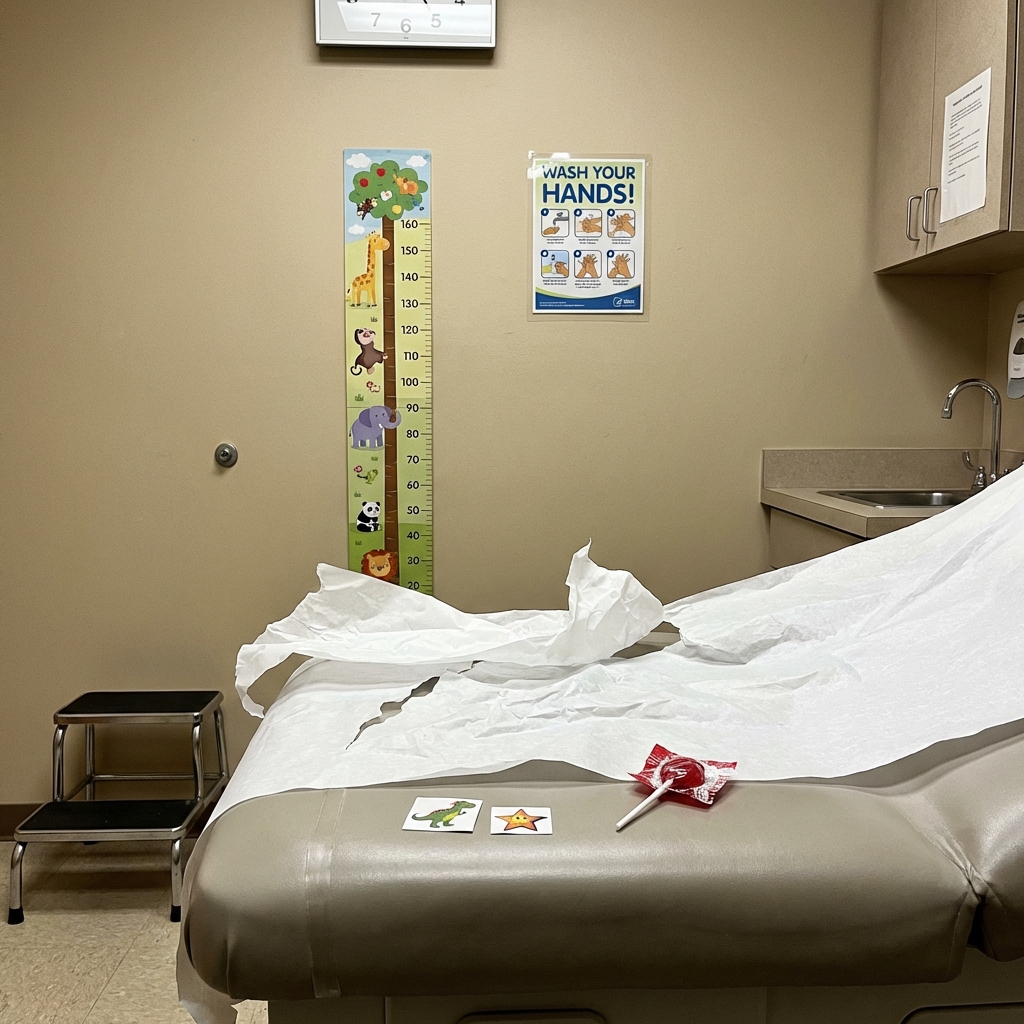
Ran for 10 days, from July 22 to August 1, 2026, the last day Crush saw it.
Run by Ever Hold on Facebook. Crush is not the advertiser and does not verify its claims. See this ad in Meta's Ad Library(opens in a new tab)
Want an ad like this for your product?
Crush makes new ad images for your product from this ad: your logo, your product photo, your offer.
Trials from $19.95 USD, then $79.95 USD a month. Cancel anytime.
About this ad
- Meta Ad Library ID
- 1781457749839410
- Platforms
- Facebook, Instagram, Audience Network, Messenger, WhatsApp and Threads
- Relaunches
- 0
- Niche
- Parenting & Kids
Ad text
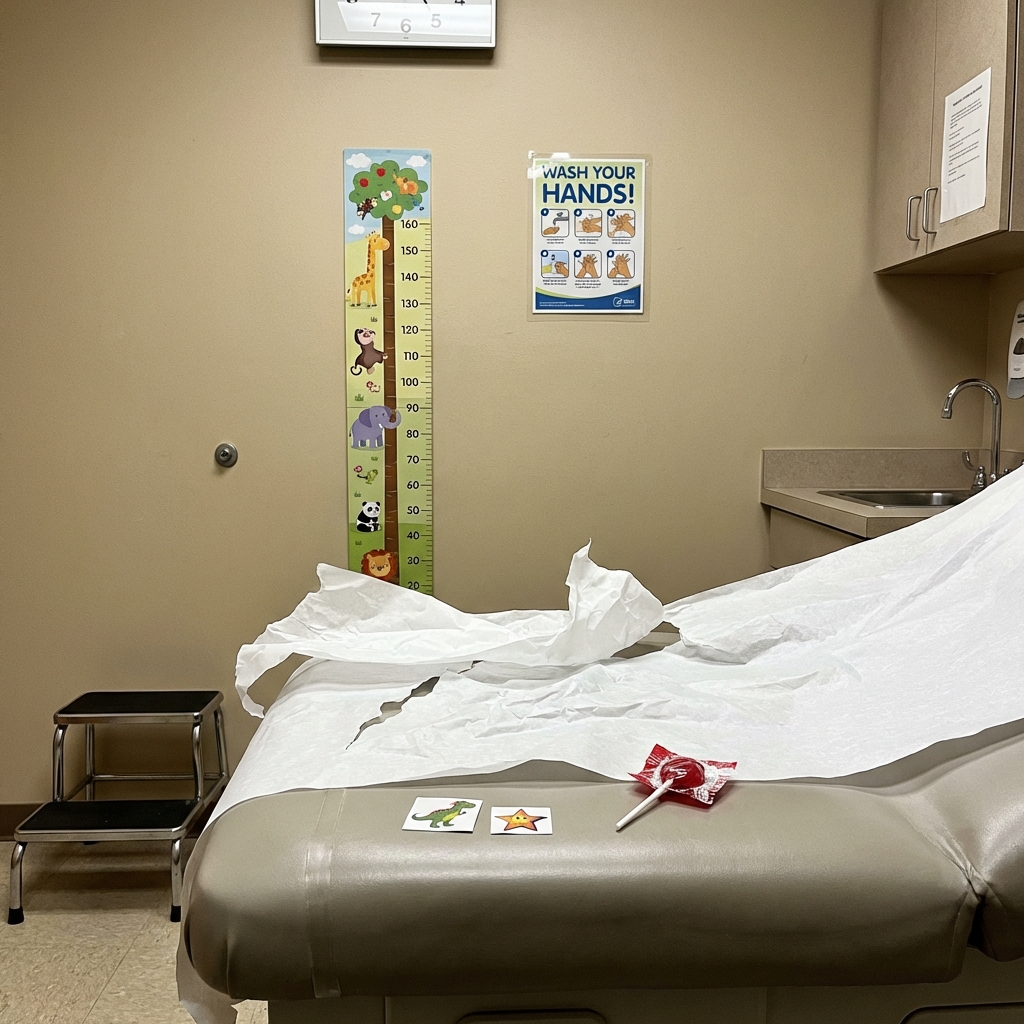
My daughter's pediatrician stopped in the middle of her five-year checkup and looked at me like I'd done something wrong. She hadn't. She'd done something right. I just didn't know it yet. I need to back up. Every year at the annual checkup our pediatrician asks my daughter a few questions while she's sitting on the exam table. Basic stuff. Do you feel safe at home. Does anyone hurt you. Do you know the difference between a safe touch and an unsafe touch. Every year my daughter would look at me. Not at the doctor. At me. Like she needed permission to answer. Or like she didn't really understand the question. Or like she was waiting for me to answer for her. And every year I'd jump in. "She knows. We've talked about it. She knows she can tell me anything." The doctor would nod. Check the box. Move on to height and weight. I never thought about it again. This year was different. Three months ago a friend of mine — another mom from gymnastics — told me about these children's books about body safety. She said her daughter loved them. Said they teach kids actual language. Not concepts. Language. The specific words to say no, name their body parts correctly, identify tricks adults and other kids use, and report to a safe grown-up immediately. I smiled and said thanks. I didn't order them. My daughter was fine. We'd had the conversation. She knew about private parts. She knew to tell me if anything felt weird. We'd covered it. A few weeks later the same friend brought it up again. We were watching our girls at practice and she said something I almost ignored. "My daughter's pediatrician asked her the body safety questions at her checkup last month. And for the first time she answered them herself. Didn't look at me. Didn't hesitate. The doctor actually stopped and asked me what changed." I said that's great. I went home and didn't think about it. Another week went by. I was putting my daughter to bed and I don't know why but I asked her. "If a kid at school told you to pull down your pants and said it was a game, what would you do?" She looked at me. She didn't say anything. I said, "You'd say no, right?" She nodded. "And you'd tell the teacher?" She nodded again. But she hadn't said it. I'd said it. She'd just agreed with me. That's not the same thing. I ordered the books that night. When they arrived I felt the way I think a lot of moms feel about this stuff. A little guilty for not doing it sooner. A little unsure if it was necessary. A little worried they'd scare her or confuse her or make her anxious about something she didn't need to be anxious about. The first night I read one to her at bedtime she laughed so hard at the illustrations she made me start over. By the end she was saying the phrases back to me. My body belongs to me. No one gets to touch my private parts. If someone asks me to keep a body secret I tell a safe grown-up right away. Even if they say I'll get in trouble. She said them the way she sings songs from school. Like they were just part of her now. We read them most nights for a couple of weeks. Then they went on the shelf with her other books and life kept going. That was three months ago. Last Tuesday I took her in for her five-year checkup. Standard stuff. Height. Weight. Eyes. Ears. Then the doctor pulled up her stool and started the questions. "Do you know the names of your private body parts?" My daughter didn't look at me. She looked at the doctor and named them. Correctly. The medical terms. Not baby words. The doctor's pen stopped moving. "If someone touched your private parts and told you it was a secret, what would you do?" "I'd say no, my body is my body, and I'd tell my mom or my teacher or a safe grown-up right away. Even if the person said I'd get in trouble. Because body secrets aren't safe secrets." She said it like she was reciting her address. The doctor put her clipboard down. She looked at me. "What are you doing at home?" I didn't understand the question at first. She said, "I ask these questions to every child at every annual checkup. I've been doing this for fourteen years. Most kids your daughter's age look at their parent. They don't answer. The parent answers for them. They say 'she knows, we've talked about it.' But when I ask the child directly, they can't tell me. They don't have the words." She said, "Your daughter just answered me like she's been doing this her whole life. She didn't look at you for permission. She didn't hesitate. She used correct terminology. She identified the reporting chain. She even addressed the guilt trap — 'even if they say I'll get in trouble.' That's not something a five-year-old says unless someone has given her very specific language." I told her about the books. I told her I almost didn't buy them. I told her a friend had to mention them twice before I ordered them. And the doctor got quiet for a second. Then she said something I haven't been able to stop thinking about. "I see around forty kids a week in this office. I ask every single one of them these questions. Most of them can't answer. Their parents think they can because they've had a version of the conversation at home. But there's a difference between a child hearing 'tell mommy if someone touches you' and a child being able to say 'no, my body is my body, that's not okay, and I'm telling a safe grown-up right now.' One is a concept. The other is a skill. And in the moment it matters, concepts don't protect kids. Skills do." Then she said: "I have patients — I can't tell you who — where I'm almost certain something is happening at home. I ask them the questions. They go completely still. They look at their parent. They say nothing. And I can see it. But I can't do anything. Because the child doesn't have the language to disclose. And without disclosure, my hands are tied." She said this while my daughter was sitting on the exam table kicking her legs and peeling a sticker off a tongue depressor. Completely unbothered. Because to her it was just questions. She had the answers. Easy. I held it together in the office. I lost it in the car. Not because something bad happened. Because I sat in that exam room and watched my daughter do something I didn't know she could do. Something I didn't know she NEEDED to be able to do. Something that three months ago she couldn't do. I know because I tested her. I asked her the question at bedtime and she just looked at me. She didn't have the words. Three months ago she would have been the kid who looked at me when the doctor asked. The kid whose mom said "she knows, we've talked about it." The kid who nodded along but couldn't actually say it herself. And I would have walked out of that office thinking we were fine. The same way I've walked out every year. Checking the box. Moving on. Thinking the conversation was enough. It wasn't enough. I had told my daughter about body safety the way I tell her to look both ways before crossing the street. General. Abstract. "Be careful." "Tell mommy." But I'd never given her the actual words. The script. The muscle memory. The language that comes out of her mouth automatically when she needs it — not because she's thinking about what mommy told her, but because it's just IN her the way the alphabet is in her. That's what the books did. Not in months of intensive work. In a couple of weeks of bedtime stories she thought were funny. The books are called Safe Kids Path. My daughter thinks they're bedtime stories with silly pictures. She has no idea that what she did in that exam room — looking a doctor in the eye and answering questions most five-year-olds can't answer — started with her laughing at a cartoon and repeating phrases back to me while hugging her stuffed bunny. I think about what that doctor told me. Forty kids a week. Most of them can't answer. Some of them she's almost certain are being hurt and she can't help them because they don't have the words. And I think about how three months ago my daughter was one of those forty kids. Not one being hurt. But one who couldn't answer. One who would have looked at me. One whose mom would have said "she knows." She didn't know. I just thought she did. Now she does. And the difference was a set of bedtime stories I almost didn't buy because I thought we'd already covered it.
Where the ad sends people
safekidspath.com
She's six. It was midnight. She handled it.
Safe Kids Path
Learn more: safekidspath.com(opens in a new tab)