
Inactive· since Jul 18, 2026
- 41
- days it ran
- 0
- relaunches
Ad copy
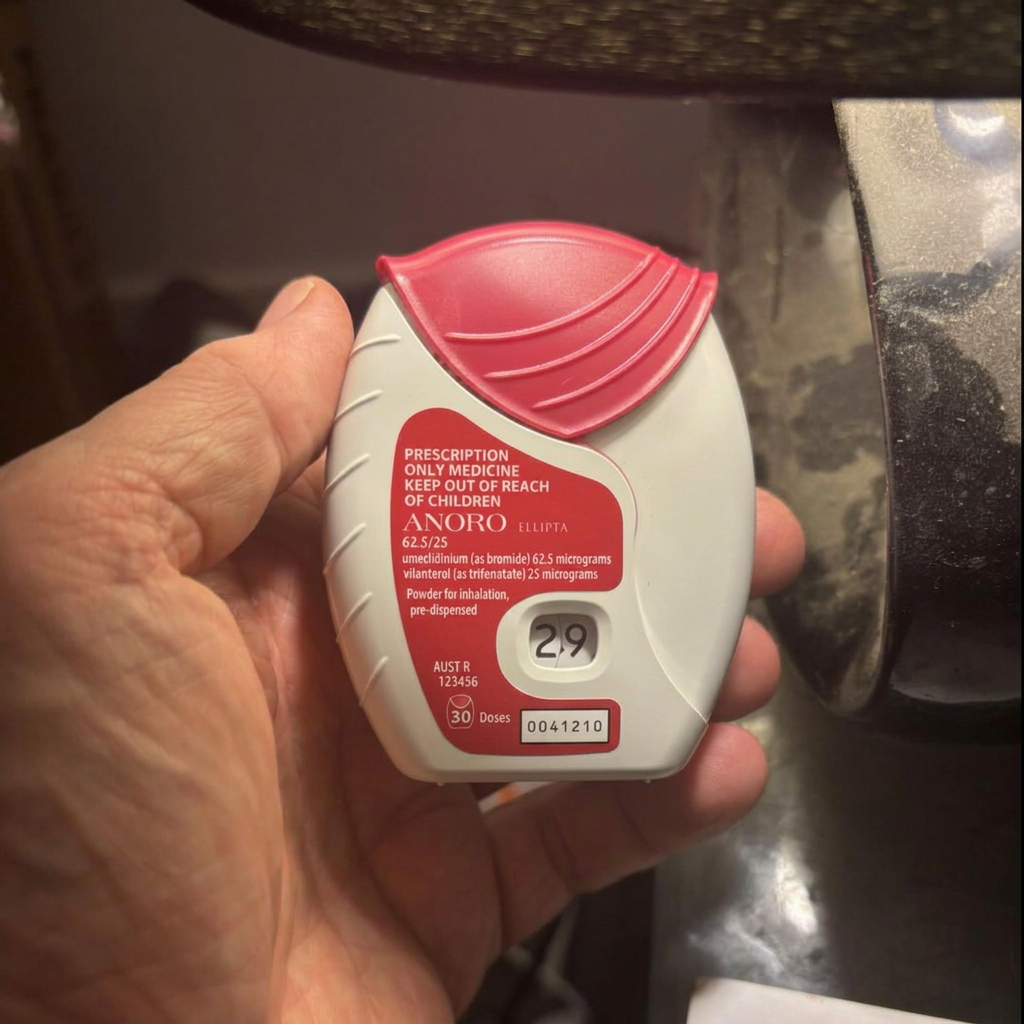
I wore the oxygen tubes for twenty minutes before I yanked them out of my nose. My husband watched me. "I can’t do this," I said. "This means I’m done." My respiratory specialist’s words kept playing over in my head: "Not full-time yet. Just when you need it. For now." For now. Like it was unavoidable. Like the oxygen tank was just the start. I’m 55 years old, and I’d spent two weeks trying to come to terms with the fact that my life now included medical gear. If you're reading this because your doctor just mentioned oxygen, I need to tell you what happened next — what I found out in the days after that changed everything. Because three months ago, I thought oxygen was my future. Today, my specialist can’t explain why I don’t need it anymore. ⸻ Six weeks ago, at my regular check-up, my doctor said: "We need to talk about supplemental oxygen." My hands went cold. Oxygen meant I was failing. Visible decline. I couldn’t hide it anymore. "How long until I need it all the time?" I asked. He hesitated. "Everyone’s different. But we’d like you to start now — a few hours a day — to protect your organs." I’d been using my reliever inhaler eight or nine times a day. Symbicort twice daily. Prednisolone during flare-ups. And still getting worse. Oxygen was supposed to help. But all I could think was: this is it. This is the beginning of the end. I’m 59. Not 79. Not 89. I should have thirty years left. ⸻ The concentrator arrived on Thursday. I left it in the box until Sunday. Sunday morning, my husband Mark found me sitting next to it, crying. "Do you want me to set it up?" he asked softly. I nodded. He read the instructions, connected the tubing, showed me how the nasal cannula worked. "Just try it," he said. "See if it helps." I put the prongs in my nose. Turned it on. Felt the airflow. And I hated it. Not the feeling — the meaning. This was my life now. Tubes in my nose. A machine humming. Planning my day around how long the portable unit would last. I wore it for twenty minutes. Then I yanked it out. "I can’t do this," I said. Mark’s face fell. "The doctor said—" "I know what the doctor said!" My voice broke. "But this means I’m done. This means I’m just… managing decline until I can’t anymore." He didn’t argue. He just held me while I cried. ⸻ The next day, the clinic rang. "We’re scheduling you for oxygen training with our respiratory therapist. She’ll show you how to use the equipment and answer questions." I almost cancelled. What questions did I have? How to accept that my life was over? But Mark drove me. Walked me into the office. The respiratory therapist was younger than I expected. Maybe thirty. Her name was Lisa. She started going through the concentrator manual — tubing care, travel instructions, maintenance. I barely listened. Then she paused, glancing at my notes. "Can I ask — how many times a day are you using your reliever inhaler?" "Eight, nine times. Sometimes more." She was quiet for a moment. "And two years ago?" "Three or four times a day." She put down the manual, leaned forward slightly. "Before we finish," she said softly, "there’s something I should mention. I do this training all day. Most people I see use their inhaler far more than they used to. That’s not always disease progression." I stared at her. "Sometimes it’s rebound inflammation," she continued. "Your inhaler forces your airways open. When it wears off, your lungs panic — they create more inflammation to protect you. So you need more medication. They panic more. It’s a cycle." My hands went cold. "So I’m making myself worse?" "The overuse is." She hesitated. "If you address that, some people don’t end up needing oxygen at all." "How?" She looked towards the door, then wrote something on a notepad and slid it across the desk. "My grandmother had COPD. Stage 3. Was about to start oxygen. Her doctor tried something different first — medical-grade plant compounds that calm lung inflammation instead of triggering it. She’s 78 now. No oxygen." I looked at what she’d written: Lung-calming spray — eucalyptus, peppermint, liquorice root. "Her doctor was in Germany," Lisa said. "They’re more open to it there. Here, doctors don’t learn about it. The public health system doesn’t cover it. But…" She trailed off, then added quietly, "I can’t officially recommend anything that isn’t prescribed. But I wanted you to know before you commit to the oxygen equipment." She stood up, handed me the manual. "Think about it," she said. Then, even quieter: "My direct number’s on the card if you have questions." ⸻ In the car, Mark asked, "What did she say?" "She said I might not need oxygen if I try something else first." He looked at the concentrator box in the back seat. "What do you want to do?" I thought about wearing those tubes every day for the rest of my life. "I want to try something else." That night, I searched what Lisa had written — medical-grade lung spray with eucalyptus, peppermint, liquorice root. Found a company that made exactly that. Read everything — ingredients, extraction process, reviews from people with COPD. Mark stood behind me, reading over my shoulder. "What do you think?" I asked. "I think it’s worth giving a go," he said. I ordered it. ⸻ It arrived two days later. The first time I used it, I felt silly. Two pumps. Tasted herbal. Nothing magical. Nothing forced my airways open like the inhaler. But within fifteen minutes, something was different. My lungs felt… calm. Like they’d been clenched into fists and finally relaxed. I used it again that night before bed. For the first time in weeks, I didn’t reach for my inhaler. Day 3, I started coughing. Dark, thick phlegm — some almost black. I filled tissues, staring in shock. I rang Lisa, panicking. "That’s normal," she said. "That’s decades of trapped particles your lungs have been holding onto — cleaning product chemicals, air freshener fumes, everything they’ve stored up. Most people cough it up for a week or two. It means it’s working." I coughed up dark phlegm for twelve days. But I felt lighter — like weights had been lifted from my chest. Within two weeks, I was using my inhaler once a day instead of constantly. Within six weeks, I could walk across a room without gasping. ⸻ At my next appointment, my specialist ran the tests. Looked at the results. Looked at me. "Your numbers have improved significantly," he said. "I don’t understand. What changed?" "I’m using my inhaler less," I said. "How?" I told him about the spray — about my lungs calming instead of being forced open. He couldn’t officially note it, but he said, "Whatever you’re doing, keep at it. We’ll hold off on the oxygen." ⸻ The concentrator is still in my lounge room. I haven’t used it in two months. I keep it there to remind me how close I came to giving up — to accepting that 59 meant medical gear for the rest of my life. But Lisa wrote something on a notepad and slid it across the desk. And everything changed. I don’t know if I’ll ever need oxygen. Maybe someday. But not today. Not because I got lucky — because someone told me what was really happening when she wasn’t supposed to. My lungs weren’t failing. They were panicking. Every time I forced them open with medication, they thought I was under attack — so they built bigger barriers. When I started calming the panic instead of triggering it, everything changed. ⸻ I’m writing this because I know there are Aussie women right now staring at oxygen boxes, thinking this is inevitable. Thinking they’re out of options. You might not be. Not every respiratory therapist will tell you what Lisa told me. Some don’t know. Some aren’t allowed to say. But if you’re about to start oxygen, ask about rebound inflammation. Ask if there’s anything you should try first. You might get a quiet comment. A note slid across a desk. A direct number in case you have questions. Pay attention to those moments. The spray I use is made by a small Australian-based company that formulates medical-grade plant compounds. I don’t work for them. I’m just a woman who thought oxygen was inevitable — and found out it wasn’t. My specialist said "for now" as if oxygen was my future. Two months later, he’s saying "let’s wait and see." The concentrator is still in my lounge room. But the tubes aren’t in my nose. That’s not nothing. That’s everything. If there’s an oxygen box in your lounge right now, you might have more options than you think. I almost didn’t find out. I’m so glad I did.
The Pulmonologist Who Revealed Why 87% of COPD Patients Are Treated for the Wrong Issue
Lung specialist reveals the hidden mucus layer that suffocates 87% of all COPD patients (and why most treatments don't reach this layer).
LEARN MORELike this ad? Make it yours.
Crush rebuilds this exact creative around your product — your brand, your colors, your offer — in about a minute.