
Inactive· since Oct 5, 2025
- 241
- days it ran
- 0
- relaunches
Ad copy
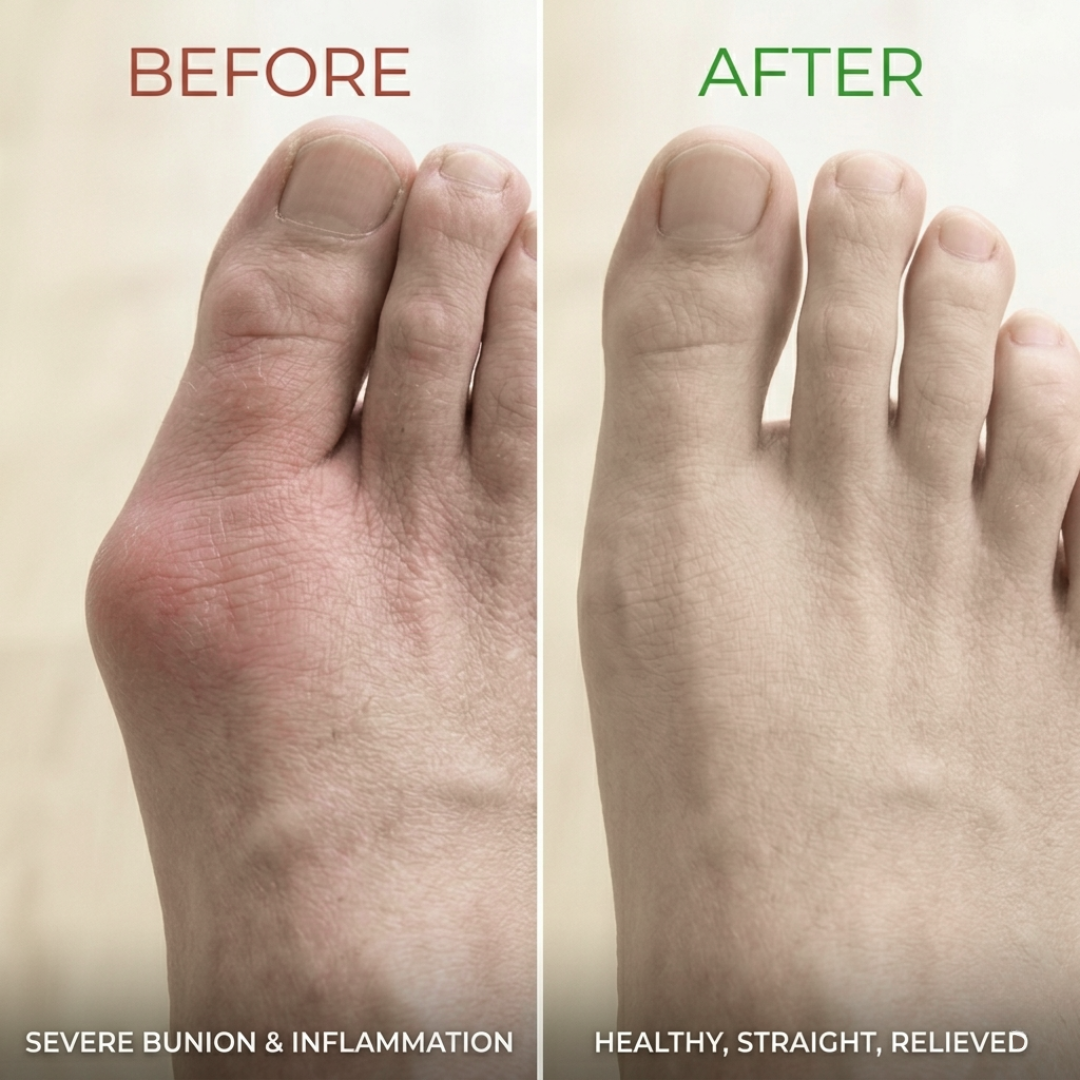
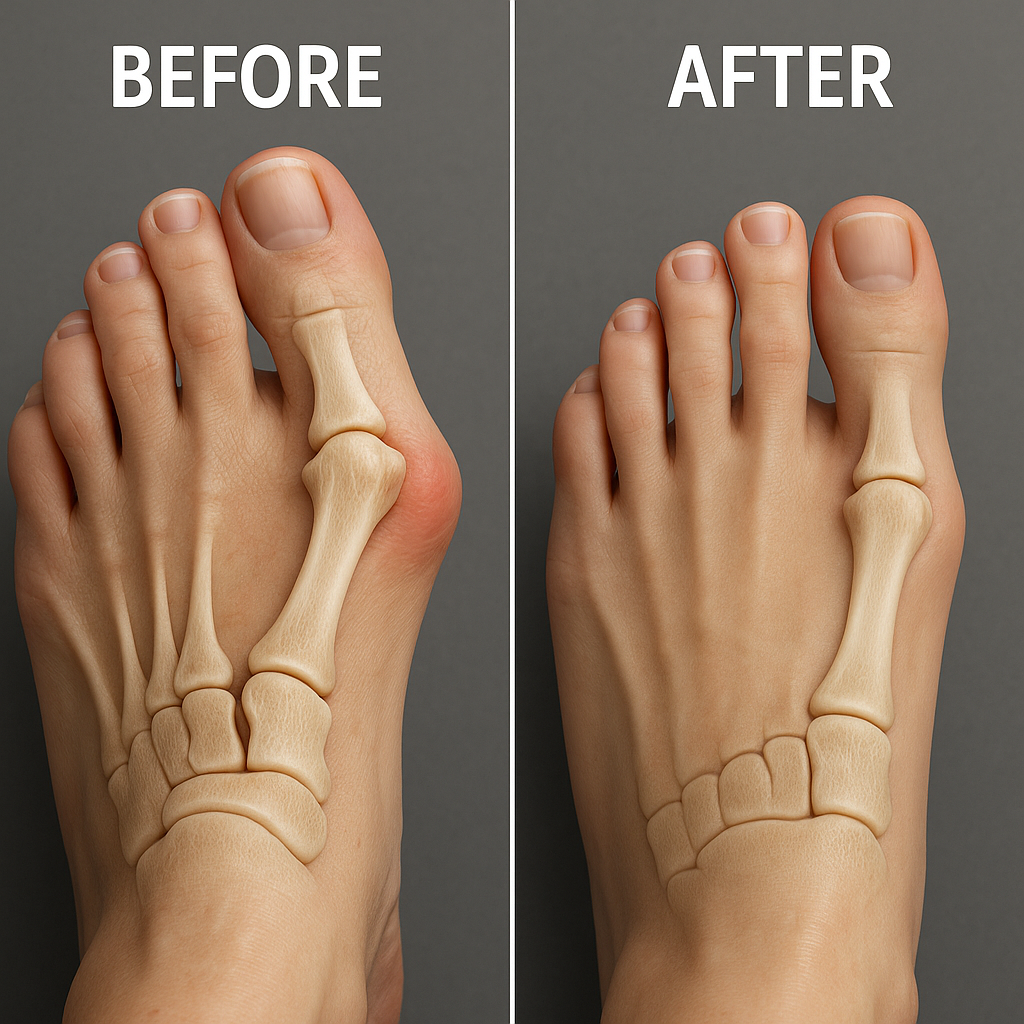
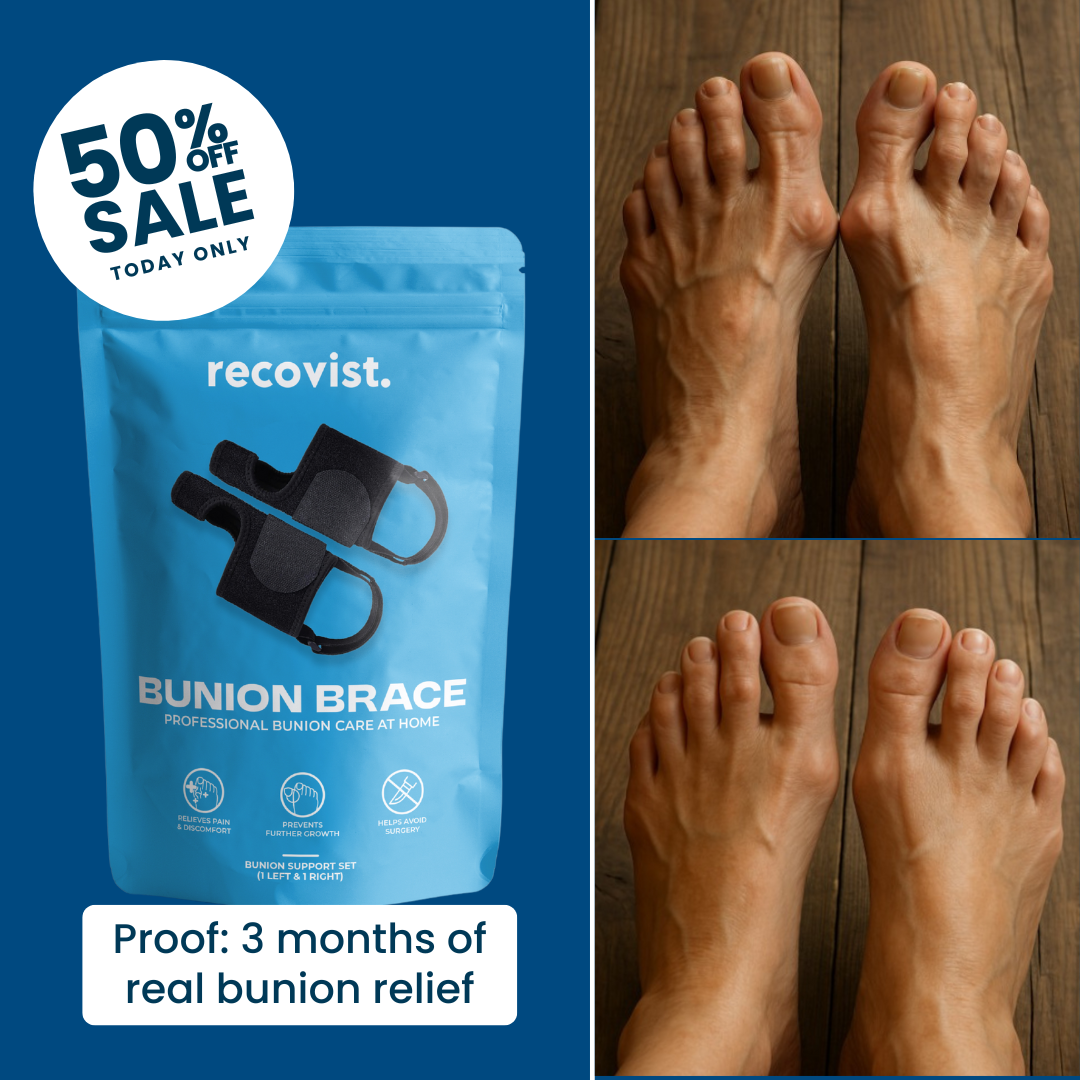
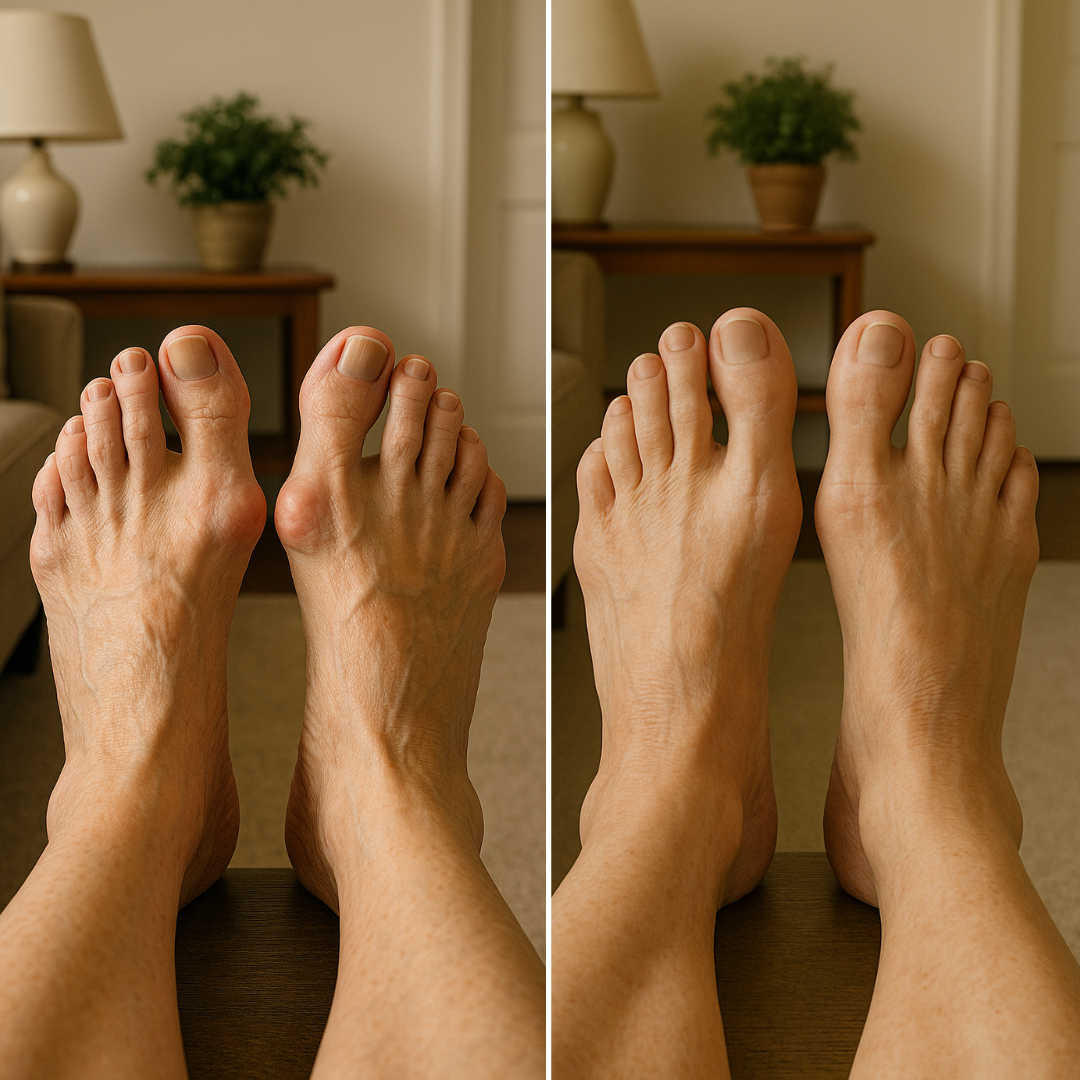
After 6 months, I brought photos of my bunions to the doctor. She barely glanced at them–just said "surgery or live with it" and handed me a pamphlet. That's when I started looking for something that actually works. I still cringe thinking about that moment–sitting across from my doctor on that crinkly paper, sliding that embarrassing photo across her desk like evidence at a crime scene. It was a close-up of my foot, showing the angry, bulging bunion that had completely taken over my big toe. The bump looked so swollen and misaligned that my toe was practically pointing toward my other toes. "It's just genetics," she said without even really examining my foot. "Bunions run in families. We can give you some padding and if it gets bad enough, we'll talk about surgery." That's when it hit me–my own doctor had no clue what was actually happening to my feet. At 65, I wasn't just dealing with foot pain. I was losing pieces of my active life every time I tried to walk normally. Every morning brought the same stomach-dropping dread: waking up and feeling that sharp, stabbing pain the moment my foot hit the floor, knowing another day of wincing and limping lay ahead. My shoes became my daily reminder of defeat–watching that bunion bulge press against every pair, forcing me into ugly, wide shoes that screamed "old lady with foot problems." My big toe went from straight and normal to what looked like a crooked finger pointing sideways across my foot. I started obsessively checking it in every mirror, every pedicure, every time I took off my shoes–praying that somehow the deformity would just stop getting worse. But it only progressed. The bulging bump became impossible to hide. Walking to the mailbox felt like stepping on broken glass instead of the effortless stroll it used to be. Look, I followed my doctor's advice religiously. Toe spacers? I wore them for months with absolutely zero change, except they made my shoes even more uncomfortable. Special "supportive" inserts? They just pushed my foot into weird positions, creating new pressure points and pain. I even tried those flimsy drugstore bunion pads, which did nothing but create sticky residue and false hope. Nothing worked. Nothing even slowed the progression down. The emotional toll was devastating. I started declining walking dates with friends, terrified of holding everyone back with my slow, painful pace. I stopped going to yoga class because I couldn't bear the thought of being barefoot around other people. I'd catch a glimpse of my foot in the shower and just freeze, my heart pounding as I stared at this alien-looking deformity that used to be my normal toe. My granddaughter was having her beach wedding that summer, and instead of feeling excited about walking in the sand, I was secretly researching closed-toe shoes because I couldn't bear the thought of those photos forever capturing my grotesque bunion. I felt broken. Limited. Like my own feet were betraying me. All I wanted was to walk normally again. Then came the conversation that changed everything. I was at my neighbor's house, both of us complaining about our aching feet after a day of gardening, when she mentioned a podiatry seminar she'd attended for her nursing job. "The specialist there said something that blew my mind about bunions," she told me. "He said it's not actually genetics causing them to get worse. It's something called Progressive Joint Deformity–your big toe joint gets misaligned and creates this vicious cycle that makes the bunion grow bigger and more painful." Progressive Joint Deformity. Words my doctor had never even mentioned. Curious and desperate, I spent the entire weekend researching everything I could find about this mysterious condition. What I discovered absolutely shocked me. Progressive Joint Deformity (PJD) is basically a vicious cycle where your big toe joint gets misaligned and keeps getting worse. When your big toe starts leaning toward the other toes, it creates an imbalance in your foot muscles. Some get too tight, others too weak, locking your toe in that crooked position. No wonder toe spacers weren't working! They could never fix the underlying joint misalignment that was driving the whole problem! It was like trying to straighten a crooked picture by polishing the frame while the wall itself was tilting. PJD was the real culprit, and my own doctor hadn't even known it had a name. This explained EVERYTHING–why my bunion kept growing despite all my efforts, why the pain was getting worse, and why my doctor's "just genetics" excuse was completely, dangerously incomplete. Armed with this knowledge, I found Dr. Brian Ross–a physical therapy specialist who had already helped thousands of people stop bunion progression without surgery. He confirmed everything I'd discovered, but he took it even further. "The biggest mistake people make," he explained, "is trying to treat the symptoms instead of addressing the root cause–the joint misalignment itself. They use pads or spacers that provide temporary relief, but they never actually realign the toe joint where the real problem is happening." He showed me before-and-after photos of his patients who'd used a specialized brace his team had developed. It wasn't just one success story--it was dozens of people, all with the same story I desperately wanted for myself. People my age who had gone from painful, protruding bunions to straight, properly aligned toes. I couldn't believe the transformations. "What makes this so different?" I asked, my voice cracking a little. "Three things," he said. "First, it provides targeted support to guide your big toe back into its natural position–not just cushioning around the bunion. Second, it uses Advanced Alignment Technology to gently but consistently correct the joint misalignment that's driving the whole problem. And third, it helps retrain the surrounding muscles so your foot can start supporting itself properly again." After wasting so much time and money, I was cautious. But I was also desperate. So I started using the Recovist Bunion Brace that very night. Just slipping it on while I relaxed on the couch watching TV. No pain, no forcing, no waking up with worse discomfort like some of the rigid correctors I'd tried. Two weeks later, I noticed something incredible–I could walk to the bathroom in the morning without that sharp, stabbing pain. By week four, I could see it. My big toe was actually starting to straighten, moving back toward its natural position. At my next pedicure, the technician stopped mid-polish and stared at my foot. "Wait, didn't you have a really bad bunion here?" she asked, pointing to where the angry bulge used to dominate my foot. I nearly burst into tears right there in the pedicure chair. It wasn't just her noticing. I could feel it every single day. Walking across a room without wincing. Fitting into normal shoes again. Simple things that felt absolutely monumental. By my granddaughter's wedding, I felt confident enough to wear cute sandals and walk barefoot in the sand–something I hadn't done in over two years. There's a photo of me dancing at the reception, my feet looking normal and healthy. That photo is now on my refrigerator, and it reminds me that I almost missed that moment of joy because I was so busy hiding my feet. It's been six months now, and my feet are better than ever. The bunion bulge has dramatically reduced. My toe is nearly straight again. I even bought myself a pair of cute heels for the first time in years. But the question people always ask me is: "So what happens if you stop wearing it? Will your bunion just come back?" That was my biggest fear too. Believe me, I didn't want to get stuck wearing a brace for the rest of my life. Dr. Ross explained the fundamental difference: temporary solutions like pads just mask the pain while the underlying misalignment keeps getting worse. The Recovist Brace works by actually correcting the joint alignment. By guiding your toe back to its natural position and retraining the surrounding muscles, you're not just managing symptoms. You're healing the root cause. Many people, myself included, find they can eventually transition to occasional use for maintenance. Because once you've corrected the alignment and retrained those muscles, your foot has a real chance to maintain proper position on its own. I still have that embarrassing photo tucked away–the one my doctor dismissed. I wish I could go back to that exam room and tell her she was wrong. It wasn't "just genetics" deforming my toe. It was Progressive Joint Deformity–and I found a way to fight back. If you're watching your bunion get bigger and more painful every month, feeling hopeless and dismissed like I was, please know it does not have to be this way. You don't have to accept bunion progression as your inevitable reality. The truth is, there is a real, mechanical reason it's happening, and there's finally a way to address the actual cause instead of just padding around the symptoms. The Recovist Bunion Brace changed my life, and I believe it can do the same for you. Don't let another day go by feeling limited by your own feet. They offer a 90-day money-back guarantee, so there's absolutely no risk in seeing if it works for you. Click the link below to try the Recovist Bunion Brace and give your toe joint the chance it deserves to finally heal properly. https://try.getrecovist.com/a5 P.S. Whether you think your bunion is from genetics, shoes, or just "bad luck," the underlying culprit for most people is Progressive Joint Deformity that gets worse without proper alignment support. You have nothing to lose with their satisfaction guarantee–except for the pain and embarrassment of your bunion. Give it a try.
The Real Reason My Bunion Kept Getting Worse–And No One Told Me
Fix Bunions Naturally Without Surgery!
LEARN MORELike this ad? Make it yours.
Crush rebuilds this exact creative around your product — your brand, your colors, your offer — in about a minute.