
Inactive· since Jun 8, 2026
- 23
- days it ran
- 3
- relaunches
Ad copy
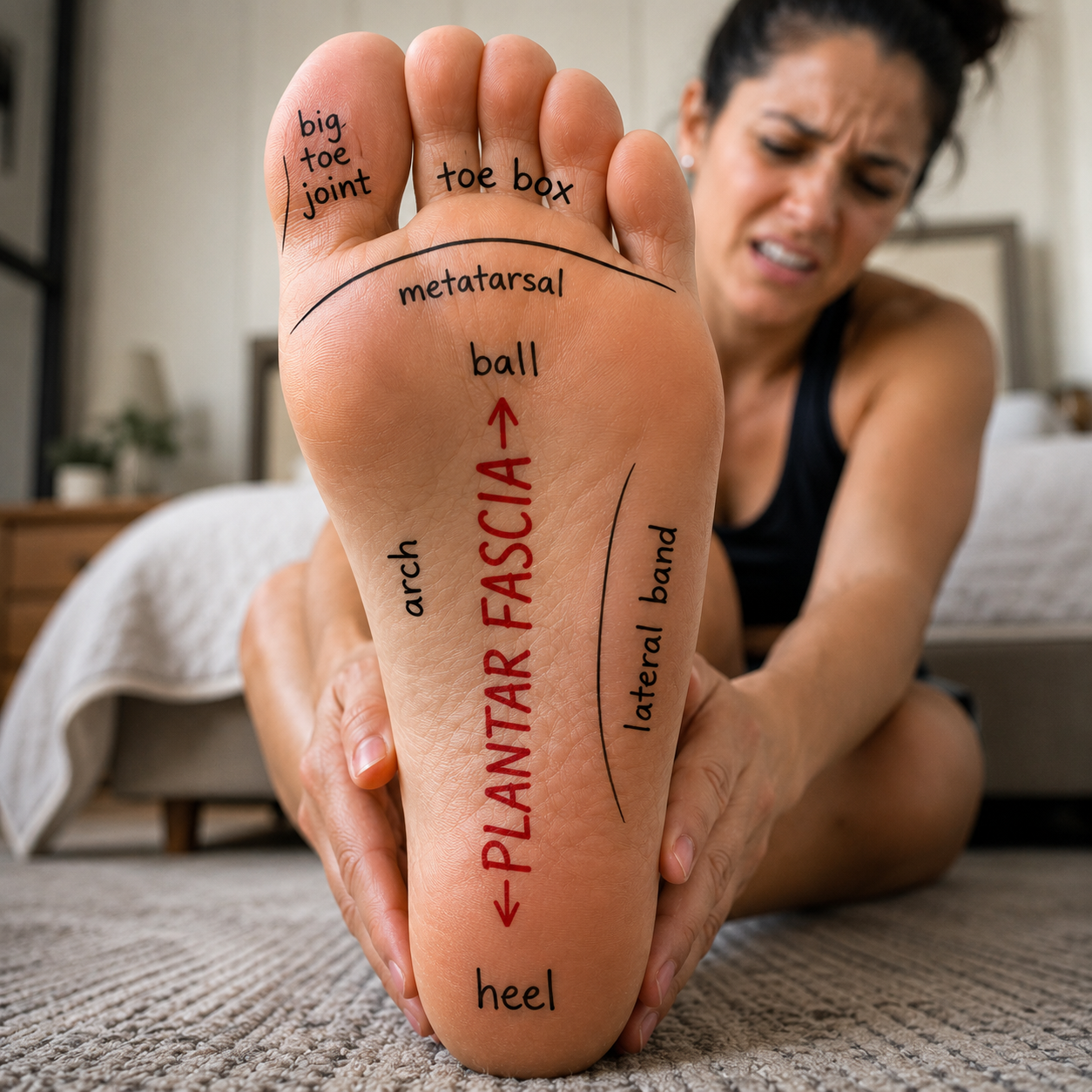
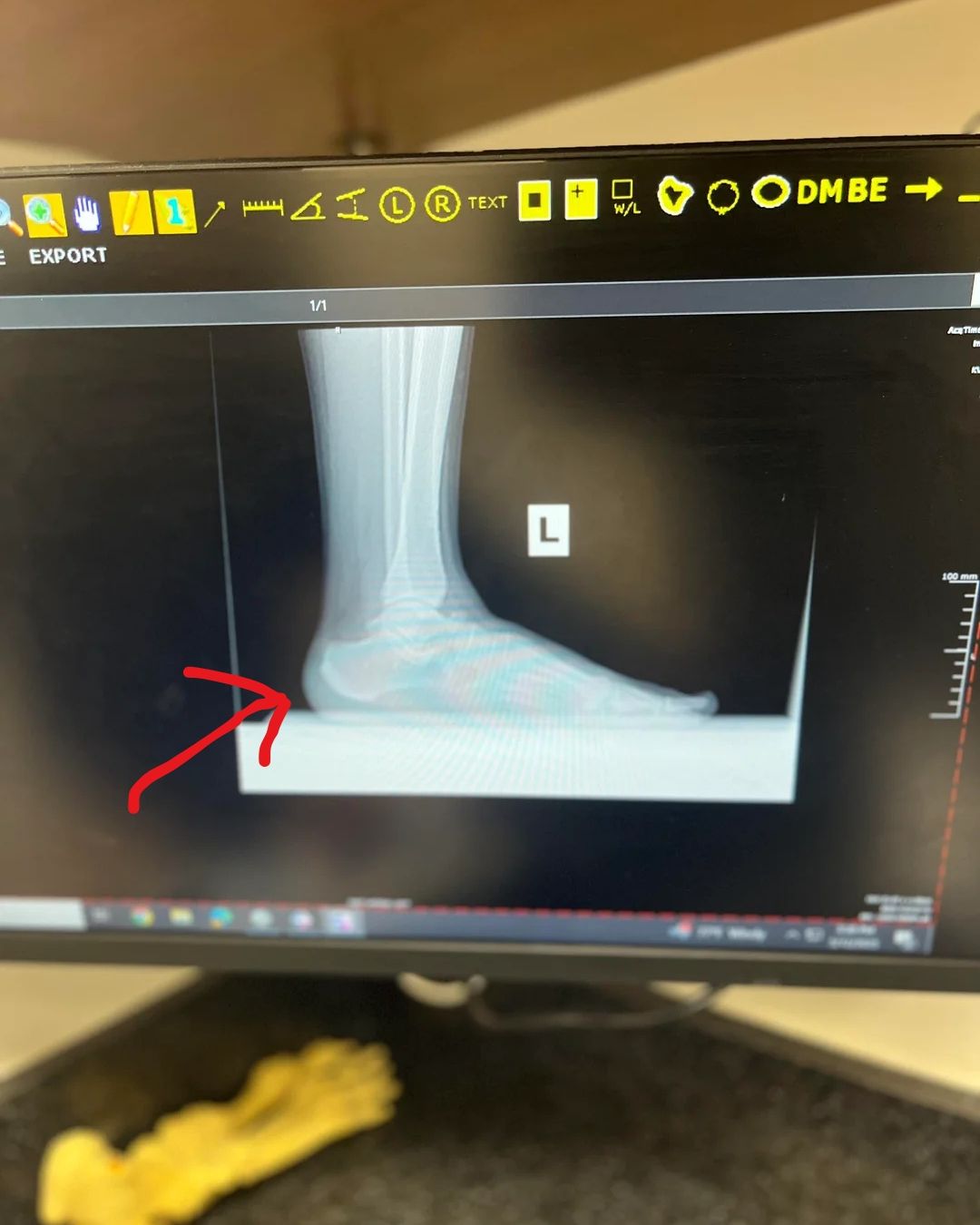
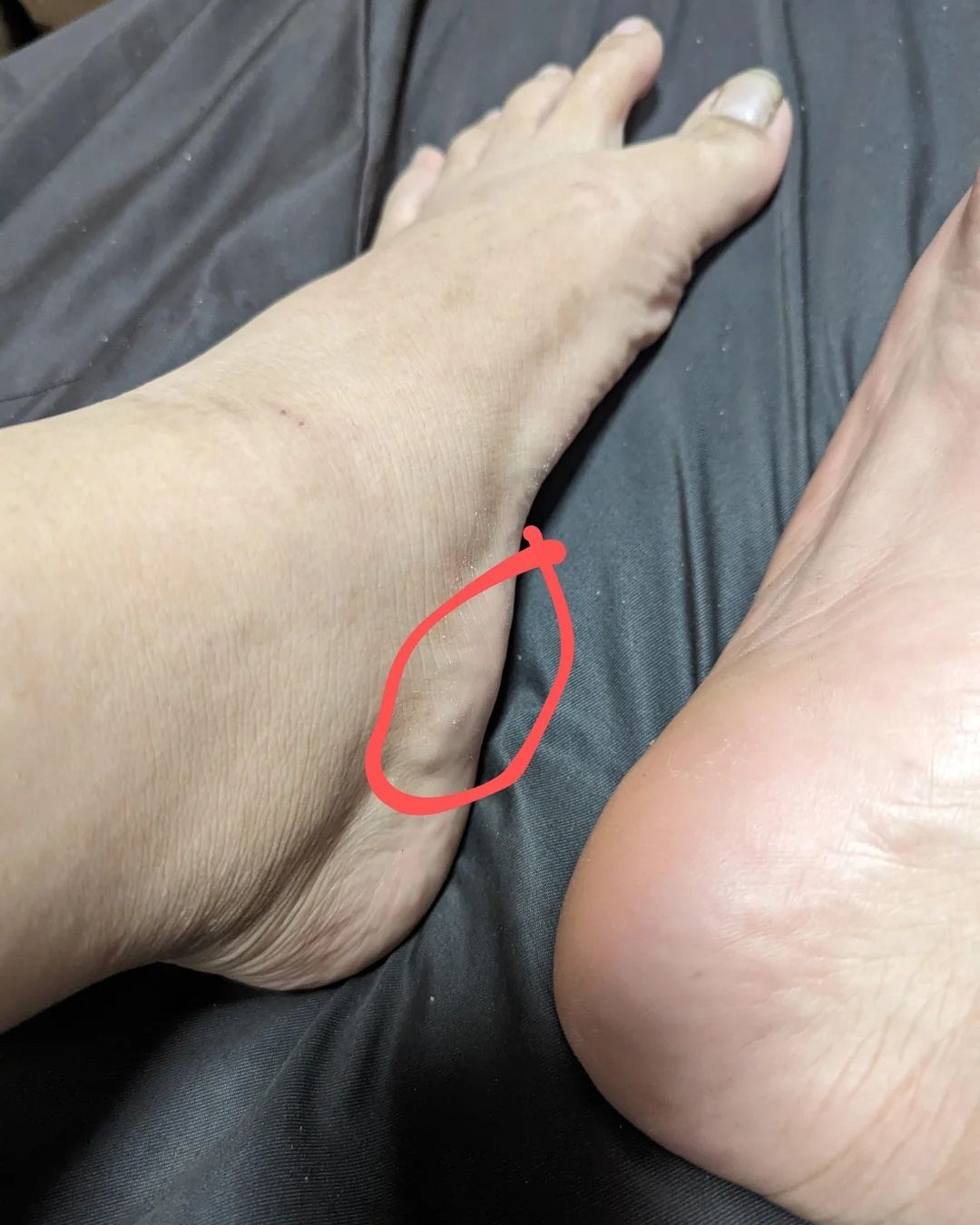
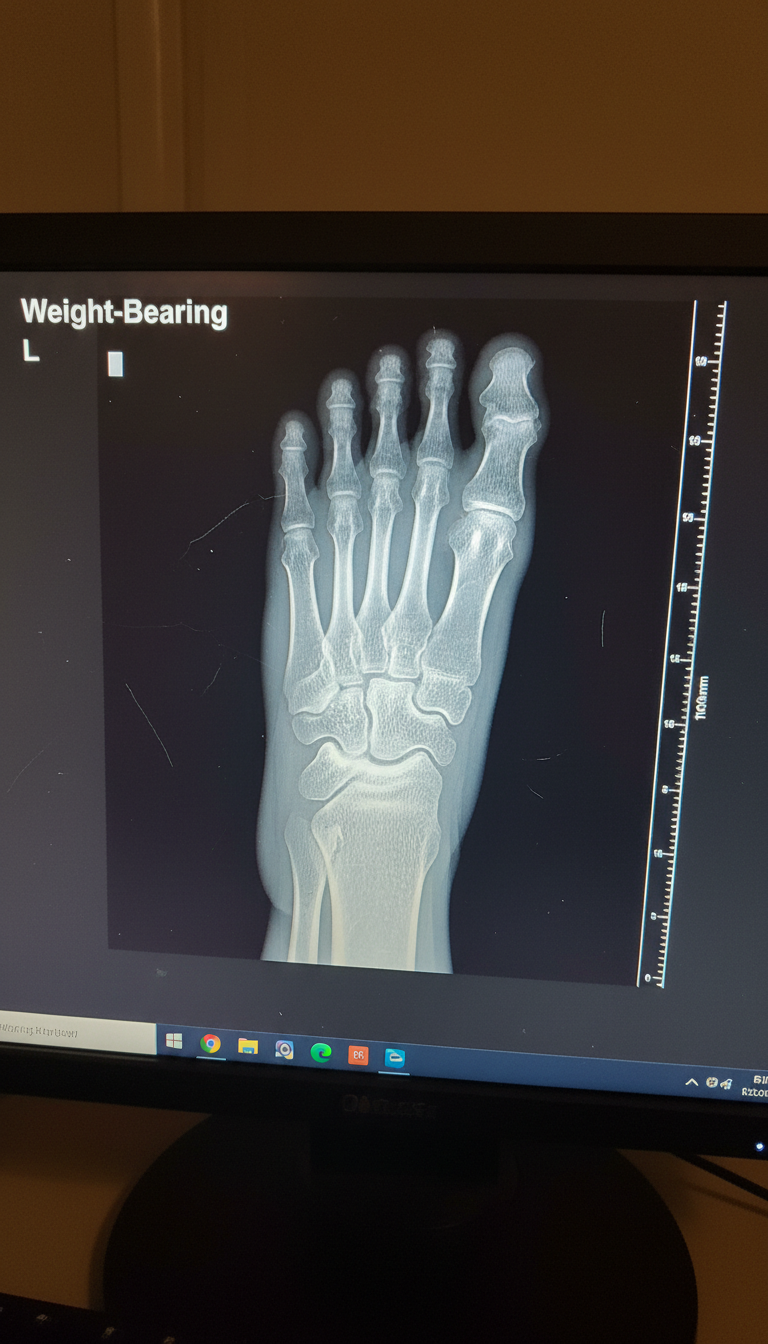
So why won't your plantar fasciitis heal? Because your tissue stopped getting enough blood flow months ago. I've been a physical therapist for over 20 years. I specialize in plantar fasciitis. And that sentence above is the single most important thing I wish I could tell every patient who walks into my clinic. Because almost every single one of them has been doing the same things: stretching, icing, anti-inflammatories, orthotics, rest, physical therapy. Some of them have been at it for months, others for years. And they all walk in with the same look on their face and the same question: Why isn't anything working? I'll tell you why. I'm going to walk you through each treatment you've tried, explain exactly why it made perfect sense when you started it. And then I’ll show you why none of them could have worked for what's actually happening inside your foot right now. But first, you need to understand the one thing almost no one has told you. Here's what most people believe. Most people, and frankly, a lot of doctors think plantar fasciitis is an inflammation problem. The name itself suggests it—"itis" means inflammation. So the logic is simple: if something’s inflamed, treat the inflammation. Ice it, stretch it, take ibuprofen, and wait for it to calm down. And for the first few weeks? That logic is correct. There IS inflammation happening, and those treatments do help. But here's what almost nobody tells you. After about 4 weeks, the inflammation phase ends. A study published in the Physical Medicine and Rehabilitation journal confirmed what I'd been observing in my clinic for years: chronic plantar fasciitis is not an inflammation condition. It's a degeneration condition. The tissue isn't swollen anymore. It's degenerating, literally breaking down. That changes everything. Let me explain what's actually happening inside your foot so you can understand why every treatment you've tried has failed. Your plantar fascia is a thick band of tissue running along the bottom of your foot. Even when it's perfectly healthy, it gets very little blood flow. So it's one of the most blood-starved tissues in the human body. When that tissue gets damaged, what little blood flow your plantar fascia has dropped even further. And blood is everything, because it carries the oxygen, nutrients, and raw materials your body needs to repair damage. When blood flow shuts down, your tissue’s ability to repair itself shuts down. So every step you take on that weakened tissue tears it a little more. The tissue can't heal because it's not getting enough blood. It gets weaker, which means it tears even easier. And that restricts blood flow even further. I call this the degenerative spiral. And once you're in it, you're stuck, unless you address the two things actually driving it. But you haven't been addressing those two things. You've been doing what everyone told you to do. And every single one of those treatments was aimed at the wrong problem. Let me show you exactly what I mean. Let's start with icing. Of course you iced your foot. That's the first thing everyone tells you to do. Your heel hurts, so you grab an ice pack or roll a frozen water bottle under your arch. It feels good in the moment, because the cold numbs the pain. It reduces swelling and gives you 20 or 30 minutes of relief. And in the first few weeks, when there actually was inflammation, icing did help. But once your plantar fasciitis crossed into the degeneration phase, icing became one of the worst things you could do. Why? Cold constricts blood vessels. That's exactly how it reduces swelling, it tightens the blood vessels so less fluid reaches the inflamed area. In an inflammatory condition, that's helpful. But in a degenerative condition, your tissue is already starved for blood. It's already getting a fraction of the blood flow it needs to repair itself. And now you're applying cold directly to it, squeezing those blood vessels even tighter, cutting off even more of the blood supply your tissue is desperately waiting for. Every time you iced your foot, you were starving damaged tissue of the one thing it needed most to heal. And while you were numbing the surface, the tissue underneath kept breaking down. Now let's talk about stretching. This is the one that breaks my heart, because stretching is what every doctor, website, and well-meaning friend tells you to do. Whether the advice is to stretch your calves or your arch, or roll a tennis ball under your foot, “do it every day,” is what you usually hear. It makes intuitive sense. Your plantar fascia feels tight, like it needs to be loosened up. So you stretch it. But when you stretch tissue that's in the degeneration phase? It’s a problem. It’s not tight because it's inflamed. It's tight because it's damaged and weakened, the fibers are fraying and micro-tears are accumulating faster than your body can repair them. When you stretch compromised tissue, instead of loosening it, you actually pull it apart. Imagine a rope that's fraying in the middle. Would you grab both ends and pull? That's exactly what stretching does to a degenerating plantar fascia. Each stretch creates more micro-tears in tissue that already can't keep up with repair. You feel a temporary sense of relief because stretching activates nerve endings that briefly override pain signals. But the structural damage just gets worse with every session. And while you were stretching every day, the degeneration spiral continued. Next, anti-inflammatories. You took ibuprofen, naproxen, maybe even prescription-strength NSAIDs, because the name of your condition contained a term for "inflammation" right in it. Plantar fasci-ITIS. Treat the itis, that's the whole idea. And your doctor probably told you to take them for a week or a month. Or maybe you've been taking them on and off for years, just to get through the day. Here's the problem. Anti-inflammatories reduce inflammation…that's all they do. They don't rebuild tissue or restore blood flow or strengthen weakened fibers. They reduce inflammation. And after 4 weeks, you don't have inflammation anymore, you have degeneration. The tissue isn't swollen, it's breaking down. Taking anti-inflammatories for a degeneration condition is like bailing water out of a boat with a hole in the hull. The problem isn’t the bucket, it’s the hole. And no amount of bailing will fix it. But it's worse than just being ineffective. Some research suggests that long-term NSAID use may actually interfere with tissue repair. The very medication you're taking to manage the pain could be slowing down the healing process your body is trying to run, a healing process that's already failing because of insufficient blood flow. And while the ibuprofen masked the pain, the degeneration continued underneath. Then there's rest. At some point, you probably tried just staying off your feet. Maybe a doctor told you to rest. Maybe the pain got so bad you didn't have a choice anyway. You stopped taking walks and exercising. You sat more and stood less, basically doing everything you could to give your foot a break. And that sounds so logical. If the tissue in your foot is getting damaged by every step, stop stepping. But rest doesn't work for degeneration either, and the reason is blood flow. Your plantar fascia already gets almost no blood supply compared to other tissues in your body. And what most people don't realize is that one of the few ways blood actually reaches the plantar fascia is through movement. The mechanical loading of walking and standing helps pump a small amount of blood into that tissue. It's not a lot, but it's something. When you stop moving, you remove even that small amount of blood flow. The tissue sits there, unloaded, yes, but also unfed. No oxygen, nutrients, or repair materials reaching it. The degeneration doesn't pause just because you're resting. It continues. Sometimes it even accelerates, because now you've removed the one stimulus that was pushing a trickle of blood into the area. And when you finally stand up after resting? That first step feels like a knife through your foot because the tissue has been sitting in a zero-blood-flow state. It's even weaker than it was before you sat down. While you were resting, the tissue sat there, unloaded, but still starving. Let's talk about physical therapy. This is the one that confuses people the most. Because physical therapy is supposed to be the answer, right? It's what doctors recommend when everything else fails. It's the "real" treatment, the professional one. And I say this as a physical therapist myself: traditional PT protocols for plantar fasciitis are often built on the same misunderstanding as everything else. Most PT programs for plantar fasciitis focus on stretching the calf and the plantar fascia, strengthening the foot muscles, ultrasound therapy, and maybe some manual manipulation. These are all sound techniques…for inflammation. But for a degeneration condition, many of these exercises are asking damaged tissue to perform work it's no longer capable of performing. Strengthening exercises load the plantar fascia. If that fascia is degenerating, loading it without adequate blood flow just accelerates the micro-tearing. Ultrasound provides temporary relief but doesn't address the structural breakdown. Stretching, as we just covered, pulls apart tissue that's already fraying. I've watched patients come into my clinic after months of PT, doing everything their therapist told them to do, and their plantar fasciitis was worse than when they started. Not because their PT was bad. Not because the patient wasn't trying. But because the protocol was designed for the wrong phase of the condition. The patient did everything right. The treatment was aimed at the wrong problem. And between sessions, the degeneration spiral never paused. And finally, custom orthotics. This is usually the expensive one. By the time you get to custom orthotics, you've already tried everything else. You've been to the podiatrist and had your gait analyzed. Maybe you've had molds taken of your feet, and spent $300, $400, maybe $500 or more on a pair of custom insoles that were supposed to finally fix this. And orthotics do something, namely, they redistribute pressure across the bottom of your foot. They provide arch support, and they can change your gait pattern so you're loading your foot differently. For some acute conditions, that can make a real difference. But here's what custom orthotics don't do. They don't restore blood flow to your plantar fascia. Or stop the tissue from degenerating. They also don't deliver oxygen or nutrients to starving fibers or repair micro-tears. Orthotics are designed to change how force moves through your foot. But the problem isn't how force moves through your foot. The problem is that the tissue itself is breaking down from the inside because it's not getting enough blood to heal. It's like putting shock absorbers on a car with a cracked engine block. The ride might feel a little smoother. But the engine is still failing. And no amount of cushioning underneath will fix structural damage happening inside the tissue. And even inside those $400 custom inserts, the tissue kept breaking down. Now step back and look at what just happened. You tried icing, it cut off the blood your tissue desperately needed. You tried stretching, it pulled apart fibers that were already fraying. You tried anti-inflammatories, they treated a condition you no longer have. You tried resting, it starved the tissue even further. You tried physical therapy, it loaded damaged tissue without addressing the cause. You tried custom orthotics, they cushioned the symptom while the structure collapsed underneath. Every single treatment was reasonable. Every single one made sense at the time. And every single one was aimed at the wrong problem. You haven't been failing to heal. You've been fighting the wrong fight. And while you were faithfully doing everything you were told to do, the degenerative spiral kept turning. Week after week. Month after month. Getting a little worse with every cycle. This is why nothing worked. It's not your fault. It's not because your plantar fasciitis is "too severe" or because you're not doing the exercises right or because you just need to be more patient. It's because every treatment you've been given was designed for inflammation. And you don't have an inflammation problem anymore. You haven't for a long time. You have a degeneration problem. And that requires a fundamentally different approach. So what DO you need to do? Two things, simultaneously. One: restore blood flow to the damaged tissue. Without blood, there's no healing. That's non-negotiable. The oxygen, the nutrients, the raw materials, none of it reaches your plantar fascia without adequate blood flow. And right now, your blood flow is at a fraction of what it needs to be. Two: stop the constant micro-tearing. Give the tissue enough structural support that it can actually repair itself instead of being torn apart a little more with every step you take. As long as the tissue is tearing faster than it can rebuild, healing is impossible, no matter how much blood flow you restore. That's it, that's the entire solution. Get blood flowing again and stop the tearing. When you do both at the same time, something remarkable happens. I call it the healing snowball. Once blood flow increases, healing materials reach the tissue, the tissue starts to rebuild. As it gets stronger, it tears less, and less tearing leads to better blood flow. Better blood flow means faster healing. The cycle reverses. Instead of spiraling downward, it spirals up, finally improving. But here's the frustrating part. For years, I couldn't find anything on the market that did both. Regular compression sleeves? They just squeeze the surface of the foot. The damage in plantar fasciitis is deep inside the tissue. Surface compression can't reach it. And generic insoles? They redistribute pressure, but they don't do anything for blood flow. They don't help the tissue rebuild. They manage symptoms while the degeneration continues underneath. I was losing patients to years of unnecessary suffering because the tools available simply weren't built for this problem. Then I came across a company called Koprez. They were developing advanced compression technology specifically for chronic pain conditions. Not generic sports compression. Not one-size-fits-all insoles. Technology designed to help damaged tissue actually heal. I reached out. We started working together. I brought 20 years of clinical experience treating plantar fasciitis. They brought the engineering. After months of development and 26 prototypes, we created the Koprez Plantar Fasciitis Sleeve. It uses something called Biolateral Circular Compression. Instead of squeezing the foot uniformly like regular sleeves, it creates a targeted circular pressure pattern that drives fresh blood deep into the plantar fascia. Not just to the surface, deep, where the degeneration is actually happening. Oxygen and nutrients finally reach the tissue that's been starving for months. Then there are the Polyaxial Support Straps. Most compression sleeves don't have anything like this. They work like the cables on a suspension bridge. They carry the load of every step so your damaged fascia doesn't have to. The constant micro-tearing stops. And when the tearing stops and blood flow starts, the healing snowball begins. I want to tell you about a patient of mine. She'd been struggling with plantar fasciitis for over 3 years. She had tried everything on this list, and I mean everything. Icing twice a day, calf stretches morning and night, ibuprofen so regularly her doctor started worrying about her stomach lining. Two rounds of physical therapy and $450 custom orthotics from a podiatrist who told her they would absolutely work. They didn’t work. None of it worked. She was having trouble taking her first steps in the morning. Every day felt like walking on a bed of nails. She'd stopped going on walks with her family and couldn't stand long enough to cook dinner. At that point, she planned her entire life around her feet. I gave her the Koprez Sleeves and told her to wear them throughout the day. Within just a few days, she called me. For the first time in years, she got out of bed without stabbing heel pain. I said, there's definitely something here. In all my years working with plantar fasciitis, I had never seen a response like this from any treatment. Now she's walking freely again. We play pickleball 5 or 6 times a week. She leads a fully active life, going on long outings with her family, and says it's like her feet are 20 years younger. And it's all thanks to the sleeves. This is the biggest development I've seen in my decades of helping people recover from heel pain. When blood flow increases AND the tearing stops, the tissue starts to heal, and as it heals, blood flow improves even more. The spiral reverses. But I want to be clear about something. Not all compression sleeves are built the same. For it to work, a sleeve must deliver BOTH deep blood flow AND plantar fascia support. Anything less won't break the degenerative cycle. Most companies create sleeves that just squeeze the foot without actually supporting the fascia. They're made for sports, not plantar fasciitis. The Koprez Sleeves are the only ones I recommend to my patients. And the results speak for themselves. In fact, 94% of users report complete pain relief within the first 30 days. ⭐ Robert T., 56, Arizona ⭐ 5 years of plantar fasciitis. 5 years. I'd accepted it as my life. Couldn't walk more than 2 blocks without stopping. My physical therapist recommended Koprez and I figured, what do I have to lose at this point? By the end of the second week, the morning pain that used to make me dread getting out of bed was almost completely gone. I just did a 4-mile hike last weekend. I still can't believe it. ⭐ Patricia K., 49, Michigan ⭐ I'm a server. On my feet all day on hard restaurant floors. My plantar fasciitis got so bad I was seriously thinking about quitting. Every shift ended in agony. A coworker told me about Koprez. Within 3 weeks the pain was manageable. By week 6, it was gone. I've been wearing them for 5 months now and I feel like a completely different person. ⭐ Angela M., 52, North Carolina ⭐ I tried every insole, every shoe, every stretch on YouTube. Spent over $1,500 on treatments. Nothing fixed it. My podiatrist couldn't figure out why I wasn't improving. Then I found Koprez and the difference was immediate. Not overnight, but within days I could tell something was actually changing. For the first time in years, my feet were getting BETTER instead of worse. I'm 3 months in and virtually pain-free. If you've had plantar fasciitis for more than a month and nothing you've tried has worked, I want you to understand something. It's not your fault. You've been following advice designed for an inflammation problem. But you don't have an inflammation problem anymore. You have a degeneration problem, and that requires a fundamentally different approach. Restore blood flow, stop the tearing, and let the healing snowball begin. Right now, Koprez is running a special Buy 1 Get 1 Free promotion on their Plantar Fasciitis Sleeves, and every order is backed by a full 30-day results-or-refund guarantee. Try them for a month. If you don't feel a real, lasting change, they'll refund every cent. Most of my patients report significant improvement within the first 2 to 3 weeks. Some notice a difference in days. Click below and give your feet a real chance to heal: https://offers.koprez.com/deg P.S. If you've tried everything on this list, icing, stretching, the anti-inflammatories, rest, PT, custom orthotics, and none of it worked? That's a very good sign that the Koprez Sleeve is what you need. It means your plantar fasciitis crossed into the degeneration phase a long time ago. And Koprez is the only thing I've found in 20 years that addresses degeneration directly. P.P.S. Koprez is a small company and I know from my patients that they struggle to keep up with demand. The Buy 1 Get 1 Free offer won't last. If you click the link and they're in stock, I'd act quickly. I've had patients tell me they waited weeks for a restock. 🇺🇸 Shipped From USA 🔬 Developed With 20+ Years of PT Clinical Experience ⭐ Thousands of 5-Star Reviews 🧦 Slim Design, Fits Discreetly In Any Shoe 📦 Ships Worldwide 💵 30-Day, 100% Money-Back Guarantee 🎁 Buy 1 Get 1 Free—Limited Time
Physical Therapist Explains Why Your Plantar Fasciitis Won't Heal
Summary: You've tried everything because every solution treats the wrong problem. These sleeves use the latest research to end morning heel pain the right way, and actually work.
SHOP NOWLike this ad? Make it yours.
Crush rebuilds this exact creative around your product — your brand, your colors, your offer — in about a minute.