Vascular Wellness Report
 Facebook ad: “Support Healthy Blood Sugar And Insulin Sensitivity”
Running for 2 days since November 2, 2026. Crush last saw it on November 4, 2026.
Run by Vascular Wellness Report on Facebook. Crush is not the advertiser and does not verify its claims. See this ad in Meta's Ad Library(opens in a new tab)
Make your own version of this ad
Crush makes it, launches it in your own Meta ad account, scales the winners and pauses the losers.
About this ad
- Meta Ad Library ID
- 1789361472167579
- Platforms
- Facebook, Instagram and Threads
- Relaunches
- 0
Ad text
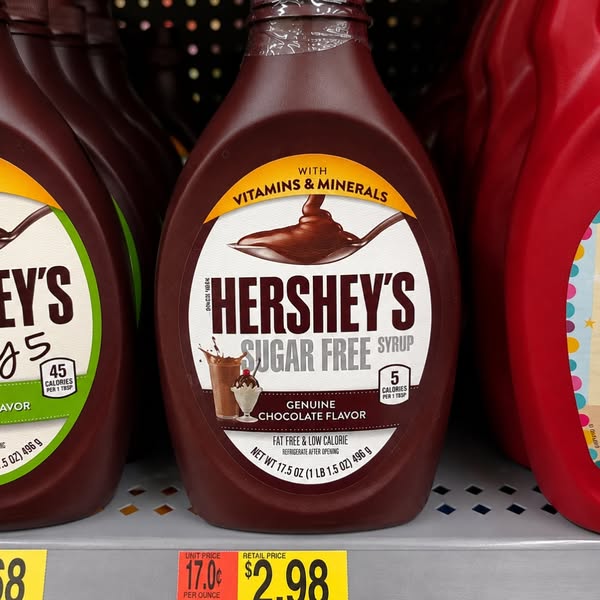
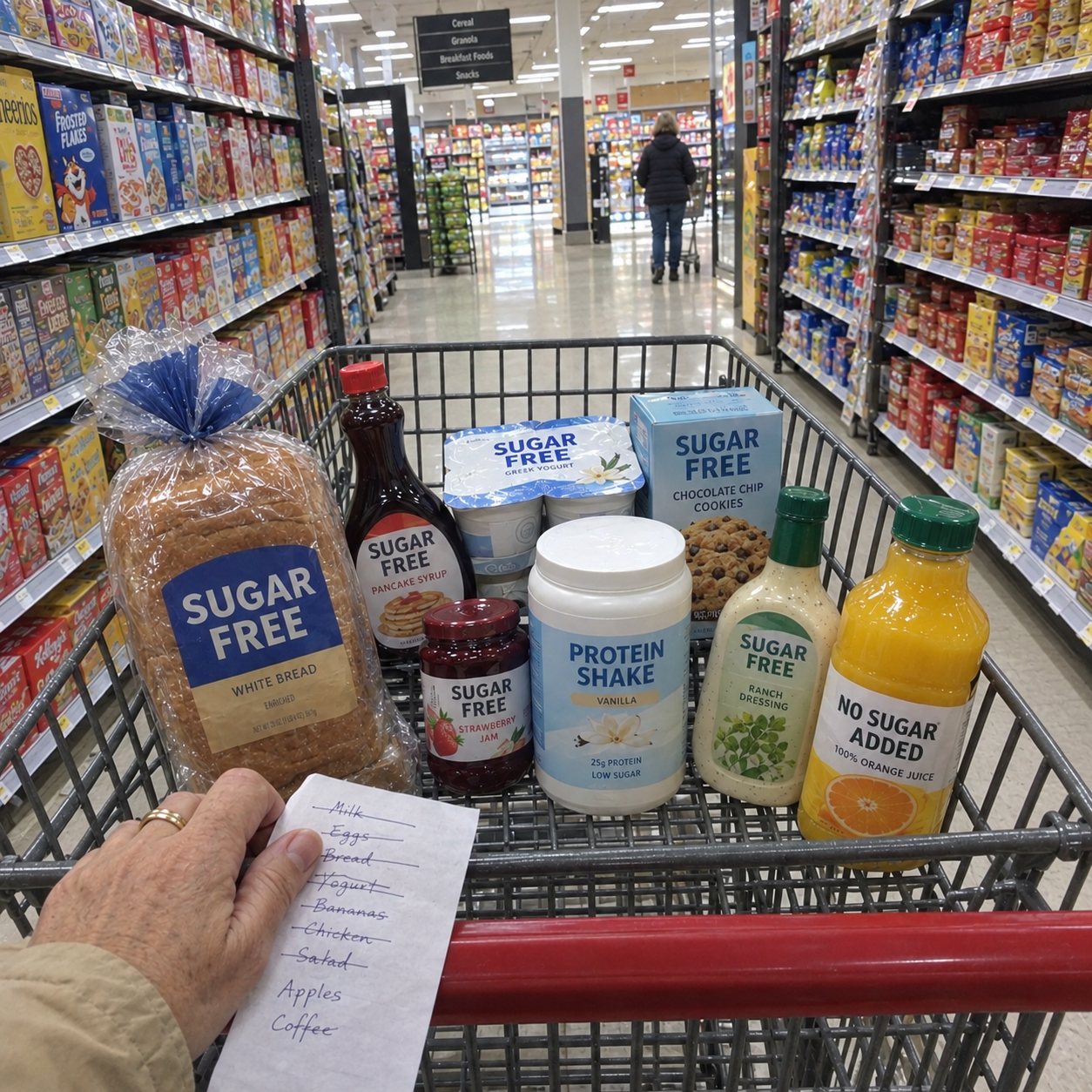
Here are the most dangerous foods for people with Type 2 diabetes. I have spent 18 years as a Diabetes Nutritionist watching patients destroy their glucose levels eating foods labeled sugar-free. If you still want to keep your blood sugar under control, pay attention. I am a Certified Diabetes Nutritionist. For 18 years I have sat across from patients, looked at their food logs, and watched the same mistake repeat itself so consistently I could write the pattern from memory. Patient follows their doctor's advice. Switches everything to sugar-free. Sugar-free syrup. Sugar-free bread from the health food aisle. Sugar-free yogurt. Sugar-free cookies from the diabetic section at Walmart. A1C comes back worse than before they started. They cannot understand what went wrong. They did everything they were told. I can tell them exactly what went wrong. And I will tell you too. Let me start with what I see most. They come in with a recent diagnosis. Type 2 diabetes, or their doctor told them they are borderline. Not yet on insulin. Some on metformin. Some trying to manage it with diet alone before accepting a prescription. They have already made changes. Stopped drinking regular soda. Cut the candy. Stopped adding sugar to their coffee. Then they found the sugar-free aisle. And they thought they had found the solution. Three months later they are sitting in front of me with labs that have barely moved. Some are worse. And they are telling me they have been completely compliant. I believe them. They are compliant. The rules they were given are incomplete. Here is what most doctors leave out of the conversation. When they say avoid sugar, they mean avoid the word sugar on a label. What they do not explain is that blood sugar does not respond to the word sugar. It responds to glucose hitting the bloodstream. And glucose hits the bloodstream from plenty of things that are not labeled sugar. The sugar-free label tells you one thing. No added sucrose. That is all it tells you. It does not tell you about the white flour in the sugar-free bread. It does not tell you about the maltodextrin in the sugar-free protein powder. It does not tell you about the dextrose in the sugar-free sports drink. It does not tell you about the modified cornstarch in the sugar-free salad dressing. All of those ingredients spike blood sugar. Some spike it faster than table sugar. Maltodextrin has a glycemic index of 95 to 136. Table sugar sits at 65. The sugar-free product is raising blood sugar faster than the thing it replaced. The patient does everything right by the label. The blood sugar keeps climbing. This is not the patient's failure. This is an information failure. Now I want to explain what is actually happening in the body. Not the number on the meter. The mechanism producing the number. Every cell in your body has doors on its surface. When you eat and blood sugar rises, insulin is supposed to reach those doors through the capillary system — the tiny blood vessels that connect arteries to muscle tissue. When the capillary driveways are open, insulin gets through, signals the doors, glucose moves in, blood clears. That is how blood sugar is supposed to come down after every meal. The driveways open. The insulin gets through. The blood clears. In Type 2 diabetes, the capillary driveways stop opening. A one-cell-thick layer called the endothelium lines every capillary in the body. When it is healthy, it produces nitric oxide continuously. Nitric oxide relaxes the capillary walls and opens the driveways. When the endothelium is damaged — by years of elevated blood sugar, inflammation, and oxidative stress — it stops producing nitric oxide. The driveways pinch shut. Insulin arrives at the capillary wall and cannot get through. The doors on the other side never even receive the signal. The glucose has nowhere to go. So it stays in the blood. Every spike from a sugar-free product loaded with maltodextrin or white flour sends more glucose into a bloodstream whose driveways are already shut. The glucose cannot move into the cells. It circulates. Hour after hour. Meal after meal. Your A1C is a 90-day average of how much glucose is floating in your blood. When the driveways are shut, glucose keeps floating. The A1C keeps climbing. Not because you are cheating. Because the glucose from foods nobody warned you about is going into a system that cannot clear it. Your medications manage the input side. Metformin tells the liver to produce less glucose. It reduces the flood. It does not restore the endothelium. The driveways stay shut. The A1C finds a floor and stays there no matter how carefully you read the label. This is the gap the sugar-free label does not tell you about. Now the foods. The ones I see doing the most damage in patients who believe they are eating correctly. The first category is sugar-free baked goods. Sugar-free bread, sugar-free muffins, sugar-free cookies from the health aisle at Target. Nearly all of them are made with white flour or enriched wheat flour as the primary ingredient. White flour has a glycemic index between 70 and 85. The fact that no sugar was added to the recipe does not change what the flour does to blood sugar after the meal. I have watched patients eat sugar-free toast with sugar-free jam every morning for three months and wonder why their fasting glucose is not moving. The toast alone is a spike their shut capillary driveways cannot process. The second category is sugar-free sweeteners and powders. Maltodextrin is the most dangerous one in this category because it is invisible. It does not taste sweet. It is used as a filler, a thickener, a texture agent. It is in sugar-free protein shakes, sugar-free coffee creamers, sugar-free meal replacement powders. Glycemic index between 95 and 136. Absorbed faster than glucose itself. A patient following a sugar-free protocol while adding a sugar-free protein shake after their morning walk may be spiking harder than if they had changed nothing at all. The third category is sugar-free drinks. Dextrose is glucose. It is the same molecule. A sugar-free sports drink with dextrose in the ingredient list is not sugar-free in any meaningful biological sense. It is legal sugar-free and blood-sugar-raising. The fourth category is sugar-free sauces, dressings, and condiments. Modified cornstarch. Rice flour. Tapioca starch. All of them in sugar-free products. All of them raising blood sugar. Most patients never read past the sugar content on the label. Flip every label over and look at total carbohydrates. Not sugar. Total carbohydrates. Because every gram of carbohydrate becomes glucose in the bloodstream, regardless of what the front of the package says. The fifth category is fruit juice marketed as natural. No added sugar does not mean no sugar. Apple juice, orange juice, grape juice. Even the organic versions with no additives. Concentrated fructose loads with no fiber to slow absorption. They spike blood sugar as fast as anything in the candy aisle. I have patients in Mississippi and Texas who had been drinking a glass of orange juice every morning for years because their parents told them it was healthy. Nobody told them it was a blood sugar spike into a system whose driveways were already closed. Cutting these foods will reduce the daily glucose load on a system that cannot clear it. That change is real and worth making. But the capillary driveways are still shut. The foods did not cause the driveways to stop opening. That failure was already in place. Reducing the glucose load from misleading sugar-free products eases the burden. It does not repair the endothelium. This is where most dietary advice for Type 2 patients runs out. I want to tell you about something I have been recommending to patients for the last two years. The ones who are still at a stage where they have real runway. Before the numbers get harder to move. Cocoa flavanols. Specifically epicatechin. Not cocoa the ingredient. Not dark chocolate from the grocery store. Not the powder on the supplement shelf. A specific compound found only in high-flavanol cocoa processed correctly so the epicatechin survives from bean to capsule, that does something dietary changes and standard medications do not do. It opens the capillary driveways. The compound is called epicatechin. It activates eNOS — the enzyme in the endothelium that produces nitric oxide. When eNOS is activated, the endothelium begins producing nitric oxide again. The driveways open. Insulin gets through. Glucose that has been circulating in the blood finally moves into the cells. Blood sugar comes down. A1C begins to move. The European Food Safety Authority has approved an official health claim for cocoa flavanols and blood vessel dilation. Replicated across dozens of trials. Sitting in medical literature while patients in sugar-free aisles read labels that are missing the information they actually need. Most cocoa supplements fail on at least one of three points. Usually all three. Wrong processing. Most cocoa is alkalized. Standard cocoa processing — alkalization, Dutch-processing, high heat — destroys up to 90 percent of the flavanol content. The cocoa at the grocery store, most dark chocolate, most cocoa supplements on Amazon have had their active epicatechin destroyed during manufacturing. If the label does not specify no alkalization and low-temperature extraction with a certificate of analysis listing flavanol content, assume the active compound has been processed out. Most products labeled as cocoa flavanols or dark chocolate extract online have been alkalized. Wrong dose. The clinical research showing measurable results on endothelial function uses 1,200 milligrams of standardized cocoa flavanols including 600 milligrams of epicatechin per serving. Most commercial cocoa products deliver 50 to 200 milligrams of total flavanols after processing. At that concentration, nothing moves. Wrong delivery. Epicatechin is fat-soluble. Dry powder capsules have severely limited absorption without a fat carrier. Most of what you swallow passes through the gut without reaching the endothelium it needs to restore. The compounds reach the gut and pass through without absorbing. The product I recommend is Neurobella Flavanol Cocoa. Low-temperature extraction, no alkalization — full flavanol matrix survives from bean to capsule. 1,200 milligrams of standardized cocoa flavanols including 600 milligrams of epicatechin per serving. Third-party tested. Certificate of analysis. Made in USA. Small batch. Two capsules every morning before breakfast with water. Neurobella is not sold on Amazon. Not in Walmart. Not through third-party marketplaces. The only way to confirm you are getting authenticated high-flavanol cocoa, at clinical concentration, with third-party testing behind every batch, is to order directly from the official Neurobella website. Now let me be direct about something most supplement recommendations leave out. The research does not show results in one week. It shows results across three months of consistent use. This is not a product you evaluate after two weeks. The capillary driveways have been shut for years. Restoring the endothelium takes time. The studies showing A1C movement, fasting glucose dropping, endothelial function improving — those were conducted over 90 days of daily use. This is why I recommend the three-month supply. Not for the savings. Because stopping before 90 days means stopping before the protocol has had time to do what the research shows it does. Neurobella offers a 90-day money-back guarantee for exactly this reason. The guarantee matches the timeline. Take the full 90 days. If your fasting glucose has not moved, if your A1C has not shifted, send back what is left and get every dollar back. No conditions. Here is what I see in patients who complete the full 90 days. Weeks one and two, the changes are felt before they are measured. Energy stabilizing through the afternoon. Cravings loosening. Sleep improving. Week three to four, fasting glucose begins to move. Patients who were waking to readings above 140 start seeing 120, then 108, then numbers they had not seen in years. Week eight to twelve, A1C begins to shift. The 90-day panel comes back lower. Doctors who had been saying watch it start saying something different. I have watched patients bring their three-month labs into their next appointment and watch their doctor read the numbers twice. The conversation shifts from we need to talk about next steps to whatever you are doing, keep doing it. That is the conversation I want you to have. I am writing this as a Diabetes Nutritionist, not as a supplement company. For 18 years I have watched patients follow the rules and the rules be incomplete. The sugar-free label that says nothing about the maltodextrin inside it. The cocoa supplement from Amazon that says high-flavanol and ships alkalized powder from a bulk warehouse. The dose too low to do anything. The dry capsule the body cannot absorb. Patients doing everything right and the numbers not moving. Change the foods I described. Read total carbohydrates, not just sugar. Drop the sugar-free products built on white flour, maltodextrin, dextrose, and modified starch. Switch to whole foods your system can actually process. And address the upstream mechanism that dietary changes alone cannot reach. Go to the official Neurobella website directly. Not Amazon. Not Walmart. Not any listing you find through a search. Two capsules every morning before breakfast with water. The 90-day money-back guarantee covers the full protocol. Take the full three months. That is what the research used. That is what the guarantee covers. If the numbers do not move, send back what is left and get every dollar back. I have spent 18 years watching patients make the right changes too late or too incompletely. The window is open right now. It does not stay open at the same width forever. Read the total carbohydrate line. Not just the sugar. And do not let the wrong processing, the wrong dose, or the wrong delivery be the reason the protocol never had a chance to work. ~ Sandra Keller, CDN Certified Diabetes Nutritionist, 18 years 👉 https://try.neuro-bella.com/neurobella-advance-hbs/adv
Where the ad sends people
try.neuro-bella.com
Support Healthy Blood Sugar And Insulin Sensitivity
90-Day Money-Back Guarantee
Learn more: try.neuro-bella.com(opens in a new tab)