Itsme.lena
Itsme.lena Facebook ad: “You must read my story.”

Ran for 42 days, from August 3 to September 14, 2026, the last day Crush saw it.
Run by Itsme.lena on Facebook. Crush is not the advertiser and does not verify its claims. See this ad in Meta's Ad Library(opens in a new tab)
Want an ad like this for your product?
Crush makes new ad images for your product from this ad: your logo, your product photo, your offer.
Trials from $19.95 USD, then $79.95 USD a month. Cancel anytime.
About this ad
- Meta Ad Library ID
- 1796919348136805
- Platforms
- Facebook, Instagram, Messenger and Threads
- Relaunches
- 0
- Niche
- Hair Care
Ad text
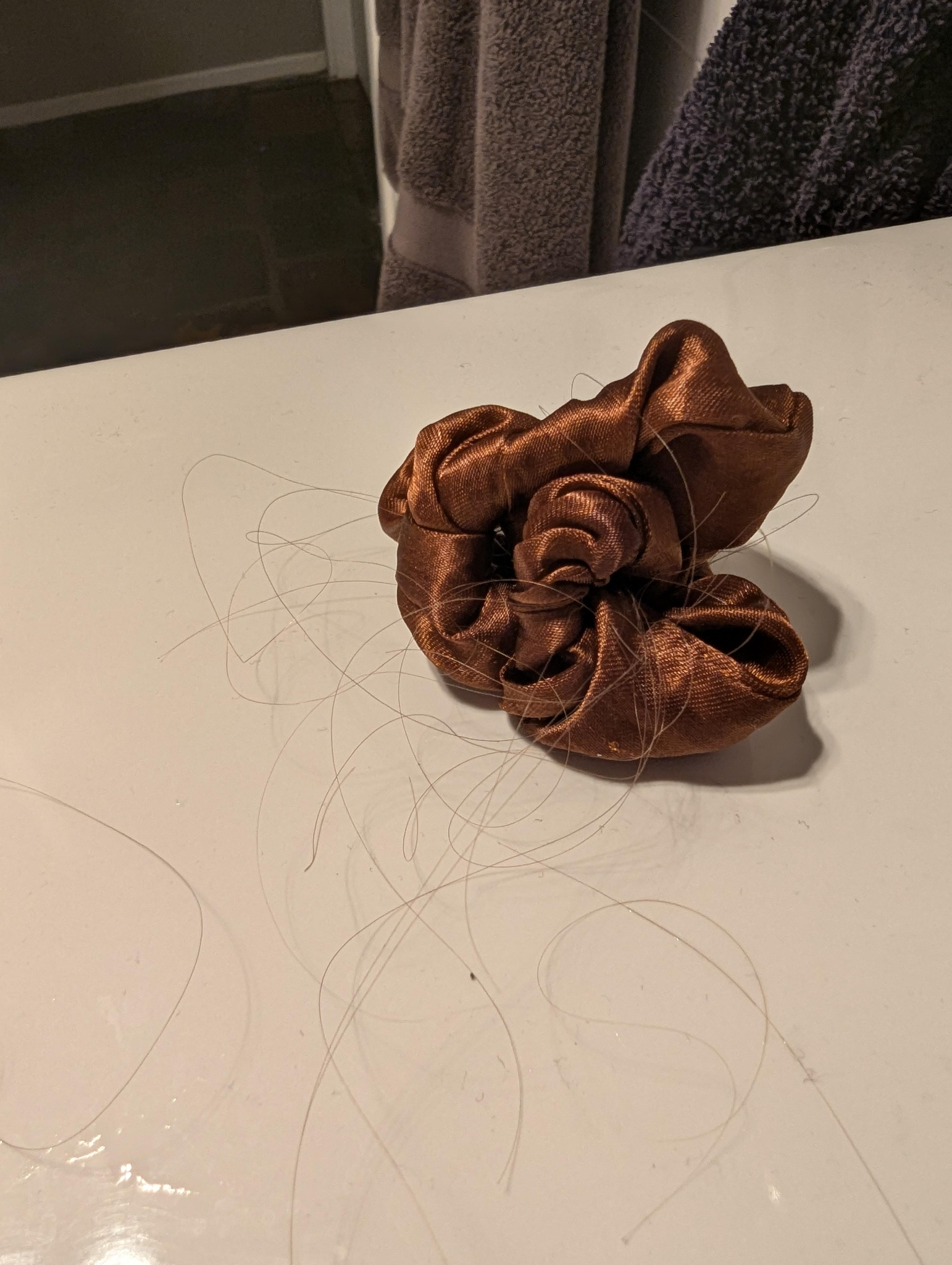
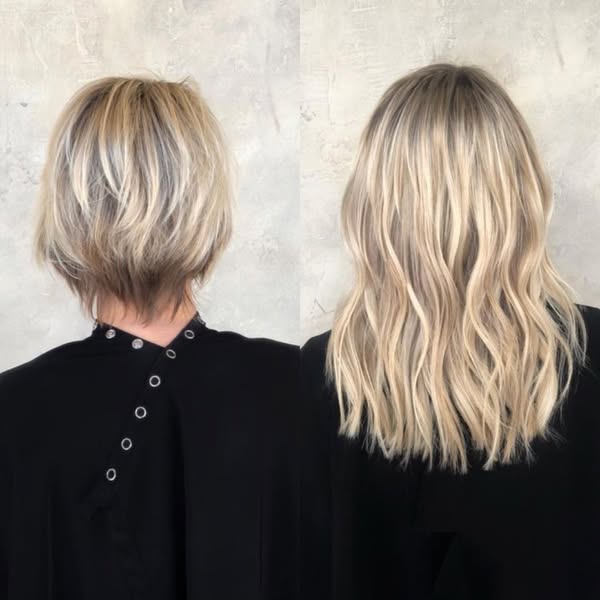
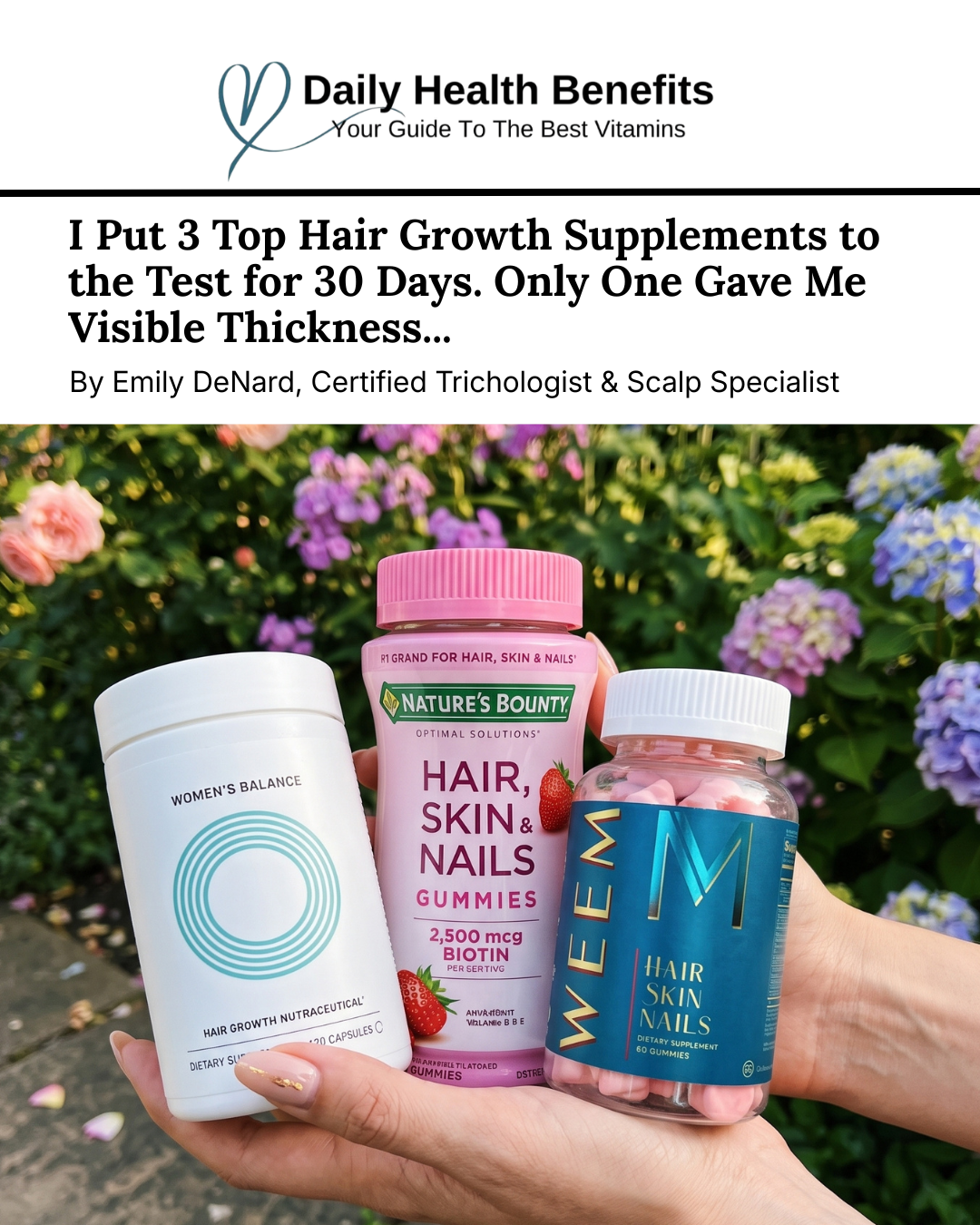
I started taking hair vitamins in the spring of 2023. Two little gummies every morning with my coffee. The pretty pink bottle everyone on Instagram was posting about. I took them for four months without missing a day. I ordered the refill before the first bottle ran out so I'd never have a gap. My hair kept falling out anyway. I'm 54. I still find a small clump of hair in the shower drain most mornings, though nothing like it was. My ponytail holder used to wrap around twice. By that spring it wrapped around three times, and there was still slack. I stopped wearing my hair up because I could see my scalp through the part in the bathroom mirror — that little pink line down the middle getting a fraction wider every month, the way you don't notice day to day but you notice in photos. And I want to tell you about a photo. Or rather, the photo I don't have. My daughter Emma got married in October of 2022. It was the most beautiful day. And I spent a good part of it hiding. I'd been losing my hair for over a year by then, and I was ashamed of it in a way I couldn't say out loud to anyone. So at my own daughter's wedding I did the math all day long — where the light was, where the photographer was standing, which angle showed the top of my head. When he came around for the mother-and-daughter portraits, I found a reason to be somewhere else. I refilled someone's drink. I checked on the cake. I kept to the back of the group shots and tipped my chin down. Emma has a wedding album full of the people she loves. And there is not one beautiful photo of her and her mother on her wedding day. Not one. Because her mother was busy hiding from the camera over a few square inches of scalp. I would give almost anything to go back and stand next to her in the good light and just let him take the picture. I want to tell you what I figured out, too late for that photo but not too late for the rest of it. Because I keep seeing the same posts I used to write — "anyone have tips for thinning hair after 50?", "my hairdresser noticed my part getting wider, help" — and I remember exactly how that felt. Like quietly losing a piece of yourself that nobody else is supposed to notice. If your hair is thinning, or shedding more than it used to, or just doesn't feel like your hair anymore, please read this whole thing. I know it's long. I know you have a hundred things to do. Two years ago I would have given a lot for someone to sit me down and tell me what I'm about to tell you. It started slowly, the way these things do. I noticed it first in the summer of 2021. A family photo on the back deck, the good camera, everybody squinting into the sun. When I saw it later I kept staring at mine — the light was coming straight down through my hair and I could see my scalp on the crown. I'd never seen that before. I told myself it was the angle. The sun. A bad photo. Then my hairdresser, Carla — I've been going to her for eleven years — parted my hair to cut it and got quiet for a second. She said, "Your part's opening up a little, hon. Are you stressed?" I was. My mother had just moved in with us. I was sleeping badly. My hormones were doing whatever they do at that age — my doctor used the word "perimenopause" like it explained everything and nothing. And in the back of my mind, the whole time, was a date. Emma had just gotten engaged. There was going to be a wedding, and there were going to be cameras, and I was quietly terrified of both. So I did what you do. I went home and I started trying things. First it was biotin from the pharmacy. The big bottle. 10,000 micrograms, it said on the front in gold letters, like more was obviously better. I took it every day for two months. My nails got a little stronger. My hair did nothing. Then it was the pink gummies. Everyone had them. My niece swore by them. I liked taking them, honestly — they tasted like candy and it felt like I was finally doing something. Four months. Nothing. Then the expensive one. Eighty-eight dollars a bottle, sold as the serious option, the one with the long ingredient list and the doctor on the website. I gave that one five months because at that price I was sure it had to be doing something I just couldn't see yet. My part kept widening. Then the marine collagen capsules. Then castor oil that I massaged into my scalp three nights a week and slept on a towel so I wouldn't ruin the pillowcase. Then a scalp massager tool. Then a silk pillowcase. Then rosemary water in a spray bottle. I spent — I added it up once and then wished I hadn't — somewhere north of six hundred dollars over about eighteen months. On my own hair. And it was still coming out in the drain, and the part was still widening, and I still wasn't wearing it up. The whole time, one thing kept nagging at me: I was doing everything right. I was taking the vitamins. Good ones. Expensive ones. Every single day. So why wasn't a single one of them working? That question is the reason I finally figured this out. So sit with it for a second, because it's the whole thing: If the vitamins had the right stuff in them — and most of them did — why did none of it ever reach my hair? I started reading. Not because I'm the type. Because I was tired of spending money on hope. Medical papers I only half understood. Nutrition forums. A trichologist's blog. And one idea kept coming up, over and over, that not one bottle I'd ever bought had told me: Everybody watches the dose. The whole shelf is built around it. 10,000 mcg of biotin. "Extra strength." "Maximum potency." Bigger number on the front, more money on the price tag. You stand in that aisle and you assume the one with the most milligrams must be the one that works. I did. For a year and a half. But the dose was never the thing. Here's what nobody in that aisle tells you. When you swallow a normal vitamin, it dissolves fast — most of them break down inside about an hour. All those nutrients flood into your bloodstream at once, in one big wave. And your body, which is smart and is trying to keep you alive, grabs that wave and sends it where it thinks it matters most. Your heart. Your brain. Your liver. The organs you can't live without. Your hair follicles are at the very bottom of that list. Your body considers hair non-essential. Nice to have. Cosmetic. So when the nutrients come in one big spike and then drain away an hour later, the follicles — which are last in line — reach for their share and it's already gone. Sent upstream. Every morning I was swallowing a wave of nutrients that crested and disappeared before my hair ever got a drop. I read that and I actually put the laptop down and walked around the kitchen. Because it explained everything. It wasn't that the vitamins were fake. It wasn't that biotin doesn't matter. It was that I was pouring a whole bucket of water on a dry plant once a day, all at once — and it was running straight off the sides and down the drain before the roots could take any of it in. The plant was thirsty the whole time. Not because there wasn't water. Because of how the water arrived. Dose was never the problem. Delivery was. Once I understood that, I couldn't unsee it. I went back through every bottle in my cabinet — the biotin, the gummies, the eighty-eight-dollar one — and I looked at them differently. Not "how much is in here." But "how does this actually get to my hair, and when?" And I started making a list. What would a hair supplement actually have to do to work? Not what does the front of the bottle promise — what would it genuinely have to get right? I came up with five things. All five, at the same time, or it's just more expensive pee. One. It has to release slowly, not all at once. Not one wave that crests and drains in an hour. A steady, gradual supply across the day, so there's still something in the bloodstream hours later when the follicles finally get their turn. This is the one thing not one bottle I'd bought did. They all dumped everything at once. Two. It has to be the whole complex, not just biotin. Hair isn't built from one nutrient. Your body needs zinc, selenium, the B vitamins, vitamin E, folic acid — working together. High-dose biotin alone is one instrument playing in an empty orchestra. Impressive number on the label. Missing four other things the follicle actually needs. Three. It has to reach the follicles that are last in line. That only happens if points one and two are both true — sustained release and the full set of nutrients — so there's still something left in your blood by the time your body has taken care of everything it considers more important than your hair. Four. It has to actually be absorbed, and be gentle enough to take every single day for months. Because whatever this is, you're going to be taking it twice a day for a season of your life. If it makes you queasy, if it's a horse pill you dread, you'll quit by week three and it won't matter how good the formula was. Five. It has to feed the hair from the inside. All the oils and sprays and silk pillowcases in the world sit on the outside. They can make what you already have look shinier. They can't build a stronger strand from the root, because the root is fed by your blood, not by your pillowcase. If the deficiency is on the inside, the fix has to go in the inside. Five things. I went back through everything on the pharmacy shelf and everything in my own cabinet. Most did one. The expensive one did maybe two. Not a single one did all five. Every one of them was some version of the same thing: a big dose, dumped all at once, gone in an hour, sent everywhere except my hair. So I went looking for one that did all five. That's when a woman in a Facebook group for women dealing with thinning hair — a group full of people exactly where I'd been, "just got told it's hormones" people, "tried everything" people — mentioned the one she'd switched to. Moerie Beauty Boost. I almost scrolled past it. After the gummies, after the eighty-eight-dollar bottle, after the castor oil on the pillowcase, I was so tired of hope. But she said one thing that made me stop: she said this one was built around slow release — designed so the nutrients come out gradually over hours instead of all at once. The exact thing I'd just spent two weeks reading about. The one thing none of my bottles did. So I looked into it. Here's what it actually is, in plain terms: The capsule isn't built like a normal vitamin. Instead of dissolving in a rush, it's made of tiny coated beads that are designed to release the nutrients gradually — the company's own wording is that the nutrients are absorbed by the body over a period of up to eight hours after you take it, so there's a sustained supply throughout the day instead of one spike. That's the whole point. It stays in the bloodstream long enough that when your follicles finally get their turn, there's still something there for them. And it's the full complex, not just biotin — biotin, yes, but also zinc, selenium, vitamins B6 and B12, vitamin E, folic acid. The orchestra, not the one instrument. It was clinically tested — an 84-day study of 24 women, average age 58, so women right where I was. In that study every one of them reported their hair health improved, and the instrument measurements showed more hair in the active growth phase and less in the shedding phase by the end. It's not a magic-overnight number and I want to be honest about that — this is "feed it properly for a season and let it work," not "wake up with a new head of hair." But after everything I'd tried that did nothing, honest and real was exactly what I wanted. In that same study, every single woman said the capsules were easy to swallow and not one of them felt queasy taking them. (That's my point four, handled.) And it comes with a money-back guarantee, which after eighty-eight-dollar bottles felt like the first company that actually stood behind the thing. I ordered it. Two capsules every morning. I put the bottle next to the coffee maker so I couldn't forget. I'm not going to tell you it happened fast, because it didn't, and anyone who tells you a vitamin fixes your hair in two weeks is selling you the same wave-in-a-bottle I already wasted a year on. The first month, honestly, I forgot I was even taking it. Nothing to report. Around week six I noticed the drain. There was just... less. I actually crouched down and looked one morning because I thought I was imagining it. Less hair in the catcher. Then more mornings with less. By around week twelve I was pulling my hair back one evening — automatic, the hair tie off my wrist without thinking — and I stopped, because I'd done it without dreading the mirror. I looked at the part. It wasn't a miracle. My scalp didn't vanish. But that little pink line was quieter. There were these fine, wispy baby hairs standing up along my hairline that hadn't been there in years. The ponytail felt like it had a little more weight to it when I wrapped the tie — three times around, sure, but tighter now, less slack. I'm not going to overstate it. It's a hair supplement, not a time machine. But for the first time since that photo on the deck, my hair was moving in the right direction instead of the wrong one. And I hadn't given up anything, hadn't changed anything else — same shampoo, same everything. The only thing I'd changed was swapping the wave-in-a-bottle for the slow drip. Last summer my husband held up his phone at a cookout and told me to smile. And I did — before I'd checked the angle, before I'd found the light, before I'd done any of the math I used to do. I just let him take it. I didn't realize until later that evening that it was the first picture in three years I hadn't tried to get out of. That's the part no bottle advertises. It doesn't just show up in your hair. It shows up in whether you let yourself be in the room. I told my sister, Anne. She's 51 and had been dodging the camera at every family thing for two years the same way I had. I didn't ask, I just ordered her a bottle and told her to take it every morning or I'd know. She's about four months in now. Last week she sent me a selfie — just her, in her kitchen, no filter, hair down. She hasn't sent me a photo of herself in two years. That was the message. She didn't even say anything about her hair. She didn't have to. And my friend Diane, who started around the same time I did, mostly for her nails, which were splitting — she says her nails stopped breaking within about six weeks, which tracks, since the same nutrients feed both. I'm not a doctor. I'm not a scientist. I don't work for this company and I don't get a cent if you buy it. I'm a 54-year-old woman who spent six hundred dollars and eighteen months learning one thing the hard way, and I'd rather just hand it to you: The dose was never the problem. The delivery was. The vitamins I'd been taking weren't fake. The nutrients were right there in the bottle. They just came in one wave, an hour long, and my body sent that wave everywhere it thought mattered more than my hair — which is everywhere. My follicles were last in line and the table was always cleared by the time they sat down. A slow release changes who's still at the table when your hair finally arrives. I wish someone had told me before Emma's wedding. Before the pharmacy biotin and the pink gummies and the eighty-eight-dollar bottle and the castor oil on the pillowcase. Before I spent the best day of my daughter's life hiding from a camera over a few square inches of scalp. I can't get that photo back. That one's gone. Emma's album has a hole in it where her mother should be, and I've made my peace with the fact that I did that to myself, for no good reason, over something that could have been fixed. But here's the part I hold onto. Emma is having a baby in the spring. My first grandchild. There's going to be a christening, and there are going to be cameras everywhere, and this time I am going to be in the front of every single photo — hair down, chin up, standing right next to my daughter in the good light. I'm not hiding from this one. You can't redo the photo you missed. But you don't have to keep missing them. If your hair is the reason you've been ducking out of pictures — school events, birthdays, holidays, your own kids' big days — please don't let it cost you one more. You're reading this now, and that's the part that matters. You haven't missed your chance. The window opens the day you start feeding it right. Here's where I get it: pills.moerie.com — Susan Whitaker, 54 P.S. If you've already tried the biotin, the gummies, the expensive one — please don't close this thinking you're a lost cause or your hair "just does this now." That was me. Every one of those did the same thing: dumped everything at once and sent it everywhere but your hair. You were never the problem, and neither was the biotin. It was the delivery. You haven't run out of options. You've run out of the same option in different bottles. pills.moerie.com P.S.S. It comes with a money-back guarantee tied to a real stretch of use, not a week. Give it a proper season — twelve weeks, the way the study ran — because hair grows on hair's schedule, not ours, and nothing that dumps its whole dose in an hour was ever going to work no matter how long you took it. Twelve weeks is one honest test. You'll know. P.S.S.S. One more thing. Buy it from the company's own site, not a random third-party listing. When something works, cheap copies show up using the name on lesser stuff. Get the real one, take it every morning next to your coffee where you won't forget, and let the slow drip do what the bucket never could. pills.moerie.com Based on an 84-day study of 24 female participants (average age 58). Individual results vary. Moérie Beauty Boost is a dietary supplement and is not intended to diagnose, treat, cure, or prevent any condition.
Where the ad sends people
pills.moerie.com
You must read my story....
Hair growth supplements. Our patented beadlet technology is biotin-rich and designed to combat hair loss and boost healthy growth. Take a free quiz to learn more about your hair needs.
Learn more: pills.moerie.com(opens in a new tab)