Cholesterol Relief Community
 Facebook ad: “Natural Relief in Weeks”
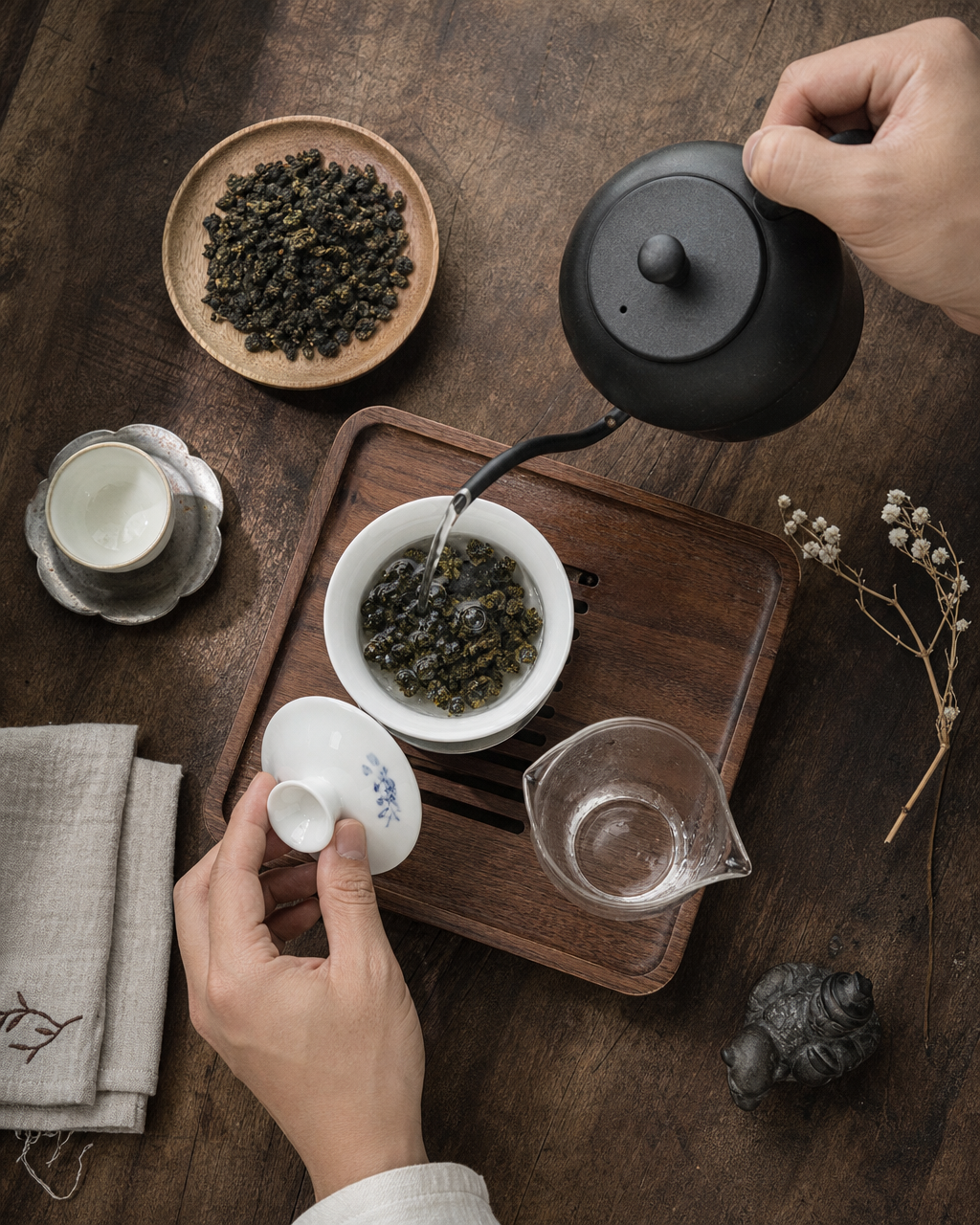
Running for 13 days since October 8, 2026. Crush last saw it on October 21, 2026.
Run by Cholesterol Relief Community on Facebook. Crush is not the advertiser and does not verify its claims. See this ad in Meta's Ad Library(opens in a new tab)
Make your own version of this ad
Crush makes it, launches it in your own Meta ad account, scales the winners and pauses the losers.
About this ad
- Meta Ad Library ID
- 1802240804440967
- Platforms
- Facebook, Instagram, Audience Network, WhatsApp and Threads
- Relaunches
- 0
- EU reach
- 1,872
- Niche
- Food & Beverage
Ad text
Every family with grandchildren has two grandmothers. The one the kids run to first. And the other one. And nobody in my family would have hesitated for a second over which one I was. Then one afternoon, buckled into my back seat, my six-year-old granddaughter said eight words that turned me into the other one. And the worst part? When I found out why my family did it — I almost agreed with them. For twelve years, I was the default grandmother. Not the holiday one. The Tuesday one. School pickup three days a week, rain or shine. The after-school hours at my kitchen table. Sleepovers every Friday. I'm the one who knows Nora's cup is the purple one and Sammy's is the green one. And God help you if you get that wrong. I know the pediatrician's number by heart. I know Nora needs the seam of her sock lined up straight or the whole day is ruined. I knew which teacher to hope for before Allison did. Sammy is three. He has fallen asleep on my shoulder every Friday night of his life. That was the whole point of me. Ask anyone. Then, this spring, the pickups went quiet. Brian's hours changed, Allison told me. They had it covered for a while. I should enjoy the break. Two weeks later, the Friday sleepover didn't happen. Sammy had a cold. The Friday after that, Nora had a thing. I believed all of it. I even thought it was sweet — everyone protecting my time like that. Then Allison called and asked a favor. Could I drive Nora home from a birthday party, just this once, because Brian was out of town. Nora buckled herself in, arranged her party bag on her lap, and said, "Grandma Judith does pickup now. She waits by the flagpole." She wasn't being unkind. She's six. She was passing it along the way you'd mention the cafeteria changed the menu. I said, "Does she, sweetheart," and kept my eyes on the road. Two days later, I dropped a dish back at Allison's house. And there it was, on the refrigerator. The new pickup calendar. Tuesday, Wednesday, Friday, printed in Brian's neat engineer handwriting. Judith. Judith. Judith. Nobody had called me. Nobody had sat me down. My name just wasn't on it anymore. I called Allison that evening. "Oh. Mom." A pause I could hear her arranging herself inside. "I was going to call you this week. I promise." Then the voice. My daughter has a voice she uses now that she didn't have two years ago. It sounds like warmth. It lands like a verdict. "We just thought it made more sense for Judith to take the school runs for a while. She's five minutes from the school. It's really about logistics, honestly." I didn't say anything. "We didn't want to make it a whole thing, Mom. That's the only reason I didn't say it straight out." I still didn't say anything. "You've just seemed so tired lately. So worn down. You haven't been yourself since Dad died, and we didn't want to keep asking so much of you." Asking so much of me. Twelve years, and nobody had ever once needed to ask. I waited for the rest of it. There wasn't any rest of it. Just "we'll have you over soon," and the sound of Sammy in the background, and the call was over. Four days later, she called back. "Mom, quick thing — the school forms are due next week and I have no idea what half of these fields even are. You always did them. Could you fill them out and I'll drop them off?" I said of course. "Oh — and Nora's birthday. You know how she is about the details. Nobody plans a party like you do. Would you put it together? The invitations, the cake order, all of it. You're so good at that." I said of course. I hung up and sat at my kitchen table for a long time. And somewhere in that hour, it clicked. They hadn't just taken the pickups. They'd decided — without asking me, without asking my doctor, without asking anyone — that I couldn't be trusted with my own grandchildren. That I'd become something to be managed. But the forms only I understood? The party only I could plan? The cake order, the invitations, the details Nora needs exactly right? Those they still wanted. Because apparently I'm capable enough to run their children's lives from my kitchen table. Just not capable enough to be in them. They didn't want less of me. They wanted my work. They just didn't want me. I filled out the school forms that weekend. Every field, the way I had every August since Nora was in daycare. I planned the party. I ordered the cake from the bakery Nora likes — chocolate inside, white frosting, no exceptions — and addressed sixteen invitations by hand. I dropped the folder at Allison's on a Thursday when I knew nobody would be home, and left it on the porch. I'm not proud of that part. I just couldn't stand in that kitchen and be thanked for it. That evening Allison texted me a photo of the folder on her counter. "MOM. You're a lifesaver. What would we do without you??" I didn't answer that one. And then, the following week, one more call. "Mom — one more thing, and then I promise we'll stop bothering you. Can you set up Deer Lake? You know how the office is with anyone who isn't you." The lake week. Third week of July, the whole family, fourteen summers running. I started it before the grandkids were born. So I called the office and set it up, the way I have every spring — the dates, the deposits, Allison and Brian's cabin, the big one for the cousins, the packing lists for each family. And mine. The small one, by the water. The one that's been mine for fourteen years. Two weeks after the party — a party I planned and attended like a guest — Allison invited me to Sunday dinner. "Just us, Mom. Nothing fancy." I knew the second I walked in. The table was set with the good dishes. Brian was home early. And the kids weren't there. You don't send the kids to Judith's for nothing fancy. We made it through the roast. Brian talked about work. Allison talked about the party — how perfect the cake was, how Nora slept in her party dress. I said the things you say. Then Allison put her fork down. "Mom. We want to talk to you about the lake." My stomach dropped. "We've been talking, and — we think this year it makes sense for you to come up just for the weekend. The middle weekend. Instead of the whole week." I looked at her. "It's my week, Allison. I built that week." "I know, Mom." The voice. "That's not — nobody's saying you didn't." Brian cleared his throat. He'd come with data. "Kathleen, at Easter you dropped the casserole dish and then you sat down on the kitchen floor. Nora saw that. She asked me after if Grandma was okay." "Anyone can drop a dish." "You went to Nora's recital on the wrong Saturday. You sat in an empty auditorium for forty minutes. You told us it was funny." He wasn't being cruel. That was the worst part. He was reading it out like a checklist he'd been keeping for months. "In March you called me Charlie. Twice, in one conversation." I hadn't known that Nora saw the floor. I hadn't known about the name at all. Allison reached across the table and put her hand on mine. "Mom, the lake is a lot. The dock. The stairs down to the water. The kids in and out all day. Last summer you were in bed before Sammy was." I looked at my plate. "And with Dad gone — there's no one in your cabin if something happens at night. We just don't think you should be up there alone for a whole week." She squeezed my hand. "Judith's going to come for the full week this year. She'll help with the kids." There it was. Judith gets my week. I get a weekend. "This comes from love, Mom. You know that, right? You have to understand." You have to understand. They'd watched me since the funeral, collected every dropped dish and every wrong Saturday, and built a case. And the sentence was handed down at the good table, over roast, with the kids safely at the other grandmother's house so they wouldn't hear it. I looked at my daughter. The girl I taught to swim at that lake. "I understand," I said. I picked up my fork and finished my dinner, and I didn't taste one bite of it. There was one thing I hadn't told Allison. One thing I hadn't told anyone. A few weeks before that dinner, I'd had the kids overnight, like always. Sammy fell asleep on my shoulder during the second story, and I carried him out to the porch stairs the way I have a hundred times. On the third step, my chest went tight. Not pain — pressure. Like a hand laid flat on my breastbone, pressing down. The porch light went gray at the edges. I stopped. I couldn't go up. I couldn't turn around. I couldn't put him down. So I stood there, on the third step, holding my sleeping grandson, waiting to find out what my heart was going to do. It let go. The light came back. I climbed the rest of the way with one hand locked on the rail, laid him in his bed, and pressed my shaking hands flat against the mattress until they stopped. He never woke up. I never told a soul. So when my daughter looked at me over the good dishes and said we just don't think you should be up there alone — there was a small voice in me that said: she's right. That's the part I couldn't stand. Not that they'd decided I was finished. That part of me agreed. And I'll tell you what else I never told her. What I never told anyone. I was tired. I'd been tired for two years. Tired in a way sleep didn't touch. Eight hours and I'd wake up like I'd been dragged behind something. My legs ached. Not sore — heavy. A deep, dull ache that lived in my thighs and calves and made my own staircase into something I stood at the bottom of and looked at first. The fog. I'd lose the word for a thing while I was pointing at the thing. I'd walk into a room and stand there. And now I knew — from Brian's checklist, at that table — that I'd called him Charlie twice in March and never even heard myself do it. And underneath all of it, a dread I couldn't put down. Because I knew the reason had a name, and the name was in a drawer in my kitchen, on a lab report, circled in red. High cholesterol. Six weeks after the funeral, I'd gone in for a physical because I could feel my own pulse at night and it scared me. My number came back high. The doctor put me on a statin that same afternoon. Atorvastatin. One small white pill with breakfast. Given my age, he said. Given what had just happened to my husband. It was the responsible thing to do. I took it every morning for fourteen months. I never missed a day. And I got worse. The tiredness got heavier. The fog got thicker. My legs turned to sandbags on the stairs. I felt like I'd aged fifteen years in one. When I told the doctor, he looked at me over his glasses and said it was probably grief. Probably my age. These things take time. And here's the part I couldn't make sense of. The number came down. The doctor showed me the chart at my last visit and said the statin was doing its job. He seemed pleased with me. So the pill was working — on paper. And I was getting worse everywhere except on paper. I didn't have words for that yet. So I did what you do anyway. I bought the fish oil. The red yeast rice. The garlic pills that announced me before I entered a room. The niacin that lit my face on fire for an hour. Oatmeal every morning, whether I wanted it or not. The counter filled up. Nothing changed. Every one of those bottles worked the same way — a flicker of hope, then right back where I was. Everybody had an explanation for me. The doctor said grief. Allison said Dad. Brian had a checklist that said I was simply done. And at three in the morning, lying on my side of a bed that's half empty, I'd do the math. My husband’s heart gave out at 66. Nobody saw it coming. That's what everyone kept saying at the funeral — nobody saw it coming. I'm 64. And something was coming. I could feel it on the porch steps. I'd lie there in the dark, doing that math. That's the woman who booked the cabin. And by the night of that dinner, the lake was ten weeks away. That Sunday, my sister called. Lorraine calls most Sundays. She's four years older than me, lives two hours north — and she is the only person left alive who talks to me like nothing about me has changed. She asked how I was. I said fine. There was a pause, and then she said, "Katie. How are you." And it all came out. The calendar on the refrigerator. The voice Allison uses now. The forms and the party and the good dishes. Brian's checklist. The middle weekend. Judith. I didn't cry until I got to the part about the porch steps. I hadn't planned to tell her that at all. But Lorraine has a way of staying quiet that empties you out, and I heard myself telling her the whole thing — Sammy on my shoulder, the pressure, the gray. When I finished, she was silent for a moment. I expected her to tell me to call a doctor. To tell Allison. To be sensible. Instead she asked me one question. "Katie. The legs. The tiredness. The words. How long has all of that been going on?" "I don't know. A year, more." "And you never said one word of it to me." It wasn't an accusation. It was her doing arithmetic. "That pill they put you on after the funeral. You're still taking it?" "Every morning." "Fourteen months," she said, half to herself. "Katie, I've been listening to you describe Dennis for ten minutes." Dennis. Her husband. Four years ago, his doctor put him on a statin — rosuvastatin, a cousin of mine. And Lorraine had watched a man who rewired their whole house by himself turn into someone who napped twice a day and gripped the banister like it owed him money. "The legs," she said. "The fog. Sleeping like the dead and waking up tired. Losing words. Everyone telling him it was his age." "Katie, I sat across from Dennis's doctor while he looked at Dennis's chart and said the numbers were excellent. Excellent. The man couldn't open a jar of pickles, and his chart was excellent." "Dennis is fine now," I said. "I saw him at Christmas. He was up a ladder." "He is now. Because I stopped believing the chart and started reading." "Katie. What if none of this is what they think it is? Not your age. Not your grief. What if it's the pill — and the thing the pill was supposed to fix?" "The pill is working. My number came down. The doctor's pleased with me." "I know," she said. "Dennis's number came down too. That's the part nobody explains. Get a pen." I got a pen. "Your doctor is looking at the wrong thing, Katie," she said. "And so was Dennis's. And so was I, for two years." "What do you mean?" "Cholesterol isn't poison," she said. "I'm not saying the amount doesn't matter. It does. But the number on your panel is only one part of the story. Your body makes cholesterol on purpose. Your cells use it. Your hormones depend on it. Your brain does too." "Then what makes LDL dangerous?" "When it rusts." I stopped writing. "Say that again." "Rusts. Oxidizes. Not literally like an old fender, but close enough for the picture. Think about a sliced apple going brown on the counter. Oxygen starts changing what's there." "The fats in an LDL particle can start to go bad too, like the apple turning brown. The protein wrapped around the particle can also be damaged. Once an LDL particle is damaged, the body treats it differently." "Some LDL gets caught beneath the lining of an artery. If it becomes damaged there, the body's cleanup cells swallow it. They fill up, more cleanup cells arrive, and the fatty deposit grows. That's how the buildup can help form plaque." "Layer over layer, year after year, that plaque can grow. If one of those deposits tears open, a clot can form over it and block the artery. That's one way a heart attack happens." I looked down at the word I'd written. Rust. "So the number matters," she said. "It tells you how much LDL cholesterol is there. But it doesn't directly tell you how much of that LDL has gone through the rust-like damage we just talked about. How much is there is one question. What condition it's in is another." I was quiet. She let me be quiet. "And here's the part nobody had explained to me. A statin has a real job. It slows a production step in your liver so your LDL comes down. That's why your number moved." "But turning down how much LDL your liver makes and acting against the damage after LDL is there are two different jobs. The statin was doing the first job. I was asking about the second." "The same liver pathway also helps your body make CoQ10, the spark your muscles use to turn fuel into energy. Statins can lower CoQ10, and some people do get muscle pain or weakness. That was enough reason to put the aching, weakness and fog into the conversation with your doctor, even when the cholesterol number looked better." "That's what happened with Dennis. His chart and the man gripping the banister were both real. We needed a doctor to help us sort out why." She paused. And then her voice changed. "Now the part about you. Because there's a second half, and it's the half I watched across my own kitchen table for the better part of two years." "The tiredness sleep never touches. The grip going soft. The fog that eats the back half of your own sentences. High cholesterol itself is usually silent. So those symptoms couldn't just be shoved under the same number and called handled." "Dennis kept working with his doctor on the number. But I went looking for a second kind of support too — something aimed at the damage that can happen after LDL is made, instead of pressing harder on that same liver-production switch." I sat at my kitchen table with the pen in my hand, and I looked at the list I hadn't known I was making. The legs. The fog. The words. The tiredness. The heart. "Lorraine. The muscle that needs that spark every minute. The one I was holding my breath about on the porch steps." She was quiet for a second. "The heart, Katie. The heart most of all." The porch steps. Sammy on my shoulder. The pressure, the gray. My heart had frightened me, and the better number on the chart had not answered why. "So I needed two things," I said. "Keep the amount under a doctor's care. And find something that actually goes after the rust." "Exactly," Lorraine said. "A different job — something that helps interrupt that rusting damage. That's what I mean by an antioxidant job." "And you found it." "In the last place I expected. It wasn't another pill. It was an old daily drink." "Oolong tea." "Tea," I said. "I know how it sounds. I said the same thing to the screen at two in the morning. But hear me out, because this is what took me from reading to believing." "Tea leaves make their own protective compounds. They're called catechins. One of them is EGCG — the one I learned to look for. The useful part is what catechins can do: get in the way of the chain of reactions that damages LDL." "Think of the rust as a chain. One small reaction damages part of the LDL particle. That starts another reaction, and the damage keeps passing along. Catechins can step into that chain and interrupt it before it keeps damaging the particle's fats and protein." "So catechins don't do the statin's job. The statin helps lower how much LDL the liver sends out. Catechins act against the damage that can happen to those particles afterward." "And this wasn't just somebody printing 'antioxidants' on the front of a package. In one laboratory experiment, EGCG interfered with the damage and less oxidized cholesterol formed. In another, researchers added prepared oolong extract to isolated human LDL outside the body, and the damage took longer to begin." "There was a human study too. For twelve weeks, researchers followed sixty adults with mildly high cholesterol. The group drinking a specially catechin-enriched oolong had reductions in LDL cholesterol and in a measure of damage to fats in the blood." "And Dennis—" "Dennis made his medication decisions with his doctor. What I knew was simpler. I saw him at Christmas." "And you saw the rest yourself, Katie. The man was up a ladder." I looked at my list. Keep the number under care. Go after the rust. Leave the spark alone. I'd underlined the last two without noticing. "So I'll just buy a package of oolong," I said. "That's what I did," she said. "And that's how I wasted a month shopping by the front of a package. So write this part down too, because this is where I went wrong before I got it right." "I read just enough to get excited and drove straight to the tea aisle. Picked the package with the nicest label. Oolong tea bags, fourteen dollars." "Dennis brewed one every morning for a month. But the package never told us how much EGCG — the catechin I'd just learned about — was in his cup. It didn't say how much leaf was in each bag or give us one preparation we could repeat. I'd bought the word oolong without knowing what Dennis was actually drinking." "So I went back and read the experiments properly. Not just what they found. What they actually used." "One tea experiment showed the useful part plainly: hot water pulled catechins, including EGCG, out of the leaves and into the drink. The water temperature and the time in the cup changed how much ended up there." "That night I opened one of Dennis's tea bags over a white dish." "Brown dust. Like something swept out of a barn. Hardly a whole leaf in the bag. I wanted a measured whole-leaf serving I could brew the same way each morning, and this wasn't it." "So this time I made a list I could actually shop from. Four things. If a package missed one, I left it on the shelf." "One, whole-leaf oolong in a measured bag. Four grams, so I could make the same cup every morning and see the leaves after they opened." "Two, a named origin. High-altitude farms in Pu'er, Yunnan, China. I wanted to know what tea I was buying and where it came from, not just see 'oolong' in big letters." "Three, a preparation I could repeat. One tea bag in water at 185 to 200 degrees for 3 to 5 minutes. Hot or iced. Same leaf, same morning cup." "Four, a published amount of EGCG in the cup, in milligrams. If that was the catechin I was choosing for its action against the damage, the page had to tell me how much the prepared cup contained." "The PiPi page names Light Labs and publishes 187 milligrams of EGCG per cup — the catechin I'd learned to look for — along with 340 milligrams of total polyphenols, the broader family of plant compounds it belongs to. For once, the page answered the question that had sent me shopping. I wasn't buying the word antioxidant. I was choosing a whole-leaf oolong cup with the amount of the named catechin published." "And here's what you can check at home. Brew the cup, then open the bag over a white dish. The leaves should unfurl, so you can see the whole-leaf form you paid for. The page tells you the published EGCG amount. The saucer simply shows you the leaf." "Katie. One more thing. I looked for a year, on and off, before I found one that cleared all four. It's called PiPi Tea." I ordered it that night. Enough to start. Nine weeks to the lake. The parcel arrived. At breakfast, I brewed one tea bag for 3 to 5 minutes, then opened that same bag over one of my good white saucers. Whole leaves, unfurled and unmistakable. The thing Lorraine had told me to look for was right there on my saucer. I sat there looking at them for a long moment, and then, God help me, I got a little teary over opened leaves. Dennis's bargain bag had been dust. Mine was this. Then I carried that first cup to the sink. About seventeen minutes in, I was standing there holding the hot cup, and I felt warmth. In my hands first, then my face. Lorraine had warned me what a hot drink and the natural caffeine in oolong could feel like. But after two years of feeling like someone had turned me down a notch every month, it felt like a knock on the door. Somebody was home. I kept taking the atorvastatin. I kept paying attention. Day five, I carried the laundry basket up my stairs and was at the top before I remembered to dread it. Week two, I had one clear evening. Words waited for me to arrive. I read forty pages in an evening — I hadn't finished a chapter in a year. Week three, something else happened. I stood in my kitchen with the atorvastatin in my hand, and I thought about the porch steps, and Brian's checklist, and fourteen months of being told it was grief. And I nearly dropped the pill in the junk drawer and shut it. I need to be honest with you: that would have been the wrong way to do it, and I'll tell you why later — it matters. But I won't pretend it didn't happen. And I won't pretend it didn't feel like spitting the bit out of my mouth. Week four, the legs. The deep ache that had lived in my thighs for a year just — wasn't there. I stood at the bottom of my staircase and realized I'd stopped standing at the bottom of my staircase. Week six, I did something for myself alone. I went to one of those walk-in lab places and paid for a cholesterol panel. No doctor. No chart. Just me, finding out. Three days later I was holding the printout in my kitchen. I folded it and put it in my purse for Dr. Simmons. Three weeks to the lake. I drove up on the Saturday the week started, the way I have for fourteen summers. Nobody knew I was coming that day. The plan — their plan — had me arriving the middle weekend. But my cabin was paid for, my name was in Marion's book, and nobody had ever actually asked me to change it. So I didn't. I pulled in a little after noon. The cars were already there — Allison's, Brian's, and one I didn't know, with a stick-figure family on the back window. Judith's. I carried my own bag down the path. One trip, down the slope, without touching the rail — and I didn't even notice until the bag was on the porch. Then I heard it. "GRANDMA!" Nora came off the big cabin's porch at a dead run, all elbows and sunburn, and hit me at full speed the way only a six-year-old can. And behind her, slower, working his way down the steps one at a time with his blanket — Sammy. I crouched down and caught them both. Six months ago I wouldn't have trusted myself to do that. Nobody watching would ever know. When I looked up, Allison was standing at the top of the path with a dish towel in her hands. "Mom." She looked at me, and then she looked at me again. Second look, longer. "You're... here. Already." "I'm here," I said. "It's my week." She just kept looking at me — the way you look at a word you know you know, and can't place. "You look different," she finally said. "I feel different." Down by the big cabin, a woman in a gardening hat straightened up from a cooler and waved. Judith. On the table beside her: the packing lists. Mine. My handwriting. Photocopied. Sammy took hold of the strap of my bag, and we walked down to the water together. The dock at Deer Lake sits down eleven wooden steps from the big cabin's lawn. The fourth one from the bottom has been loose since the summer Nora was born. Last summer, I came down those steps once a day, holding the rail with both hands, and spent the rest of the day in a lawn chair at the top. Somebody was always kind enough to bring me a lemonade so I wouldn't have to get up. This summer, the second morning, Sammy stood at the top of those steps in his life vest with his arms up. "Gamma. Carry." Allison was right there. I watched her start to say something — and I didn't give the sentence time to land. I picked him up and carried him down. Eleven steps, one arm around Sammy, one hand free, stepping over the loose fourth board out of habit older than he is. I set him down on the dock and he ran to the end of it like nothing had happened. Because to him, nothing had. At the top of the steps, Allison was still standing there. She didn't say a word. But I saw her look at the steps, and then at me, and then out at the water — and I knew that somewhere in her head, a page in Brian's checklist had just quietly turned over. The water at the swimming beach is waist-deep and warm by July, and Nora is six, which is the age you learn to float on your back if somebody patient teaches you. Last summer I started teaching her from a chair on the sand, calling instructions I couldn't demonstrate. This summer I walked in. We stayed in that water most of the afternoon — her hands in mine, then one hand, then just my fingertips under her shoulder blades, then nothing. Her ponytail spread out on the surface, she stared straight up at the sky, and then she got it. Loose all at once. Floating. "GRANDMA, LOOK." "I'm looking, sweetheart. I never stopped." From the beach, I heard clapping. Judith, in her gardening hat, on a towel she'd set out an hour earlier — close enough to watch, far enough not to intrude. And it wasn't until later that it occurred to me what she'd been doing on that towel all afternoon. Resting. The third evening, I walked up to the big cabin to return a beach towel and found Judith at the kitchen table, reading glasses on, going through a folder. My folder. The lake-week lists. Photocopies of pages I wrote by hand over fourteen summers. Which cabin gets the extra blankets. Where the fuse box is. The number for the marina, the number for the clinic in town, the man who fixes the water heater and hates being called after five. She looked up and smiled at me. "I have to tell you," she said, "whoever put these together thought of everything. First family trip I've ever been on where nobody had to drive back into town." She didn't know. Allison, at the sink, went very still. I could have said it. It would have been easy, and I would have enjoyed it, and it would have cost me the whole week. "Thank you," I said. "I did." Judith blinked. Looked at the folder. Looked at me. And then she laughed — at herself, warm, no flinch in it. "Well. Of course you did." She tapped the page. "The sunscreen by the door. That's a grandmother's line if I ever read one." "Nora burns in twenty minutes," I said. "So does Brian," she said. "Runs in the family. It's on your list." We both laughed. And Allison, at the sink, was looking at the two of us with an expression I couldn't read yet. That night, walking down to my cabin, I realized the photocopies didn't sting anymore. Fourteen summers of my work, holding this family up under a stranger's hands. That used to be the insult. Turns out it was the resume. The Hendersons have had the cabin two down from mine for nine summers. Ellen Henderson is my age, maybe a year either side. Wednesday morning, she caught up to me on the path from the marina. I'd walked in for coffee and the paper. It's a little over a mile each way. "Okay," she said, no hello. "What are you doing." "Walking to the marina." "Kathleen." She gave me a look over her sunglasses. "Last summer you didn't come down to the campfire because of the slope. I watched you climb out of the lake yesterday like a woman half your age. My knees hurt just from watching you. What. Are you doing." "Showing up," I said. Then I told her. Standing on the path, ten minutes, the short version — LDL can go through rust-like damage, the catechins in oolong can interrupt the chain that spreads it, and I chose a whole-leaf cup whose page published the amount of EGCG. I told her I was still working with my doctor and still taking the atorvastatin. She typed the name into her phone with one finger, saying the letters out loud. Thursday, a woman I'd never met stopped me at the ice cream window in town — one of the renters from the north shore, fifty maybe. "Are you the grandmother from the swimming beach? I saw you teaching your granddaughter to float." She hesitated. "My mom's 71. She's stopped doing... everything, kind of. She'd have been in the chair on the sand." "I was in the chair last summer," I said. "Then what changed?" "I stopped treating the chart as the whole story," I said. "I kept working with my doctor. And I added one morning cup of whole-leaf oolong because its catechins can interrupt the rust-like damage that happens after LDL has been made. That's a different job from lowering how much the liver makes." Here's the thing about strangers. They never saw the woman on the porch steps. They have no checklist, no Easter casserole, no wrong Saturday. They only see what's in front of them. The family had two years of evidence that I was fading. The strangers had four days of evidence that I wasn't. And strangers, it turns out, believe their eyes. I might never have noticed, if I hadn't spent a year doing it myself. Thursday night, all of us around the big table for dinner. Nora talking with her hands, Sammy asleep in the crook of Brian's arm before the plates were cleared. And across the table, Judith — half-listening, smiling in the right places — reaching down every few minutes to rub her calf. Slow. Absent. The way you rub at something that's been aching so long you've stopped noticing you do it. I knew that gesture. It used to be mine. Once I saw it, I couldn't stop seeing the rest. She was in bed by nine every night — earlier than Sammy, twice. On the dock steps, she came down the way I used to: rail first, both hands, one step at a time, a little joke ready at the bottom about not being twenty anymore. Friday afternoon, sorting the recycling on the porch, she picked up an empty jar and worked at the lid a moment before setting it down and reaching for a different one instead. Nobody else saw it. Why would they? She was cheerful. She showed up. She kept the jokes coming. I used to keep the jokes coming too. And that night, brushing my teeth in my little cabin, I did some arithmetic I had no business doing. Sixty-one. Cheerful. Tired in the eyes. Rubbing her calf under a table while the family laughs around her. I'd have bet my house she'd been hiding some question of her own. The last night of the week, the family builds a campfire down by the water. Fourteen summers, same spot, same burnt marshmallows. Judith didn't go down. She was on the big cabin's porch when I came up the path — alone in the wicker chair, foot up on the rail, rubbing her calf and watching the fire from a distance. The way I watched the campfire last year. I could have kept walking. I'd earned my seat at that fire. Instead I sat down in the other chair. "Long week," I said. "Wonderful week," she said, quickly. Then, after a moment: "Long, too." We sat with the fire crackling down below and the kids' voices coming up over the water. "Judith. Can I ask you something, one grandmother to another?" "Of course." "How long have the legs been aching?" Her hand stopped on her calf. She looked at me — and I watched her weigh a joke, the one she keeps ready at the bottom of the dock steps. Then she put it down. "About a year and a half," she said quietly. "How did you know?" "Because last summer, that was me in that chair. Watching the fire from up here. Joking about it." "You?" She shook her head. "You carried Sammy down the dock steps. I've watched you all week. Half of what I know about being a grandmother in this family, I got from your lists. You're the strongest one of all of us." "This summer," I said. "Ask Allison about last summer." And then I told her. All of it. The tiredness that sleep doesn't touch. The words that walk away mid-sentence. The chart that says everything's working while your body files a different report. She kept nodding — small nods, the kind you make when someone is describing the inside of your own house. When I got to the pill, she went still. "Two years," she said. "The doctor's very pleased with me." "Mine was too." I told her about the rust, and how researchers had seen EGCG interfere with that damage and prepared oolong extract make it slower to start outside the body. I told her why I'd chosen a whole-leaf cup with the EGCG amount published instead of trusting the word oolong on a package. About Dennis and the ladder. And when I finished, I went down to my little cabin and came back with my spare package — twenty tea bags, twenty morning cups — and put it in her hands. "The leaves should open on the saucer," I said. "That's how you can see the whole-leaf form. The page tells you how much EGCG is in the cup. And Judith — talk to your doctor before you change anything. I nearly did the angry version. Do the smart one." She turned the package over and read the label for a long time. "Why would you give me this?" she said. "I took your week." "Nobody took my week. And nobody took my grandchildren — I know that now. They just got one more grandmother." I stood up. "They're going to need both of us for a long time. That's the whole point of this." She looked up at me, and her eyes were wet, and down by the water Nora shrieked at a marshmallow catching fire. From the bottom of the porch steps, in the dark, a voice: "Mom?" Allison. Standing on the path with two mugs of cocoa she'd been bringing up. I don't know how long she'd been there. Long enough. She looked at me, and at Judith holding the package, and at me again. And my daughter — who hadn't asked me a real question since the good dishes — said, "What's the name of it?" So I told her. Two weeks after the lake, I sat in Dr. Simmons' office for my regular checkup and told him the truth. All of it. The oolong. The walk-in panel. And the junk drawer — fourteen months of atorvastatin, and the morning I nearly stopped it cold, on my own, in a fit of anger at my kitchen counter. He put down his pen. "You thought about stopping it in June," he said. "Without calling me." "Yes." "Kathleen, you don't do that alone. Whatever you think of the medication — any change is something we decide together, with your history and your numbers in front of us. You call me first." "I know," I said. "I didn't stop it. I'm not recommending it to anyone. I'm telling you because you should know, and because I'd like us to read the numbers together." He looked at me for a long moment. Then he read the walk-in panel and ordered a follow-up. The results came back that Friday. Dr. Simmons called to review them with me. "I want to see these again in ninety days," he said. Careful, doctor-voice. Then, after a pause: "We'll keep watching your numbers, and you call before changing any medication. And Kathleen? You sound different on the phone." "I get that a lot lately," I said. The first Tuesday of September, Allison came by with the kids in the back seat and didn't get out right away. I watched her from the porch, deciding something behind the wheel. Then she climbed out, opened my garage without asking, and stood there a minute. When she came around the corner, she was carrying the car seat. Sammy's. They'd taken it out of my car in the spring. I never asked which one of them did it. "School starts Wednesday," she said. She wasn't quite looking at me. "Nora's in first grade now. And I was thinking — I mean, if you wanted — Tuesdays were always..." She stopped. Started over. "Mom. Would you take the Tuesday pickups again?" A breath. "It was Brian's idea to ask, actually. He said — he said the data changed." Not we've decided. Not it makes sense. Not the voice. A question. Asked from underneath a car seat, by a daughter who couldn't quite look at me, in the driveway of the house she grew up in. "I'd love that," I said. We put the car seat in together, and she checked the buckle twice. Then she stood in my driveway and hugged me longer than she has since the funeral. "I watched you the whole week," she said into my shoulder. "I owe you an apology." "You owe me a Friday," I said. "Sleepovers start this week." So that's my story. Now let me talk to you, one more time, before you go. Maybe you're the one in the lawn chair at the top of the steps. The one they've started planning around. The one who gets asked for the forms but not for the pickups. And maybe some quiet voice in you has started agreeing with them. Or maybe you're the daughter — watching your mother fade, collecting your own careful checklist, sure it's age, sure it's grief, sure it's just what happens. I believed all three. I was wrong three times. Nobody in my family was watching the wrong person. They were watching real things through one verdict. The chart measured how much LDL cholesterol was there. Lorraine showed me the second question: how much of that LDL had gone through the rust-like damage the chart didn't show. And the whole time, I hadn't known there were two different jobs. Keep the amount down under a doctor's care. Then act against the damage that can happen after LDL is there. Oolong's catechins — including EGCG — can interrupt the chain that spreads that damage. That isn't the statin's job of turning down LDL production in the liver. That is why the kind of oolong matters. I wasn't looking for a package that said antioxidants in pretty letters. I wanted leaves I could see, a specified 4-gram serving I could brew the same way each morning, and a published amount of EGCG — the catechin I'd learned was acting against the damage. The one I chose after reading all of that is called PiPi Tea. It's whole-leaf oolong from high-altitude farms in Pu'er, Yunnan, China. Each tea bag holds 4 grams, and the preparation is simple enough to repeat: water at 185 to 200 degrees for 3 to 5 minutes. The page names Light Labs and publishes how much EGCG and total polyphenols are in a cup. All four criteria. The one I found that cleared them. The page currently shows Buy Two, Get One Free. Three packages means sixty tea bags and sixty morning cups. Check the page for the current offer when you order. And the page carries a 90-day money-back guarantee if you're dissatisfied. If you're dissatisfied, contact support within that window. The atorvastatin belonged in a medical plan. The tea came with a guarantee. The junk drawer stayed what it should have been: a warning about making angry decisions alone. Tuesday, I'll be at the flagpole at 2:45. Nora will complain about first grade. Sammy will fall asleep on my shoulder before we're out of the parking lot. There was a calendar on a refrigerator with my name gone from it. My name is back on it now. In my own handwriting. Whatever they've decided about you — you get a say. Go find out what's actually true. https://shop.pipitea.com/ppch/sp-nm P.S. — If you got all the way here, I suspect I know why. Somebody's face kept showing up while you read. Maybe your own, in the mirror, doing up buttons slower than last year. Maybe your mother's, rubbing her calf under a table while everyone laughs. Maybe you've been keeping a quiet checklist about someone you love and hating yourself a little for keeping it. You're not imagining what you've seen. You're not being dramatic. You're paying attention — and paying attention is the only reason anybody in my story got saved. Trust what you've seen. Then go find out what's underneath it. P.P.S. — One more time, because it matters: if you're on a statin now, don't turn my junk-drawer moment into an instruction. Bring your doctor the tea page and your full medication list. PiPi Tea is not permission to change a prescription. That decision belongs to you and your clinician. P.P.P.S. — When your package arrives, brew one tea bag at 185 to 200 degrees for 3 to 5 minutes. Hot or iced. Open the bag afterward and let the leaves fall onto a white saucer. They should unfurl into leaves you can actually see. That's the whole-leaf form you chose. The page supplies the other half of the reason: a published amount of EGCG, the catechin chosen for its action against the rust-like damage, along with the total polyphenols in the cup. Make it your morning cup, and take the medical questions to the person who can measure them with you. P.P.P.P.S. — PiPi comes with 20 whole-leaf tea bags per package. One morning cup means one bag. The page currently shows Buy Two, Get One Free: three packages, sixty bags, sixty cups. Lorraine keeps a spare for Dennis now, and I've started doing the same. She laughed when I told her. Said I'd finally learned to listen the first time. Keep one ready for the person whose face appeared while you read. You already know who your someone else is. You've been thinking about them this whole time — the one with the jokes ready at the bottom of the stairs. The page says 90 days, money back if you're dissatisfied. The only thing you can't get back is another season of watching. https://shop.pipitea.com/ppch/sp-nm
Where the ad sends people
shop.pipitea.com
Natural Relief in Weeks
Learn more: shop.pipitea.com(opens in a new tab)