
Inactive· since Jul 2, 2026
- 40
- days it ran
- 1
- relaunches
- 17,869
- EU reach
Ad copy
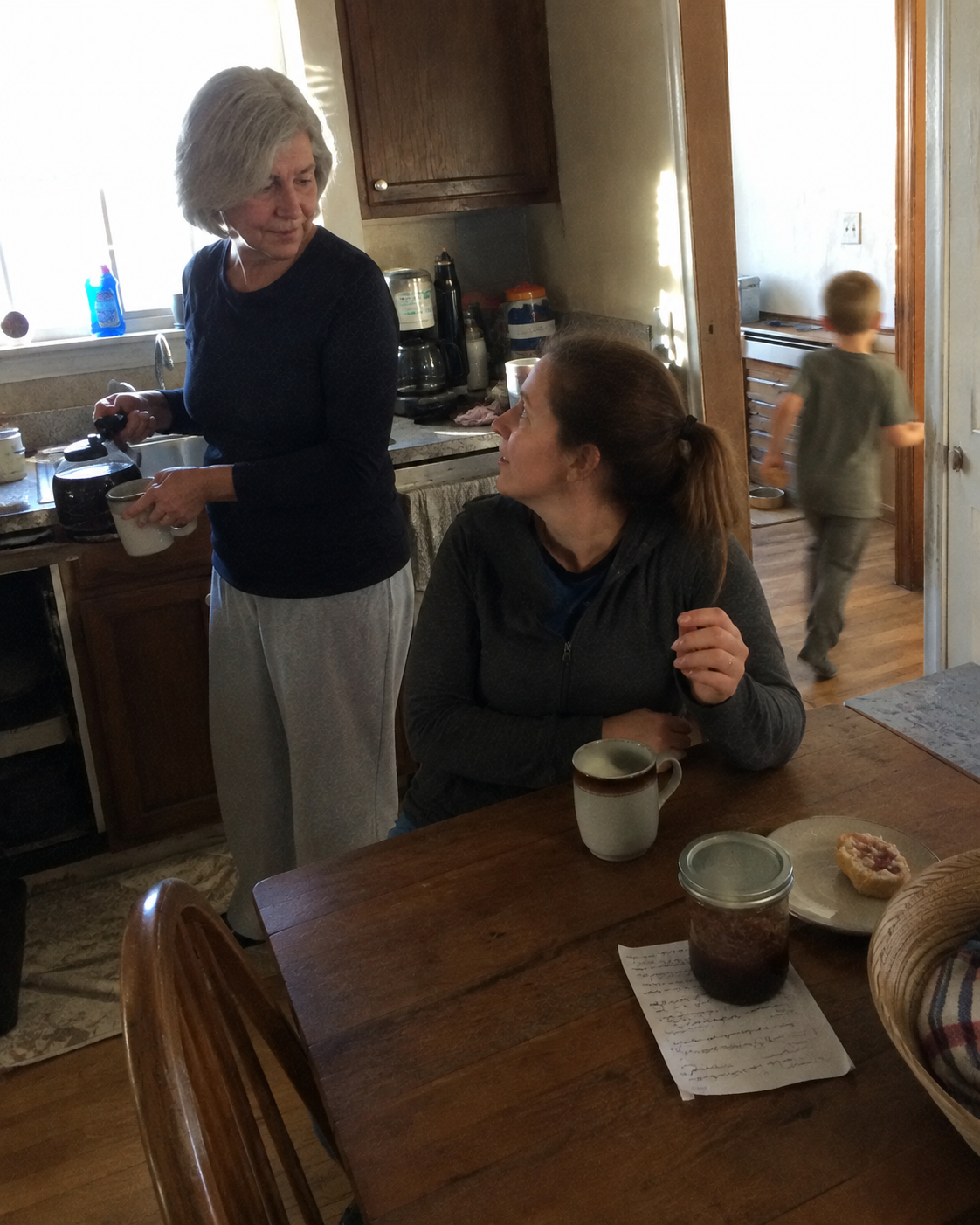
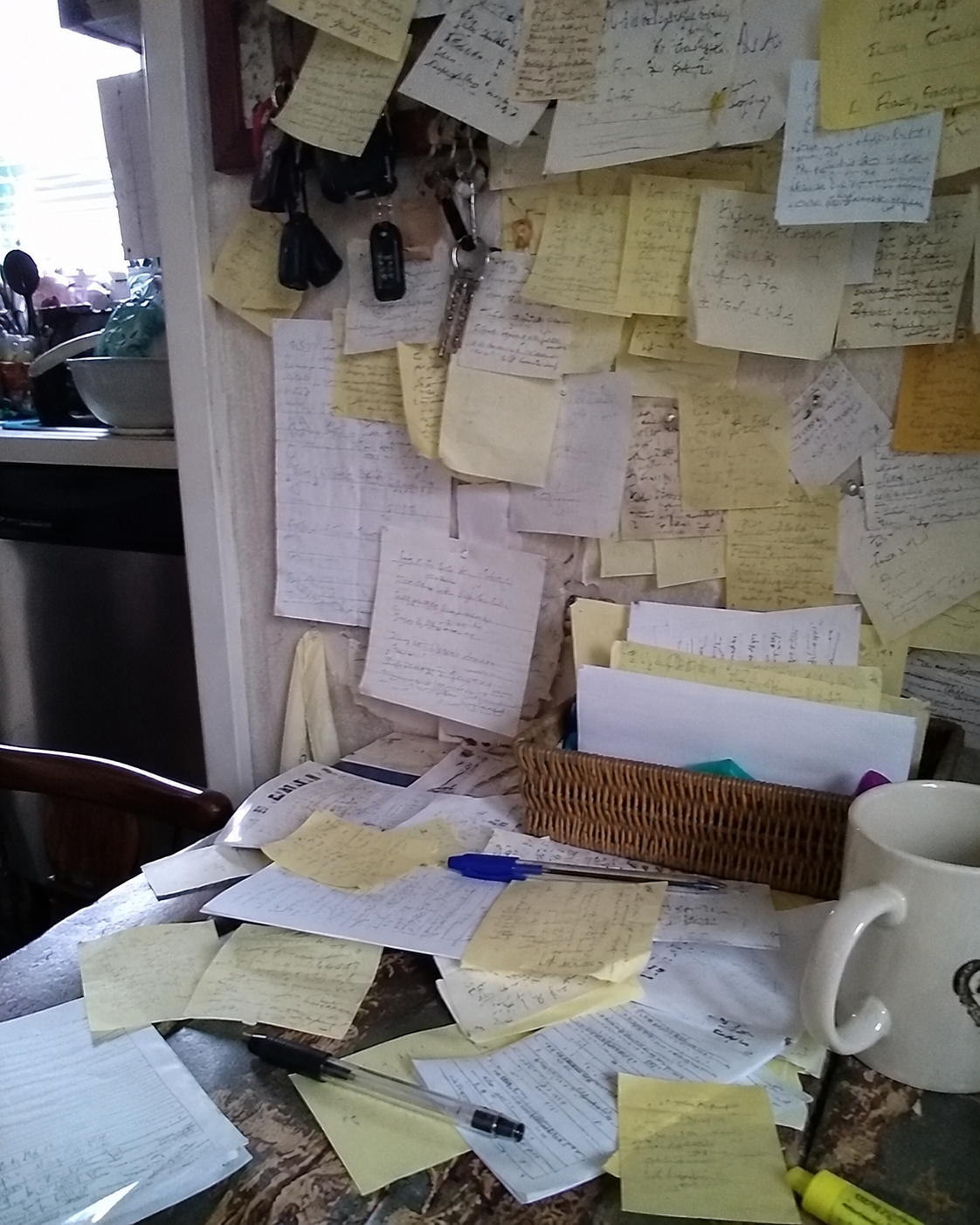
For thirty years I built the crossword for our local paper. Holding a whole grid in my head was the easiest thing I did all day. Then one morning I couldn't hold a single clue long enough to write it down. For thirty years, I made the crossword for our town's newspaper. Every week, a fresh grid. Fifteen by fifteen, a hundred and fifty squares, seventy-odd clues, the whole interlocking puzzle of it built and balanced and checked in my head before a word of it went on paper. I'm sixty-nine. And building that puzzle was, for most of those thirty years, the easiest and most pleasurable thing I did all week. I could hold the entire grid in my mind at once — every across, every down, every place a word crossed a word — and turn it like a Rubik's cube behind my eyes until it clicked into place. My head was a tidy, well-lit room, and I knew where everything in it was. And a couple of years ago, the lights in that room started going dim. It began with the words themselves. I'd reach for a word I'd known my whole life — a common one, six letters, right there — and find an empty space where it should be. I'd sit with my grid half-built and lose the thread of it. Look down at a corner I'd been holding clearly in my head a moment before, and find it gone, like a name you've just been told and already lost. I started having to write everything down that I used to carry — the theme, the long answers, the words I had pending — because I no longer trusted my head to hold them while I worked. Then I started writing down where I'd written things down. For a woman whose whole craft was holding a complex thing whole in her mind, that was the ground giving way. The puzzles took me twice as long. Then three times. Then I started making them simpler, smaller, easier, so I wouldn't have to hold so much at once — and I told the editor it was a "fresh new style," which was a lie. It was all I could manage. It crept past the crossword and into the rest of my days, too. I'd walk into a room and stand there waiting for my errand to come back to me. I'd lose a word in the middle of a sentence at the grocery store and have to talk around the hole where it had been. I read a page and arrive at the bottom holding nothing. And in the small hours, when I couldn't sleep, my mind went to the places a mind goes when it can feel itself slipping, and frightens itself badly. I won't write those small-hours places down. Anyone my age who's felt their memory flicker knows the ones I mean. I just folded that fear up and carried it, and made my puzzles smaller, and said nothing to anyone. I did the sensible thing. I went to my doctor and told her all of it — the words gone missing, the grid I couldn't hold, the notes about my notes, the fear I didn't quite say out loud but that she understood. She took me seriously. She didn't wave a word of it away. She ran the proper checks — the full careful set, the send-away panels, all of it. And it came back fine. Genuinely fine, she said, for my age. The relief nearly buckled me. I'd carried that small-hours fear for a year, and she set it down for me, and I will always be grateful to her for it. But I asked her the question that mattered: then why can't I hold a crossword in my head anymore? And she was honest with me. She said this can come with a busy mind and the ordinary years, that nothing in my results troubled her. Sleep well, stay sharp, keep using your mind, come back if anything changes. She wasn't dismissive. She just didn't have a next thing to hand me. And she was decent enough not to invent one. So I had a clean report I was thankful for. And a head that couldn't hold a grid it used to turn like a toy. There was a whole layer of what was happening to me that the checks weren't measuring. Nobody had a tool for it. I am, as you might guess, a researcher by nature. Thirty years of running down the perfect clue makes a person patient and thorough and very hard to fool. So I started reading at night, at my own kitchen table, the way I'd chase a stubborn answer — slowly, skeptically, checking everything against everything else. Not the miracle nonsense. I've built too many puzzles to be impressed by a claim that's all flash and no structure underneath; I can feel a hollow answer the way I can feel a word that doesn't fit its squares. The real research, the quiet kind. And what I kept returning to, over a great many evenings, was a growing body of research on molecular hydrogen and cellular wellness. Not flashy. Not a cure for anything and everything. Just a steady, patient amount of interest in something very small. Molecular hydrogen, I learned, is the smallest molecule there is. And the most I'd responsibly take from the reading — a crossword-maker, not a scientist, and I know exactly which one I am — was that it's looked at for supporting the body's natural antioxidant balance and supporting cellular wellness, the plain everyday good working order of the body's cells. And I sat with the simplest thought, the one a person doesn't need a degree to have. The mind doesn't float free of the body. It's tissue like the rest of me, run on the same ordinary cellular workings as everything else. I'm no scientist — I just kept turning that plain idea over. The dim room. The grid I couldn't hold. That was the layer nobody had a tool for. And the leap was mine, made alone at my own table, the way I've solved everything in my life. What I did next is the part I'd most want you to copy. Before I put one new thing in my body, I made two calls. I called my pharmacist first — same fellow for years, who doesn't sugarcoat anything. Told him exactly what I was looking at, and everything else I take. Asked if there was any reason it'd be a problem alongside all of it. He looked into it and said there was nothing he'd be concerned about as an addition to my routine. Then I brought it to my own doctor at my next visit. Said it plainly: I want to add this. Not instead of anything. On top of everything. Sensible? She said it sounded reasonable — added to whatever I was already doing, not replacing any of it, a fine thing to try. Two careful people, the same answer, before I spent a dime. And I'd tell you to do exactly that, in that order — especially if you're already taking something for your blood pressure, your blood sugar, or your heart. The one I landed on is called PrimeCell H2. A rapid-dissolve tablet. You drop it in a tall glass of cool water, it dissolves and releases the hydrogen, and you drink it fresh, right away. That's not a flourish — it's the reason for the format. Hydrogen's the smallest molecule there is, and it escapes the second it meets heat or sits out. So you don't mix it and walk off. You drink it right then. One tablet. One glass. Once a day. I changed nothing else. Same doctor, same sleep, same crossword habit she'd told me to keep up, same everything. I just set the glass next to my morning coffee and got on with my days. Now the honest part, because a puzzle-maker who cheats the solver is the lowest thing there is, and I won't cheat you. Nothing happened the first morning. Or the third. I drank my fizzy water and felt like a foolish old woman doing a science experiment on herself at the kitchen table. I nearly quit twice. I can't tell you which week it turned. I genuinely can't, which galls the part of me that has dated and filed every puzzle I ever built. But there came a morning when I sat down to make a grid — a real one, the size I used to make, before I started shrinking them to fit what little I could hold. And I held it. The whole grid, turning behind my eyes the way it used to. The theme, the long answers, the crossings, all of it suspended in that tidy, well-lit room — and the room was lit again. I built the hardest puzzle I'd made in two years, start to finish, in one sitting, and the words came when I reached for them. I sat back and looked at the finished grid, and I did something I hadn't done over a crossword in a very long time. I cried a little. Over a puzzle. At my own kitchen table. It wasn't dramatic after that. It was just the room, slowly, staying lit. The words came back when I called for them. I stopped writing notes about my notes — I keep a normal list now, like anyone, but not the desperate scaffolding I'd built to prop up a failing memory. And I went to the editor and told him I was retiring the "fresh new style" — by which I meant the easy puzzles — and going back to the real ones. I can't prove to you any of it was the tablet. I won't pretend I can. I was sleeping better by then, and using my mind hard on those grids every day, and they do say nothing keeps a mind like working it. A dozen things were in motion at once. Maybe it was all of them. Maybe it was the one I added. But I'd been doing every one of those sensible things for two years while the room only dimmed. And somewhere after the glass of water, quietly, the lights came back up. That's the honest version. It's the only one I've got. At my next visit my doctor said the checks still looked good and to keep doing what I'm doing. I told her I'd built the hardest puzzle I'd made in years. She said that sounded like the best result in my whole file, and I believe she meant it. So here's what the product is for, plainly. It supports the body's natural antioxidant balance. And it supports cellular wellness — the ordinary good working order of the body's cells. That's the whole of what it's for. It's not a promise about your memory, or your words, or your puzzles, or anything at all. It isn't a promise about anything. Some people notice something in the first week or two. Others take much longer. Some, I'd imagine, not much at all. Bodies are different. Mine is just one, with one story. It's a slow thing, taken steadily — the cellular processes it supports build up gradually, not overnight. It isn't a pill you reach for on a foggy morning. It's a glass of water you drink every morning whether your head feels clear that day or not. So here's what I'd tell you, across the kitchen table with a half-built grid between us. If the words have started going missing on you — if you reach for a common one and find an empty square where it should be, if you can't hold a thing in your head the way you always could, if you've started writing notes about your notes and quietly making your work smaller to hide it — and you've taken it to your doctor and been told, truthfully and kindly, that everything's fine, and there's no next thing to hand you: First, talk to your doctor or your pharmacist. Both, if you can. Especially if you're already taking something for your blood pressure, your blood sugar, or your heart. Ask the plain question: is this sensible to add to what I'm already doing? If they say yes — and there's a fair chance they will — it's a tablet and a glass of cool water in the morning. On top of everything else, not in place of any of it. Then give it a few weeks. Don't sit and check it daily — you'll only frustrate yourself, the way you can't watch a clue come to you. Just set the glass next to the coffee and let your body keep its own time. Be patient with yourself. And don't make the thing you love smaller to hide what's happening, not before you've looked into why it started. I shrank my puzzles for two years rather than face it. I wish I'd faced it sooner. That's the whole of it. That's what a stack of patient reading at a kitchen table, and thirty years of not wanting to give up my grid, between them did for me. And I'd be a poor sort of puzzle-maker not to pass on the clue. P.P.S. I keep a spare box of the tablets in the cupboard now. PrimeCell's a small company and they've sold out before, and a woman who never once missed a weekly deadline in thirty years is not about to run low on what her mornings depend on. It's there next to the coffee, every day. P.P.P.S. The steps, in order: Call your doctor or pharmacist first, ask if it's sensible to add to what you're on. If yes, drop one tablet in a tall glass of cool water each morning and drink it fresh, right away. Change nothing else — just add it. Then give it a few weeks. Some notice something in the first week or two, others longer, some not much at all. Be patient. P.P.P.P.S. PrimeCell H2 has a 90-day money-back guarantee — not satisfied for any reason at all, every penny back, no questions. For a supplement, that's the only sensible policy. Enough time to actually tell, instead of deciding in a week. I'd take the full ninety days. P.P.P.P.P.S. I'm building a special puzzle for the paper's anniversary next month — a twenty-one by twenty-one, near twice the size of my usual, the most squares I've ever had to hold in my head at once. Two years ago I couldn't hold a fifteen. I've got the whole monster of it half-built behind my eyes right now as I write this, the theme set, the long answers crossing clean, the corners all lit. That's not a headline. It's a small, quiet thing. But the small quiet things — a great big grid held whole in a head that couldn't hold a small one a while back — are the ones worth telling someone across a kitchen table about. https://track.getamalahealth.com/5548c06d-d9c3-4785-b466-fec64a6fdb28 The people and events depicted in this ad are illustrative and not based on any specific individual. Individual experiences vary. These statements have not been evaluated by the FDA. This product is not intended to diagnose, treat, cure, or prevent any disease.
Fix Yourself at the Cellular Level
PrimeCell H2 is a next-generation molecular hydrogen tablet formulated to support your body's natural antioxidant defenses — helping you feel sharper, more energized, and more like yourself.
LEARN MORELike this ad? Make it yours.
Crush rebuilds this exact creative around your product — your brand, your colors, your offer — in about a minute.