
Active· since Apr 13, 2026
- 158
- days running
- 0
- relaunches
Ad copy
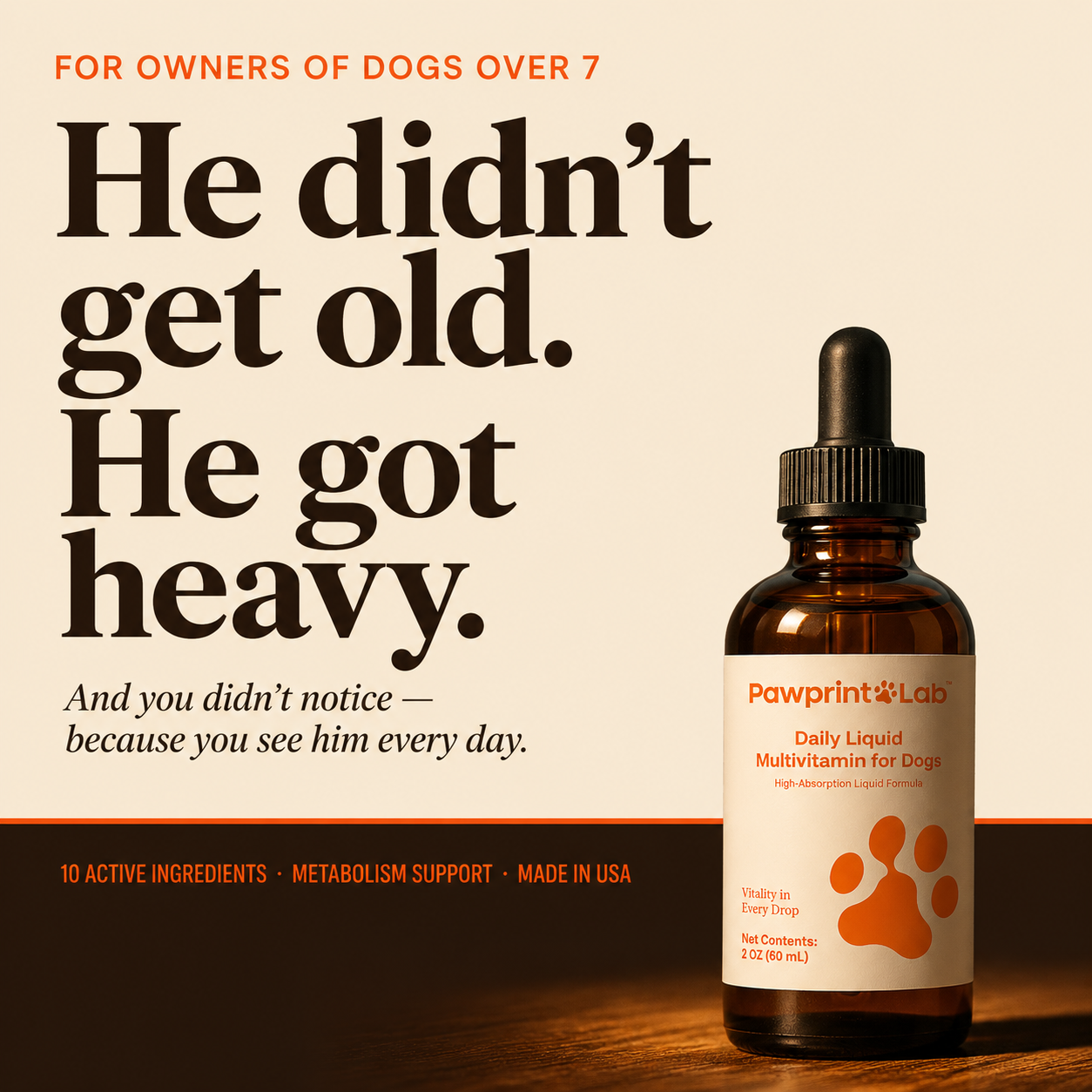
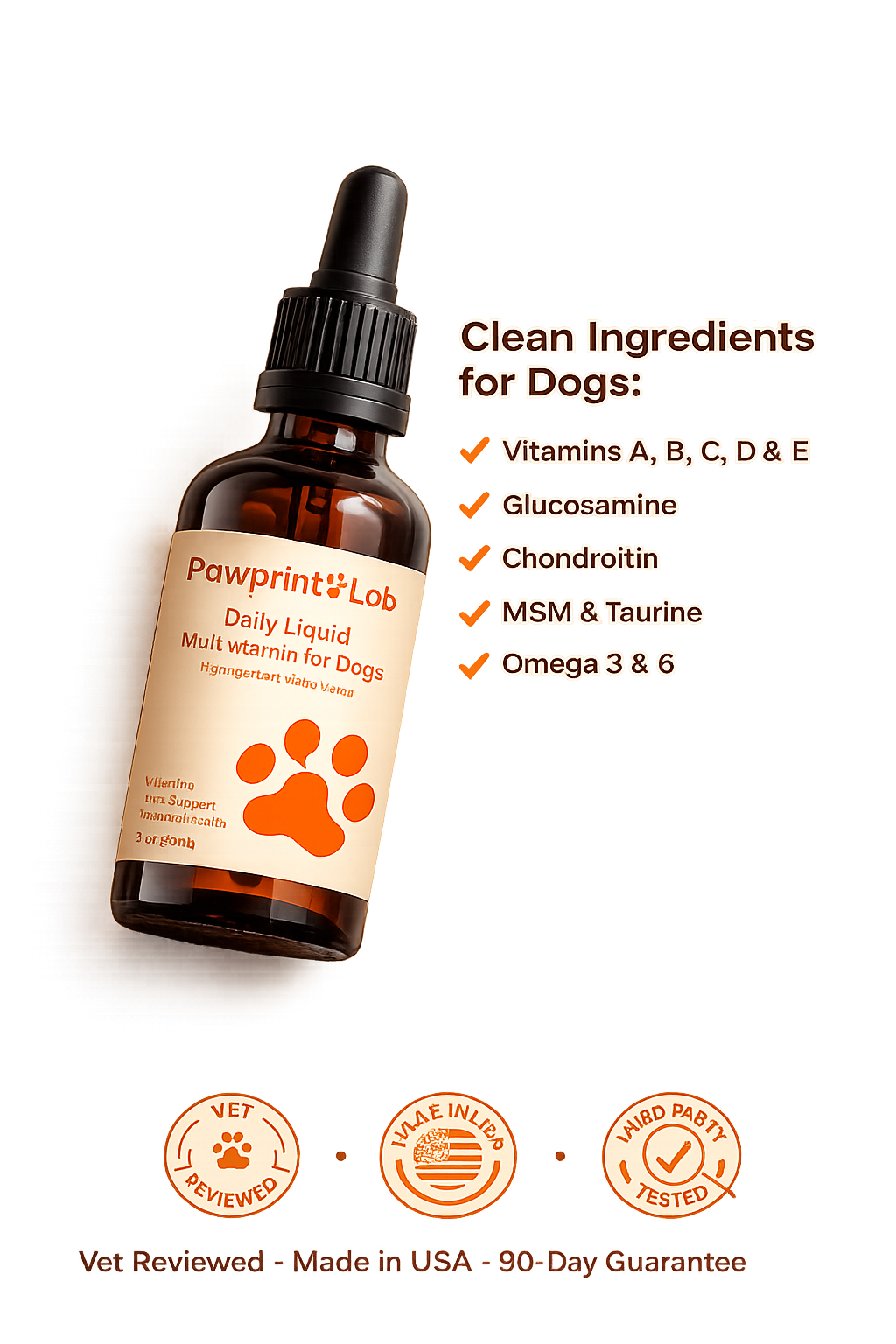
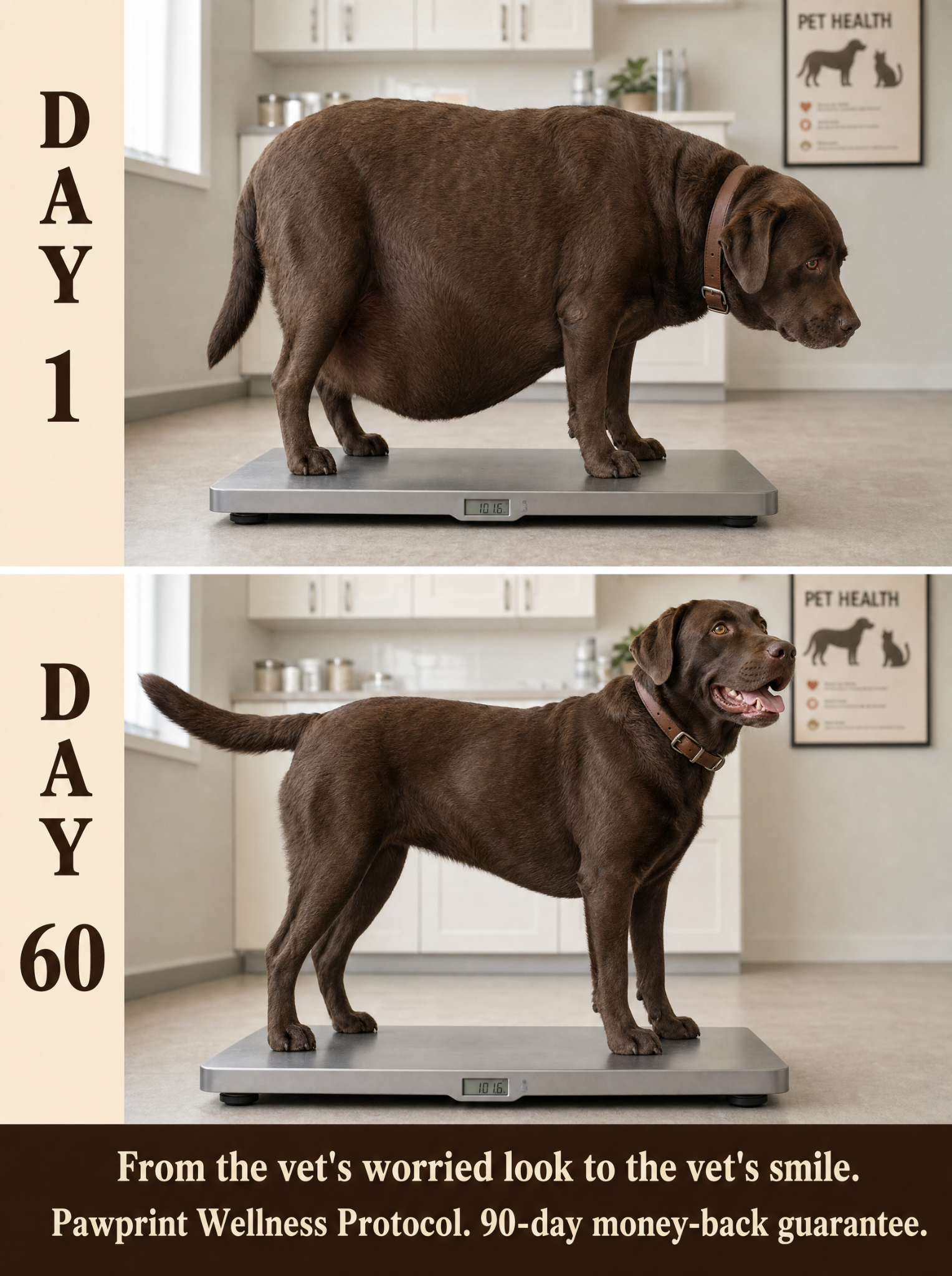
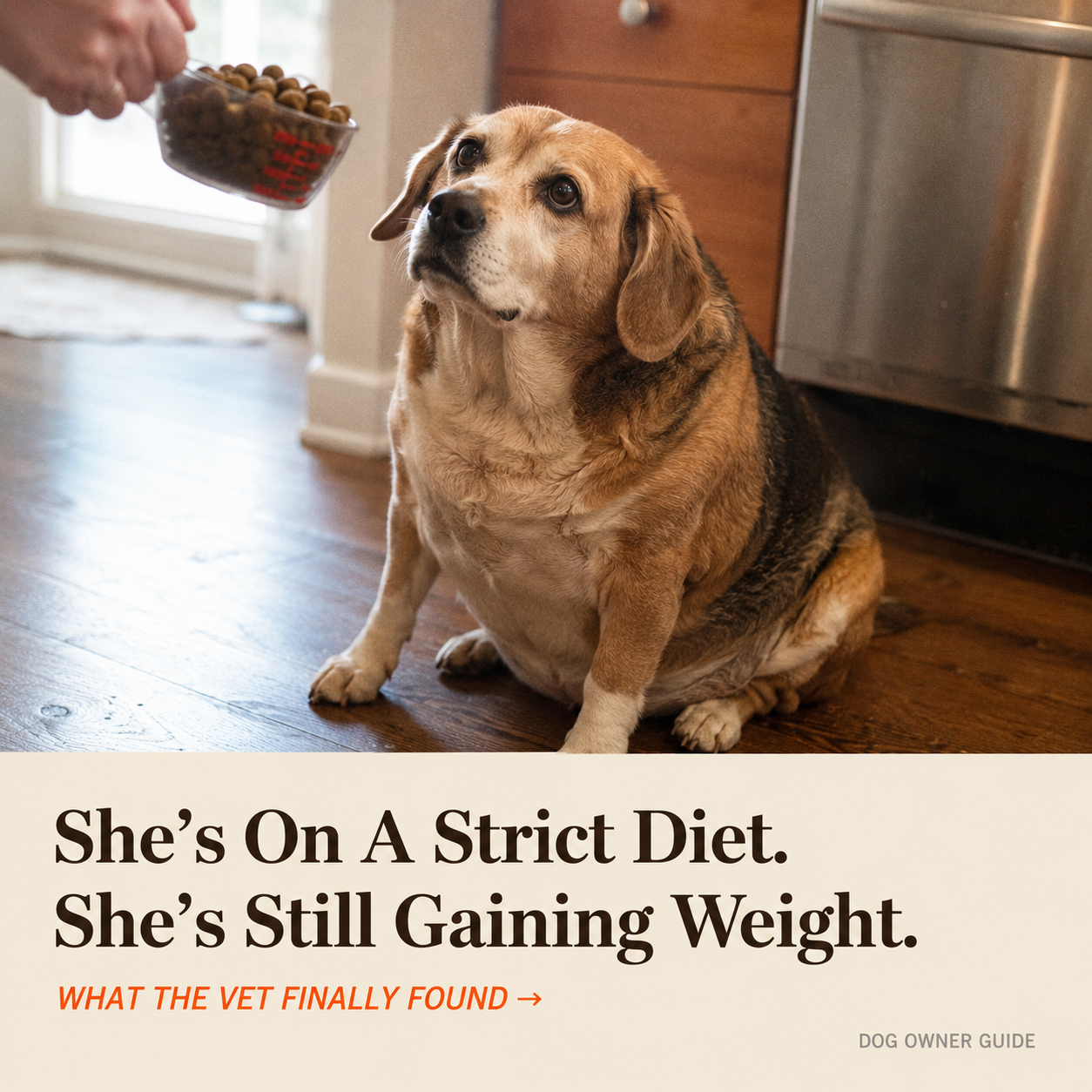
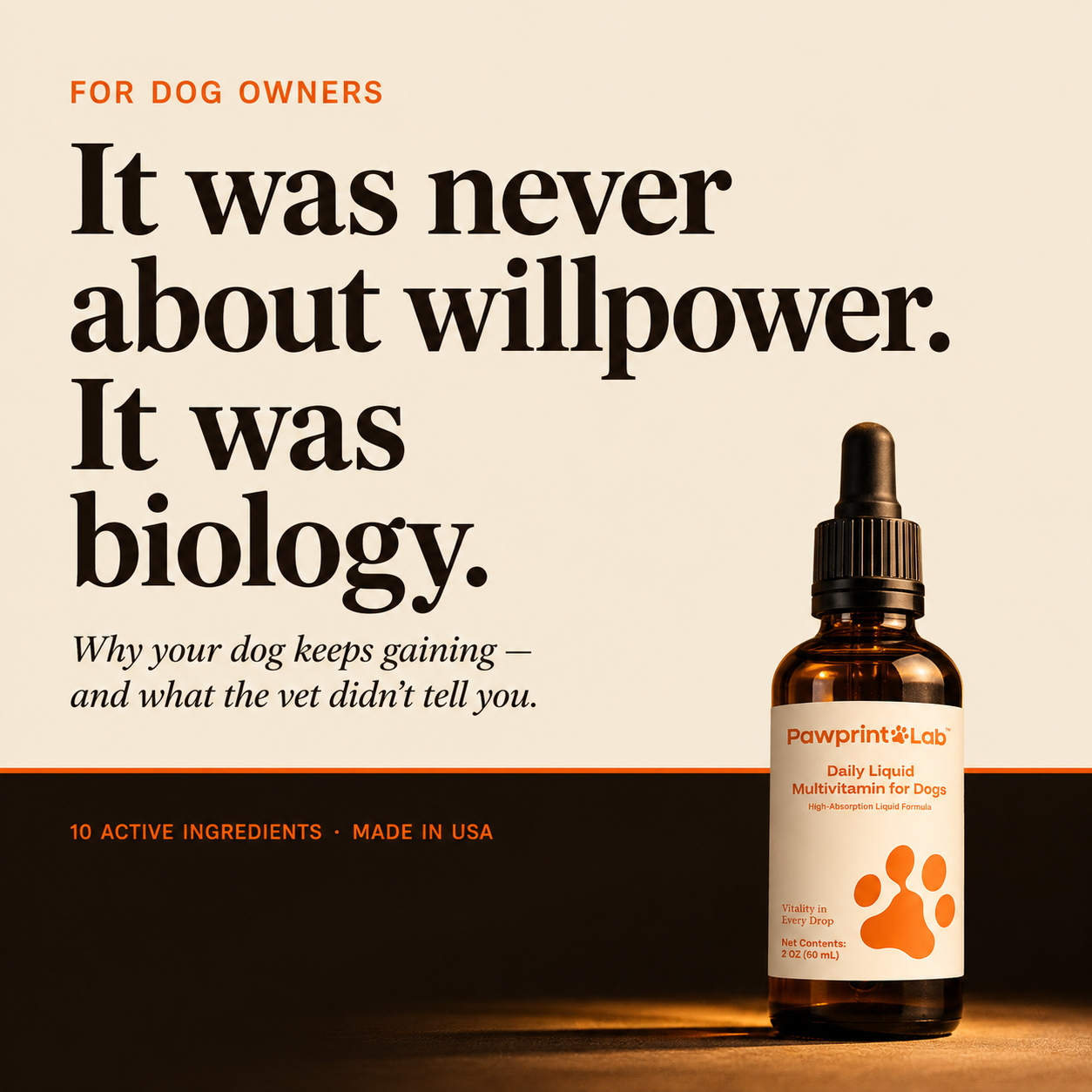
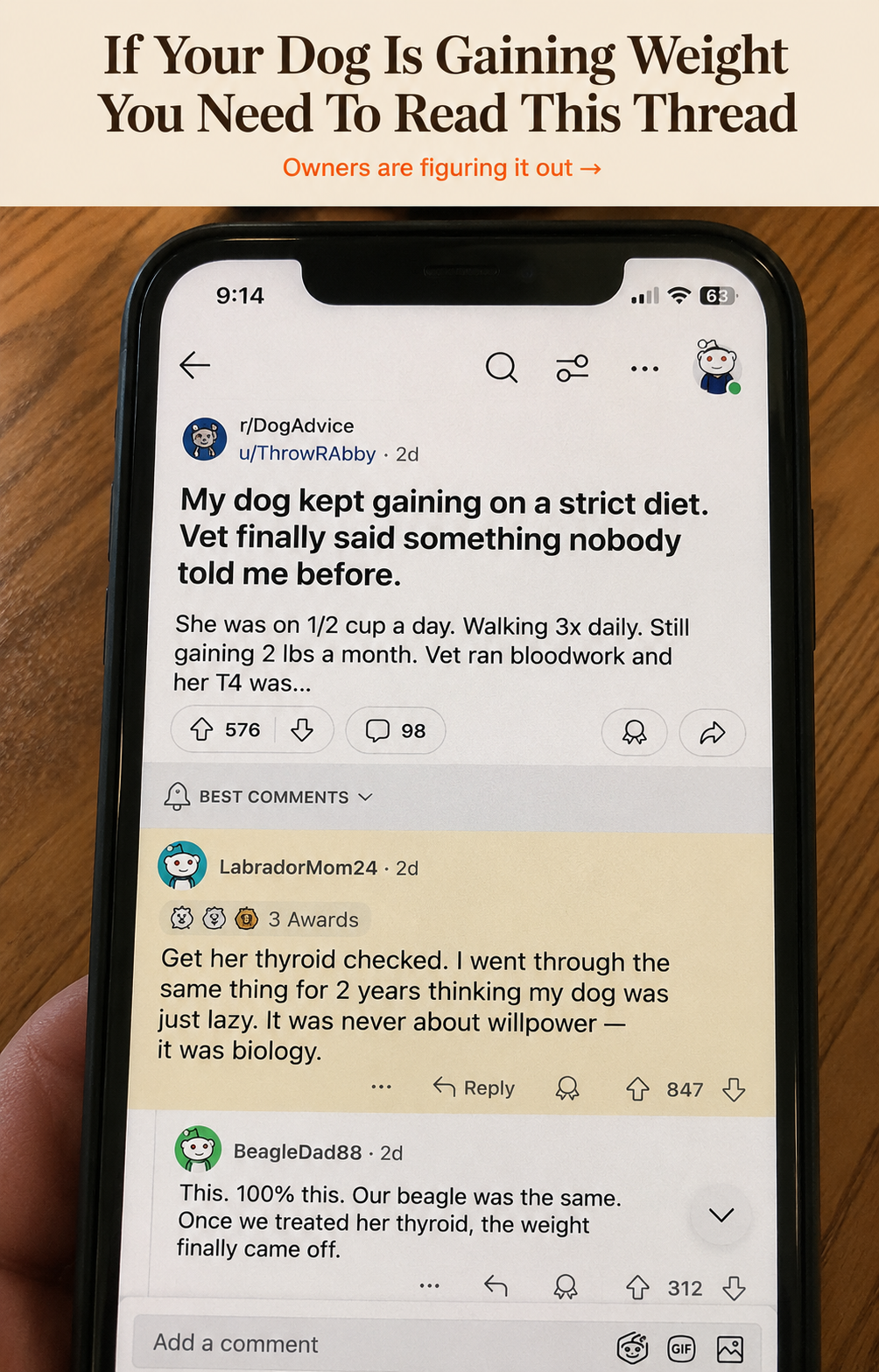
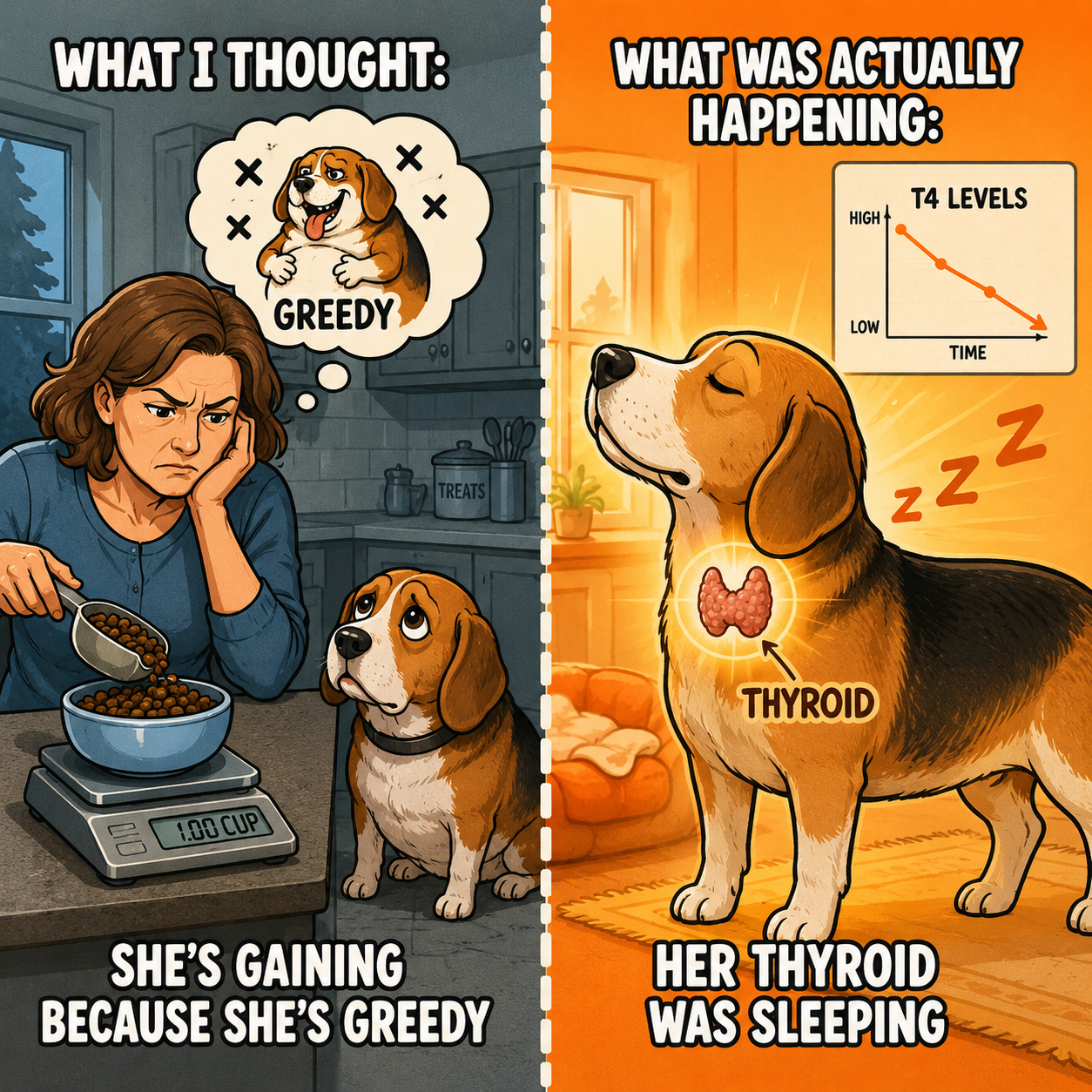
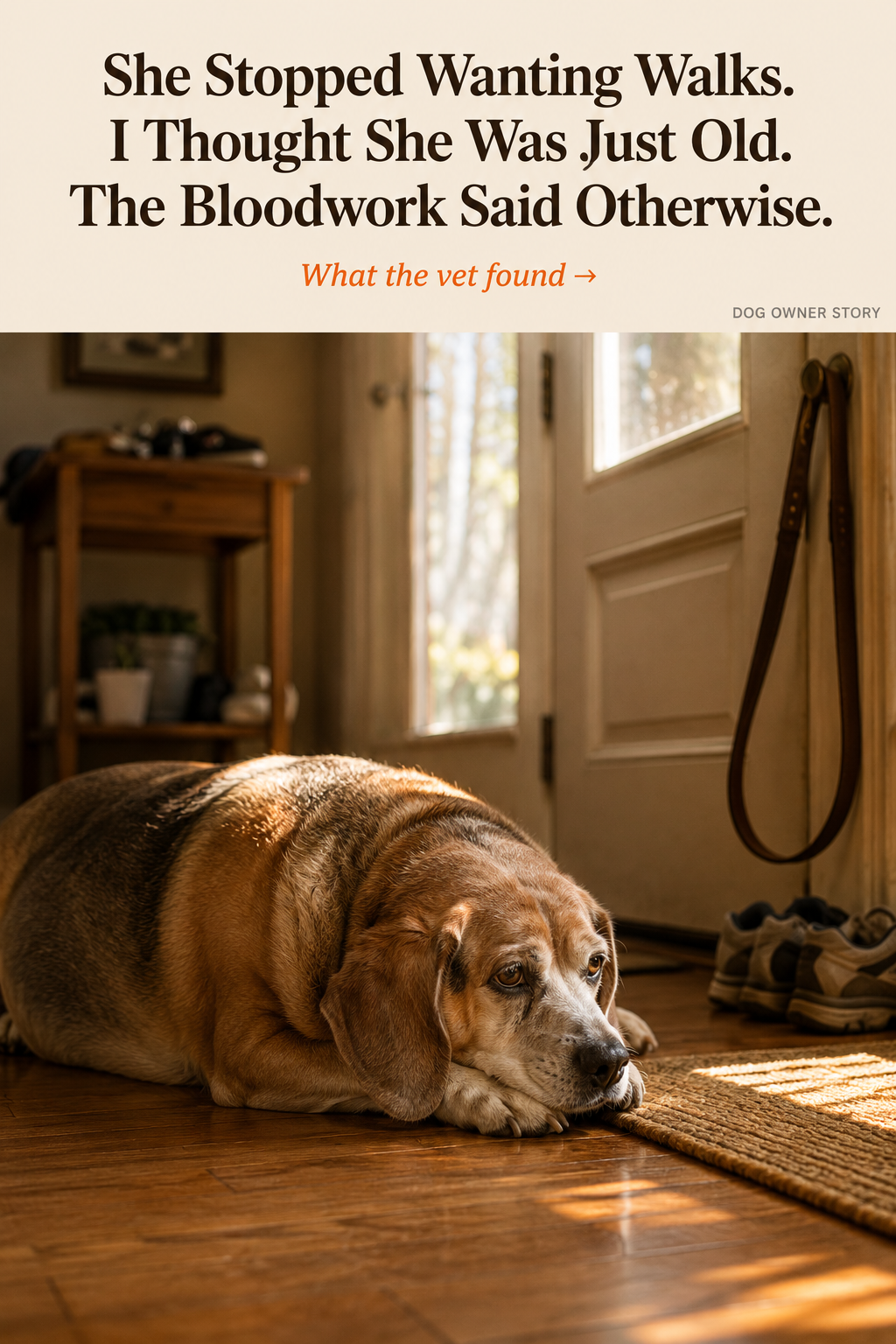
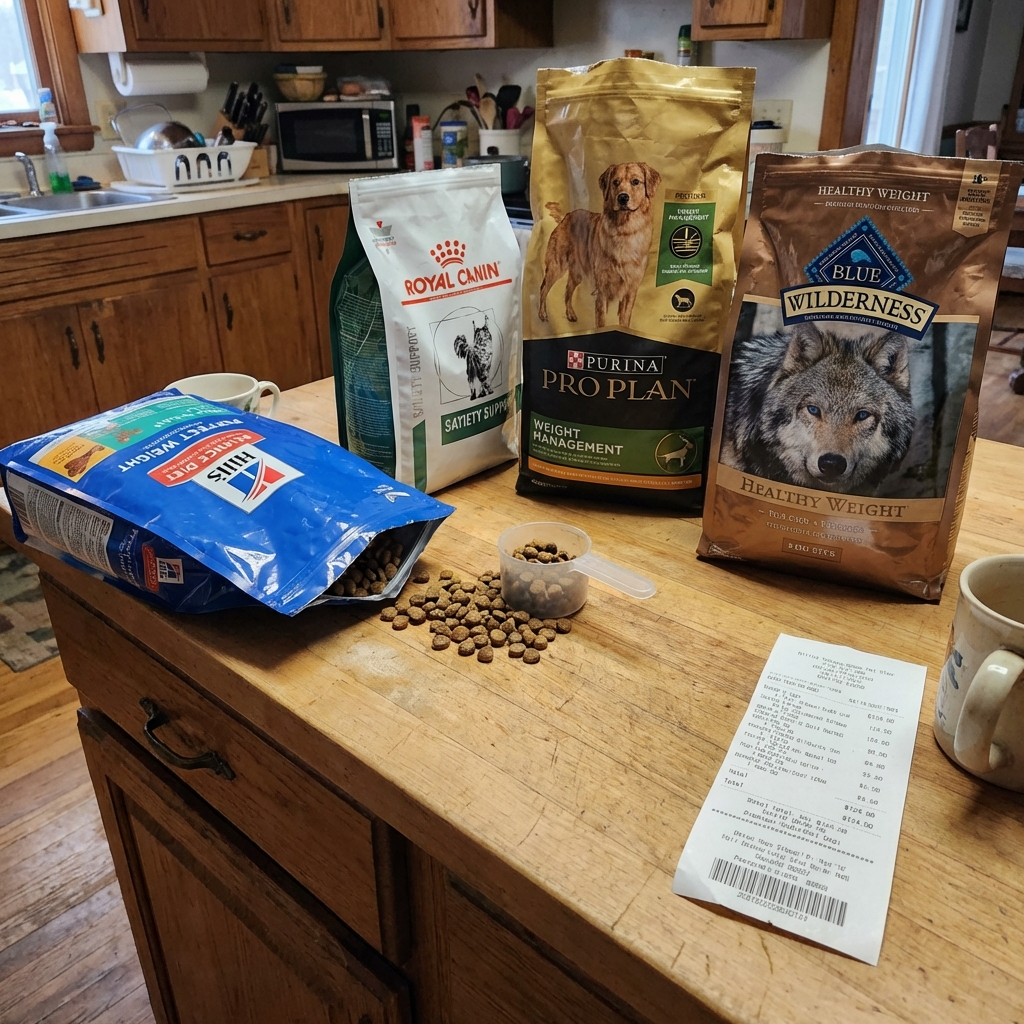
Please STOP buying expensive diet dog food. I know that sounds crazy when your vet literally told you to switch. But hear me out. Because what you're doing right now—the low-calorie kibble, the measured portions, the guilt every time your dog begs—is like turning down the thermostat and wondering why the furnace still runs. Let me tell you what I wish someone had told me before I wasted $2,200 and 11 months watching my dog gain weight on "weight management" food. It started with the vet visit. Routine checkup. Everything normal. Then she said the words: "He's about eight pounds overweight. We need to get that down before it affects his joints." No big deal, right? Just switch his food. Easy fix. First bag: Hill's Science Diet Perfect Weight. $78. I followed the feeding guide on the back to the letter. Measured every scoop. Cut out all treats except baby carrots. One month later, weigh-in: he gained half a pound. The vet said I was probably feeding too much. "The amount on the bag may be too much for him. Cut it back 20%." So now my dog was getting less food than the "less food" recommendation. He was hungry all the time. Standing by his bowl at 3pm. Staring at me while I ate dinner. I felt like a monster. Two months of reduced portions: lost one pound. One. Pound. Vet said let's try a different brand. "Sometimes dogs respond better to different formulations." Second bag: Royal Canin Satiety. $92. Same routine. Measured portions. No extras. Watched him inhale his tiny meal in 45 seconds and look up like "that's it?" Six weeks later: no change. Not a single pound. Third attempt: Purina Pro Plan Weight Management. Back to $78. This time the vet added green beans to bulk up meals without adding calories. My dog looked at the green beans. Looked at me. Ate around them. Three months on this food: lost one pound, gained it back the next month. I started Googling. "Why isn't diet food working for my dog" Every result said the same thing: feed less, exercise more. We were already walking 40 minutes a day. He was already eating less than dogs half his size. We tried everything else too. Pumpkin puree mixed in. Slow feeder bowl. Three small meals instead of two. Frozen Kongs to make him feel fuller. I bought weight loss food, diet food, "healthy weight" food. I swear the pet store employee knew me by name. $2,200 on premium diet foods over 11 months. Net result: two pounds lost. Then regained. The worst part wasn't the money. The worst part was watching him slow down. The stairs he used to sprint up? Now he paused at the bottom. The walks he used to pull me through? Now he lagged behind halfway. And I kept thinking: I'm doing everything right. Why isn't it working? The breaking point was a Saturday morning. He tried to jump on the couch. His back legs didn't make it. He slid off and just laid on the floor looking embarrassed. I sat down next to him and opened my laptop. This time I didn't search "best diet food." I searched something different: "Why do dogs stay overweight on diet food" Fourth result down was a veterinary nutrition article. The opening paragraph stopped me cold: "Low-calorie diet foods address energy input but completely ignore metabolic function. When metabolic pathways aren't supported, the body compensates by slowing metabolism to match reduced calories—making weight loss nearly impossible regardless of portion size." I read it again. And again. She explained that dogs have specific metabolic pathways that convert stored fat into usable energy. These pathways depend on specific nutrients—not fewer calories. Without these nutrients, the body treats stored fat like a savings account it refuses to touch. You cut calories, so the body burns less energy. You cut more calories, the body slows down more. The dog gets hungrier, more tired, less active. But the fat stays. The article explained the key nutrient most diet foods completely lack: L-Carnitine. L-Carnitine is what physically transports fatty acids into the mitochondria—the part of the cell that burns fat for energy. Without enough L-Carnitine, fat just sits there. Doesn't matter how few calories you feed. It's like having a wood-burning stove with a stack of firewood outside but no one to carry the logs inside. The stove goes cold. The wood pile stays full. That's what happens when you feed diet food without metabolic support. The calories drop. The body cools down. The fat stays exactly where it is. And here's what made me want to scream: Most "weight management" dog foods have little to no L-Carnitine. Some list it in trace amounts that don't do anything meaningful. They reduce fat content. They increase fiber to make the dog feel full. But they never give the body what it actually needs to burn the fat that's already stored. So you get a hungrier dog with the same amount of body fat. The article went further. It wasn't just about L-Carnitine alone. Omega-3 fatty acids support metabolic signaling and help maintain healthy inflammatory responses that affect how the body processes fat. MSM and turmeric support the body's natural response to the joint stress that extra weight creates—which was why he'd stopped wanting to move. Glucosamine and chondroitin support joint structure so the dog can actually stay active enough for the metabolism to function. It was a system. Not a single magic ingredient. A system of nutrients working together to support fat metabolism, joint comfort, and energy—the three things diet food completely ignores. The concept hit me like a brick: You don't need less food. You need the right nutrients so the body can actually use what it has. I found a liquid formula with all of it. L-Carnitine, omega-3s, MSM, glucosamine, chondroitin, turmeric, the whole system. Ten active ingredients in a liquid dogs actually absorb. Ordered it that night. Arrived Tuesday. Simple dropper bottle. One dropper per day right on his food. Took four seconds. I didn't change his food. Didn't cut his portions. Didn't add green beans. I just added the dropper. I also didn't tell anyone. I was done with the hope/disappointment cycle. Week one: Nothing visible. I almost didn't continue. Week two: More energy on walks. Not dramatic. Just... he wasn't lagging behind anymore. Week three: He started going up the stairs without pausing at the bottom. I noticed but didn't let myself get excited. Week four: I could feel his ribs again when I rubbed his sides. First time in almost a year. Week six: The neighbor said, "Is he losing weight? He looks different." Week eight: Weigh-in at the vet. Down four pounds. In eight weeks. After 11 months of nothing. The vet tech looked at the chart. Looked at me. "What changed?" I told her about the article. About L-Carnitine. About metabolic support versus calorie restriction. She pulled up his weight history on the screen. Flat line for 11 months. Then a clear downward slope over the last eight weeks. Week twelve: Down six pounds total. Two more to go. But the weight wasn't even the biggest change. The energy was. He was initiating play again. Bringing me toys. Doing that little spin before walks that he hadn't done in over a year. The couch? Jumped up on the first try. Didn't even think about it. It's been five months now. He hit his target weight at month three. He's stayed there since. Eating normal portions. Normal food. No diet kibble. No measuring cups. No guilt. One dropper per day. That's it. Eleven months of expensive diet food did almost nothing. Five months of actual metabolic support changed everything. If your dog is on diet food and nothing's happening... If you've cut portions and they're just hungry and tired... If your vet keeps switching brands but the scale won't move... If you're spending a fortune on "weight management" food that doesn't manage anything... Read what I read about why diet food fails and what actually works. It's not about eating less. It's about giving the body what it needs to use what it already has. https://pawprintlab.com/pages/diet-food-failed — Jessica R.
Like this ad? Make it yours.
Crush rebuilds this exact creative around your product — your brand, your colors, your offer — in about a minute.