CyberSecurity Today
 Facebook ad: “Hardware VPN. No App. No Subscription.”
Running for 1 day since October 23, 2026. Crush last saw it on October 24, 2026.
Run by CyberSecurity Today on Facebook. Crush is not the advertiser and does not verify its claims. See this ad in Meta's Ad Library(opens in a new tab)
Make your own version of this ad
Crush makes it, launches it in your own Meta ad account, scales the winners and pauses the losers.
About this ad
- Meta Ad Library ID
- 1828705838314564
- Platforms
- Facebook, Instagram, Audience Network, WhatsApp and Threads
- Relaunches
- 0
- Niche
- AI & Software
Ad text
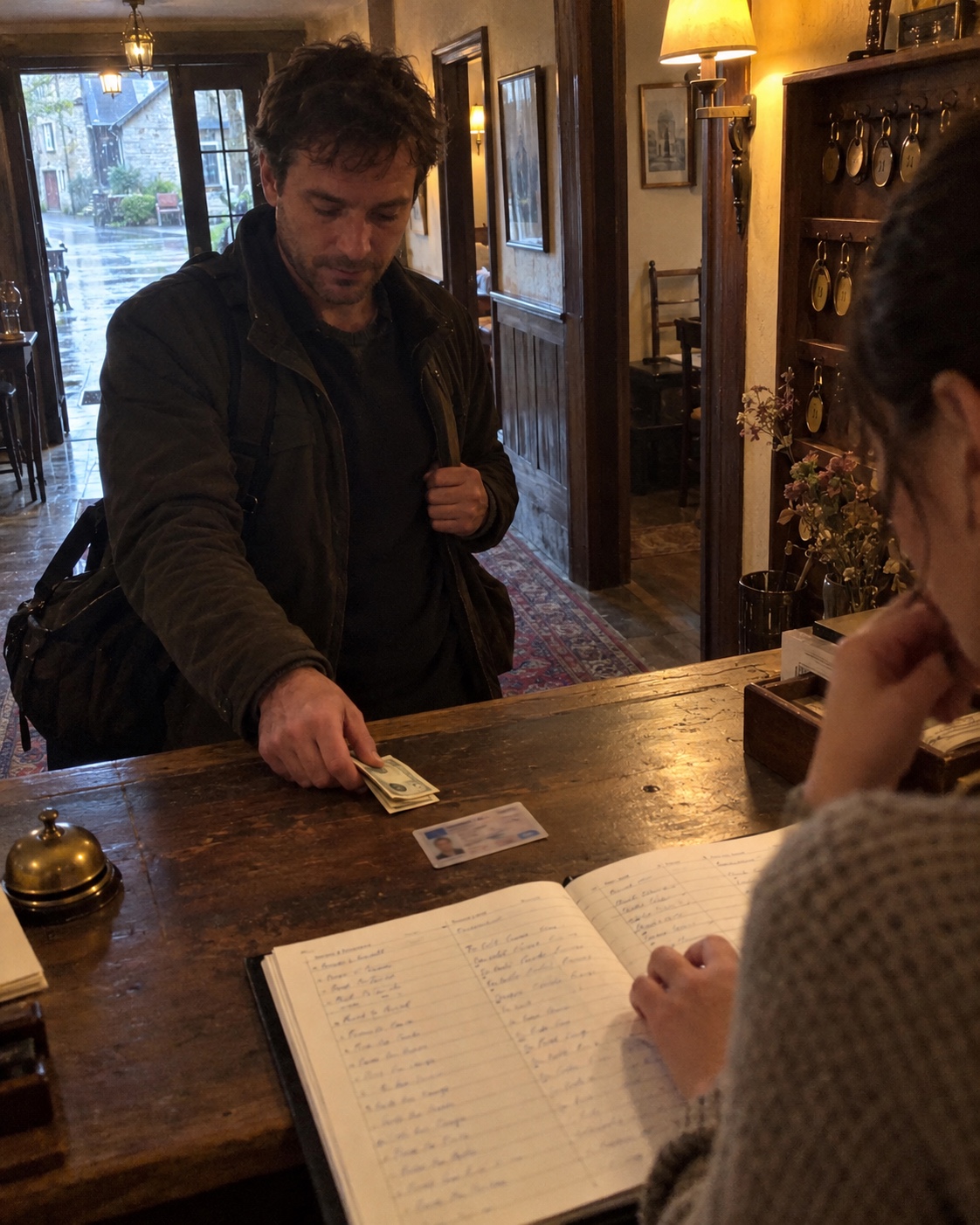
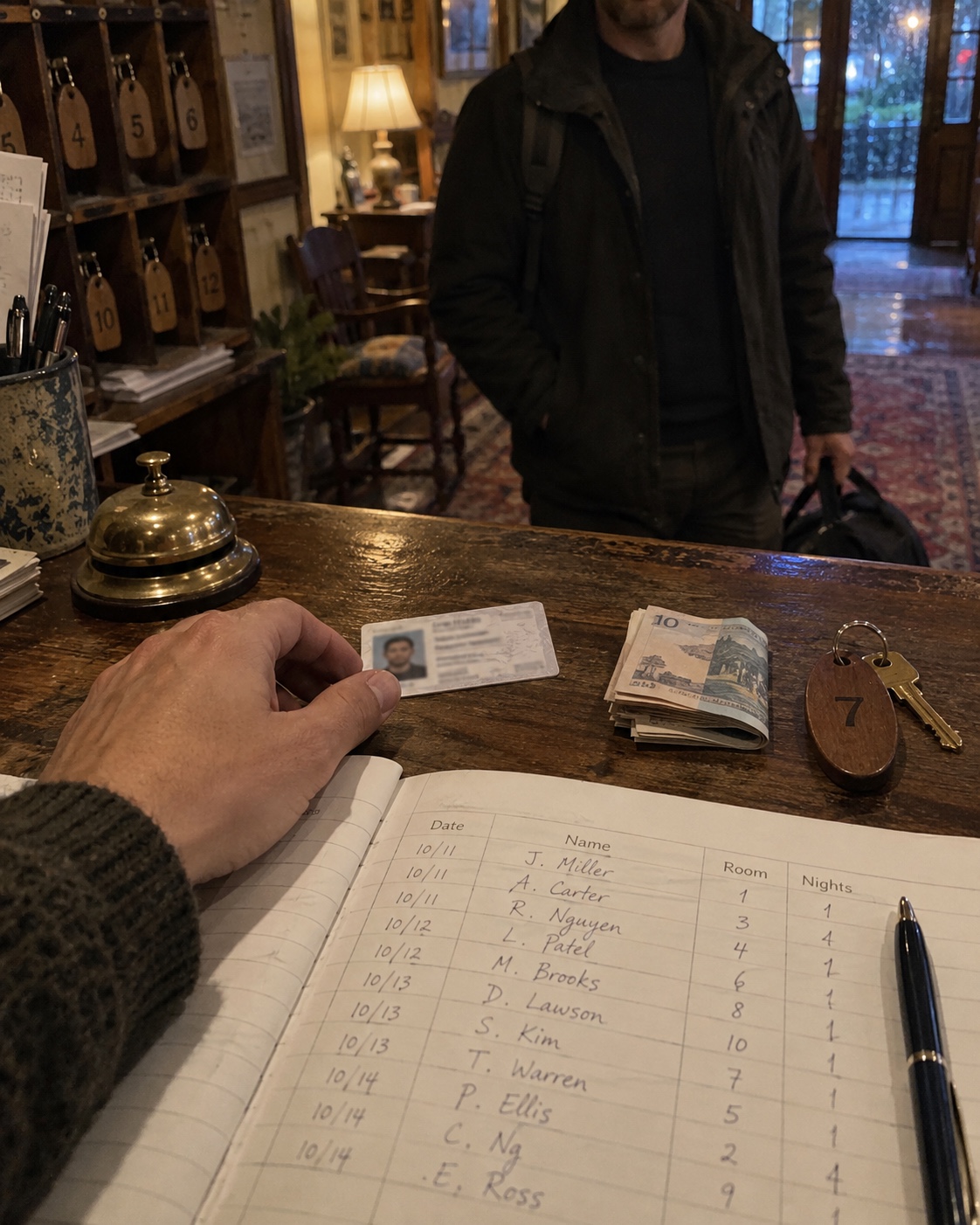
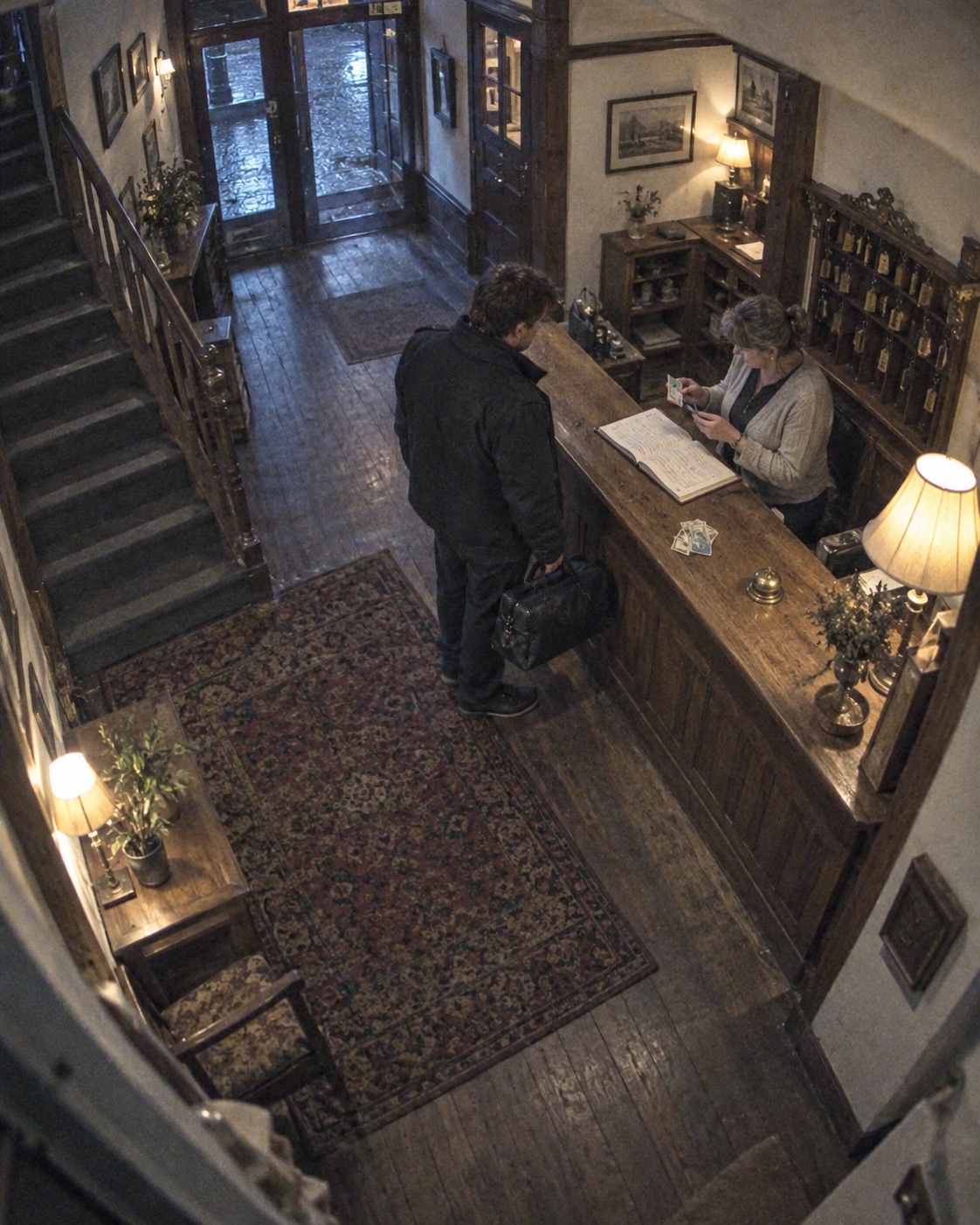
The guest who checked into my inn last Tuesday for three nights paid cash, gave me a first name that didn't match the one on his license, asked me Wednesday at dinner whether my guests ever complained about the WiFi being slow, and Thursday night at my kitchen island told me what he actually did for a living. Four days at my inn and he hadn't made a phone call. Hadn't used my WiFi once. Walked the back acre alone every evening at dusk. I haven't told anyone what he told me Thursday. I'm writing it down now because every story on the news this past week answers a question he asked me on Wednesday. I've run this inn for twenty-two years. I read people for a living. The salesman trying not to be one. The couple on their second marriage pretending it's their first. The dad who came alone and won't say why his wife isn't with him. After two decades you don't even have to try. I knew Marcus was different from the second he stood at my front desk. Tuesday morning a little after eleven. Drove in alone in a black rental. Parked it on the side of the lot near the tree line where it wasn't easy to see from the road. One bag. Small. Dark. Well-worn. He stood at the desk for a second before he said anything. Looking at the wall behind me where the keys hang. Like he was checking the room before he stepped into it. Mid-fifties. Gray at the temples. Polite. Soft-spoken. Didn't ask about the area. Didn't pick up the brochures off the front table. Didn't ask where to eat dinner. Paid cash. Three nights. Booked under his initials. Gave me a first name that didn't match the one on his license. I let it all go. And I noticed — in twenty-two years, I have never had a guest stay three nights and not once ask me for the WiFi password. By Wednesday afternoon I'd let half a dozen things go I normally would have asked about. Thursday night, ten-forty-five. I was finishing dishes from dinner service. The news was on low in the parlor. Marcus was at my kitchen island on his second bourbon. He'd been sitting there since just after nine. Quiet. Watching the kitchen window, which was dark and reflecting the inn back at both of us. He had his laptop open on the island, screen turned away from me. I'd assumed he was working. But I'd noticed he hadn't typed anything in an hour. I said: "You haven't touched the keyboard." He looked up. He said: "No." I said: "You've been watching the screen." He said: "Yeah." I said: "What are you looking at." He turned the laptop toward me. I didn't understand what I was seeing. Rows of text. Moving. Refreshing. Addresses and numbers and fragments of what looked like email subjects. I said: "What is that." He said: "Your guests." I stopped drying the glass I was holding. He said: "Room four is on a video call. Room two is looking at bank statements. The couple in the end suite have been on shopping sites for the last hour." He let that sit. He said: "None of them know I can see this. None of them have any reason to think they should be worried about it." I said: "How." He said: "Your WiFi isn't encrypted. Most networks like yours aren't. The traffic runs in plain text. What you see here — " he nodded at the screen — "anyone in range of your router can see this. From the parking lot. From the road. From a car parked near the tree line." I looked at the screen. I looked at him. He said: "I have a position in the NSA communications security division. Eleven years. Before that, signals intelligence in the field." He looked at the laptop. He said: "I shouldn't have shown you that. But you asked." He turned the screen back. I waited. I said: "Is that why you haven't used my WiFi." He said: "Yeah." I put the glass down. I said: "What's going on." He looked at the window for a long second. Then he looked back at me. He said: "The threat isn't what people think. Most people imagine a hacker as someone who breaks into a building or sits in a dark room targeting a specific person. That's not what this is anymore." I waited. He said: "What's changed is scale. The tools that used to require a government to build — the ones I spent my career trying to keep out of the wrong hands — they sell on dark web marketplaces now for two hundred dollars. Sometimes less." He took a drink. He said: "Which means the person in the coffee shop, the person in your parking lot, the person three tables away in an airport terminal — any of them can be running what I'm running right now. Without any training. Without any skill. They watch a video. They spend two hundred dollars. And then they sit in public and watch the room." I said: "What do they take." He said: "Everything. Banking credentials. Work logins. Email. The session tokens that keep you logged into things. The documents people open on public networks without thinking. In eleven years I watched nation-states do it. Now it's freelancers. Students. Organised criminal groups. The attack has been democratised." He set the glass down. He said: "Four signs I watch for that tell me this has moved from background noise to something we should be talking about out loud." I waited. He said: "Sign one. The tools crossed below the two-hundred-dollar threshold eighteen months ago. When the tools are cheaper than a phone case, the number of people using them stops being countable." He took a drink. He said: "Sign two. The major hotel and airport WiFi providers dropped their encryption standards last year to handle capacity. They didn't announce it. They just did it. Open a connection in any major airport right now and your traffic is as readable as a postcard." He looked at me. He said: "Sign three. State-sponsored units shifted their focus from corporate targets to individuals. When the big institutional targets get hardened, they don't go home. They go downstream. They go to every person running unencrypted traffic on a public network." He looked at the laptop. He said: "Sign four is the one that made me stop traveling without protection." I waited. He said: "The same logistics channels that used to move interception hardware to operatives started moving it to distribution points inside the country. Not to government actors. To networks I can't track. Which means the capability is somewhere I can't see, being used by people I can't monitor, on networks I don't have visibility into." He let that sit. He said: "Eleven years in signals intelligence. I can tell you what a foreign government is doing on a closed network. I cannot tell you what the person at the next table at your airport Starbucks is doing on their laptop. That gap is where everything is happening now." I didn't say anything for a long time. He took another long drink. He said: "Most people think this doesn't apply to them. They think hackers want banks and corporations and governments. They don't understand that the freelancers aren't looking for a specific target. They're harvesting. They sit in a public place and they take everything in range. Your email password. Your banking session. The work documents you opened on the plane. They sort it out later." He looked at me. He said: "You have guests in four rooms right now. One of them is looking at bank statements on your unencrypted network. She has no idea." I looked at the hallway toward the rooms. He said: "I'm not going to do anything with it. I'm not here for that. But the person parked on your road might be." I let that sit. I said: "And there's nothing people can do." He said: "There's one thing." I waited. He said: "Software doesn't work. Software VPNs can be detected, blocked, throttled. A lot of them log what you do and sell it. Most people who think they're protected because they installed an app aren't." He picked up his bag from the floor. Set it on the island. He said: "Hardware is different." He unzipped a side pocket. Reached in. Set something on the kitchen island between us. Small. Yellow and black. About the size of a matchbox. I picked it up. I said: "What is it." He said: "A pocket VPN router." I turned it over in my hand. I said: "That's it." He said: "That's it." I waited. He said: "It connects to whatever network you're on — hotel, airport, coffee shop, anywhere — and then it creates its own private encrypted network for your devices. Your phone, your laptop, your tablet, they connect to the router. The router handles everything. From the outside, your traffic is noise. Unreadable. There's nothing to see." I said: "And it works here. On my network." He looked at me for a second. He said: "Plug it in." He handed it to me. I plugged it into the outlet by the coffee maker. He said: "Now connect to the network called VaultNet on your phone. Same as connecting to any WiFi." I did. He turned his laptop back toward me. I looked at the screen. The rows of traffic. My guests' sessions still visible. He said: "Find yourself." I looked. I looked for my phone. For anything with my name or my device. I said: "I can't see my phone." He said: "No." He pointed at one line on the screen. He said: "That's you. That's everything your phone is sending and receiving right now." I looked at it. Nothing. Encrypted characters. Random noise. I said: "That's all they can see." He said: "That's all anyone can see. From the parking lot. From the road. From the table next to you at any airport in the world. Just noise. The connection exists. They can see something is there. They cannot read it. They cannot use it." I set the device back on the counter. I said: "And setup." He said: "Ninety seconds. Plug it in. Connect your devices. Done. No app to download. No account to create. No subscription. It doesn't run on your device at all. It's hardware. It sits between your device and the network. The network never touches you." I said: "How many devices." He said: "Three at once. Your phone, your laptop, your tablet, all running through it at the same time." I said: "And you carry this." He said: "In every bag I own." I held the device in my hand. It weighed almost nothing. I said: "Why haven't I heard about this." He said: "Because the companies that make money on the software know that hardware makes their product look like what it is. And because most people don't believe the problem applies to them until they see what I just showed you." He nodded at his laptop. He said: "Your guest in room two saw her bank balance on that screen tonight. She doesn't know. She's going to check out Saturday, drive home, and never think about it." He looked at me. He said: "Wednesday. When I asked about your WiFi." I said: "Yeah." He said: "I wasn't asking because I needed the password. I was checking whether you'd thought about any of this." He picked up his glass. He said: "You told me you give guests the password on the keycard. Which told me you hadn't." He took a drink. He said: "You're sitting here right now thinking this is for tech people. Security people. People who work in the industry." He paused. He said: "That is exactly what they need you to think. The entire business model of the people running those tools in that parking lot depends on you believing this doesn't apply to you. As long as you believe it, the door is open. As long as the door is open, they don't even have to try very hard." He looked at the device on the counter. He said: "That is what closes the door." He set his glass down. He said: "Your guests are checking out over the next few days. They're going to go to airports. Hotels. Coffee shops. They're going to open their banking apps on public WiFi the same way they did here tonight. And most of them will do it for the rest of their lives without anything bad happening, and they'll take that as proof it's safe." He looked at me. He said: "That's not what proof looks like. That's what luck looks like. Luck runs until it doesn't." He looked at the device on the counter. He said: "Take it." I picked it up. I went up to bed at almost midnight with the device in the pocket of my robe. I did not sleep. Friday morning my husband was at the kitchen island with the paper. I came down with the device in my hand. I set it on the counter in front of him. He looked at it. Looked at me. He said: "What is that." I told him. He told me I was being dramatic. Told me Marcus was probably drunk. Told me men make up stories. Told me I'd been worrying too much. I went out to the back porch. I came back and plugged the device into the outlet by the coffee maker. I made coffee. We ate breakfast. He read the paper. Neither of us said anything. I handed him his phone. Told him to connect to the VaultNet network and try his email. He did. He said: "It works the same." I said: "Yes." He looked at the device. He said, quietly: "Where did he say you can get one of these." Marcus checked out Saturday morning at six. He came downstairs with his one bag. Paid for the extension in cash. Asked me if I'd take any of what he said as something I'd actually act on. I told him I would. He nodded once. Walked to the rental car. Drove off. I haven't heard from him since. That was a week ago. In that week. A major airline disclosed that passenger data was accessed through a third-party network vendor. The story ran for four hours and then it was gone. A hotel chain sent breach notification letters to guests who stayed between March and August. The letter used the phrase "unauthorised access to WiFi-connected systems." The story did not explain what that meant. A cybersecurity firm published a report on what they called "passive harvesting" at US airports and transit hubs. The report was covered in one trade publication. It was not picked up nationally. I watched all of it from my kitchen and I thought about what he'd shown me on that laptop. The rows of traffic. My guests' sessions. The bank statements in room two. And I thought about how many people were sitting in those airport lounges and hotel lobbies right now. Opening their banking apps. Sending emails. Logging into work. And the person at the next table watching all of it in plain text. The device has been in my purse for nine days. My husband ordered three more this week. One for our daughter's family. One for his brother in Ohio. One to keep in the car. He didn't tell me until they arrived. I knew he'd done it because he came in carrying the boxes and didn't say anything. He set them on the kitchen counter. He looked at me. Then he sat down at the island and finished his coffee. That is what conversion looks like in this house. Quiet. No commentary. If you have ever opened your banking app in an airport, a hotel, a coffee shop, or any public place — and you thought you were safe because nothing bad has happened yet — that feeling is not evidence. That's luck. The tools to read your traffic cost two hundred dollars and a free afternoon on YouTube. The person running them doesn't look like anything. They look like the other person waiting for their flight. They look like the other guest at the hotel bar. They look like no one. The one thing that puts you outside of it is not an app. It's not a setting on your phone. It's hardware that sits between you and the network and turns everything you send into noise that nobody can read, on any network, anywhere. The device Marcus left me is made by a company called VaultNet. They sell direct off their site. Smaller than a deck of cards. Covers three devices at once. No app. No subscription. No account. Ninety seconds to set up and then it just runs. If you only do one thing this week. I'll link it down below. https://shopvaultnet.com/products/vaultnet-pocket-vpn-router P.S. Tuesday the airline breach story came back with a second detail: the access point was a public-facing WiFi terminal in a partner lounge. Not a server. Not a database. A network terminal. The kind at every airport. The kind everyone uses without thinking. Marcus told me Thursday night that the next wave of this wouldn't look like a hack. It would look like someone just sitting there. He was right inside seventy-two hours of leaving my kitchen. He's going to be right about the rest of it too. P.P.S. My husband sent one to his brother in Cincinnati. His brother — who has rolled his eyes at anything like this for fifty-seven years — opened the box, plugged it in, connected his phone, called us back, and ordered three more. That is what happens when someone who knows you and trusts you sends you one of these. There is no convincing involved. You plug it in, you connect, and you understand immediately that you have been on open networks your entire life without ever knowing it. He also ordered the travel case off the same site because they're there and shipping is included. If you only get one thing, get the VaultNet. The case is a bonus. The network is the line. P.P.P.S. Works on any network anywhere in the world. Hotel, airport, coffee shop, Airbnb, cruise ship, coworking space. Plug it into any USB outlet or power bank. Covers up to three devices simultaneously — your phone, laptop and tablet all running through the same encrypted connection. No app to install on any device. No account to create. No subscription. Hardware, not software, so there's nothing to detect or block. Set up in ninety seconds. Smaller than a deck of cards. Under sixty dollars. Sixty-day money back if you decide it's not for you. P.P.P.P.S. If you're reading this and thinking you're already protected because you have a VPN app on your phone — read this part. A software VPN is better than nothing. But it runs on your device. Which means it can be detected. Blocked. Throttled by the network you're on. And most of the free ones log your traffic and sell it to ad networks, which means you're not private, you've just moved who's watching. VaultNet is hardware. It operates at the network layer before your device is even involved. The network you're on sees a device making encrypted requests. That's all it sees. There's no app to detect. There's nothing to block. The encryption happens before your device touches the network. That's the part most people don't know to look for. If you only do one thing this week: I'll link it down below. https://shopvaultnet.com/products/vaultnet-pocket-vpn-router
Where the ad sends people
shopvaultnet.com
Hardware VPN. No App. No Subscription.
Encrypts every device on any public WiFi. Under $60.
Shop now: shopvaultnet.com(opens in a new tab)