
Inactive· since May 29, 2026
- 96
- days it ran
- 0
- relaunches
- 71,046
- EU reach
Ad copy
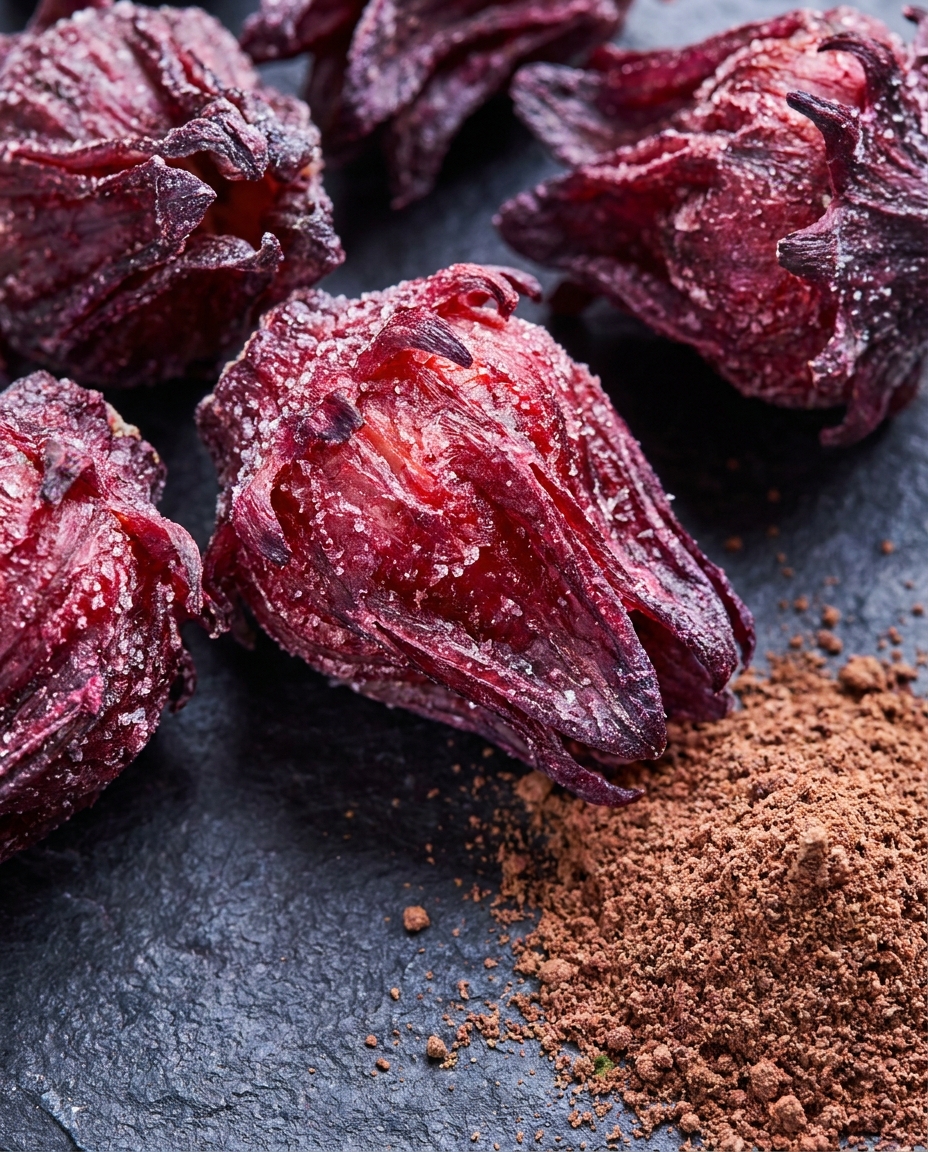
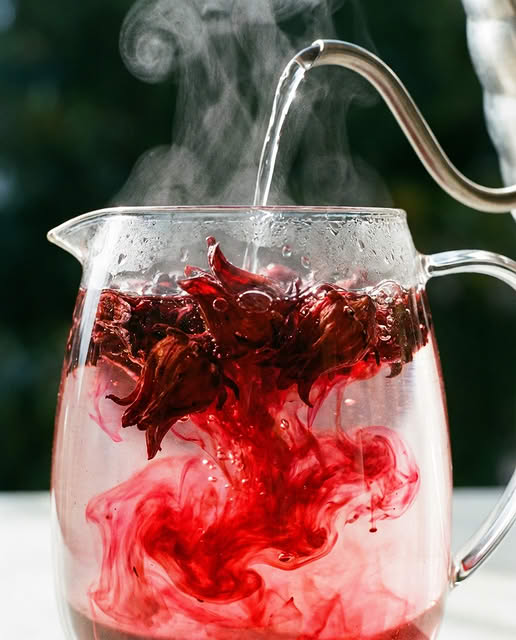
If your cardiologist told you to cut sodium and lose weight — and your blood pressure is still climbing — they're giving you band-aid solutions. Here's the root cause they never learned. I gave blood pressure patients the wrong advice for 18 years. Here's what I should have told them. I've been a cardiologist for 18 years. And I just realized that almost everything I told patients about high blood pressure was wrong. This is hard to admit. For nearly two decades, I told patients with high blood pressure the same things. Cut sodium. Lose weight. Take your blood pressure medication. Let's monitor your numbers. Standard advice. What I was trained to say. Then about two years ago, my own blood pressure started climbing. I took my own readings. Systolic was 158. Diastolic was 96. Concerning, but manageable. So I did exactly what I'd been telling patients to do. Cut back on salt. Lost 20 pounds. Started exercising every morning. Three months later, I tested again. 163/99. Six months after that: 168/102. I was following my own advice perfectly. And my numbers were getting worse. The morning headaches were still there every single day. That's when it hit me. I'd been handing patients band-aid solutions their whole lives, and I didn't even know it. I thought back to all the patients who came back frustrated. "Doctor, I did everything you said. It's not working." And I'd tell them to try harder. Be more consistent. Give it more time. Now I was that patient. Doing everything "right." Still climbing. So I started researching. Not the textbooks from medical school. The actual science on why blood vessels lose flexibility — science that most cardiologists never learn deeply. And I found something that changed everything. High blood pressure isn't usually a sodium problem. It's not a weight problem. It's a blood vessel flexibility problem. Your blood vessels — the arteries and arterioles — stiffen over time. Oxidative stress from the environment. Chronic inflammation from years of toxic exposure. Free radical damage that accumulates in vessel walls. When they're stiff and constricted, your heart has to pump harder to push blood through. That's the pressure. Most cardiologists don't even think to address this directly. In medical school, we learned to manage blood pressure, not restore vessel flexibility. So when patients come in with rising numbers, we default to what we know. Cut sodium. Lose weight. Take ACE inhibitors or diuretics. Not because it fixes the problem. Because it's all we were taught. That's why cutting sodium doesn't work for most people — sodium restriction reduces water retention, it doesn't restore vessel elasticity. That's why losing weight doesn't always work — weight loss reduces cardiac load, it doesn't reverse oxidative damage in vessel walls. That's why ACE inhibitors don't work long-term — they force vessels open chemically, they can't repair the oxidative damage causing the constriction. None of these solutions restore blood vessel flexibility. Once I understood this, I felt like an idiot. And I owed my patients an apology. I started researching what actually restores vessel elasticity. And I found something that's been used for over 3,000 years, long before modern medicine existed. High in the mountains of Southeast Asia, above 4,500 feet, there's a flowering plant with deep red petals that blooms in harsh conditions. Local healers called it the "Heart Flower." Modern science knows it as Hibiscus. For centuries, villagers noticed something remarkable: the elderly who drank this flower tea maintained healthy blood pressure well into old age, while everyone else declined. Modern science finally discovered why. Hibiscus is loaded with powerful anthocyanins and polyphenols — compounds that can actually penetrate blood vessel walls. Once inside, they neutralize oxidative stress, reduce inflammation, and restore the natural elasticity that allows vessels to relax and expand properly. A deep restoration at the vessel wall level. I tried it on myself first. I wasn't going to recommend something to patients I hadn't tested personally. By week four, the morning headaches were noticeably less severe. By week six, I was waking up without that constant pressure behind my eyes. By week eight, I took my readings again. 152/93. For the first time in two years, my numbers moved in the right direction. Three months later: 138/84. Better than where I started. Now it's the first thing I recommend to patients with stubborn high blood pressure. The brand I use is PiPi Tea. US company. Third-party tested. Organic Whole Flower Hibiscus from high altitude — where antioxidant concentration is highest. It's whole flower tea because broken pieces lose the active anthocyanins. I tried two cheaper brands first. Amazon. Grocery store. Spent eight weeks on them. My readings barely moved. I later found out why — most commercial hibiscus is flower dust and low-altitude scraps with almost no active anthocyanins. The clinical studies showing real blood pressure reductions used whole flower hibiscus from above 4,500 feet, organic, pesticide-free. PiPi Tea is the only brand I found that actually matched those standards. 90-day guarantee, if it doesn't work, you pay nothing. I spent 18 years giving patients the wrong advice. Telling them to cut sodium and take lisinopril while their blood pressure kept climbing and their vessel walls kept stiffening. This is me making it right. If you've done everything your doctor told you and your blood pressure is still climbing, it's not your fault. You were just given the wrong solutions for the wrong problem. This is the right one. Here's where I got mine: https://shop.pipitea.com/hbt/sp (They're running a sale right now, significant savings. I just ordered 3 more bags) ~ Dr. S.K. P.S. - A few things I wish I'd known before ordering: When I first ordered PiPi Tea, I didn't know they had a 90-day money-back guarantee. If it doesn't work for you, you get your money back. No questions asked. I wish I'd known that earlier — would've saved me from trying those cheaper brands that didn't do anything. Most people buy it at regular price, but right now they're running a promotion where you can get it at a significant discount. That's actually how I was able to stock up on three bags — the savings made it possible. The only problem is that PiPi Tea is a small, family-run company. They're getting really popular (probably because people like me keep recommending it to patients), and they can't always keep up with demand. I want to apologize in advance because when you click the link below, you might see that they're sold out. I've had patients wait weeks before PiPi Tea was back in stock. But I'd still suggest clicking to see if they have any left. If you're dealing with high blood pressure, constant morning headaches, dizzy spells, or waking up multiple times at night — and especially if your numbers keep climbing despite following your doctor's advice — I'd grab some before they're gone again. I went from 168/102 to 125/78 in three months. If there's even a chance this could work for you, it's worth trying. Check if PiPi Tea is in stock here: https://shop.pipitea.com/hbt/sp
Natural Relief in Weeks
"I've tried everything to get my blood pressure under control naturally. Fish oil, CoQ10, cutting salt, stressing about every meal. Nothing moved the needle enough to satisfy my doctor. Hibiscus tea is the first thing that actually showed up in my numbers. It's been 3 months and my readings are cons...
LEARN MORELike this ad? Make it yours.
Crush rebuilds this exact creative around your product — your brand, your colors, your offer — in about a minute.