
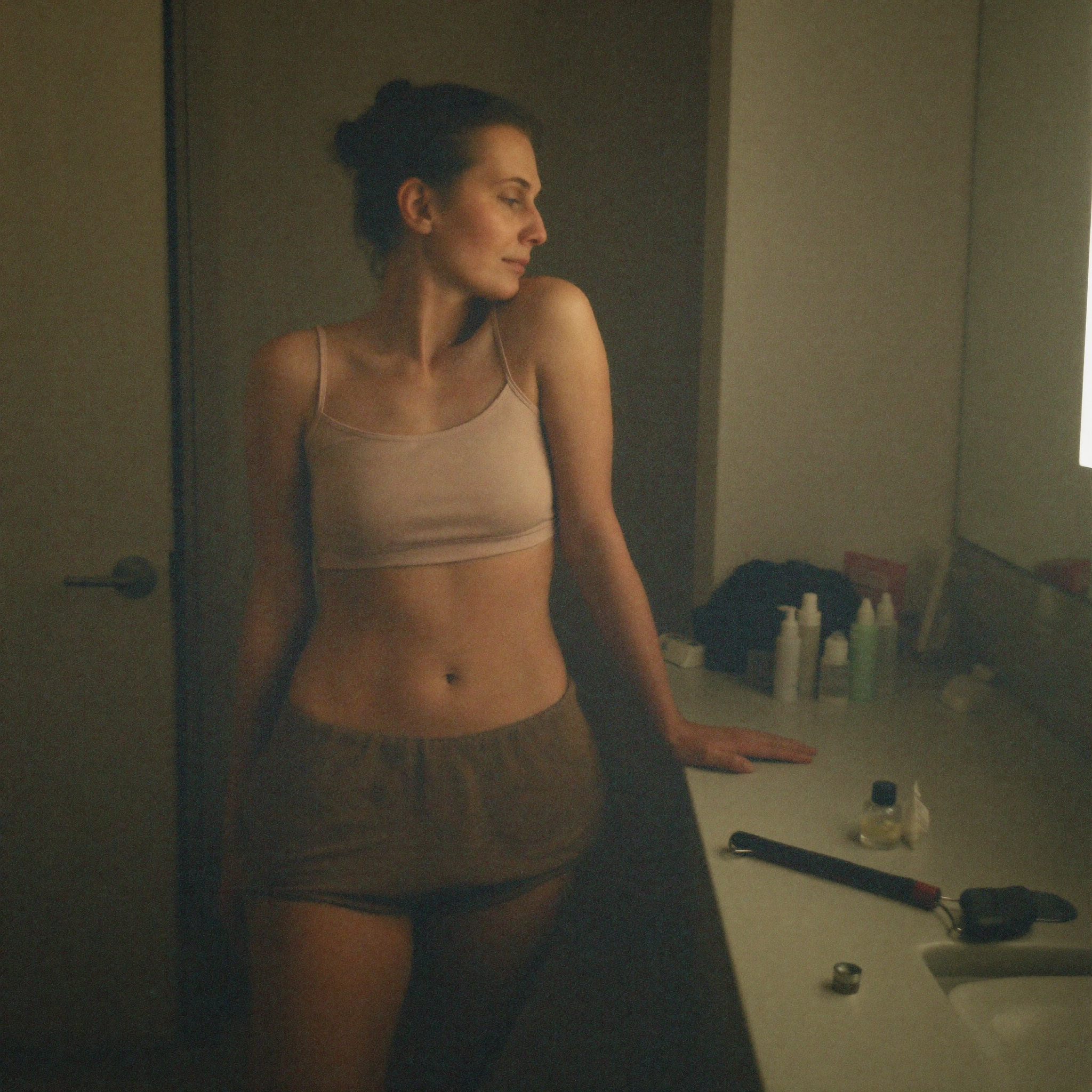

The Daily Ritual
Active· since Aug 24, 2026
- 28
- days running
- 0
- relaunches
Ad copy
Stop turning your night routine into homework if the whole point is to unwind. I know that sounds obvious, but most facial tools quietly make you do all the work yourself. That took me embarrassingly long to realize. For years, I kept building evening routines that looked peaceful on my phone and felt completely different in real life. At lunchtime, I loved the idea of them. At 9:30 at night, after work, dinner, messages, dishes and the thousand tiny things that somehow appear between finishing the day and actually going to bed, I did not want another task. I wanted the feeling of a routine without having to perform one. But I kept choosing things that needed my full participation. Hold this at the right angle. Move it slowly. Repeat the same motion. Swap sides. Do another pass. Remember the setting. Watch the clock. None of those things are difficult by themselves. That is exactly why I kept blaming myself when I stopped doing them. I would think, “It only takes a few minutes. Why can’t I just stick with it?” So I would start again. For three or four nights I would be incredibly consistent. Everything would be lined up on the counter. I would put my phone away. I would tell myself I had finally found a routine I could keep. Then a normal night would happen. A meeting would run late. Dinner would take longer. Someone would call. I would sit on the couch for a minute and suddenly realize I had no interest in standing in front of a mirror completing another sequence of steps. That was usually when the routine started shrinking. One step disappeared. Then another. Then the tool I had been so excited about became something I moved out of the way while reaching for cleanser. I still liked the idea of facial massage. That was never the problem. I liked taking a few minutes where nothing was happening except something that felt pleasant. I liked the little signal it gave me that work was finished and I did not have to be useful for the rest of the night. What I hated was the strange contradiction underneath it. I was trying to relax by doing repetitive work. And once I saw it like that, I could not unsee it. A lot of traditional facial tools are passive. The tool does not create the movement. You do. Your wrist moves it. Your hand keeps the pressure consistent. You decide where it goes next. You keep repeating the motion until you decide you have done enough. That can be lovely when you want a hands-on ritual. But when your real goal is to mentally clock out, it can also be the exact point where the routine falls apart. That was the mechanism gap I had been missing. I did not need another prettier tool. I needed the repetitive part of the ritual to stop depending entirely on me. A few nights after that clicked, I was scrolling through evening routine videos while sitting on the couch. One woman stopped me because she was not showing some perfect spa setup. She was in normal lounge clothes, talking about how she loved self-care but hated feeling like she had to earn relaxation by completing a routine properly. I remember thinking, “Okay, somebody finally said it.” Then she showed what she had changed. She was using a small handheld device with two rounded rollers moving along the lower part of her face. She was not doing the usual repeated back-and-forth motion herself. Her hand was mostly guiding where the device went. The movement was already happening. She said that was the reason she had kept using it. Not because she suddenly became more disciplined. Not because she added more steps. Because the part she used to get tired of doing manually was no longer completely dependent on her. That was the bit that made me click. I had seen electric beauty devices before. I had seen facial rollers before. What I had not really thought about was the difference between holding a tool that waits for you to create every motion and holding one where the motion is already being created for you. That sounds like a tiny distinction. For me, it changed the entire logic of the routine. When I tried the device for the first time, the first thing I noticed was not some dramatic result. It was the absence of that familiar little thought in my head. “How much longer am I supposed to do this?” I was not counting strokes. I was not repeating the same movement with my wrist. I was not trying to decide whether I was using it correctly enough. The two rollers were already moving, so I could just guide them slowly along the areas where I wanted the massage. The shape made more sense too. Instead of one flat surface that I had to keep repositioning, the two rollers sat around the contour as I moved them. That gave the whole thing a more tactile, wrapping massage feel without asking me to create that sensation manually. Then I started experimenting with the adjustable settings. There was an optional electrical stimulation mode and a warming function I could add depending on what kind of ritual I wanted that night. I did not treat those like separate treatments. They were just different sensations inside the same five minutes. That mattered because the whole point was simplicity. I did not want three devices lined up. I did not want a routine where every step required a different tool. I wanted one small part of the evening where I could stop doing so much. The surprising thing was how quickly I stopped thinking of it as a beauty device. It became more like an off-switch. Not literally, obviously. My inbox still existed. Tomorrow still existed. The dishes definitely still existed. But once I picked it up, that was my signal that I was no longer trying to finish the day. The day was finished. Sometimes I used it after skincare. Sometimes I sat on the couch with it. Sometimes I used it for a few minutes and then added another ritual step I enjoy if I felt like it. There was no rule that the night had to look the same every time. That freedom was part of why it finally felt sustainable. I had spent so long trying to create the perfect routine that I had forgotten the routine was supposed to serve me. Not the other way around. Now I have a much simpler test for anything I add to my evenings. Does it make the last part of the day feel easier, or does it quietly give me another job? That question has saved me from a lot of unnecessary “self-care.” And it is why this particular thing stayed. The rollers do the repetitive movement. I guide them. I can choose the sensation I want. Five minutes is enough. Then I am done. No performance. No perfect bathroom. No promise that I will suddenly become the kind of person who follows a twenty-minute routine every night forever. Just something simple enough for the version of me who actually exists at 10pm. I am not putting the name in this post because the name is not really the useful part of the story. The useful part is realizing that if a relaxation ritual keeps failing, the answer might not be more discipline. It might be removing the part that keeps making it feel like work. I will leave the link on this post for anyone who wants to see the dual-roller device I found and decide for themselves whether it fits their routine. Comment EASY below if the best self-care in your world is the kind that does not ask you to work for it.
When Self-Care Starts Feeling Like Work
Turn a few minutes of your day into a relaxing at-home ritual. MIFREY combines multi-point rolling massage, vibration, EMS microcurrent and RF warmth in one easy-to-use handheld device designed for comfortable use around the jaw and neck. Whether you're winding down after work, starting your morning...
SHOP NOWLike this ad? Make it yours.
Crush rebuilds this exact creative around your product — your brand, your colors, your offer — in about a minute.