
Emma B. Horsemanship Teacher
Active· since Oct 22, 2025
- 334
- days running
- 0
- relaunches
Ad copy
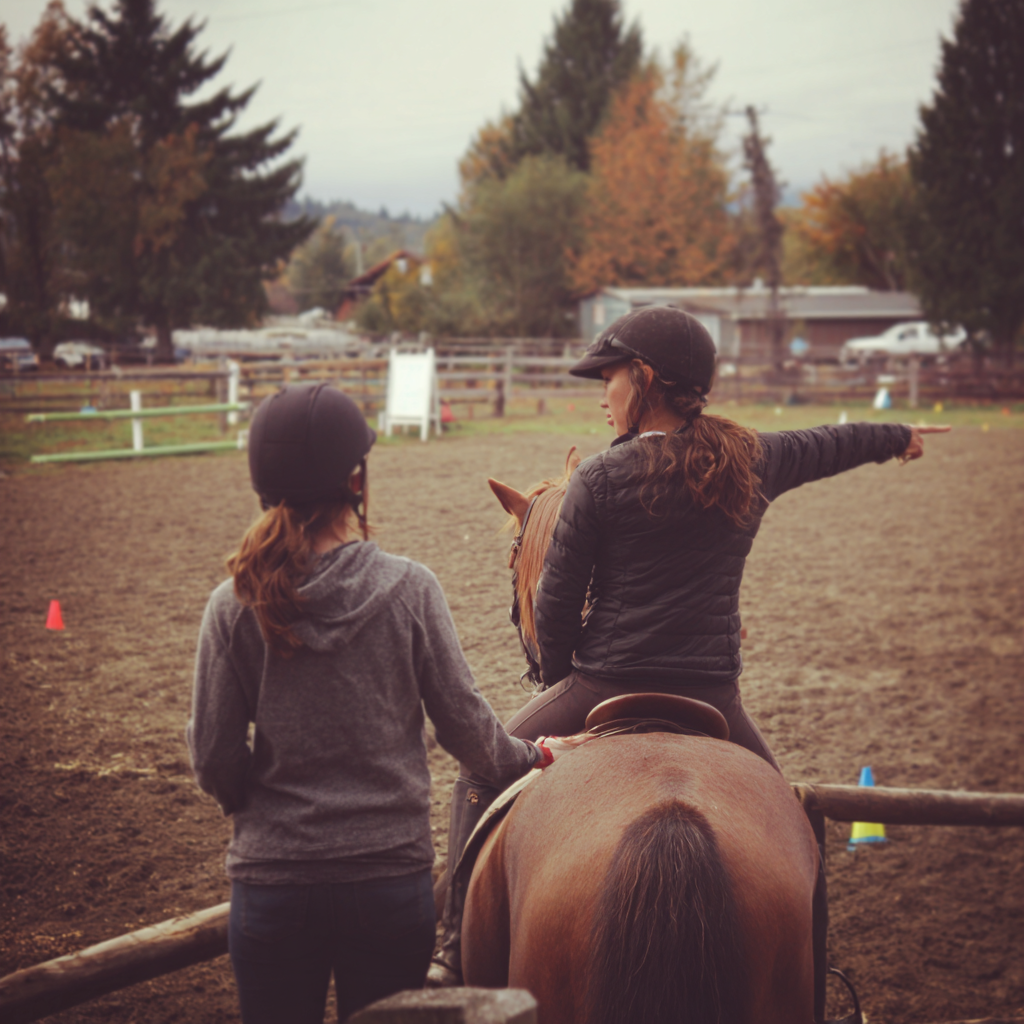
Nine-year-old Aiden was cantering bareback while I helped six-year-old Mia figure out which side was left. Twenty-two kids. One instructor. Five skill levels. Day one of summer horse camp. I'd run camps for eleven years, but this was the first time I'd had to do it alone. My assistant instructor had quit three days before camp started. The barn owner assured me it would be "fine." It wasn't fine. By 10 AM, I had kids crying from frustration, kids bored out of their minds, and one kid (Aiden) who'd decided to create his own advanced program while I wasn't looking. The temperature was 94 degrees. Parents would arrive at 3 PM expecting happy, horse-educated children. I wanted to quit right there in the dusty arena. The worst part wasn't the chaos. It was watching kids who loved horses start to hate them. The beginners felt stupid watching advanced kids canter. The advanced kids felt punished being held back. Everyone was miserable. That night, I created five different lesson plans. One for each level. I'd run rotating stations, I decided. Group A would do groundwork while Group B rode and Group C did worksheets. It lasted exactly seven minutes. While I was helping the beginners mount, the intermediate kids started arguing about who got which horse. The advanced kids decided worksheets were "boring" and wandered off to the barn. One child was allergic to hay and couldn't do the groundwork station. By Wednesday, three parents had complained. By Thursday, two kids refused to come back. Thursday night, I sat at my computer until 3:23 AM, searching "how to teach multiple skill levels simultaneously." Every result was about school classrooms. Nothing about teaching physical skills. Nothing about horses. Nothing about keeping everyone safe while managing chaos. I found myself reading an article about emergency room triage at 4 AM — how nurses manage multiple critical patients without losing anyone. The key line stopped me cold: "Patients must be able to self-monitor between interventions." Self-monitor. Between interventions. I thought about video games my nephew played. He didn't need someone standing over him explaining every quest. The game gave him objectives, showed him progress, let him work at his own pace. The teacher (the game) only intervened when needed. But you can't gamify horseback riding. Or could you? Friday morning, in complete desperation, I created something insane: skill cards. Like baseball cards, but for riding skills. Each card had a specific skill, three ways to practice it (mounted, unmounted, and visualization), and a checkbox system. Every kid got a ring of cards appropriate to their level. They could work through them at their own pace. When they completed a card's requirements, they'd find me for verification and get their next card. I explained the system in two minutes. "Work through your cards. Check off what you complete. Find me when you need sign-off." Then I held my breath. Within ten minutes, something magical happened. The advanced kids were helping beginners with their cards (because teaching others was on their advanced cards). The intermediate kids were practicing together, comparing progress. The beginners were proudly checking boxes, feeling accomplished instead of left behind. I was free to actually supervise, to intervene where needed, to ensure safety. Aiden, my bareback cantering rebel, became the most dedicated card-completer. He had a "teaching assistant" card that gave him points for helping younger kids. Suddenly he was invested in their success too. Mia, who couldn't tell left from right, had a card just for that skill with six different practice methods. She worked through them methodically, checking boxes, building confidence. By lunch, kids were trading stories about which cards they'd completed. They were making plans for which cards to tackle next. They were teaching each other. By Friday afternoon pickup, parents were amazed. "What happened? Jason won't stop talking about his skill cards. He's been practicing dismounting on our couch." The next summer, I had forty kids enrolled. I hired two assistant instructors but barely needed them. The cards ran the camp. Kids worked independently, helped each other, pushed themselves — all while I maintained safety and quality. But here's what haunts me: How many summers did I traumatize kids by trying to teach them all the same thing at the same time? How many children decided they "weren't horse people" because they couldn't keep up or were held back? The problem was never the mixed levels. It was trying to be the single source of all instruction instead of creating a system that let kids learn at their own pace with my guidance. At 2 AM that Thursday night, reading about emergency rooms, I discovered something the traditional riding world doesn't talk about: Teaching doesn't mean constant direct instruction. Sometimes it means creating a framework where students can drive their own progress while you ensure quality and safety. Your camp kids don't need you hovering over them every second. They need a clear path they can follow independently, with you as the guide — not the gatekeeper. Those skill cards saved my camp program. But more importantly, they saved twenty-two kids from having their love of horses destroyed by well-meaning but overwhelming group instruction. Kids can handle working at different levels. They can't handle not knowing what level they're at or where they're going. Give them the map. Give them the checkboxes. Give them ownership of their progress. Then step back and actually teach instead of just managing chaos. Every summer camp instructor is one week away from burnout trying to be everything to everyone. You don't need to be superhuman. You need a system that works when you're not standing right there. The cards are just one solution. But the principle saved my sanity: Students can direct their own learning if you give them the framework. Make the framework. Save your summer. Save your students' love of horses. Your camp shouldn't feel like herding cats. It should feel like guiding explorers who have their own maps.
The Secret Every Successful Riding Instructor Knows (But No One Talks About)
The Equestrian Academy
LEARN MORELike this ad? Make it yours.
Crush rebuilds this exact creative around your product — your brand, your colors, your offer — in about a minute.