Janine Porter
Janine Porter Facebook ad: “Six years treating my feet. The answer was on page 2 of a…”
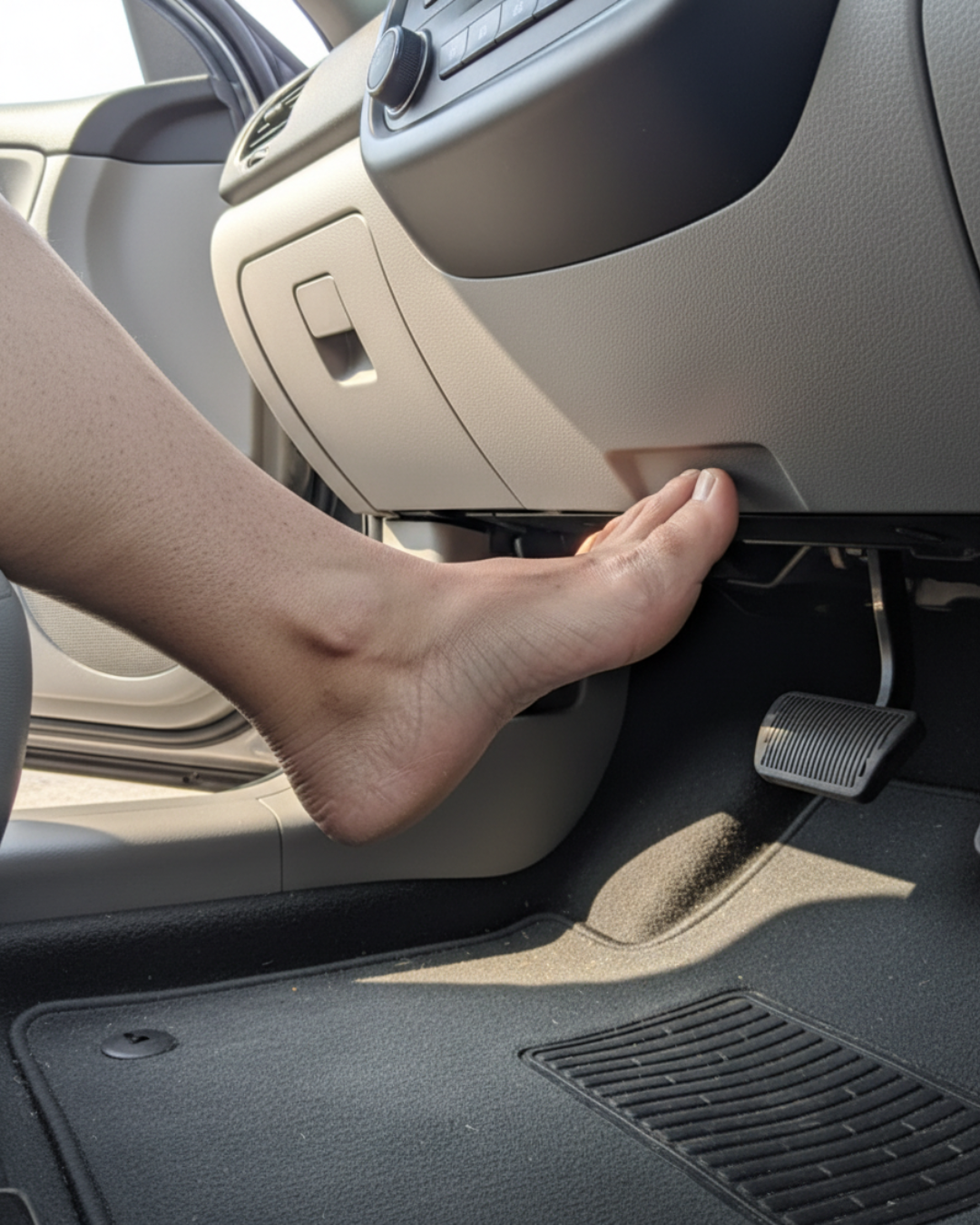
Ran for 5 days, from August 27 to September 1, 2026, the last day Crush saw it.
Run by Janine Porter on Facebook. Crush is not the advertiser and does not verify its claims. See this ad in Meta's Ad Library(opens in a new tab)
Want an ad like this for your product?
Crush makes new ad images for your product from this ad: your logo, your product photo, your offer.
Trials from $19.95 USD, then $79.95 USD a month. Cancel anytime.
About this ad
- Meta Ad Library ID
- 1845131463133294
- Platforms
- Facebook, Instagram, Audience Network, Messenger and Threads
- Relaunches
- 1
Ad text
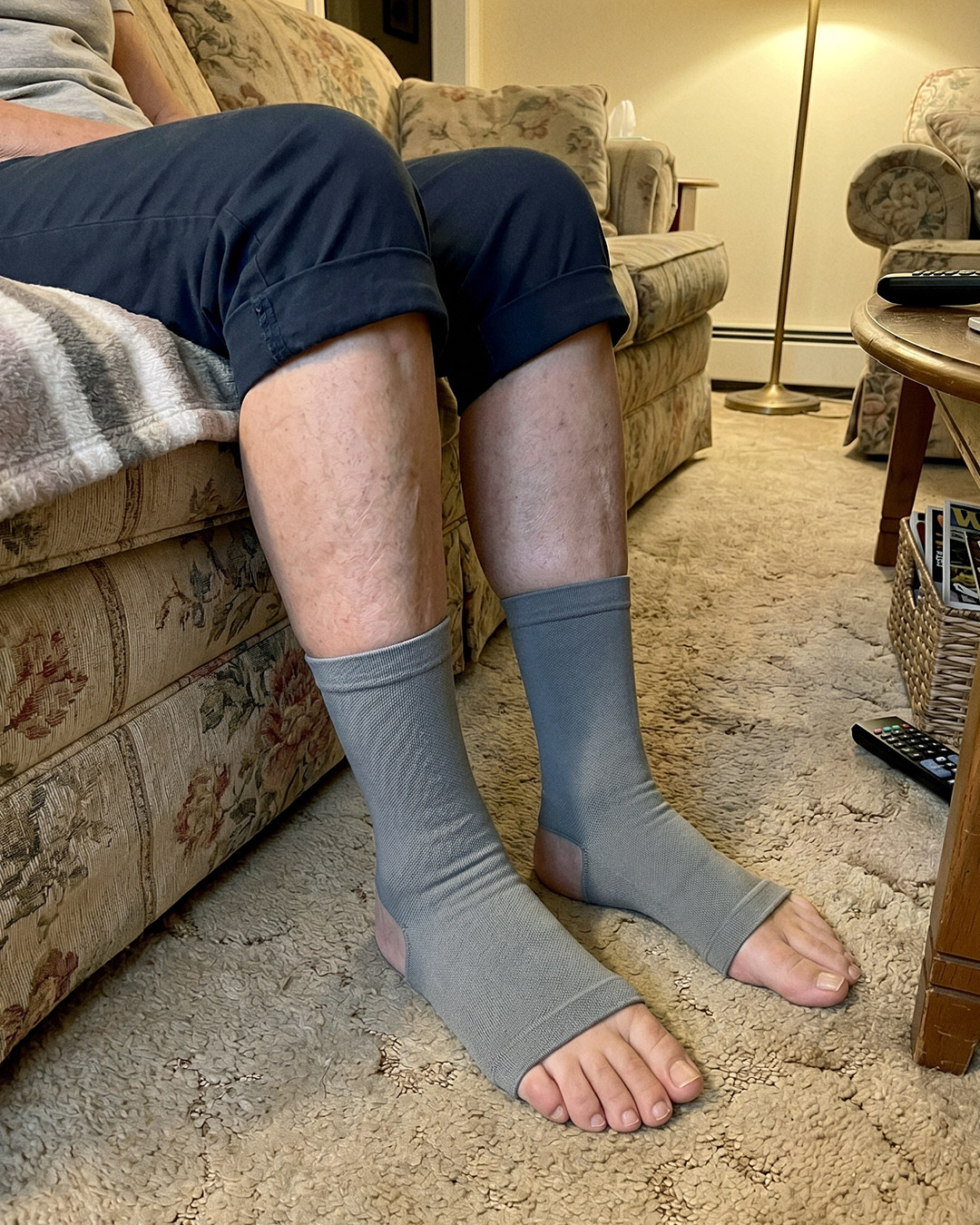
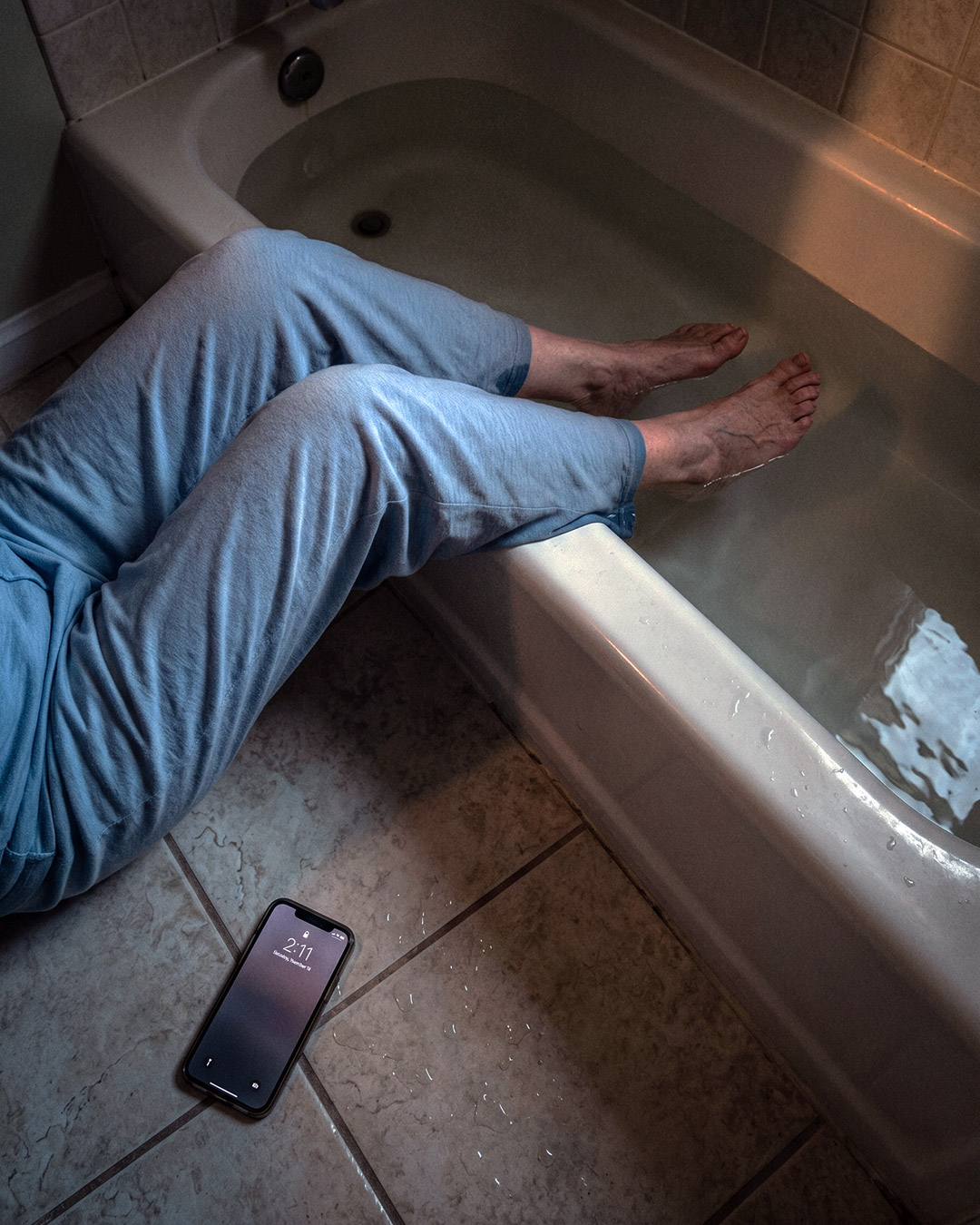
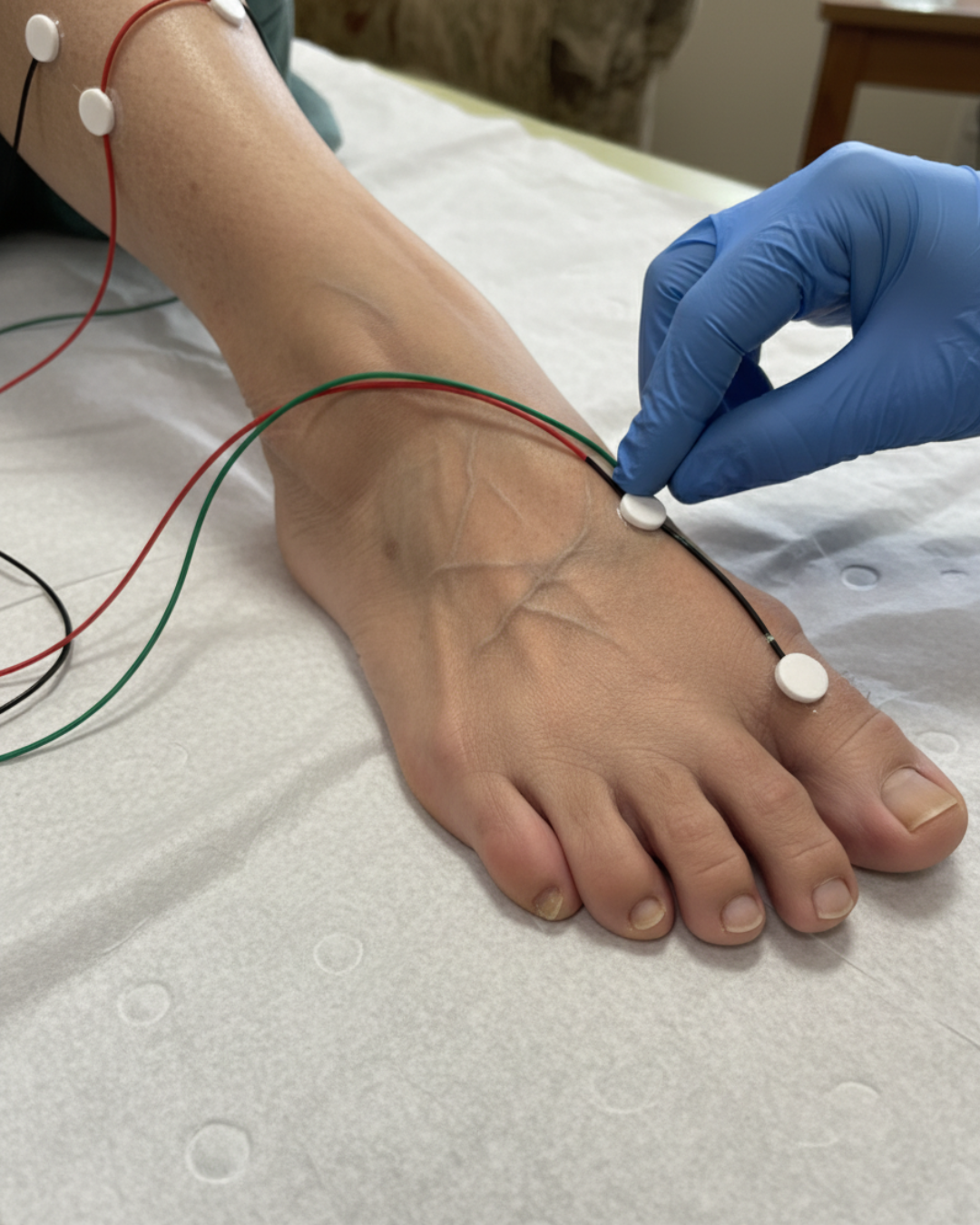
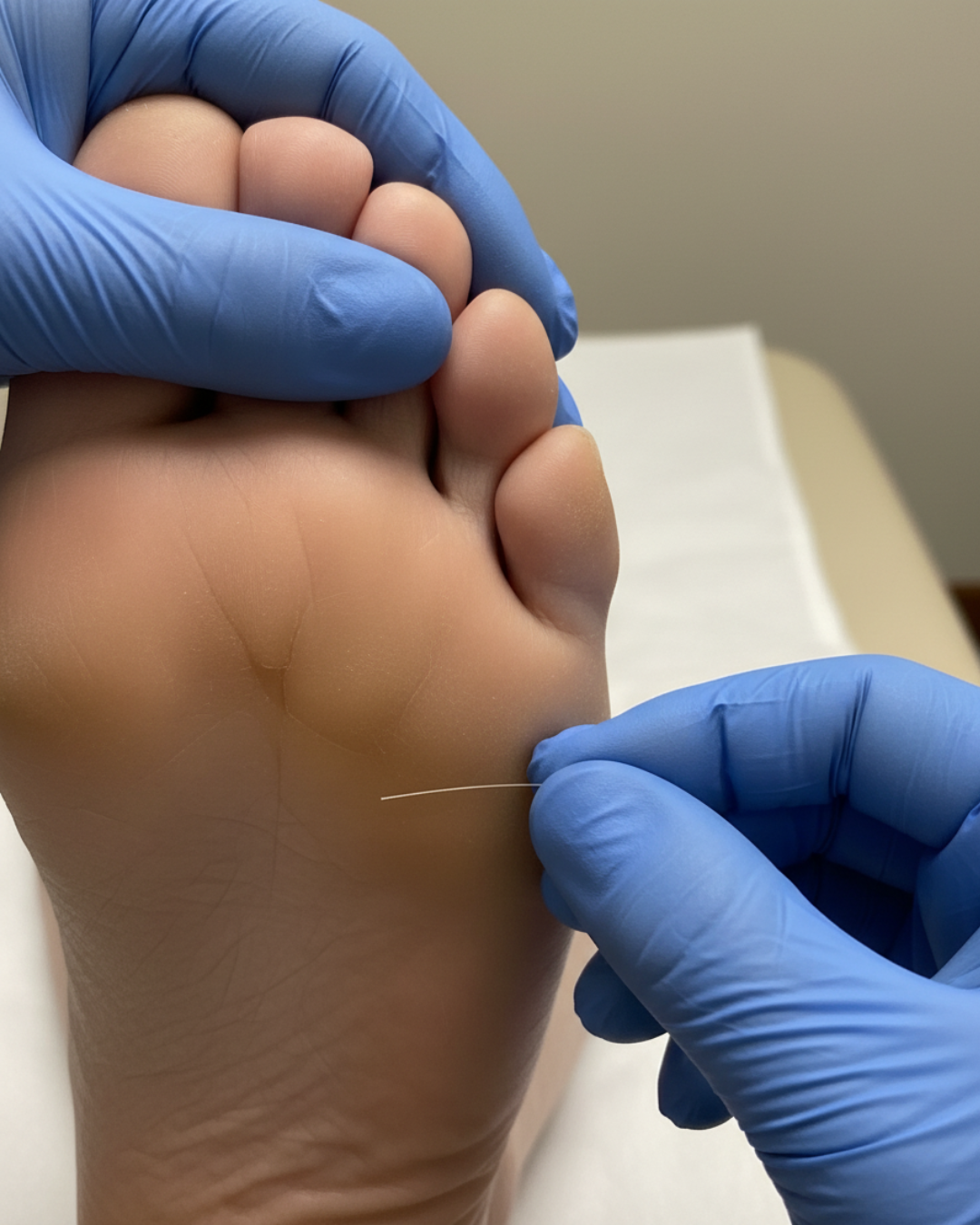
Every test comes back clean. Your doctors keep shrugging. And your feet are still burning. You are not imagining it, and you are not out of options. You have been tested in the wrong place. I had a drawer full of things that didn't work. Compression socks, 12 pairs of them. A foot massager I ordered from an infomercial at 2 in the morning. Prescription gabapentin that made me dizzy by noon. Vitamin B12 shots. Orthotic insoles from a podiatrist who charged $200 for the consultation alone, then another $400 for the insoles. A neurologist visit at $350 that ended with a referral to a specialist who had a 3-month wait. Every one of those things was aimed at my feet. And every one of them failed for the same reason. The burning started about 6 years ago. First it was just a tingle in my toes at night. I thought it was my circulation. Wore thicker socks. Then the tingling spread up toward my ankles. Then the burning started, this deep, dry heat that sat right under the skin and wouldn't quit. My primary doctor said it was likely peripheral neuropathy. Possibly diabetic in origin, though my blood sugar was borderline, not full-blown. He sent me to a podiatrist. The podiatrist said my circulation looked okay. Recommended the orthotics. The orthotics didn't help. Back to the doctor. Referral to a neurologist. The neurologist ran a nerve conduction study. Said the signals were "mildly abnormal" in the lower extremities. Started me on gabapentin. The gabapentin took the edge off the burning for about 3 weeks. Then it stopped working as well, and my doctor bumped the dose. Higher dose meant more brain fog. I started forgetting things mid-sentence. I'd stand in the kitchen doorway and not remember why I'd walked in there. I told my doctor. He said the cognitive side effects sometimes improve with time. They didn't. All of this was happening while my granddaughter Maya was growing up. Maya was 7 when I first started limping. By 8, she noticed. Kids notice everything. "Grandma, why do you walk funny?" I didn't have an answer. I said my feet were tired. Maya accepted that, the way children do, not because they believe it, but because they trust you enough to let it go. I thought about that question a lot on the drive home. The first real rock-bottom came on a Tuesday in October. I was driving Maya home from school, a route I'd driven maybe a hundred times. Suburban streets, a few stop signs, nothing complicated. But at one particular intersection, I pressed the brake and felt... not quite nothing, but not quite enough. My foot on the pedal didn't feel the way it used to. There was a numbness between the sole of my shoe and the sensation of stopping. The car slowed. The light held red. I was fine. But for a split second, I wasn't sure. I pulled into Maya's driveway, said goodbye like normal, waited until Maya was inside. Then sat in the car and shook for about 10 minutes. I didn't drive Maya again for 3 weeks. I told my daughter I was "busy." I wasn't busy. I went back to every specialist I'd seen and told them what had happened. The neurologist ordered more tests. The podiatrist suggested trying a different insert. One doctor mentioned that some neuropathy patients never fully recover sensation. That phrase lodged in my chest like a splinter. I went home that night and sat in the kitchen with a notepad and started writing down everything I'd spent: $200 on the first podiatrist visit. $400 for the orthotics. $350 for the neurologist. $150 for the B12 shot series. $80 a month on gabapentin, 18 months of it, so about $1,440. And the compression socks, 12 pairs at $30 each because I kept buying new brands hoping the next one would work, another $360. The foot massagers, 3 of them, ranging from $60 to $200, call it $350. I added it up. Over $3,000. And my feet still burned. The second rock-bottom came a few weeks later. Maya was at my house for the weekend. We were supposed to walk to the mailbox together and then to the little park at the end of the street, the one with the bench and the big oak tree. Maya liked to collect acorns. It was maybe 6 blocks total. I made it to the mailbox. My legs were heavy. Not painful exactly, just... absent. Like the lower half of my body was sending signals through a bad connection. I sat down on the curb. Maya stood in front of me, looking confused and a little scared. She said, "Grandma, are you okay?" I said yes, I just needed a minute. But the truth was I didn't know how to explain that my feet weren't listening. That the instructions my brain sent down were arriving late and wrong. That I was 67 years old and afraid to walk 6 blocks with my granddaughter. We didn't make it to the park that day. That night, after Maya was asleep, I started reading. Not the same podiatry forums I'd been through. Something different. I'd found a thread on a back pain support group, of all places, and someone was describing neuropathy symptoms that sounded exactly like mine, the burning, the numbness, the patchy sensation, the way it was worst at night. And this person wasn't diabetic. Her blood sugar was normal. But her MRI had shown compression at L4-L5. L4-L5. Lower lumbar. That's where the nerves that supply the feet originate. She wrote that her neurologist had focused on her feet for 2 years. Then a spine specialist looked at her MRI and said the nerve root was being pinched right there at that disc. The feet weren't the problem. The feet were just where the problem showed up. I read that 3 times. I pulled out the MRI report I'd had from the previous year, the one my primary doctor had ordered for "mild lower back stiffness." I'd barely looked at it at the time because no one had seemed concerned. I found the words I was looking for on page 2. "Moderate disc narrowing at L4-L5 with evidence of nerve root compression." I put the paper down on the table. Six years of treatment. And the thing causing all of it had been sitting in a report in my filing cabinet the whole time. Squeeze a nerve root and the pain does not stay put. It travels down the nerve to wherever that nerve ends. For the ones at L4-L5, that is the lower legs and feet. So the burning shows up in the feet. And that's where everyone starts looking, because that's where it hurts. Compression symptoms are indistinguishable from damage symptoms. The burning is the same. The numbness is the same. The tingling is the same. But compression is reversible. Damage may not be. And the treatment is completely different. The socks, the orthotics, the massagers, the B12, even the gabapentin. Every one of them was built for nerve damage or poor circulation in the feet. Not one of them touched the disc that was pressing on the nerve root in my spine. That's not a criticism of my doctors. Every one of them was competent inside their own 12 minutes. It's the system around them that's broken, and I worked out exactly how broken when I sat down and added up what 6 years had actually cost me. Six years. Over $3,000. A granddaughter who had learned not to ask. And the thing that explained all of it was one sentence on page 2 of a report that had been sitting in my own filing cabinet the entire time. Nobody had read it to me, because reading it to me was not anybody's job. I am still angry about that. I expect to stay angry about it for a while. My first instinct was the cheap fix. I ordered a $40 back stretcher off Amazon, the arched plastic kind you lie back over. It felt good for about 90 seconds. But it's a fixed arch. It doesn't pull, and there's nothing holding the space open once you get up off it. I tried the hanging inversion setup at my nephew's house too. Same story. Upside down, the pressure eased. Right side up, it came straight back. Passive stretching isn't traction. And neither one of them brought any heat, or touched the muscle that was doing the holding. I took the MRI report to a spine specialist. Six years in, it was the first appointment I had ever made for my back instead of my feet. He put the images up on the screen and turned them so I could see. He said the disc at L4-L5 had lost height, and the channel the nerve root travels through had narrowed along with it. He said the nerve wasn't damaged. It was being squeezed. And a squeezed nerve sends the same signal a damaged one does, which is why everyone downstream had been treating it like damage. I asked him how often this happens. He said more often than anyone would like, and pointed me to a 2019 Johns Hopkins paper that put it close to 4 in every 10 neuropathy diagnoses. Six years. Four specialists. And nobody had checked. I asked him what fixes it. He said 3 things, and they have to happen together. Decompress the spine, so the nerve gets space. Bring heat in deep while that space is open. 122 degrees of infrared. Far enough to reach the disc and soften the muscle that's been gripping it for years. Then reset that muscle, so it does not haul everything shut the second you stand up. Do one of them and you get nothing. Do two and you still get nothing. A disc only draws fluid back in while it is actually being held open, so if you miss that window the other two are decoration. That is also why the $40 stretcher and the inversion bar did nothing. Both of them opened the space cold and let the muscle close it again on the walk back to the kitchen. All 3, at the same time. That is when it works. I had done 0 of the 3. Then I asked him the question I'd been circling for 6 years. I asked what happens if I don't. He was careful with it. He said compression is reversible, and that's the good news, that's the whole reason this is worth doing. But a nerve root that stays compressed long enough eventually stops coming back the way it should. There's a window. He didn't tell me how long mine was, because he didn't know. I sat with that in the parking lot. I thought about the brake pedal, and the split second I hadn't been sure. I thought about what it would mean to put the car keys on the kitchen table and tell my daughter I couldn't do the school run anymore. Not for 3 weeks this time. For good. I asked about the clinic tables. A 26 to 30-session course ran $6,900 to $9,600, and Medicare didn't cover it. The clinics near me weren't close, the schedule was 3 times a week for 10 weeks, and I did the math on the gas alone. I went home and kept reading. That's when I found an article about doing all 3 of them at home. It's called spinal decompression therapy. The traction creates space in the lumbar discs. The 122-degree heat goes deep while that space is open. The vibration massage nodes release the muscles holding the compression in place. All 3 in one unit. You lie down on it. And SmoothSpine brings it home for a fraction of the cost. I read every review I could find. I ordered it. Day 4: I was washing up at about 8 in the evening when I noticed the burning had gone quiet, and I stood there with my hands still in the water trying to work out how long it had been quiet for. I couldn't say. An hour, maybe. It came back before bed. But it had gone somewhere, and in 6 years it had never once gone anywhere. I didn't trust it. I kept going. Day 8: I woke at 6 and lay in the dark waiting for it. That was the routine. You wake up, and a second later the feet arrive, and that's the day starting. I lay there a full minute and nothing arrived. No burning. Just my feet, quiet, against the sheets. I stayed absolutely still, the way you do when a bird lands near you and you don't want to be the reason it leaves. Day 14: I got to the mailbox and kept going. Past the hedge on the corner. Past the house with the flag. I made 3 blocks and stopped, not because my legs quit, but because I'd promised myself I'd be careful, and being careful was a decision now instead of a limit. I stood on that corner a good while longer than I needed to. Week 3: I called my daughter and said I had something I wanted to tell her. And then I called Maya's mom and asked if I could pick Maya up from school that Friday. I drove the route. I felt the brake pedal clearly under my foot, the full, solid pressure of it. I parked in the school lot and waited. Maya came running out with her backpack bouncing and climbed in the back seat and said "Hi, Grandma," like it was completely normal. It was. I pulled out of the lot carefully, both hands on the wheel, and thought about the drawer full of things that hadn't worked. About the compression socks and the foot massagers and the gabapentin and the doctors who'd all looked at my feet. None of them were wrong, exactly. They just weren't looking at the right place. I have 3 options, just like you do. Option 1: Keep treating the feet. New specialist, new prescription, new $150 device, more compression socks. Maybe the next thing works. Probably it doesn't, for the same reason everything else didn't. Option 2: Pursue clinic-based spinal decompression. That's $6,900 to $9,600 for a full course of 26 to 30 sessions, 3 times a week, not covered by Medicare. Many people report the relief starts the moment the session ends and evaporates an hour later, because the spine re-compresses as soon as you stand up. You'd need it every day to maintain the space. The clinic can't give you that. Option 3: Spinal decompression therapy at home. All 3 therapies, in sequence, daily. Decompress the disc, rehydrate the tissue, reset the muscles. Address the nerve root compression where it actually lives. And SmoothSpine brings it home for a fraction of the cost. The 90-day money-back guarantee means you're not betting your savings on it. You're giving it 90 days. If you're still counting how many blocks you can manage, and still bracing for the brake pedal, send it back and they refund you. No fight, no runaround. I didn't need 90 days. But I'm glad I had them. If you've been treating the feet for years and nothing has worked, it might be worth asking whether anyone has looked at your lower back. Not to point fingers. Just to consider whether you've been treating the symptom while the source goes untouched. That's what happened to me. And to a lot of people who've been told the same thing I was: that the nerve signals are mildly abnormal, that some neuropathy patients never fully recover, that this is just something you manage. Every single thing on that list was built to manage it. Not one of them was built to restore anything. That's the whole difference, and it took me 6 years to hear it said out loud. I picked Maya up from school again last Friday. She has stopped asking why I walk funny. Compressed nerves aren't damaged nerves. And compression can be reversed. Read what's happening at: https://try.smoothspine.com/tfbm-coc-adv-nrpthy
Where the ad sends people
try.smoothspine.com
Six years treating my feet. The answer was on page 2 of a report I already had.
And if you're reading this with burning feet, popping Gabapentin like candy, or sleeping with your legs hanging off the bed because it's the only position that helps...
Learn more: try.smoothspine.com(opens in a new tab)