Willie Jefferson
 Facebook ad: “Nurse threatened neglect over duct tape”
Ran for 8 days, from November 5 to November 12, 2026, the last day Crush saw it.
Run by Willie Jefferson on Facebook. Crush is not the advertiser and does not verify its claims. See this ad in Meta's Ad Library(opens in a new tab)
Make your own version of this ad
Crush makes it, launches it in your own Meta ad account, scales the winners and pauses the losers.
About this ad
- Meta Ad Library ID
- 1856907669079844
- Platforms
- Facebook, Instagram, Audience Network and Threads
- Relaunches
- 0
- Niche
- Fashion & Apparel
Ad text
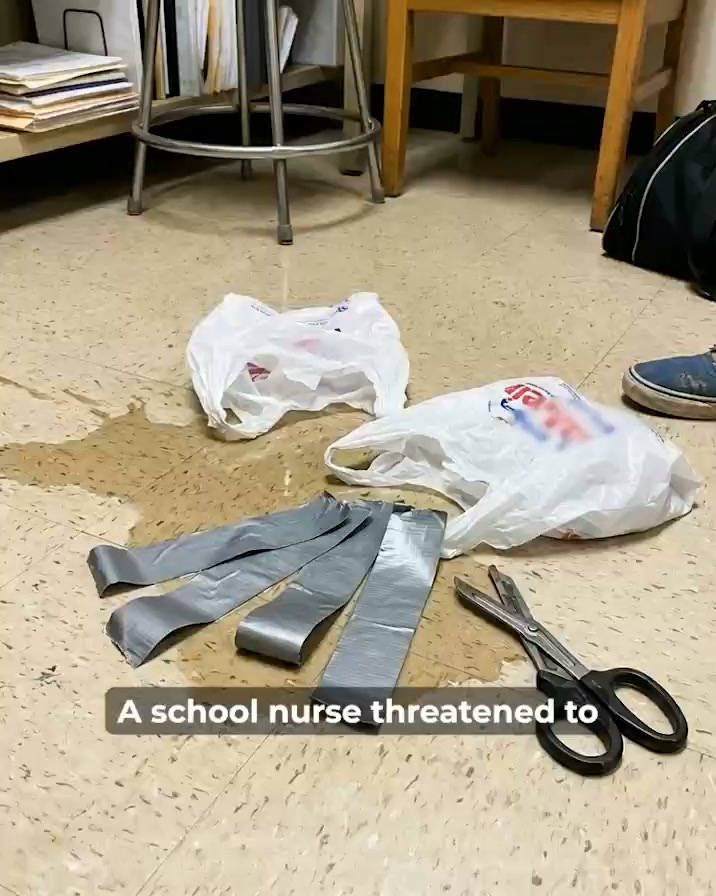
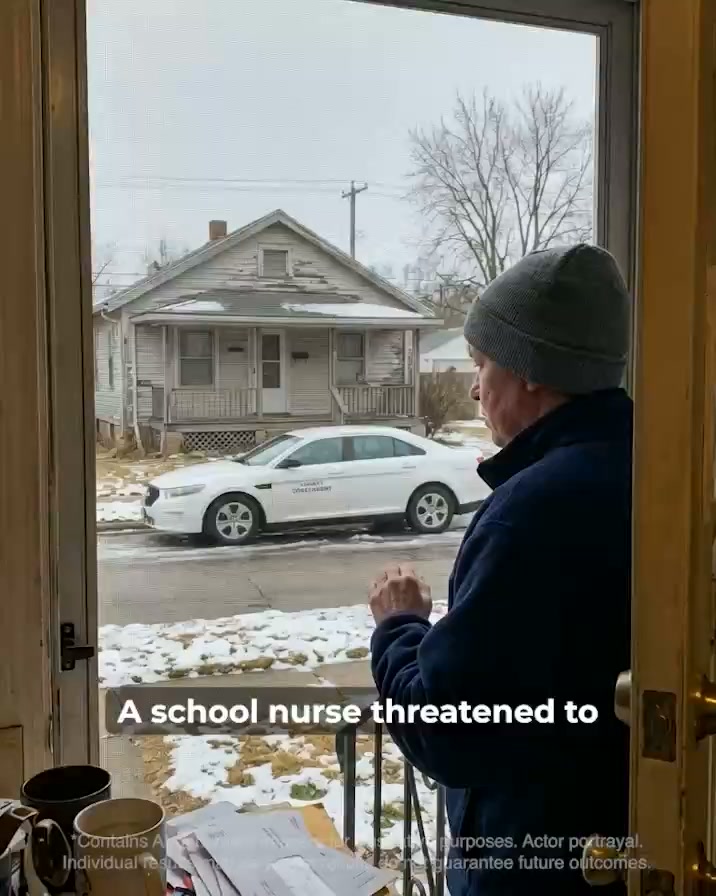
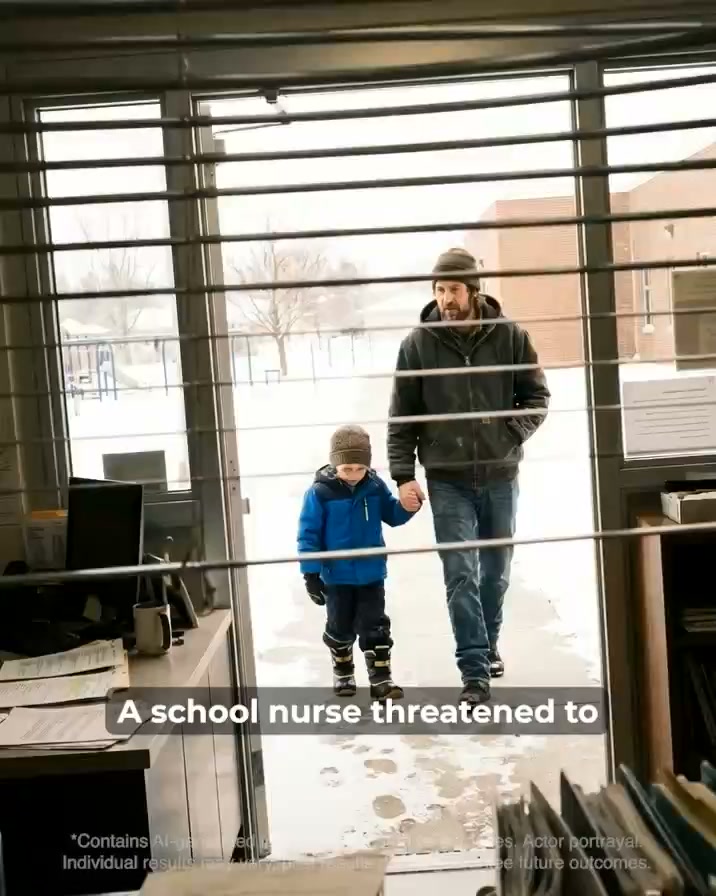
A school nurse threatened to report me for neglect when my nine-year-old arrived in twenty-degree weather with no shoes. She stood over my crying boy in the principal's office, holding heavy industrial trauma shears in her rubber-gloved hand. She sliced through four thick layers of gray duct tape and torn plastic grocery bags wrapped around his calves. The frozen plastic fell onto the linoleum floor with a wet slapping sound. My nine-year-old son Lucas was sitting on a cold vinyl examination table, shivering in his thin denim jeans, his bare toes mottled purple and white from the freezing slush. He was crying so hard his small shoulders shook. The school nurse was a fifty-four-year-old woman named Mrs. Hendershot. She wore starched white medical scrubs, kept her reading glasses on a silver chain around her neck, and looked at me with cold, unforgiving hatred. "This is severe child neglect, Mr. Miller," Mrs. Hendershot announced in a loud, sharp voice that carried out into the school administrative hallway. "Your child walked two miles through freezing slush with plastic shopping bags taped to his ankles. His feet are on the verge of frostbite. I have the county child welfare intake forms sitting right here on my desk. If you do not have proper winter boots on this child within twenty-four hours, I will have child protective workers remove him from your custody before lunch tomorrow." I stood there in my worn flannel work jacket, holding my knit cap in both hands, my throat tightening until I could barely breathe. I reached into the pocket of my work trousers and pulled out every single piece of money I had in the world. Two crumpled one-dollar bills. And one dime. Two dollars and ten cents. "Please, Mrs. Hendershot," I pleaded, my voice cracking and tears burning the backs of my eyes. "Lucas's sneakers rotted completely through the soles yesterday afternoon. The rubber bottoms fell off in the yard. I do not get my custodial paycheck until Friday morning. I used the plastic bags and duct tape to keep his socks dry while he walked to the bus stop. I am doing everything I can. I will buy him boots the minute my paycheck clears on Friday." Mrs. Hendershot did not care. She pushed the intake clipboard toward the principal. "Company policy and state administrative code are absolute," she replied coldly. "A child cannot attend public school with duct tape on his feet. You take him home right now, and you find a way to provide proper clothing, or the state will step in." The school principal looked down at the floorboards, too embarrassed to look me in the eye. I took Lucas by the hand, wrapped his feet in my own dry wool scarf, lifted my nine-year-old boy into my arms, and carried him out through the double front doors into the freezing twenty-degree wind. If you are a father who has ever had to carry your crying child through a school parking lot while administrative staff watched from the windows like you were an unfit monster, you already know the brutal, sickening shame that crushes your soul. It is a humiliation so deep that your vision blurs. You walk through the snow with your baby in your arms, feeling the bitter cold seep through your own boots, wondering how a man who works sixty hours a week can be pushed so close to losing his child. My name is Darrell. I am thirty-nine years old. I live in a small, weathered wood-frame rental house outside of Johnstown, Pennsylvania. My sweet nine-year-old son Lucas has messy brown hair, curious green eyes, and a heart so gentle that he will spend an hour building a small wooden shelter for stray kittens behind our porch. His mother walked out on us five years ago when the local steel stamping plant shut down, leaving me to raise Lucas completely on my own. For four years, I worked the graveyard custodial shift at a regional commercial shopping mall out on the highway bypass. From 11:00 at night until 7:30 the next morning, six nights a week, I pushed heavy industrial floor scrubbers across miles of cold commercial tile. I emptied dozens of fifty-gallon commercial trash barrels filled with rotten fast-food waste, scrubbed public restroom stalls, and hauled heavy salt bags across exterior walkways until my lower back felt like it was breaking in two. I was paid eleven dollars and seventy cents an hour. After payroll taxes and mandatory withholdings were removed, my weekly take-home pay was three hundred and sixty-five dollars. Every single cent of that pay was devoured by immediate survival. Six hundred and twenty dollars went to the landlord on the first of every month for a house with drafty windows and a leaking kitchen ceiling. One hundred and twenty-five dollars went to the rural power cooperative to keep the baseboard heaters running through the winter frost. Forty-five dollars went to the municipal water district. Eighty dollars went to liability insurance on my fifteen-year-old pickup truck that had a cracked head gasket and an exhaust pipe wired to the frame with coat hangers. The tiny handful of paper bills that remained had to stretch across groceries, diesel fuel, and Lucas's school supplies. By late November, the cost of living had gone completely out of reach. A gallon of whole milk for Lucas was four dollars and thirty-five cents. A small box of oat cereal was four dollars and sixty cents. A package of generic ground beef was six dollars. To make sure Lucas had breakfast and lunch every single day, I stopped eating meals. I lived on store-brand white bread and hot black coffee for two months. I would drink hot water from the custodial sink during my fifteen-minute break, and I would make sure that whatever food was in our refrigerator went directly onto Lucas's plate. And then, on that freezing Wednesday morning, his only pair of shoes gave out completely. The thin rubber soles had separated from the fabric uppers after months of walking through mud and snow. When Lucas stepped onto the front porch, the bottom of his right shoe peeled completely off like a banana skin, leaving his sock touching the frozen gravel. I had two dollars and ten cents in my pocket. I had no credit. I had no family in the county. I took two heavy plastic grocery bags from under the sink, slipped them over his wool socks, and wrapped silver duct tape in tight overlapping layers from his toes up past his ankles to create a waterproof barrier so he could make the walk to school. And two hours later, the school nurse threatened to have child protective caseworkers take him away. I carried Lucas into our small house, set him down in the armchair by the electric baseboard heater, and wrapped his cold feet in warm towels. I knelt on the floor in front of him, rubbing his small legs until the color returned to his toes. Lucas looked down at me with big, sorrowful eyes, tears drying on his cheeks. "Daddy," Lucas whispered, his voice trembling. "Did I do something wrong? Why was that lady yelling at you?" Hearing your nine-year-old boy ask that question feels like someone driving a steel spike directly through your ribs. "You didn't do anything wrong, Lucas," I choked out, pulling him tight against my chest so he could not see the tears pouring down my face. "Daddy just needs to do better. Daddy will fix this." I walked into the kitchen, leaned my forehead against the cold stainless steel sink, and wept until my throat burned. I was thirty-nine years old. I was working forty-eight hours a week scrubbing strangers' filth on the night shift, and I could not even buy my nine-year-old son a pair of twenty-dollar winter boots without having the state threaten to take him away. I had never felt so broken, so worthless, and so completely abandoned by the world. At 2:30 that afternoon, a heavy knock sounded on our front door. I wiped my face with a kitchen towel, walked to the door, and pulled it open. Standing on our porch in the freezing wind was Walt. Walt was sixty-one years old. He was the head maintenance supervisor for the elementary school district, a man who had worked thirty-two years repairing school boilers and heating systems across the county. Walt was a quiet, weathered man with calloused hands, iron-gray hair, and kind, sorrowful gray eyes. Walt was holding a large cardboard box filled with fresh groceries and a pair of brand-new, heavy insulated winter boots with thick rubber soles. "Walt," I said, my voice shaking with embarrassment. "What are you doing here?" Walt stepped through the door, set the box of groceries on the kitchen table, and set the winter boots on the floor by the heater. "I was standing outside the principal's office fixing a radiator valve when Mrs. Hendershot called you in, Darrell," Walt said in a deep, steady voice. "I heard every word that woman said to you." He shook his head, his jaw tightening with cold anger. "A woman who will threaten to take a boy from his father over a pair of shoes is a disgrace," Walt said firmly. "Those boots belonged to my grandson. They were bought last month, never worn, and they are rated for forty below zero. They are for Lucas." I looked at the sturdy boots, then looked at Walt's kind face. My voice broke completely. "Walt," I whispered, tears spilling down my cheeks again. "I can't pay you for these. I don't have money to give you." Walt placed his heavy, calloused hand on my shoulder. "I didn't ask for money, Darrell," Walt said quietly. "Working men have to stand together. But more importantly, you need to understand that you don't have to live like this anymore." He sat down at the kitchen table and pulled out his smartphone. "Did you ever wonder how I paid cash for my wife's medical treatment in Pittsburgh last month?" Walt asked. "Did you wonder how I bought this reliable pickup truck and cleared every property tax notice on my farm without borrowing a single dollar?" I looked at him, puzzled. "I figured your school district retirement benefits covered it." "The school board froze our retirement escalation five years ago," Walt said flatly. "My wages barely cover our basic groceries and heating propane. Three months ago, my brother in Altoona showed me the official AI Consumer Restitution framework." "What kind of restitution framework?" I asked, wiping my eyes. "Darrell, did you know that multi-trillion-dollar technology conglomerates and Silicon Valley corporations have spent the last eight years exploiting people like us?" "I don't know anything about technology, Walt," I replied honestly. "I don't have a computer. I barely know how to use this mobile phone to check my shift schedule." "You don't need to know anything about computers," Walt explained patiently. "Every single time you walk through that shopping mall with that phone in your pocket. Every time you connect to a cellular tower, search for an auto part, text a coworker, or check the weather. Those massive technology corporations are recording your mobile activity, your search queries, and your personal consumer interactions." He tapped the screen of his phone. "They took our daily mobile data and built multi-trillion-dollar artificial intelligence networks off our backs. They became the wealthiest corporate empires in human history, while working fathers like you are being threatened with losing your children over twenty dollars for winter boots." His eyes filled with quiet, fierce conviction. "A massive federal consumer restitution ruling was legally mandated by regulatory authorities. It is called the Artificial Intelligence Consumer Restitution framework. Under that legal framework, everyday mobile phone users are entitled to claim daily compensation disbursements from the multi-billion-dollar settlement reserve that Big Tech was legally ordered to provide." "How does anyone claim it?" I asked, leaning in close. "It is a simple three-minute daily mobile routine," Walt said. "You verify your active mobile phone through the official consumer registry. Once verified, you complete a simple three-minute confirmation each morning right from your mobile device." Walt opened his verified mobile portal and held the screen in front of my face. There was an unbroken, daily record of clearing disbursements: Three hundred and eighty-eight dollars. Four hundred and twelve dollars. Three hundred and ninety-five dollars. Four hundred and thirty-two dollars. Every single morning. Clearing directly onto his mobile device. "Darrell," Walt said, looking me straight in the eyes. "I have collected between three hundred and fifty and four hundred and thirty dollars every single morning for nine straight weeks. That is how I paid for my wife's medical care. That is how I cleared my property taxes. And that is how you are going to take care of Lucas." He took my mobile phone from the counter, texted the private presentation link directly to my device, and made me look him in the eye. "Corporate technology lawyers keep trying to take it down from the internet every time this presentation starts circulating," Walt warned me. "They do not want working-class fathers discovering how simple the daily routine actually is. Watch it tonight, Darrell. Before they pull the video offline." After Walt left, Lucas tried on the winter boots. They fit his feet perfectly. He ran across the living room rug, laughing and smiling for the first time all day. After I tucked Lucas into bed under three warm blankets, I sat at the kitchen table in the quiet house with my phone plugged into the charger. I tapped the video link Walt had sent me. I watched every single minute of that presentation with my breath held in my chest. A calm, experienced consumer advocate presented documented public court records and regulatory settlement mandates. He showed the multi-billion-dollar consumer compensation reserve that had been legally established for everyday cellular phone users. He demonstrated the simple three-minute verification routine right on the screen. He showed how you verify your active mobile device using your standard cellular network connection. No technical jargon. No complicated computer software. No special training. I followed each step exactly as he demonstrated. I tapped the verification button on my phone, confirmed my mobile network connection, and completed the brief confirmation routine. The entire process took less than three minutes right on my screen. When I finished the final step, a clean green banner appeared across the display: Device Verification Confirmed. Consumer Restitution Allocation Scheduled for Next Clearing Window. I set my phone on the table, went to bed, and slept for seven uninterrupted hours for the first time in three months. At 6:15 the following morning, my phone chimed on the table. I picked up the device and pressed the screen. A notification was sitting right across the center of the display: Consumer Restitution Allocation Cleared: Four Hundred and Fifteen Dollars. I sat on the edge of the bed in the gray morning light, staring at that screen until my hands began to tremble. Four hundred and fifteen dollars. In one single morning, more money had cleared onto my phone than I earned from working forty-five grueling hours scrubbing commercial floors on the graveyard shift. I dropped to my knees on the wooden floor and thanked God out loud. The next morning, at 6:20 AM: Consumer Restitution Allocation Cleared: Three Hundred and Ninety Dollars. And on Saturday morning at 6:10 AM: Consumer Restitution Allocation Cleared: Four Hundred and Twenty-Five Dollars. In less than four days, more than one thousand six hundred dollars had cleared directly onto my mobile device. On Saturday afternoon at 1:00 PM, I took Lucas by the hand, got into my truck, and drove to the largest sporting goods and clothing store in the county. I walked down the aisles with my son. I bought Lucas four brand-new pairs of premium insulated winter boots with heavy rubber treads. I bought him two heavy winter parkas with fleece hoods, three pairs of snow pants, thermal socks, insulated gloves, and five new sets of school clothes. When the cashier rang up the total, it came to four hundred and eighty-six dollars. I reached into my coat pocket, pulled out five crisp one-hundred-dollar bills, and laid them smoothly across the counter with a calm, steady smile. On Monday morning at 8:00 AM, I did not put Lucas on the bus. I drove him to the elementary school myself. Lucas walked through the front doors wearing his brand-new insulated winter boots and his new winter parka, his head held high and a bright smile on his face. I walked directly into the school administrative office. Mrs. Hendershot was standing by the counter talking to the principal. When she saw Lucas walk in wearing brand-new top-of-the-line winter gear, her jaw dropped open in complete astonishment. I walked up to the counter, pulled out a thick envelope containing six hundred dollars in cash, and handed it directly to the school administrative secretary. "This is six hundred dollars in cash to pay for Lucas Miller's hot cafeteria lunches for the next full academic year," I said in a calm, clear voice that carried across the entire office. "And if anyone ever threatens to take my son from me again over a pair of shoes, I will have an attorney standing in this office before noon." Mrs. Hendershot turned beet red. She looked down at the floor, swallowed hard, and could not find a single word to say. I took Lucas's hand, walked him to his classroom door, gave him a high-five, and walked out of that school with my dignity completely restored. That was five months ago. Today, my family's life is completely transformed. I gave my notice at the commercial shopping mall four months ago. I never have to spend another night pushing heavy industrial floor scrubbers while my back aches. Lucas and I no longer live in that drafty rental house. We live in a beautiful, warm three-bedroom brick home on two quiet acres outside the city limits. Our new home has modern central heating that keeps every room at seventy-two degrees all winter long. Lucas has a large, sunlit bedroom with a walk-in closet stocked with winter boots, warm coats, and plenty of clothes for every season. Our refrigerator and pantry are packed with fresh groceries, whole milk, farm-raised beef, and fresh fruit at all times. Our living expenses are paid six months in advance. And three weeks ago, my cell phone chimed with an incoming call from an unknown number. I answered the call. It was Mrs. Hendershot. Her voice was nervous, hesitant, and completely stripped of her previous arrogance. "Mr. Miller," she stammered awkwardly. "I saw Lucas at school with his new winter gear, and the principal mentioned that you purchased a home out in the county. My husband was recently terminated from the regional distribution center and our heating fuel bill is past due. Someone told me that you participate in an official AI restitution program on your smartphone. Could you please explain how to access that program?" I listened to that woman's voice on the line. I remembered her cutting the duct tape off my son's freezing purple feet and threatening to have him taken into foster care while he wept on an examination table. "Read your own administrative code, Mrs. Hendershot," I said quietly, and hung up the phone. Every single morning, when the sun rises over the Pennsylvania hills, I sit in our warm kitchen with Lucas while he eats hot blueberry pancakes with real butter and maple syrup. I unlock my smartphone, complete my simple three-minute verification routine, and watch our restitution allocation clear directly onto my device. Three hundred and ninety dollars. Four hundred and fifteen dollars. Four hundred and thirty-five dollars. Every single day. Week after week. If you are a working father or mother... If you have ever had your parenting questioned, your dignity stripped, or your family threatened because you were struggling to survive... Listen to what I am telling you right now: You did not fail. You worked with your hands, you carried the burden, and you fought with everything inside you to protect your child. The system failed you. Multi-trillion-dollar technology conglomerates and Silicon Valley giants built the wealthiest corporate empires in history by harvesting mobile network connections from people like us, while leaving working fathers to tape plastic bags to their children's feet in freezing winter snow. There is a legal consumer compensation reserve established right now with your name on it. It is tied directly to your active smartphone. Walt warned me that big corporate tech firms keep trying to take it down from the internet every time this private presentation begins to circulate. They do not want everyday working families discovering how simple the daily routine actually is. They want the legal claim deadline to expire so corporate executives can keep billions of dollars of unpaid consumer compensation for themselves. If the button below this post opens on your phone right now, your window remains open. Do not scroll past this post thinking you will come back to it tonight or tomorrow. By tonight, the link may be taken down by corporate legal teams. Tap the official button right below this post. Watch the entire presentation from the very first second to the final screen. Follow the simple three-minute verification routine while the consumer pool is active. It protected my boy, it gave our family a beautiful, secure future, and it can do the exact same thing for you. Tap the button below right now before the presentation is taken down for good. - - Individual results may vary. No outcome is guaranteed.
Where the ad sends people
c.mainstreetverdict.com
Nurse threatened neglect over duct tape
Link Expires in 3 Hours
Learn more: c.mainstreetverdict.com(opens in a new tab)