
Active· since Jul 14, 2026
- 68
- days running
- 0
- relaunches
Ad copy
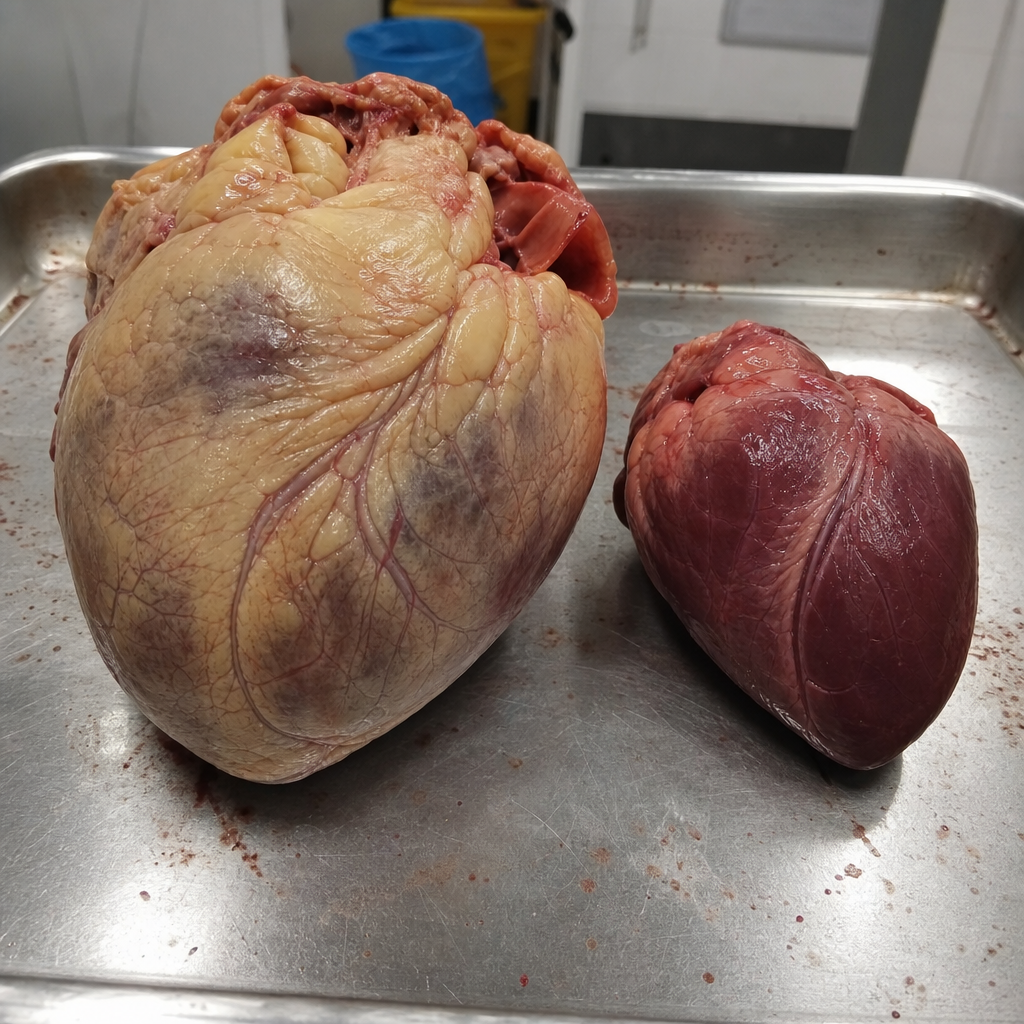
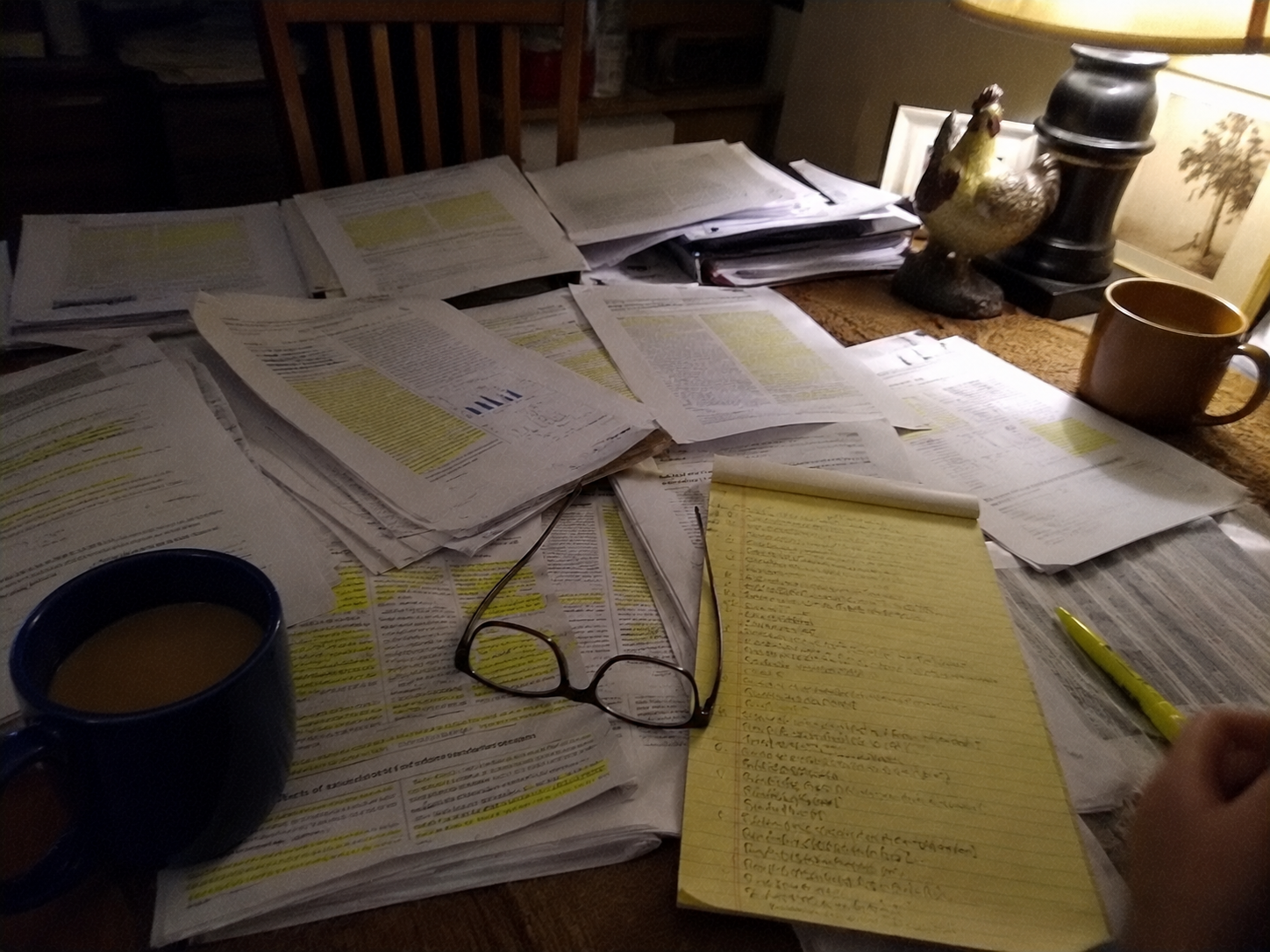
Last Thursday I signed a death certificate for a man whose A1C was 6.4. His wife was in the hallway with her coat still on. She asked me the question every wife asks eventually, and I gave her the answer I'd been trained to give: that we'd done everything we could, that the numbers had looked good, that sometimes these things happen. I've said that sentence to more than 400 wives in 22 years as an internal medicine physician. It is the sentence you say when you don't have a real answer. I've also signed off on more than 11,000 Metformin prescriptions in those 22 years. And when a man in his late 50s walks into my office on his second or third dose increase, I already know exactly where he's heading. 5 to 8 years before he ends up in the cardiac unit at 3am. Chest pain that drops him to the kitchen floor while his wife is asleep upstairs. An ambulance ride where she rides in the front seat because they won't let her in the back. A stent pushed through his coronary artery if he's lucky enough to make it to the hospital in time. A funeral she never thought she'd be planning at 62, sitting at the kitchen table with the life insurance forms and his coffee cup still on the counter. And his feet? Already tingling and burning at night in a way sleep won't touch. His grip? Already slipping when he reaches for his coffee cup. His memory? Already losing words mid-sentence. His erections? Already gone. I'm Dr. Ellis Warren. Internal medicine. 22 years. Hospital-based. Board-certified in internal medicine and endocrinology. Staff physician at teaching hospitals across Ohio and Pennsylvania. I still write Metformin prescriptions, but only when I am required to by the standard of care. When the chart says A1C over 6.5 with a family diabetic history, my job is to start Metformin. The pill you know as Glucophage. That's the rule. What I see every day? Men in their 50s and 60s being prescribed a drug that lowers a number on a chart while their feet, their hands, their memory, their hearts, and their bedrooms quietly fall apart underneath it. And their wives watching it happen from across the dinner table, being told it's just aging. And I was the one writing the scripts. I've been prescribing Metformin for 22 years. I've seen thousands of men start it. Thousands who felt some initial sense of relief because their A1C came down and thought their health was protected. And I've seen thousands of wives relax for the first time in months, because the doctor said the numbers look good now. And I've seen what happens 5, 8, 10 years later when they come back. I'll tell you about one of them, because I can't get him out of my head. Gerald. 63 years old. Retired machinist from Youngstown. Took his Metformin faithfully for six years. Never missed a dose. Did everything I told him. Cut out the sugar. Walked every morning. Took the cinnamon capsules his buddy at the VFW told him about, two of those big brown pills every morning next to the Metformin. Carol kept them all lined up in his pill organizer. His A1C came down from 8.4 to 6.7 in the first year and stayed there. Every follow-up, I told him the numbers looked good. Every follow-up, his wife Carol sat in the chair next to him with a little notebook where she tracked his labs, and every follow-up I watched her shoulders come down when I said it. Around year four, Carol started asking me different questions. Why was he so tired all the time. Why did his feet burn at night. Why had he stopped going out to his workshop. I told her what I was trained to tell her. Common complaints at his age. The benefits outweigh the risks. The numbers look good. The pharmacist had already suggested a B12 supplement for the tingling in his feet, so Gerald added that to the organizer too. Three supplements deep, and Carol still couldn't get a straight answer about why her husband was disappearing. Year six, Carol called the office because Gerald couldn't get up the stairs without stopping halfway. Two weeks before I could fit him in, he collapsed in his driveway getting the mail. Carol did CPR on the concrete until the ambulance came. She learned it 30 years ago as a lifeguard and never thought she'd use it on her husband. He made it to the hospital. Triple bypass. He survived. But when I saw Carol in the cardiac waiting room, she had the notebook in her lap. Six years of A1C numbers, every one of them in the range I'd told her was safe. She looked at me and asked the question I still hear: "If his numbers were good, why did his heart stop?" I didn't have an answer. He hadn't been able to be a husband to her in over two years and had never mentioned it to me. Carol knew. Wives always know. His blood vessels had been silently dying the entire time he was taking the medication. And his A1C had been "managed" for six of those years. Then there's the 67-year-old. Eleven years on Metformin. "Just managing it, Doc." Berberine from the health food store because his brother-in-law swore by it. Cinnamon capsules on top of that. Erections quietly gone for half a decade. Feet burning at night that he chalked up to aging. Then the memory started slipping. Lost words. Missed appointments. His wife thought it was early dementia and cried in my office when she brought him in. It wasn't dementia. Heart attack a year later. And the 71-year-old. His doctor literally laughed when his wife asked about anything other than the Metformin. He was sleeping 11 hours a night and still exhausted. Couldn't open a jar. Couldn't hold his grandson without his arms shaking. Erections were a memory. By the time they understood what was actually happening, the cardiac unit was the conversation. I see these men in follow-up. They're grateful. They don't complain. They thank me for taking care of them. Their wives thank me too. That's the part I can't live with anymore. But I know what they lost. I run my own panel every year. Same week of June, every June, for 20 years. I don't smoke. I don't drink more than a beer at a cookout. I run 3 miles, 4 mornings a week. I eat the way I tell my patients to eat. If anyone was supposed to be safe from this, it was me. So when my own labs came back at 54, I knew something my patients didn't. A1C 7.2. Fasting glucose 148. Up from 5.6 and 94 the June before. Fasting insulin that had crept from 8 to 17 over two years. Blood pressure that had crept from 118/76 to 134/88 over the same window. I'd logged it myself both years and told myself it was nothing, because I was too busy charting other people's numbers to take my own seriously. It was my wife Sarah who caught what that meant. She's a clinical pharmacist, 26 years behind the counter. She opened the patient portal before I did, read the panel twice, and set her phone down on the kitchen table facing me. She didn't say anything. She'd been the one telling me for a year that I was falling asleep in my chair before the news was over. I'd been telling her it was just the long shifts. I'd been saying "it's just aging" to my own wife. My own primary care doctor called two days later and said what every doctor says. "Ellis, the numbers concern me. Standard protocol. Starting you on Metformin 1000, twice daily. We can talk about it at the follow-up but the script's going to the pharmacy today." I've said that exact sentence to more than 11,000 men. I know how it works from the other side of the desk. It's not a conversation. It's a checkbox. So I didn't argue. I didn't ask a single question. I said "okay, thanks for calling" the way 11,000 men had said it to me. I hung up and sat there thinking about how many of them had been sitting at a kitchen table just like mine when I told them. And how many of their wives had been standing where Sarah was standing. He didn't ask. He told. And I let him. That's how the checkbox works. Even on a doctor. I knew the Metformin would work on the A1C. That wasn't the point. That number was going to come down. I'd watched it come down 11,000 times. I'd also stood at 400 bedsides where it had come down and the cardiac event happened anyway. Gerald's A1C was 6.7 the morning he collapsed in his driveway. I needed to know why that keeps happening. I needed to know what was actually going to happen to my body over the next ten years if I just took the pill the way I'd been telling my patients to take it. Why the feet burn. Why the grip goes. Why the words slip. Why the men whose numbers I'd fixed kept ending up in the cardiac unit anyway. The script went to the pharmacy. I didn't stop it. But before I picked it up, I was going to do the thing I should have done 22 years ago. Sarah cleared the kitchen table that Friday night. 26 years as a clinical pharmacist, she's watched the same men shuffle up to her counter that I'd watched shuffle into my office. The refill on the Metformin, then six months later the refill on the Metformin plus something for the tingling in his feet, then the year after that all of it plus the little blue pill nobody makes eye contact over. She'd been keeping her own notebook, in her own way, for 26 years. We spent the next week going through the research together. Journal after journal. Study after study. Sarah with her reading glasses and a yellow highlighter, me with a legal pad, the kitchen table buried under printouts. At one point she looked up and said "this is how we studied for boards 30 years ago, except back then you made the coffee." So I made the coffee. Not the drug company materials. Not the guidelines. The original research. The studies buried in the back of journals that complicate the story you're paid to tell for the rest of your career. What Sarah and I found that week made me furious that I'd been prescribing Metformin for two decades without understanding any of it. It wasn't hidden. That's the part that still gets me. It was sitting in the same journals I'd had access to my entire career. Endocrinology journals. The ones I was too busy to read past the abstract. The answer to Carol's question was in print the whole time. Here's what doctors don't tell you, because we were never trained to. I'm going to tell you something that sounds insane the first time you hear it, and I need you to stay with me for the next two minutes, because it's the thing I missed for 22 years. It's the thing that put Gerald on his driveway and put 400 other men in cardiac units with "good numbers" on their charts. And it's the thing that decides whether the man you're worried about becomes number 401. Your A1C number was never the thing most likely to kill you. Your feet aren't burning randomly. Your grip isn't slipping randomly. The words aren't going randomly. They're the same problem. Same root cause. Coming at you from two directions at once, and the pill only sees one of them. I know how that lands. You've had one number drilled into you for 20 years. Every doctor, every ad, every pharmacy leaflet: get the A1C down, get the A1C down. So have I. I said it to 11,000 men. What changed my mind wasn't a blog or a supplement salesman. It was research that's been sitting in the endocrinology journals for years. And I know what you're thinking, because I thought it too. If it's right there in the journals, why doesn't your doctor know it? Here's the answer, and it took me 22 years to see it. Your doctor doesn't practice from the journals. He practices from the guidelines. And the guidelines only change when the answer is a drug. A leaf isn't a drug. There's no patent on it, no rep visits his office about it, no billing code for it, so it never makes it into the protocol he was trained to follow. The research isn't hidden. It's just not on the one page he's allowed to prescribe from. I read those journals for 22 years and skipped the same pages he does, because none of it was going to change what I was permitted to write on a script. So stay with me. Here's what took me 22 years and a week at my own kitchen table to understand. Blood sugar isn't poison. Every time you eat, your body breaks food down into sugar and releases it into your bloodstream on purpose, every single day. It doesn't do that by accident. Blood sugar is the raw material your body runs on. Every cell you have needs it. Your muscles use it to move. Your brain uses it to think. Your heart uses it to beat. And your brain, which runs almost entirely on glucose, is burning through it right now to read these words. A fifth of all the glucose in your body is being used by your head right this second, doing its job. You would not last a day without it. That's why your body releases it on purpose. The flood of sugar after every meal is just the delivery system that carries that fuel through your bloodstream to the cells that need it. The number on your chart is just how much of that fuel is still hanging around instead of being delivered where it needs to go. Your doctor spends his whole career counting what's left in the bloodstream. Get the number down, he says, and you're protected. But the sugar itself was never the problem. The problem is what happens after the flood arrives. It comes in too fast, and it doesn't clear. You've seen it happen. You leave the sink running with the drain half-blocked. The water keeps arriving. It just doesn't go anywhere. That's what happens in your bloodstream. The flood arrives after every meal, faster than your body can move it out of the blood. So it lingers. And the longer it lingers, the more of it sticks to your red blood cells. That sticky, glycated sugar works its way into the walls of every blood vessel it touches, and packs in, year after year, quietly damaging the lining from the inside. Vascular damage. Then one day a vessel feeding the heart jams shut, and that's the heart attack. That's Gerald on his driveway. It was never about how much sugar was in the blood on the morning of the test. It was about the flood arriving too fast and lingering in the walls the whole time. And there is nothing on your doctor's prescription pad that touches the arrival speed. He's counting what's left in the sink while the pipes fill up. So now you can see both directions the pill is failing you at once. Direction one. The flood of sugar keeps arriving too fast after every meal, year after year, lingering in your bloodstream because your body can't move it out fast enough — and the Metformin never touches it. The damage builds in the dark while the number on your chart looks beautiful. That's the damage that tore through Gerald's coronary artery with an A1C of 6.7. Direction two. The same pill that ignores the lingering is quietly draining the B12 out of every nerve you own. That's the feet. The grip. The words. The exhaustion. And the nerves feeding the heart most of all, losing the one thing they need to fight when the day finally comes. Look at what that combination actually does to a man. His feet burn at night and he's told it's age. It's the drained nerves. His grip slips on the coffee cup and he's told it's age. It's the drained nerves. The words stop coming mid-sentence and his wife is terrified it's dementia. It's the drained nerves. He can't be a husband anymore and nobody says a word about it. It's the drained nerves reaching the smooth muscle that used to carry blood where it needed to go. And underneath every one of those, silent, with no symptom at all until the morning it drops him on the driveway, the glycated sugar keeps burying itself in the walls of the vessels feeding his heart. It is not a dozen unrelated problems of getting older. It is two mechanisms, running at the same time, both of them invisible on the one number your doctor is watching. Two directions. One pill that sees neither. Every symptom you've been handed a shrug for, traceable to the same place. And it gets worse. The longer a man stays on the Metformin, the more B12 it drains, and the deeper the damage runs. This isn't a rare reaction in a handful of unlucky patients. Every man on the pill is losing it. Some feel it at year two. Some don't feel it until the day their heart can't answer the call. But it's happening in all of them, the entire time. And here is the part that made me put my pen down. I have charted those complaints for 22 years. I have watched doctor after doctor write "common side effect, benefits outweigh risks" and move on. I have watched men be told their burning feet and failing memory were "just getting older." When some of it, maybe a lot of it, was the drug we were giving them to manage their blood sugar. We were handing them the thing that drained the nerves, then charting the drained nerves as old age, then adding a second pill for the symptom the first pill caused. That is not treatment. That is a business model. I sat at that kitchen table and did the math on my own career. Twenty-two years. Eleven thousand men. If even a fraction of them declined the way Gerald declined, on a drug I promised would protect them, while I wrote "benefits outweigh risks" and sent them home to wives who were begging me for a real answer. I had not been a doctor to those men. I had been the delivery mechanism for a business model. A vending machine in a white coat. Sarah put her hand on my arm. She'd filled thousands of those same prescriptions on her side of the counter. She didn't tell me it wasn't my fault. She knew better than to lie to me. She just said, "Then we tell people. Starting with us." So I stopped looking at this like a doctor. I started looking at it like a husband whose wife had just told him she was done watching him disappear. I went looking for something that worked on the two things nothing in my prescription pad could touch. Something that could slow the flood of sugar as it arrives after every meal, so it stops hitting the bloodstream faster than the body can clear it, instead of lingering and damaging every vessel it touched. And something that could do it without draining the B12 my nerves were going to need on the day they got called on. Two mechanisms. One solution. Or I was going to be Gerald in five years and Sarah was going to be Carol. I'd seen the rest of the menu fail too. Some of it in my own patients. Some of it in Sarah's line at the pharmacy counter. And now, for the first time in my career, I was looking at all of it the way a patient looks at it, not the way a prescriber does. Berberine. Gerald was on two of those big yellow capsules every morning for six years. So was the 67-year-old with the dementia scare. Both of them ended up in cardiac units anyway. Berberine nudges the liver to release less sugar overnight. That's about it. It never reaches the flood arriving after the meal. It works on the same output as the Metformin, from a slightly different angle. It is not doing what the man taking it thinks it's doing. B12 supplements. Gerald's pharmacist put him on those in year four to patch the tingling in his feet the Metformin was causing. And it did help, a little, for a few months. Then his A1C kept getting "managed" while the flood kept arriving and lingering underneath, and B12 on its own does nothing about the glycated sugar packing into the walls. He collapsed anyway. Patching one leak while the ceiling caves in. Cinnamon capsules. The 67-year-old was on them. His brother-in-law swore by them. Nobody at the health food store mentioned that most of the cinnamon on the shelf is cassia — the same cinnamon that ends up in the spice rack, ground up into a capsule and marked up ten times. Slows sugar absorption from a meal by a few percent, if that. Doesn't touch the arrival in any way that lasts. It is a spice rack with a nicer label on the bottle. Apple cider vinegar. Old-school. Blunts the spike after a meal, gives you the burn on the way down, doesn't touch the lingering that follows. One of my patients quit it because the burn made him think he was having a heart attack every afternoon. He wasn't wrong to be nervous. He was on apple cider vinegar because his doctor wanted his A1C lower. His vessels were still packing damage the whole time. Chromium picolinate and the "blood sugar support" gummies. Nudge insulin sensitivity a little at the muscle. Do nothing about the flood that's already arriving too fast and lingering in his vessels right now. A patient once brought a shopping bag of them to an appointment, proud. His A1C was down 0.2 points. He had a heart attack 14 months later. Alpha lipoic acid. Bitter melon. Fenugreek. Every "blood sugar" combo on the CVS shelf. Each one nudges something on the periphery. None of them do the two things that actually decide whether you end up on the driveway. None of them slow the flood as it arrives. None of them do it without draining the B12 you need to fight. Every single option in that aisle failed the same two-part test. I was about to give up and go pick up the Metformin when Sarah found the paper that changed everything. June 27th. 11:52 PM. Sarah was still at the kitchen table when I came down for water. She'd been going through a stack of papers I'd printed and left in the pile, and she looked up at me over her reading glasses and said, "Ellis, come look at this." My own symptoms were getting harder to ignore. The chair-sleeping Sarah had been calling out for a year. The 3am wake-ups to use the bathroom that no amount of cutting fluids before bed would touch. A crash at 2pm every afternoon that wasn't there a year ago. And a conversation in our own bedroom I'd been listening to from my patients for 22 years and had never expected to hear from my own mouth. I was exhausted and getting angry about it. Sarah slid two papers across the table. The first was on the chlorogenic acids concentrated in the moringa leaf and what they do to how fast a meal turns to sugar, published in a peer-reviewed metabolic journal. The second was on the leaf's own isothiocyanates and how they support the body's handling of that sugar. Both of them were about the moringa leaf. Specifically about the compounds the leaf has been carrying its whole life. A class of chlorogenic acids, and the leaf's isothiocyanates. I'd seen moringa mentioned in passing for years. A green powder, a smoothie add-in, that sort of thing. Never taken it seriously as a blood sugar tool. But these were real human and mechanistic studies, published in journals I respected, and the two papers together were describing something I'd never once considered was possible. A compound that slows how fast the flood of sugar arrives after a meal — so it stops hitting the bloodstream faster than the body can clear it, which is the exact half of the problem nothing on my pad could touch. And that does it without touching the B12 pathway the Metformin drains, which means it does not drain a molecule of B12 out of the man taking it. Both directions. From one leaf. After Sarah and I went deeper, I understood why the papers had my hand shaking. The compounds packed inside the moringa leaf — the chlorogenic acids and isothiocyanates the plant has been carrying its whole life — do two jobs at once. Both of them exactly the two things nothing in my prescription pad, nothing in the supplement aisle, and nothing in the Facebook comment sections could do. Job one. The leaf slows the flood as it arrives. Remember, the flood arrives after every meal faster than the body can move it out of the blood, so it lingers, and the lingering is what damages the walls of every vessel it touches. Slow the arrival, and the body gets a chance to keep up. You stop the lingering, and you stop the damage that comes with it. The chlorogenic acids in the leaf slow the breakdown of the meal into sugar, so the flood comes in as a gentler tide instead of a wall of water — one the body can actually keep up with, meal after meal, instead of being buried by it. And the leaf's isothiocyanates support that same handling, so the sugar moves through the way it's supposed to instead of hanging around in the bloodstream doing damage. This is not like sending in a wrecking crew. It is like turning the faucet down so the drain can finally keep up. Precise. Targeted. It works on the arrival — the exact thing that was broken — and leaves the rest of your body's chemistry alone. And here is the thing I sat there reading three times because I couldn't believe it. Once the flood stops arriving too fast, the vessel walls stop taking new damage. The damage already in there is a different fight. But the damage stops adding to itself. The flood stops lingering in the walls. For the first time in years, the walls get a chance to stop getting worse. Job two. The leaf does all of that without touching the pathway the Metformin hits. The pathway — remember — is the one your gut uses to absorb B12, the same pathway your nerves depend on to stay firing. The Metformin shuts it down. That's why the nerves drain. The moringa leaf works through completely separate chemistry. It doesn't go anywhere near that absorption pathway. And the leaf isn't just neutral about it. It's one of the most nutrient-dense plants ever put under a microscope — the kind of green your nerves are actually built to run on. The Metformin drains B12 because it blocks absorption at the gut wall, upstream of every nerve in your body. The moringa leaf never goes near that pathway. Which means the nerves keep the fuel they need. In your feet. In your grip. In the words that come when you reach for them. And in the nerves feeding the heart on the day they get called on to fight. Two jobs. From one leaf. One slows the flood before it can bury itself in your vessel walls. The other leaves the nerves exactly where your heart is going to need them. The two directions, answered at the same time, by the leaf a lot of the world has been eating for a very long time. I sat there at that kitchen table looking at what I had been missing for 22 years of practice. Sarah didn't say anything. She just kept the highlighter moving. A leaf. Not a synthetic compound. Not something locked behind a patent. Not a molecule in a lab. A plant people have been eating and using for generations, studied more seriously in the last two decades of research, and it matches the mechanism of the disease at both ends. Slows the flood. Preserves the B12. I had never once recommended the moringa leaf to a single one of my diabetic patients. Not to Gerald. Not to the 67-year-old with the dementia scare. Not to the 71-year-old with the shaking hands. Not to any of the 11,000 men whose scripts I signed. Not once in 22 years. And I knew why. Because a hospital-based internist recommending a leaf in a chart note would have been professionally suicidal. It wasn't in the guideline. It wasn't in the protocol. My chief of medicine would have sat me down. My colleagues would have raised their eyebrows in the hallway. The pharmaceutical reps who lunch us would have quietly moved on to the next office. Nobody would have said the word quack out loud but everyone would have thought it. So I stayed inside the lines for 22 years. I signed the scripts. I watched the men come back. And every one of them could have been Gerald. The next morning Sarah and I sat down with fresh coffee and made a list of what a moringa supplement would actually have to be, on paper, before I'd put it in my mouth. Not what the marketing said. What the science required. We wrote down five things. One. It had to be the right part of the right plant. And here's what I mean by that. Most of the moringa on the shelf is a cheap green powder milled from whatever's cheapest to ship — stems, stalks, dust, sometimes barely any leaf at all. The compounds that do the actual work live in the leaf. Not the stem. Not the seed. The leaf, from a potent strain, grown and picked so the actives are actually in there. The powder that fills most bottles isn't that leaf. Two. It had to be dried gently, not blasted with heat. The isothiocyanates and chlorogenic acids that do the work are heat-sensitive. You can watch a green leaf brown and wilt in a hot pan — the same thing happens in a factory. When a commodity supplement company blasts the leaf with high heat to turn it into powder fast and cheap, it cooks most of the active content right out. Green dust. Dead before the cap goes on. Three. It had to be in a form that actually survives digestion. The active compounds need a delivery that gets them across the gut wall intact. A cheap capsule of the wrong material lets them degrade in stomach acid before they ever reach the bloodstream. You need a form built to protect the compound all the way through — or you're paying to send the active ingredient down the drain. Four. It had to be a real dose. Not a token pinch of leaf riding along with twelve other ingredients so the label looks impressive. A real, concentrated dose of the actual leaf. What the research calls for, not what makes the cheapest bottle. Five. It had to be independently verified. Species testing on the leaf. Third-party lab tests on the finished product for potency and purity. Certificates of analysis available on request. Not marketing copy — actual documents. Sarah read the list back to me. Five criteria. She said "you realize nothing on the shelf is going to hit all five." I said I knew. Then we started looking. We found Rosabella. Not bulk commodity moringa. Carefully selected, sustainably harvested leaves, processed to help preserve their naturally occurring nutrients before being encapsulated — the slow way, not the fast, cheap way that cooks the actives out. Sarah leaned in and read out loud what they were claiming, and I checked each line against our list of five. A potent leaf, chosen for its compounds instead of for cheap bulk. The active content is a different animal from the commodity green powder on the shelf. Criterion one — checked. Processed gently to help preserve the naturally occurring nutrients. Not spray-dried, not blasted with heat into dead green dust. The slow way that keeps the chlorogenic acids and isothiocyanates intact. Criterion two — checked. Two capsules a day with food. No powders, no mixing, no taste — just the leaf in a form built to survive digestion and reach the bloodstream instead of degrading in stomach acid on the way. Criterion three — checked. A real, concentrated dose of the leaf. Two capsules, taken with food. Not a pinch buried in a greens blend behind twelve other ingredients. Criterion four — checked. Third-party lab tested for potency and purity. Species-verified. [INSERT: facility / certification details]. Certificates of analysis on request. Criterion five — checked. Five for five. I did what a real doctor should do before he puts something in his own body. I emailed the company directly and asked for their lab results. The species verification. The certificates of analysis. The purity tests. A real company says yes to that. A scam stops responding. They sent everything back within two days. The leaf species was real. The labs were clean. Everything they claimed on the page held up against the documents, exactly as they said. Sarah looked across the table at me. "So we order it." We ordered a bottle that night. The bottle arrived on Thursday. I started Monday. Two capsules a day, taken with food, before my run, before my shift. I never picked the Metformin up from the pharmacy. Sarah drove past the CVS on the way home from her shift and it sat in the "ready for pickup" bin for 30 days before their system flagged it and someone called to remind me. I let it expire. I want to be honest about what the first week felt like. Not what I expected. About an hour after that first dose on Monday morning, I noticed my head felt clearer. Not dramatically. Just clearer. The kind of lift you'd normally attribute to a really good cup of coffee, except I'd already had my coffee. It was subtle, but it was real, and I noticed it because I was paying attention. My first instinct was to write it off as placebo. I've been a doctor for 22 years and I've watched hundreds of patients start a new pill and swear it was working within the first hour. The human brain wants a new intervention to work. It will manufacture the feeling to reward you for the decision. So I held the thought loosely. A clearer head at 8am doesn't prove anything, and I wasn't going to let myself pretend it did. I want to be careful here. This is not the part of the story that matters. Feeling clearer at 8am on a Monday doesn't fix a flood that arrives too fast. That is a slow process happening in the vessels feeding every cell in your body, and you cannot feel it while it's happening. An early lift is, at best, a nice signal that the compound is bioavailable and reaching your bloodstream. It is not the outcome. Sarah caught it on day 3. Over dinner, she looked at me and said "you haven't fallen asleep in your chair in three nights." I told her I'd noticed the same thing. She said "good — but don't get excited yet. That's the easy part. The panel is what we're waiting for." She was right. Then the real things started, in the order I'd been hoping for. End of week one. I drove home from a long Saturday shift, had dinner, and didn't fall asleep in my chair before the news was over. Sarah looked over from the couch, didn't say anything, and I saw her write something in the margin of her book. Week two. The 3am wake-ups to use the bathroom were gone. Not reduced. Gone. First uninterrupted night of sleep I'd had in over a year. I woke up on Saturday and realized I hadn't gotten up once the whole night. Sarah brought me coffee in bed and said "you look like you slept." I had. Week three. I made it to 4pm without the crash that had been dropping me at my desk for over a year. I'd been telling myself it was just being 54. It wasn't. And I started doing the thing I'd never bothered to do before — testing my own sugar an hour after dinner. The reading that used to sit in the 180s an hour after a normal meal came back in the 140s. Same dinner. Same fork. Week four. Sarah and I were doing dishes after dinner and she stopped, dried her hands, and said "your grip is back. You've been holding that plate the way you used to hold plates." I hadn't noticed. She had. And one morning that same week, I woke up before Sarah did and reached for her. I hadn't reached for her first in over a year. I hadn't said anything to her about what had been missing. I didn't have to. She rolled toward me and put her hand on my arm and didn't say anything for a long time. Week six. I ordered my own metabolic panel at my own hospital and had my own tech run it. A1C that morning: 6.4. Down from 7.2. Zero point eight points in six weeks. With no Metformin in my system. I sat there in the empty lab holding the printout and I couldn't stand up. Not because of the number. Because of Gerald. Because of the notebook Carol kept for six years, tracking numbers I told her were safe. Because of the 400 men I had watched die on "controlled" A1Cs, and the 11,000 I had signed the scripts for. Because the thing that might have actually helped them was inside a leaf that grows in the ground, and I had spent 22 years too busy to look at it. I sat there in the empty lab and the tech had to come back and ask if I was okay. I told him I was. I wasn't. He walked away and I put my head in my hands and just sat with it. Twenty minutes. In a chair I'd sat in a thousand times reading other men's numbers. I had my full panel at week 12. A1C: 5.8. Down from 7.2. A 1.4 point drop with no Metformin in my system. Fasting glucose: 96. Down from 148. This is the marker that actually shows how the flood is being handled meal by meal — the marker your doctor watches only through the A1C average, because no one runs a full glucose curve unless you're already in a specialist's office. Sarah insisted. The lab ran it. Fasting insulin: 8. Down from 17. hs-CRP: normalized. The inflammation marker that reflects what's happening in the vessel walls, back inside the range of a man not building damage. Blood pressure: 116/74. Back below where it was three years ago. And the things I hadn't told anyone I'd lost: The 3am wake-ups to use the bathroom? Gone. The 2pm crash at my desk? Gone. The chair-sleeping Sarah had been calling out for a year? Gone. The words that used to slip mid-sentence? Coming when I reach for them. The bedroom conversation I'd been listening to from patients for 22 years and never expected to have myself? Resolved without a single conversation, the way it used to be, before any of this started. My primary care doctor Robert called the next morning. He'd seen the panel come through the system. "Ellis, did you ever start the Metformin?" "No. I never picked it up." Four seconds of silence. I've been a doctor long enough to know what that silence means. Another doctor recalibrating in real time. "What did you do?" I told him. The research Sarah found on the moringa leaf. The chlorogenic acids and the isothiocyanates, and what they actually do to how fast the flood arrives after a meal. The two mechanisms — the flood that arrives too fast, and the B12 drain — and why the Metformin fails on both at once. The right leaf, the right strain, and why the commodity green powder doesn't do the work the research describes. I talked for 25 minutes. He didn't interrupt once. Then he said, "I don't know much about moringa. But your A1C is down 1.4 points, your fasting glucose is down 52 points, your fasting insulin is cut in half, and your blood pressure is back where it was three years ago. That's a better response than I get from most patients on 2000mg of Metformin. Let's keep monitoring. Talk again at your next panel." 22 years of biting my tongue. And my own doctor just said the words I'd been waiting to hear my entire career. I held it together until I got home. Sarah was at the kitchen table when I walked in, still with her book, the same table we'd built the list on eleven weeks earlier. I put the panel printout in front of her. She read it once. She read it twice. She looked up at me, and neither of us said anything for a long time. Then she said "he called you, didn't he." I told her what Robert had said. About the 1.4 points. About the "better response than 2000mg." About the "let's keep monitoring." She got up, walked around the table, and sat down in the chair next to me instead of across from me. She put her hand on top of mine and left it there. "So we tell people now." That was all she said. That was all she had to say. I sat there thinking about Carol and her notebook. About Gerald doing the same 8 AM Metformin for six years. About 11,000 men. About every wife who had sat where Sarah was sitting eleven weeks ago, watching her husband disappear, told by a man in a white coat that it was just aging. The answer was in a leaf. And nobody had told them. I started telling patients about Rosabella the way Sarah said we would. Not in chart notes. Not officially. In the quiet part of the visit, after the exam, when the wife was sitting there with a face I'd learned to read after 22 years — the face of a woman who already knew something was wrong and had been told by every doctor before me that it was aging. James. 67. Nine years on Metformin. A1C "managed" at 6.9 despite two dose increases. Feet burning at night, exhaustion that sleep didn't fix, hadn't been intimate with his wife in over two years. His wife Linda was the one who took the bottle when I offered it — James was too polite to say yes, but Linda reached across the exam table and took it. Twelve weeks later, his A1C was 5.9, his fasting glucose was down 46 points, and Linda called my office to say James had walked their dog around the whole park for the first time in three years without stopping. She was crying on the phone. She said "I didn't know I still had my husband." David. 71. Maximum-dose Metformin plus Glipizide. His previous endocrinologist had laughed when David's wife Ruth asked about anything natural. Ruth switched endocrinologists. When David came to me for a second opinion, Ruth had already written down every symptom in a spiral notebook — sixteen pages. I gave her Rosabella and told her to try 12 weeks. Six weeks in, David's fasting labs showed A1C down 0.7 points and the feet-burning gone. His new endocrinologist asked David to write down exactly what he was taking. Ruth wrote it down. In the same notebook. Michael. 63. Eight years on Metformin. Started on GLP-1 injections after his A1C climbed back to 7.8 despite doing everything his endocrinologist told him to do. ED that had ended his intimate life without him telling his wife Diane why. Diane found me after the second endocrinologist said the standard-of-care answer was more injections. Michael started Rosabella at week 12 into the GLP-1 on the recommendation of his diabetes educator, who had heard about it from another patient. Three months in, his endocrinologist ran a full metabolic panel and reported measurable improvement in insulin sensitivity. Michael told me later that he and Diane had reconnected in a way that hadn't been possible since the diagnosis. "I got that part of my life back. That's not nothing when you're 63." Not everyone gets results like that. Some people feel it faster, some slower, some need more time. These are the customers who stayed with it and came back to tell us — which is exactly why every bottle carries the 90-day guarantee below: take it, see what your own next panel says, and if it doesn't move, send it back. In 22 years I had never seen A1C come down like that without Metformin, and I had never seen fasting insulin cut in half outside of major lifestyle overhauls that took years. And I had never — not once — seen a man's feet-burning, his grip, his memory, his energy, and his intimate life come back at the same time, from the same source, on the same 12-week timeline. Because nothing on my prescription pad was designed to do more than one of those things, and everything I could prescribe cost him the others while it worked. Rosabella did all of it at once because it addresses the two mechanisms the pill misses. That is not a testimonial. That is the arithmetic. I am not telling you this because I am against Metformin. It lowers A1C. It gives the number on the chart a reason to come down. It works exactly as designed. But it does not slow the flood of sugar as it arrives after every meal. It does not do a thing about the flood arriving too fast, meal after meal, year after year. It does not preserve the B12 your nerves need to fight when they are called on. It does not restore the nerves to your feet, your grip, your memory, or your intimate life. It temporarily suppresses sugar output from the liver overnight while the flood after every meal keeps arriving too fast and lingering in your vessel walls, and while the nerves keep draining out of every muscle you own. And I see what happens to the men who stay on the Metformin long enough without addressing what's happening underneath. Nearly 3 in 10 American adults over 65 have diabetes — and men carry it at a higher rate than women. Not a rare thing. Not something that happens to other people. Even on Metformin. Even with "controlled" A1Cs. Even after doing everything their doctor told them to do. Most men on Metformin end up on a second drug within five years. And a third within ten. Glipizide. Then GLP-1 injections. Then insulin. Read that again if you need to. Metformin-associated B12 deficiency runs as high as roughly 1 in 3 of long-term users in some studies. Most are told it's aging and left on the pill anyway. Some quietly stop taking it and don't tell their doctor. And long-term users show peripheral neuropathy — the burning feet, the numb hands — at nearly 40 percent higher rates than short-term users, the same nerve damage that steals the memory and the words when the B12 runs low. Erectile dysfunction touches the majority of men with type 2 diabetes at some point, most of whom never mention it, because nobody in the room ever asks. And the wives who have been noticing every one of these things for years, being told they're worrying about nothing? They are almost always right. They just haven't been given the vocabulary to prove it. Your symptoms right now — the feet burning at night, the grip slipping on the coffee cup, the words that don't come the way they used to, the exhaustion that eight hours of sleep won't touch, the intimacy that stopped happening without a conversation about it — they are your warning system. Or if you're the wife reading this — the symptoms you've been noticing across the dinner table, the ones you've raised at the doctor's office and been told are just aging, the ones you've written down in your own notebook and been quietly right about for months. Those are the warning system too. Yours, this time. And you have two choices. Keep counting the sugar left in the sink with a pill while the flood keeps arriving too fast into vessel walls that keep taking damage, and the nerves keep draining out of every muscle he owns. Or address the two problems directly, while the vessel walls still have room to stop getting worse and the nerves are still there to bring back. I think about what I almost did. Not just picking up the Metformin at CVS. That is not the point. I almost spent the next ten years counting the sugar left in the sink on the chart while the flood kept arriving too fast and the nerves kept draining out of every muscle I had. I almost became Gerald. And Sarah almost became Carol. I almost became the man I had been watching climb the ladder from Metformin to Glipizide to GLP-1 injections to insulin for 22 years, sitting across from a doctor who looked exactly like me, being told the numbers looked good while my health went silent underneath them. Because once the vascular event happens, once the ambulance is called, once the surgeon is scrubbing in to open the artery, the damage is real and it is largely permanent. You don't grow back the heart muscle that died in the first ninety minutes of the attack. You don't undo the years the vessel walls spent packing damage from every flood that lingered while the number on the chart looked beautiful. You don't reverse the years of B12 draining out of every nerve in his body one dose at a time. You don't get back the intimacy you both stopped talking about because it was easier not to. You don't get back the version of him who used to take the stairs two at a time, who used to grip the coffee cup without thinking about it, who used to reach for you in the morning without either of you noticing it as remarkable. You do not get a warning before Gerald's driveway. Your symptoms right now — his and yours — are the warning. Use them. Rosabella. Two capsules a day with food. The potent moringa leaf, processed gently to help preserve its naturally occurring nutrients, at a real concentrated dose, in a form built to carry the compounds into the bloodstream instead of leaving them in the bottle. The product I'm taking every morning. The product Sarah watches me put next to my coffee cup instead of the Metformin that expired at CVS. The product that took my A1C from 7.2 to 5.8, my fasting glucose down 52 points, my fasting insulin cut in half, and gave me back the version of myself Sarah had been quietly missing for two years. Without a single prescription. Without a single dose of the pill my own primary care doctor tried to hand me. Rosabella comes with a 90-day money-back guarantee. If his A1C doesn't move at his next panel, if the fasting glucose doesn't drop, if the feet-burning at night doesn't ease, if the grip doesn't come back on the coffee cup, if the intimacy stays where it's been — send the bottles back, even empty, and get every penny returned. No questions. No fight. No fine print. 90 days is one full round of labs. That's one blood draw between where you are today and knowing. In 22 years of medicine I have never seen a pharmaceutical company offer to refund your money if their drug doesn't work. I have never seen a heart attack come with a money-back guarantee. I have never seen a stent placement offer a refund. I have never seen a widow at a kitchen table with life insurance forms get her husband back because the Metformin "didn't work." And I have never seen a blood sugar treatment that slows the flood of sugar as it arrives into his vessels and preserves the nerves in every muscle he has — at the same time, from the same source — by going after what actually causes the damage instead of the number the disease produces. Rosabella is a small operation. Not bulk commodity moringa. Carefully selected, sustainably harvested leaves, processed to help preserve their naturally occurring nutrients before being encapsulated. That kind of care can only be done in limited batches — there's no way to rush it without losing the very compounds this whole page is about. Batches sell out, and when they're gone, they're gone until the next one is ready. And because the mechanism actually works, there are already cheap knock-offs on Facebook ads and Amazon listings right now, using similar packaging, similar names, and generic commodity green powder inside instead of the real potent leaf. Cassia-cinnamon-style bait-and-switch, played on a different plant. The active content of the real leaf is the difference between something that slows the flood and something that's just green dust in a capsule. Make sure the bottle you're holding is the real Rosabella formula, at the real dose — not a look-alike trading on the name. Save the vessels, the feet, the grip, the memory, the bedroom, and the heart, now, while the walls still have room to stop getting worse and the nerves are still there to bring back. https://tryrosabella.com/products/rosabella-moringa-powder-capsules-a?variant=48728189731071 — Dr. Ellis Warren, MD Board-Certified in Internal Medicine and Endocrinology 22 years, hospital-based, Ohio and Pennsylvania P.S. Give it 90 days. That is one round of labs. That is one blood draw between where you are today and knowing. The bottle costs less than a single dinner at a steakhouse and less than one refill of the pill you're already paying for. What you get back if this works is the version of yourself who used to take the stairs two at a time. What you lose if it doesn't is nothing, because Rosabella refunds every penny at 90 days, even on empty bottles. What you lose by not trying is a full round of labs you'll never get back — and every month those vessel walls keep packing damage from every flood that lingers is a month closer to the driveway. P.P.S. You are not too late yet. You are still walking, even if your feet burn at night. You are still reaching for your coffee cup in the morning, even if the grip isn't what it used to be. You are still finding the words, even if they come slower than they did five years ago. You are still here, even if the version of you from five years ago feels quieter than he was. That means the vessel walls have not fully closed. That means the nerves have not fully drained. Please act now, before either of those things becomes irreversible. Before the vascular event happens. Before the ambulance is called. Before the surgeon is scrubbing in. Before the widow at the kitchen table with the coffee cup still on the counter is your wife. https://tryrosabella.com/products/rosabella-moringa-powder-capsules-a?variant=48728189731071
Unlock Your Body's Full Potential
Rosabella Beetroot & Moringa are leading the way in the world of wellness supplements. The highest quality ingredients, responsibly sourced and proudly made in the USA.
LEARN MORELike this ad? Make it yours.
Crush rebuilds this exact creative around your product — your brand, your colors, your offer — in about a minute.