Dr. Michael Ian Redelosa Uriarte
Dr. Michael Ian Redelosa Uriarte Facebook ad: “MAKATABANG SA MGA NAAY CANCER ANG DEXTROSE NA…”
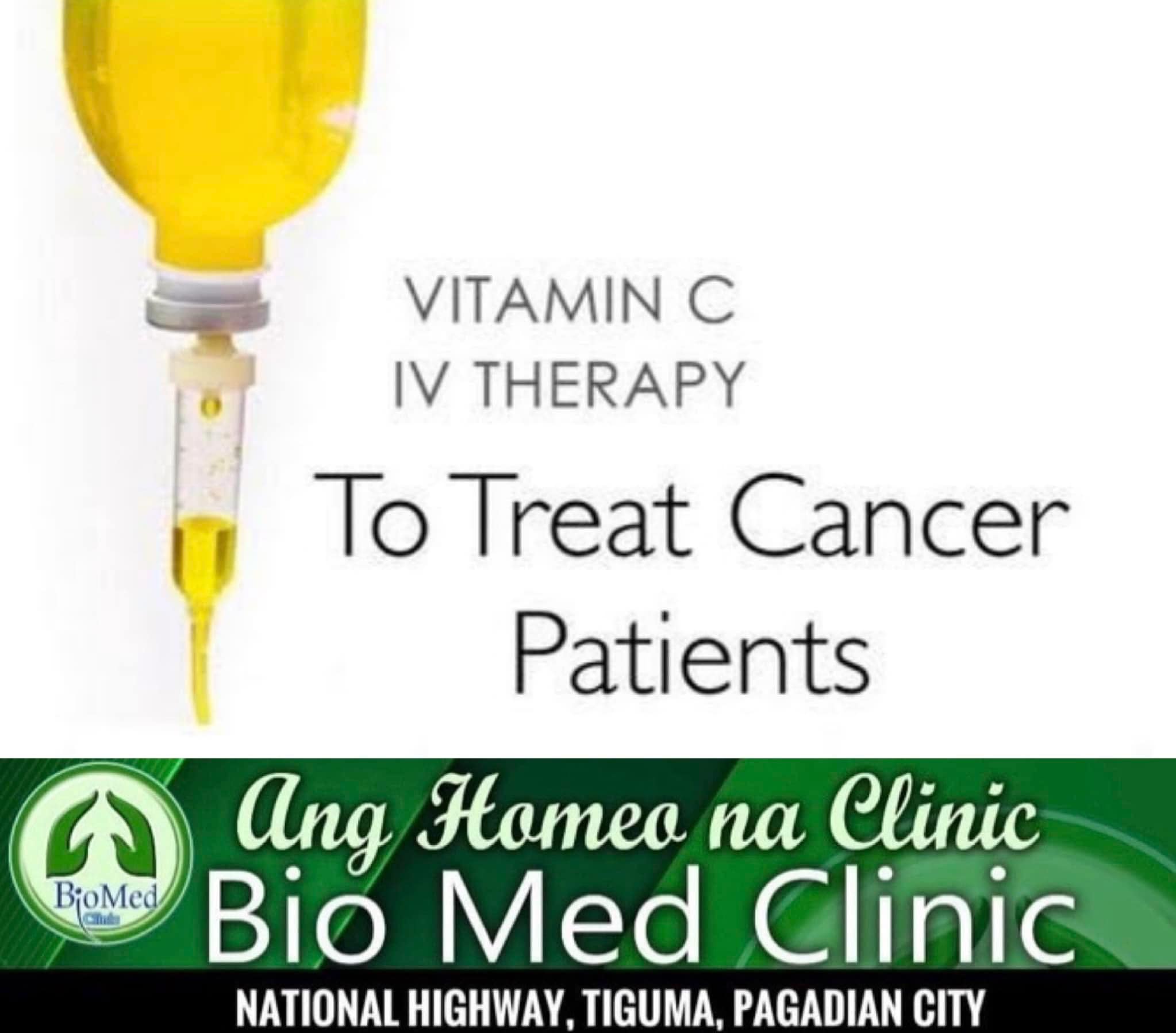
Ran for 188 days, from March 4 to September 8, 2026, the last day Crush saw it.
Run by Dr. Michael Ian Redelosa Uriarte on Facebook. Crush is not the advertiser and does not verify its claims. See this ad in Meta's Ad Library(opens in a new tab)
Want an ad like this for your product?
Crush makes new ad images for your product from this ad: your logo, your product photo, your offer.
Trials from $19.95 USD, then $79.95 USD a month. Cancel anytime.
About this ad
- Meta Ad Library ID
- 1871075576945298
- Platforms
- Facebook, Instagram and Audience Network
- Relaunches
- 0
- Niche
- Clinics & Medical
Ad text
MAKATABANG SA MGA NAAY CANCER ANG DEXTROSE NA HIGH DOSE VITAMIN C High Dose Vitamin C Therapy is a powerful anti-inflammatory treatment used for people that have chronic autoimmune diseases, infections, and cancer. High-dose vitamin C may be given by intravenous (IV) infusion or orally. When taken by intravenous infusion, Vitamin C can reach much higher levels in the blood than when taken by mouth. Vitamin C at low levels is a powerful antioxidant however at high doses it becomes an oxidant which breaks down in the body to produce hydrogen peroxide and used to fight cancer and pathogenic cells. Treatment: 1-3 hours Frequency: 2-5 days a week (cancer patients). Twice weekly for seven (7) weeks (autoimmune patients). High Dose Vitamin C Therapy has been studied as a treatment for patients with cancer since the 1970s. However, it is gaining popularity as a complementary and even primary treatment for a lot of inflammatory and oxidative stress-related conditions, including cancer. All cancers, especially liver, breast, pancreatic, lung cancer and highly aggressive brain cancer, have all been shown to benefit from High Dose Vitamin C Therapy. Studies suggest that these higher levels of vitamin C are effective in the treatment of cancer cells. When free radicals build up faster than your body can manage, you end up with oxidative stress, which is an overload of free radicals that damages cells. Oxidative stress is a major factor in nearly every disease you can think of and can be traced to heart disease, cancer, autoimmune diseases, neurodegenerative disorders, and so many more problems. Cancer develops when oxidative stress damages healthy cells’ DNA, causing it to mutate and multiply. High Dose Vitamin C Therapy breaks down in the body to produce hydrogen peroxide to fight the tumor cells. Tumor cells with low levels of catalase enzyme activity are much less capable of removing hydrogen peroxide than normal cells, killing cancer cells. High Dose Vitamin C also works synergistically (complementary) with chemotherapy treatments to not only kill cancer cells more efficiently, but also protect normal cells and provide less chemotherapy treatment side effects. Standard cancer treatments like chemotherapy and radiation causes a lot of oxidative stress in the body which depletes Vitamin C. These surges in free radicals along with Vitamin C deficiency contribute to a lot of the adverse side effects of chemotherapy and radiation. BENEFITS: Helps clear infections Strengthens the immune system Helps prevent degenerative diseases Protects body from free radical damage Decreases oxidative stress in cells SPECIALIST CONSULTATION REQUIRED Alang sa dugang kasayuran palihog PM lang o TXT/TAWAG sa: 09277102919 ________________________________________ HIGH DOSE INTRAVENOUS VITAMIN C HOW DOES IT AFFECT CANCER CELLS? Many studies have confirmed the safety and indicated the efficacy of High-dose IV Vitamin C in eradicating tumor cells in many different cancers. 1. Oxygen sensing The internal region of the tumor does not get enough oxygen and adapts to hypoxic conditions. The tumor cells then start growing independent of oxygen availability. To achieve this they activate a transcription factor HIF-1. Vitamin C regulates HIF hydroxylases that are involved in the deactivation of the transcription Factor HIF-1. Many studies have shown a negative correlation between HIF-1 and Vitamin C levels from tumor samples. 2. ROS (Reactive Oxygen Species) Scavenger Vitamin C is a chain-breaking antioxidant that halts the propagation of peroxidative processes and reacts with membrane-bound oxidized vitamin E, thus reducing it back to its native form. Vitamin C also plays a role in many enzyme reactions, including those leading to the synthesis of amino acids and peptide hormones. These findings suggest that vitamin C behaves as an ROS scavenger and may be effective in combating oxidative damage under conditions of increasing oxygen concentrations and apoptosis. Several randomized studies of the efficacy of antioxidant vitamins in preventing preeclampsia have shown no beneficial effects of vitamin C and E supplementation during pregnancy with respect to reducing the risk of preeclampsia. Intriguingly, epidemiological studies have reported a decreasing trend in the incidence of severe preeclampsia among patients with a high dietary intake of vitamin C and increased plasma vitamin C levels. 3. AS A PRO-OXIDANT Vitamin C in high concentrations (Intravenously) can act as a Pro-oxidant. This will activate the hydrogen peroxide dependent Cytotoxicity in cancer cells but not in normal cells. This is done so by the redox capability of vitamin C on metals such as iron and copper, which are generally abundant in cancer cells. Hydrogen peroxide reacts with these metal ions to form hydroxyl radicals, which are highly reactive chemical species and can easily damage cellular material Thus killing the cancer cells. Moreover, cancer cells also lack catalase activity which makes them extremely vulnerable to oxidative stress. Increasing oxidative stress in cancer cells can be an important anticancer strategy that works on the same underlying principles such as chemo and radiation therapy. Effect of glycolysis inhibitors can also be enhanced by high dose vitamin c in ROS dependent manner since both inhibitors increase oxidative stress levels. 4. Cofactor activation As mentioned earlier vitamin c acts as a reducing agent of iron which makes it crucial for Fe containing protein functions such as mitochondrial respiratory chains, collagen synthesis, and oxidative stress regulation. 5. EMT and Invasion ECM (extracellular matrix) provides biomechanical and biochemical signals to modulate the behavior of cancer cells whilst maintaining tissue morphology and integrity. The ECM is a dynamic structure that is continually reshaped by a variety of enzymes and signaling molecules. Under pathological conditions, ECM remodeling is often accompanied by cancer growth and cancer metastasis. Collagen is one of the most important structural proteins which is involved in the adhesion of cells to ECM. regulation of collagen synthesis is a key factor affecting cancer progression. Collagen forms a tertiary structure called collagen fibrils, these fibrils are responsible to hold a cell and adhere it to ECM. vitamin c is known to stabilize these strong crosslinks and prevent neoplastic invasions. Vitamin C is also shown to target cancer invasion by reversing the process of EMT (epithelial to mesenchymal transition) by deactivating HIF (hypoxia-inducible factor). Later it was also shown that vitamin c also works by increasing the E- cadherin levels and reducing vimentin thus suppressing the EMT and inhibiting cell migration. 6. Effect on chemotherapy In pre-clinical models, high-dose Vitamin C is reported to enhance the effectivity of a wide variety of chemotherapeutics such as carboplatin, cisplatin, chlorambucil, gemcitabine, and temozolomide, in various cancer cell types, often in a synergistic manner or by enhancing treatment efficacy. This is done so by increasing the number of reactive oxygen species. 7. Immunomodulation Most immune cells maintain high levels of vitamin c which can affect many processes involved in the immune response. For example, ascorbate is a well-known antioxidant maintained at a high level in immune cells also its cofactor activity for oxygenases has a detrimental role in the innate and adaptive immune response. Vitamin C is also involved in the differentiation and polarization of myeloid and T-cells, development of B-cells, maturation and activation of T-cells, Cytokine production, Chemotaxis, and enhancing NK cell activity to kill cancer cells. Recent studies have also shown that Vitamin C is also involved in regulating the epigenetic profile of immune cells by TET activity restoration in Treg cells which results in Foxp3 re-expression, driving proper immune cell functions. CONCLUSION To conclude there is a large amount of clinical research which suggests that high dose Vitamin C has the potential to be a great therapeutic agent for cancer treatment strategy. Its participation in increasing the efficacy of chemo, radio, and targeted therapies, with almost no side effects related to higher concentrations and cancer-specific cytotoxicity makes it a preferable and non-toxic treatment option for patients. WE ARE OPEN FROM MONDAY TO SATURDAY EVERY 8:00 AM - 5:00 PM ADDRESS: National Highway, Barangay Tiguma, Pagadian City Zamboanga del Sur Landmark: Fronting Camella Homes Pagadian Beside Philippine Crop Insurance Corporation (PCIC) CALL/TXT FOR APPOINTMENTS 09277102919 #biomedclinicpagadiancity #highdoseintravenousvitaminc #integrativecancertherapy #naturalcancertreatments