
Inactive· since Apr 8, 2026
- 103
- days it ran
- 1
- relaunches
Ad copy
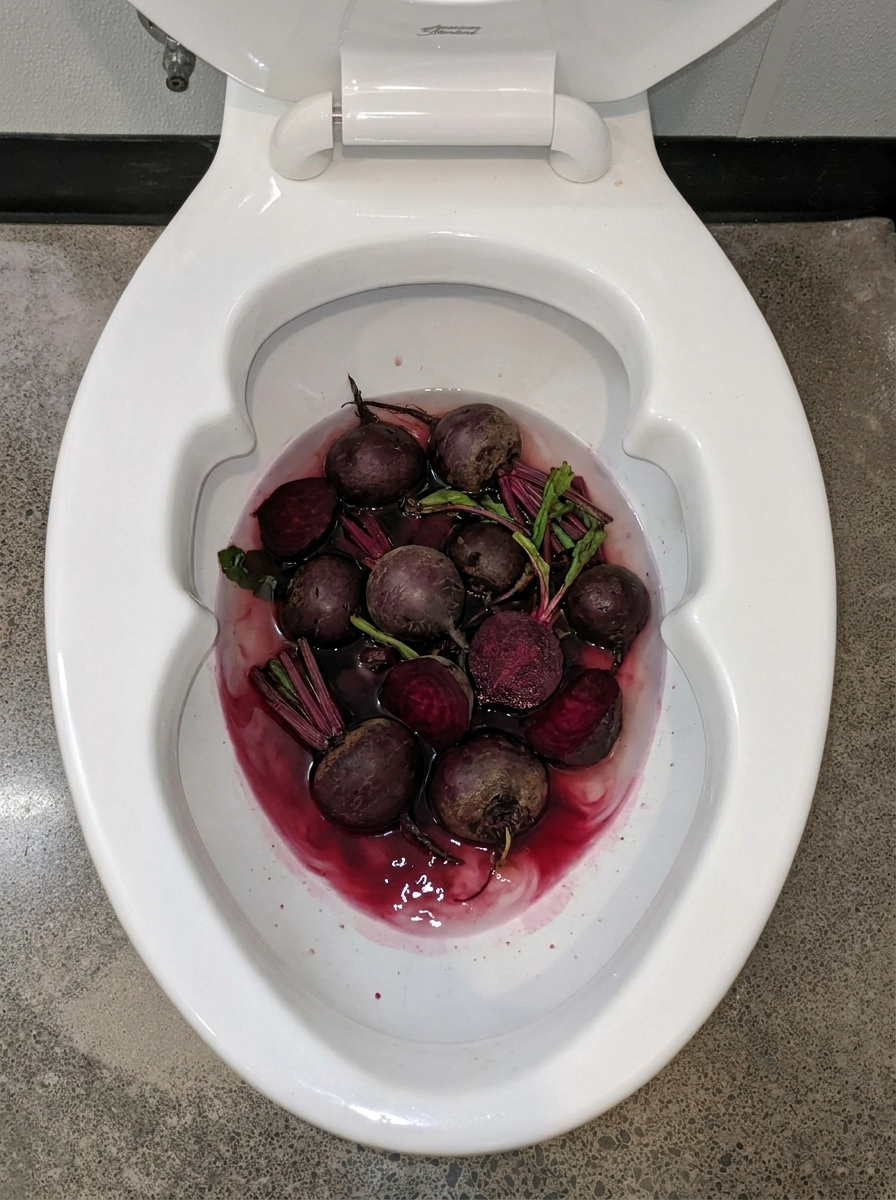
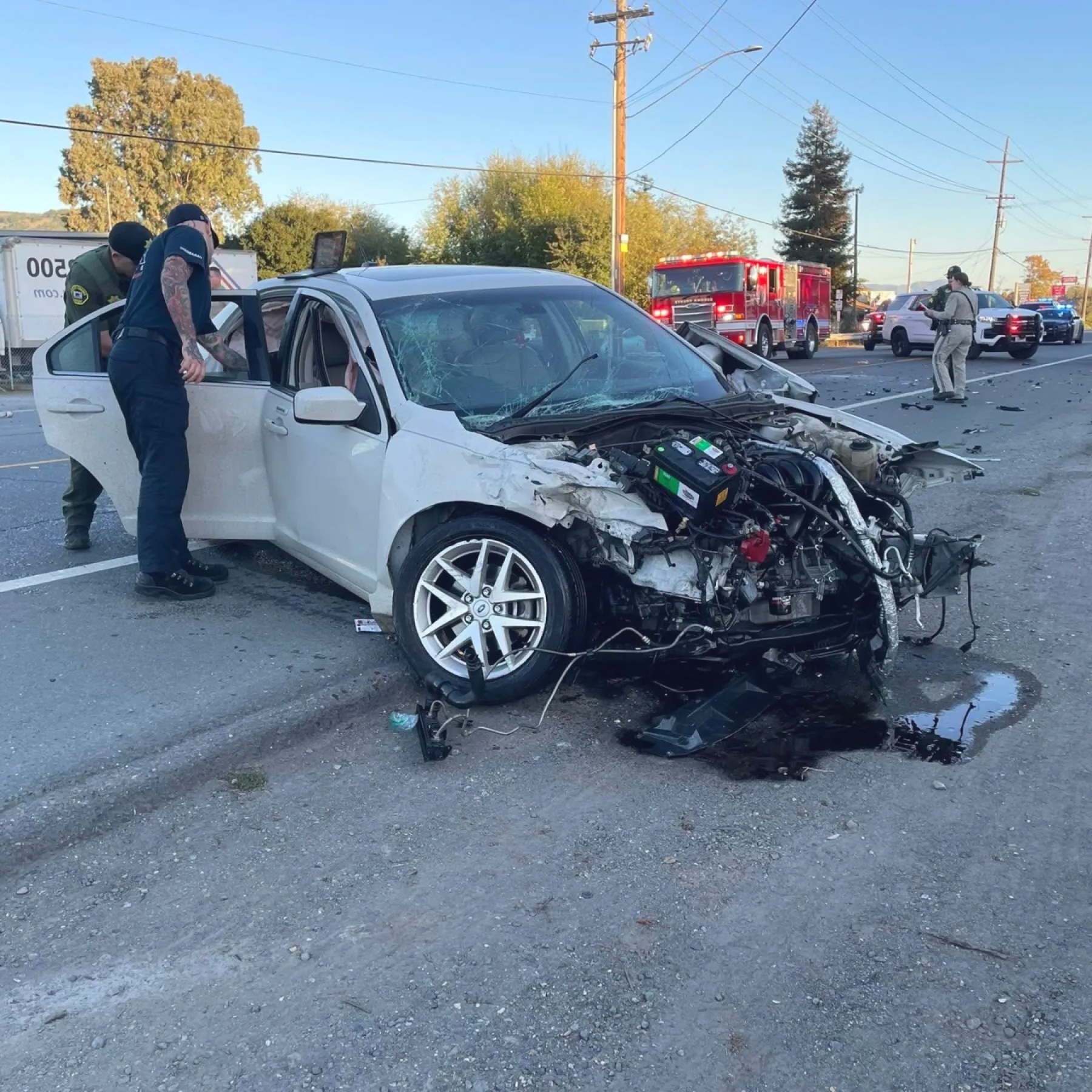
A 58 year old woman died in a car crash last Tuesday. She wasn't drunk. She wasn't texting. She blacked out behind the wheel. Her blood pressure spiked so hard that her brain lost blood flow for just a few seconds. Hands went limp. Foot stayed on the gas. The car drifted across the center line and hit a car head on. Her 6 year old grandson was in the back seat. He survived. She didn't. I've been a trauma nurse for 22 years. I was on shift when they brought her in. Her blood pressure medication was in her purse. Lisinopril 20mg. She'd been on it for 9 years. Her numbers at her last checkup were 128 over 82. Controlled. Managed. Textbook. She did everything right. The crashes that keep me up at night aren't the drunk drivers or the distracted teenagers. They're the ones where the driver never braked. Never swerved. Never tried to stop. The car just drifted, like nobody was steering it anymore. Because nobody was. They blacked out. And almost every time, when we pulled their chart, the same thing was sitting there. High blood pressure. Medication. Numbers their doctor called "controlled." If your doctor has you on Lisinopril, Metoprolol, Losartan, or Amlodipine and you've been told your pressure is "under control," keep reading. If you're taking your medication every day and still getting headaches, dizziness, that pounding in your ears, or moments where your vision blurs and you have to grab something to steady yourself, keep reading. If your numbers keep creeping up no matter what you do, keep reading. Because after 22 years I finally understand why blood pressure medication fails the people who depend on it most. A 62 year old retired teacher. Amlodipine for 11 years. "Beautifully managed" according to her cardiologist. She blacked out on the highway during rush hour and hit a concrete barrier at 60 miles per hour. Her daughter was on the phone with her when it happened. She heard the impact. A 67 year old grandmother. Losartan for 13 years. Never missed a dose. She was driving her grandchildren to soccer practice on a Saturday morning. She felt dizzy, then nothing. The car went off the road into a ditch. Her 9 year old grandson called 911 from his mother's phone because his grandmother wouldn't wake up. Every single time, the doctor would look at the chart and say some version of the same sentence. "I don't understand. The pressure was controlled." After the hundredth time I heard that, I realized something. High blood pressure is dangerous. Nobody disputes that. But if the medication is doing its job and patients are still blacking out behind the wheel, then bringing the number down alone isn't enough. Something else is happening that nobody is fixing. I carried that question for years but never acted on it. I'm a nurse. I follow protocols. Then last October, the hospital ran its annual wellness screening for staff. Quick blood draw. Blood pressure check. The cuff read 152 over 96. They ran it again. 154 over 94. I sat there in my scrubs, surrounded by patients I was supposed to be helping. And my own numbers were telling me I was becoming one of them. The hospitalist, Dr. Kendall, pulled me aside. "Jessica, you know what comes next. Lisinopril. 10mg. We'll recheck in 90 days." She handed me the prescription. I folded it, put it in my scrub pocket, and never filled it. Because that prescription was the same one sitting in the chart of every patient I'd watched get wheeled into my trauma bay after a blackout. Their pressure was brought down on paper. They still ended up on my stretcher. I wasn't going to become one of my own patients. Instead I started following the research. And what I found in 3 weeks made 22 years of trauma shifts suddenly make sense. Here's what they taught us in nursing school. High blood pressure means too much force against the vessel walls. Medication brings the force down. Number drops. Risk drops. Simple. The first part is true. But here's what they never taught us about WHY the pressure is high in the first place. Your blood vessels aren't hollow tubes. They're living tissue. The inside of every vessel is lined with a thin inner wall, a layer of living cells that controls how your blood flows. When that wall is healthy, it produces a molecule called nitric oxide. Nitric oxide tells your vessels to relax and open. Blood flows smoothly. Pressure stays balanced. You don't think about it. It just works. But that wall is exposed to everything in your blood. Processed food. Blood sugar spikes. Stress hormones. Toxins. Inflammation. Year after year, it all scrapes across that wall and wears it down. Think of the inside of an old pipe that's been corroding for decades. The surface that was once smooth is now raw, pitted, and breaking apart. Once the wall is damaged, it stops producing nitric oxide. Without it, your vessels can't relax. They stay tight. Blood has to force its way through. Your heart pushes harder with every beat. That's high blood pressure. A damaged inner wall that stopped producing the one molecule your body needs to keep vessels open. But here's why it never gets better on its own. The harder blood pushes through a damaged vessel, the more it tears up the wall. More damage means less nitric oxide. Less nitric oxide means tighter vessels. Tighter vessels mean more force. More force means more damage. A cycle that feeds itself. And it's been running inside you for years. That's why your pressure was "a little high" five years ago, higher last year, and higher again at your last appointment. That's not aging. That's a cycle accelerating. And if that cycle keeps running, the damage reaches your brain. That's the blackout behind the wheel. It reaches your kidneys. That's the dialysis chair. It reaches your heart. That's the call your family gets at 3 AM. Now here's why nothing you've tried has stopped it. Your medication forces your vessels open with chemicals. The number on the cuff goes down. Your doctor says great. But the inner wall? Still damaged. Still corroding. Still not producing nitric oxide. Still getting shredded by every heartbeat. The drug forces the pipe open wider while the inside keeps falling apart. That's why the dose goes up. That's why they add a second pill, then a third. And that's why you get the side effects. The dry cough that makes your ribs ache. The exhaustion that hits by 2 PM. The brain fog. The swollen ankles. The dead sex drive. The dizziness when you stand up. Those aren't random. That's the price your body pays when a drug forces open a system designed to regulate itself. The medication manages the number. It never fixes the wall. Beetroot adds more nitric oxide from the outside. Sounds smart. But your body already makes nitric oxide. The problem was never a shortage. The problem is the wall that produces it is too damaged to function. Adding nitric oxide to a broken wall is like pouring water into a bucket with a hole in the bottom. Garlic thins the blood slightly. Doesn't touch the wall. Magnesium relaxes the muscle around the vessel. Can't reach the inner wall. Fish oil reduces some inflammation in the blood. Can't repair the structural damage already done to the wall. Every single thing you've tried works somewhere else. Nothing repairs the wall. That's the blind spot. That's what I watched roll into my trauma bay for 22 years. The answer came from a vascular surgeon I've worked with, Dr. Nair. Not a desk doctor. The kind who physically scrapes plaque off the inside of your carotid artery to prevent a stroke. He knows what wall destruction looks like up close. After I got my numbers, I mentioned I'd refused the Lisinopril. He didn't lecture me. He was quiet for a second. "Do you know why patients with controlled pressure still end up in your trauma bay?" "I've been asking that for years." "Because the medication forces the vessel open. But the inner wall, the surface that actually controls the vessel, nobody is repairing it." He paused. "Look into Amla. The clinical research on what it does to the vascular endothelium is real. I take it myself." A vascular surgeon who scrapes damaged arterial walls with his own hands. Telling me quietly, between cases, that he takes Amla himself. I'd never heard of it. First results said it was a fruit. An Indian gooseberry. Used for over 5,000 years. Healers in the Himalayas called it "the nurse," the remedy they reached for when someone's body was breaking down from the inside. They gave this fruit my job title. But ancient history doesn't move my needle. I needed data. So I went to PubMed. And that's where everything changed. Amla contains specific compounds called emblicanins. Powerful antioxidants found only in this fruit. When researchers tested the antioxidant strength of thousands of foods, Amla came out on top. Higher than blueberries. Higher than turmeric. Higher than green tea. And it wasn't close. Here's what emblicanins do. They go to work directly on the damaged inner wall of your blood vessels. The free radicals that have been corroding your wall for years, emblicanins find them and neutralize them. Not in your gut like garlic. Not around the vessel like magnesium. Directly on the inner wall itself. Where the damage is actually happening. When that assault slows down, the wall can start to recover. The same way a cut heals once you stop picking at it. And when the wall heals, it can start producing nitric oxide again. On its own. The way it did when you were younger. You didn't need more nitric oxide from a bottle. You needed to address the wall that produces it. When nitric oxide comes back, vessels relax on their own. Not because a drug forces them. Because the wall is working again. Blood flows freely. The heart doesn't push as hard. Pressure drops. And when pressure drops, the wall stops getting shredded. The cycle breaks. Pressure comes down not because something forced it, but because your body is doing what it already knows how to do. You just had to fix the wall first. In a controlled clinical study, participants taking standardized Amla extract saw significant reductions in both systolic and diastolic blood pressure. LDL cholesterol came down. Inflammatory markers declined. The full cardiovascular picture improved. Side effects? None. No dry cough. No brain fog. No exhaustion. No swollen ankles. A fruit extract producing measurable blood pressure reductions while improving cholesterol and inflammation, things blood pressure drugs don't even touch. I sat at my kitchen table thinking about every patient who'd been wheeled into my trauma bay after a blackout. Every one of them on medication that forced the number down while the wall corroded underneath. There was something that could lower the pressure AND address the wall this entire time. Nobody told them. Dr. Nair told me the product he uses. Alevia's Amla. Organic Amla Superfruit Extract. Before I ordered, I vetted it. Not all Amla is the same. Most online is cheap powder with no standardization, no testing, and doses too low to do anything. Most use heat processing that destroys the emblicanins that make Amla work. Alevia checked every box. Organic. Third party tested. Made in the USA. Small batch production to preserve potency. I ordered it that night. Added it to my morning routine with a glass of water before my shift. The first few days weren't dramatic. Amla isn't a stimulant. It doesn't give you a buzz. What it does is repair your wall at the cellular level, and that takes time to show on a cuff. But by the end of week 1, my head was clearer. That fog I'd been blaming on 12 hour shifts and getting older. It wasn't age. It was lifting. By week 2, my energy was different. Not jittery. Just stable. No 2 PM crash. No desperate coffee run halfway through my shift. The emblicanins were doing their job, neutralizing the free radicals that had been corroding my vessel wall for years. I could feel the assault slowing down even before the numbers moved. By week 3, I was sleeping through the night for the first time in years. That heaviness I used to wake up with, the bone deep fatigue that never fully lifted, it started to clear. I checked my pressure at the nurses' station. It was starting to respond. Not dramatically. But the readings were coming down. The wall was getting the support it needed, starting to produce nitric oxide again. My vessels were beginning to relax on their own instead of being forced open by a chemical. By weeks 5 through 8, the shift was undeniable. The pressure that had been shredding my wall for years was easing. The cycle was finally slowing down. I could feel it and I could see it on the cuff. The numbers kept dropping. My energy kept improving. I wasn't just feeling better on some days. I felt like a different person than the one who'd stared at 154 over 94 two months earlier. At 8 weeks I ran full bloodwork through the hospital lab. Blood pressure averaged across my last 10 readings: 122 over 78. I stared at that number for a long time. Cholesterol down. Inflammatory markers back in normal range. Fasting glucose improved. Every marker better. Not just one. The whole picture. And that's not where it stopped. I kept taking it. Weeks 9, 10, 11, 12. The emblicanins kept protecting the wall from the same oxidative stress that damaged it in the first place. My body was maintaining healthy blood pressure the way it was designed to. No side effects. No dose increases. No second pill. Just a wall that was finally getting what it needed. I took the results to Dr. Kendall. She looked at the numbers. Looked at me. Looked at the numbers again. "You never filled the prescription, did you." "No." "What did you do?" I told her everything. She listened for 20 minutes. When I finished she said, "I need to read these studies. But Jessica, don't stop what you're doing." I'm not stopping. I told a few nurses on my floor. Within 6 weeks, 7 were taking it. I didn't recruit anyone. I just showed them the mechanism and my numbers. Maria, 54. Metoprolol for 5 years. The fatigue had gotten so bad she was going part time. Within a month she came up to me and said, "I have my energy back." She was almost crying. Denise, 61. Losartan for 9 years. Constant dry cough, ankles so swollen she couldn't get her shoes off after shift. Six weeks on Alevia's Amla, the coughing stopped. She was wearing her regular shoes again for the first time in two years. I'm not telling anyone to stop their medications. That's between you and your doctor. I'm telling you what I saw, what I experienced, and what the research supports. That 67 year old grandmother had "controlled" pressure for 13 years. Her 9 year old grandson still had to call 911 because she wouldn't wake up. Her medication forced the number down. Nothing repaired the wall. If you're on medication and wondering whether it's really protecting you, I hear you. I spent 22 years watching the answer play out on stretchers. If your numbers keep climbing and your doctor keeps adding pills, I hear you. I was staring at my own flagged numbers 10 weeks ago. If you've tried garlic, beetroot, magnesium, fish oil, cutting salt, walking every morning, and nothing moves your numbers, I hear you. Nothing you tried was repairing the wall. Alevia's Amla. 2 capsules every morning. Repairs the inner wall your medication ignores and breaks the cycle nothing else can reach. I'm a nurse. I don't sell supplements. I'm writing this because after 22 years of watching the same blind spot put people on stretchers, I can't stay quiet anymore. 90 day money back guarantee. If your numbers don't improve, full refund. No questions. In 22 years I've never seen a pharmaceutical company offer that. Think about that. Alevia is a small company and they sell out regularly. If you have a doctor's appointment in the next 30 to 60 days and want a real shot at better numbers before that visit, check availability now. Every day that wall keeps getting destroyed is another day the cycle accelerates. 👉 https://alevia.com/amla/8 You still have time. Don't wait until someone you love has to make the call that 9 year old boy had to make on a Saturday morning. ~ Jessica Bennett, RN, Trauma Nurse, 22 years
Like this ad? Make it yours.
Crush rebuilds this exact creative around your product — your brand, your colors, your offer — in about a minute.