Neurotoned
 Facebook ad: “Why Rest Isn’t Solving Burnout (Do This Instead)”
Ran for 29 days, from September 14 to October 13, 2026, the last day Crush saw it.
Run by Neurotoned on Facebook. Crush is not the advertiser and does not verify its claims. See this ad in Meta's Ad Library(opens in a new tab)
Make your own version of this ad
Crush makes it, launches it in your own Meta ad account, scales the winners and pauses the losers.
About this ad
- Meta Ad Library ID
- 1882921373117571
- Platforms
- Facebook, Instagram and Threads
- Relaunches
- 5
- EU reach
- 19,994
- Niche
- AI & Software
Ad text
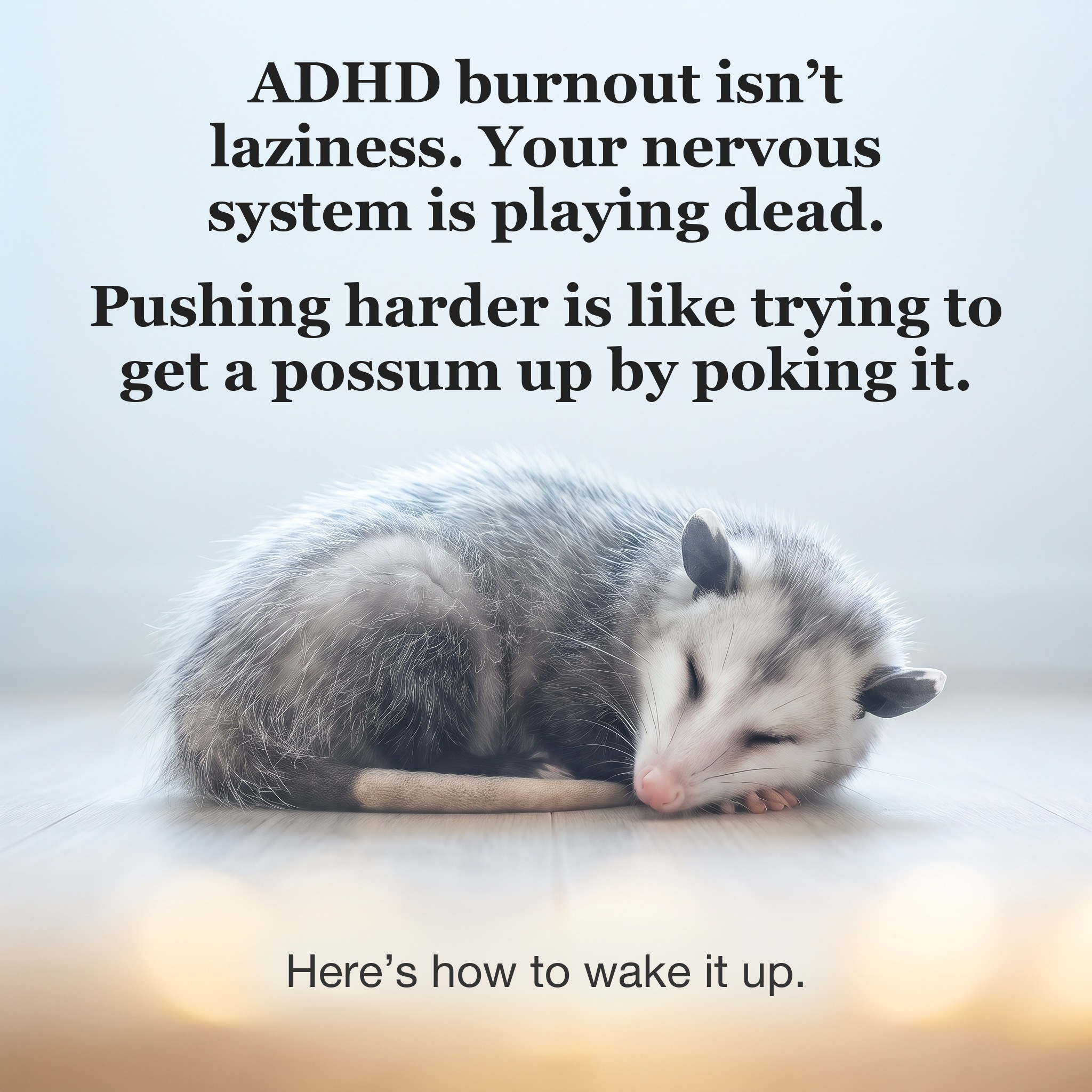
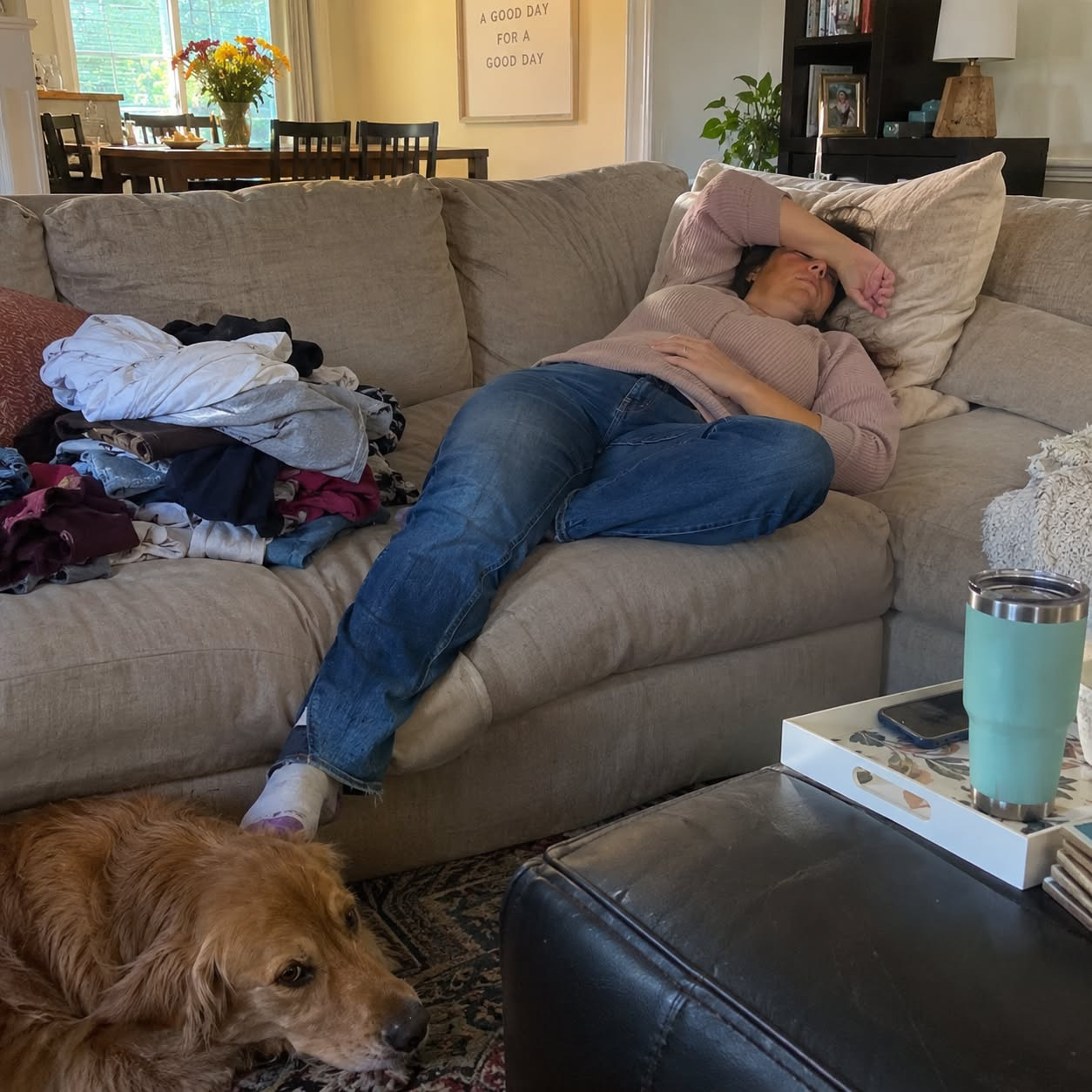
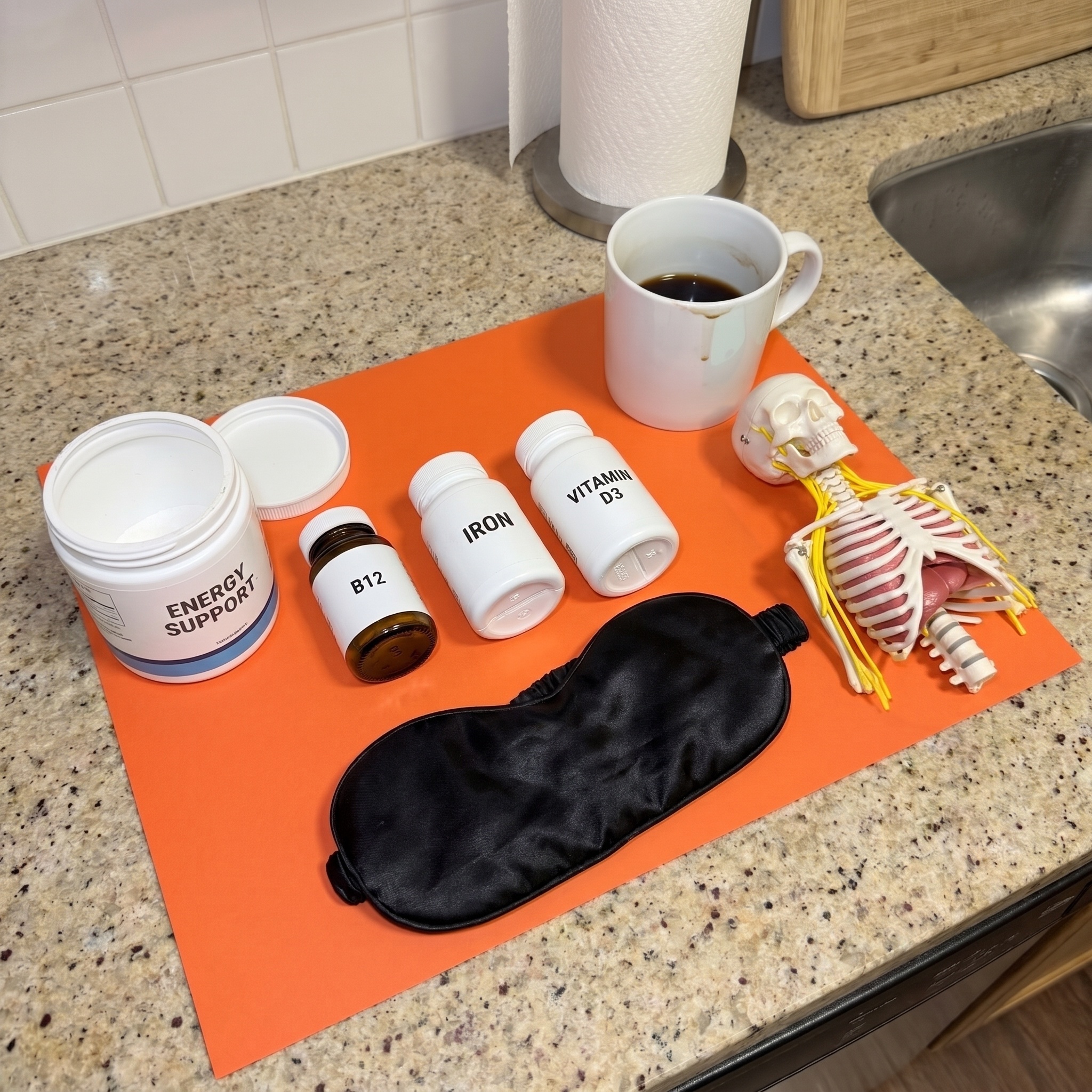
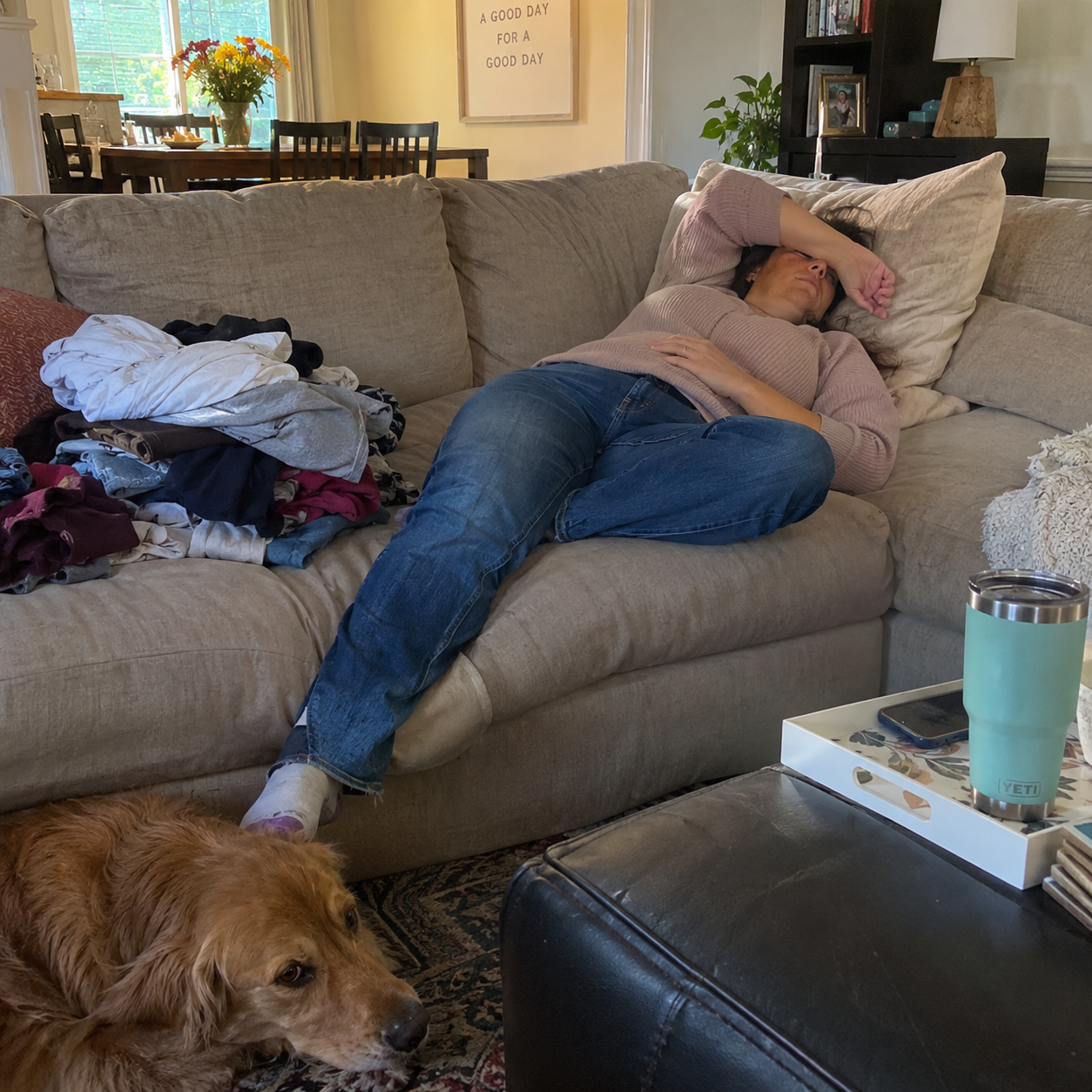
3 reasons you stopped recovering from burnout (most people never figure out #2) Most people think burnout recovery happens by itself. That week you finally slow down and sleep properly? You think the body is catching up. That morning you wake up after eleven hours and feel something close to human? You think you're turning a corner. That month you cancel everything, rest properly, do everything right, and feel exactly the same? You blame stress. You blame age. You blame hormones. That's not how it works. Your nervous system can lock itself into a survival state so deep that rest doesn't reach it. Sleep doesn't reach it. And the longer it stays there, the harder the pattern sets. Here are 3 reasons you're still exhausted. And why none of it is your fault: Reason #1: Your body isn't tired. Your nervous system is stuck. You sleep eleven hours and wake up with that same flat weight behind your eyes. So you rest more. Cancel the plans, say no to everything, give your body every possible chance. And still nothing shifts. Which makes you think you're not resting enough. So you rest more. And it keeps not working. But here’s where it gets interesting: There's a nerve that runs from your brainstem all the way down through your throat, chest, and gut. Your vagus nerve. And researchers found something about it that explains why rest keeps failing you. When that nerve locks into survival mode, your body's energy thermostat gets cemented at the lowest possible setting. But here's the part that changes everything: Rest doesn't unstick it. Your nervous system reads quiet as more evidence that something is wrong. So instead of relaxing, it holds tighter. That's why a slow Sunday wrecks you harder than a chaotic Tuesday at work. Your body can still scrape together enough for a crisis… Just not for being patient with your kids, not for cooking dinner without needing to sit down halfway through, not for anything that actually feels like living. You are not broken. You are a person whose nervous system got stuck in a state it was designed to enter, and was never shown how to leave. And here's what makes that worse: Reason #2: Everything you've tried was for symptoms, not the nervous system itself. Think about what you've actually thrown at this. The magnesium your friend swore by, expiring at the back of the cabinet. The antidepressant that evened out the lows by also evening out everything else. The therapist, who is genuinely useful, whose office you drive home from understood and still exhausted. The bloodwork that came back unremarkable. The doctor who said it was probably anxiety. The one after that who said it was probably just stress. Every single one of those aimed at a symptom. The fatigue. The sleep. The mood. And here's the problem with that: Symptoms don't create themselves. Something upstream is creating them. And that something is the state your nervous system is locked in. There's a reason nothing has worked, and it comes down to this: The vagus nerve carries more information from your body up to your brain than from your brain down to your body… Which means you cannot think your way to regulation. You cannot supplement your way there. You cannot breathe your way there with a generic app that assumes you're already calm enough to follow basic instructions. The nervous system responds to body signals. Specific ones. Sequenced ones. And almost nothing you've tried has spoken that language. Which brings up the part most people don't want to hear: Reason #3: The longer you wait, the deeper the pattern sets. The nervous system learns. When it spends months or years in survival mode, it stops staying there reluctantly and starts building it in as the default... ... like a tire track in wet clay. At first it's a groove. Then it's a rut the wheel falls into before you've decided to turn. You used to run teams. Handle everything. Be the person other people called when things fell apart. Now you cancel on your best friend because getting dressed felt like too much… And the shame of that distance is its own weight on top of the exhaustion. But here's what the research actually shows: People moving from the deepest states of shutdown back to functional, sleeping properly, thinking clearly, feeling present, in as fast as a few weeks. Because once the nervous system gets the right signal, it doesn't need convincing. It has been waiting for permission to turn back on. The window is real. It doesn't close permanently. But it does narrow… And the longer the pattern runs, the more work it takes to interrupt. So if you recognized yourself anywhere in this, especially in reason 2 or 3… There's a short article below that walks through exactly what those signals are, why rest keeps missing them, and what a protocol built for a body with no energy left to spare. Most people feel something shift in the first week. A loosening. This is the light at the end of the tunnel. Read it especially if you've already tried everything else.
Where the ad sends people
heal.neurotoned.com
Why Rest Isn’t Solving Burnout (Do This Instead)
A hidden nerve is draining your energy as you’re reading this. Click to read how you can reset it through gentle daily practices starting today.
Learn more: heal.neurotoned.com(opens in a new tab)