
Inactive· since Jan 7, 2026
- 124
- days it ran
- 0
- relaunches
Ad copy
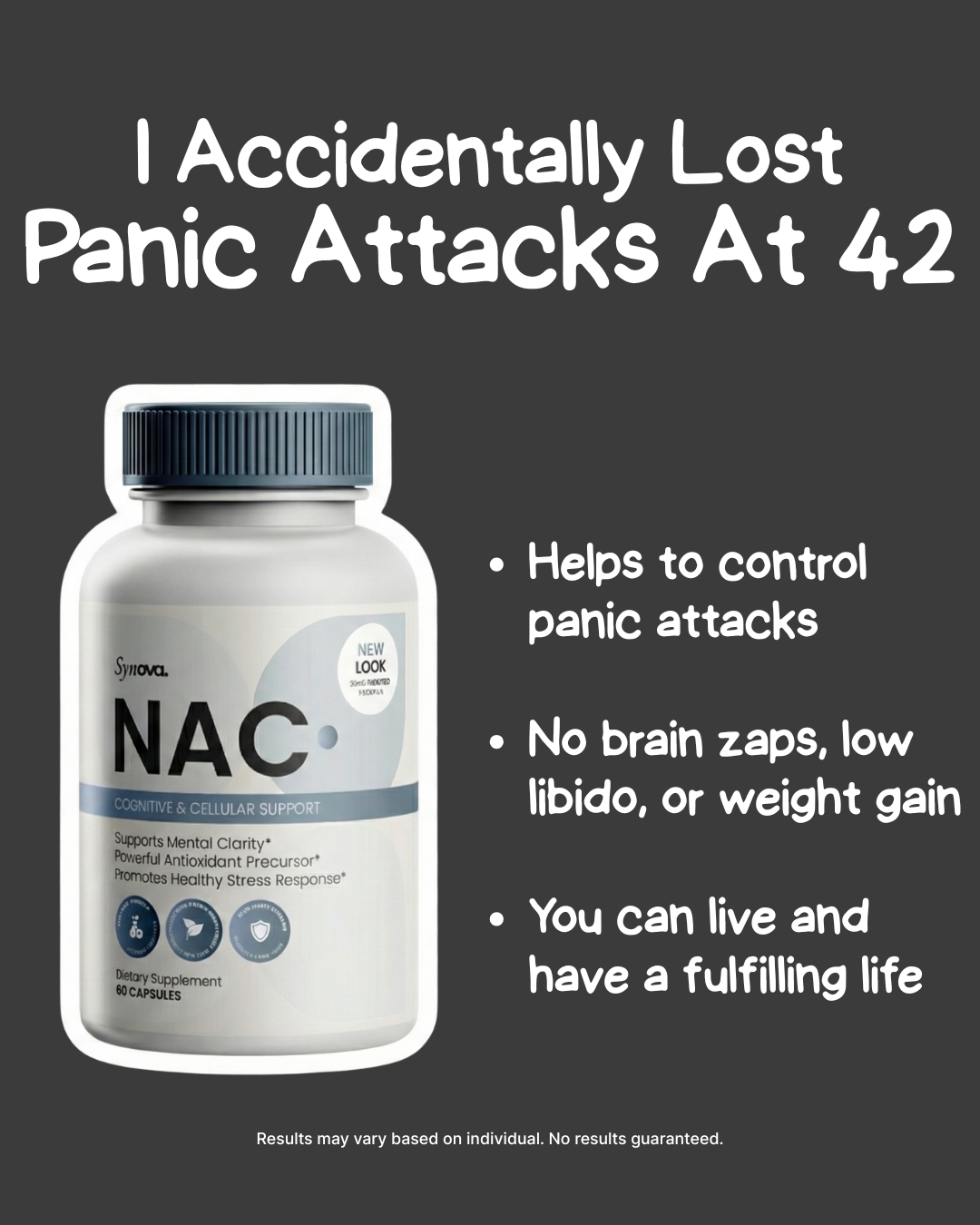
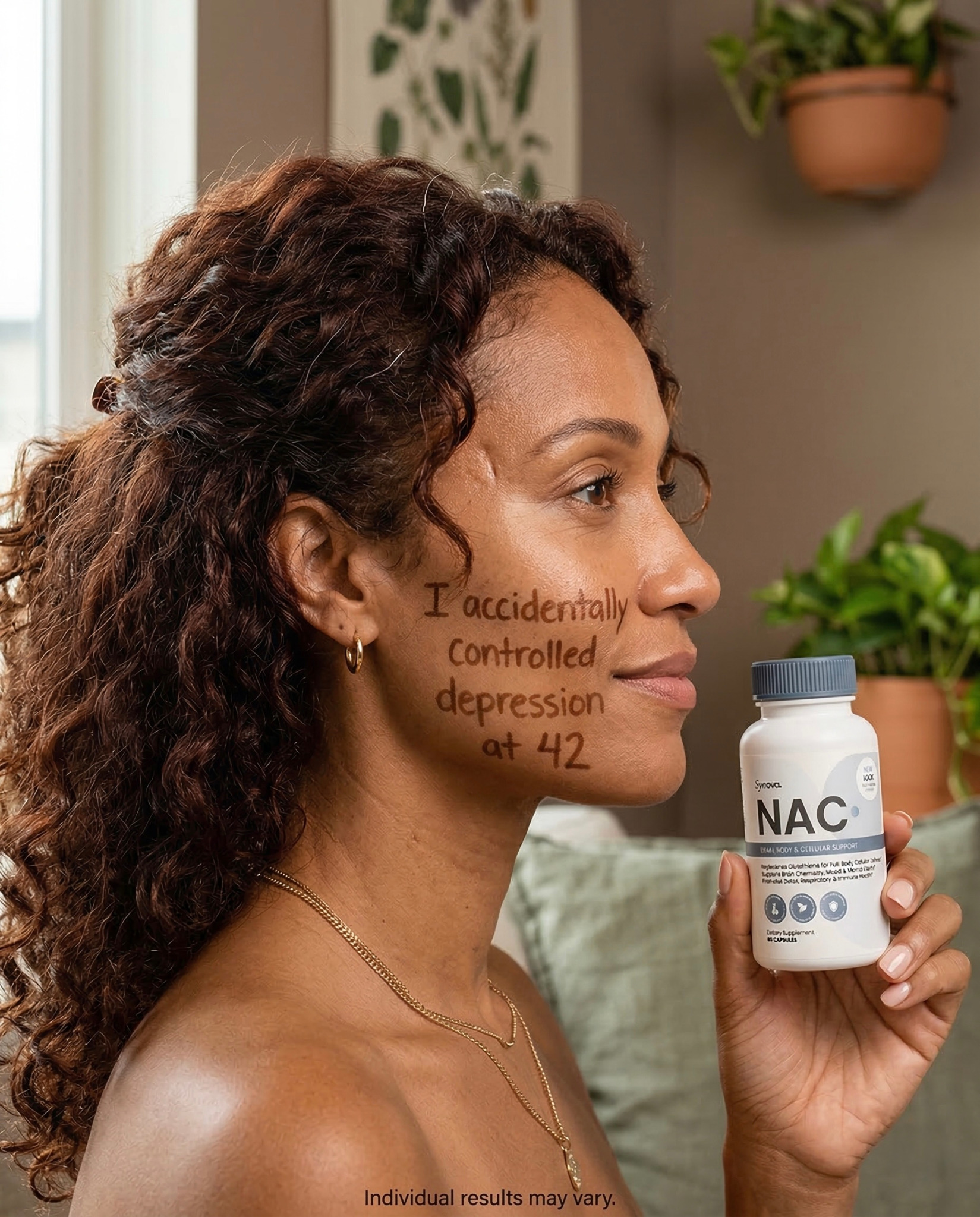
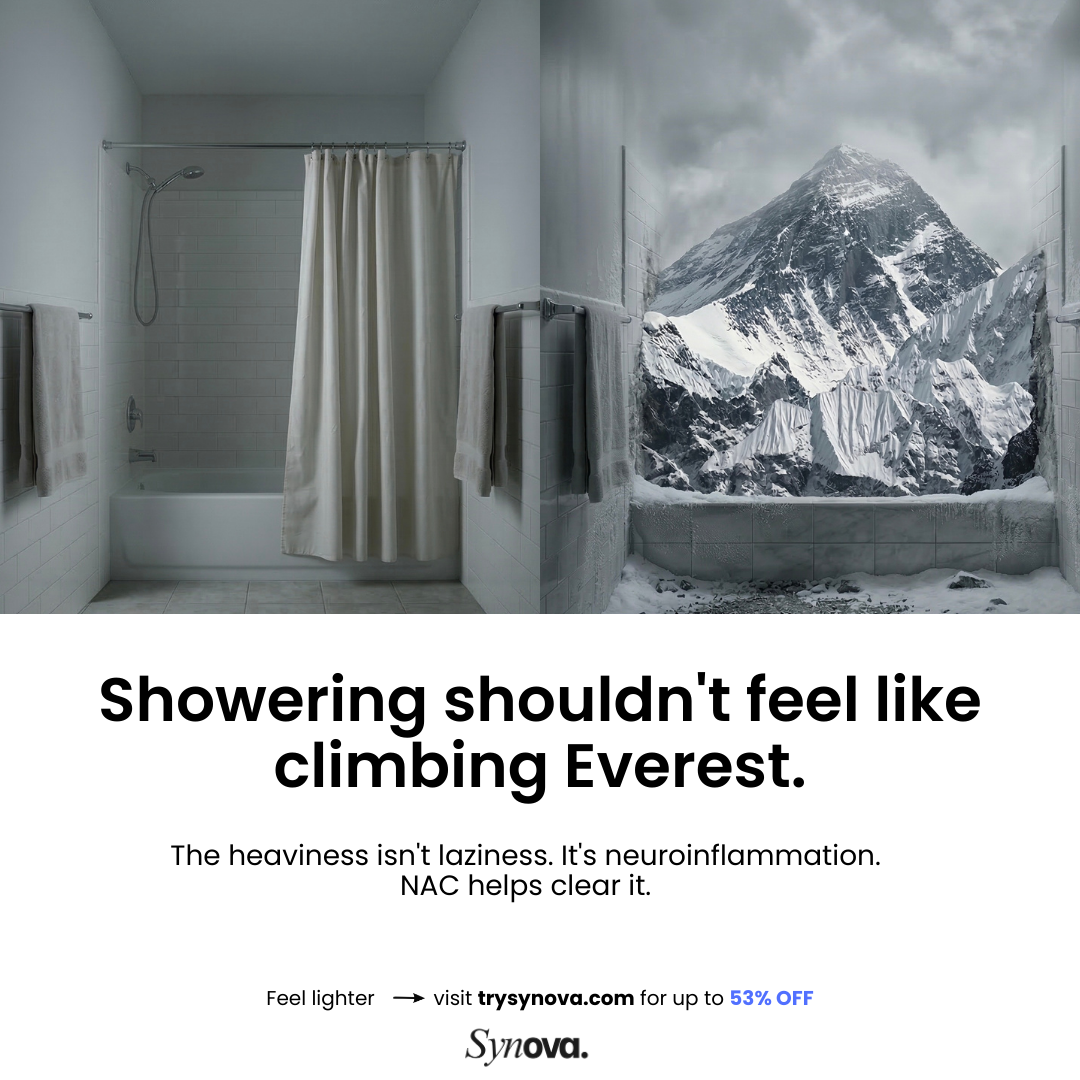
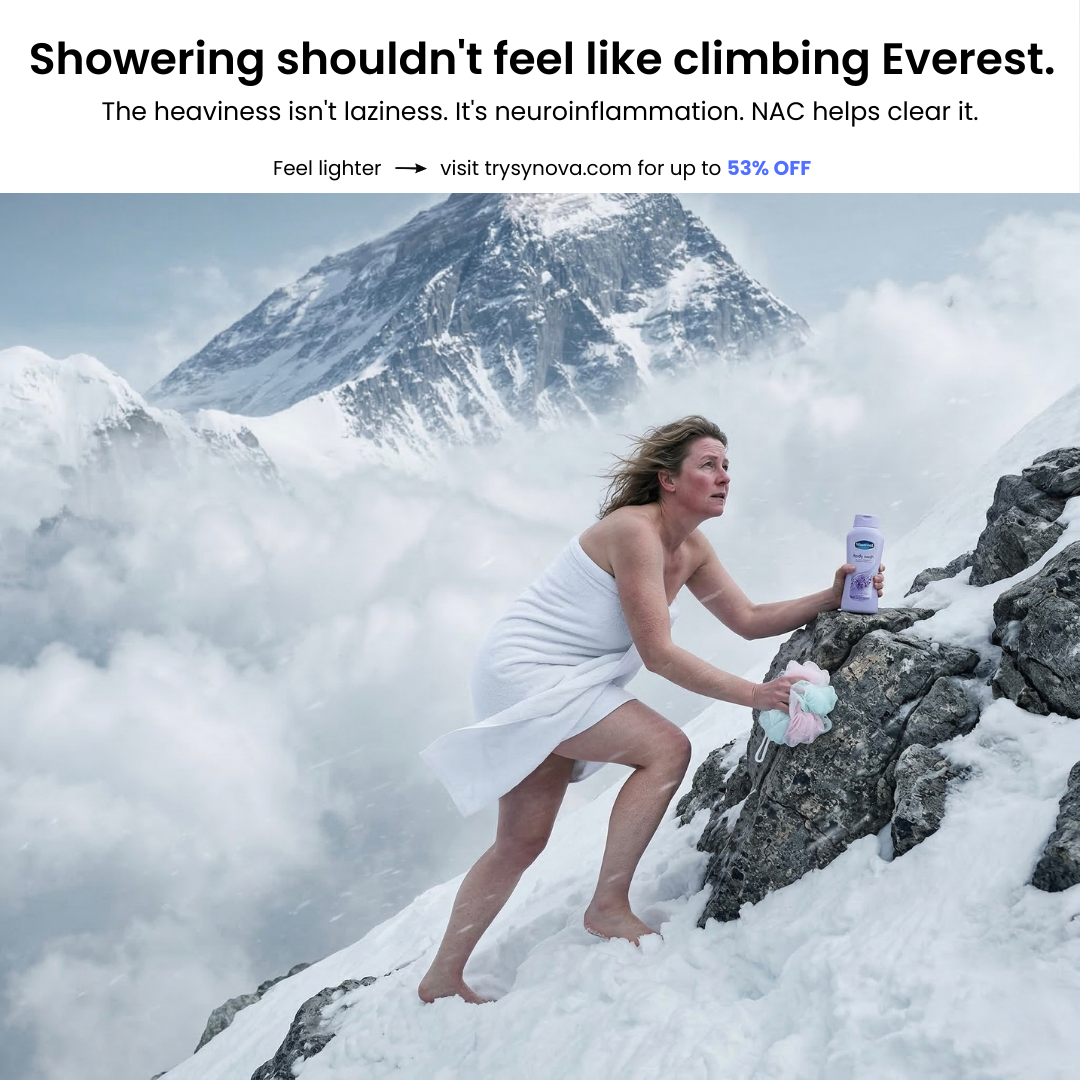
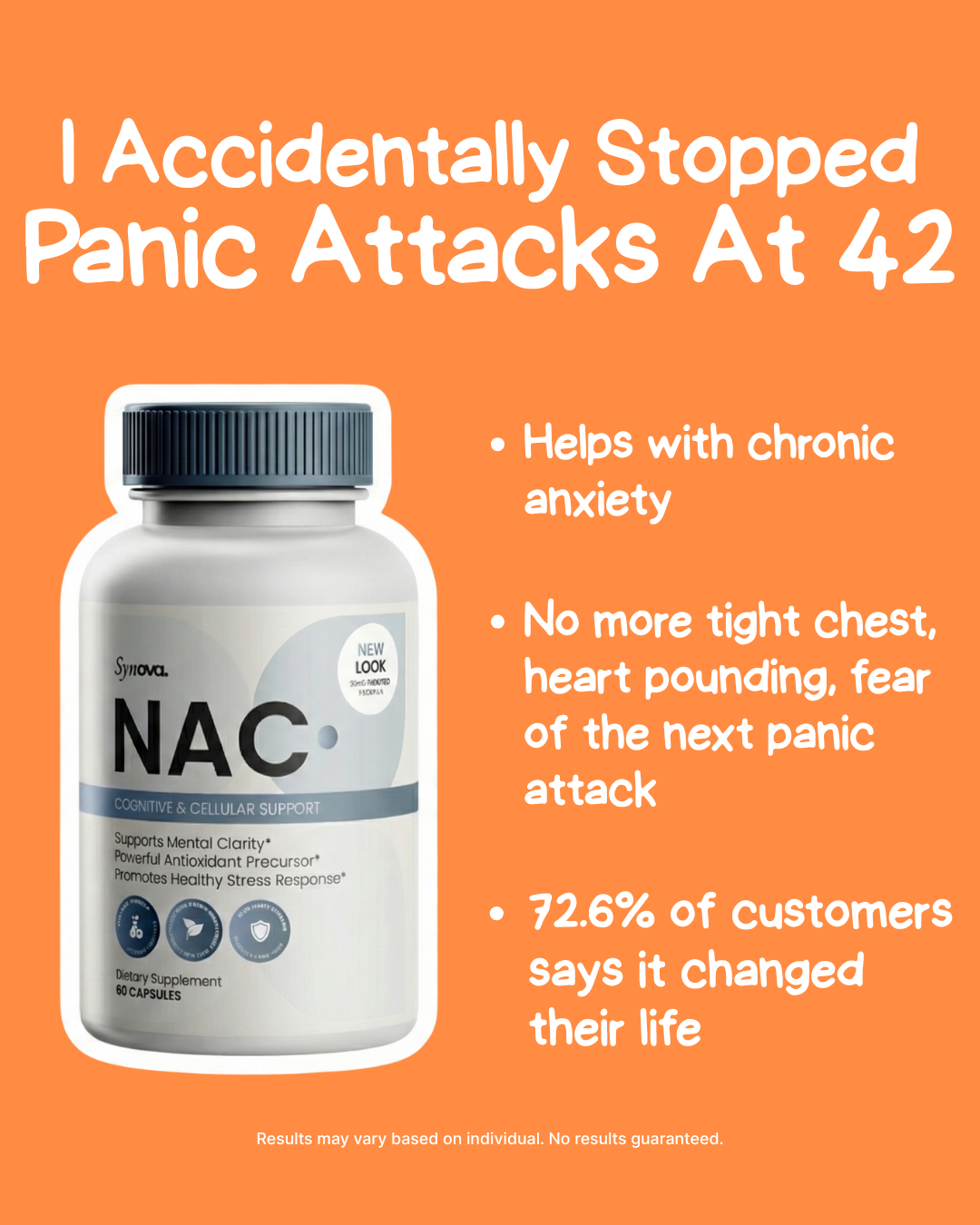
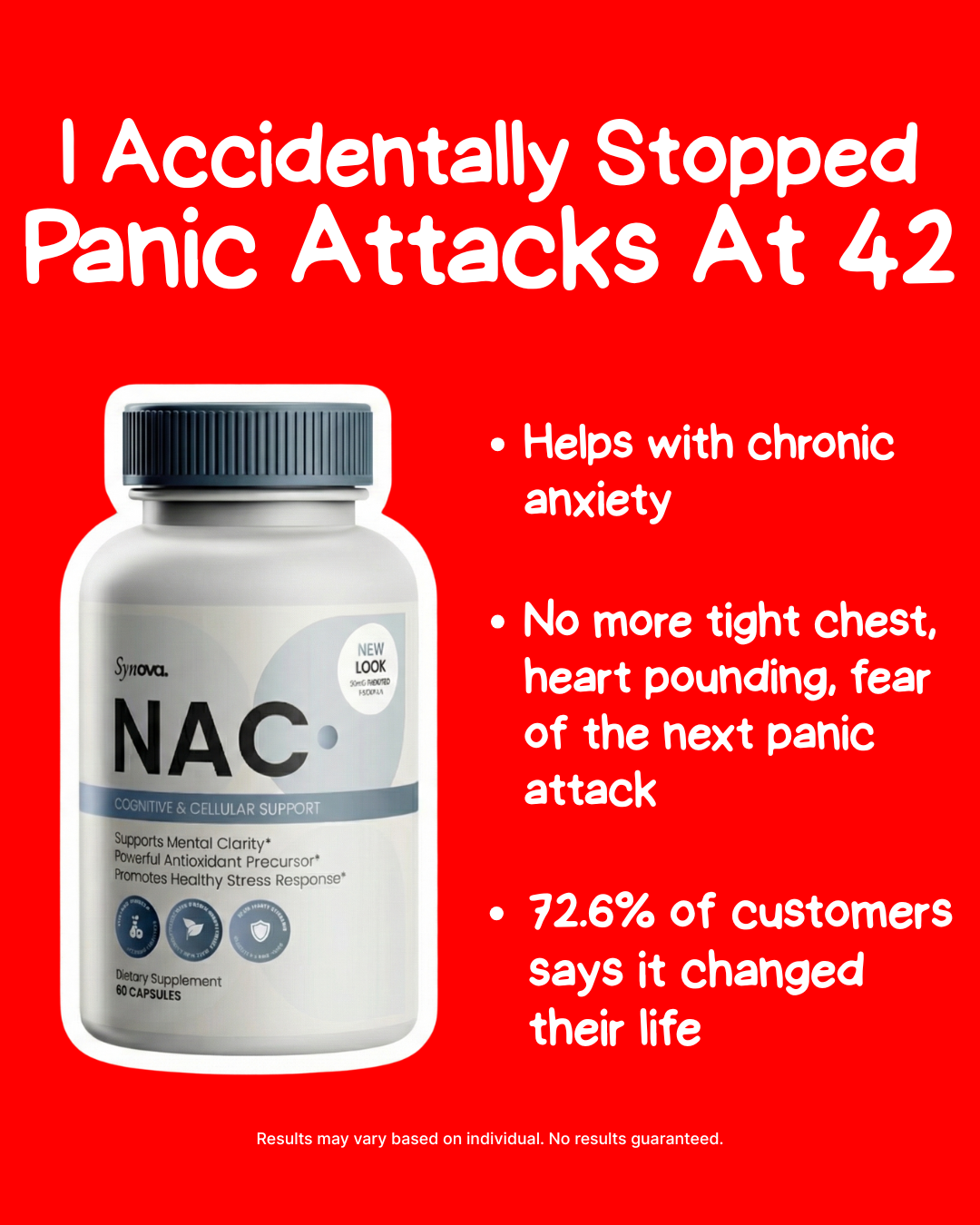
The number one solution for depression isn't exercise, it's not therapy, and it's definitely not "trying harder." And I'm not going to tell you to go for a walk. You probably haven't left your bed in weeks except to use the bathroom or grab something from the kitchen. You might be reading this on your phone right now, under the covers, because even the idea of sitting upright feels like climbing a mountain. Maybe you haven't showered in days—not because you don't know you should, but because the thought of water touching your body feels unbearable. Or maybe you did shower this week, and it took every ounce of willpower you had, and now you're completely drained. You avoid texts. You let calls go to voicemail. Not because you don't care about people, but because the idea of forming words and pretending to be okay feels impossible. But here's what makes it even worse: You're not even sad. You're just… nothing. Empty. Frozen. Gray. Dead inside. You look at your life—your partner, your kids, things that should bring you joy—and you feel absolutely nothing. You're not suicidal. You're just not alive. Existence is exhausting. You're a ghost going through motions. And people keep telling you what to do. "Just go for a run." "Eat healthier." "Practice gratitude." "Get some sunlight." But you don't even have the mental energy to brush your teeth. How the fuck are you supposed to exercise or make a proper meal? And even when you DO use all your willpower to do these things—even when you claw your way out of the hole—all it takes is one little push and you're back to zero. That exhaustion isn't laziness. That numbness isn't a character flaw. That inability to feel joy, to feel anything, isn't something you can think your way out of. That's oxidative rust on your neurons. Your brain isn't broken. It's corroded. And here's what almost no one tells you: you weren't broken—you were misdiagnosed. For decades, the medical establishment built a trillion-dollar industry on one idea: depression is caused by low serotonin. The "chemical imbalance" theory. It's on every commercial. Every prescription pad. Every well-meaning conversation with your doctor. But here's what the research now shows: Depression—especially the kind where you feel numb, empty, exhausted, where you can't feel pleasure in anything—isn't caused by low serotonin. Low serotonin is a symptom. The real cause? Oxidative stress and neuroinflammation literally rusting your brain's circuits until they can't process serotonin, can't make energy, can't feel pleasure. Here's what's actually happening in your brain: Chronic stress depletes glutathione—your brain's master antioxidant that protects neurons from damage. Without glutathione, reactive oxygen species accumulate. Your neurons rust. This oxidative damage destroys your mitochondria, which is why you have no energy. It destroys neurotransmitter receptors, which is why even if serotonin is there, your brain can't respond to it. Your brain's immune cells detect this damage and release inflammatory molecules—IL-6, TNF-alpha, IL-1β. These create "sickness behavior": social withdrawal, loss of pleasure, profound fatigue, brain fog. Your brain thinks you're sick. It's triggering the same response as fighting the flu. Except the flu never ends. And now the inflammation disrupts serotonin and dopamine production. So yes, you do have low serotonin. But as a consequence of oxidative damage, not the cause. Worse: Depression creates stress. Stress depletes more glutathione. More damage. More inflammation. Worse depression. You're trapped in a rust spiral that gets worse every day. Your SSRIs failed because they were fixing the wrong problem. SSRIs increase serotonin in your synapses. But if your receptors are oxidatively damaged—rusted—they can't respond to the extra serotonin. It's like pouring gasoline into a car with a rusted-out engine. The fuel isn't the problem. The engine can't burn it. SSRIs tried to upgrade your software when your hardware was failing. And they created new problems: emotional numbness, sexual dysfunction, dependency—all while the oxidative rust kept spreading. You traded one form of numbness for another, and the medical system told you to increase the dose. Because here's the truth: SSRIs were designed to manage symptoms, not repair damage. Recurring prescriptions equal recurring revenue. Maybe you tried therapy. Valuable, yes. But therapy requires energy you don't have. You understand what you should do—you just can't execute it when your mitochondria are failing and your brain thinks you're fighting an infection. Maybe you tried exercise. But when your mitochondria can't produce energy, exercise makes you feel worse, not better. You crash for days and everyone wonders why you "gave up." Maybe you tried turmeric, omega-3s, ashwagandha. They reduce some inflammation, sure. But they don't restore glutathione—the master antioxidant that should prevent the rust from forming in the first place. Everything you've tried addressed symptoms downstream of the root cause. Nobody gave you the molecule that restores the antioxidant system protecting your neurons. You're not treatment-resistant. You were given treatments that ignored the actual mechanism. You weren't broken. You were rusted. And rust can be cleared. There's a compound I've been recommending for years to people who come to me bed-bound, emotionally flatlined, desperate—people who've tried four different SSRIs and felt nothing or felt worse. And 12 to 16 weeks later, they message me. Not because they're "cured." But because the colors got brighter. Music sounded good again. They laughed at something and it surprised them. They looked at their partner and felt something. This compound is called N-Acetylcysteine. NAC. And every time I mention it, I get the same response: "Wait… the amino acid? The liver supplement?" I get it. It sounds too simple. How could an amino acid do what Zoloft couldn't? But NAC doesn't work like SSRIs. It doesn't increase serotonin levels. It doesn't suppress symptoms. It repairs the cellular oxidative damage so your neurons can finally function again. It clears the rust. Here's how: NAC converts to L-cysteine, the rate-limiting amino acid for glutathione synthesis. Your cells immediately start making glutathione. Glutathione neutralizes the reactive oxygen species rusting your neurons. It repairs mitochondria so you can make energy again. It repairs cell membranes so neurotransmitter receptors become functional. The oxidative stress clears. Inflammation drops. The "sickness behavior" resolves. And now—finally—serotonin and dopamine can actually work. You end up with better serotonin function. Not because you artificially forced more into a broken system, but because you repaired the system so it can regulate naturally. SSRIs adjust software. NAC repairs hardware. The clinical research backs this: A 2016 meta-analysis of 5 studies with 574 participants showed NAC significantly improved depression. A 2014 study with 269 people found improvements emerged at week 16—the delayed effect proves this is structural repair, not symptom suppression. A 2008 bipolar depression study showed mood improvement without triggering mania, demonstrating NAC restores balance rather than overstimulating. This isn't fringe science. It's peer-reviewed research showing NAC works for oxidative stress-driven depression. But here's what you need to understand: This takes time. I won't lie and say you'll feel better in a week. The research shows effects at 12-16 weeks because you're repairing cellular damage, not masking symptoms. Week 1-4: Brain fog might lift slightly. Sleep improves. You might notice one moment of clearer thinking. Week 5-8: Energy starts returning. You can do basic tasks without depleting yourself. The first glimmers of interest in things. A song sounds good. A sunset looks pretty. Week 9-16: You can do things without forcing. Motivation returns. You laugh and it feels real. You feel warmth looking at your partner. The numbness cracks. You're not gray anymore. Bad days don't erase your progress. Month 4+: Continued improvement. Many report 70-80% recovered. Energy for life. Therapy becomes effective because you can actually implement it. The baseline stabilizes. This is restored emotional range. Not artificial happiness. Just being able to feel again. Now before you order the first NAC you find on Amazon, know this: Most NAC supplements won't work. The clinical studies used 2,000-3,000mg daily. Most drugstore NAC? 600mg. It's underdosed. Worse, NAC oxidizes rapidly. Cheap supplements use degraded NAC that's inactive before it reaches your stomach. They add fillers that block absorption. No third-party testing means you're getting maybe 30% of what's on the label. To reach therapeutic levels, NAC must be: dosed at 1,200-2,400mg daily, pharmaceutical-grade purity, stabilized against oxidation, made in cGMP-certified facilities, third-party tested, free of absorption-blocking fillers. The only brand I know meeting these standards is Synova. I spent a year evaluating brands after watching people fail with subpar supplements. Synova formulated NAC matching clinical protocols: 1,200mg per serving, pharmaceutical-grade, made in FDA-registered US facilities, third-party tested. I take it every morning. 1,200mg with breakfast. 2 Capsules. Water. That's it. No complicated protocols. No stacks of supplements. Just take it. The reviews show why people who've failed SSRIs only trust this brand: "Week 12: I laughed and realized I hadn't laughed in months." "My therapist noticed I seemed more present before I did." "I was emotionally flat on Lexapro for 3 years. NAC took longer but I could feel again." "Colors are brighter. Music sounds better." 60-day money-back guarantee. Try it for the full clinical timeline and if you don't feel a shift in energy, cognition, emotional range, and baseline stability, you get your money back. Most people buy at regular price, but right now there's a promotion if you commit to the 90-day protocol—which is what the research recommends anyway. The only problem: Synova is small. They make batches to ensure quality. As NAC gains traction in mental health communities, they keep selling out. Sometimes for weeks. I apologize if you click and see "out of stock." People wait months refreshing the page. But check now—if they have inventory, you need to know. Because you're not lazy. You're not weak. You're not broken. Your brain isn't defective. You're oxidatively damaged. Your neurons are rusted. And the medical system gave you treatments designed to manage symptoms rather than repair damage. You don't need to try harder. You need cellular repair. You need to restore glutathione that clears the rust. And NAC—at therapeutic doses, pharmaceutical-grade, properly formulated—can do that. It won't make you happy. It will make you capable of feeling again. It won't give you energy. It will repair your mitochondria so your cells can make energy. It won't cure depression overnight. It will clear oxidative damage so your neurotransmitters work, so your reward circuits function, so your brain can regulate itself. 12 to 16 weeks from now, you might message someone: "I didn't believe it would work. But the fog lifted. The colors came back. I feel things again." So if you're tired of being told to "just try harder"… if you're exhausted from medications that traded your humanity for incomplete relief… if you want to repair the hardware instead of endlessly adjusting software… check right now if they have bottles left. Because the rust keeps spreading. And every day you wait is another day your neurons stay corroded. 👉 https://trysynova.com/pages/feel-anxiousless You're not broken. You're rusted. And rust can be cleared.
Like this ad? Make it yours.
Crush rebuilds this exact creative around your product — your brand, your colors, your offer — in about a minute.