
Active· since May 7, 2026
- 131
- days running
- 0
- relaunches
Ad copy
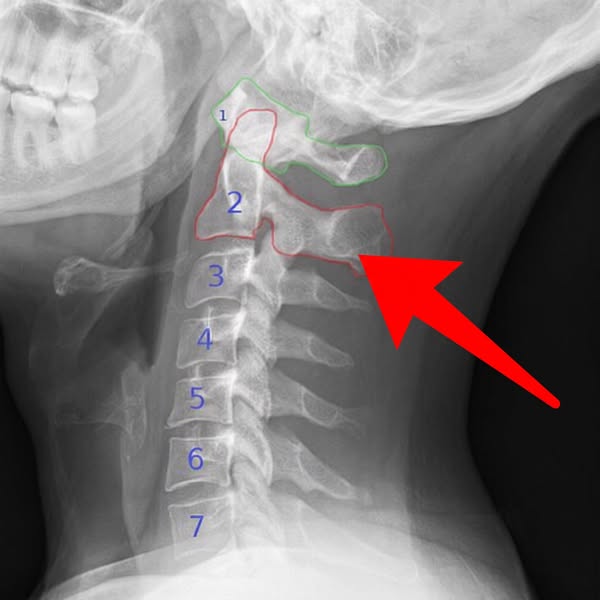
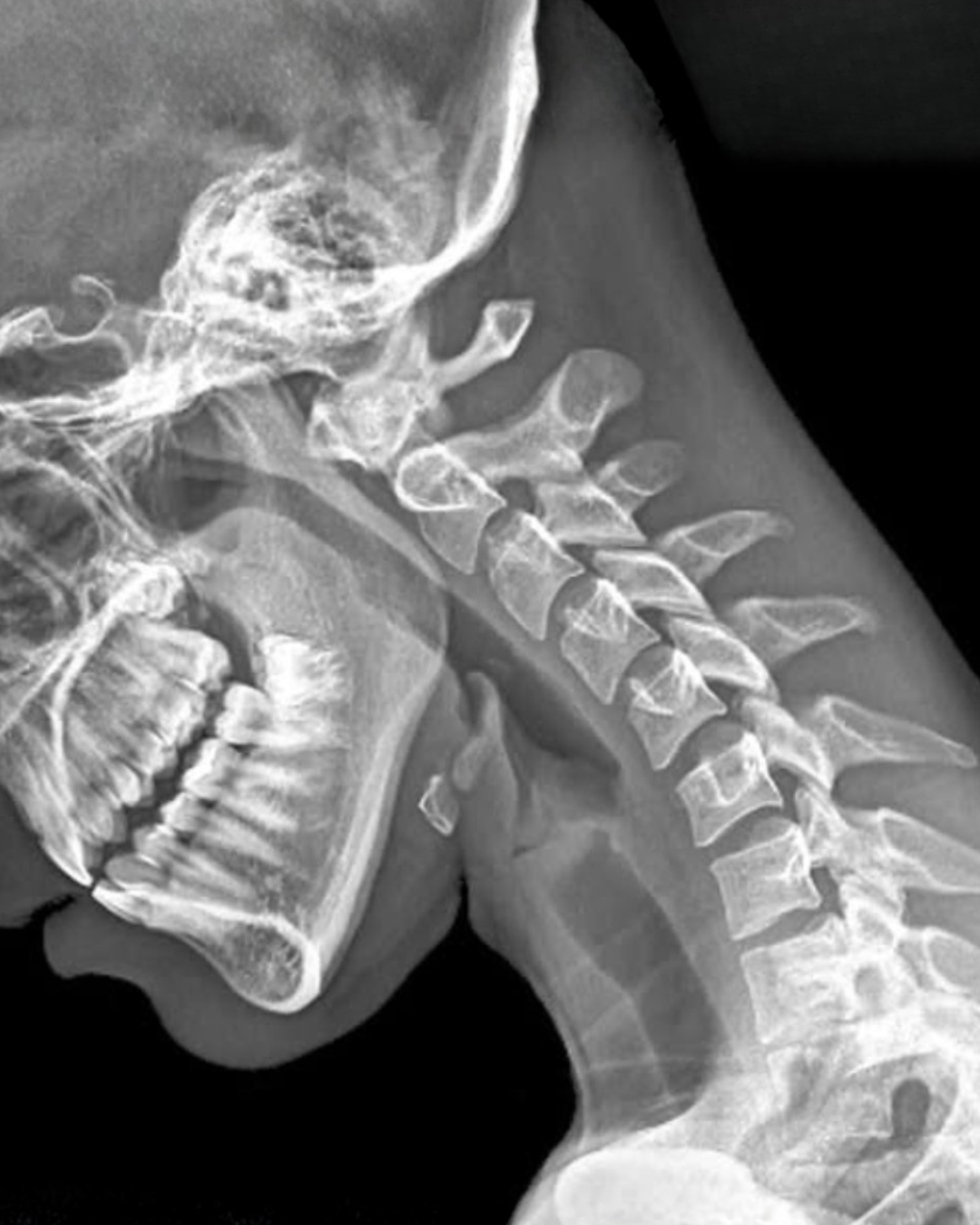
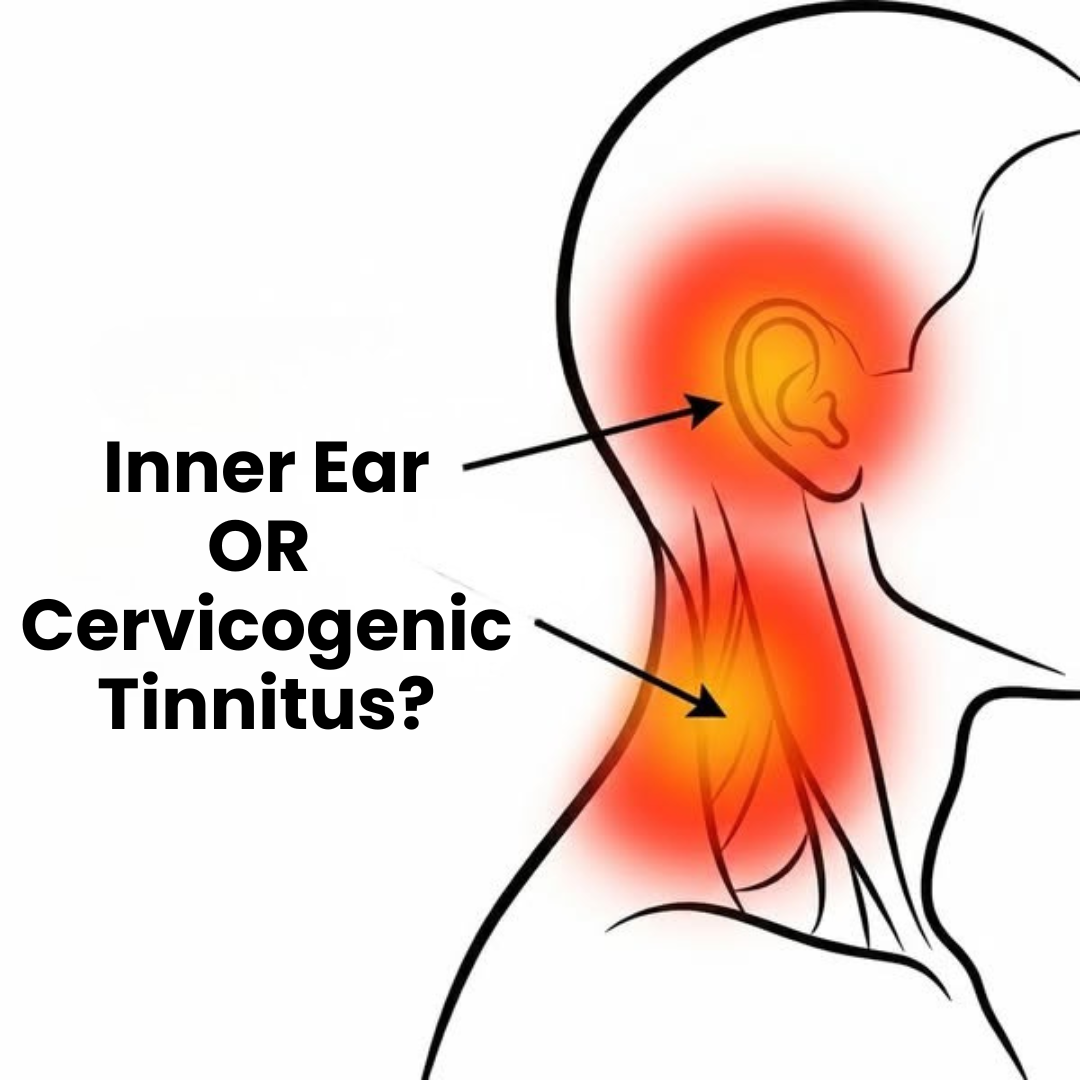
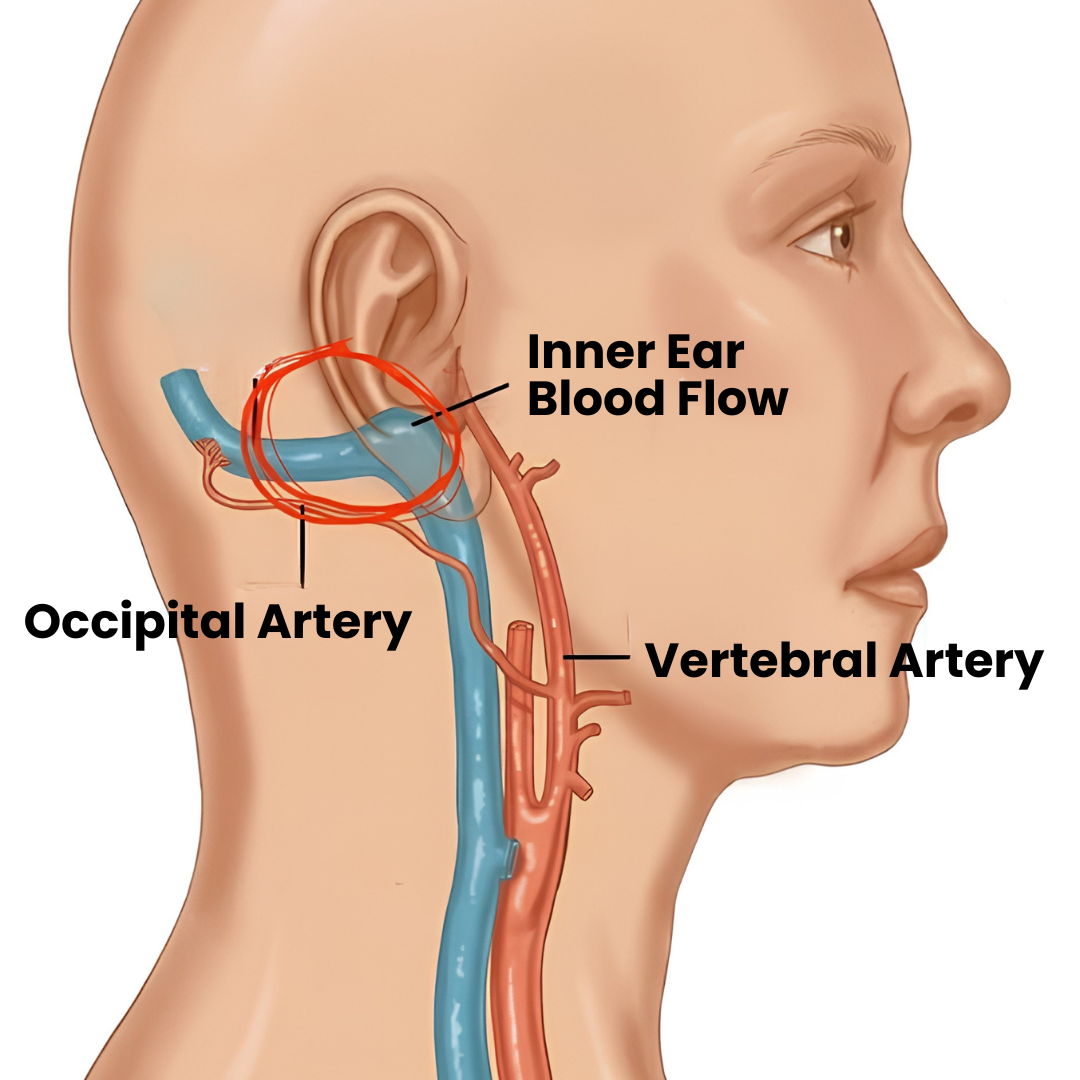
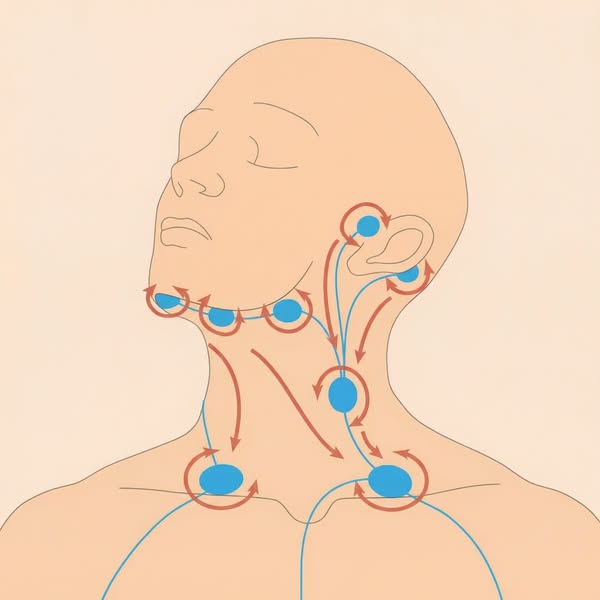
The ringing in your ears is loudest at 3 AM when the house goes completely silent. That's not random. That's when something you've never had examined is working overtime. If you have ringing in your ears and every specialist keeps telling you to learn to live with it, I need you to hear this. Because what I'm about to tell you is going to make you furious. Here's what's happening right now. One, the diagnosis they gave you is incomplete for most people who receive it. Two, when the white noise machine and hearing aids don't work, they're going to offer you medication that doesn't fix anything. And three, there's a reason nobody told you what's actually causing the ringing. And a reason they're not telling you how to actually stop it. Let me tell you about my dad. For over a year, he dealt with ringing in his ears. The kind that was there the moment he woke up. The kind that filled every quiet room in the house. The kind that got loudest at 3 AM when everything else went silent. I watched him try the white noise machine. The masking hearing aids. The tinnitus retraining therapy. Sitting through session after session, trying to train his brain to ignore a sound that never stopped. But there was something else happening that nobody connected. His thinking had gotten slower. He'd lose his train of thought mid-sentence. Some mornings he'd describe a pressure at the base of his skull that never fully lifted. His heart would race for no reason, even sitting still. He stopped picking up the phone on Sunday mornings. Stopped making plans. Stopped going into the garage he'd spent thirty years dreaming about. I didn't understand it at the time. I just thought he was adjusting to retirement. But looking back, I can see exactly when things changed. About a year after the ringing started, my dad stopped making plans. "Not up to it," he said. "Maybe next time." My mom started handling everything. The errands. The social calendar. The calls he used to make. He stayed home. Stayed present at dinner. And I remember him saying once, quietly, "The doctors keep telling me my hearing is fine. But I'm not fine." I thought he meant he was frustrated with the process. I didn't realize what he actually meant until it happened to me. Six months later, I woke up at 2 AM to a tone in my own right ear. Not loud at first. Just there. Like a TV left on in another room that never turns off. I went to my doctor that same week. She tested my hearing, looked in both ears, and said the words I'd hear over and over for the next year. "Tinnitus." She called it idiopathic tinnitus. Told me the cause was unknown. Said there was no cure but there were management strategies. Within three months I had a white noise machine on the nightstand and a referral to a tinnitus specialist. But something else was happening. The ringing wasn't quieting down. At first I blamed stress. Too much caffeine. Not enough sleep. But it kept getting worse. Louder at night. There from the moment I opened my eyes every morning, before I'd moved, before I'd done anything to provoke it. And one night, lying there with the white noise running and the ringing cutting right through it, I finally understood what my dad had meant. The doctors keep telling me I'm fine. But I'm not fine. It wasn't just ringing. It was my whole body telling me something was wrong. So I did what you're supposed to do. I went back to my doctor. And you know what she said? "Tinnitus can be very persistent. We can prescribe something to help manage the distress around it." She pulled out her prescription pad. Wrote a script for a low-dose antidepressant. And I sat there staring at it, thinking: Are you kidding me? You told me the white noise and sound therapy would help, and when they didn't work, your solution is a pill for the anxiety about the ringing that's still there? So now I'm supposed to medicate the emotional pain of a noise that isn't stopping? For the rest of my life? That's not a solution. That's a pharmaceutical subscription service. I asked her: "Isn't there something that actually addresses the root cause? Something that stops the ringing instead of just covering it?" She looked at me like I'd asked a stupid question. "This is how we manage tinnitus. There is no cure." Manage it. Not fix it. Manage it. I left that office with a prescription I never filled. Because I realized: they don't want to fix anything. They want to manage you. With pills. Forever. The white noise doesn't work. Here's a hearing aid. The hearing aid doesn't work. Here's a pill for the anxiety about the noise that won't stop. And you're a customer for life. So I started researching. Not how to manage this. How to actually understand what was happening in my body. Why doesn't tinnitus retraining therapy work for so many people? Is there a root cause that nobody's addressing? I started reading everything I could find. Medical journals. Patient forums. Studies that never made it into any doctor's office I'd ever sat in. And the same answer kept coming up, in different words, from different sources. The ringing isn't coming from the ear. It's coming from the neck. Then I found a forum where hundreds of people were describing exactly what I was living. Perfect hearing tests. Every management strategy tried. The ringing never stopping, never quieting, never giving them a single day off. And they were all pointing to the same thing. Cervicogenic tinnitus. Tinnitus caused by tight, overworked muscles at the base of the skull. Specifically at C1 and C2, the two vertebrae right where the neck meets the head. Here's what I learned. The standard tinnitus diagnosis assumes the ringing is coming from inside the ear itself. Damaged hair cells. A misfiring inner ear. Something broken in the hearing mechanism. But for a significant percentage of people, the ringing isn't coming from the ear at all. I found out about the muscles at C1 and C2. These are the deep muscles right at the base of your skull. They wrap around the small blood vessels that feed your inner ear. The vessels that carry the circulation those tiny hair cells need to function properly. These muscles get tighter and tighter over time. From years of looking down at screens. From stress. From sleeping on the wrong pillow night after night. And when these muscles stay tight, they compress those blood vessels. So your inner ear doesn't get the blood flow it needs. The hair cells start misfiring. Your brain interprets that misfiring as sound. Constant. High-pitched. Real. That's the ringing. Not because something is broken in your ear. Because of tension in your neck that's choking off the blood supply your inner ear depends on. Same symptoms. Same root cause. But instead of addressing the neck tension, the medical system gives you a tinnitus diagnosis and a management plan. And when that doesn't work, they give you a prescription. You know what that antidepressant does for tinnitus? It's supposed to reduce the distress around the ringing. That's literally its mechanism. It assumes the problem is in how you're responding to the sound. But if your problem is neck tension compressing the blood vessels feeding your inner ear, no antidepressant can touch that. You're being medicated around the problem. Not through it. Someone in the forum mentioned a pillow. Designed specifically to cradle the base of the skull and take the pressure off C1 and C2 during sleep. To let those overworked muscles finally release. For eight full hours. Every single night. The Neck Therapy Pillow. And a 30-night money-back guarantee. I figured: I'm already doing treatments that don't work. What's one more thing to try? I ordered one for myself. And one for my dad without telling him. Week one, the ringing wasn't instantly at full volume when I woke up. It took a few minutes to ramp up. That had never happened before. Week two, I reached for my phone one morning before I realized I hadn't been lying there bracing for the noise. I'd just... woken up. Like a person. Week three, I drove to the grocery store with the radio on. Music had been making the ringing spike. That day it didn't. Week six, I went back to my doctor. I told her the ringing was significantly less. That I felt clearer than I had in over a year. She looked at me. Looked at my chart. "Whatever you're doing, keep doing it." I didn't tell her about the pillow. She wouldn't have understood. But here's what happened over the next few months. The ringing that had controlled my life for over a year became something I rarely thought about. My dad called me two weeks after his arrived. "It's quiet," he said. "I forgot what that felt like." Here's what I need you to understand. If you've been told it's idiopathic tinnitus and the white noise and hearing aids aren't working, it's probably not your ears. And the answer is not to stack medication on top. The answer is to address the root cause. The neck tension that's compressing the blood vessels feeding your inner ear. Every single night while you sleep. You don't have to choose between the ringing and a pharmaceutical subscription. You don't have to accept treatments that manage symptoms without fixing anything. There's another way. The longer you stay on this path, the tighter those muscles get. The more your body compensates. The harder it becomes to undo. Right now, you can still address this at the root. But every night that passes, the tension deepens. If you've been told to habituate and you're still lying awake at 3 AM with the ringing at full volume, wondering if this is really your only option, this is the time. The link is below. Try it for 30 nights. Keep doing whatever else you're doing. Monitor how you feel. And watch what happens when you finally address what's actually been causing this. You don't have to live like this. You can have your life back. Go get it. https://try.pillowdaddy-us.com/advert-neck-therapy-pillow-tinnitus-r-1
Why Your Ears Won't Stop Ringing (The Real Cause Will Shock You))
I wasn't going to share this...
SHOP NOWLike this ad? Make it yours.
Crush rebuilds this exact creative around your product — your brand, your colors, your offer — in about a minute.