
Active· since Feb 28, 2026
- 200
- days running
- 0
- relaunches
Ad copy
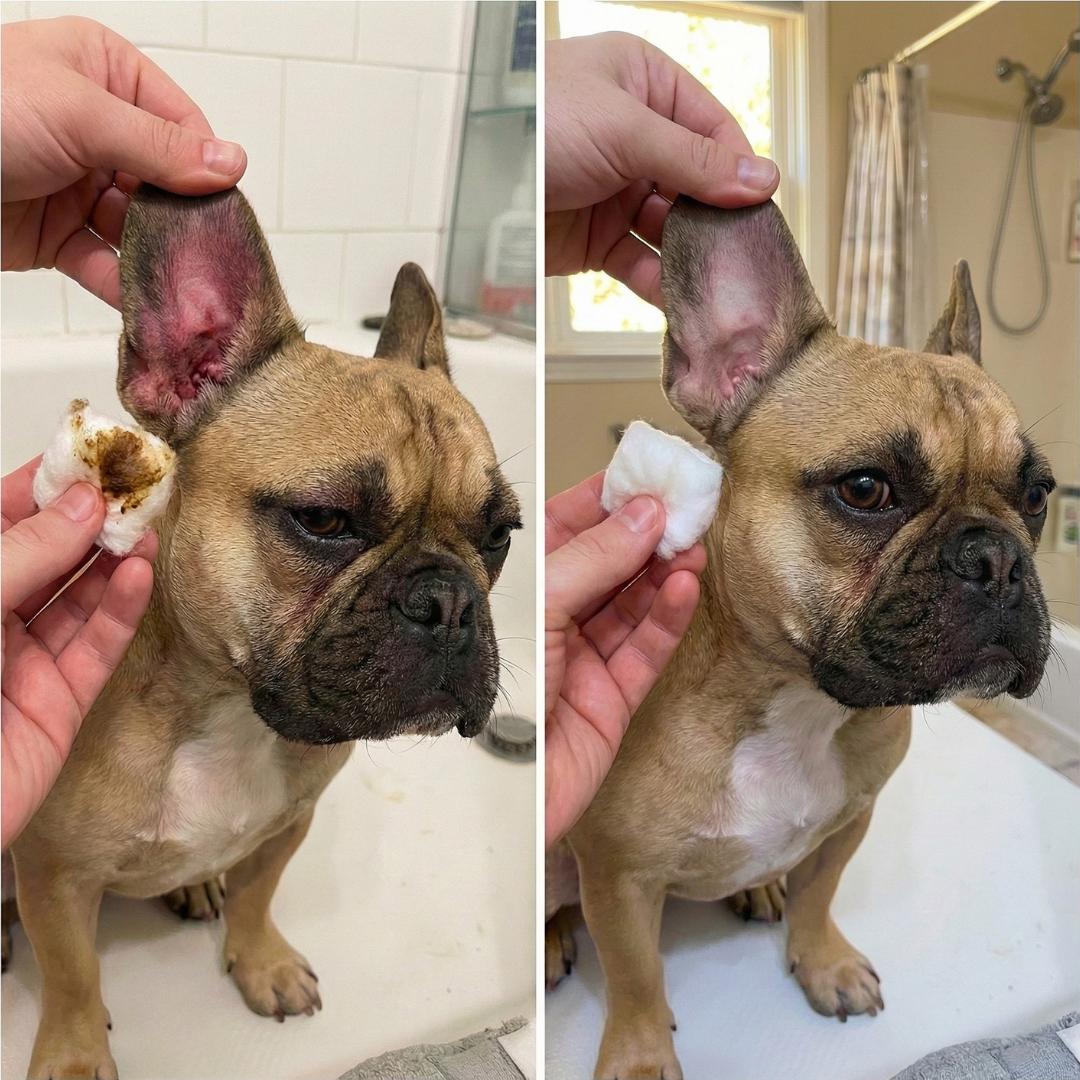
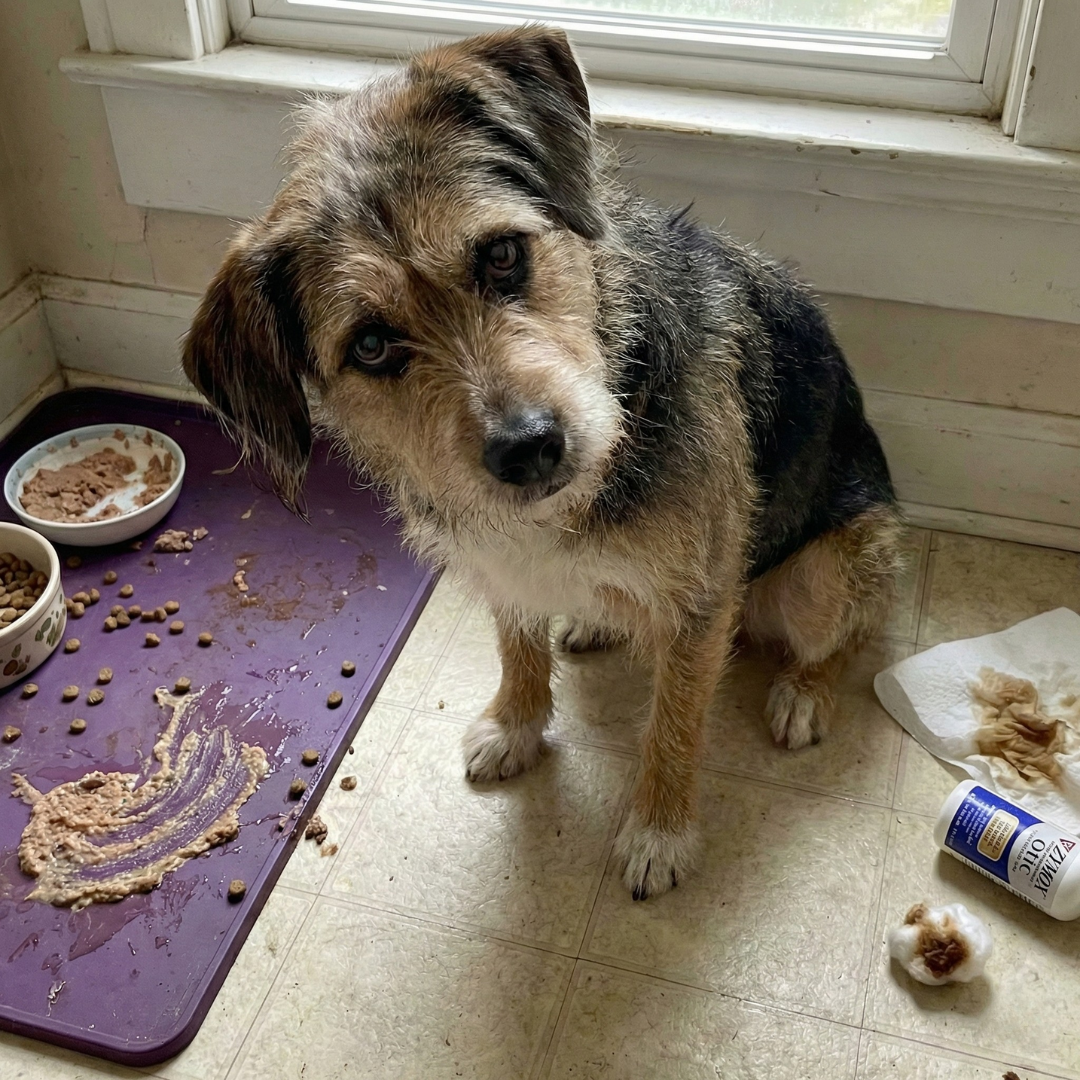
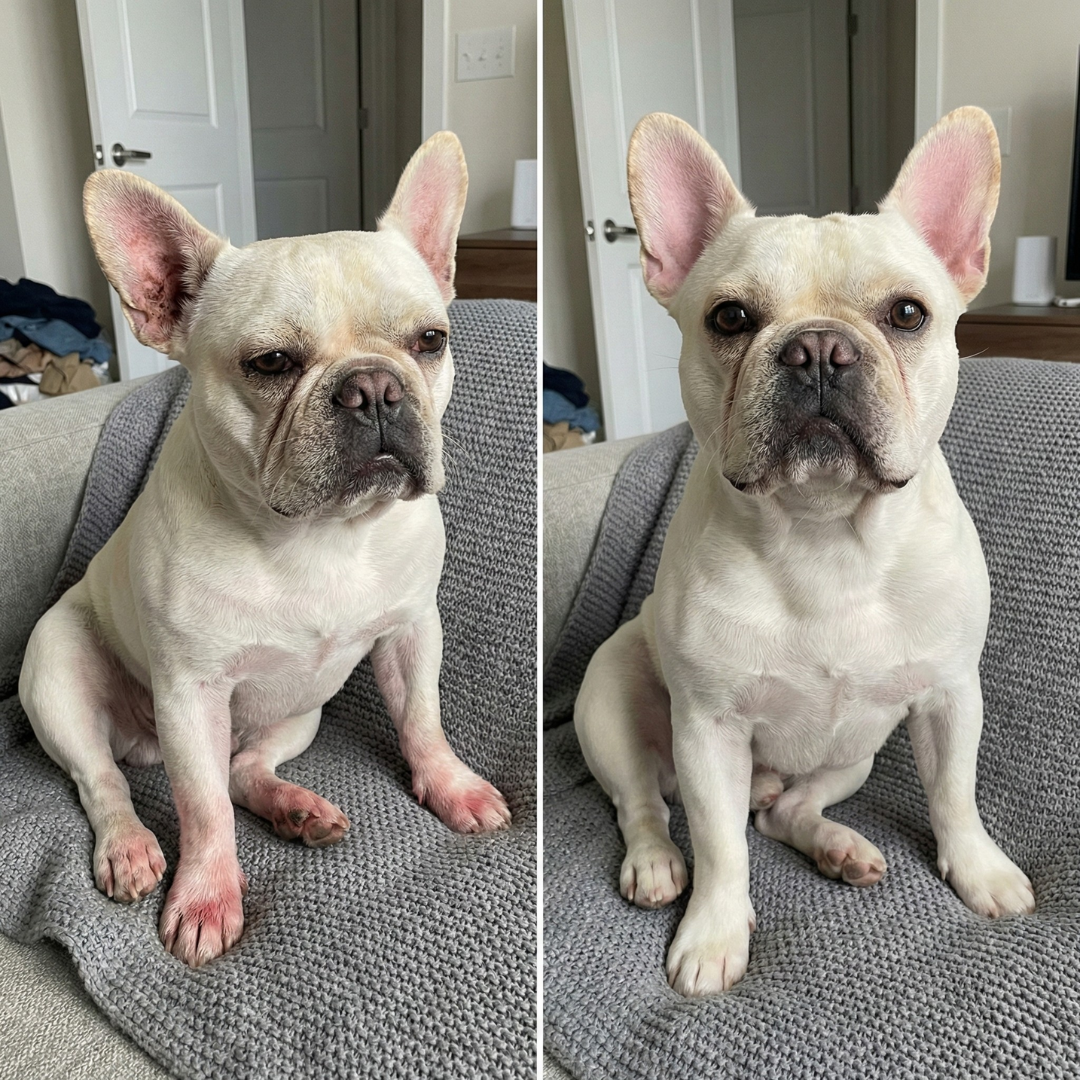
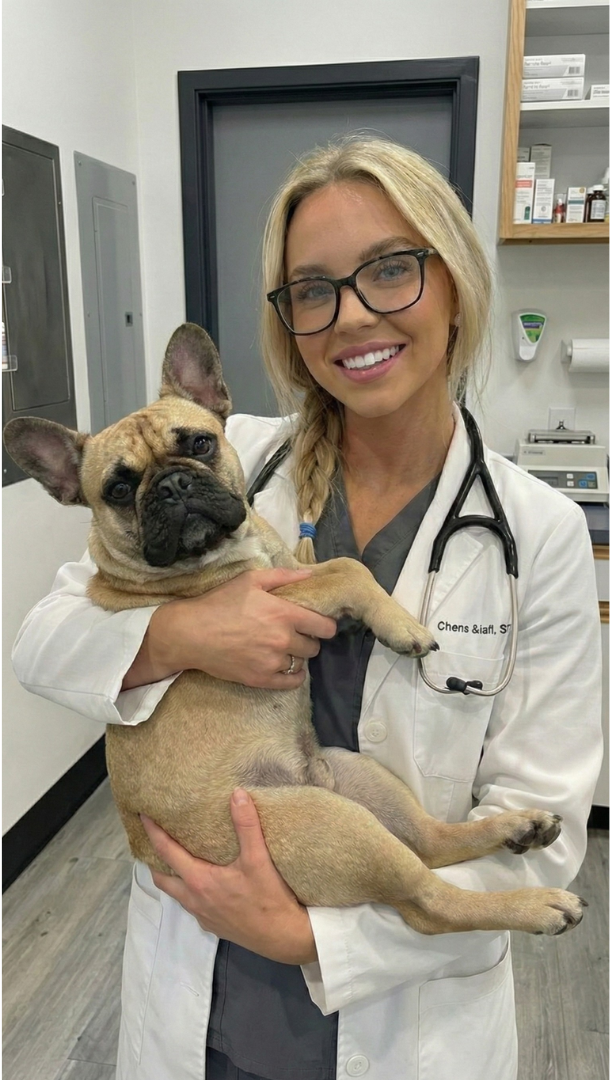
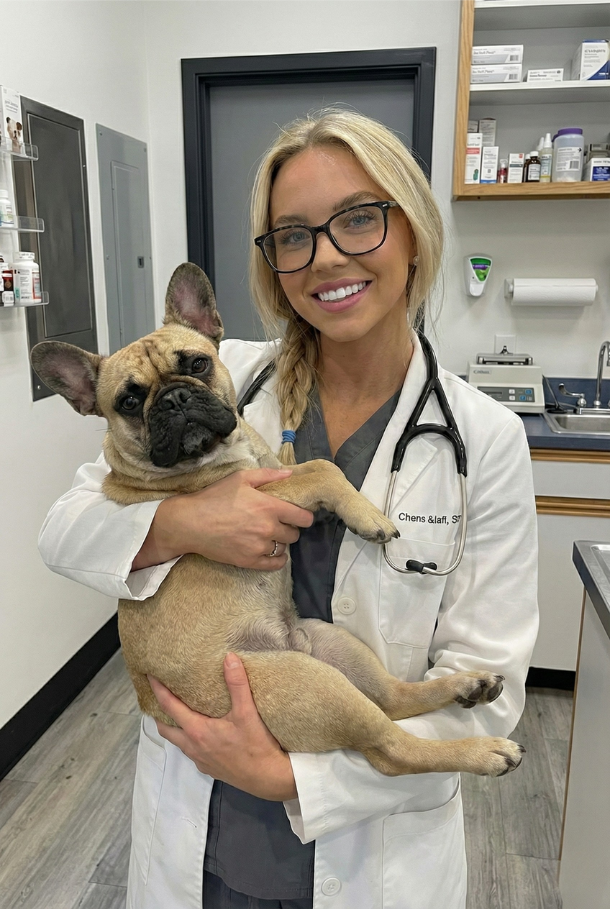
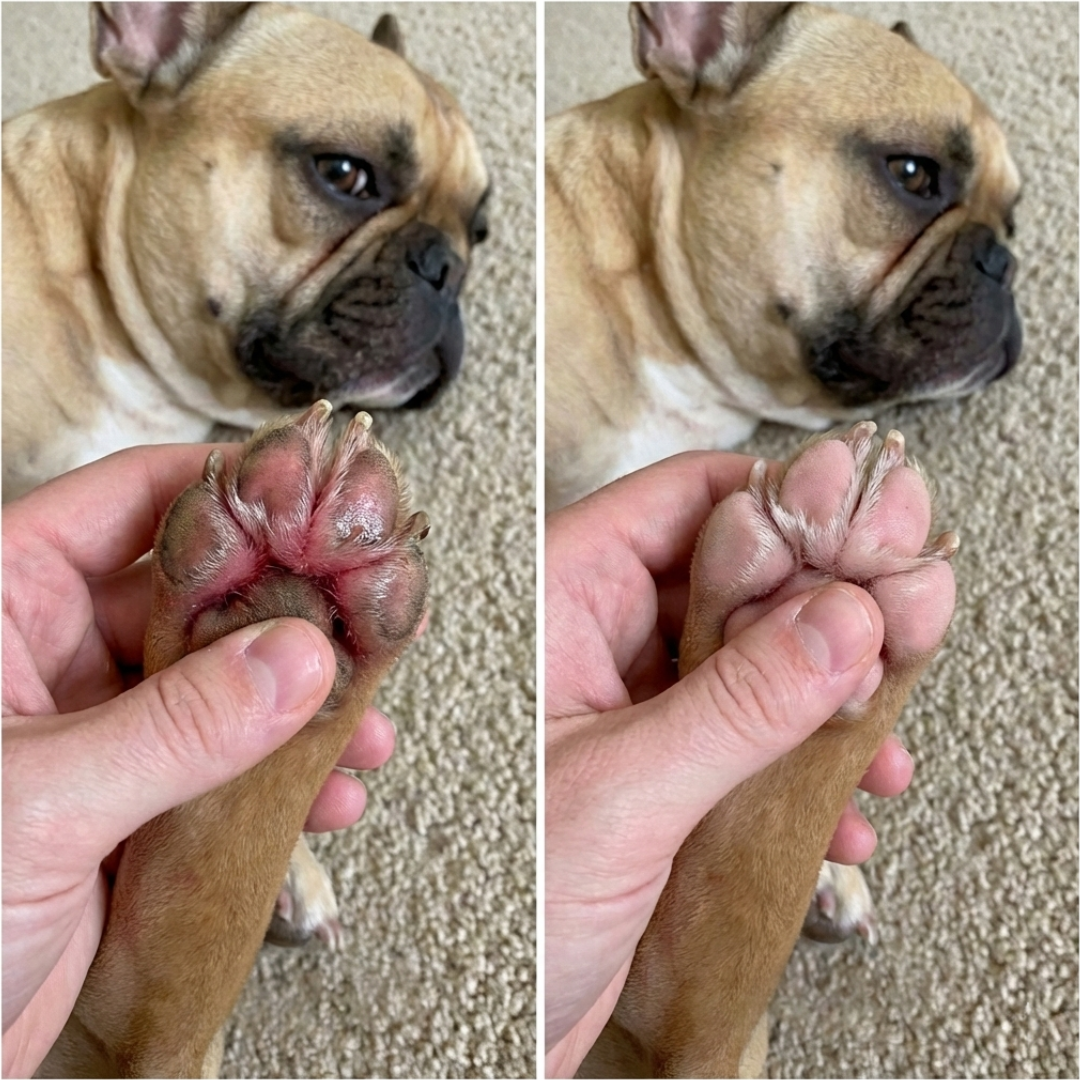
Fifth vet visit in four months. She looked at Cooper and said: "Just keep giving him the Benadryl. Some dogs need it long-term." I wanted to scream. The Benadryl wasn't working. It never really worked. His ears were still infected for the third time in eight weeks. That corn chip smell was still so strong I could smell him from across the room. He'd still lick his paws until they were raw, sometimes until 2 AM. But I didn't scream. I just paid the bill. Again. First visit: "Probably allergies. Try Benadryl twice a day." $12. Didn't work. Second visit: "Let's try a different antihistamine. Zyrtec this time." $15. Still scratching. Still infected. Third visit: "Could be the food. Try this prescription diet." $90 a bag. Still scratching. Switched back to regular food after two months. Fourth visit: "Let's add Apoquel on top of the antihistamine." $75 a month. It helped. For about three weeks. Then the ear infections came back. The paw licking came back. The smell came back. Fifth visit: "Just keep giving him the Benadryl. Some dogs need it long-term." Long-term. That's when it hit me. They were never trying to fix him. They were trying to manage him. Forever. Antihistamines that barely worked, stacked with medications that stopped working. For the rest of his life. I drove home in silence. Cooper scratching his ears in the backseat. That night I couldn't sleep. Not because of his scratching — I was used to that by now. Because I couldn't stop thinking: Why isn't this working? Apoquel is supposed to work. Cytopoint is supposed to work. The medicated shampoos, the ear cleaners — all of it is supposed to work. So why did Cooper's ears keep getting reinfected? I started Googling things I'd never searched before. "Why do ear infections keep coming back" "Dog still itching on Apoquel and Cytopoint" "Allergy meds stopped working" Thousands of results. Thousands of people asking the same question. The same story over and over: it worked at first, then stopped, then they added another treatment, then that stopped working too. Then I found an article that changed everything. A veterinary dermatologist explaining what's actually behind the recurring ear infections, the paw licking, the smell. I read it at 1 AM, sitting on my bathroom floor so I wouldn't wake my husband. By the time I finished, I was furious. Not at my vet. She was doing what she was trained to do. But she was never trained about this. The article explained something so simple it made me sick: It was never allergies. The ear infections. The constant paw licking. The corn chip smell. The itchy, red skin. It was yeast. Overgrowth of a fungus called Malassezia that lives on every dog's skin. When it overgrows, it causes all the symptoms I'd been chasing for months. The ears. The paws. The smell. Everything. And here's the part that made me want to throw my phone: Apoquel doesn't address yeast overgrowth. It suppresses itch signals. Cytopoint doesn't address yeast overgrowth. It blocks the itch response. Antihistamines don't touch it. Prescription diets don't touch it. I'd spent months and thousands of dollars suppressing symptoms while the actual problem — yeast overgrowth — kept getting worse underneath. But it got worse. The article explained that yeast doesn't just sit on the skin waiting to be washed off. It builds a protective shield around itself. A biofilm. This biofilm makes yeast 10 to 1,000 times more resistant to treatment. Medicated shampoos wash the surface. The yeast behind its biofilm? Untouched. Ear cleaners wipe away discharge. The yeast protected deep in the ear canal? Still thriving. That's why Cooper's infections kept coming back. I was treating the surface. The yeast protected behind its biofilm kept thriving. And the moment I stopped treatment, it spread right back. I sat on that bathroom floor and cried. Five vet visits. Hundreds of dollars a month. Months of medication. Exposed my dog to immune-suppressing drugs for a problem they weren't even designed to fix. The article explained what actually works. Compounds that break down biofilm. That work systemically — through the bloodstream — reaching ears, paws, and skin folds from the inside. I followed what it said. Found a formula that matched the science. Within two weeks, Cooper's ears were cleaner than they'd been in months. Within four weeks, the smell was gone. Not masked. Gone. Within six weeks, I stopped the Apoquel completely. No more Cytopoint. No more $300 months. He sleeps through the night now. No scratching. No licking. No infections. Not "managed." Actually fixed. I took him back to the vet two months later for his regular checkup. Different vet this time — Dr. Rachel Kim, who had just joined the practice. She looked in Cooper's ears and said: "These look great. Whatever you changed, keep doing it." I told her about the yeast. About the biofilm. She nodded. "That makes sense. Malassezia overgrowth is incredibly common, but we're trained to manage symptoms, not address what's driving them." She wasn't defensive. She was genuinely curious. That's when I realized: they're not withholding information. They just weren't taught. But that doesn't mean your dog has to suffer while the system catches up. If you're where I was — multiple vet visits, stacking medications, spending hundreds a month on "allergies" that never go away — I want you to consider something: What if it was never allergies? What if the ear infections, the paw licking, the smell, the constant scratching — what if it's all yeast? And what if everything you've tried can't get it under control because nothing's breaking through the biofilm? The formula I found is called Kivori. It works from the inside. It contains compounds that break down biofilm and address yeast overgrowth where it actually hides. If you want to understand the science yourself, read the same research I found. It explains why allergy medications fail when yeast is the real problem — and what actually works. 👉 https://www.kivoripetstore.com/pages/allergy Your vet isn't wrong. They're just trained to manage symptoms. Not fix the cause. But now you know. And you can do something about it. Cooper's sleeping on his bed right now. No scratching. No smell. No infections. That's what's possible when you stop suppressing and start restoring balance.
Like this ad? Make it yours.
Crush rebuilds this exact creative around your product — your brand, your colors, your offer — in about a minute.