Oral Care Finds
Oral Care Finds Facebook ad: “Stop Dry Mouth”
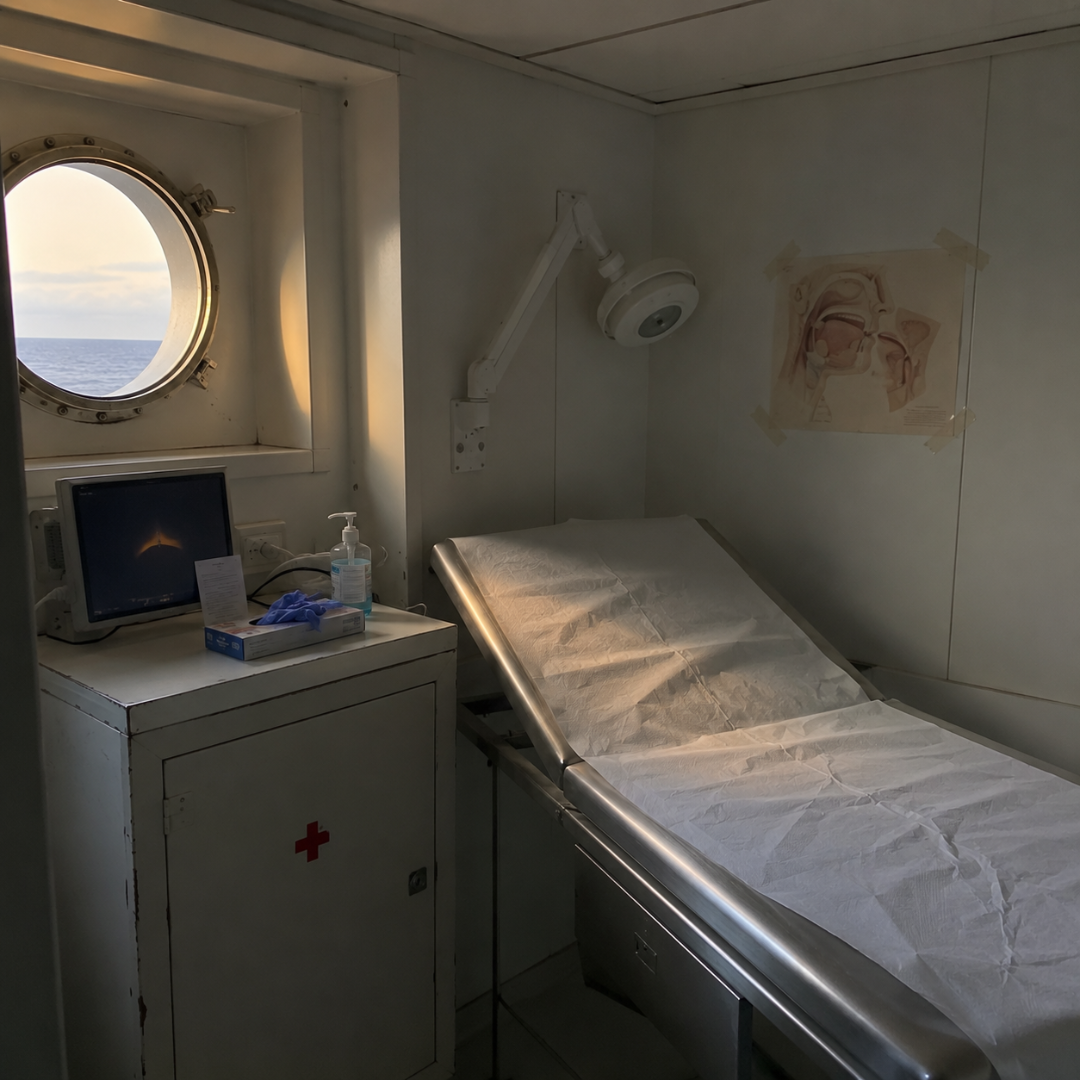
Ran for 6 days, from June 24 to June 30, 2026, the last day Crush saw it.
Run by Oral Care Finds on Facebook. Crush is not the advertiser and does not verify its claims. See this ad in Meta's Ad Library(opens in a new tab)
Want an ad like this for your product?
Crush makes new ad images for your product from this ad: your logo, your product photo, your offer.
Trials from $19.95 USD, then $79.95 USD a month. Cancel anytime.
About this ad
- Meta Ad Library ID
- 1891086021579547
- Platforms
- Facebook, Instagram, Audience Network, Messenger and Threads
- Relaunches
- 0
Ad text
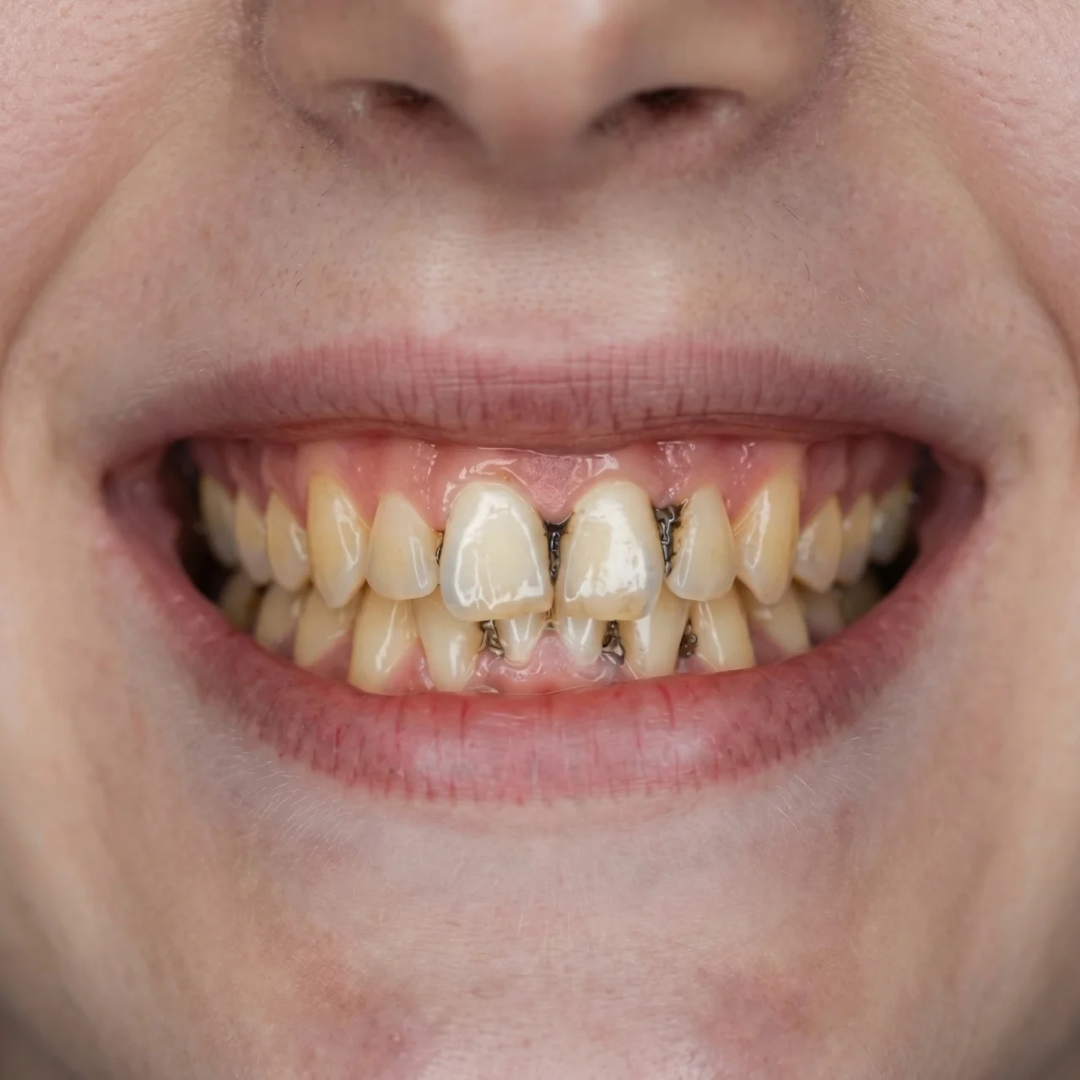
I had a choking incident on a Mediterranean cruise. The ship's doctor was from Vienna. She asked me ONE question that changed everything I knew about my dry mouth. I'm 58 years old. My husband and I saved for two years for this cruise. Two weeks through the Mediterranean. Greece, Italy, Spain. Day five, we're at a dinner with the whole table. White tablecloth. Beautiful food. Conversation going. And I start choking on a piece of bread. Not dramatically — I caught it. But the whole table saw. I grabbed my water glass, drank half of it, excused myself, and spent four minutes in the bathroom getting my breath back. It wasn't the first time. In a dry mouth, swallowing dry food is a calculation. You plan for it. You pre-sip. You chew longer than you need to. You stay away from crackers and crusty bread in public. I'd been doing all of that for seven years and I still miscalculated. When I came back to the table, my husband looked at me the way he looks at me now. The way he's looked at me since this started. Like he's scared. The next morning I went to the ship's medical center. Her office was small and very clean. On Deck 3, near the stern. Dr. Vogel. Austrian accent. Late 40s. She asked about the incident. How often it happened. What I'd already tried. "Seven years," I told her. "My dentist has me on Biotene. Spray, rinse, gel. Prescription fluoride because my enamel's been eroding. A humidifier. I drink about two liters of water a day." She nodded slowly. "Has your dentist discussed salivary defense system failure with you?" I stared at her. "What's that?" She set her instruments down. "Dry mouth is not a moisture problem," she said. "Saliva is not water. It is your mouth's entire biological defense system — and when it fails, it fails in six ways simultaneously." I'd been told for seven years to drink more water and apply more Biotene. Nobody had ever said the word "defense system" to me in their life. "Every product you're using is addressing moisture," she continued. "Surface coating. Temporary lubrication. That's all it was ever designed to do." "But my enamel is still eroding," I said. "Even with the prescription fluoride. Even doing everything they told me." "Because the erosion isn't from the dryness," she said. "It's from the defense system that's missing underneath the dryness." She pulled up a diagram on her screen — a cross-section of a salivary gland and oral cavity — and she walked me through something nobody in seven years of dentist appointments had taken the time to explain. Healthy saliva does six things simultaneously. Not one. Six. It carries a salivary enzyme complex — amylase, lysozyme, peroxidase — that maintains a constantly hostile environment for the bacteria that cause decay. Active, targeted, continuous. It delivers calcium and phosphate directly to the enamel surface, every minute of every day, remineralizing microscopic damage before it ever becomes a cavity. It contains antimicrobial proteins — lactoferrin and lysozyme — that sequester the iron bacteria need to replicate and break down bacterial cell walls directly. It runs a bicarbonate buffering system that keeps your oral pH out of the danger zone. Below 5.5, enamel dissolves. Healthy saliva holds you above it, continuously. It coats every surface of mucosal tissue with hyaluronic acid — protecting the soft tissue of your throat, cheeks, and lips from cracking, ulceration, and infection. And it does all of this in sustained contact with every surface of your mouth, every hour of the day and night. Not for thirty seconds after a spray. Continuously. "When the salivary glands reduce their output — from medication, from menopause, from age — all six of those functions collapse at the same time. Not just the moisture. The entire defense system." She looked at my chart. "You have been managing the moisture for seven years. Nobody has been supporting the defense system underneath it." I listened. But I didn't understand why my dentist had never explained this. "My dentist never mentioned a defense system." Dr. Vogel nodded the way people nod when they're not surprised. "It's not commonly discussed in American dental practice," she said. "Most dentists focus on topical fluoride for the enamel and Biotene for the comfort. But in European oral medicine, the salivary defense system has been understood as the primary intervention target for over a decade." "So what do I actually do?" I asked. "The research on salivary defense restoration exists," she said. "A slow-dissolving delivery format — a lozenge, not a spray — that stays in active contact with your oral tissue long enough to actually do the work. Not four minutes. Hours. Delivering the enzyme complex, the calcium and phosphate, the antimicrobial proteins, the acid buffer, the mucosal coating — all six functions — in sustained release." "Most products on the American shelf dissolve in under five minutes. What can five minutes do in a mouth that's been defenseless for seven years?" She paused. Then added: "Spraying moisture onto a biological defense failure is not treatment. It's watching the decline from a comfortable distance." I thanked her and left. But I couldn't stop thinking about it. For the rest of the cruise, it lived in the back of my mind. Seven years. My dentist had me on Biotene in every format. Checking my enamel at every appointment. Watching it erode. Three new cavities in the last two years despite brushing twice a day. Telling me to keep applying. Keep drinking water. Keep using the humidifier. But never once mentioning that saliva does six things, and moisture is only one of them. Or that every product she'd recommended was built for someone who ate garlic bread — not for someone whose defense system had broken down. Or that there was a decade of European research on restoring what was actually failing. When we got home, I couldn't let it go. The night we unpacked, I opened my laptop. 11:52 PM. I started searching. "salivary defense system dry mouth" "sustained release lozenge salivary enzymes" "lactoferrin lysozyme dry mouth enamel" "European oral medicine dry mouth protocol" At 1:30 AM, I found it. Peer-reviewed oral medicine research. Clinical journals. Study after study confirming exactly what Dr. Vogel had told me. The salivary enzyme complex — amylase, lysozyme, peroxidase — demonstrating direct antimicrobial activity in a dry mouth environment. Calcium phosphate in bioavailable form showing measurable enamel remineralization when delivered in sustained contact. Lactoferrin demonstrating iron sequestration that starves cavity-causing bacteria. Sodium bicarbonate buffering raising oral pH back above the 5.5 threshold. Hyaluronic acid reducing mucosal inflammation in xerostomic patients. All six functions. All researched. All documented. Some of it published more than ten years ago. I read the studies three times. I felt something rising in my chest. Seven years. My dentist had been recommending Biotene since 2017. And there was published research — from before she ever started treating me — showing that a surface coating cannot restore a defense system, and that sustained-release salivary enzyme delivery could address what the Biotene was never designed to reach. Why hadn't she mentioned it? I kept reading. The enamel implications. Not just erosion — active demineralization happening overnight, for hours, in an acid environment with no calcium arriving to repair it. A mouth that couldn't buffer acid, couldn't fight bacteria, couldn't coat its own tissue. Six defense systems absent simultaneously while every protocol I'd been on addressed exactly one of them, partially, for five minutes at a time. And every product on every pharmacy shelf was built for someone with occasional mild dryness. Not for seven years of biological defense failure. At 2:40 AM, I started looking for what Dr. Vogel had described. Most dry mouth lozenges were useless for this. Flavored xylitol discs that dissolved in three minutes. Better than water. Not a defense system. But I found one formulation built around the six-function mechanism. Developed specifically for people whose salivary defense system had failed — not for post-garlic-dinner dryness. VeroCare Oral Defence Lozenges by VeroGlow. A clinical-dose salivary enzyme complex — not trace amounts for flavor, but the actual therapeutic concentration the research used. Xylitol at a dose that does something specific to Streptococcus mutans, the primary cavity bacteria. It absorbs the xylitol thinking it's sugar. Cannot metabolize it. Starves. The lozenge doesn't mask the bacterial problem. It removes it at the source. Calcium and phosphate in bioavailable form — the remineralization minerals my enamel had been missing for seven years. Not in water. Not in Biotene. In VeroCare. Lactoferrin and lysozyme restoring the antimicrobial proteins my glands weren't producing. Sodium bicarbonate raising my oral pH above 5.5 — back into the zone where bacteria can't thrive and enamel can repair. Hyaluronic acid coating the mucosal tissue that had been cracking and drying since this started. All six functions. One lozenge. In a slow-release matrix designed to stay active for up to four hours. Not five minutes. Four hours. I read the reviews. Women describing exactly what I'd been going through. Years of Biotene that never quite reached the problem. Then something actually changing — not at the surface but underneath. I ordered a box at 3:20 AM. When it arrived, I started immediately. One lozenge before bed. Dissolving slowly. No spray. No sipping. No soaking. Week one: The night I realized I'd slept from 11 PM to 5 AM without waking for water. I lay in the dark checking my phone to make sure I was reading the time right. Week two: I looked at my mouth differently at the mirror. The tissue on the inside of my cheeks — which had been perpetually dry and slightly cracked at the corners — looked different. Less angry. Something was reaching the tissue from inside. Week four: At a dinner with friends, I ate the bread. The whole piece. No calculation, no pre-sipping, no watching myself. My husband saw it. He didn't say anything until we were in the car. "You ate the bread." "I know." "You didn't choke." "I know." Week six: I took a photo at the mirror and compared it to one I'd taken from six months before. The tissue around the corners of my mouth — those dry, cracking patches I'd had for so long I'd stopped seeing them — were gone. At three months, I went back to my dentist. She examined my teeth. Probed. Charted. Did the measurements she always did and wrote down the numbers. Then she stopped. "Your enamel erosion hasn't progressed," she said. "Actually, these watch sites — they look stable. That's unusual." "I stopped the prescription fluoride two months ago." Her head came up. "You stopped the fluoride?" "I found something else. A lozenge. It delivers a salivary enzyme complex, calcium and phosphate for remineralization, antimicrobial proteins, acid buffer, mucosal coating. All six of the things saliva was supposed to be doing. In sustained release. Up to four hours." My dentist looked at my chart. "I'm not familiar with that formulation," she said. "But the measurements speak for themselves. Keep doing what you're doing." I left her office feeling something I hadn't felt in years. Not angry at her. Not bitter. Just aware. She wasn't hiding anything from me. She just didn't know. The research existed. The studies were published. The mechanism was documented in peer-reviewed oral medicine journals going back over a decade. But it wasn't part of her training. Not standard protocol in American dentistry. So she did what she was taught: recommend Biotene, prescribe fluoride, monitor the erosion, consider stronger intervention if it gets worse. Meanwhile, in European oral medicine, the salivary defense system had been the primary intervention target for years. I'm 58 now. My enamel is stable for the first time in seven years. I sleep through the night. I eat what I want at dinner without planning around it. I haven't miscalculated with bread in three months. And I think about that ship's doctor all the time. The one who took fifteen minutes to explain that saliva does six things and every product I'd ever been recommended was only doing one of them — badly — for five minutes. Something my dentist had never mentioned in seven years of appointments. If your dentist is recommending Biotene and telling you to "drink more water" with no real improvement after months or years, you need to know something. The research exists. Published oral medicine studies. Peer-reviewed clinical data. Showing that surface moisture products cannot restore a salivary defense system, and that sustained-release enzyme delivery can support what the spray was never designed to reach. Your dentist probably hasn't seen it. Not because she's incompetent. But because American dental training focuses on topical fluoride and commercial moisture products as the standard protocol. Salivary defense system restoration with a clinical-dose enzyme complex isn't standard yet. So when your dentist says "keep using the Biotene and drink more water," she's telling you what she was trained to recommend. But she's not telling you about the six-function biology your mouth has been missing. Or about the decade of research that could actually address why your mouth stays defended for four hours instead of four minutes. The product I use is VeroCare Oral Defence Lozenges by VeroGlow. Clinical-dose salivary enzyme complex. Bioavailable calcium and phosphate. Lactoferrin, lysozyme, sodium bicarbonate, hyaluronic acid. Slow-dissolving sustained-release matrix. Up to four hours of active defense. I don't get anything from sharing this. I just know what it's like to spray Biotene every few hours for seven years with no real progress. And I know what it's like to have a doctor on a cruise ship — someone I found by accident because I choked on a piece of bread — explain in fifteen minutes what my dentist never mentioned in seven years of appointments. If you're being told to "just keep using the spray," you deserve to know there's research your dentist might not have seen. Research that supports all six defense functions the spray was never designed to restore. Research that's been understood in European oral medicine for over a decade. You don't have to wait for your dentist to discover it. You can look into it yourself. 👉 getveroglow.com/products/verocare™-oral-defence-lozenges-for-dry-mouth 60-day money-back guarantee. If you don't experience real, sustained relief — not thirty seconds, but hours — full refund, no questions. — Karen M., 58, Colorado P.S. My husband took a photo of me at that dinner in Santorini — the night before the choking incident, smiling at the table with my water glass in front of me like a safety device. I look fine in the photo. You can't see it. That's the thing about this — it's invisible from the outside right up until it isn't. Last week we went to a dinner party and I left my water bottle in the car. I didn't realize until we were driving home. That has not happened in seven years. It was in the car. I didn't need it.
Where the ad sends people
getveroglow.com
Stop Dry Mouth
VeroGlow
Learn more: getveroglow.com(opens in a new tab)