Fall Prevention Tips
Fall Prevention Tips Facebook ad: “The One Biggest Lie They Tell Seniors About Falls”
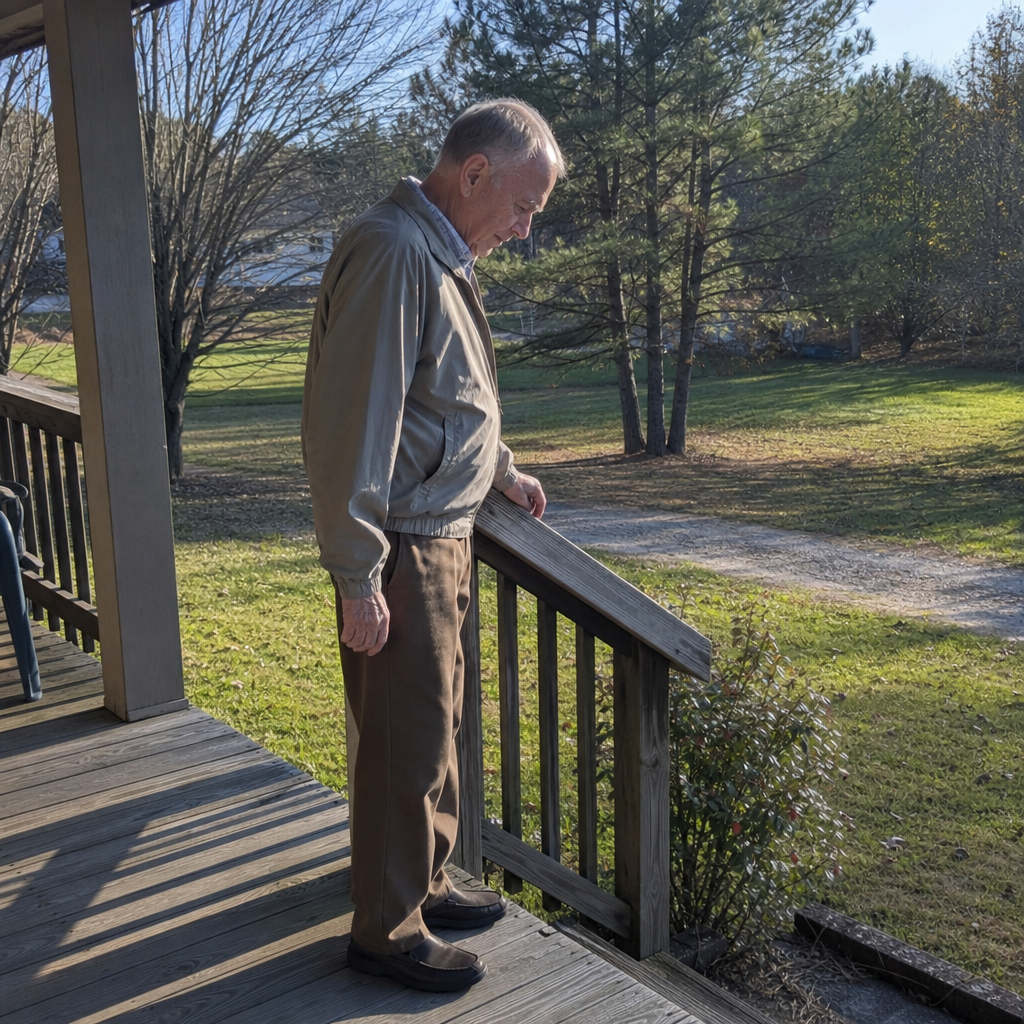
Ran for 20 days, from June 26 to July 16, 2026, the last day Crush saw it.
Run by Fall Prevention Tips on Facebook. Crush is not the advertiser and does not verify its claims. See this ad in Meta's Ad Library(opens in a new tab)
Want an ad like this for your product?
Crush makes new ad images for your product from this ad: your logo, your product photo, your offer.
Trials from $19.95 USD, then $79.95 USD a month. Cancel anytime.
About this ad
- Meta Ad Library ID
- 1892945084713879
- Platforms
- Facebook, Instagram, Messenger and Threads
- Relaunches
- 0
- Niche
- Fashion & Apparel
Ad text
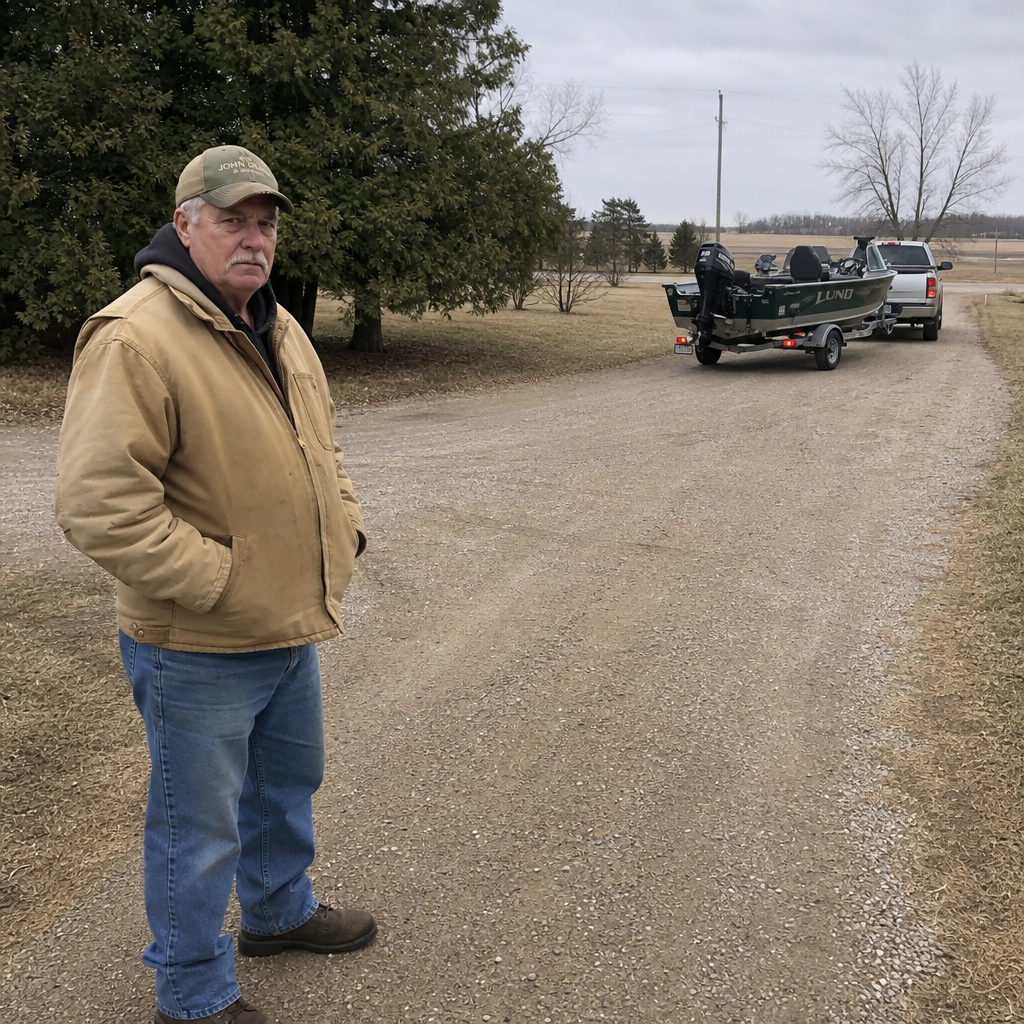
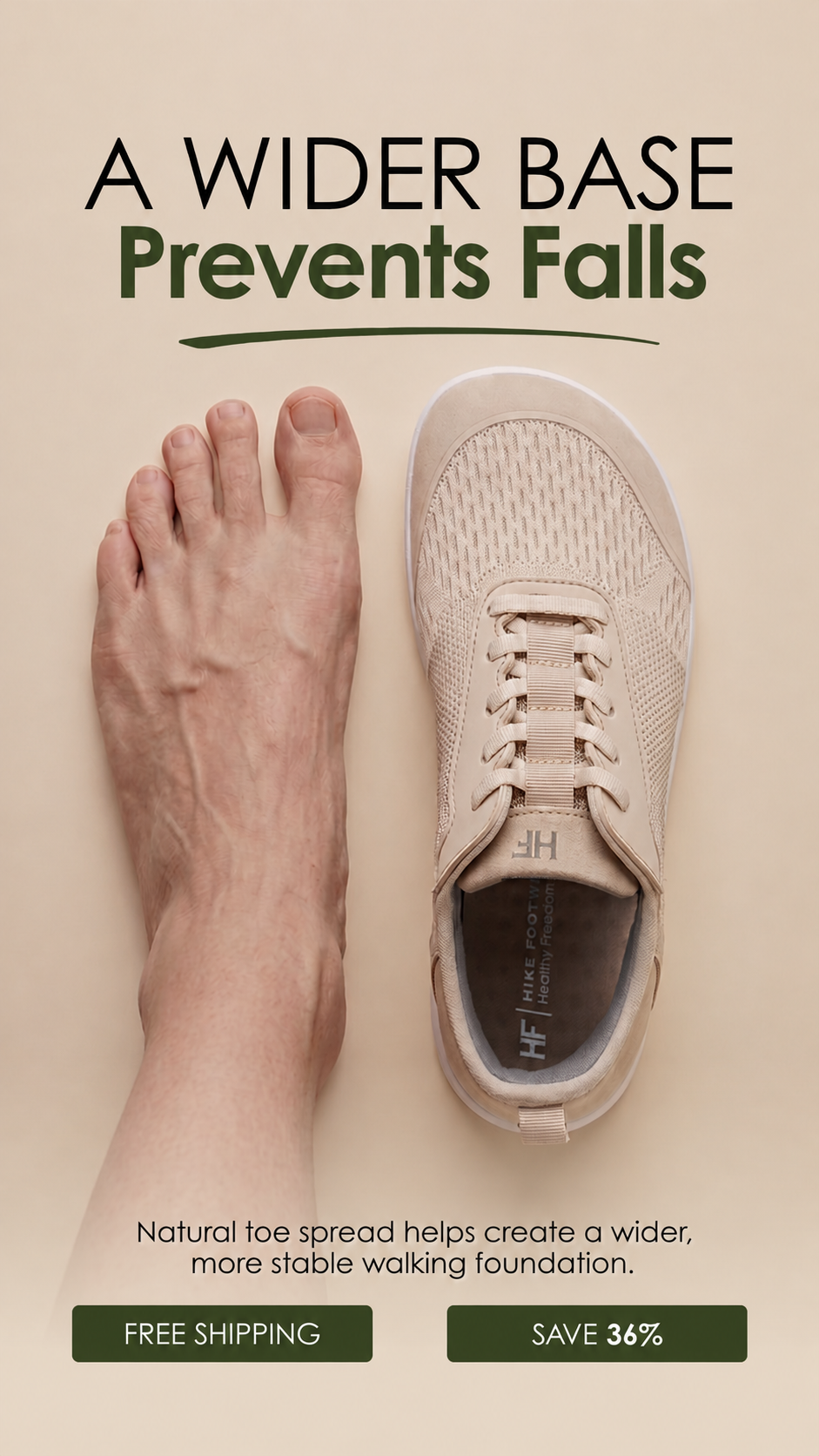
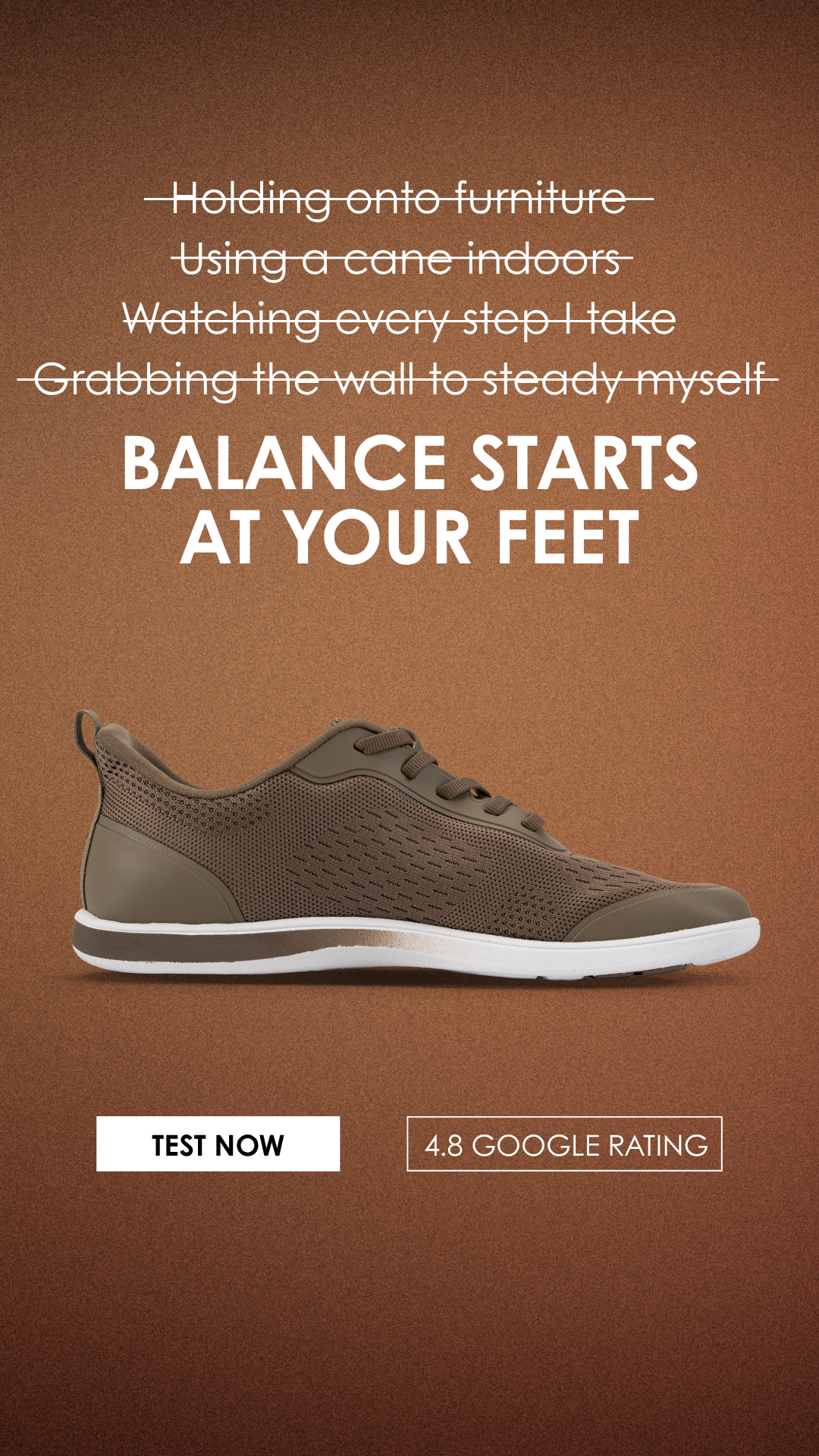
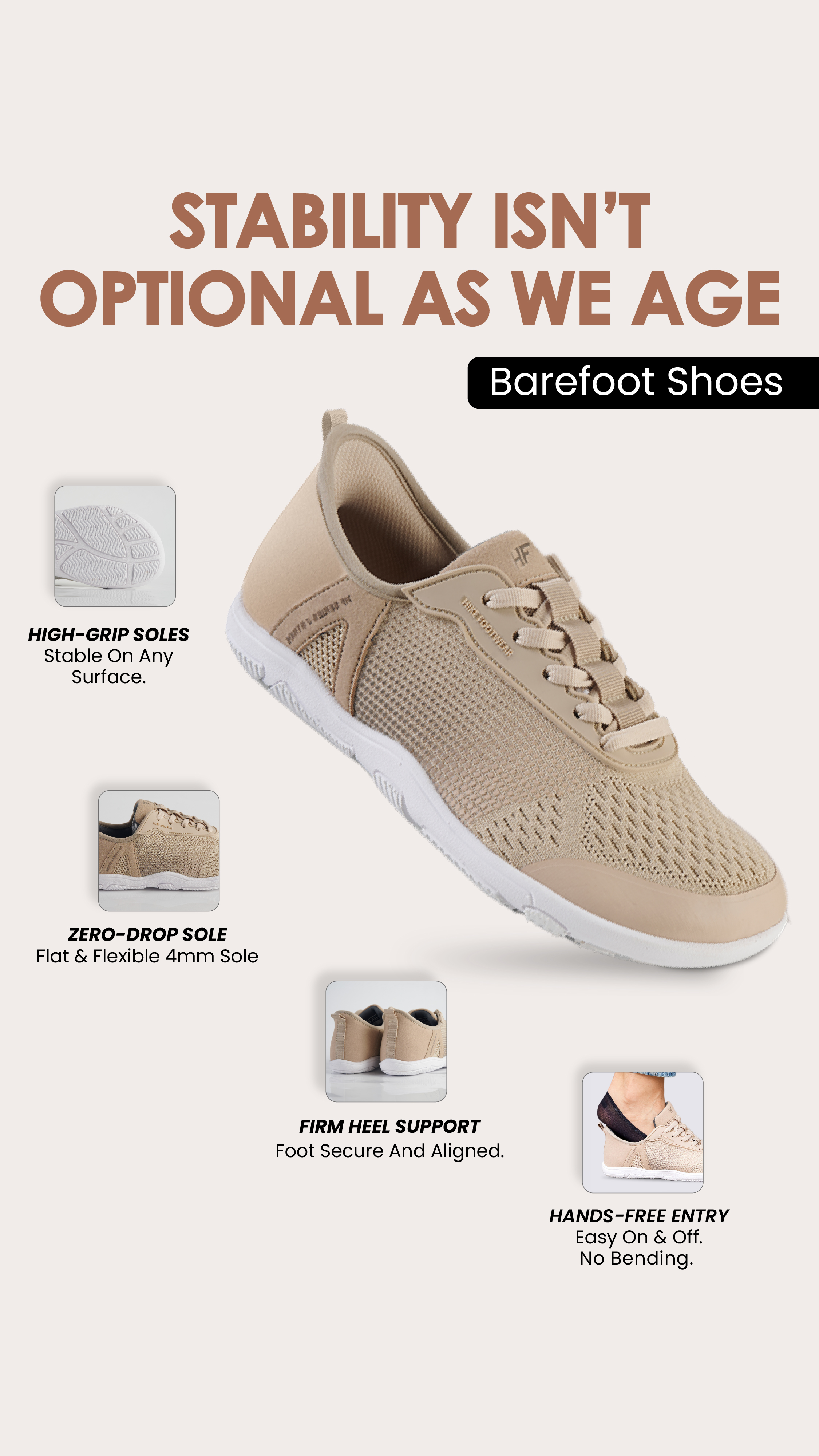
For 11 years, I sold families on assisted living. And I knew a secret that I never said out loud in front of them. We had a phrase we only used in the back office. Behind their backs. We called them "second fall families." Because once Mom or Dad had that first fall, the math was brutal and we all knew it: roughly an 80% chance they'd be signing residency papers within the year. We didn't hope for the fall. But when the call came, every one of us knew what it meant. Another bed filled. Another family that would never take their parent back home. Because here's the part they don't tell you at the tour: Once you check in, you almost never check out. That "temporary stay while you recover" becomes the address on your death certificate. And it almost always starts the same way. One fall. Not a stroke. Not a heart attack. A fall. A wet kitchen floor. A rug edge. A missed bottom step. I watched it happen hundreds of times. And I stayed quiet, because it was good for business. I'm done staying quiet. Because that first fall? It wasn't bad luck. It wasn't "just getting old." It was something nobody warned them about. Something completely reversible — if they'd known in time. You Won't Fall Because You're Weak. You'll Fall Because Your Feet Went Blind. Here's what no doctor and no nursing home will tell you straight: That unsteadiness that makes you reach for furniture when you stand up? It's not weak legs. It's a broken signal between your feet and your brain. The bottom of each foot is packed with over 200,000 nerve endings. Their only job is to send spatial data up to your brain — "the floor is sloping," "you're tipping," "you just caught the rug edge." When those nerves get blocked, your brain flies blind. This is called proprioceptive loss. Long before it puts you on the floor, it shows up as the "old man shuffle." Short steps. Wide stance. Eyes glued down. A hand always near a wall. It won't respond to balance exercises, because the muscles aren't the problem. The signal is. Your brain can't catch a slip it never felt coming. And the worst part? The thicker and softer your shoes, the blinder your feet become. You think you're protecting yourself with cushion. You're actually wrapping your feet in thick winter gloves and asking them to read braille. And it's the root cause for most sensory loss in the feet of seniors that eventually leads to devastating falls. And it's one wet floor away from a "second fall family" phone call. The Study That Exposed the "Comfort Shoe" Lie Researchers studying gait and falls ran balance testing on 1,200 adults over 65. They measured how fast each person's brain registered the ground beneath them. What they found was alarming. 87% had significant proprioceptive delay — their brains were getting the "you're slipping" signal far too late to react. 62% showed measurable instability the moment their eyes closed. 34% had already had at least one fall in the previous year. These weren't frail, bedridden people. These were active seniors who thought they were just slowing down a little. Their feet had gone numb. And the shuffle they'd written off as age was the visible symptom. The lead researcher said something that should stop every senior cold: "By the time you feel unsteady, the sensory feedback is already severely impaired. We're watching falls happen in slow motion." If you grab the walls when you walk, your feet are already compromised. The question isn't "should I be more careful?" The question is "how do I wake my feet back up before I go down — and end up in a place I'll never leave?" Why Your Feet Went Numb (And Your Steps Got Shorter) The 200,000 nerves in the bottom of your feet have one job: feel the ground and feed that to your brain instantly, so your core and legs can make a thousand tiny corrections every minute. When those nerves can feel, you: Catch a slip before it becomes a fall Adjust automatically on uneven ground Stand tall and walk with a full stride Trust your body without thinking about it When your feet go numb, all of that breaks down. Here's the cascade: STEP 1: Thick-soled "comfort" shoes block the nerve endings in your feet. Your brain stops receiving clean ground signals. It no longer knows exactly where the floor is. STEP 2: Your brain compensates by playing it safe. It shortens your stride and widens your stance. The "shuffle" begins. STEP 3: Your stabilizing muscles stop firing. With no signal to react to, your core and ankles get weaker every day. The reflex that catches a slip slows to a crawl. STEP 4: Fear sets in. You feel unsteady, so you move less. The less you move, the weaker and blinder you get. This is why the unsteady senior has that specific look: Short shuffling steps. Hunched posture. Eyes down. White-knuckle grip on every railing. It's not "old age." It's sensory blindness. And it's exactly the look that admissions directors like me were trained to spot from across the parking lot. The Hidden Cause: Your Shoes Are Starving Your Feet of One Thing Your feet need one thing to keep your brain informed: ground feel. Without it, the signal never reaches your brain. Your feet go silent. The problem? Modern shoes deliver almost ZERO ground feel. Industry estimates suggest the average comfort shoe blocks 90% of the signal your feet are supposed to send to your brain. Why? Because nearly every shoe on the shelf is built around the one thing that blinds your feet: Thick foam midsoles (the more "premium," the thicker) Stiff, rigid soles that won't bend with your foot Narrow toe boxes that pin your toes together and kill your base of support You're walking around in thick, padded casts. Your feet are blind. And every day that you don't use those nerves in your foot, they start to slowly die off, cutting the signal from the ground beneath you. Your steps get shorter. Your world gets smaller. And that brochure on the fridge starts to look inevitable. The Atlanta Carpenter Who Got His Footing Back in 12 Weeks Walter is 73 years old. For the last few years, he'd been developing what he called his "careful walk." Short steps. One hand always near a wall. He hadn't gone down his porch steps without the railing in two years. Then he went down in his own bathroom. First fall. A cracked wrist and a night in the ER. His son got the call every "second fall family" eventually gets — the gentle suggestion to "look at some options." They toured a place. Nice carpet. Smiling staff. A waiting list. Walter cried in the car. He knew exactly what it was. But his daughter-in-law refused to sign anything until she got a second opinion — not from a salesman, from a movement specialist who worked in fall-prevention. The specialist took one look at Walter's thick-soled orthopedic walking shoes and almost laughed. "Your feet can't feel a thing in those. Your brain has no idea where the floor is. That shuffle isn't going anywhere until we restore your ground feel." She told him to switch to a thin, flexible, barefoot-style shoe. Walter thought it sounded insane. Less shoe, for an unsteady old man who'd just fallen? But the alternative was a one-way address. He had no choice. What Happened When Walter Woke His Feet Back Up Within the first week of wearing a thin, flexible sole, Walter noticed something: He'd turned around at the kitchen sink without grabbing the counter. The wobble was going down. Within a month: His stride had opened back up He took the porch steps without the railing He walked to the mailbox and back without his cane for the first time in two years At 12 weeks, the specialist re-ran his balance test: "Walter, I don't know what you did, but your reaction time and stability look years younger. You're standing on one leg longer than men a decade younger than you." Walter wasn't "being careful" anymore. His posture had straightened. His steps were full again. The fear that had been running his life — and the brochure on his fridge — were simply gone. Not because he got stronger overnight. Because his feet could finally feel the ground again. His brain could read the floor. Fire the right muscles. Catch a slip. All from removing the one thing that had been blinding his feet for years. The place that toured him? They never got their "second fall." Why "Stability" Shoes and Orthotics Don't Work (The Industry Secret) You've probably seen them. $180 "motion-control" sneakers promising stability. Custom orthotics promising support. And your balance never actually improved. Here's why: More cushion, more "support," and stiffer soles make the blindness WORSE. Every layer of foam puts another wall between your feet and the ground. Thin, flexible ground contact restores the signal. Because it lets your 200,000+ nerve endings do exactly what they were designed to do: Feel the floor instantly Detect a slip the moment it starts Trigger your stabilizing muscles before you go down Splay your toes into a wide, solid base It's how feet worked for thousands of years, going back to primitive times — until modern shoes got in the way. Your brain recognizes the signal. Reacts to it. Uses it immediately to keep you upright. Within days, the signal returns. Within weeks, the shuffle fades. Within months, the fear of falling is gone. The Evolutionary Truth About Human Balance For 200,000 years, humans walked, climbed, and stayed surefooted into old age. There was no "fall epidemic." No shuffling. No walkers lined up in every living room. No entire industry built around the families of people who slipped on a kitchen floor. What changed? In the 1970s, the shoe industry convinced the world that feet needed thick, soft padding to be "protected." They pumped more and more foam under our heels every year. Human ground feel dropped by a staggering margin. Within one generation: Falls became the leading cause of injury death in older adults The "shuffle" got normalized as just "getting old" People started losing their footing — and their independence — by their late 60s This isn't natural aging. This is sensory blindness, manufactured by the shoe industry and sold to you as "comfort." And it's been very, very good for the assisted living business. Your body is designed to stay surefooted and steady. Your feet just need to feel the ground to do their job. Specifically: ground feel. The Modern Problem: You're Not Going to Walk Around Barefoot Let's be realistic. You're not going to walk barefoot through the grocery store. You're not strolling the sidewalk with nothing on your feet. Even knowing your feet are blind, you won't. That's the problem we solved. Introducing HF Stride Barefoot Shoes A precision-engineered shoe built to restore ground feel — without leaving your feet exposed. A 4.5mm sole — thin enough to wake up your proprioception, durable enough for daily wear. A wide, anatomical toe box that lets your toes splay into a stable, solid base. A flexible build that bends with your foot the way nature intended. Slip them on. That's it. No exercises. No therapy. No relearning how to walk. Just the exact ground contact your feet need to start talking to your brain again. What Happens When Your Feet Can Finally Feel the Ground Within the first week: Shuffling starts fading. Your steps feel a little longer. Your feet feel connected to the floor again. Within two weeks: You stop reaching for the wall on every turn. Walking on uneven surfaces stops feeling dangerous. Within a month: Stiffness eases and your legs feel steadier. Natural confidence comes surging back. The fear of falling starts to melt away. Within three months: Your balance has real, long-term support — not another quick fix. Your whole body feels capable again. Independence returns. You stay in your own home, on your own terms. This isn't a gadget or a balance gimmick. This is restoration. Your feet finally getting what they need to keep you upright. But You Need to Know This Do NOT buy random "barefoot" shoes off Amazon. The market is flooded with worthless knockoffs. Soles that are thin but stiff as a board (no real ground feel). Toe boxes still pinched narrow (no stable base). Cheap materials that fall apart in a month. They print "barefoot" and "minimalist" on the label. Then they build the same blinding shoe in a different shape. It's the footwear industry playbook. Big promises. Cheap construction. Your money in their pocket. What Makes HF Stride Different The sole is 4.5mm thick. It's designed to restore full ground feel while still being strong enough to wear every single day. A genuinely wide, anatomical toe box that lets your toes splay for a real, stable foundation. Quality materials and craftsmanship — not mass-produced foam. The same design principle that kept Walter out of that waiting room. The same ground feel that ended the shuffle and gave him his confidence back. Now built into a shoe you can actually wear out the door. Here's the Deal Right now, Hike Footwear — the company that makes the HF Stride — is running a limited-time Summer sale: 49% off plus free shipping. They're so confident you'll feel better balance and easier movement, they back it with a 30-day money-back guarantee. Wear them for 30 days. If you don't feel the difference… if you don't feel steadier, more connected, more sure of every step… send them back for a full refund. No questions. No hassle. But fair warning: Hike Footwear is a small company. They use quality materials and precision craftsmanship, which means they can't mass-produce like the cheap knockoff brands. Their last restock sold out in 72 hours. If you click and they're already gone, I'm sorry. It happens. If you see them in stock, don't wait. Your "Second Fall" Is Already Coming Every day you wait is another day your feet stay blind. Every day is another day your brain loses a little more contact with the ground. Every day is another day the shuffle gets worse and your world gets smaller — and another day closer to the phone call I used to wait for. The unsteadiness isn't harmless. It's a fall you can feel coming in every careful step. And the people who profit from it are counting on you to do nothing. The only way to reverse it is to give your feet back the ground feel they've been starved of. Not through exercises. Not through a cane. Not through a deposit on a room you'll never leave. Through your feet. The same surefooted steadiness that kept your grandparents walking into old age, in their own homes, until the end. Click below and give your feet what they need to feel the ground — and catch you — again. Before you go down.
Where the ad sends people
offers.hike-footwear.com
The One Biggest Lie They Tell Seniors About Falls
Shop now: offers.hike-footwear.com(opens in a new tab)