
Inactive· since Mar 20, 2026
- 27
- days it ran
- 0
- relaunches
Ad copy
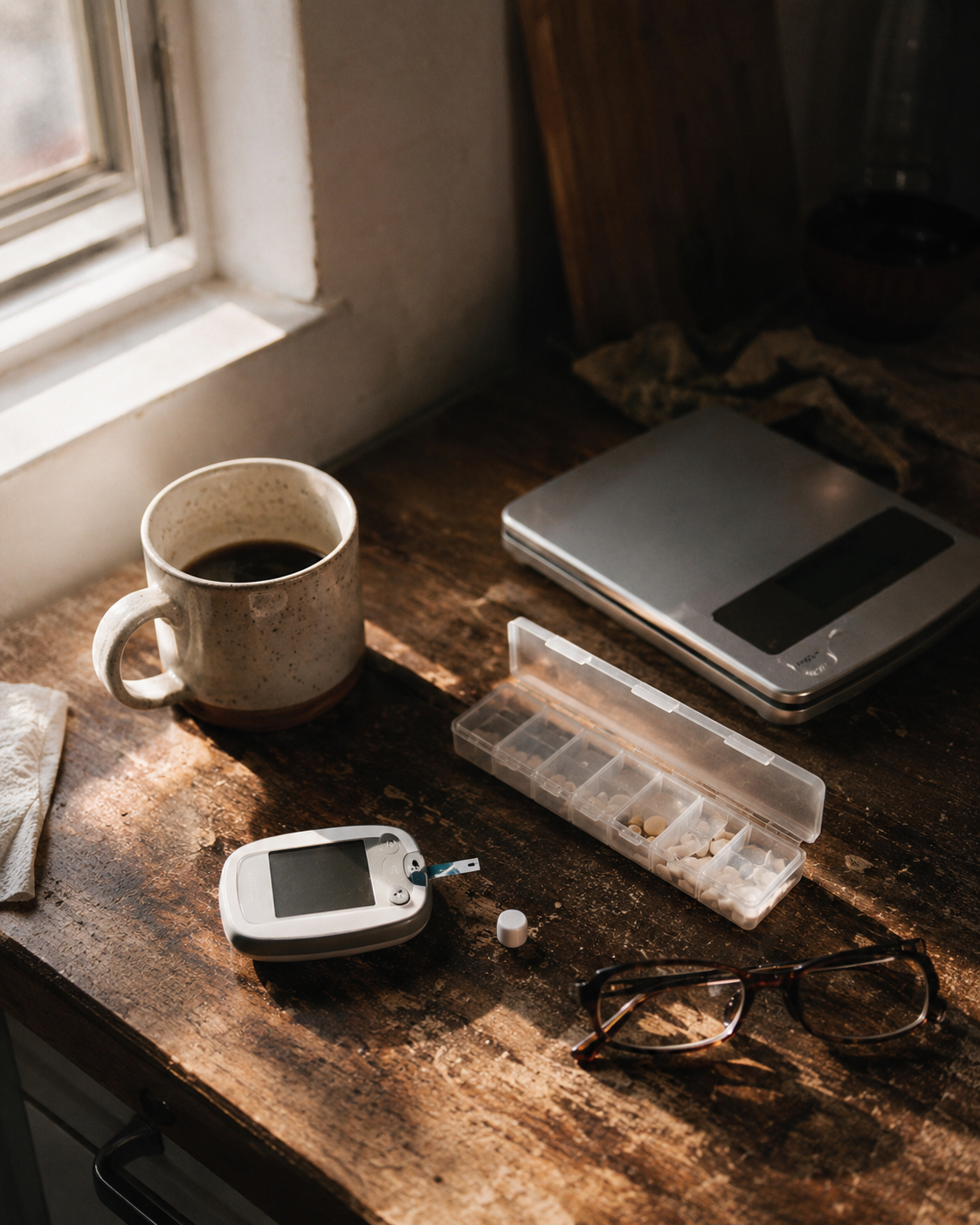
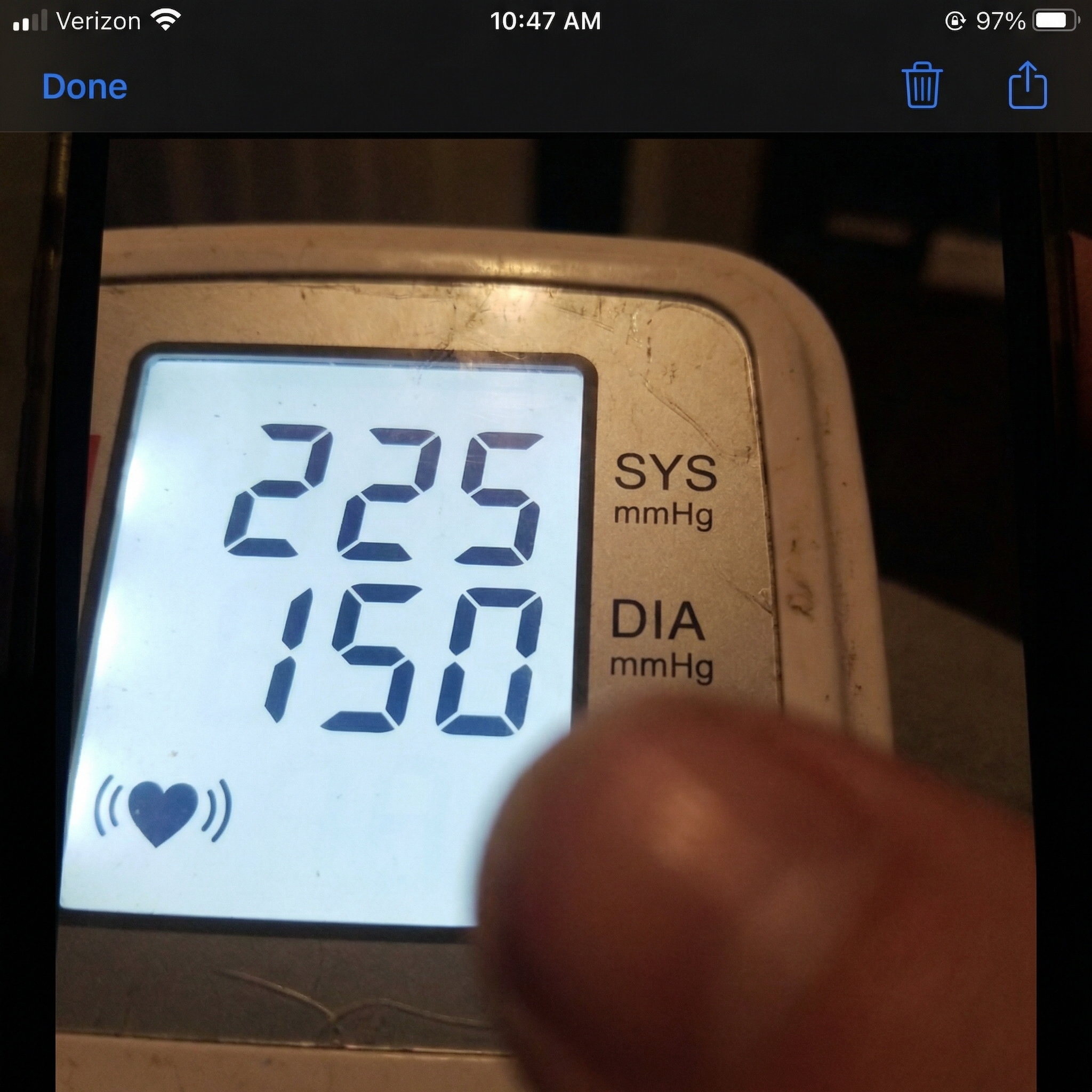
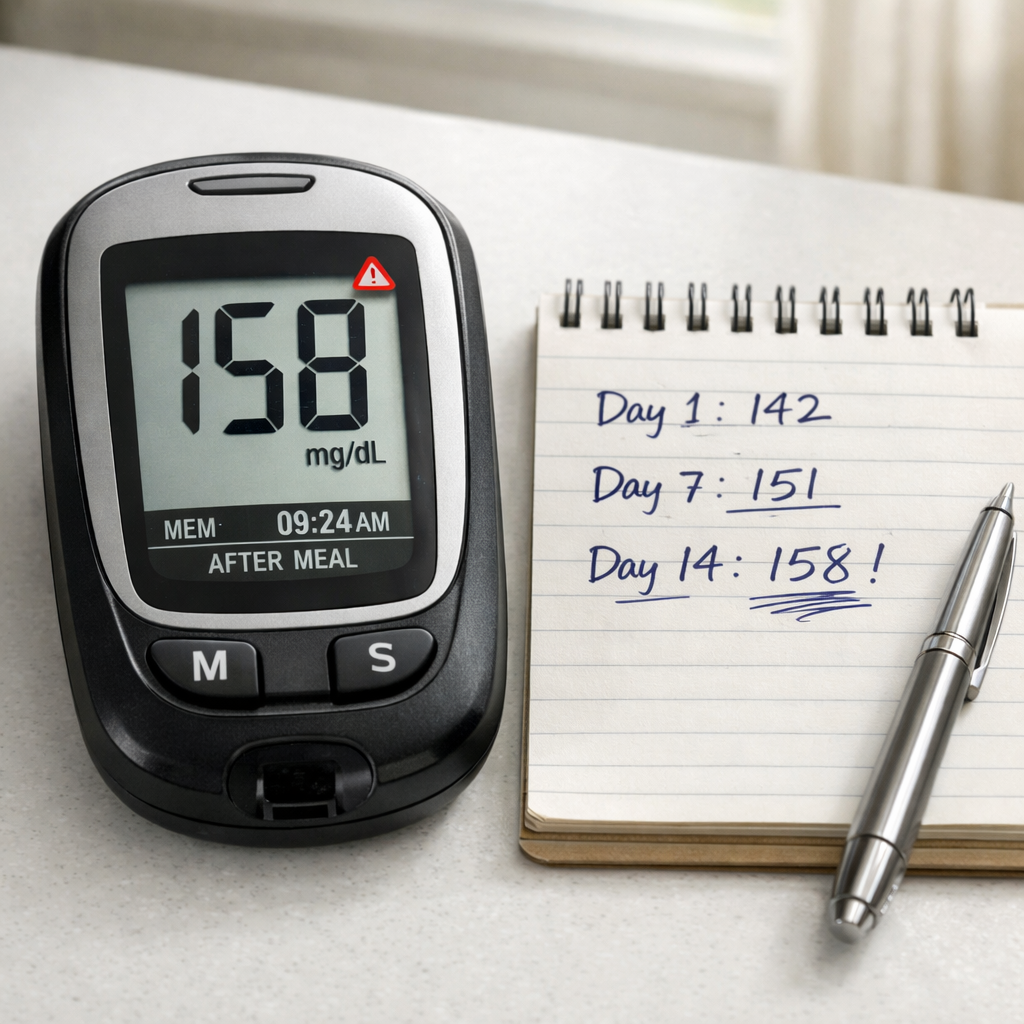
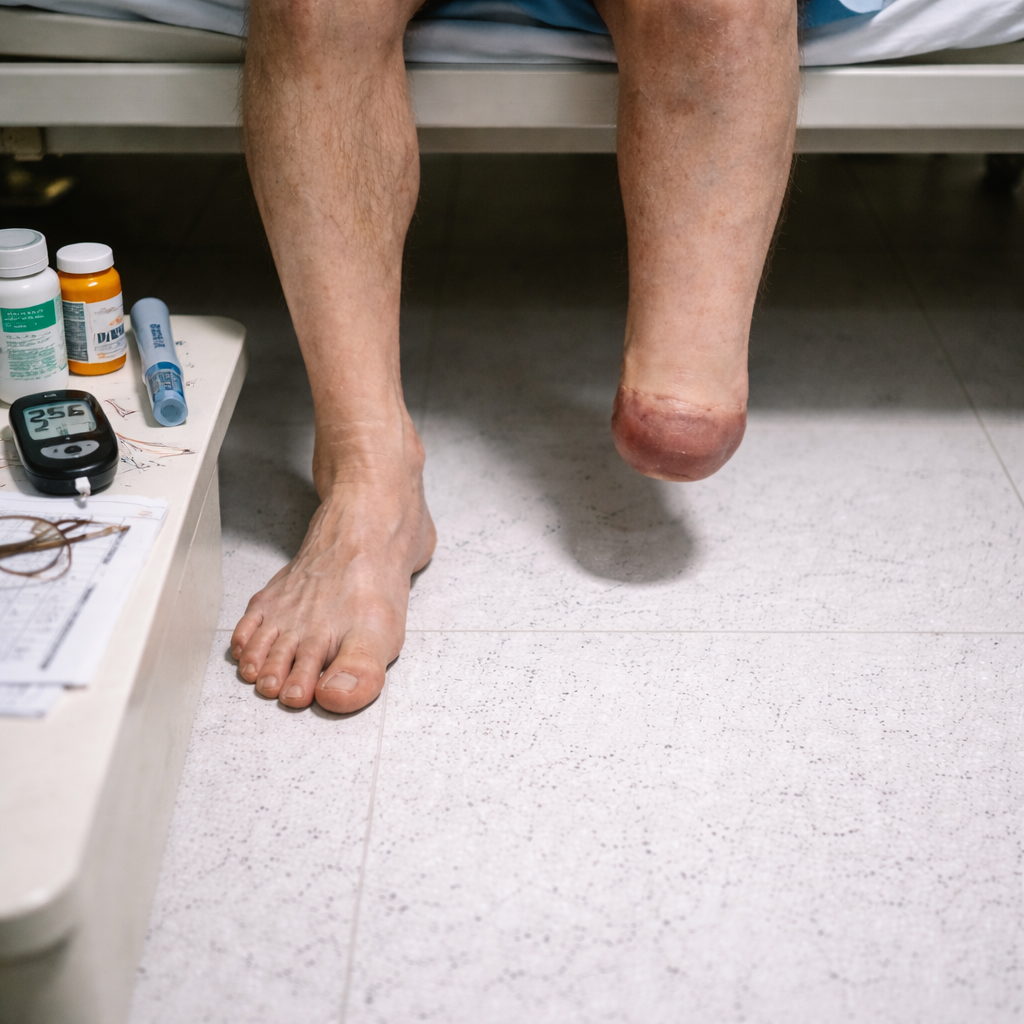
I'll never forgive my diabetic father's doctor for what he didn't tell us. His A1C was perfect. He lost his foot anyway. My father was the kind of diabetic patient most people only pretend to be. Not occasionally disciplined. Not good most of the time. Every single day for 15 years without exception. Metformin at the same time every morning. Never missed once. Checked his blood sugar before every meal. Tracked every carb. Kept his A1C under 7 for three straight years — something his doctor called exceptional. His endocrinologist used him as an example to other patients. Literally told them — this is how you manage diabetes. And last January, they took his foot. Not because he slipped. Not because he got lazy. Not because he ignored his numbers. He lost his foot while doing everything right. If the most disciplined diabetic patient his doctor had ever seen couldn't protect himself — what does that mean for the rest of us? That question kept me up for weeks. Until the surgeon told us what actually happened. And why nobody had mentioned it before. Two years before the amputation his feet started feeling cold. Then numb. Tingling in his toes. His doctor said that's normal. Neuropathy. Nerve damage from years of elevated blood sugar. Keep the A1C controlled and it shouldn't get worse. Six months later a small cut on his foot. Barely noticed it. Took three weeks to heal. Doctor said diabetics heal slower. Keep it clean. Watch for infection. A year ago an ulcer on his big toe. Wouldn't heal. Kept getting worse despite treatment. Last January they amputated his foot. 67 years old. A1C under 7. Following every instruction his doctor gave him. After the surgery the surgeon said something that made my blood run cold. "Your father's foot didn't get enough blood flow. The tissue died. That's why the ulcer wouldn't heal." I said — but his blood sugar was controlled. He was doing everything right. "Blood sugar control matters. But circulation matters just as much. Most diabetics have no idea that sitting for hours at a time almost completely stops blood flow to the feet. Diabetic blood is already thicker. Already slower. Already more prone to clotting. When circulation stops — even partially — the vessels that deliver blood to your feet start weakening. Silently. For years. Until one day a small cut won't heal. And by then it's very hard to reverse." I went cold. Because I'm 44. Type 2 diabetic for six years. A1C 6.8. Metformin every day. Doctor says I'm managing it well. And for the past year my feet have been cold. Numb. Tingling in my toes. The exact same symptoms my father had two years before he lost his foot. I work from home. Sit at my desk 8-10 hours a day. I was watching the same thing happen to me and didn't even realize it. I called my cousin that night. She's a vascular specialist. I told her everything. She was quiet for a moment. Then she said — you're right to be scared. But you're not your father. You still have time. And there's one specific thing you need to understand about what's actually happening inside your legs right now. "When you sit for hours, blood flow in your legs almost completely stops. For a healthy person that's uncomfortable. For a diabetic it's dangerous. Because diabetic blood is already thicker. Already slower. The pooling you can't see is what causes the swelling. But underneath that, the vessels are weakening. Stiffening. Losing their ability to do their job. And the longer it goes on the harder it is to reverse." "So what do I do." "You need to keep blood moving through your legs. Every single day. Movement is the only thing that actually keeps those vessels alive. That pumps blood through your feet. That prevents the pooling." "But I sit all day. At work. At home. I can't just—" "I know. I hear this every day. And I understand it isn't laziness. You're exhausted. You work all day and by the time you're done you have nothing left. The gym sounds good in theory until you're actually sitting there at 7pm with your shoes still on wondering how you're supposed to find the energy. And even when you do go — your knees hurt. Your back hurts. You're wiped out for the rest of the day. So you stop going. And then the guilt makes it worse. And then you stop trying altogether because every attempt just reminds you that you can't keep up with it." "And even the smaller things. Walking more. Standing breaks. A standing desk. They all have the same problem — they need you to stop what you're doing. To find time you don't have. To remember when you're already deep in work or a call or just trying to get through the day." "So most people do nothing. Not because they don't care. Because every option they've tried asks more than they can give. And the vessels keep weakening. And one day it's not just swelling anymore." She let that sit. "There has to be another way." "There is." She came over that weekend carrying something small. About the size of a shoebox. Picture the pedals on a bicycle. Just the pedals. No bike. No seat to climb onto. No handles. Just two pedals connected to a compact device that sits flat on the floor in front of your chair. You sit down. Feet on the pedals. And you pedal. That's it. No standing up. No gym. No energy you don't have. Just gentle movement of your legs while you sit at your desk, watch TV, eat dinner. The same motion your legs have known your entire life. She set it down and said — just try it. Then she explained something simple. "Think of your blood vessels like a river. When the river flows it stays clean. When it stops moving it stagnates. Things build up. That's what's happening in your legs every hour you sit still. This keeps the river moving. Gently. Consistently. Without changing a single thing about your day." I started on the lowest setting. Almost no effort. Just quiet circles while the evening news played. The first week nothing dramatic happened. But I kept going. Two weeks in the coldness in my feet — that constant chill I had accepted as just part of having diabetes — was less. Not gone. But different. Undeniably different. The tingling in my toes started fading. I didn't say anything yet. I didn't want to get excited over nothing. End of month one I went for my regular checkup. My doctor looked at my circulation numbers and paused. She asked what I had been doing differently. I told her about the pedal device. Almost apologetically. She didn't dismiss it. She said — this is exactly what your legs need. Movement is the one thing that keeps diabetic circulation from deteriorating. Most of my patients know that. They just can't figure out how to actually do it. Then she said — don't stop. I thought about my father. The model patient. Who did everything right except this one thing. And nobody told him. I wish someone had sat him down and explained that his cold feet were not just neuropathy. That every hour he sat still was another hour his vessels were weakening. That something this simple — this small — could have kept his blood moving every single day without changing a single thing about his life. He didn't need the gym. He didn't need energy he didn't have. He just needed to keep his blood moving. From his own chair. If you're diabetic and your feet feel cold — or numb — or cuts take longer to heal than they should — please don't do what my father did. Don't accept it as normal. Don't let another year pass assuming someone would tell you if it mattered. Nobody told my father. Nobody told me until I went looking. Those are the warning signs. The same ones my father had two years before he lost his foot. The device my cousin brought that weekend is called StayActive. Link is below. I hope it keeps your feet warm. And I hope your family never has to get the call we got.
Like this ad? Make it yours.
Crush rebuilds this exact creative around your product — your brand, your colors, your offer — in about a minute.