Olivia Smith
Olivia Smith Facebook ad: “If You Remember 2020, Read This”
Ran for 11 days, from September 18 to September 29, 2026, the last day Crush saw it.
Run by Olivia Smith on Facebook. Crush is not the advertiser and does not verify its claims. See this ad in Meta's Ad Library(opens in a new tab)
Want an ad like this for your product?
Crush makes new ad images for your product from this ad: your logo, your product photo, your offer.
Trials from $19.95 USD, then $79.95 USD a month. Cancel anytime.
About this ad
- Meta Ad Library ID
- 1903611367269716
- Platforms
- Facebook, Instagram, Audience Network, WhatsApp and Threads
- Relaunches
- 0
- Niche
- Food & Beverage
Ad text
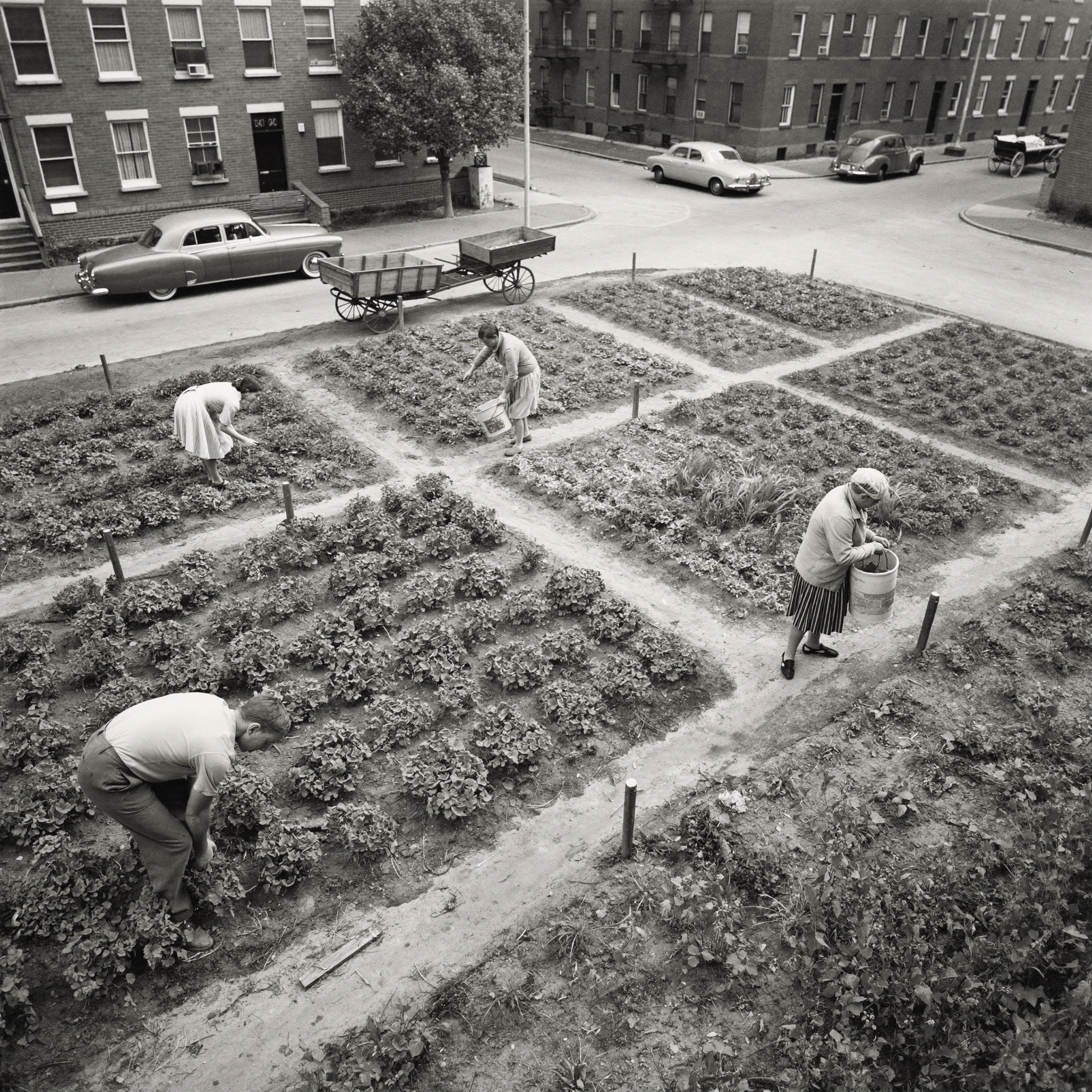
I noticed something strange on the back of a seed packet last spring. Two characters. F1. I'd seen them hundreds of times before. Never thought much about them. Then I made the mistake of looking up what they meant. And that sent me down a rabbit hole I honestly wish I'd found twenty years earlier. Because once you understand how the modern seed system works, you start asking a very uncomfortable question: Why did our grandparents know how to keep a garden going year after year… while we've been trained to go back to the shop every spring? Think about it. A hundred years ago, saving seed was ordinary. Your grandmother grew beans. She kept seed from her healthiest plants. Dried it. Labelled it. Put it away. Next spring, she planted those seeds. The plants grew. She harvested again. Then saved seed again. One packet could start a chain that lasted for decades. Today? Most people grow something… pull it out at the end of the season… throw it on the compost… then go back to the garden centre next spring and buy more seed. Every year. Again. And again. And again. Nobody calls that strange. Nobody even thinks about it. I didn't either. Until I learnt what F1 hybrid actually meant. Now let me be clear. F1 hybrids are not evil. They're not poisonous. They're not some secret laboratory experiment. Many are excellent plants. Strong. Productive. Uniform. Disease resistant. But there's one thing they're generally not designed for: giving you a predictable copy of the same variety when you save the seed and plant it again. Plant an F1 tomato this year and you may get a beautiful crop. Save seed from that tomato… plant it next spring… and the next generation can split genetically. Different size. Different shape. Different growth. Different yield. Sometimes something good. Sometimes something useless. But not a reliable copy of the plant you thought you were saving. That's normal F1 genetics. And once I understood that, another question appeared. A much bigger one. Who benefits when gardeners have to buy new seed every year? Because your grandmother's seed behaved more like an asset. Buy it once. Maintain it. Keep it going. Modern commercial seed often behaves more like a subscription. Grow. Finish. Return next year. Pay again. Now I'm not saying somebody sat in a dark room one night and designed a master plan to control everyone's vegetable patch. They didn't need to. The incentives do the work on their own. A customer who can save their own seed may not need you next spring. A customer who wants the exact same F1 variety does. And once I saw that… I started noticing the system everywhere. Garden centre racks full of hybrid varieties. Supermarkets full of vegetables selected for uniformity and shelf life. Gardening knowledge disappearing from families. Seed saving treated like some obscure hobby instead of something ordinary people did for thousands of years. Then I discovered the part that really bothered me. Governments haven't forgotten the value of seed. Not even close. Deep inside a mountain in the Arctic sits the Svalbard Global Seed Vault. One of the most secure seed-storage facilities ever built. More than a million seed samples stored behind thick doors in frozen rock. Why? Because governments and scientists understand something very simple: Once genetic diversity disappears, you may never get it back. So while ordinary people have slowly lost the habit of saving seed… the institutions responsible for long-term food security are doing the exact opposite. They're preserving it. Carefully. Methodically. For the future. That doesn't prove some grand conspiracy. But it does reveal something uncomfortable. The people thinking fifty years ahead are protecting seed diversity. Most of us are thinking until next Saturday's supermarket shop. And that difference matters. Because we've already seen what happens when everybody suddenly decides food security matters at the same time. Remember 2020? Supermarket shelves stripped. Flour disappeared. Pasta disappeared. Tinned goods vanished. Queues outside supermarkets. Purchase limits. Then millions of people across Britain had exactly the same idea. Maybe I should grow some of my own food. And they went looking for vegetable seed. All at once. UK seed suppliers were overwhelmed. Orders surged. Websites struggled. Some varieties disappeared. People who had never touched a seed packet suddenly wanted one. That's when the system revealed its biggest weakness. Seed isn't toilet roll. You can't simply tell a factory to make another million packets tomorrow. Before seed goes into the packet… somebody has to grow it. The plant has to mature. The seed has to develop. It has to be harvested. Cleaned. Tested. Packed. There is a biological clock involved. You cannot negotiate with it. So when demand explodes suddenly… supply cannot instantly follow. Which means by the time everybody agrees that owning seed might be useful… the people who prepared early already have it. Everyone else starts searching. And here's what bothers me most. Britain already learnt this lesson once. During the Second World War. Britain depended heavily on imported food. Then war threatened the ships bringing it here. Rationing followed. And suddenly growing vegetables wasn't a quaint hobby. It became national policy. The government launched: DIG FOR VICTORY. Lawns became vegetable gardens. Parks became allotments. Unused land was cultivated. Ordinary British families were taught how to grow food. Government leaflets explained what to plant. When to plant it. How to use the land efficiently. By 1943, British gardens and allotments were producing more than one million tonnes of fruit and vegetables. Read that again. Ordinary back gardens and allotments. Over a million tonnes. Because back then, people understood something we've somehow managed to forget. Food security isn't only about storing food. It's about knowing how to produce more. And seed is where that starts. But here's the difference between then and now. Our grandparents didn't see seed as something disposable. Many used traditional open-pollinated varieties. They grew them. Selected healthy plants. Saved suitable seed. Stored it. And planted again. One season fed the next. It wasn't called "prepping." It wasn't political. It wasn't paranoid. It was gardening. Then supermarkets got bigger. Supply chains got faster. Food got cheaper. Gardens got smaller. And the knowledge quietly disappeared. Nobody confiscated it. Nobody banned it. Something more effective happened. We stopped needing it. And when people stop needing a skill… they stop teaching it. One generation forgets a little. The next forgets more. Until suddenly you have millions of people who can use Deliveroo with their eyes closed… but couldn't tell you whether a carrot seed goes into the ground in January or June. That's when I realised the real problem isn't that "they" took something from us. It's worse. We gave it up because convenience made it feel unnecessary. Until convenience failed. For a few weeks in 2020, Britain got a tiny reminder. And then the shelves refilled. So everybody forgot again. That was the point where I started looking for something very specific. Not random vegetable packets. Not an "emergency survival tin" with a skull printed on it. Not five packets of lettuce pretending to be food security. I wanted three things. Open-pollinated. Non-hybrid. Enough variety to build an actual garden. And I wanted the varieties clearly listed. Because if a company won't tell me what's inside the box… I'm not interested. Most of what I found was disappointing. Tiny collections. Mystery varieties. Hardly any seed. No instructions. No seed-saving guidance. Lots of fear. Very little gardening. Then I found The Home Harvest Heritage Seed Vault. And this was different. 16,000+ seeds. 35 heirloom varieties. Every one: Open-pollinated. Non-hybrid. Non-GMO. Tomatoes. Beans. Sweetcorn. Squash. Carrots. Peppers. Lettuce. Kale. Peas. Cucumber. Radishes. Spinach. Courgettes. Aubergines. Herbs. Greens. A real garden. Not just an emergency prop. And here's the important part. The point of open-pollinated seed isn't that you hide the packets in a cupboard until civilisation collapses. That's ridiculous. The point is that you can learn how to maintain your own seed. Grow it. See what works in your soil. Choose healthy plants. Save suitable seed. Label it. Store it properly. Plant again. That's how you stop being somebody who owns seeds… and become somebody who actually knows how to use them. There's a huge difference. The Home Harvest includes growing instructions plus a Garden Planner to help you understand: When to sow. When to transplant. When to harvest. And when to start thinking about saving seed. Because 16,000 seeds are worthless if you have no idea what to do with them. That was another thing our grandparents had that we don't. Knowledge. Not because they were smarter. Because somebody taught them. Their parents. Their grandparents. The neighbour over the fence. The old man at the allotment. That knowledge moved through families. Today we need to rebuild it. And the best time to do that isn't while you're staring at an empty shelf. It's now. While nothing dramatic is happening. Plant three packets. That's it. Tomatoes. Beans. Lettuce. See what happens. Next season, try five. Learn your garden. Learn your soil. Learn which varieties thrive where you live. Then save seed from suitable plants. That first little envelope of seed you saved yourself will change how you look at the entire thing. Because you realise: I don't necessarily have to buy this again. That's a strange feeling in 2026. Almost everything in modern life is designed around recurring payment. Streaming subscriptions. Software subscriptions. Phone contracts. Delivery memberships. Even cars are starting to lock features behind subscriptions. And somehow… without anybody really noticing… our gardens started working the same way. New packets. Every spring. Another purchase. Another year. Another packet. Open-pollinated seed breaks that pattern. Not magically. Not automatically. You still need to learn how to save seed correctly. Some varieties can cross-pollinate. Seed needs proper storage. Selection matters. But the principle is completely different. The seed can become more seed. And that's exactly why I wanted it. Not because I think supermarket shelves are disappearing tomorrow. Not because I think there's some secret meeting where powerful people decide who gets tomatoes. Because the truth is simpler than that. Systems optimise for what makes them efficient and profitable. Families need to optimise for what makes them resilient. Those are not always the same thing. The seed industry needs customers. Your family needs food. Supermarkets need supply chains. Your garden needs soil, water, seed and time. Government seed vaults need to protect genetic diversity for decades. You need enough diversity to figure out what grows well behind your own house. Different goals. Different incentives. Once I understood that… The Home Harvest made a lot more sense. 16,000+ seeds. 35 heirloom varieties. Open-pollinated. Non-hybrid. Non-GMO. Growing instructions. A growing manual. A Garden Planner. Seed-saving guidance. A 90-day money-back guarantee. And the seeds are packed for long-term storage with a 10-year freshness guarantee when stored correctly. So you can keep part of the collection stored… while actively learning with another part. That's exactly what I'd do. Don't buy this and forget it exists. Open it. Take three packets. Plant them. Test the germination yourself. See the plants with your own eyes. Learn. Then save seed. That's the real insurance. Not the box. The knowledge. Because if another 2020 happens and seed demand explodes again… you don't want to be reading: OUT OF STOCK. You want to be looking at a labelled envelope in your cupboard thinking: I've already got mine. Maybe the shelves never empty again. Wonderful. Then you've got a garden. Fresh vegetables. A useful skill. And seed you can learn to carry from one season into another. That's a pretty good worst-case scenario. But if something does interrupt supply again… you'll understand something most people won't realise until they're already searching for it. The best time to secure seed isn't when everyone wants seed. It's before. Right now, The Home Harvest Heritage Seed Vault is 50% off. More than 1,000 families have already bought theirs. And because real seed has to be grown, harvested, tested and packed in batches… once a batch goes, you cannot simply switch on a machine and manufacture another crop overnight. Biology doesn't work that way. Which might be the most important lesson in this entire letter. Modern life has trained us to believe anything we need will always be available tomorrow. Click. Order. Deliver. But seeds still operate on an older system. Seasons. Maybe it's worth owning something that still does. 👇 https://thehomeharvest.uk/ P.S. — Here's the thought I can't get out of my head. Governments spend enormous amounts of money preserving crop diversity for the future. Your grandparents saved seed for the future. Professional plant breeders preserve genetics for the future. But ordinary families have somehow been trained to think one season ahead. Buy. Grow. Discard. Repeat. You don't need to believe in a conspiracy to see that something useful was lost. The Home Harvest gives you 16,000+ seeds across 35 open-pollinated heirloom varieties so you can start rebuilding that knowledge now. Plant some. Save some. Learn how to make one season create the next. https://thehomeharvest.uk/ P.P.S. — Maybe nobody planned it. Maybe convenience simply won. But the end result is the same: your great-grandparents knew how to keep a seed line alive. Most people today don't. That's a dependency you can actually fix. And it starts with something small enough to fit in your hand. A seed. 👇 https://thehomeharvest.uk/
Where the ad sends people
thehomeharvest.uk
If You Remember 2020, Read This
The Home Harvest
Learn more: thehomeharvest.uk(opens in a new tab)