
Active· since May 16, 2026
- 121
- days running
- 0
- relaunches
Ad copy
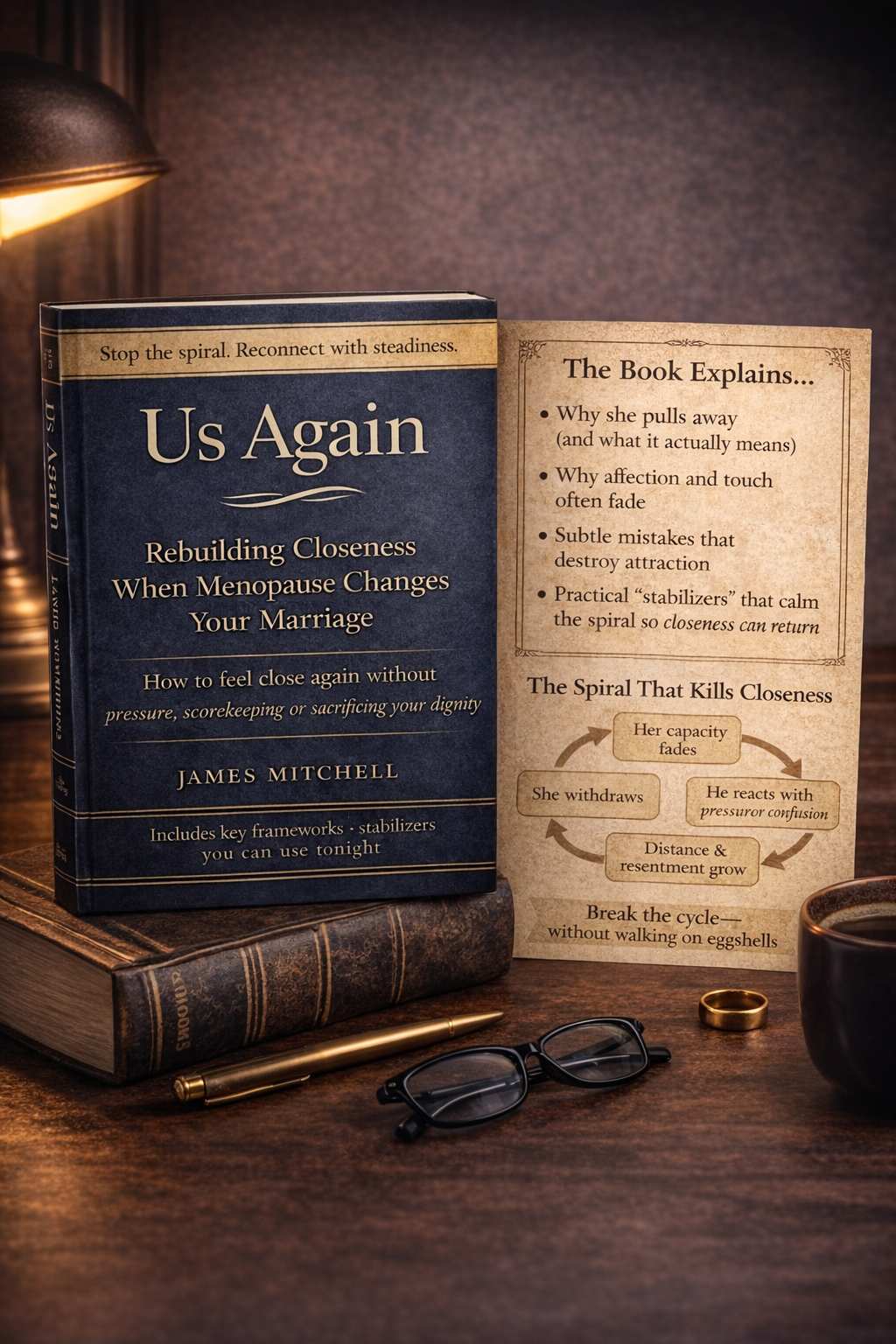
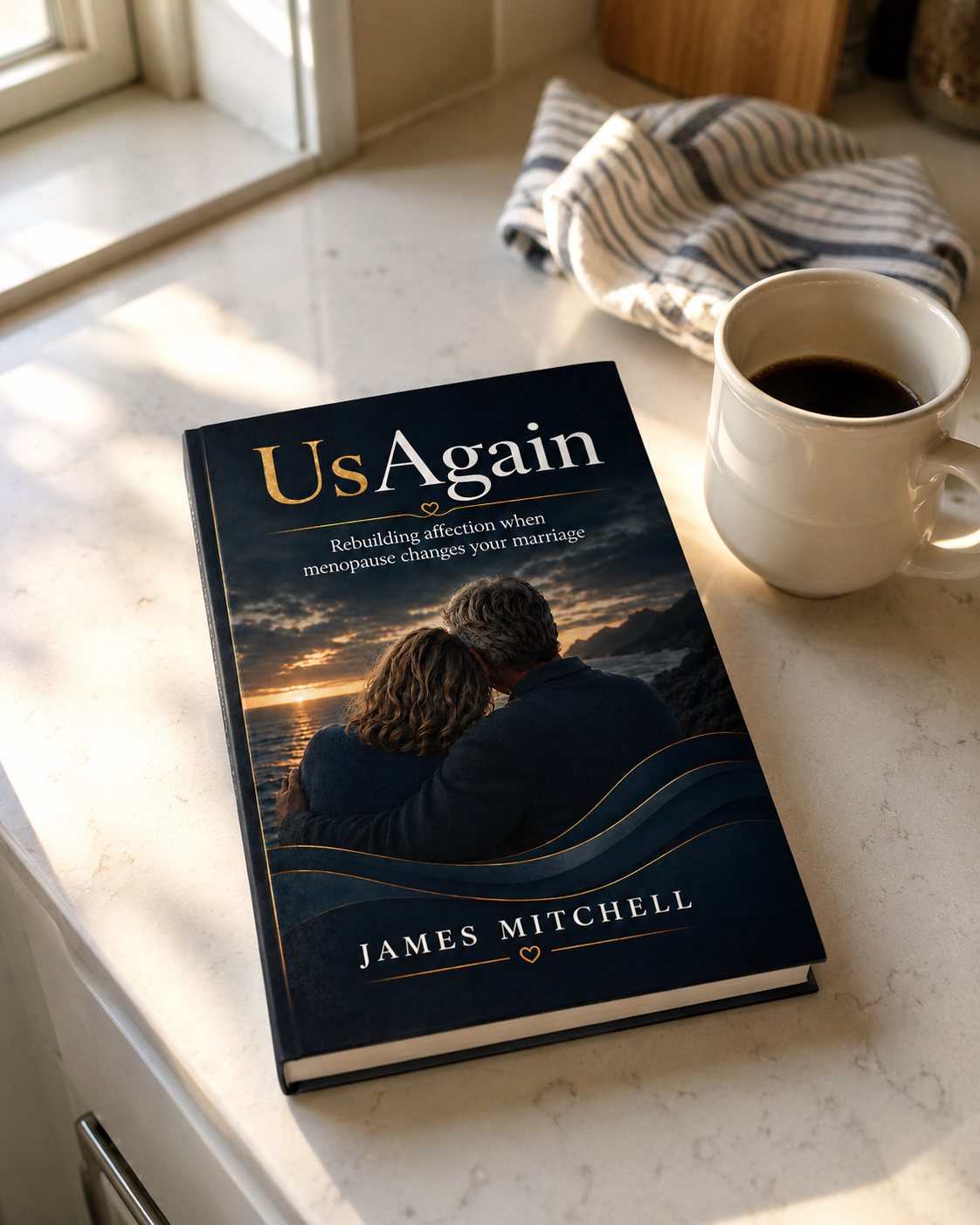
I'm a marriage counselor. And I divorced my first husband during menopause. Twenty years of sitting across from couples in pain. Twenty years of helping them name what they couldn't say out loud. And I couldn't save my own marriage from the one thing I should have seen coming. We didn't stop loving each other. He blamed me. I blamed him. And neither of us could see past the other to what was actually happening. Here's what I know now, looking back from the other side, that I couldn't articulate then: My nervous system was running on emergency power for months. Sleep deprivation that long doesn't just make you tired. It makes everything feel like a threat. His disappointment felt like an attack. His patience felt like abandonment. His silence felt like he'd already left. He didn't know any of that. From where he stood, he was watching the woman he loved turn into someone he didn't recognize, and every move he tried only seemed to make it worse. So he kept changing his approach. More space. Less space. More attention. Less attention. Trying to read the situation and getting it wrong every time, because the situation didn't follow the rules he knew. My body had changed in ways that frightened me. Things that used to feel natural felt uncomfortable. I had no language for it. Shame made me avoid the conversation. So he never knew. He just felt rejected. So he stopped reaching for me. Not because he didn't want me. Because rejection enough times teaches a man to protect what's left of himself. He pulled back to keep his dignity intact. I read his pullback as confirmation he'd given up. He read my distance as confirmation I didn't love him anymore. Both of us were wrong, and we couldn't tell each other. I wasn't choosing to be angry. I was terrified. I didn't recognize myself. And the harder he tried to reach me, the more cornered I felt. He wasn't a bad husband. He was a man fighting a fight he hadn't been trained for, with instincts that worked in every other room of his life and stopped working in this one. He tried logic. He tried patience. He tried space. He tried writing me a letter. Nothing landed — not because his effort was wrong, but because the situation didn't match anything he'd seen before. I know how that sounds to a husband. It sounds like excuses. It's not. It's just the truth I couldn't say out loud then — because I didn't understand it myself. My first husband never got that explanation. He waited for me to come back. And the distance hardened until there was nothing left to save. I never figured out what would have saved that marriage. I just know what didn't. When I got remarried, I felt it starting again. The same coldness creeping in. The same withdrawal. The same distance. And here's the part I'm ashamed of: I'm a marriage counselor. I'd spent two decades helping other couples find each other again. And I still couldn't see my way through it from the inside. I could feel myself pulling away from him. I couldn't stop it. He was good to me. He didn't deserve what I was bringing into the room. I'd had years to think about what would have saved my first marriage, and I'd arrived at the same answer over and over again: we needed to understand each other. Not react to each other. Not strategize at each other. Actually understand what the other person was going through, from the inside. The problem is, you can't understand something you've never had explained accurately. And nothing I'd ever read explained it accurately. Not the clinical books. Not the well-meaning blog posts. Not the advice from women who'd never been through it or men who only saw it from outside. I went looking, on and off, for years. Then my husband came home one evening and told me he'd ordered a book. *Us Again* — written by a man who lost his first marriage to menopause and spent years writing down what he'd finally figured out. He read it. Then I read it. It was the first thing I'd ever read that described what I'd lived through accurately — from both sides. Not as theory. As lived reality. The man who wrote it had clearly stood inside the same fog I had, and clearly watched a marriage die in it, and clearly spent years afterward turning that loss into something useful. It didn't fix our marriage in a month. Nothing fixes a marriage in a month. What it did was give both of us an accurate picture of what we were inside of. And once we had that picture, the small choices started getting easier. Not all at once. One at a time. A thousand of them over the year that followed. He didn't take my coldness as rejection anymore. He understood what it was. I stopped reading his pullback as abandonment. I understood why he did it. Neither of us became different people. We just stopped fighting blind. One evening I snapped at him over something stupid. And instead of going quiet — the way my first husband used to — he looked at me and said: *"I know you're not trying to be mean. You're overwhelmed. It's okay."* I stood there and didn't know what to say. Because that one sentence held an entire year of him quietly choosing to understand instead of react. If I'm honest, that's why the second marriage lasted. Not because we tried harder. Not because we loved more. Because we finally had the information we needed to actually see each other. If your wife seems like a different person right now — she's not gone. She's buried. Buried under hormonal chaos she doesn't understand. Under shame she can't articulate. Under sleep deprivation that's been running her nervous system on emergency power for months. Under the fear that she's losing herself and taking you with her. She's still in there. But she can't find her way back if the marriage has become a place of pressure, resentment, and accumulated damage. The door has to stay open. And from inside the fog, she can't be the one to keep it open. That has to be you. Not because it's fair. Because right now, you're the one who still can. I wish my first husband had found this book. I'm grateful my second one did. The link is below.
Like this ad? Make it yours.
Crush rebuilds this exact creative around your product — your brand, your colors, your offer — in about a minute.